2027 Is South University's Online Associate of Science in Medical Assisting Worth It? Salary, Outcomes, and ROI

Co-Founder and Chief Data Scientist
Choosing an online Associate of Science in Medical Assisting program requires balancing flexibility, accreditation, and career relevance. With healthcare support roles growing 13% faster than average according to the U. S. Bureau of Labor Statistics, timing and quality can dramatically affect employment outcomes.
Prospective students must consider if South University's program aligns with their goal to gain practical skills remotely while meeting employer expectations. Accessibility and the evolving healthcare landscape demand programs that ensure clinical competence despite virtual delivery.
This article examines how South University's online associate degree matches these criteria and explores its impact on career readiness and long-term mobility in medical assisting.
Key Points About South University's Online Associate of Science in Medical Assisting Program
- South University's open admission policy for the online Associate of Science in Medical Assisting program removes traditional entry barriers, enabling faster enrollment but potentially affecting cohort preparedness.
- Graduates benefit from experienced faculty and typically secure employment in medical assisting roles, supporting workforce demand though individual outcomes may vary by region.
- The $35,077 tuition paired with a median alumni salary of $34,421 yields a 1.32x earnings to debt ratio, highlighting moderate financial return that students should weigh against alternative pathways.
What makes South University's online Associate of Science in Medical Assisting program stand out?
The primary value in South University's online Associate of Science in Medical Assisting program lies in its flexibility tailored to students juggling work and personal responsibilities. Unlike traditional programs bound by set class times, this program's asynchronous learning model lets students engage with coursework on their own schedules, a significant advantage for working adults or those with caregiving duties.
However, the program's graduation rate of 23% underscores the intensive self-motivation required to succeed in this remote learning environment.
From a workforce perspective, South University's emphasis on virtual labs, simulations, and digital resources offers practical skill-building aligned with certification requirements and employer expectations in health settings. The program serves distinct student profiles well-those seeking entry-level medical assisting roles with structured support and those needing an adaptable pacing option.
Yet, the relatively low graduation rate and the online format's reliance on student discipline mean prospective students must weigh these factors carefully against more traditional or hybrid offerings.
Is it difficult to get admitted to South University's online Associate of Science in Medical Assisting program?
Associate of Science in Medical Assisting programs often have varying admission standards, with many requiring competitive GPA thresholds, prerequisite coursework, and sometimes entrance exams due to the technical and regulated nature of healthcare roles. This can limit access, especially for applicants balancing work or other commitments, and raises the stakes for timely and prepared applications.
South University's online Associate of Science in Medical Assisting program eliminates those traditional hurdles by adopting an open admission policy. The absence of SAT or ACT requirements and broadly accessible enrollment results in lower barriers compared to peers, implying less competition for acceptance.
While this expands opportunities, students should weigh whether a more accessible entry aligns with their readiness to handle professional demands without the screening filters typical of more selective programs.
This open admission model makes South University's program more accommodating but may also mean a wider spectrum of academic preparedness among enrollees, which can affect cohort dynamics and individualized support.
Employers often seek candidates who combine credential completion with demonstrated competence, so prospective students might consider how to supplement their education with practical experience or certifications beyond just gaining admission.
One graduate recalled, "I was hesitant at first because I wasn't sure if the lack of testing meant less rigor, but the application was straightforward. I applied late in the cycle after missing deadlines elsewhere, and South University still accepted me quickly. That relief helped me focus on coursework without the stress of wondering if I'd get in. However, I knew I'd have to work harder to prove myself clinically and professionally afterward."

How does the curriculum of South University's online Associate of Science in Medical Assisting program stay aligned with current industry trends?
South University’s online Associate of Science in Medical Assisting program reflects evolving healthcare demands by combining clinical preparation, technology-focused training, and administrative skills. Its curriculum integrates hands-on experience and modern healthcare practices to help students develop the competencies employers increasingly expect from medical assistants.
- Comprehensive Clinical Training: The program emphasizes hands-on labs and externships, which simulate the real-world settings where medical assistants apply skills such as phlebotomy and EKG monitoring. This practical experience is vital for graduates to transition smoothly into roles that require both technical competence and situational adaptability.
- Healthcare Informatics Integration: Training in electronic health records (EHR) within the curriculum responds directly to the digitization of healthcare operations. Familiarity with EHR systems is an increasing prerequisite across healthcare facilities, making this inclusion a significant alignment with employer expectations and industry trends.
- Balanced Administrative Expertise: Beyond clinical tasks, the curriculum covers medical office management, billing, coding, and patient communication. This dual focus reflects the versatility demanded of medical assistants today, enabling graduates to navigate both front-office responsibilities and clinical environments effectively.
This alignment ensures graduates are not only versed in theory but are also equipped with practical abilities corroborated by current healthcare industry standards.
For students weighing the investment in an associate degree, these elements highlight how practical relevance competes with other shorter, specialized pathways such as various short degrees that pay well. Understanding these curriculum features assists prospective learners with decision-making grounded in realistic employment market expectations rather than solely institutional promises.
How much does South University's online Associate of Science in Medical Assisting program cost?
Tuition and fees for South University's online Associate of Science in Medical Assisting program tally to $18,238, with the total annual cost, including books, room, board, and other expenses, reaching around $35,077. This figure reflects a premium often linked to comprehensive online services and additional program requirements.
Students should weigh this against the potential benefits of institutional grants, corporate tuition reimbursement, and typical financial aid, which averages about $6,006 per undergraduate recipient at South University. Understanding these aid dynamics is essential, as they materially alter net costs and the real financial commitment for an online learner.
The cost structure at South University notably lacks a flat in-state tuition rate for online students, and technology fees specific to the online component are not publicly detailed. This necessitates direct inquiry, especially since policies on fees can evolve and might affect effective pricing for learners from various locations.
In practical terms, prospective students must factor in these uncertainties alongside the sticker price when budgeting for the program. The high rate of financial aid distribution, covering 95% of undergraduates, can meaningfully moderate these costs for many enrollees focused on healthcare or related workforce pathways.
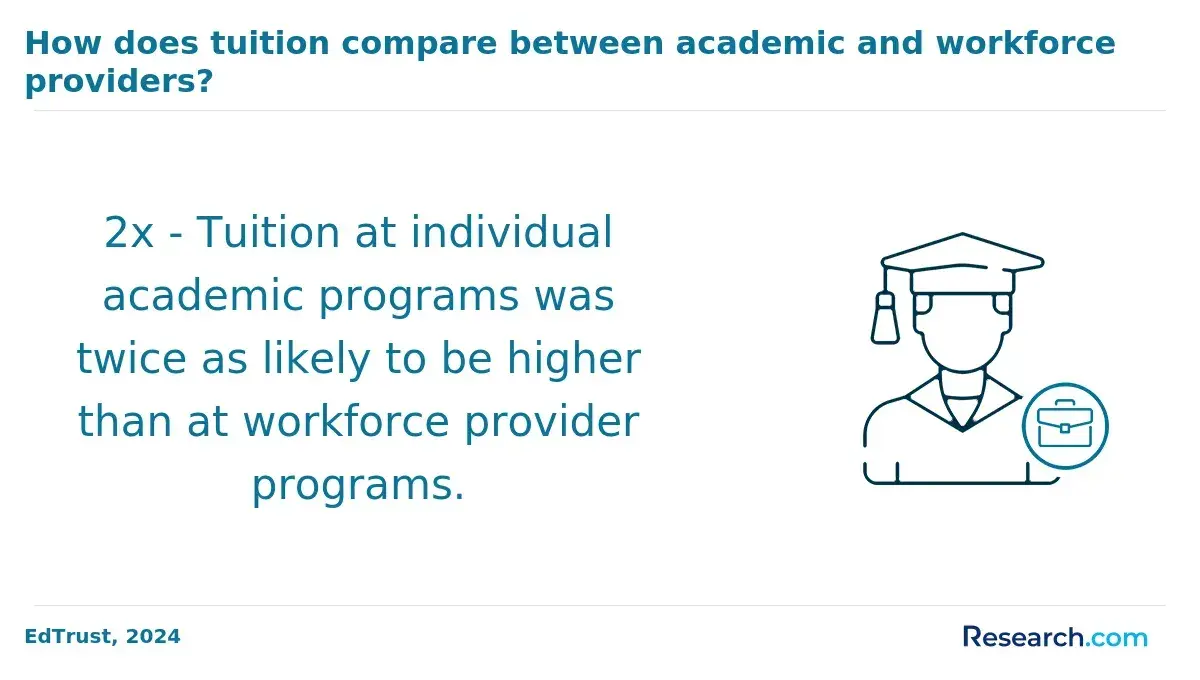
When compared with the national average annual tuition for Associate of Science in Medical Assisting programs, South University's fees fall on the higher side. This is significant because many regional institutions offer lower baseline tuition, though total costs fluctuate depending on service scope and geographic factors.
Students aiming for cost efficiency must consider these tradeoffs, especially if their goal is to secure roles in medical assisting without incurring disproportionate debt. The larger investment at South University might be justifiable if paired with strong financial aid or specific career services, but it requires deliberate financial planning.
For students exploring pathways toward credentials with strong employment outcomes, evaluating programs based on total cost alongside earning potential is critical. While South University's comprehensive pricing and aid profile influence its accessibility, researching online certificate programs that pay well can provide broader context.
Balancing costs against potential salary improvements ensures the program's value aligns with realistic workforce entry and long-term career implications in the medical assisting field.
What are the admission requirements for South University's online Associate of Science in Medical Assisting program?
The open admission model at South University's online Associate of Science in Medical Assisting program removes typical standardized test barriers, which can widen access but also shifts greater emphasis onto other student qualities and readiness.
For applicants balancing work or seeking quick entry into healthcare roles, this flexibility reduces upfront hurdles but may place increased responsibility on students to independently demonstrate competence once enrolled. Prospective students should thoroughly understand the application steps, as the streamlined process omits several common requirements.
Below are key admission elements to consider.
- Standardized Tests: Neither SAT nor ACT scores are required for admission, including transfer applicants. This eliminates a common gatekeeper but means academic preparedness must be shown through other means during the program.
- Transfer Credits: South University allows transfer credits without test score prerequisites, but details on maximum transfer amounts or grade minimums are unspecified. Students should confirm policies with admissions to avoid surprises impacting credit portability.
- Additional Documents: No letters of recommendation, personal statements, or resumes are requested, which expedites application but reduces opportunities to present qualitative strengths upfront.
- Entrance Assessments: There are no practical exams or portfolio submissions required before acceptance, lowering application complexity but potentially limiting early skills evaluation that some employers value.
What is the ROI of attending South University's online Associate of Science in Medical Assisting program?
The ROI of attending South University's online Associate of Science in Medical Assisting program is constrained by the relatively narrow gap between its high total costs and graduates' stable but modest salary outcomes. With total annual costs near $35,000, including tuition, fees, and living expenses, students face a substantial financial outlay compared to a median starting salary of about $34,400, which does not increase appreciably even a decade post-graduation.
This limits upward earning mobility after debt repayment, leading to a graduate earnings-to-debt ratio around 1.32x, a calculation indicating earnings only modestly exceed cumulative educational debt.
For prospective students, securing scholarships or grants could be a critical factor in improving this ratio, as reducing debt load directly enhances long-term financial sustainability. Employers generally value medical assistants who combine formal education with relevant certifications and demonstrated clinical experience, which can drive opportunities for slightly higher wages within healthcare settings such as hospitals and clinics.
However, entry-level salaries in this field tend to align closely with the program's median earnings, suggesting that graduates should weigh the financial burden against the likelihood of achieving meaningful salary advancement.
Therefore, individuals considering the Associate of Science in Medical Assisting at South University must account for their ability to obtain financial aid and the competitive employment landscape, where salary growth remains relatively constrained despite steady job availability. Evaluating these tradeoffs is essential for making an informed investment in this credential's practical value.
Is there a high student satisfaction for South University's online Associate of Science in Medical Assisting program?
Student satisfaction in South University's online Associate of Science in Medical Assisting program varies significantly due to the demanding nature of the coursework and the self-motivation required for success. The low graduation rate signals that many students struggle to maintain momentum and complete the program, an important consideration for those balancing work and family commitments alongside studies.
While the university offers academic support and virtual advising, the online format limits opportunities for community building and real-time peer engagement, which many medical assisting roles rely on in practice environments.
The student culture reflects this challenge: flexible scheduling is appreciated, but inconsistent motivation and time management difficulties dampen overall satisfaction. Unlike in-person cohorts where direct mentoring and student organizations can foster collaboration and professional networking, online learners often report a sense of isolation.
The sizeable faculty suggests available resources, yet without active, specialized programs addressing the specific needs of online medical assisting students, students' experiences remain uneven.
One graduate shared that initial excitement faded when workload intensities clashed with her part-time job and caregiving duties. She recalled thinking, "I wasn't sure I could keep up at first, especially without classmates nearby to lean on."
Over time, timely responses from instructors helped her stay on track, and finishing the program felt like clearing a tough but rewarding hurdle. Still, she emphasized that steady discipline and personal sacrifice were essential to her satisfaction, highlighting that the program suits highly organized students more than those seeking casual or highly social learning environments.
How does South University help online Associate of Science in Medical Assisting graduates secure employment?
Employers increasingly expect applicants for medical assisting roles to demonstrate readiness beyond certification, relying on graduates' access to targeted career services and network connections to reduce hiring risk. Schools with structured employment support can shift this dynamic, improving outcomes for remote learners who may lack local industry ties.
South University's online Associate of Science in Medical Assisting career support services address this gap effectively, with studies indicating that graduates engaged with dedicated career and alumni resources have a 35% higher chance of employment within six months after completing their program.
This institutional assistance directly influences job market entry strategy and timing for students balancing remote study and workforce demands.
Key employment resources provided include:
- Virtual Job Fairs: Regular online events connect students to employers nationwide, mitigating geographical constraints and allowing early engagement with hiring managers interested in medical assisting qualifications.
- Resume Workshops: Interactive sessions focus on customizing application materials for healthcare settings, reinforcing the practical skills employers value in initial screenings.
- Job Placement Portal: A dedicated platform listing healthcare positions aligned to graduate profiles helps students identify relevant openings with employer contacts tailored to their qualifications.
- Alumni Mentorship: Structured pairing with experienced medical assistants offers real-world insights and career guidance, expanding students' professional networks and readiness.
Considering employment assistance for South University medical assisting graduates, this layered support infrastructure addresses critical barriers faced by online learners, positioning graduates competitively in an increasingly demanding healthcare employment landscape.
For individuals deciding on educational pathways, understanding how such systemic support compares to other options can inform better workforce readiness judgments and timing decisions, especially when evaluating an accelerated route like the fastest masters degree alternatives in healthcare education.
What are the career outcomes for recent graduates of South University's online Associate of Science in Medical Assisting?
Medical assisting graduates from South University's online program navigate a workforce that demands proficiency in both clinical and administrative functions. The practical skills fostered by the program often translate into roles that require managing patient interactions, performing routine clinical tasks, and supporting physician workflows.
These career outcomes are critical in evaluating whether the program aligns with a student's professional goals, especially given that many employers prioritize demonstrated competence over advanced credentials in this field. Considering typical employment settings and salary expectations illustrates the tangible tradeoffs involved.
Below are key career pathways for recent graduates to consider:
- Medical Assistant Roles: These positions blend clinical duties like taking patient histories, measuring vital signs, administering injections, and assisting in exams with administrative tasks such as scheduling and billing. Average salaries generally hover around $31,369, reflecting entry-level responsibility in healthcare support.
- Health Services Support: Graduates can enter broader health services or allied health roles, where administrative competence is valued alongside some clinical knowledge. Salaries in this category average slightly higher at about $33,436, indicating some flexibility in job functions.
- Registered Nurse Comparison: While medical assisting offers foundational healthcare experience, it trails registered nursing in both scope and remuneration, with nurses earning approximately double. This contrast underscores the importance of understanding long-term career trajectories and educational investments.
- Employment Environments: Common workplaces include physician offices and outpatient clinics, where efficient patient care and operational support are priorities. Geographic factors and experience influence earnings, so graduates should weigh local labor market dynamics when evaluating job placement rates for South University medical assisting graduates.
This nuanced outlook can help prospective students assess the practical workforce implications before committing to the online Associate of Science in Medical Assisting program. For those balancing multiple priorities, this context is vital in determining whether the program meets their career expectations.
Additionally, exploring options through resources like the best online college for military can provide further insight into how this degree compares across educational providers.
How do I know if South University's online Associate of Science in Medical Assisting program is the right fit for my goals?
Deciding if South University's online Associate of Science in Medical Assisting program aligns with your goals hinges on multiple practical factors beyond institutional reputation. Whether the program is worthwhile depends heavily on your specific academic and professional aspirations, as well as how you balance educational rigor, flexibility, and career outcomes.
For example, a working adult seeking part-time study with minimal disruption might prioritize asynchronous course formats over live engagements, while another aiming for clinical certification could emphasize comprehensive hands-on training.
Several key criteria guide this evaluation:
- Curriculum Relevance:The coursework should directly address essential medical assisting competencies like clinical procedures and patient communication tailored to your intended job role. Assess whether the curriculum includes current industry standards and aligns with certification requirements.
- Program Flexibility:Consider the delivery format and scheduling options. Online programs vary between asynchronous and synchronous models, which can significantly affect your ability to keep pace alongside other commitments.
- Accreditation Status:Accreditation by recognized bodies impacts both eligibility for credentials such as the CMA and acceptance by employers. Confirming that the program meets these standards is critical for long-term employability.
- Support Services Availability:Academic advising, career counseling, and technical support can influence your success and adaptation to online learning. Evaluate how these services are integrated into the student experience.
- Outcomes and Placement:Research graduate certification pass rates and employment placement data as indicators of effective preparation. Strong outcomes often reflect program quality and employer recognition.
In your research process, also compare programs within the field-especially when considering the South University online Associate of Science in Medical Assisting program review-to determine the best fit.
If you are balancing military commitments or dependents, review lists such as the best online colleges for military spouses to identify schools with tailored support. Prioritizing these factors according to your goals will clarify if this pathway offers meaningful returns relative to your investment.
What Graduates Say About South University's Online Associate of Science in Medical Assisting Program
- Aubrey: "Studying the Associate of Science in Medical Assisting at South University gave me a solid grounding in clinical procedures and administrative skills, which proved essential when I first entered the workforce. However, I quickly realized that employers often prioritize hands-on experience and certifications over the degree itself, so I focused on building a strong portfolio through internships and continuing education. This pragmatic approach helped me secure a stable position, though I'm aware that without licensure, my salary growth and advancement opportunities remain somewhat limited."
- Phoebe: "The flexibility of South University's Associate of Science in Medical Assisting program was a game-changer for me, allowing me to balance studies with part-time work. After graduating, I found that the skills I gained enabled me to transition into remote roles in healthcare administration, which are becoming more common in the field. While some clinical roles required additional certifications, the practical knowledge I acquired helped me enter the job market more quickly than peers who pursued traditional routes."
- Mariah: "Reflecting on my time in the Associate of Science in Medical Assisting program at South University, it was clear that the program prepared me well for the realities of the healthcare field, though competition for clinical roles was tougher than I expected. I had to pivot by enhancing my certification portfolio and gaining experience through volunteering to stand out. This experience taught me that while the degree opened doors, practical hiring decisions heavily favored demonstrated skills and adaptability."
Other Things You Should Know About Degrees
South University's online Associate of Science in Medical Assisting program offers asynchronous coursework, which provides some flexibility for students balancing work and study. However, practical components and deadlines require disciplined time management, and the program's pace may still pose challenges for those with highly unpredictable work hours. Prospective students should realistically assess their capacity to meet scheduled clinical externships and assignment deadlines alongside employment.
The program covers the core competencies necessary for certification, but students should be aware that it does not guarantee passing certification exams like the CMA (AAMA). Graduates often need to dedicate additional focused study after completion. If certification is a priority, prospective students should prioritize programs with strong exam pass rates or dedicated test prep resources, which are somewhat limited in this program.
In 2027, students choosing South University's online format for medical assisting may benefit from greater schedule flexibility, yet might face challenges in acquiring hands-on clinical skills. This can be mitigated by seeking supplementary practical experiences, as both formats aim to prepare students for certification exams and entry into the workforce.
The online structure compresses the same material into a potentially accelerated schedule, which can increase weekly study hours despite the absence of campus commuting. Without immediate in-person supervision, students must self-motivate and adapt quickly to virtual learning environments. For those who struggle with independent study, this program's workload might require significant adjustment, so weighing personal study habits is advisable before enrolling.
References
- Associate Degree - Medical Assisting | Monroe University https://www.monroeu.edu/academics/undergraduate-programs/school-allied-health-professions/associate-medical-assisting
- Medical Assistant https://www.solacc.edu/academics/programs-offered/medical-assistant/index
- Medical Assistant Education Requirements | Stepful https://www.stepful.com/post/medical-assistant-education-requirements
- Medical Assisting (Online) https://catalog.southuniversity.edu/medical-assisting/associate-of-science-as/medical-assisting-online
- Associate in Medical Assisting Degree | South University https://www.southuniversity.edu/degree-programs/healthcare/medical-assisting-as
- Medical Assisting Online Associate Degree Program https://www.herzing.edu/healthcare/medical-assisting/associate-degree
- How to Become a Medical Assistant in California - San Joaquin Valley College https://www.sjvc.edu/guides/guide-on-becoming-a-medical-assistant-in-california/