2027 BS in Business Administration for Automotive Dealerships: Which Business Courses Should You Prioritize?
Audited and Verified:
Our Editorial and Data Verification Process
Research.com uses government datasets, official education statistics and primary institutional information to support its career and degree guides. Our review process checks factual accuracy, occupational definitions, source dates and the requirements associated with the credentials discussed.
How This Article Was Fact-Checked
Our editorial team verifies salary estimates, employment projections, education requirements and program information against original data providers and official organizations. Salary figures are checked against the relevant occupational definitions and reporting periods. Information about licensure, accreditation and required in-person training is reviewed separately.
Fact-checked and verified on:

Co-Founder and Chief Data Scientist
A dealership runs on more than vehicle sales. Inventory ties up cash, service appointments determine capacity, financing requires careful compliance, and managers must understand what each department contributes to profit.
If you are choosing courses for a BS in Business Administration, the most useful schedule depends on the dealership role you want, not simply the concentration with the most automotive-sounding name.
This guide ranks the courses that translate into dealership decisions, shows where workplace experience matters more than another elective, and helps you evaluate programs without mistaking a business degree for an automatic management qualification.
Key Things You Should Know
- Prioritize financial and managerial accounting, operations, business analytics, and marketing; add electives that match your target department. For service or inventory work, practice measuring capacity, parts availability, and cash tied up in stock.
- For sales or finance-and-insurance work, emphasize customer experience, ethical sales, and consumer-finance compliance.
- A degree can build business judgment, but dealership management usually requires documented results and industry experience. The BLS reports a May 2025 median annual wage of $105,770 for general and operations managers across industries - not a starting salary for dealership graduates.
What is a BS in Business Administration for automotive dealership careers?
A BS in Business Administration is a broad undergraduate degree covering business functions such as accounting, finance, marketing, management, and operations.
It is not generally a dealership-specific credential. Its value in automotive retail comes from applying that foundation to decisions about vehicle inventory, service capacity, customer relationships, staffing, and cash flow.
A BBA or specialized management degree may serve the same goal, but degree titles do not establish identical coursework. Compare the actual required courses and electives. Someone already performing well in dealership sales may benefit more from targeted accounting or supervisor training than from starting an entire bachelor's degree; someone seeking broader operations responsibility may value the full degree.
Cost-conscious students can use comparisons of cheapest online business administration degrees as a starting point, then verify the courses and total cost that would apply to them.
Which business courses should automotive dealership students prioritize?
Start with accounting, operations, and analytics, then choose department-specific electives. Dealerships sell vehicles, arrange transactions, manage parts, and perform service; one general management course cannot explain the economics of all four.
The table ranks useful subjects by their typical contribution, not by a particular school's course titles:
| Course area | Dealership application | Priority |
| Financial and managerial accounting | Reading statements, separating revenue from gross profit, understanding expenses and departmental performance | Essential for aspiring managers |
| Operations and supply chain | Vehicle and parts inventory, repair scheduling, purchasing, and process bottlenecks | Essential for service or inventory paths |
| Business statistics and analytics | Interpreting sales, appointment, inventory, and customer-retention measures without confusing correlation with cause | High across departments |
| Marketing and customer experience | Lead handling, local campaigns, retention, and the handoff between sales and service | High for sales and service paths |
| Finance and business law | Cash tied up in inventory, financing concepts, contracts, and responsible consumer-data practices | High for finance-and-insurance or leadership paths |
| Human resources and organizational behavior | Hiring, coaching, scheduling, and resolving team problems | Higher for supervisory goals |
For an inventory or service-operations goal, take accounting before advanced finance or forecasting so you can interpret costs and margins. Follow it with operations and a spreadsheet-based analytics course.
A supply chain concentration may add useful purchasing depth, but compare its additional credits and expense with the narrower skills you need; supply chain program tuition, time, and earnings context can help frame that comparison.
For sales leadership, pair accounting with marketing research, customer experience, and personnel management. For finance-and-insurance work, prioritize finance, business law, and ethics, then obtain employer training on applicable transaction rules.
If electives are scarce, choose an assignment that lets you analyze a hypothetical inventory, appointment, or lead-conversion problem; never assume access to a dealership's confidential customer or financial records.
What careers can you pursue with a business administration degree in automotive retail?
Match courses to the responsibilities of the job you want next. A graduate with limited dealership experience may pursue a sales, inventory, marketing, or operations-support role; a current employee may use the degree to strengthen a case for broader responsibility. Management titles normally depend on performance and supervision experience as well as education.
An inventory coordinator tracks vehicles or parts and helps resolve ordering discrepancies; accounting and operations are especially useful. A dealership marketing coordinator monitors campaigns and lead-handling measures; marketing and analytics fit better.
A service operations employee may work on scheduling and workflow before supervising advisers or technicians. Sales and finance-and-insurance roles involve customer transactions and employer-specific training, with compensation and requirements varying substantially.
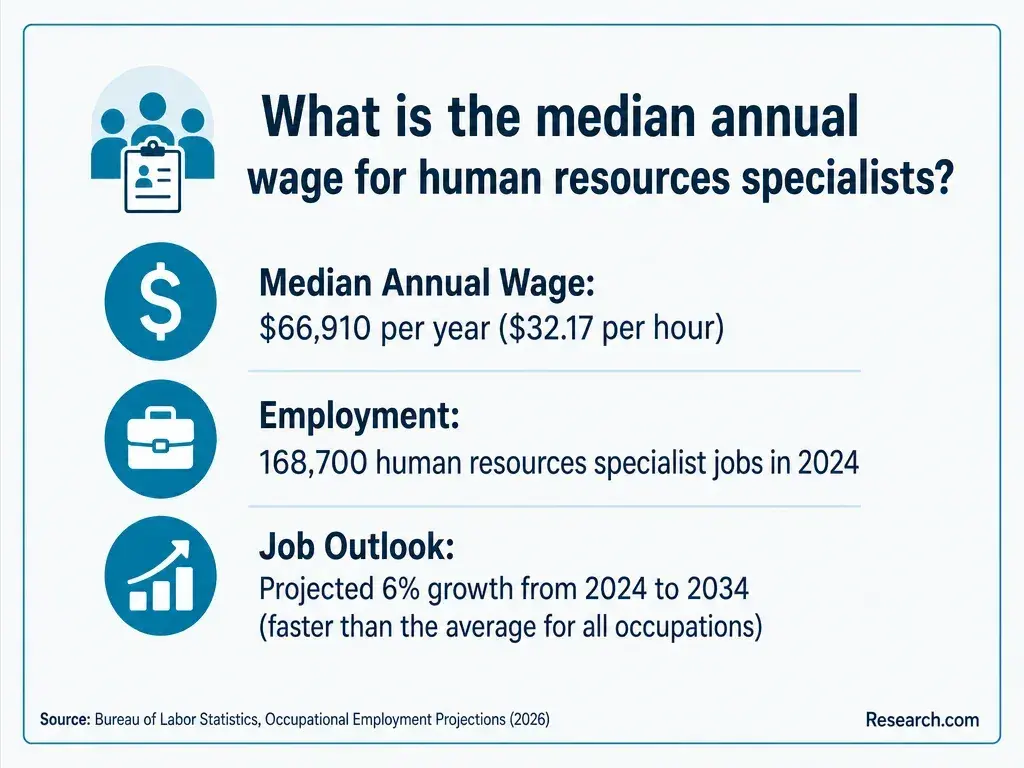
Human resources is a possible alternative for someone more interested in hiring and employee support than vehicle transactions. Compare the work and qualifications described in HR degree requirements and job opportunities before using scarce electives for an HR focus.
Whatever the route, keep examples of decisions you supported, such as a documented process review, rather than treating the degree alone as evidence of dealership management ability.
First verify the institution's recognized accreditation and the exact degree it awards. Then check whether any advertised AACSB, ACBSP, or IACBE accreditation covers the relevant business school or program; institutional and business accreditation are different claims. Neither proves that graduates secure dealership jobs.
Ask for the current catalog and a degree plan showing accounting, operations, analytics, and available electives. Check prerequisites, how often desired courses run, and whether a formal concentration requires additional credits.
If the school advertises internships or capstones, confirm who approves a dealership placement, what supervision is required, and whether an employer can restrict the use of its data. Online business school comparisons across the United States can help create a shortlist, but the course schedule and written degree audit should decide which program fits your goal.
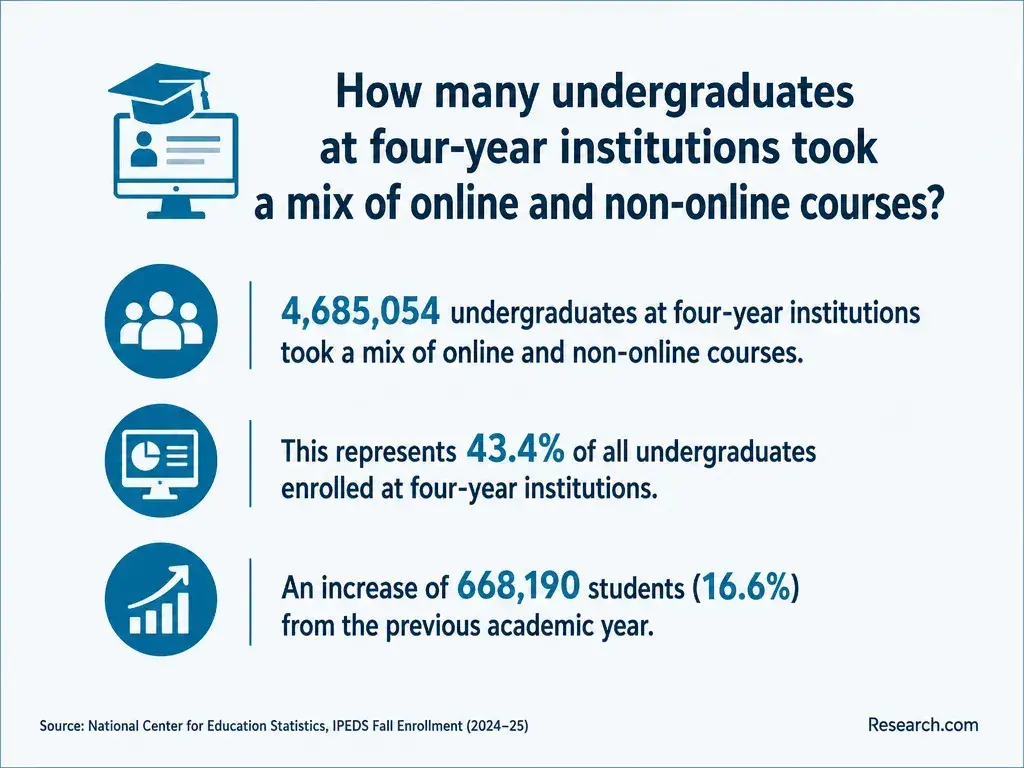
Online study may help an employee keep dealership hours, including weekend shifts, but it does not necessarily allow work at any time. Ask about live sessions, group projects, exam proctoring, deadlines, campus visits, and internship rules.
Campus study may offer easier access to local employers and classmates; its fixed meeting times can conflict with a retail schedule.
Compare formats against the hours you can reliably protect each week, not just the advertised completion date. Online degrees with accelerated terms may shorten the calendar for some students, but condensed courses can increase weekly workload.
Confirm that required accounting and operations courses are available in the format and sequence you plan to use.
Requirements vary by institution and by whether you enter as a first-year or transfer student. Schools commonly request prior academic transcripts; some business majors also have separate entry or progression requirements.
Ask admissions whether mathematics, statistics, or introductory business courses are needed before particular upper-level classes, rather than assuming they are universal admission prerequisites.
If you have prior college work, request an evaluation showing not only accepted credits but which ones satisfy general education, business-core, and elective requirements.
Dealership experience may support an application, but it does not automatically earn academic credit. Admission and financial-aid eligibility are also separate decisions: a list of FAFSA-eligible online business administration colleges is a starting point, not confirmation that a particular student will receive aid.
A bachelor's degree often takes about four years of full-time study from the beginning; transferable coursework and part-time enrollment can change the calendar. A published per-credit price is not the completion price.
Request a written estimate of remaining required credits, tuition and fees, books or software, likely course availability, and any travel or time away from paid work.
Compare the total cost to finish with the specific responsibilities the degree could help you pursue. Grants, loans, and employer reimbursement have different eligibility and cash-flow consequences.
If you are comparing business administration with a specialized project-management degree, an online project management undergraduate funding guide can help identify aid categories to investigate for that alternative; obtain program-specific figures before comparing costs.
A BS in Business Administration is an academic degree, not a dealership-management license. State dealer, salesperson, or finance-related rules may apply to particular people and activities, while employers and vehicle manufacturers may require their own training.
Check the rules for your state and intended role before assuming either that a license is required or that the degree satisfies one.
Voluntary business or project credentials are different from dealer and transaction requirements. If your goal is coordinating improvements across dealership departments, compare employer training and experience with a specialized degree; project management degrees with prior-credit pathways are one alternative for students who already have college coursework. A course or degree does not automatically confer a professional certification.
There is no single salary for "business administration graduates in dealerships." Pay differs by job, location, experience, and any commission or incentive structure.
As one broad benchmark, the U.S. Bureau of Labor Statistics reports a May 2025 median annual wage of $105,770 for general and operations managers. That occupation spans industries and experienced workers; it is not a forecast of a new graduate's dealership salary.
For a useful personal comparison, examine local postings for the next role you can realistically qualify for and separate base pay from variable compensation.
Weigh that opportunity against your remaining education expense, using resources on how to reduce tuition costs for a business degree to investigate lower-cost options. Do not justify borrowing with a manager-level wage unless that position is a credible next step for your experience.
What is the job outlook for automotive dealership business careers?
National occupation projections are useful for comparing functions, but they do not predict openings at a particular dealership. The BLS projects 7% employment growth for project management specialists from 2025 to 2035 across industries.
That can make operations and project skills worth considering, but it does not mean a dealership will create a project-management position or hire a new graduate directly into one.
Look at local dealership postings, their required experience, and whether the work is primarily sales, service, inventory, or cross-department coordination.
If postings consistently call for dedicated project skills rather than general dealership experience, compare the curriculum and full cost of project management schools with competitive tuition with a business degree and relevant workplace projects. Choose the route that closes the requirements gap you can actually document.
Other Things You Should Know About Business Administration
In dealership usage, front-end gross generally concerns the vehicle sale, while back-end gross concerns products and financing arranged with the transaction. Reporting definitions vary; neither figure is the dealership's net profit after all expenses.
Appointment volume alone does not show whether work is completed efficiently or priced to cover labor, parts, and overhead. A useful review considers repair mix, technician capacity, parts availability, and costs - not just the number of vehicles booked.
Yes. Use clearly labeled hypothetical figures or permitted public information, explain your assumptions, and present the work as an academic analysis rather than an employer result. Do not include customer information or internal reports without authorization.
It can strengthen financial and operational knowledge, but ownership is a separate undertaking involving capital, manufacturer approval where applicable, legal obligations, and substantial operating experience. A degree alone does not secure a franchise.
- FTC's Privacy Rule and Auto Dealers: FAQs https://www.ftc.gov/business-guidance/resources/ftcs-privacy-rule-auto-dealers-faqs
- Dealer advertising guidelines | wisconsindot.gov https://wisconsindot.gov/Pages/dmv/cons-protect/know-rghts/advertising.aspx
- Entrepreneurship Course Standards | sc.gov https://ed.sc.gov/instruction/career-and-technical-education/programs-and-courses/cte-course-standards/2021-22-new-and-revised-cte-course-standards-field-review/2022-23-new-and-revised-course-standards/2023-sc-entrepreneurship/
- Finance Curriculum & Research | Academic Advising https://www.highpoint.edu/finance/curriculum-research/
- Automotive Management | UNOH https://www.unoh.edu/academics/college-of-occupational-professions/automotive-management.html
- What is a business administration degree? | Northwest Media Center https://www.nwmissouri.edu/media/news/2025/07/what-is-a-business-administration-degree.htm
- What Can I Do with a Business Administration Degree? | CTU https://www.coloradotech.edu/degrees/studies/business-and-management/articles/what-can-i-do-with-a-business-administration-degree
- 10 Compelling Marketing Courses You Can Look Forward to Taking | Rasmussen University https://www.rasmussen.edu/degrees/business/blog/compelling-marketing-courses/
- Role of HRM Practices in Organization Performance | sciencedirect.com https://www.sciencedirect.com/org/science/article/pii/S1941625324000043
- FINC 7216X Managerial Finance - Brooklyn College - CUNY https://websql.brooklyn.cuny.edu/courses/ShowCourse.do