2027 Is National University's Online BBA in Business Law Worth It? What Students Should Know

Co-Founder and Chief Data Scientist
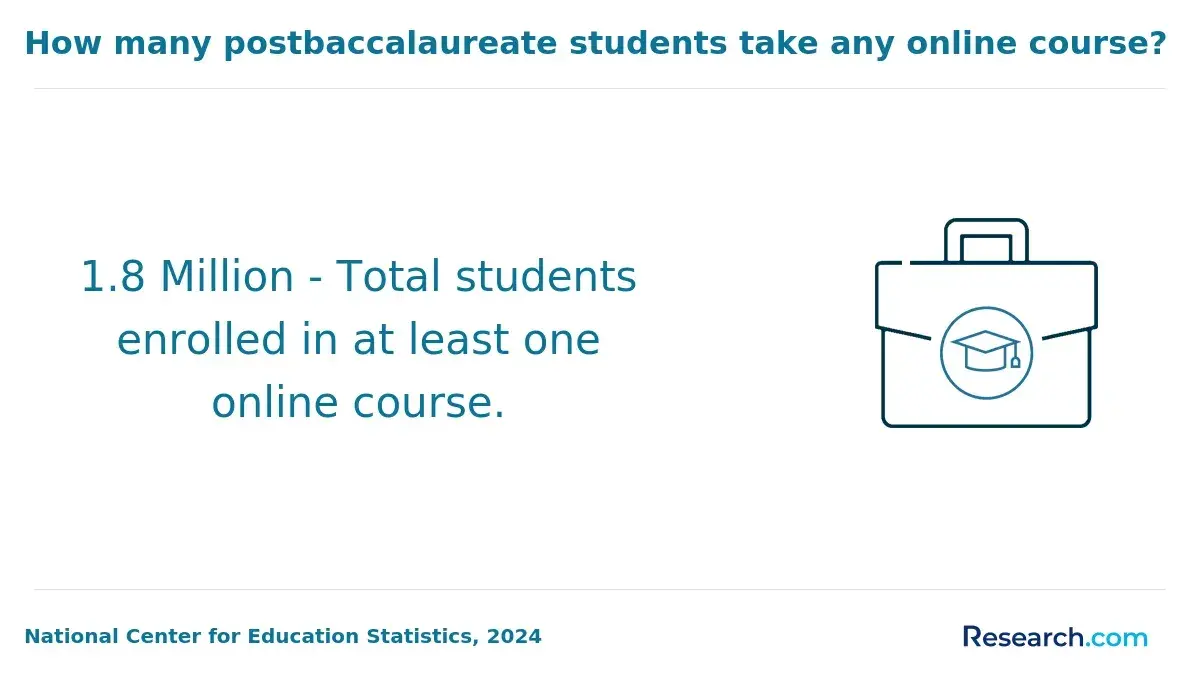
Choosing an online bba in business law program involves weighing the balance between flexible learning and meaningful career outcomes. With over 60% of higher education students opting for online programs according to the National Center for Education Statistics, accessibility is no longer a barrier. However, the real question is whether National University's curriculum aligns with the evolving demands of legal-business roles, or if it prioritizes convenience over rigorous skill development.
Employers increasingly seek graduates who can navigate complex regulatory environments while demonstrating practical business acumen. This article examines National University's program structure, career relevance, and workforce alignment to help clarify its true value for prospective students.
Key Points About National University's Online BBA in Business Law Program
- National University's online BBA in Business Law has open admission with a noncompetitive acceptance rate, allowing broad access but potentially varying peer skill levels in coursework.
- The total tuition cost is $38,943, with graduates earning a median salary of $67,548, yielding an earnings to debt ratio of 2.70x, which reflects a balanced investment relative to expected income.
- Faculty expertise and alumni outcomes support employer recognition in business law, enhancing job prospects though practical experience remains essential for workforce readiness.
What makes National University's online BBA in Business Law program stand out?
The online BBA in Business Law at National University offers flexibility essential for working adults balancing multiple responsibilities. Its asynchronous course delivery allows students to progress without fixed class times, which suits professionals needing to integrate studies with unpredictable work schedules or family obligations. This model, however, requires strong self-motivation and time management, making it less ideal for those who benefit from more structured environments.
Distinctively, National University's program employs a large faculty with 344 full-time and 2,668 part-time instructors. This blend provides access to both consistent academic support and real-world business law insights from professionals active in the field. For students targeting roles where practical application of legal principles within business functions is crucial, this translates to a curriculum that balances theory with actionable knowledge, a factor often prioritized by employers in corporate compliance, contract management, or regulatory affairs.
The online Bachelor of Business Administration in Business Law also embeds career resources and virtual tutoring, recognizing the challenges faced by its 19,924 enrolled students. With an average graduation rate of 50%, the program's design acknowledges the tradeoffs students navigate. It appeals most to self-directed learners wanting to capitalize on legal and business skill sets without compromising ongoing career commitments.
Is it difficult to get admitted to National University's online BBA in Business Law program?
Admission to most online BBA in Business Law programs often involves competitive hurdles, where applicants must balance standardized testing and selective criteria that can delay entry or discourage nontraditional students. Typical programs use these filters to manage applicant volume and maintain prestige, impacting how quickly and easily candidates can begin their studies.
National University's program diverges notably with its open admission policy, which removes standardized test requirements such as the SAT or ACT. This policy positions the program as noncompetitive, significantly easing access for those juggling work or family obligations who might otherwise be excluded by rigid admissions standards. The acceptance rate is effectively broader, reducing applicant stress but potentially attracting a more diverse student body with varying academic preparedness.
This approach suits learners prioritizing timely entry and flexibility rather than exclusivity. However, employers may weigh this factor alongside credentials when assessing candidate rigor, making it important for students to supplement with relevant experience or certifications. The tradeoff is transparent: easier admission may streamline access but can place greater responsibility on students to demonstrate practical competence post-enrollment.
Reflecting on this, a recent graduate shared how the low barrier to entry influenced her decision: "I applied late in the semester after losing my job and didn't have test scores ready. The open policy meant I wasn't stuck waiting or retaking exams, which was a relief. Still, I felt uncertain if skipping those tests meant I'd have to work twice as hard once classes started." This sense of initial relief paired with cautious awareness of the academic demands captures the nuance behind National University's admissions accessibility.
How does the curriculum of National University's online BBA in Business Law program stay aligned with current industry trends?
Staying current with legal and business industry trends requires more than theoretical coursework; National University's online BBA in Business Law integrates practical applications and evolving regulatory contexts that mirror employer expectations. For instance, graduates aiming for compliance or corporate counsel roles must navigate complex governance frameworks and emerging digital challenges such as data privacy regulations. This program addresses such realities through a curriculum that balances foundational knowledge and real-world skills, which is crucial given the competitive labor market and the multifaceted demands placed on recent hires. Below are key factors that illustrate how the national university online BBA in business law curriculum updates maintain its industry relevance:
- Regulatory and Governance Focus: The curriculum emphasizes corporate governance and regulatory compliance, ensuring graduates understand the frameworks businesses operate within. This is critical for roles where adherence to shifting laws can mitigate organizational risk.
- Practical Skill Development: Case studies and legal research projects cultivate analytical and problem-solving abilities directly applicable in legal consultancy and compliance officer positions, bridging the gap between academic theory and workplace challenges.
- Technology and Legal Impact: Courses cover emerging issues related to technology, such as intellectual property and data privacy, preparing students to manage legal concerns in increasingly digital and data-driven environments.
Overall, the inclusion of these components reflects an awareness of the operational realities business law graduates face and aligns with industry-relevant coursework in national university business law degree offerings. While this structure supports employability by focusing on applicable skills, prospective students should weigh the program's strengths against alternative pathways, especially given the availability of some easy masters programs that may demand different time or financial commitments. The program's design suits those prioritizing a practical, updated curriculum that responds to market needs rather than purely academic credentials.
Tuition for National University's online BBA in Business Law program is set at a flat rate of $13,320 annually, which standardizes costs across all states and eliminates the typical residency-based tuition variation encountered at many institutions. This pricing model simplifies budgeting but does not encompass indirect costs such as room, board, or transportation, which can substantially affect the total investment, especially for non-local students. When calculating the full financial commitment, students should also factor in an estimated $936 per year for books and supplies, reflecting the practical expenses necessary for course completion.
Financial aid is a critical consideration in assessing the true cost of the BBA in Business Law degree online at National University. With nearly 77% of undergraduates receiving aid averaging $6,275, many students can significantly reduce their net expenses. Institutional scholarships and corporate tuition reimbursement programs specifically target working adults, a key demographic for the program, which helps offset the nominal tuition. Such aid vehicles are essential in translating sticker price into realistic out-of-pocket costs and can influence whether enrollment is financially viable for career-switchers or part-time learners.
Compared to other online BBA programs, National University's tuition is competitive because it avoids fluctuating fees tied to residency and does not levy additional online technology charges, which some schools add to online learner expenses. Many institutions typically charge more or have less transparent pricing structures that complicate comparisons. This consistent tuition rate across locations offers predictability, a valuable feature for those balancing education with employment in the dynamic field of business law.
Students evaluating cost-benefit scenarios for pursuing the easiest degree to get online should weigh National University's online BBA in Business Law tuition fees against the program's outcome potential and workforce relevance. While the total annual cost approaches $39,000 when adding fees and living expenses, the flat-rate tuition model and financial aid availability provide a foundation for making a more informed decision on this specific educational investment.
The admissions process for national university's online bba in business law program reflects a pragmatic approach suited to students who may be balancing work and study. By eliminating typical barriers like standardized test scores or personal essays, the program reduces upfront commitments, though this can also mean the admissions process offers limited opportunities to demonstrate unique qualifications beyond academic history. Understanding these stipulations helps applicants gauge how their backgrounds align with an easy-entry framework that may appeal particularly to those prioritizing flexibility over selectivity. Below are key admission details prospective students should consider.
- Open Admission Policy: Applicants must have completed high school or hold a GED certificate. SAT or ACT test scores are not required, simplifying access but potentially limiting academic screening that some employers might expect from traditional pathways.
- Computer Requirement: Enrollment requires reliable computer access, yet the university does not facilitate purchasing or leasing devices. Students must independently secure compatible technology to fully engage with course delivery.
- Credit Acceptance: The program permits transfer of credits earned through life experience, AP exams, and recognized standardized assessments such as CLEP and DSST, which may accelerate degree completion for qualified students.
- Transfer Student Access: Transfers face a relatively low barrier for entry with multiple enrollment terms available, though specific caps on transferable credits or grade requirements are unspecified, posing potential uncertainty in credit evaluation.
- Application Materials: No letters of recommendation, personal statements, resumes, portfolios, or entrance exams are required, emphasizing ease of entry but reducing a channel to showcase professional or personal achievements.

Evaluating the ROI of attending National University's online BBA in Business Law program requires careful weighing of upfront costs against realistic earning potential. With an annual cost near $39,000 including tuition and living expenses, this program presents a substantial financial commitment. However, graduates report a median starting salary of approximately $67,500, which remains stable over a decade-indicating consistent income that can justify the initial investment over time.
For students able to secure scholarships or other financial aid, the effective cost drops considerably, improving the earnings-to-debt ratio, which currently stands around 2.7x based on an average debt of $25,000. This ratio suggests many graduates earn nearly three times their debt per year, a valuable metric for assessing financial viability. Yet, this calculation assumes a steady path to employment in established legal or compliance roles, which can vary regionally and by employer. Graduates pursuing public sector jobs or smaller firms might see slower salary growth, making personal financial planning and market research critical before enrollment.
Industry data reveal that salary increases commonly occur five to ten years after entering the field, reflecting opportunity for long-term advancement but a need for patience in initial years. Those weighing the program's value should consider their ability to leverage National University's network and the competitive landscape of business law employment to optimize ROI.
Student satisfaction in national university's online BBA in Business Law program appears mixed, reflecting typical challenges in fully remote academic environments. The sizable instructional staff and extensive support services provide a foundation for positive engagement, yet the program's fully virtual nature can limit sustained interaction with faculty and peers. This tradeoff impacts some learners' sense of community, an aspect increasingly valued by employers who emphasize teamwork and networking skills alongside legal business knowledge.
The program's flexibility receives consistent praise, enabling students to juggle coursework with professional and personal responsibilities. However, balancing self-directed study and limited live interactions demands strong self-motivation and time management. While the institution offers student-led groups and mentoring that aim to foster connection and professional growth remotely, the mixed institutional graduation rates and occasional sentiments about limited engagement suggest these efforts only partially offset the challenges inherent to online learning.
A graduate who completed the BBA in Business Law online reflected on the experience, noting initial hesitation about the lack of in-person contact. "I worried I'd miss out on real-time discussions," they said, "but the flexible schedule helped me manage work and family better than I expected." They also appreciated the mentoring programs but mentioned, "Sometimes it felt like I had to seek out help rather than it being readily available." This nuanced perspective highlights satisfaction shaped by personal learning style and the ability to navigate online resources proactively.
Schools hold considerable influence over graduates' employment prospects, a factor often underestimated when assessing online business law degrees. For national university online bba in business law graduates, this support is critical in bridging the gap between academic credentials and market-ready skills. Industry data shows that graduates with access to robust, school-based career resources experience a 20% higher employment rate within six months compared to those lacking such support. This advantage reflects the importance of practical career engagement during and immediately after the degree. For students navigating the complexities of how national university career support for online bba in business law alumni translates into real-world employment, a few targeted services stand out.
Key offerings that help graduates secure jobs include:
- Virtual Job Fairs: These events connect students with employers actively seeking business law talent, often facilitating interviews before graduation and reducing time to hire.
- Online Resume Workshops: Tailored guidance hones students' ability to present qualifications effectively, addressing specific employer expectations and applicant tracking system requirements.
- Alumni Mentorship Network: With over 100,000 members, this network provides access to insider knowledge and job leads not typically visible on public job boards.
Such targeted support is particularly important given the competitive U.S. employment landscape for law-related business roles. Students considering enrollment should weigh the accessibility and quality of career services alongside the curriculum. Additionally, exploring affordable master degree programs can provide insight into further education pathways that complement the undergraduate degree and enhance employability prospects.
The job prospects for National University online business law graduates reflect a balance of regulatory expertise and business acumen, essential for roles that demand both legal understanding and operational insight. Employers often prioritize candidates who can navigate compliance complexities while supporting business strategies. Choosing a program with clear career outcomes matters because graduates need realistic expectations about salary ranges and sector-specific demand. Here are key career paths reflecting typical outcomes for recent graduates:
- Compliance Officer: These professionals ensure corporate adherence to laws and regulations, a role requiring careful oversight in industries like finance or healthcare. Salaries generally hover around $54,000, influenced by sector and geography.
- Paralegal: Often found in legal and government sectors, paralegals assist with legal research and document preparation. While entry salaries may start lower, demand remains steady, supporting gradual income growth.
- Contract Manager: Responsible for drafting and negotiating agreements, contract managers play crucial roles in risk mitigation and vendor relations. Compensation is competitive within corporate and healthcare environments.
- Business Analyst: Combining legal knowledge with operational skills, business analysts focus on enhancing efficiency and compliance. Their wages often compare favorably to management information systems roles, averaging mid-$60,000.
Considering career outcomes alongside program content equips students to assess whether this business-focused legal degree aligns with their workforce goals. For those seeking to optimize timing and commitment, exploring the fastest online masters options may offer alternative pathways depending on career urgency.
Determining if National University's online BBA in Business Law program is the right fit depends heavily on aligning the program's features with your specific academic and professional goals. For example, a student aiming to enter contract negotiation roles needs coursework focused on practical contract law applications rather than a broad business curriculum. Several critical factors shape whether this program will serve your ambitions effectively. Consider these points:
- Curriculum Relevance:The core courses should reflect the skills and knowledge directly applicable to the roles you target, such as corporate governance or intellectual property. Analyze the course descriptions and compare them to job requirements in your intended field.
- Program Flexibility:Online delivery suits those with strong self-motivation and time management skills. Evaluate if the scheduling and pace allow you to balance study with work or family commitments without compromising learning quality.
- Support Services:Successful graduates often cite faculty expertise and career advising as key to navigating the job market. Examine the availability and responsiveness of academic support tailored to business law specialization.
- Accreditation and Reputation:Look for recognized accreditation that signals academic rigor. This factor influences employers' trust in your degree and can affect the career outcomes of National University BBA in Business Law graduates.
- Cost Versus ROI:Balance tuition costs with salary potentials and available financial aid. Cost considerations must reflect realistic expectations about your post-graduation earning power in the business law sector.
For those researching multiple programs, also compare National University's offerings with other accessible online degrees for seniors to gauge which better fits your stage in life and career objectives. Admission requirements and career outcomes for the national university online bba in business law program admission requirements should be carefully reviewed to ensure this path aligns with your qualifications and market realities.
What Graduates Say About National University's Online BBA in Business Law Program
- Connor: "Completing the BBA in Business Law at National University gave me a solid foundation in contract and compliance issues, which proved essential as I transitioned into corporate consulting. Employers seemed to value my practical knowledge more than formal licensure, especially since I paired the degree with a couple of internships. The flexibility of the program allowed me to balance work and study efficiently, which was crucial for entering the workforce quickly without taking a break."
- Devon: "Studying the BBA in Business Law at National University was rigorous but necessary, particularly because I had to compete for roles that often favored candidates with more hands-on legal certifications. While the program sharpened my understanding of business regulations, I've realized that long-term advancement in legal advisory roles often requires additional qualifications. Still, the curriculum helped me pivot from general business operations into a focused legal compliance role, where remote opportunities have been a huge plus."
- Anne: "National University's BBA in Business Law program was a practical choice that suited my career goals well, especially because I wanted to avoid the heavier time commitment of a JD. The program helped me develop a career portfolio and gain exposure to real-world scenarios through case studies, which employers appreciated during hiring. However, I found salary growth somewhat limited without professional licensing, which prompted me to pursue specialized certifications alongside my work in contract negotiation."
Other Things You Should Know About Degrees
Students must complete 45 quarter units of lower-division general education before upper-division business coursework begins. National University also requires at least 180 quarter units total for the bachelor’s degree, including 69 quarter units in the major and related requirements.
Graduates from National University's BBA in Business Law gain skills in both business operations and legal frameworks, which can be advantageous when moving into roles that require cross-disciplinary knowledge. However, the degree is less specialized than a traditional law degree or an MBA, so career shifts into high-level legal practice or executive business leadership might require further education or certifications. Prioritizing networking and practical internships during the program can improve transition prospects.
The curriculum covers foundational topics and applies broadly to business law contexts, but it may not deeply dive into niche areas like intellectual property or international business law unless electives are chosen accordingly. Students wanting a thorough specialization may find the generalist approach limiting. Those focused on specific legal sectors should weigh supplementing their studies with targeted certifications post-graduation.
Interaction opportunities exist but are more structured and less spontaneous than in on-campus programs, which can impact networking and mentorship potential. Active participation in discussion boards and scheduled virtual meetings is crucial to gain deeper insights and professional connections. Prospective students should prioritize self-motivation and seek external networking avenues to compensate for reduced in-person engagement.
- BBA LLB Guide: Integrated Law & Business Degree https://www.itmuniversity.org/blog/decoding-bba-llb-a-comprehensive-guide-to-integrated-business-and-law-education/
- Tuition fees and requirements of LLM Master of Business Law- University of Cologne | LLM GUIDE https://llm-guide.com/board/europe/tuition-fees-and-requirements-of-llm-master-of-business-law-university-of-cologne-209637
- 5 Reasons to Choose a BBA LLB Integrated Course - CMR University https://cmr.edu.in/blog/5-reasons-to-consider-a-bba-llb-integrated-course/
- Career options - Double Degree in Business Administration and Law - Esade Bachelors https://www.esade.edu/bachelor/en/programmes/double-degree-in-business-administration-law/career-options
- Bachelor of Laws (Honours) / Bachelor of Business Administration https://programsandcourses.anu.edu.au/2019/program/allb-bbusa
- BBA LLB (H) | Eligibility | Admission | College | Syllabus | Career https://www.kcchostels.com/blog/bachelor-of-business-administration-and-bachelor-of-legislative-law-bba-llb/
- MA, International and European Business Law https://www.studyinpoland.pl/en/programme
- 2025 National College Student Satisfaction and Priorities https://www.ruffalonl.com/papers-research-higher-education-fundraising/national-student-satisfaction-and-priorities-report/
- BBA LLB (Hons): Industry-Ready Program for Modern Challenges 2025 https://manavrachna.edu.in/blog/bba-llb-hons-an-industry-ready-program-designed-to-tackle-modern-business-and-legal-challenges--a-comprehensive-analysis
- ANU Career Services: The Bridge From Academics to Career Success https://an.edu/anu-career-services-the-bridge-from-academics-to-career-success/