2027 How Much Does It Cost to Study Online at Ultimate Medical Academy?

Co-Founder and Chief Data Scientist
Choosing to study health care online involves more than picking a program. Prospective students must weigh cost, schedule, and how their chosen school prepares them for in-demand roles. Ultimate Medical Academy offers several online options, but understanding the tuition structure and related expenses is key. With recent studies showing that 42% of online learners reconsider enrollment due to unexpected costs, anticipating the financial commitment upfront is crucial.
This article examines the range of online programs at Ultimate Medical Academy, breaks down their costs, and provides insight into admissions and student culture. It equips readers to make informed decisions grounded in practical outcomes and affordability considerations.
Key Points About the Cost of Studying Online at Ultimate Medical Academy
- The total cost of attendance at Ultimate Medical Academy averages $15,200, encompassing tuition, fees, and other expenses, which is essential for realistic budgeting and understanding financial commitments beyond tuition alone.
- Tuition generally represents about $12,600 of the total cost, highlighting the direct education investment required before considering additional fees or materials that influence overall affordability.
- Students should evaluate these costs against projected healthcare field returns, including employer expectations and salary trajectories, to assess whether this investment aligns with their professional and financial objectives.
What is the total cost of earning an online degree at Ultimate Medical Academy?
The total cost of earning an online degree at Ultimate Medical Academy depends heavily on credit requirements and tuition rates. Tuition alone runs about $28,476 for the full program, which typically requires around 98 credit hours. At approximately $290 per credit hour, this aligns with national averages for accredited online medical programs, but additional mandatory fees for technology and lab access can add several hundred dollars. These fees cover specialized software and simulation tools crucial for healthcare training, contributing to the overall expense beyond just tuition.
Students should also factor in about $1,230 for books and supplies, essential for completing coursework and preparing for certification exams. While the estimated total cost of attendance, including living expenses and fees, comes to roughly $39,722, financial aid can significantly reduce this burden. Approximately 60% of students receive aid, making upfront affordability a variable component that prospective enrollees must evaluate in terms of their personal finances and available support.
Consider a candidate balancing work and study who aims for rapid credentialing in healthcare. The investment may be reasonable if local employers value credentials from Ultimate Medical Academy, and student loans or aid cover part of the costs. However, students must weigh this expense against projected entry-level wages and job market competitiveness, especially in regions with lower healthcare salary scales. The decision requires realistic assessment of how these costs translate into tangible job opportunities and long-term employability.
How do tuition rates vary across online programs at Ultimate Medical Academy?
Tuition rates at Ultimate Medical Academy's online programs vary significantly, driven by program length, credit requirements, and complexity of instruction. Programs like Medical Billing and Coding Specialist generally have the lowest tuition due to fewer total credits, making them less costly upfront. In contrast, more comprehensive programs such as Health Information Technology entail higher tuition, reflecting the greater credit load and advanced training involved.
The cost differences are influenced by the fee per credit hour, which typically ranges from $150 to $165 depending on the program. Total credits vary from about 30 to 60, so overall tuition spans roughly $4,500 to nearly $9,900. Programs requiring specialized practical skills or certifications tend to incur additional expenses, contributing to higher tuition rates. This tiered pricing aligns with expectations for career outcomes based on program rigor and credentialing demands, making tuition sensitive to both program type and instructional format.
For students comparing Ultimate Medical Academy online program tuition, it is essential to balance educational goals against cost and program length. Longer, more credential-intensive programs may pose greater initial expense but position graduates for higher responsibility roles. Evaluating tuition in this light helps identify which program best suits individual budgets and employment plans. A useful resource to consider in parallel is the 1 year PhD programs online free, providing additional context on compressed degree options elsewhere.
Ultimately, understanding tuition cost differences for online programs at Ultimate Medical Academy requires examining both per-credit pricing and program-specific credit loads. This approach clarifies trade-offs and supports informed decisions that align cost with long-term value in medical education pathways.
What additional fees increase the cost of studying online at Ultimate Medical Academy?
The additional student fees for Ultimate Medical Academy online programs often create a financial burden that extends well beyond base tuition. In practical terms, a working adult enrolling in a healthcare program must budget not only for the listed tuition but also for fees that can vary widely and add several hundred dollars per semester. These extra charges influence overall affordability and should be factored into any cost-benefit analysis when considering an online associate degree.
Below are the key categories of fees that increase the cost of studying online at Ultimate Medical Academy.
- Books and Supplies: These costs cover required textbooks, course materials, and sometimes software. Students must purchase updated editions each term, which can fluctuate based on the program's focus and evolving curriculum.
- Technology Fees: These fees support the online platform infrastructure, including proprietary software and learning management systems. A 2024 study found technology fees nationally have increased 12%, signaling rising digital delivery costs that directly add to online education expenses.
- Proctoring Fees: Exams requiring remote proctoring invoke this separate charge to ensure test integrity. Fees depend on the testing service and frequency of proctored assessments, occasionally becoming a significant hidden expense.
- Lab or Simulation Software Fees: Health-focused programs sometimes mandate access to virtual labs or simulators. These specialized environments mirror clinical settings but come at an additional price, making practical skill development costlier.
- Administrative or Enrollment Fees: Charged during registration or term start, these fees cover student services and record-keeping. While individually modest, they accumulate across semesters, increasing total educational costs.
- Internet and Hardware Requirements: Reliable broadband and compatible equipment like computers and webcams are essential but usually fall outside school tuition. For some students, this may represent a large upfront investment crucial for uninterrupted participation.
Accounting for these extra fees is critical for prospective students evaluating the true financial commitment at Ultimate Medical Academy. Understanding these components enables more comprehensive planning, especially when considering other online associate degree programs that might offer different fee structures and overall expenses.
Are online programs at Ultimate Medical Academy more affordable than campus-based programs?
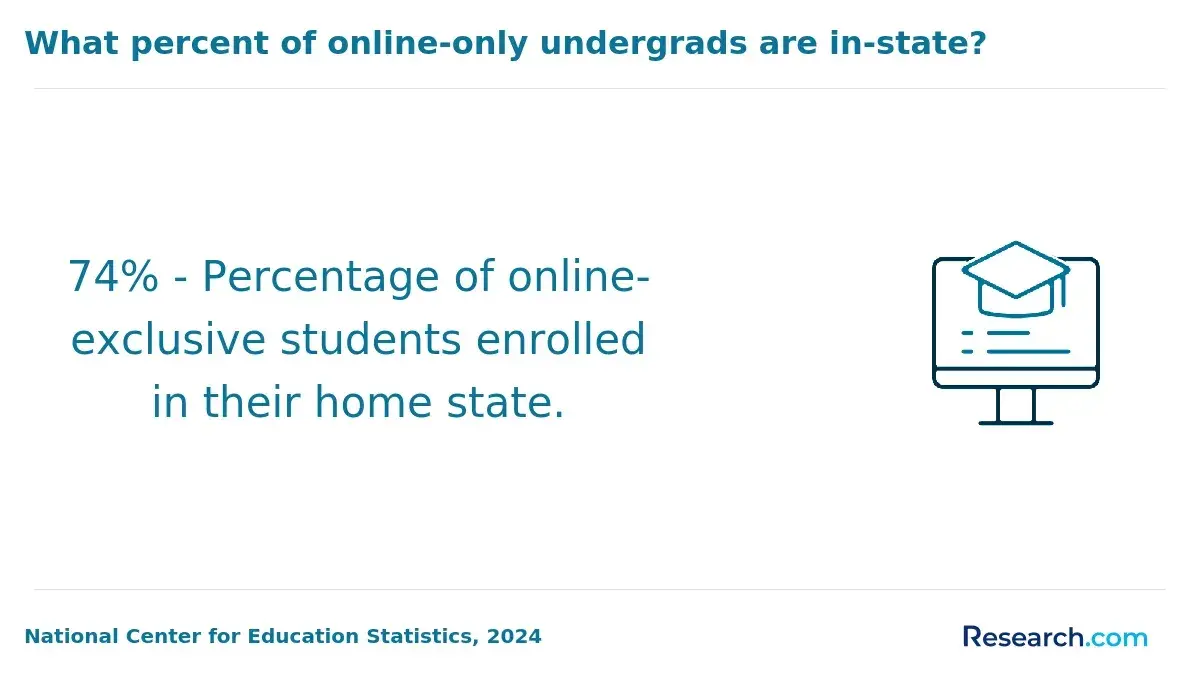
Online tuition at Ultimate Medical Academy is typically charged per credit hour and usually parallels in-state campus rates, with mandatory technology fees representing the main additional costs. Students generally avoid expenses tied to housing, meal plans, facility fees, and parking, which add hundreds of dollars each term for campus-based learners. This structure presents a more straightforward and often lower base cost for online students, especially those balancing studies with employment obligations.
Cost variations depend largely on program structure and delivery. Programs allowing flexible pacing enable some students to complete coursework faster, reducing total tuition owed. However, fees related to required materials, exams, or occasional on-site experiences can cause fluctuations. Understanding these nuances is critical because some academic paths at Ultimate Medical Academy may still require campus visits or clinical hours, slightly increasing overall expenses.
In comparing Ultimate Medical Academy online programs with campus alternatives, the online route is generally more affordable due to the elimination of housing and ancillary costs. A recent National Center for Education Statistics study showed fully online programs cost on average 12% less than equivalent on-campus programs when indirect expenses were considered, highlighting the financial advantage of online learning for many students. This difference becomes even more relevant for those working full-time, who benefit from the cost savings and schedule flexibility online education provides.
That said, affordability must be weighed against factors like financial aid eligibility, which can vary between online and campus students, and employer recognition of online credentials. Students considering Ultimate Medical Academy should analyze these considerations alongside tuition costs to make well-informed decisions.
For those researching options, consulting lists of popular online colleges may provide helpful context.
How do financial aid and scholarships affect the cost of an online degree at Ultimate Medical Academy?
Financial aid and scholarships significantly lower the upfront cost of an online degree at Ultimate Medical Academy, yet they rarely eliminate the loan burden entirely. About 82% of students receive aid, averaging $6,158 in assistance, but this support often leans toward loans over grants or scholarships. For example, a student juggling full-time work and family might find loan-based aid necessary to cover tuition gaps, ultimately facing median student debt of $14,743 after graduation.
This debt is substantial compared to early-career healthcare wages, underscoring the importance of carefully weighing financial aid offers against long-term earnings and repayment capacity.
Online students also face a narrower range of scholarships than on-campus peers, as the institution's general scholarships are not specifically tailored for online learners. Employer tuition reimbursement programs exist in the healthcare sector but often exclude associate degrees or certificate programs typical of Ultimate Medical Academy's online offerings. The resulting landscape reveals that while financial aid does improve affordability, it demands strategic planning to manage debt within the constraints of expected income.
Available financial aid and scholarship opportunities include:
- Federal Pell Grants: These need-based grants target low-income students and do not require repayment. Eligibility depends on FAFSA results, and they reduce the net cost directly.
- Federal Direct Loans: Offered to most students, these loans have fixed interest rates and flexible repayment plans. They provide necessary funds but increase debt upon graduation.
- Institutional Scholarships: General scholarships awarded by Ultimate Medical Academy mostly rely on academic merit or financial need but are not online-specific, limiting targeted online student aid.
- Healthcare Workforce Grants: Available in select departments, these grants support students entering high-demand healthcare roles but require inquiry as they are not widely advertised for online programs.
- Work-Study Programs: Federal work-study positions offer part-time employment to help offset expenses, typically requiring enrollment status and FAFSA eligibility.
- Employer Tuition Assistance: Some healthcare employers provide tuition reimbursement; however, restrictions often exclude associate-level or certificate programs.
One graduate shared, "I hesitated applying because I wasn't sure how much aid I would get. After submitting my FAFSA, I received a combination of a small scholarship and federal loans. I worked part-time through the work-study program which eased some costs, but I still graduated with debt. It was stressful balancing study and repayment plans, but understanding the aid limitations early helped me prepare realistically."
This real-world experience highlights how financial aid can partially ease costs but rarely removes the financial strain entirely for Ultimate Medical Academy's online students.
How does enrollment status affect online degree costs at Ultimate Medical Academy?
Enrollment status at Ultimate Medical Academy directly shapes tuition costs and fees through distinct billing methods for full-time and part-time students. Full-time enrollment involves a flat-rate tuition that covers a fixed credit load, creating predictable expenses over each term. Part-time students pay tuition per credit hour, which can increase total costs when courses extend over additional semesters.
For example, a full-time student benefits from bundled tuition fees, whereas a part-time learner encounters incremental charges that accumulate over time, impacting the overall affordability of an Ultimate Medical Academy online degree enrollment costs.
Additional fees also vary with status; technology fees are charged per semester rather than per credit, resulting in higher effective per-credit costs for part-time students who take fewer credits each term. This distribution of fees and tuition means part-time students often face greater costs per credit hour. National trends reveal a growing number of online students opting for part-time enrollment, linked to greater flexibility but longer time to graduation. A 2024 analysis from the National Center for Education Statistics shows part-time students in online institutions spend about 15% more on tuition compared to full-time peers, reflecting extended program duration and fee structures.
Enrollment status also affects eligibility for financial aid, scholarships, and employer tuition assistance. With 82% of Ultimate Medical Academy's 7,436 students receiving financial aid, those enrolled part-time may encounter limitations in aid applicability or slower progress toward aid renewal. Students should carefully consider how enrollment choices influence both their access to financial support and the speed at which they can enter the workforce, balancing the cost against career timelines and funding needs.
Prospective students analyzing Ultimate Medical Academy tuition and enrollment options should assess the trade-offs between affordability, academic pacing, and funding eligibility. Full-time status offers cost predictability and quicker completion but requires the commitment to a heavier course load. Part-time enrollment suits those seeking flexibility, though it often increases total expenses and lengthens degree completion times.
Exploring options among self paced online colleges can help align educational goals with individual circumstances and long-term career planning.
How much student debt do online graduates from Ultimate Medical Academy typically accumulate?
Online graduates from Ultimate Medical Academy typically accumulate a median student debt of $14,743, which is below the national average of over $30,000 for college graduates. This lower debt burden reflects a borrowing level that, while significant, may offer a more manageable repayment experience, especially since the earnings to debt ratio is 1.98x. Graduates often weigh this debt against realistic earnings in healthcare roles, where starting salaries can fluctuate but generally support steady repayment.
However, those relying heavily on private loans or attending without a clear employment plan risk extending their debt horizon beyond typical timelines.
Many online students incur debt due to limited upfront funding options and a higher reliance on loans. The lack of publicly detailed data on debt-free graduation rates at Ultimate Medical Academy suggests that most online enrollees do carry some loan balance. Given that timely repayment tends to align with stable employment, graduates must assess potential job placement and career trajectory carefully before borrowing. Recent research indicates that employment rates and starting wages for online degree holders critically affect their ability to manage debt, reinforcing the need for prospective students to understand the earning potential within healthcare fields before committing.
One practical scenario involves a student financing a medical assistant online program at Ultimate Medical Academy. Although hesitant to borrow at first, they recognized that the program's cost, paired with local healthcare demand, justified the $15,000 loan balance. Upon graduation, securing a full-time position allowed manageable monthly payments without jeopardizing living expenses. This reflects the importance of matching borrowing levels to concrete job opportunities and salary expectations to avoid unforeseen financial strain.
"I worried a lot about taking loans," shared a recent Ultimate Medical Academy graduate who completed their program online. "I kept wondering if the debt would feel like a burden after I finished." They ultimately borrowed close to the median amount and diligently focused on finding stable work within six months. "It wasn't easy at first, but having a clear job lined up helped me avoid falling behind on payments, which was a relief. Still, I wish there had been more upfront guidance about exactly how much I'd need to borrow to finish without surprises."
Which online programs at Ultimate Medical Academy offer the strongest return on investment?
The strongest return on investment at Ultimate Medical Academy comes from online programs in allied health fields, such as Medical Assisting and Health Information Technology. Graduates from these programs typically double their educational investment, with an earnings-to-debt ratio of 1.98x, reflecting the practical value of these credentials in real-world settings. For example, a graduate completing the Medical Assisting program can enter a healthcare workforce facing widespread demand, achieving stable wage growth within two years.
The following list highlights key programs at Ultimate Medical Academy that are known for their strong ROI:
- Medical Assisting: This program offers fast completion times and aligns with high employer demand for skilled assistants, resulting in solid entry-level salaries and multiple job opportunities across healthcare systems.
- Health Information Technology: Graduates benefit from expanding digital health records and data needs, with roles that command competitive wages due to growing reliance on technology in patient care management.
- Pharmacy Technician: The program trains students for a critical support position with consistent demand from pharmacies and healthcare facilities, ensuring steady employment prospects.
- Patient Care Technician: Employers in hospitals and long-term care value these graduates for their versatile clinical skills, leading to reliable job placement rates.
- Billing and Coding Specialist: This role supports healthcare revenue cycles, and with healthcare systems expanding, demand for accurate coding specialists translates into sustained earning potential.
- Medical Administrative Assistant: Combining administrative and clinical support skills, this program prepares students for diverse roles in medical offices, which often report high job placement rates.
Cost-effective online medical courses at Ultimate Medical Academy provide a practical balance of tuition investment against meaningful employment outcomes. Job placement rates correlate with regional healthcare needs, supported by partnerships that connect graduates to local employers. The relatively short program length under two years further enhances return by enabling quicker workforce entry.
For students seeking an easiest PhD without dissertation, analyzing such online medical programs with best return on investment highlights the benefits of shorter, skill-focused training compared to lengthier, research-heavy options. This approach reflects growing labor market demand for healthcare roles that combine credentials with practical competencies rather than extended academic requirements.
How do career outcomes influence the cost-benefit equation of an online degree at Ultimate Medical Academy?
Student debt outcomes for online graduates from Ultimate Medical Academy reflect a careful balance between tuition costs and realistic career prospects. Tuition rates are generally lower than many traditional institutions, but graduates face median starting earnings around $29,194, a level that limits rapid debt repayment. Employment rates vary, with many securing positions within 6 to 12 months, yet the moderate starting salary means that accumulated debt can weigh heavily during early career stages.
Differences in program choice, specific skill sets gained, and alignment with high-demand medical sectors significantly influence long-term earning potential. Some graduates who pursue additional certifications or specialize in allied health professions can improve their return on investment by accessing better job placement and salary growth. However, the overall slower salary progression for online alumni compared to traditional graduates suggests that the value of credentials depends on how well a student leverages industry connections and ongoing skill development.
Prospective students often evaluate debt burden by comparing the total cost of programs at Ultimate Medical Academy to alternative pathways like community colleges or employer-sponsored training. The decision hinges on whether the immediate affordability aligns with realistic pay scales and advancement opportunities in their regional healthcare job markets. In areas with intense competition for allied health roles, or where demand growth is slow, the risk of prolonged debt without proportional income gains may prompt students to consider more cost-effective or flexible education options.
Recent labor data underscores a growing but competitive demand for healthcare support roles, making wage expectations and job security key factors in assessing program value. A graduate carrying moderate debt must weigh these market realities against tuition savings and online program convenience. This judgment framed by practical employment outcomes is essential to understanding whether the total cost of study justifies the potential financial and career benefits from an online degree at Ultimate Medical Academy.
How can students reduce the cost of an online degree at Ultimate Medical Academy without sacrificing quality?
Online graduates from Ultimate Medical Academy generally face moderate student debt loads, influenced heavily by program length, enrollment patterns, and strategic financial planning. For instance, a part-time student who exhausts all federal aid but does not leverage transfer credits or employer assistance may incur debt levels exceeding $25,000, which is a meaningful burden when entering healthcare fields often requiring immediate licensure and certification.
Reducing debt is feasible through targeted cost-saving measures that maintain academic standards and professional readiness. These strategies focus on minimizing out-of-pocket expenses and shortening time to completion without sacrificing necessary competencies. Consider the following approaches to lower education costs effectively:
- Maximize Scholarship Opportunities:Ultimate Medical Academy and its partners provide scholarships specifically for online learners, which can decrease tuition expenses directly. Applying early and meeting eligibility criteria often leads to awards that cover a significant portion of tuition without affecting academic outcomes.
- Utilize Transfer Credits:Many students save approximately 20% on tuition by transferring credits from prior coursework, allowing them to skip foundational classes. This reduces total credit hours needed and shortens the time to graduate while retaining degree rigor as transfer evaluations are comprehensive and subject-specific.
- Explore Employer Tuition Reimbursement:Approximately 60% of educational costs can be covered through employer-sponsored programs, lowering net student loan requirements. This option is viable for working students and does not hinder academic progress since reimbursement is conditional on satisfactory course completion.
- Rent or Use Digital Textbooks:Switching to rental or digital formats for required materials reduces ancillary expenses by up to 50%, based on observed student spending patterns. These resources maintain content integrity and accessibility, ensuring learning quality remains intact.
- Engage in Accelerated or Competency-Based Learning:Students who qualify to demonstrate mastery through assessments can complete courses faster, reducing total tuition paid and time in school. This method suits self-motivated learners and aligns with outcomes-based education models, ensuring readiness without unnecessary repetition.
- Enroll Strategically Full- or Part-Time:Balancing course loads to avoid excessive time-to-degree helps limit living and indirect costs. Data shows that students who progress steadily graduate sooner, translating to lower total debt without compromising curriculum coverage.
What Graduates Say About the Cost of Studying Online at Ultimate Medical Academy
- Matthew: "When I was evaluating online programs, the affordability of Ultimate Medical Academy really stood out. The tuition and fees were transparent, and with the financial aid options they offered, I was able to keep my debt manageable while still working full-time. Completing the program online gave me the flexibility I needed, and once I graduated, the degree opened doors quickly-proving that the cost was a worthwhile investment for me."
- Hiroshi: "I approached my decision to enroll at Ultimate Medical Academy with caution, primarily because of the costs involved. The tuition was competitive compared to other institutions, but I had to carefully consider potential loans and scholarships. Thankfully, employer tuition assistance helped reduce my financial burden, which made studying online feasible. This balance between cost and convenience allowed me to focus on the curriculum while preparing for a smooth transition into my healthcare role."
- Jordan: "My experience with Ultimate Medical Academy's online program was very pragmatic. I appreciated how the school's fees aligned with the quality and convenience of the courses, but I was also mindful of not accumulating excessive debt. The financial aid process was straightforward and helped me plan my budget realistically. Having that clarity on expenses and support meant I could enter the workforce without delay and confident in my return on investment."
Other Things You Should Know About Ultimate Medical Academy Degrees
Ultimate Medical Academy's online programs often allow flexible pacing, which can extend the time to completion if students balance coursework with other responsibilities. While spreading out study time can reduce immediate financial strain, it may increase total costs due to extended access fees or delay income gains from entering the workforce. Prospective students should prioritize steady progress where possible to avoid escalating costs and remain competitive with peers who finish more quickly.
While tuition typically covers course content access, students must budget separately for reliable internet service, compatible devices, and possibly specialized software or textbooks depending on the program. These expenses, often overlooked, can add several hundred dollars annually and affect affordability, especially for those without existing equipment. Planning for these costs upfront is critical to avoid interruptions in learning or unexpected financial pressure mid-program.
Choosing a shorter program at Ultimate Medical Academy can reduce living expenses and accelerate workforce entry, which may offset higher per-credit tuition costs. For students with a clear career goal and the ability to maintain an intensive study schedule, this approach often yields better economic outcomes. Conversely, those needing to balance work or family commitments may incur higher total costs if they extend longer programs, making a longer, more affordable per-credit path a viable strategy despite delayed earnings.
References
- Allied Healthcare Talent Solutions https://hireuma.com/
- Profiteering in Education https://www.aft.org/hc/spring2023/hall_bernstein
- UMA Tuition | Ultimate Medical Academy https://www.ultimatemedical.edu/future-students/tuition/
- Find Your Perfect Path | Colleges, Trade Schools & Apprenticeships | College Decoded https://collegedecoded.com/colleges/441371