2027 How Hard Is It to Get Into Southern Utah University Online Programs?

Co-Founder and Chief Data Scientist
Applying to Southern Utah University's online programs often feels like navigating a competitive maze without a clear map. Prospective students must understand that acceptance depends not only on meeting basic criteria but also on how well their academic background and experience align with program demands. A recent study showed that more than 60% of applicants to comparable public university online programs face increasing admission selectivity, which signals a need for stronger preparation and sharper application strategies.
This implies that gaining admission to Southern Utah University online programs is less about merely qualifying and more about distinguishing oneself amid growing demand. This article will analyze key admission requirements, acceptance trends, and strategic enhancements to help applicants realistically assess and improve their chances of success.
Key Points About Admission Difficulty at Southern Utah University Online Programs
- Southern Utah University's 80% acceptance rate indicates moderate competitiveness, implying that applicants meeting standard academic qualifications have a strong chance of admission to online programs without excessive barriers.
- With 19,190 applicants overall, the admissions volume suggests a consistent but manageable pool size that requires meeting baseline academic criteria rather than exceptional achievements.
- Admission chances improve by aligning with established academic standards, as the university balances reasonable accessibility with selectivity to maintain career-relevant program quality for online learners.
How competitive is admission to Southern Utah University's online programs?
The admission rate of approximately 80% at Southern Utah University's online programs suggests moderately accessible entry standards. This level of selectivity allows a broad range of applicants to enroll but should not be mistaken for an absence of academic expectations. Online students often face program-specific prerequisites such as minimum GPA requirements or foundational course completions, which serve as essential filters to maintain academic quality despite the comparatively high acceptance rate.
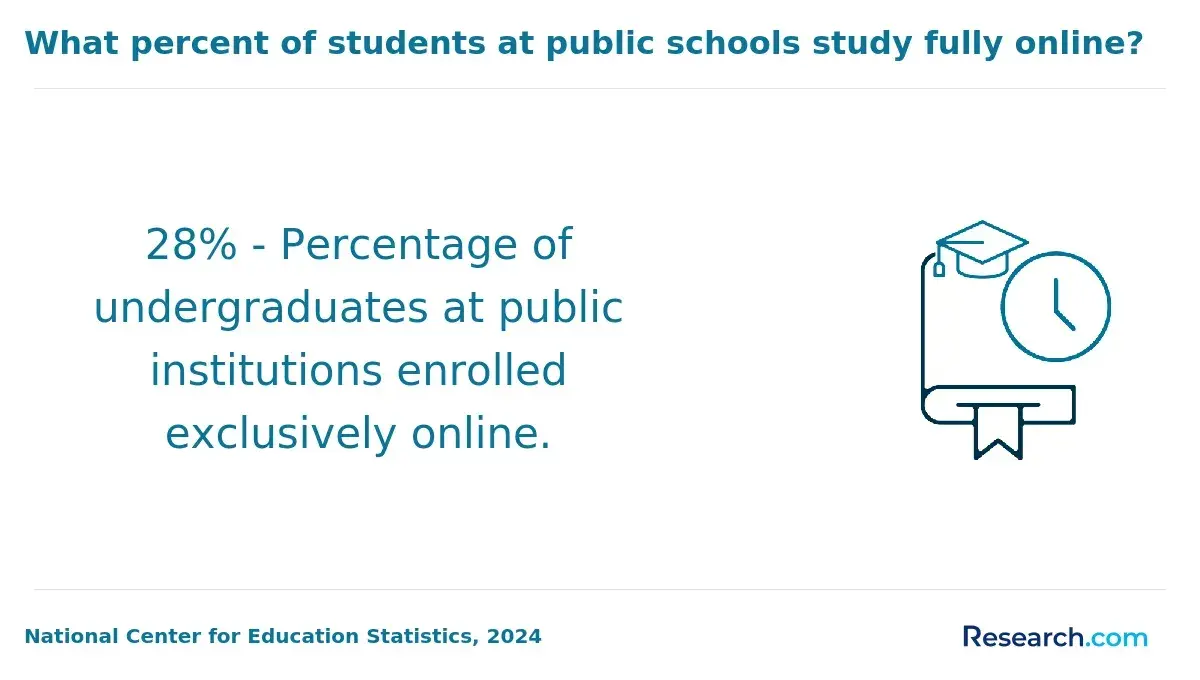
National trends in online education reveal a steady push toward inclusivity, with institutions adjusting criteria to better serve working adults and non-traditional students, according to recent findings from the National Center for Education Statistics. This shift means that acceptance rates like Southern Utah University's reflect greater accessibility rather than diminished rigor.
However, applicants must still evaluate program demands and how well their background aligns with curriculum requirements, particularly in competitive fields like health sciences or business. Prospective students typically assess their chances by comparing personal academic histories against stated requirements and by submitting well-prepared applications that highlight relevant experience or credentials.
In practice, this means that even though the university admits most applicants, the stronger the match between a candidate's qualifications and program expectations, the more likely the student is to succeed academically and professionally post-admission. Programs with technical or clinical components will demand more deliberate preparation despite the general accessibility indicated by the 80% acceptance figure.
What academic credentials do successful applicants typically have?
Applicants to Southern Utah University's online programs typically demonstrate a higher level of academic preparation than open admission institutions require. For example, a student with a high school GPA above 3.0 is more likely to manage the demands of asynchronous coursework and maintain consistent performance. This GPA threshold aligns with trends from the Journal of Online Education Advances showing that higher secondary school averages lead to stronger academic outcomes and greater employer confidence in online credentials.
The typical applicant often balances standardized testing recommendations and competency demonstrations to build a competitive profile. Below are essential academic credentials that successful applicants usually possess.
- Secondary School GPA: Successful applicants generally have a GPA above 3.0, which signals academic readiness to handle Southern Utah University online coursework. This measure helps distinguish students who have consistently performed well in previous academic settings.
- High School or GED Completion: Applicants must have completed high school or hold a GED, a baseline for admission that ensures foundational knowledge and academic maturity for online learning environments.
- College-Preparatory Curriculum: Completion of college preparatory courses strengthens admissions chances by providing students with the relevant skills and knowledge to succeed in rigorous online programs.
- English Proficiency (TOEFL Scores): Non-native English speakers need to submit TOEFL scores to verify language competence, a crucial factor as all program content requires strong English comprehension.
- Standardized Test Scores (Recommended): While SAT or ACT scores are not required, submission of tests like Wonderlic or WISC-III can bolster an application by evidencing cognitive competencies valued by admissions committees.
- Secondary School Rank and Record: Although only recommended, these help provide context on an applicant's performance relative to peers, informing admissions decisions on academic rigor and competitive standing.
- Credit for Prior Learning: Recognition of advanced placement credits or prior learning experiences can demonstrate mastery of relevant subjects, accelerating progress and confirming preparedness for online study.
A balanced combination of these factors helps applicants stand out in the Southern Utah University online program admission requirements framework. Prospective students should assess their academic qualifications realistically when considering application to competitive programs, including 1 year online masters for efficient, career-relevant study pathways.
What admissions requirements matter most beyond GPA?
Admissions to Southern Utah University's online programs demand more than just a strong GPA. Evaluators look for a comprehensive profile reflecting academic rigor, language proficiency, and practical skills. For example, an applicant with a solid GPA but weak English proficiency may find their chances diminished. Similarly, students who complete a college-preparatory curriculum and present formal competency evidence signal readiness beyond grades.
Below are key non-GPA factors that can shape admissions outcomes at Southern Utah University.
- Secondary School Rank and Curriculum Completion: SUU values applicants who rank well in their high school and complete a college-preparatory program, demonstrating sustained academic discipline in relevant courses. This context enriches GPA by showing how students perform among peers and in challenging settings.
- Language Proficiency Exams: Non-native English speakers must submit TOEFL scores, setting a baseline for communication skills essential in online learning. Strengthening language abilities enhances chances of acceptance and future success.
- Competency Demonstrations and Recommendations: Tests such as Wonderlic or WISC-III and formal recommendations provide qualitative assessments of critical thinking, motivation, and learning aptitude. A 2024 study by the National Association for College Admission Counseling highlights these factors as pivotal in online admissions nationwide, reflecting their increasing value.
- Credit for Life Experiences and AP Credits: Southern Utah University recognizes diverse learning pathways by awarding credit for advanced placement and life experiences, which can accelerate progress. However, dual credit from concurrent enrollment is not accepted, so applicants should focus on alternative credentials.
- Admission Test Flexibility: While SAT or ACT scores are recommended, they are not mandatory. Applicants can emphasize other parts of their application to demonstrate readiness, allowing for a more personalized admissions review process.
Applicants targeting Southern Utah University online programs should curate a portfolio highlighting these areas beyond GPA. This strategy aligns with the school's goal to admit students prepared for remote education and career demands. Additionally, informed choice of a major can contribute greatly to long-term returns; resources listing the most profitable college majors can guide applicants toward fields with strong employment prospects.
Are online Southern Utah University programs easier to get into than campus-based programs?
Southern Utah University's online and campus-based programs share broadly similar admissions metrics, with an overall acceptance rate around 79% and online programs slightly higher at 81%, according to recent data. Both pathways require the same academic qualifications and application materials, reflecting a unified admissions committee that applies consistent standards. Thus, neither route offers a significantly easier admission process based solely on acceptance rates or formal requirements.
Admissions selectivity can vary by program and applicant profile. Some specialized degrees may impose stricter criteria regardless of delivery mode, while online programs tend to attract nontraditional applicants balancing work and family. This demographic nuance affects application dynamics but does not translate into lower standards. Understanding how different departments weigh experience or credentials is crucial for applicants evaluating competitiveness.
The marginally higher acceptance for online programs is more a reflection of changing applicant pools than different institutional thresholds. Prospective students should consider that while entry barriers appear close, the online format provides flexibility beneficial for those with external responsibilities. Employers prioritize degree relevance and accreditation over modality, suggesting that admissions toughness aligns with expected academic rigor rather than convenience.
How do admissions standards vary across different Southern Utah University online programs?
Admissions standards at Southern Utah University online programs differ according to program complexity, industry demands, and applicant volume. Fields with professional licensure or direct workplace impact generally require stricter qualifications, reflecting elevated expectations from employers and accreditation bodies. Programs in rapidly evolving or technical disciplines often emphasize prerequisite coursework and relevant experience more than others.
Meanwhile, broader access programs aim to reduce barriers for adult learners or those with prior collegiate credits. These variations affect not just admission chances but also ultimate graduate outcomes, so assessing standards in context is essential. Below is a detailed look at how admissions criteria shift across key SUU online programs.
- Undergraduate Degree Completion: These programs prioritize prior academic record over test scores, focusing on college credits or associate degrees already earned. Admission is more accessible here to accommodate adult students returning to finish their education, reflecting the less competitive yet practical nature of degree completion tracks.
- Master of Social Work Online: Applicants must demonstrate relevant undergraduate coursework and often some field experience. The admissions process balances academic readiness with professional suitability, requiring maintained GPAs around 3.0 to meet ethical and practical expectations in social services.
- Online MBA Program: Admissions typically require a bachelor's degree and competitive GPAs, with some consideration of leadership potential and work history. This program attracts a highly selective pool due to strong employer demand for graduates adept in strategic business skills, tightening entry standards accordingly.
- Doctoral Education Leadership: This program enforces rigorous standards, including a completed master's degree, professional experience, and research proposals or interviews. The 28% acceptance rate underlines the intense selectivity tied to the scholarly and leadership competencies necessary for this advanced credential.
- Online Nursing Programs: Admission demands include relevant licensure or clinical experience, reflecting strict regulatory and quality control pressures in healthcare education. These requirements surpass many other SUU online offerings due to the license-to-practice stakes involved.
- Master's in Criminal Justice Online: Degrees here require solid academic backgrounds and sometimes experience in law enforcement or related fields. The admissions standards mirror the program's applied nature, ensuring students can handle complex legal and ethical issues.
- Bachelor's in Health Sciences Online: Designed for transfer students or working professionals, this program values previous coursework and practical healthcare exposure. The admissions criteria offer moderate selectivity, balancing accessibility with the need for relevant foundational knowledge.
Understanding these nuances helps prospective students evaluate how challenging it may be to get into each Southern Utah University online program. The 6 week college courses online trend underscores the importance of timely, flexible options that align with varied admissions standards and applicant profiles. This helps students weigh the practical tradeoffs between program accessibility and professional credibility.
How do transfer credits and prior experience affect admission chances?
Transfer credits and prior experience can significantly shape admission chances at Southern Utah University's online programs by offering flexible pathways into degree tracks. The university recognizes credits from multiple external sources, reflecting an institutional willingness to value learning that occurs outside traditional classrooms. However, applicants must consider that accepted credits must align with program requirements to positively affect admission decisions.
For many nontraditional students, strategically documenting prior military service or professional training can make a critical difference, especially amid growing demand for alternative credential recognition nationwide. Recent research from the National Student Clearinghouse highlights that institutions with extensive prior learning policies report up to a 15% higher retention rate for transfer students, underscoring the practical advantage of such policies.
The following points clarify key transfer credit types and prior experiences that influence admission outcomes at Southern Utah University.
- American Council on Education (ACE) Credits: Southern Utah University generally accepts ACE-reviewed credits, which are evaluations of military and corporate training programs. Applicants should submit official ACE transcripts to ensure these credits are considered, potentially reducing admitted students' course loads and increasing admission appeal by demonstrating relevant prior learning.
- Excelsior College Exams: Successfully passing Excelsior exams can translate into earned credits. Prospective students should provide detailed exam records to support admissions applications, signaling readiness and mastery of core subjects valued by the university.
- CLEP Subject and General Exams: CLEP credits cover foundational college courses through standardized testing. Presenting these credits proves competency and can offset required coursework, making applicants more competitive by evidencing prior knowledge.
- DSST/DANTES Assessments: Southern Utah University accepts DSST exams commonly used by military and working adults. Documenting this achievement helps applicants leverage professional or military experience, addressing admissions criteria through validated assessments rather than traditional transcripts.
- Prior Professional or Military Experience: Experience alone does not guarantee credit, but when paired with formal assessments like ACE or DSST, it strengthens applications. Detailed résumés and certificates outlining skills and training can supplement formal transcripts, illustrating applicants' practical preparedness.
- Transfer from Regionally Accredited Institutions: Coursework from regionally accredited colleges is typically favored but still undergoes evaluation for program fit. Applicants transferring substantial credits from relevant programs may gain admission advantages due to reduced redundancy and clearer degree pathways.
- Documentation Timing and Entry Term: Credits must be submitted for evaluation ahead of intended enrollment term-fall, spring, or summer. Timely credit articulation improves admission prospects by providing evaluators sufficient time to assess relevancy and compliance with degree plans.
What common application mistakes lead to rejection?
Admission decisions at Southern Utah University's online programs are influenced heavily by the quality and completeness of the application, not just academic credentials. An incomplete or incorrectly submitted application can immediately disqualify candidates, regardless of their potential.
A significant 38.7% of online program denials nationwide result from errors in the application process, a figure that also applies to Southern Utah University. This reality makes it critical for applicants to understand and avoid common pitfalls. Below are crucial application mistakes that frequently lead to rejection.
- Incomplete Documentation: Failure to submit all required documents, such as official transcripts, causes automatic rejection. Applicants must double-check application checklists and ensure every item is attached precisely as specified.
- Ignoring Prerequisite Requirements: Some candidates neglect program-specific prerequisites or minimum GPA criteria, making them immediately ineligible. Researching these requirements is essential to prevent wasted effort.
- Missing Deadlines: Late submissions are not usually accommodated. Strictly adhering to application deadlines signals discipline and seriousness, which aligns with employer expectations post-graduation.
- Improper Application Form Completion: Over a third of denials stem from errors on the form itself, such as incomplete fields or inaccurate data entry. Careful review before submission can eliminate these easily avoidable mistakes.
- Lack of Verification of Digital Submissions: Some applicants fail to confirm their online application status or attachments, leading to unnoticed errors and rejection. Following up with admissions ensures materials are correctly received.
- Misunderstanding Program Criteria: Confusion about coursework or eligibility undermines applications. A detailed review of program requirements prevents ineligibility from avoidable oversights.
Those seeking competitive online education options might also consider researching what is the cheapest online college as part of evaluating cost-effective pathways while preparing strong applications. Avoiding these common application mistakes increases admission chances and aligns with practical career planning demands.
How can applicants improve their chances of acceptance?
Applicants can improve their chances of acceptance into Southern Utah University online programs by demonstrating both academic excellence and practical experience. A solid cumulative GPA signals readiness for the demands of remote learning. Applicants should complement this with relevant professional or volunteer experience aligned with their chosen field.
For example, a candidate aiming for a business program who has completed internships or held related job roles typically presents a more compelling application. Recent data shows that applicants with a GPA of 3.2 or higher and documented work or internship experience related to their program have a 28% higher acceptance rate. This emphasizes the value of blending academic performance with hands-on experience. Those who tailor their applications beyond test scores, highlighting clear connections to career goals, tend to align better with Southern Utah University's admission priorities.
Prospective students considering Southern Utah University online program admission tips will find that integrating these elements leads to stronger applications. Those looking into online degree programs for working adults will see the importance of balancing academic and experiential factors.
Key strategies to strengthen your application include:
- Highlight Relevant Experience: Showcase any professional, internship, or volunteer activities closely related to your intended program to demonstrate practical commitment and field-specific knowledge.
- Maintain a Competitive GPA: Focus on achieving and documenting a GPA of 3.2 or higher, as data indicates this significantly boosts acceptance odds.
- Tailor Application Materials: Customize your personal statement and resume to clearly connect your academic background and experience with program objectives and future career paths.
- Demonstrate Long-Term Potential: Emphasize skills and experiences that indicate adaptability and readiness for remote education environments, aligning with employer expectations for online graduates.
Does admission selectivity affect student success and career outcomes?
Admission selectivity can guide institutions in choosing students with strong academic habits and realistic career goals, which often improves persistence and graduation rates. At Southern Utah University, the 59% graduation rate in online programs suggests moderate success in identifying such candidates but also highlights room for improvement in retention strategies. Selective admissions may filter for applicants prepared to meet academic rigor, yet completion remains a crucial threshold before career benefits materialize.
Research from 2024 shows that more selective admissions do not guarantee better long-term career outcomes. Employment success depends heavily on degree relevance and skill alignment with labor market demands rather than exclusivity alone. For example, an applicant admitted through a less selective pathway who finishes their degree with a skill set tailored to growing sectors, such as healthcare or technology, may achieve similar or superior economic outcomes compared to a peer from a highly selective program who struggles to graduate or lacks job-market fit.
Factors beyond admission standards exert strong influence on student success and career progress. These include personal motivation, program support services, and clear articulation of career pathways within the curriculum. Southern Utah University's online format can provide access advantages for diverse learners, but sustained engagement and real-world skill application ultimately determine whether a degree translates into stable income, like the median alumni salary of $50,296 suggests.
Practically, prospective students should focus on their ability to complete the program and leverage its offerings rather than rely solely on admissions competitiveness as a predictor of success. Employers increasingly value demonstrable skills and certifications aligned with specific job requirements. This reality means that admission selectivity at Southern Utah University plays a supporting rather than definitive role in shaping student debt outcomes and career trajectories.
What should students consider before applying to a Southern Utah University online program?
Admission to Southern Utah University online programs requires more than meeting basic entrance criteria. Prospective students must weigh academic demands alongside financial considerations and real-world career alignment. The challenges of remote study can affect completion rates, as shown by data from the National Center for Education Statistics indicating nearly 40% of online students do not finish degrees in six years.
This points to the necessity for a deep self-assessment before applying. Key factors to consider before submitting an application include the following.
- Academic Preparedness and Prior Qualifications: Meeting the minimum high school diploma or equivalent is just the start. Students should honestly evaluate their foundational knowledge and ability to handle rigorous coursework independently, as Southern Utah University's online programs rely heavily on self-directed learning.
- Financial Realism Beyond Tuition: Tuition is only one part of overall expenses. Prospective students need to include fees, technology costs, and living expenses when budgeting, since underestimating these can lead to financial strain that affects persistence and success.
- Time-Management and Self-Motivation Skills: Remote learning demands strong discipline. Students should assess their capacity to stay organized and motivated without traditional campus support, as this differentiates those who complete their degrees from the 40% who do not.
- Technology Access and Reliability: Consistent access to a reliable internet connection and up-to-date hardware is essential. Interruptions in connectivity or outdated technology can lead to missed deadlines and disengagement, reducing chances for program completion.
- Labor Market and Employer Recognition: The value of a degree is linked to how employers perceive it. Researching how Southern Utah University's online credentials are viewed within the relevant industries will clarify potential employment outcomes and inform whether the investment aligns with career goals.
- Program-Specific Delivery and Support Services: Different programs offer varying levels of academic advising, tutoring, and technical support. Understanding these services helps gauge whether the environment will support the student's learning style and individual needs through the entire program.
- Long-Term Commitment and Career Impact: Applying to an online program is a multi-year commitment with tradeoffs. Students must realistically project how the degree fits into their broader life plans and whether it provides tangible advantages in their chosen field, considering completion rates and employment trends.
What Students Say About Getting Into Southern Utah University Online Programs
- Dylan: "When I was considering where to apply for an online degree, I found Southern Utah University's admissions process to be fairly transparent but still competitive enough to push me to improve my GPA and gather strong recommendation letters. The prerequisite courses were clearly outlined, which helped me focus on meeting those requirements before applying. Studying through their online platform was flexible yet rigorous, and once I graduated, I noticed that employers recognized the degree's credibility, which gave me confidence stepping into the job market."
- Jalen: "Admitting I was a bit uncertain about my chances initially, I balanced choosing Southern Utah University's online program with other schools that had more lenient admissions. However, I was impressed by how they factored in my work experience along with my transcripts, which encouraged me to highlight that in my application. The experience of managing coursework online while working full-time was challenging but rewarding, and obtaining the degree opened up new career opportunities that valued practical skills paired with academic knowledge."
- Terrence: "Applying to Southern Utah University's online program felt like a calculated risk because their GPA expectations were higher than some other options I explored. I dedicated a lot of time to polishing my personal statement and gathering strong references to boost my profile. The admissions outcome reinforced my perception of the program's quality, and once enrolled, the structured online courses helped me balance family and study commitments. The degree has definitely given me a stronger foothold professionally, especially in roles that prioritize accredited academic credentials."
Other Things You Should Know About Southern Utah University Degrees
The cost of tuition and fees at Southern Utah University online programs does not directly affect admission outcomes, but it plays a strategic role for applicants. Prospective students must balance application priorities with financial readiness, as unexpected costs can impact enrollment decisions even after acceptance. For applicants with limited budgets, understanding payment options and the total cost of attendance is crucial, since financial barriers might lead to withdrawal despite being admitted.
Yes, beyond tuition, students often encounter fees for technology, course materials, or proctored exams that are not immediately visible in admission literature. These expenses can stall a student's ability to commit after acceptance, indirectly affecting practical admission outcomes. Applicants need to factor these costs into their financial planning to avoid being admitted but unable to complete registration or maintain enrollment.
Applicants should carefully weigh available financial aid against the program's demands and career benefits rather than accepting offers solely based on admission difficulty. Southern Utah University online programs with generous aid can be more accessible overall, but students must consider if total aid aligns with the workload and post-graduation employment prospects. Prioritizing aid that matches realistic career outcomes will lead to more sustainable educational investments.
In 2027, admission to Southern Utah University online programs requires a completed application form, official transcripts, and a minimum GPA of 2.0. Some programs may also require prerequisite courses or additional documents. Prospective students should review specific program requirements for more details.
References
- Southern Utah University - Southern Utah University School of Business https://www.princetonreview.com/business/southern-utah-university-southern-utah-university-school-business-1041796
- Southern Utah Athletics Shines Academically with Record-High 985 APR - Southern Utah University Athletics https://suutbirds.com/news/2025/5/6/administration-southern-utah-athletics-shines-academically-with-record-high-985-apr.aspx
- Southern Utah University SAT Scores and GPA https://www.prepscholar.com/sat/s/colleges/Southern-Utah-University-sat-scores-GPA
- Southern Utah University (SUU) 2025: Your Ultimate Guide to Rankings, Costs & Admissions! - Glinks https://www.glinksgroup.com/southern-utah-university-2025-your-ultimate-guide-to-rankings-costs-admissions/
- Southern Utah University Online MBA & Dual MSN-MBA https://www.bschools.org/profiles/suu-online-mba
- Southern Utah University http://utahtransferguide.org/SouthernUtahUniversity/TransferProfile/tabid/4856/Default.aspx
- Southern Utah University Acceptance Rate | CollegeData https://www.collegedata.com/college-search/Southern-Utah-University/admission
- Southern Utah University SAT, ACT & GPA Requirements for Admissions https://testbook.com/en-us/college/southern-utah-university-admissions
- 6 Common Reasons College Applications Get Rejected https://colband.net.br/internacional/6-common-reasons-college-applications-get-rejected/
- College Application Mistakes That Can Hurt Your Admission Chances and What to Do Instead https://www.scholaro.com/db/News/college-application-mistakes-students-make-291