2027 Michigan State University Online Learning Format: Part-Time, Full-Time, and Self-Paced Options

Co-Founder and Chief Data Scientist
Choosing an online learning format can be daunting for someone balancing a full-time job, family care, and personal study habits. A prospective student might wonder whether part-time enrollment can provide enough flexibility, or if full-time study accelerates graduation without overwhelming other responsibilities. Self-paced options may seem convenient but could lack the structure needed for consistent progress.
Recent data shows nearly 40% of Michigan State University's online learners opt for part-time study, reflecting a clear demand for balance between education and life commitments. This trend highlights the importance of understanding how each format impacts academic momentum and long-term career timing.
This article will analyze Michigan State University's online learning formats, comparing part-time, full-time, and self-paced options. It will clarify course scheduling and help identify which model suits different lifestyles and goals to support informed decision-making.
Key Points About Michigan State University Online Learning Formats
- Michigan State University's online programs offer part-time, full-time, and self-paced pacing, demanding strong self-discipline to maintain progress. Students balancing work may prefer part-time, while accelerated degree completion suits full-time learners but requires more time investment.
- Course scheduling and academic advising support steady advancement toward an 82% graduation rate, helping students map timelines fitting varied lifestyles. Self-paced formats require managing flexibility without institutional pacing guidance, challenging those with weaker time management.
- More than 51,316 enrollees rely on university support systems to navigate remote learning challenges. Graduation correlates with consistent engagement, impacting median salary outcomes of $67,253 that vary based on program alignment with career objectives.
What online learning formats does Michigan State University offer?
Choosing an online learning format at Michigan State University significantly impacts a student's ability to balance education with other responsibilities. Understanding the variety of part-time, full-time, and self-paced options is essential for aligning course load, timing, and career goals. As 68% of adult learners now prefer flexible online formats according to the National Adult Learning Survey, selecting the right structure directly influences timely degree completion and employability. For example, a working professional seeking steady progress without overcommitting may find part-time enrollment better suited to maintaining job performance and personal life balance.
Michigan State University's part-time format caters to those requiring manageable pacing and consistent engagement over longer periods. Full-time enrollment suits students who prioritize accelerated progress, often fitting early-career individuals or those able to temporarily reduce outside commitments. The self-paced option offers maximum flexibility, allowing learners to advance based on personal schedules, which works well for self-motivated students with irregular hours. Each format implies tradeoffs; part-time extends time to degree, full-time demands intense focus, and self-paced requires strong discipline, affecting readiness for workforce demands differently.
How does part-time study at Michigan State University work?
Many students choose part-time study at Michigan State University to manage work, family, and other responsibilities while pursuing their degree. This option limits course loads to 6 to 9 credits per semester, offering a flexible pace but extending time to graduation. For example, a working parent might opt for part-time enrollment to maintain steady progress without overwhelming scheduling conflicts or financial pressure. Balancing these factors is critical for those weighing part-time online study options at Michigan State University. Key considerations include:
- Reduced Credit Load: Part-time students typically take fewer courses per term, which eases immediate academic stress but prolongs degree completion time, often beyond the standard four years.
- Prorated Tuition Costs: Tuition is calculated based on credit hours, yet part-time students may face higher per-credit rates compared to full-time peers, affecting overall affordability.
- Financial Aid Availability: While 97% of MSU students receive some form of aid, scholarships specifically for part-time online learners are limited and usually tied to particular programs.
- Graduation Timeline Impacts: Part-time online learners nationally average six years to graduate, reflecting the tradeoff between flexibility and longer academic timelines as indicated by recent research from the National Student Clearinghouse Research Center.
- Employer Perceptions: Employers focus more on degree completion and skills than enrollment status, but extended study periods may influence salary growth and advancement opportunities.
- Practical Flexibility: Part-time enrollment suits those balancing multiple commitments, allowing on-demand pacing though requiring discipline to avoid delays.
- Program Selection Importance: Choosing programs conducive to part-time progression is crucial since course availability and scheduling directly affect the feasibility of staying on track.
In this context, prospective students should also explore quick online degrees that pay well to balance education with career goals effectively.
What should you expect from full-time online study at Michigan State University?
Students often select full-time online enrollment at Michigan State University despite its rigorous academic demands because it offers a faster path to degree completion and improved financial aid eligibility. Full-time students taking an average of 13 credit hours per semester maintain momentum that can lead to graduation within four years, contrasting sharply with extended timelines common in part-time study. This accelerated pace aligns with workforce expectations, signaling commitment and discipline to employers. For example, a working professional aiming to quickly shift careers while balancing a demanding job might choose full-time study to reduce total time invested and enter the job market sooner. Below are key features that distinguish full-time online study at Michigan State University.
- Steady Progress and Graduation Timeline: Full-time students typically enroll in at least 12 credits per semester, enabling completion within roughly four years. In contrast, part-time students spread credits over more semesters, significantly lengthening degree time and delaying entry into professional roles.
- Higher Immediate Tuition Costs: Full-time enrollment incurs greater semester expenses due to credit volume. However, earlier graduation can lower overall costs by reducing the number of semesters paying tuition and living expenses, an important factor for budget-conscious students.
- Enhanced Financial Aid Access: About 97% of full-time online students receive financial support through scholarships or grants. Part-time students often have limited aid options, making full-time status more financially strategic despite its higher monthly or semester costs.
- Career Readiness and Employer Perception: Completing studies full time signals focus and reliability to potential employers. Accelerated graduation means entering the workforce sooner with a median alumni salary of $67,253, offering a better return on investment compared to part-time routes.
- Workload and Time Commitment: Full-time students face intense study demands requiring disciplined time management. Those with heavy job or family responsibilities may find part-time study more manageable, highlighting the importance of aligning enrollment with personal capacity.
- Impact on Student Experience and Support: Full-time learners often engage more deeply with coursework and institutional resources, which can enhance understanding and retention. Part-time students might miss these benefits due to lighter term loads and longer program duration.
- Strategic Credential Planning: For students pursuing additional certifications online alongside their degree, full-time status may allow more efficient scheduling and integration of credentials into career progression.
Working adults balancing job responsibilities and family commitments often seek self-paced online programs for the flexibility to learn without strict deadlines. This format allows students to adjust their study schedules around unpredictable work shifts or caregiving duties. However, self-paced learning demands discipline since the university provides less structured guidance compared to scheduled classes. Michigan State University offers self-paced options, but these require careful evaluation to determine if they truly fit a student's ability to manage time independently. Consider these key factors before choosing this pathway.
- Availability of Self-Paced Programs: Michigan State University does offer self-paced online programs, lending flexibility appealing to students needing less rigid schedules. Yet, the choice is not fully open-ended; some courses still impose benchmarks that partially regulate pace, reflecting a hybrid approach more than fully autonomous self-pacing.
- Financial Aid Eligibility Constraints: About 97% of MSU students receive financial aid, but funding timelines can be affected by prolonged enrollment periods common in self-paced settings. Students must plan carefully to maintain aid eligibility while progressing at their own speed.
- Graduation Rate Variability: The overall university graduation rate is 82%, but self-paced learners often face lower rates due to less external accountability and potential delays. Students who struggle with self-motivation may find this format riskier than structured online formats.
- Employer Perception of Credentials: MSU degrees retain market value with median salaries over $67,000, yet employers sometimes scrutinize the mode of study. Self-paced graduates must demonstrate discipline and applicable skills beyond academic performance to reassure employers of their readiness.
- Time-to-Completion Tradeoffs: National trends show 38% of adult learners choose flexible-paced programs and often finish 20% faster than traditional students (Research.com). This efficiency can be advantageous, but only if the student sustains steady progress without interruptions common in self-paced formats.
- Need for Strong Self-Discipline: Without structured schedules, students rely heavily on self-motivation and time management skills. Those lacking this may experience slower progress and reduced institutional engagement compared to part-time or full-time online learners.
- Impact on Learning Support Services: MSU's support services may be less accessible or less tailored for self-paced students, limiting realtime interaction and feedback. Prospective students should assess their comfort level with more independent study environments.
One Michigan State University graduate recalled debating between a fully self-paced program and a more traditionally structured online course. With a demanding night-shift job and two young children, the appeal of flexible pacing was strong. However, the decision pivoted on a realistic assessment of personal discipline. The graduate said, "I initially felt that doing everything on my own timeline was a relief, but I worried about losing momentum. Choosing a program with some set milestones helped me stay accountable. It wasn't purely self-paced, but it fit my hectic schedule better than a fixed calendar." This nuanced approach allowed balancing flexibility with enough structure to reach graduation efficiently.
Balancing education with work and family demands sharp planning skills. Michigan State University online course scheduling options reflect this reality by offering distinct formats tailored to these needs. Part-time enrollment suits working professionals aiming for gradual progress without excessive time pressure. Full-time formats accelerate degree completion but require significant weekly hours. Self-paced courses grant autonomy but demand strong discipline, as students manage deadlines independently, which can delay entry into the workforce or skill application.
Typically, Michigan State University schedules online courses within structured academic terms, featuring fixed start dates and regular assignment deadlines. Students experience a mix of asynchronous activities and occasional synchronous sessions, requiring them to log in at set times. This hybrid scheduling approach balances flexibility with accountability. Such a model supports diverse learning styles and professional commitments but may not suit those needing complete freedom in pacing or timing.
Recent research from the National Online Education Research Institute reveals that 67.8% of Michigan State University online students report higher satisfaction when course scheduling aligns with their work and life responsibilities. This satisfaction ties closely to improved retention and employer confidence in managing education alongside job duties. However, inconsistent progress in flexible formats might raise concerns about commitment or skill currency from some employers.
Prospective students should assess how Michigan State University's scheduling model fits their time availability and learning preferences. Those with rigid schedules may thrive in part-time or full-time formats, while highly disciplined learners might prefer self-paced paths despite risks of delay. Considering career urgency and workload is vital. For example, someone balancing a demanding job may opt for part-time online learning, avoiding burnout yet steadily advancing. Students considering the shortest master's degree programs online can benefit from this clear understanding of scheduling tradeoffs before enrolling.
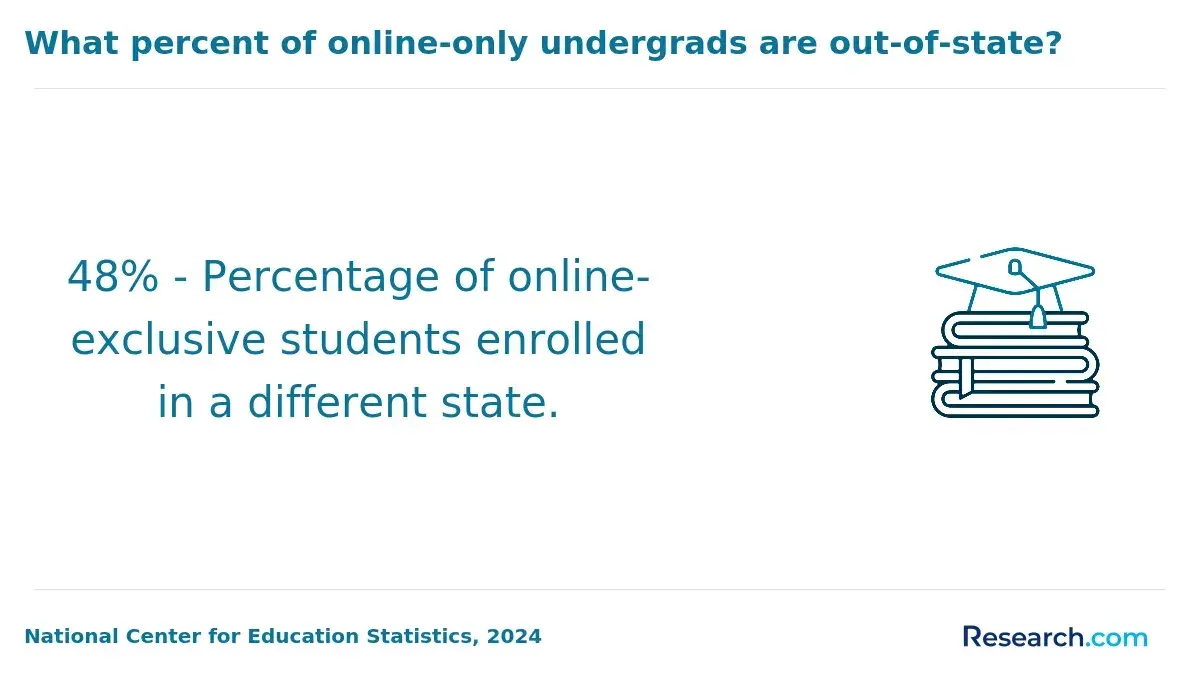
Choosing the ideal online learning format at Michigan State University requires weighing personal circumstances and priorities rather than seeking a universally "best" option. The balance between work, family, and study commitments shapes which pathway will support timely completion and sustained motivation. Students who underestimate their current obligations risk burnout or falling behind, while overly cautious pacing might undermine professional momentum. National data indicates 48% of online learners prioritize flexibility to manage lifestyle demands, highlighting adaptability as a key driver in format selection. Consider these core lifestyle factors to determine which format aligns best with your goals and realities.
- Work Schedule Demands: Students with unpredictable or intensive work hours benefit from formats offering flexibility, such as part-time or self-paced options. Full-time study suits those who can protect dedicated daily study time, facilitating faster degree completion and earlier labor market entry. Evaluate your job's predictability and employer support to choose a format that minimizes conflict and maximizes consistent progress.
- Family and Caregiving Responsibilities: Care duties often limit the hours available for coursework, making fully scheduled programs challenging. Part-time or self-paced study can accommodate variable family needs, though students must balance flexibility with sufficient structure to sustain momentum. Assess your caregiving demands and forecast busy periods to avoid overwhelm during critical academic terms.
- Preferred Learning Structure: Structured formats with fixed deadlines commonly improve discipline and ensure steady progression, benefiting those who struggle with autonomous scheduling. Conversely, self-paced formats appeal to self-motivated learners comfortable with managing their time and pacing. Honestly appraise your ability to meet deadlines without external enforcement to select a format that matches your self-regulation skills.
- Long-Term Career Timing: Full-time programs accelerate degree completion, which can be critical for entering or advancing in competitive fields sooner. Part-time or self-paced options extend graduation timelines but allow working professionals to apply learning immediately and flexibly. Align format choice with your target industry's expectations for credentials and timing to maintain career viability.
- Financial Stability: Continuous full-time study may require reduced work hours or loans, creating financial pressure. Part-time or self-paced studies permit ongoing employment, reducing economic strain but possibly delaying income growth linked to degree completion. Consider your financial resilience to absorb costs or lost wages when choosing a time commitment.
- Ability to Maintain Motivation Over Time: Longer program durations can increase dropout risk if motivation wanes. Structured schedules often foster accountability, while self-paced students may need additional external support mechanisms. Reflect on previous experiences balancing long-term projects to judge which format will sustain your engagement.
- Access to Practical Experience: Programs with cohort-based schedules facilitate networking and practical learning opportunities synchronized with coursework. Self-paced formats may isolate learners, requiring proactive outreach to build connections. Identify how much structured interaction you need to integrate academic content with applied skills effectively.
One prospective student shared how choosing the right format felt urgent yet uncertain. Working full-time as a healthcare aide and caring for aging parents, she disliked the thought of full-time study consuming the little free time she had. Yet, she worried part-time courses would stretch her graduation date too far, delaying her ambition to move into management. After assessing her energy cycles and employer flexibility, she opted for part-time study combined with periodic sabbaticals from work. This blend gave her enough breathing room for caregiving and study deadlines while preserving gradual career momentum. Her experience illustrates how accurately weighing competing demands is vital to selecting an online format that feels manageable and purposeful.
Enrollment status is a pivotal decision for students balancing academic pace, cost, and external responsibilities at Michigan State University. Full-time enrollment demands a heavier course load but accelerates degree completion, reducing the time spent facing tuition fees and indirect costs. Part-time study, while slower, offers flexibility to maintain work or manage personal obligations but extends overall financial and time commitments.
Choosing full-time enrollment typically leads to higher per-semester tuition payments but cuts down the total number of semesters needed, which can minimize cumulative expenses like fees and living costs. In contrast, part-time or self-paced students pay lower semester charges, easing short-term budget strain. However, spreading tuition over more semesters may increase total accrued costs and delay entry into higher-paying positions, impacting long-term earnings potential.
Students must weigh workload intensity against income stability. Full-time learners may struggle to juggle work and study, risking burnout or reduced job performance, while part-time students preserve employment but postpone graduation and workforce advancement. A 2024 study shows that Michigan State University online students who enroll full-time earn about 15% more in early career stages than part-time counterparts, highlighting financial gains tied to faster completion and earlier labor market reentry.
Deciding between part-time and full-time enrollment at Michigan State University depends on individual financial resilience, time availability, and career goals. Those prioritizing quicker ROI and salary growth might tolerate a heavier study load full-time. Conversely, students needing steady income or caregiving flexibility might accept extended timelines and costs with part-time enrollment. Thoughtful alignment with personal circumstances shapes the best approach for maximizing both affordability and long-term professional outcomes.
Success in Michigan State University online learning formats hinges on more than access to reliable technology. Effective digital skills and disciplined learning habits are equally critical. Students must manage their learning environment independently while mastering technical tools that support coursework and collaboration. This balance determines whether part-time, full-time, or self-paced designs fit a student's lifestyle and goals. Below are core technology requirements and learning skills essential for online success.
- Access to Updated Hardware and Software: Students need computers meeting Michigan State University online learning technology requirements, including current operating systems and browsers. Reliable devices prevent disruptions in engaging with the Canvas Learning Management System, ensuring smooth coursework navigation and submission.
- Secure and Consistent Internet Connectivity: Stable internet access allows uninterrupted participation in live sessions and timely uploads. Preparing for technical setbacks by evaluating home or workplace connectivity reduces the risk of missing critical deadlines or discussions.
- Proficiency with Core Software Tools: Familiarity with word processors, spreadsheets, and PDF readers is vital. These tools support assignment completion and communication, making early practice before enrollment advantageous.
- Digital Literacy and Self-Directed Learning: Beyond basic computer skills, students must efficiently evaluate online resources and manage time independently. Research shows 68.7% of online students with advanced digital readiness sustain higher completion rates, highlighting self-regulation's importance.
- Effective Use of Virtual Collaboration Platforms: Active participation in discussion boards and group projects requires confidence navigating online forums and video tools. Developing these skills enhances engagement and replicates workplace digital workflows.
- Adaptability to Online Learning Environments: Success depends on choosing formats that suit individual schedules and learning styles while maintaining motivation. This decision affects long-term career adaptability in tech-driven fields.
- Employability and Career-Relevant Competencies: Mastery of digital workflows and multitasking reflects real-world workplace demands. Being conversant with such skills positions graduates for best jobs for introverts and a variety of roles requiring independent, tech-enabled work.
Choosing an online learning format matters as much as selecting a university. Different formats affect pacing, engagement, and long-term outcomes. For instance, part-time online students need structured schedules to balance work and study, while self-paced learners require strong discipline but gain flexibility. Comparing these features helps prospective students align their learning preferences with practical needs. This distinction is crucial for those seeking the best online degree formats at Michigan State University versus other colleges in the Midwest.
Michigan State University's format balances scheduling flexibility, pacing, and student support better than many peers. Their tuition cost of $34,926 is slightly above average, but an 82% graduation rate signals strong retention and program completion compared to many online programs with rates below 70%. This suggests MSU offers a learning experience that sustains engagement whether students choose part-time, full-time, or self-paced. The moderate admission difficulty also positions MSU as selective but accessible within the competitive landscape of Midwest institutions.
Graduates from Michigan State University earn a median salary of $67,253, reflecting career-aligned instruction and broader employer networks. A recent 2024 study highlights that schools with over 80% graduation and alumni earning above $65,000 typically provide more robust career outcomes than those focusing solely on self-paced options with lower completion rates. For example, a working professional might opt for MSU's part-time format to maintain steady progress, whereas a highly motivated individual may prefer the self-paced route for rapid completion despite greater risk of delayed graduation.
Evaluating how Michigan State University online learning compares to other Midwest universities requires considering meaningful trade-offs. Part-time formats add structure without full-time pressure; full-time offers acceleration with intensity; self-paced maximizes flexibility but demands autonomy. Depending on individual learning habits and long-term goals, students may also seek additional guidance on credential value and practical outcomes through resources like certificate programs that pay well.
Choosing an online learning format involves more than convenience; it requires aligning the program with clear career objectives. A format that accelerates graduation can benefit those targeting fields with rapid salary growth, like engineering, where median salaries exceed $66,000. However, someone balancing full-time work and family may find that pushing for expedited completion creates undue stress and limited professional engagement, potentially hindering advancement in management or business roles.
Full-time, part-time, and self-paced options each carry distinct trade-offs. Full-time enrollment can drive faster degree completion and higher employer engagement but often demands a pause or reduction in work hours. Part-time study supports income continuity while enabling steady skill development, which suits mid-career professionals seeking credentials in business administration or computer science. Self-paced learning offers unmatched flexibility but may lack networking opportunities, limiting employer connections that contribute to starting salaries and promotions.
For instance, a mid-level manager aiming for an executive role might sacrifice speed for stronger networking by choosing part-time study, leveraging structured coursework alongside professional responsibilities. In contrast, a recent graduate in engineering with fewer personal constraints might prioritize full-time enrollment to quickly enter higher-paying positions. The 2024 MSU Career Services study found full- and part-time students experience 15% higher employer engagement than self-paced learners, a factor critical to career trajectory.
Evaluating the right format involves honest assessment of current job demands, family obligations, and employer expectations. Students should consider how quickly they want to graduate and the level of institutional interaction they need for career support. Those targeting leadership roles often benefit from formats encouraging active professional networking, while those needing maximum schedule flexibility might accept slower progression but fewer direct employer connections.
What Graduates Say About Michigan State University Online Learning Formats
- Diego: "Choosing the part-time online program at Michigan State University was a practical decision for me, balancing a demanding job and family life. The structured weekly deadlines kept me accountable without overwhelming my schedule, although I had to refine my time management skills constantly. Graduating allowed me to transition smoothly into a leadership role at work, where the combination of real-world experience and academic knowledge gained through the program was highly valued."
- Jane: "I opted for the full-time online study format at Michigan State University to accelerate my progress and minimize the time away from advancing my career. The intensive learning environment required adjusting my daily routine significantly, but the immersive experience improved my focus and helped me absorb material faster. Finishing the degree on a condensed timeline definitely opened doors for me in a competitive field where timely qualifications give a crucial advantage."
- Arnold: "The self-paced online program at Michigan State University was ideal given the unpredictability of my work schedule and personal commitments. I appreciated the flexibility to pause and revisit complex concepts, which sometimes extended my graduation timeline but deepened my understanding. This format suited my learning style and ultimately strengthened my professional profile, as I could immediately apply new skills in my consulting projects."
Other Things You Should Know About Michigan State University Degrees
Students need a reliable computer, stable broadband internet, and access to the tools named in each course syllabus. Many MSU online classes use Canvas for course delivery, plus Zoom or Microsoft Teams for live sessions, and some exams require a webcam or lockdown browser.
While self-paced formats offer flexibility, they demand high self-motivation and time management skills, as Michigan State University does not typically provide structured checkpoints. Without external pacing, students may underestimate workload, risking extended program duration or incomplete coursework. Those who struggle to create consistent study habits should consider part-time or full-time options with more institutional deadlines and support, which help maintain momentum and improve completion rates.
Financial aid eligibility at Michigan State University often depends on enrollment status, with full-time students qualifying for a broader range of grants and loans. Part-time online students face more limited aid, which may require out-of-pocket costs or employer reimbursement plans. If managing finances is a priority, prioritizing full-time enrollment can maximize financial support but requires balancing increased coursework and potential income loss. Self-paced students typically fall under part-time aid guidelines, adding complexity to budgeting strategies.
- Enroll Now - Michigan State University https://www.michiganstateuniversityonline.com/enroll-now/
- Explore How MSU's Professional Online MBA Is Changing the Game https://mbagradschools.com/mba-success-stories/msu-professional-online-mba
- MSU | Online Degrees and Certificates https://explore.michiganstateuniversityonline.com/
- Designing Online Courses at Michigan State University https://www.d2l.com/blog/designing-online-courses-at-michigan-state-university/
- Online Courses from Michigan State University https://www.edx.org/school/michiganstateuniversity
- MSU Part Time Programmes https://www.msu.edu.my/part-time-programmes
- Accredited Self-Paced Online College, Online Self-Paced College | MSU Denver https://www.msudenver.edu/innovative-lifelong-learning/self-paced-online-courses/
- Student Guide to Online Learning https://michiganvirtual.org/resources/guides/student-guide