2027 Concordia University - St. Paul Online Admission Requirements

Co-Founder and Chief Data Scientist
Navigating the admission process for online degree programs presents unique challenges, especially when institutional requirements vary widely. Applicants often underestimate how specific credential standards and selectivity thresholds impact eligibility.
For Concordia University - St. Paul, understanding these parameters is critical to avoid wasted effort or delayed enrollment. Recent data highlights that over 45% of prospective online students face application errors or incomplete submissions, emphasizing the need for precise guidance.
Such hurdles complicate timely entry into programs that cater to non-traditional learners balancing work and life commitments. This article breaks down Concordia University - St. Paul's online admission requirements, clarifies academic and administrative benchmarks, and offers a clear pathway to improve admission outcomes. It serves as a practical tool for students aiming to meet expectations efficiently and strengthen their candidacy.
Key Points About the Concordia University - St. Paul Online Admission Requirements
- The admission rate at Concordia University - St. Paul is 75%, indicating moderate selectivity. This requires applicants to meet foundational criteria, setting a practical baseline without excessive filtering of applicants.
- Applicants must submit a secondary school GPA and meet English proficiency through TOEFL if applicable. Other credentials like test scores and formal competencies are encouraged but optional, allowing admission flexibility with baseline academic verification.
- The university does not offer open admission or dual credit but accepts AP and life experience credits. This supports diverse backgrounds while aligning eligibility with program relevance and workforce applicability without mandatory technology purchases.
How competitive is the online admission process at Concordia University - St. Paul?
The online admission process at Concordia University - St. Paul reflects moderate accessibility, with a 75% acceptance rate out of 2,730 applicants and 2,044 admitted. This level suggests that candidates face fewer barriers here than at institutions with sub-50% acceptance rates, but entry is not guaranteed given program-specific demands.
Applicants should consider that some programs may impose additional criteria beyond general admission requirements. These stricter standards can affect competitiveness for certain majors, especially those aligned with high-demand or regulated careers. Admission selectivity thus varies depending on the discipline and enrollment capacity.
Compared to other online colleges, Concordia University - St. Paul's process is less restrictive, reflecting a nationwide trend since the pandemic where many schools increased acceptance rates by roughly 10% to accommodate surging demand. This broader access offers opportunities but may also impact employer perceptions depending on industry expectations.
Prospective students must balance acceptance likelihood with the practical value and recognition of their specific program. For example, a nursing applicant might encounter more rigorous filtering than a general studies candidate, influencing both admission chances and career preparation.
One graduate recalled apprehensively submitting their application last fall, noting, "I hesitated because I wasn't sure how competitive it would be, especially for my business major. Once I learned about the acceptance rate, I felt more confident, but the extra paperwork for my program made it clear I needed to be thorough. Getting admitted felt like validation that my careful preparation paid off."
How does the admission process differ for online programs at Concordia University - St. Paul?
The admission process for online programs at Concordia University - St. Paul prioritizes flexibility without compromising on core credential validation, differing notably from on-campus protocols. For instance, an applicant working full-time can submit remote documentation and test scores, avoiding the logistical burden of physical visits or residency verification required on campus.
Processing workflows for online students leverage remote verification methods, removing residency requirements and eliminating computer purchase mandates. This contrasts with on-campus admissions where in-person orientation, campus ID issuance, and possibly interviews play a larger role. The remote process adapts to asynchronous applicant schedules and geographic dispersion.
A recent study found that 67% of US institutions have expanded remote application management, enabling faster, more accessible evaluations. This trend matters because it allows Concordia University - St. Paul to serve a wider, more diverse group of learners while maintaining academic standards through recommended GPA and English proficiency checks.
While online admissions encourage credit for life experiences and accept admission tests as recommendations, on-campus programs often demand stricter academic layering and formal competency demonstrations. This balance at Concordia University - St. Paul fits working adults seeking verified skills without excessive procedural obstacles.
What are the general requirements for admission to Concordia University - St. Paul?
Admission to Concordia University - St. Paul online degree programs demands clear academic readiness verified by a mix of standardized and demonstrated competencies, reflecting the increasing competitiveness in undergraduate admissions nationwide.
A 2024 study found that 68% of U.S. applicants submit some form of competency proof or standardized testing to meet rising criteria, signaling that simply meeting baseline high school requirements may be insufficient in competitive fields.
Students preparing to apply should carefully consider these factors to enhance their acceptance likelihood. The following outlines key general requirements for admission to undergraduate and graduate programs at Concordia University - St. Paul:
- High School Completion Requirement: Applicants must have graduated from high school or hold a GED certificate, establishing foundational academic readiness for college-level study and ensuring that candidates possess the necessary prior education.
- Secondary School Records Submission: High school GPA submission is mandatory to assess academic performance trends over time; while submission of secondary school rank and college-preparatory coursework remain recommended, they are not strictly required, which may affect competitive standing.
- Standardized Testing Policy: SAT and ACT scores are not required; however, submitting these scores or alternatives like Wonderlic or WISC-III tests is advised to strengthen the application and demonstrate measurable competencies to admission committees.
- English Proficiency Demonstration: Non-native English speakers must submit TOEFL scores to confirm language mastery essential for success in an entirely online academic environment, where comprehension and communication are critical.
- Transfer Credit Evaluation: Concordia accepts life experience and AP credits for potential degree acceleration, but does not recognize dual credit coursework, requiring students to strategically plan prior education pathways for effective credit transfer.
- Technology Preparation: While owning a computer is not a formal admission criterion, prospective online students should secure reliable technology independently, as Concordia does not offer a computer purchase or lease program, and effective access is vital for program completion.
- Supplementary Materials Policy: Personal statements, letters of recommendation, and interviews are not explicitly required, streamlining the process toward documented academic readiness rather than subjective criteria, but prospective applicants may consider including optional materials to differentiate their submission.
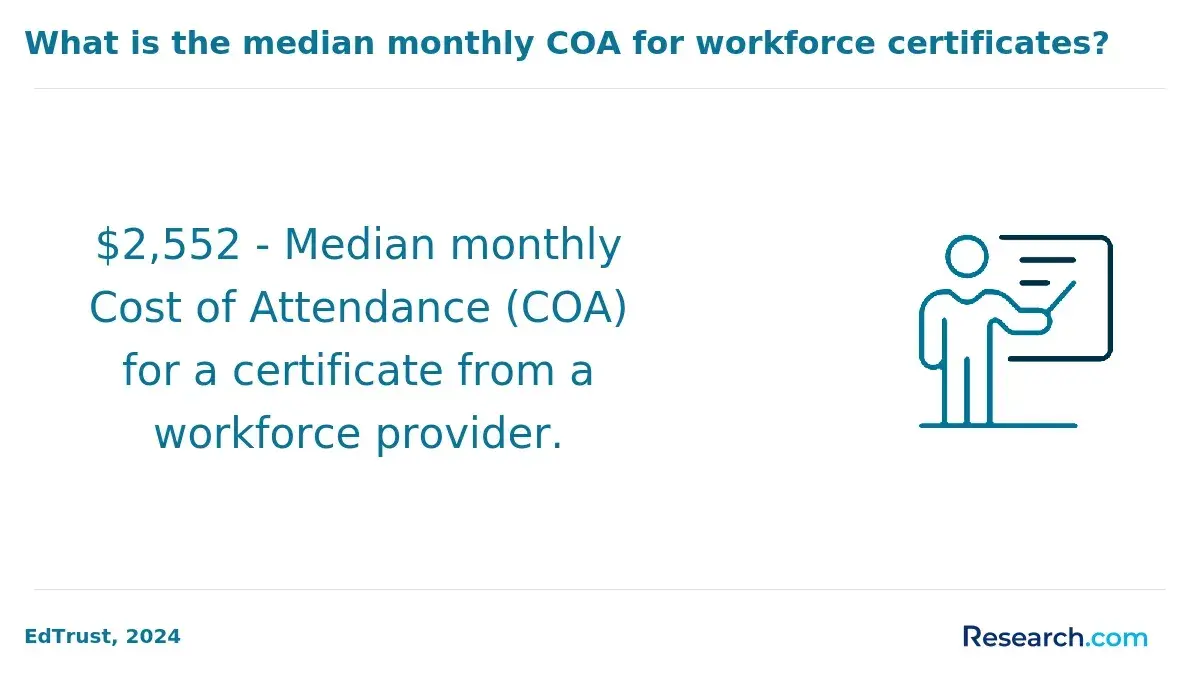
Applicants assessing options should also explore how enrollment in online certificate programs can complement degree pathways at Concordia University - St. Paul or serve as alternative career-boosting credentials, especially given increasing demand across healthcare systems and technology sectors for flexible, competency-based credentials.
What are the minimum GPA thresholds for Concordia University - St. Paul online programs?
Concordia University - St. Paul requires applicants to meet minimum secondary school GPA standards for admission to its online degree programs, though it does not publish a strict baseline. This suggests flexibility, but applicants should demonstrate a strong academic record including secondary school rank and a college-preparatory curriculum. A solid GPA remains essential in practice for competitive admissions.
There is no explicit differentiation between minimum GPA requirements for online versus on-campus programs at Concordia University - St. Paul. However, some specialized online programs may impose more rigorous GPA standards depending on the field of study. Applicants pursuing more selective programs should be prepared for stricter academic expectations aligned with workforce outcomes.
For those who fall below typical GPA thresholds, Concordia University - St. Paul offers conditional admission pathways recognizing competencies shown through advanced placement credits or relevant life experience. This provisional enrollment approach allows students to prove academic progress, reflecting wider trends where admission increasingly factors in adaptability and practical skills alongside grades. Research from 2024 indicates that 65% of institutions now balance GPA metrics with competency-based assessments to better align education with employer demands and diverse learner success.
Students seeking to evaluate the minimum GPA requirements for Concordia University - St. Paul online programs should consider these nuanced standards alongside program-specific criteria. Exploring degree options within the context of evolving workforce needs can help applicants target the most appropriate pathways, including those leading to the most lucrative college degrees.
Can prior work experience be converted into college credit at Concordia University - St. Paul?
Concordia University - St. Paul allows conversion of prior work experience into college credit through a structured experiential credit evaluation process. The university maintains a low entrance difficulty for transfer students and accepts transfer credits aligned with national bodies like the American Council on Education (ACE). However, institutional limits on non-traditional credit apply and must be clarified during academic advising.
Students pursuing credit from prior learning must engage in Prior Learning Assessments (PLAs) or portfolio reviews and can earn credits via CLEP and DSST exams during any term. This process requires careful documentation of work experience relevant to academic outcomes. For instance, a registered nurse with years of practical healthcare experience might leverage exams and PLA to reduce the time spent repeating foundational courses.
The scope of credit awarded varies significantly by program and its technical relevance to prior experience. Conversion is more straightforward for general education or foundational courses than for specialized or advanced subjects. Employers and graduate programs often weigh PLA credits differently, which may affect career and academic advancement.
With a 12% national increase in adult learners using workforce credit translation programs, Concordia reflects this growing trend embracing Prior Learning Assessment. Students interested in accelerated degrees should consider how 6 month masters degree online options and experiential credit pathways together inform their admission strategy for programs requiring both rigor and flexibility.
Does Concordia University - St. Paul require standardized test scores?
Concordia University - St. Paul does not require SAT or ACT scores for admission to its online undergraduate programs. This test-optional policy supports applicants evaluated primarily on academic history, professional experience, and other holistic factors instead of standardized exam results. Such a configuration increases access for remote and nontraditional students.
The university operates under a test-optional framework rather than test-blind or test-flexible. Applicants may submit scores if they choose, but those scores are not mandatory. This approach aligns with evidence showing that standardized tests have limited power to predict practical skills or long-term career outcomes compared to GPA or work-related achievements.
For example, a working adult pursuing a degree online can apply without the barrier of test scores, focusing instead on professional experience and academic records. This flexibility can improve an applicant's chances if their experience is strong, but applicants should still present compelling academic or experiential credentials to remain competitive.
A recent study shows a 15% increase in test-optional admissions nationally, highlighting a shift toward holistic assessments. However, some scholarships and placement opportunities outside Concordia might still consider test scores, so applicants should weigh these factors carefully when deciding whether to submit standardized test results.
Are there special requirements for international online applicants at Concordia University - St. Paul?
International online applicants to Concordia University - St. Paul must navigate specific admission criteria designed to verify academic readiness and language proficiency. The importance of submitting precise documents cannot be overstated, as these form the backbone of any admission decision.
Applicants should note that delays in administrative processing often stem from incomplete or uncertified paperwork, which can disrupt enrollment timelines.
The rise of remote education has pushed U.S. institutions to digitize credential evaluations extensively, with a reported increase of over 12% in international remote student enrollment recently. This trend highlights the critical role of standardized verifications and the competitive edge gained by thorough preparation.
Below are essential documentation requirements for international admission to online programs at Concordia University - St. Paul:
- Proof of English Proficiency: Applicants must meet minimum scores on standardized tests such as TOEFL (above 80 iBT) or IELTS (approximately 6.5) to demonstrate communication skills aligned with workplace standards.
- Official Academic Transcripts: These must be provided with certified English translations if originally in another language, ensuring clear academic record assessment.
- Credential Evaluation: Utilizing members of credential evaluation agencies like NACES helps convert foreign qualifications to U.S. equivalents, a necessary step for accurate admissions appraisal.
- Document Submission Timeliness: Careful adherence to deadlines is critical because administrative delays in verification can affect program start dates and student preparedness.
Meeting these international admission criteria for online programs at Concordia University - St. Paul demands well-organized documentation and understanding of procedural complexities. Prospective students can benefit from reviewing options among non profit online colleges to assess competitive admissions and find the best fit for their educational goals.
Are there program-specific admission requirements at Concordia University - St. Paul?
Program-specific admission requirements at Concordia University - St. Paul play a critical role in aligning students with the demands of their chosen fields.
For example, a prospective nursing student must demonstrate more than a general qualification; they need prerequisite coursework and minimum GPA standards to ensure readiness for intensive clinical training. A journalism applicant may be required to submit a portfolio to verify writing and multimedia skills that reflect industry expectations.
Below are several key specialized admission criteria common across programs:
- Prerequisite Coursework: Programs in nursing and education require completion of foundational classes with minimum GPAs around 2.75 to 3.0. These ensure candidates have the necessary academic background to succeed in discipline-specific content and practical applications.
- Portfolio Submission: Arts, communications, and media programs request portfolios or samples of creative work. This qualitative measure helps evaluate skills that grades alone cannot capture, supporting admissions decisions with tangible evidence of capability.
- Departmental Applications: For competitive fields like business or counseling, separate applications include essays and letters of recommendation. These assess personal motivation, professional experience, and contextual factors important for success.
- Interviews: Certain programs incorporate interviews to evaluate communication skills and commitment. This approach provides direct interaction beyond written materials, critical for professions requiring interpersonal competencies.
- Minimum GPA Standards: A universal baseline, especially for health sciences, serves as an initial filter for academic ability. Meeting these benchmarks aligns with increasing employer emphasis on demonstrated academic proficiency.
- Experience Verification: Some programs may require documentation of relevant work or volunteer experience. This supports admissions by confirming practical exposure, especially for roles demanding immediate professional engagement.
- Standardized Test Waivers and Alternatives: In recognition of diverse applicant backgrounds, Concordia University - St. Paul sometimes offers admissions pathways aligned with competency-based master's degrees. This reflects the growing demand for flexibility while maintaining rigor.
National trends show a 12% growth in health sciences and business applications-programs closely tied to the job market-while humanities experience declines. This shift highlights the growing importance of selective, program-specific admissions criteria that help balance enrollment quality with workforce needs.
Students aiming to maximize admission chances must understand and meet these specialized requirements early in the process. This practical preparedness not only enhances admission likelihood but also better equips students for successful progression and employment post-graduation.
Applicants familiar with the nuances of Concordia University - St. Paul online program admission criteria can strategically position themselves for programs that match their career intentions and academic strengths.
When are the application deadlines for Concordia University - St. Paul online programs?
Concordia University - St. Paul organizes its online admissions around multiple accelerated terms, allowing applications and course starts at several points within the year. This rolling timeline requires applicants to submit documents well before the beginning of their chosen term to optimize enrollment chances.
The deadlines for online programs do not significantly differ between fields but emphasize timely completion due to the university's flexible yet structured term calendar. Students in professional or accelerated tracks face identical submission expectations, reflecting the broader shift toward adaptable schedules in higher education.
A nationwide trend shows 32% of U.S. institutions adopting multiple start dates to shorten wait times and better serve non-traditional learners, a shift Concordia aligns with. This flexibility suits working adults but increases the penalty for late or incomplete applications, which can delay entry to subsequent terms.
Meeting deadlines is critical not only for securing a spot but also for qualifying for financial aid. Late submissions often result in deferred enrollment and can jeopardize scholarship eligibility, illustrating the operational importance of disciplined planning within the accelerated term framework.
How can you increase the chances of getting into Concordia University - St. Paul online programs?
Increasing admission success at Concordia University - St. Paul requires more than meeting baseline requirements. Applicants benefit from strategically leveraging flexible credit policies, timing, and presenting a purposeful profile aligned with labor market demands.
Recent trends highlight that candidates who submit early applications and showcase relevant experiential learning improve their admission odds by up to 15%, indicating that admissions staff weigh preparedness alongside academics.
Below are targeted ways to optimize your application and demonstrate value beyond transcripts:
- Maximize Transfer Credits: Concordia broadly accepts ACE recommendations, CLEP, and DSST exams. Proactively documenting these credits signals academic readiness and can shorten degree timelines, making you a more efficient candidate in the eyes of admissions evaluators.
- Craft a Professional Resume: Highlight applicable work experience, certifications, and ongoing education. A well-structured resume contextualizes nontraditional applicants as committed learners with relevant skills employers seek, mitigating weaker academic records.
- Explain Academic Gaps Transparently: If transcripts show inconsistencies, offer concise, honest explanations paired with recent academic or professional improvements. This approach addresses potential concerns candidly and demonstrates resilience.
- Leverage Flexible Term Start Dates: Applying for fall, spring, or summer increases enrollment options and can reduce competition. Admissions officers often favor candidates adaptable to multiple start terms since it aids program planning.
- Submit Early Applications: Early submission provides room to resolve documentation issues and positions you favorably by allowing admissions staff ample review time. Faster decisions can ease applicant uncertainty and improve chances.
- Emphasize Career-Relevance: A compelling connection between your career goals and chosen program indicates serious intent. Consistent communication with advisors maintains engagement and signals alignment with workforce outcomes prioritized by Concordia's online programs.
One graduate recalled initially feeling uncertain due to a fragmented academic record and returning to school after years in a non-degree role. They focused on documenting prior learning through CLEP exams, submitted their application well before the deadline, and maintained contact with admissions counselors to clarify their professional goals.
This proactive communication helped the admissions staff see beyond past transcripts. The applicant later reflected, "Being upfront about my background and showing I had a plan made all the difference. It felt like they were evaluating my potential, not just my grades."
What Graduates Say About Getting Admitted Into an Online Program at Concordia University - St. Paul
- Ximena: "Applying to Concordia University - St. Paul's online program was a meticulous process, especially with their detailed transcript evaluations and prerequisite verifications. Although it required upfront diligence to organize my prior coursework and paperwork, I appreciated the full digital application workflow that saved me from making multiple campus visits. In the workforce, I've noticed that this initial rigor translated to a degree well-respected by my employer, giving me an edge in project management roles and steady salary progression."
- Maryam: "From the start, I valued the clear communication during the admissions process at Concordia University - St. Paul, though the selective entry benchmarks felt intimidating. Managing the application remotely was a relief, allowing me to focus on gathering necessary documents without disrupting my job. After graduating, I found the program's flexibility was crucial for quickly pivoting into a new career path while continuing to work, demonstrating that the administrative hoops were a worthwhile trade-off for balancing professional and academic growth."
- Meera: "When I considered applying, I weighed the time-intensive admission steps-especially the transcript review and documentation demands-against the program's promise of flexibility at Concordia University - St. Paul. Navigating those details remotely was definitely more manageable than I expected, but I remain cautiously pragmatic about the real impact. Though the degree helped confirm my qualifications in the workforce and supported a lateral move, the selectivity and upfront workload led me to question how much faster or higher my career would advance compared to less rigorous alternatives."
Other Things You Should Know About Concordia University - St. Paul Degrees
Online programs at Concordia University - St. Paul typically require a higher degree of self-discipline and time management. Without on-campus class meetings, students must proactively engage with course materials and complete assignments independently. This structure allows flexibility but can increase daily workload intensity, especially when balancing work or family obligations. Prospective students should prioritize developing strong organizational skills to avoid falling behind in these self-paced environments.
For 2027, Concordia University - St. Paul online programs generally require a completed application, official transcripts, and a personal statement. Some programs may have additional requirements, such as letters of recommendation or a resume, depending on the specific program of interest. Always check the specific program’s web page for details.
Admissions processing times at Concordia University - St. Paul for online programs can affect your ideal enrollment term. Delays due to document verification or other requirements might push your start date to a later semester, impacting financial planning and career timelines. Given this, applicants should submit materials well ahead of target enrollment to maintain flexibility in pacing and avoid unwanted gaps in education or employment.
Choosing an online program based on easier admission criteria may result in misalignment with your long-term career goals. Concordia University - St. Paul offers various online degree options, and selecting one closely aligned with your desired skillset or industry fosters better professional outcomes. It is more practical to invest effort in meeting tougher admission standards for programs that deliver relevant learning, rather than opting for convenience at the expense of career fit.
References
- Concordia University St. Paul SAT Scores and GPA https://www.prepscholar.com/sat/s/colleges/Concordia-University-St-Paul-sat-scores-GPA
- StraighterLine https://www.straighterline.com/colleges/concordia-university-stpaul/
- How CSP Global made the Admissions Process Easy | CSP Global https://www.graduateprogram.org/concordia-saint-paul/2021/12/27/how-concordia-university-st-paul-made-the-admissions-process-easy/
- Apply to Concordia University, St. Paul https://www.commonapp.org/explore/concordia-university-st-paul/
- International Students - Concordia Academy https://www.concordiaacademy.com/admissions/international/
- Concordia University, St. Paul Creates Separate Division for Online Programs https://www.govtech.com/education/higher-ed/concordia-university-st-paul-creates-separate-division-for-online-programs
- Concordia University, St. Paul Launches 90-Credit, 3-Year Bachelor's Degrees and University-Wide Career Portfolio Initiative https://www.prnewswire.com/news-releases/concordia-university-st-paul-launches-90-credit-3-year-bachelors-degrees-and-university-wide-career-portfolio-initiative-302752488.html
- Concordia University (St. Paul, MN) (CSP) https://www.princetonreview.com/college/concordia-university-st-paul--mn-1023059
- Concordia University St. Paul Admission: Acceptance Rate, SAT, ACT & GPA https://testbook.com/en-us/college/concordia-university-st-paul-admissions
- Concordia College, St. Paul Score Requirements | Clastify https://www.clastify.com/blog/score-requirements/concordia-college-st-paul