2027 Arizona State University Online BS in Electrical Engineering: Cost, Curriculum, Admissions, and Career Outcomes

Co-Founder and Chief Data Scientist
Determining the right fit for an online BS in electrical engineering program presents significant challenges. Many prospective students weigh factors like curriculum rigor, flexibility, and career relevance against their schedules and professional goals. As of 2024, the National Center for Education Statistics reports a 15% increase in enrollment among adult learners for online STEM degrees, highlighting a growing demand for accessible, career-focused education. This trend reflects the need for programs that balance technical depth with adaptable pacing. This article examines Arizona State University's online BS in electrical engineering in terms of cost, curriculum, admissions, and career outcomes to help readers assess its alignment with their aspirations and constraints.
Key Points About Arizona State University's BS in Electrical Engineering Program
- A 90% acceptance rate at Arizona State University's online BS in Electrical Engineering program reduces entry barriers but may require students to proactively seek opportunities for competitive differentiation post-graduation.
- Faculty expertise blending practical applications with theoretical knowledge equips graduates with skills aligned to employer expectations in a technology-driven job market, enhancing workplace readiness.
- The program's alignment with industry-relevant competencies supports strong alumni networks, which can influence initial employment success though long-term career growth depends on continued skill development beyond the degree.
What can students expect from Arizona State University's online BS in Electrical Engineering curriculum?
Arizona State University's online BS in electrical engineering curriculum mirrors traditional programs in essential content but must also accommodate the constraints of remote delivery. This balance ensures students gain competencies aligned with US industry and accreditation standards while managing practical limitations often encountered in online settings. For example, employers hiring graduates typically expect demonstrated problem-solving skills and familiarity with industry-standard software, which this program integrates through blended theoretical and applied coursework. Below is an overview of key curriculum components highlighting what the comprehensive course structure for Arizona State University online electrical engineering degree entails.
- Mathematics and Physics: Students engage deeply with calculus, differential equations, and physics fundamentals critical for modeling and analyzing electrical systems, forming the foundation for advanced engineering topics and real-world technical reasoning.
- Core Electrical Engineering: Coursework in circuit analysis, digital logic design, and electromagnetics demands both conceptual understanding and practical application, often incorporating virtual laboratories to simulate conventional in-person experiences.
- Emerging Technologies: The curriculum includes microelectronics, control and communication systems, and embedded systems, combined with programming and widely used software tools, preparing students to tackle contemporary engineering problems and technological development.
This curriculum design addresses the realities of gaining credible electrical engineering skills online while remaining consistent with broader US academic standards. Graduates are enabled to pursue sectors such as telecommunications and power systems, with a capstone project providing a final integrative, application-based assessment. For prospective students evaluating options, it is also worth noting that Arizona State University ranks among the online colleges that accept FAFSA, which can influence affordability decisions within the bigger picture of workforce preparation.
What are Arizona State University's admission requirements for online BS in Electrical Engineering program?
Admission to Arizona State University's online BS in Electrical Engineering program is selective rather than open, reflecting employer expectations for foundational academic preparedness. For example, a candidate with strong high school records but no standardized test scores may appear less competitive when employers or program reviewers prioritize applicants demonstrating quantitative reasoning through tests like the SAT or ACT. This reality means applicants should aim to present clear evidence of academic capability and proficiency beyond minimum credentials. Below is a summary of typical admission elements with practical context.
- High School Completion: Prospective students must have completed high school or an equivalent, such as a General Educational Development (GED) certificate. This verifies a baseline secondary education essential for engaging with demanding STEM coursework.
- Secondary School Record: Submission of official transcripts is required to demonstrate academic history. While specific GPA thresholds are not stated, the quality of prior coursework impacts admission suitability and predicts success in engineering curricula.
- Standardized Test Scores: Though no minimum SAT or ACT scores are publicly mandated, submission of these scores is recommended to strengthen the application. These assessments serve as common, objective benchmarks for evaluating quantitative and critical thinking skills.
- English Proficiency: Non-native English speakers must prove proficiency via the TOEFL. Effective communication skills are critical in engineering fields for collaboration and documentation.
- Additional Assessments and Documentation: Optional but suggested materials include Wonderlic or WISC-III test results, letters of recommendation, portfolios, and competency demonstrations. These help admissions committees assess candidate readiness beyond transcripts alone.
Is it difficult to get admitted to Arizona State University's online BS in Electrical Engineering program?
Admission to most BS in Electrical Engineering programs is often competitive, requiring strong academic backgrounds and standardized test scores due to the technical demands and career prospects in the field. Candidates typically face rigorous screening as programs seek students capable of handling complex coursework and practical engineering challenges.
In contrast, Arizona State University's online BS in Electrical Engineering program exhibits notably lower admission barriers, with a 90% acceptance rate out of 68,840 annual applicants. The university's open admission approach, which does not require SAT or ACT results, offers wider access than many traditional programs. This flexibility may attract a diverse applicant pool but could mean less selectivity overall, allowing students who meet baseline criteria a favorable chance of entry.
For prospective students, this means balancing the advantage of easier admission against the program's need to prepare graduates for a competitive workforce. The online format provides flexibility, yet applicants should ensure they can meet the program's technical rigor despite the less restrictive entry requirements.
One graduate recalled feeling uncertain during the application process, worried that the lack of stringent prerequisites might affect the program's depth. However, the absence of required standardized tests eased the timeline for submission, allowing focus on other commitments. After admission, they found the coursework demanding but manageable, appreciating that the admissions openness enabled timely enrollment without sacrificing quality.
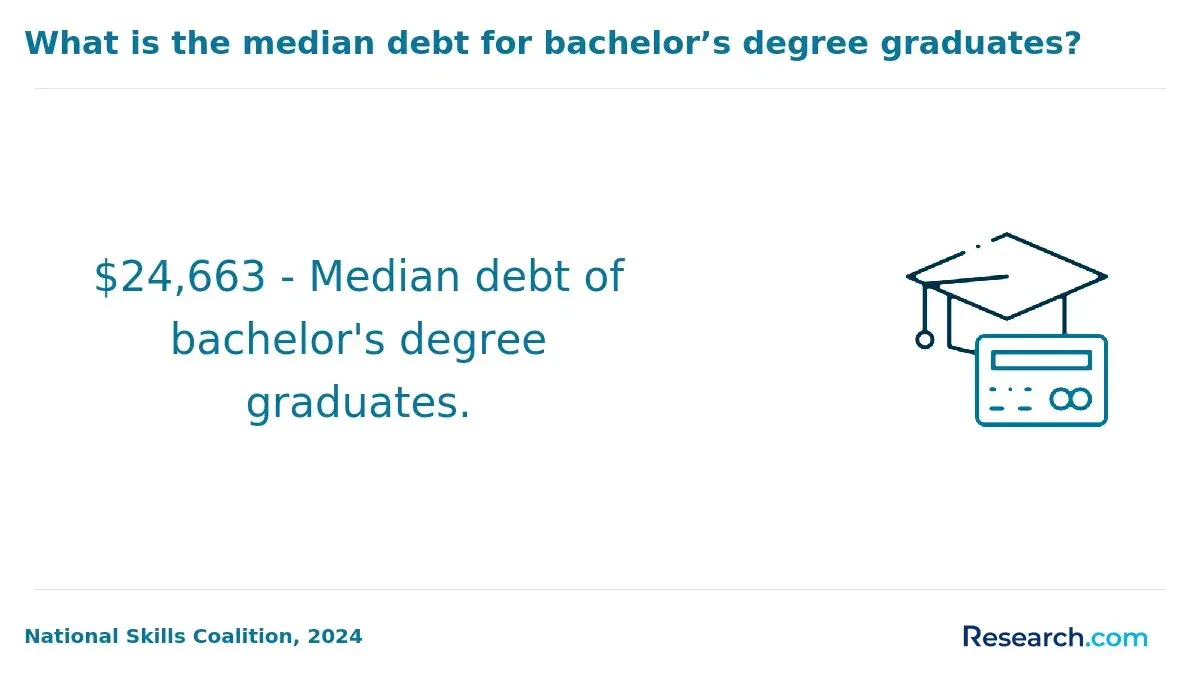
The tuition cost for an online BS in Electrical Engineering at Arizona State University stands at $12,051 annually, with additional expenses such as $1,320 for books and supplies, culminating in a total estimated annual cost of $34,845 when factoring in room, board, and fees. This structure reflects ASU's approach of not charging a separate online-specific technology fee, which can present a predictable cost scenario for remote learners. However, students should carefully evaluate how these costs align with their eligibility for financial aid or scholarships, as these can substantially alter the net price and affect long-term debt considerations.
When comparing the cost of online BS in electrical engineering at Arizona State University with other institutions, ASU's rates are generally competitive but may exceed in-state tuition fees at public universities offering online programs. For example, Ohio State University applies a uniform tuition rate regardless of residency, which can simplify budgeting for out-of-state students. Such differences can become critical when students weigh the total educational investment against prospective earnings and career resilience.
This distinction matters because many employers prioritize degree completion and practical skills over the institution's cost profile, yet graduates from programs with a balanced tuition structure may face less financial strain entering the workforce. The Federal Scorecard's total cost of attendance for on-campus students, noted at $28,047 for in-state learners, highlights the premium typically associated with campus life, which online programs like ASU's effectively mitigate.
Prospective students increasingly consider how investment in an online degree fits into their broader career strategy, especially in fields linked to highest paying careers. Balancing the upfront financial commitment with the expected employability and salary outcomes is essential when selecting an online electrical engineering program, making transparent tuition and cost data at Arizona State University a vital part of informed decision-making.
Financial aid options at Arizona State University for online bs in Electrical Engineering students significantly affect affordability and influence decisions on balancing work, study, and debt. Access to multiple funding sources can reduce reliance on high-interest loans, which is crucial given the technical nature of the degree often requiring extended study periods or internships that limit full-time employment. The following aid categories highlight typical options students might evaluate in planning their finances:
- Merit-Based Scholarships: Awarded primarily on academic achievement, these scholarships target students with strong prior performance. They vary widely in amount and generally require maintaining a minimum GPA, serving as an incentive for sustained academic effort.
- STEM-Specific Awards: Designed to support students pursuing science and engineering, these scholarships recognize the strategic importance of such fields and often require evidence of STEM interest or enrollment in related coursework.
- Employer Tuition Reimbursement: Many students working in engineering-related roles benefit from companies that subsidize continuing education as part of employee development, offsetting large portions of tuition costs. Eligibility depends on employer policies and enrollment status.
- Veterans Benefits: Veterans and active military personnel can use VA educational programs such as the GI Bill to cover significant tuition costs. These benefits reduce financial strain, facilitating smoother transitions from military to civilian professional settings.
- Federal Grants and Loans: Completing the FAFSA enables access to Pell Grants and federal loans with competitive terms. While grants reduce out-of-pocket expenses without repayment, loans require careful consideration of future debt obligations tied to post-graduation income.
Access to comprehensive and well-integrated learning resources is essential for online BS in Electrical Engineering students to bridge the gap between remote study and the hands-on demands of engineering roles. Without such support, students may struggle to fully grasp technical concepts or navigate software and hardware challenges independently-issues that can derail progression in a rigorous program. For instance, a student juggling different time zones or full-time work needs reliable tech support and flexible academic help to maintain consistent study momentum. Below is an overview of key learning resources designed to address these realities and enhance student outcomes.
- Dedicated Learning Platform: A centralized digital environment hosts video lectures, interactive discussion boards, and streamlined assignment submissions. This integration supports engagement and collaboration despite physical distance, mimicking aspects of on-campus interaction crucial for mastering complex engineering topics.
- 24/7 Technical Support: Round-the-clock IT assistance ensures that software glitches or hardware issues do not halt learning, particularly for students accessing materials from varying time zones or with differing technical setups, thus preserving academic continuity.
- Academic Support Services: Online tutoring, writing assistance, and engineering-specific advising provide tailored academic help that addresses unique challenges within the discipline, enabling students to improve problem-solving skills and study effectiveness.
- Career Development Resources: Access to internships, co-op placements, and connections with industry employers are facilitated through virtual career fairs, resume workshops, and networking events. These resources help translate academic learning into work-ready skills and professional opportunities.
- Mentorship and Advising: Personalized guidance from academic mentors and career advisors complements technical training with strategic planning for career pathways, a vital aspect given the evolving demands in electrical engineering fields.
Employer Confidence in Online vs. In-Person Degree Skills, Global 2024

In-person practicums or clinicals are generally uncommon in electrical engineering programs, which prioritize hands-on lab work, simulations, and design projects over traditional clinical placements typical in health-related fields. This distinction affects prospective students evaluating on-campus versus online formats. For Arizona State University online electrical engineering in-person requirements, the lack of mandatory clinical or practicum components removes geographic and scheduling barriers but places greater responsibility on students to seek external practical experience that aligns with workforce expectations.
Arizona State University's online BS in Electrical Engineering does not require students to complete in-person clinicals or practicum rotations. Instead, the program emphasizes virtual labs and project-based learning to develop real-world technical skills remotely. While internships or cooperative education experiences are encouraged to enhance employability, these are not mandated elements of the curriculum nor arranged by the university, reflecting a model that favors flexibility but may require proactive effort from students to secure practical exposure.
This approach suits working professionals and those outside local areas by eliminating in-person commitments. However, students should weigh the benefits of ASU's format against employer preferences in electrical engineering, where tangible hands-on experience can be critical. Those considering this option can review best affordable online colleges for additional context on program structures and costs related to online engineering education pathways.
The professional marketability of graduates with an online BS in Electrical Engineering from Arizona State University hinges on their ability to navigate diverse technical fields where theoretical knowledge meets applied engineering challenges. Evaluating the long-term career value of this degree means recognizing the distinct roles it prepares candidates for, particularly in a competitive job market where experience and specific skill sets often influence opportunities. For students considering job prospects for graduates of Arizona State University BS in electrical engineering, an awareness of these pathways clarifies practical outcomes.
Key career options typically include:
- Electrical Engineer: Involves designing, developing, and testing electrical systems and devices used widely across sectors such as aerospace and telecommunications. Entry-level salaries tend to reflect industry standards but vary significantly by location and employer demands.
- Systems Engineer: Focuses on integrating electrical components within larger systems to optimize performance, blending knowledge of hardware and software interfaces. This role often commands robust problem-solving skills aligned with cross-disciplinary teams.
- Controls Engineer: Specializes in automated manufacturing and robotics systems, requiring programming expertise and experience troubleshooting control devices. The position typically offers roles in growing industrial and production environments.
- Test Engineer: Responsible for performing rigorous product testing to ensure safety and compliance, a role that demands meticulous attention to detail and familiarity with industry regulations.
- Power Systems Specialist: Engages with renewable energy technologies like solar and wind, reflecting trends in sustainable energy demand and influencing evolving energy infrastructures.
The variation in successful employment outcomes underscores the importance of strategic career planning and gaining relevant experience alongside the online curriculum. Prospective students targeting Arizona state university online electrical engineering careers in Arizona should consider how regional industry needs intersect with these roles. Graduates may find that certain specializations provide clearer pathways to higher salaries and stable employment. For more insights on accelerated learning and degree value, reviewing data on a fast track degree can further inform decision-making.
The salary outlook for online BS in Electrical Engineering graduates from Arizona State University reflects the field's competitive positioning within engineering disciplines and its practical value in the labor market. Graduates earning a median salary of $70,595 surpass the university's general median alumni salary of $62,668, signaling a tangible financial advantage from the specialized technical skills acquired through this program. For professionals weighing degree options, this differential represents an immediate boost to earning potential in sectors like telecommunications, power systems, and technology development.
When compared to other engineering fields at the same institution, electrical engineering salaries remain robust but slightly below construction engineering median earnings of $74,873 and computer engineering at $71,373. This comparative context highlights subtle employer demand variations and the nuanced tradeoffs students face when prioritizing specialization versus market opportunities. Those pursuing Arizona State University online electrical engineering graduate salary prospects should also note the program's flexibility, which may benefit working students balancing ongoing employment against upskilling needs.
While the median earnings from the BS in Electrical Engineering exceed those of fields like business administration ($51,542) or computer and information sciences, general ($60,802), it is essential to examine these figures alongside practical workforce expectations. Students considering this program might also explore related advanced credentials or pathways, including online doctoral programs without dissertation, to further extend their career trajectories and earnings potential.
Making an informed decision about pursuing an online bs in electrical engineering at Arizona State University requires aligning the program's structure and outcomes with your personal circumstances and career ambitions. This assessment involves balancing academic rigor, flexibility, and real-world applicability. To clarify this, consider these critical factors:
- Program Flexibility And Format: Evaluate how asynchronous learning and interactive coursework fit your daily responsibilities and learning style. Flexibility can be essential for those balancing work or family commitments but may demand strong self-discipline to stay on track without fixed class times.
- Curriculum Depth And Breadth: Consider whether the course content covers both foundational theory and emerging industry topics relevant to your interests, like renewable energy or embedded systems. A program that integrates practical applications alongside theory better prepares you for evolving engineering roles.
- Community And Networking Opportunities: Look into the extent of engagement within virtual cohorts and project collaborations. A vibrant online community can mitigate isolation and foster connections that support learning and future career prospects.
- Career Services And Outcomes: Assess the availability and effectiveness of career support tailored to online students, including internships and employer connections, which are crucial for transitioning from education to employment in competitive sectors.
A recent graduate shared how they initially hesitated between on-campus and online formats but ultimately chose Arizona State University's online program due to its emphasis on asynchronous learning combined with structured group projects. They noted that knowing their schedule demanded flexibility, yet they valued regular peer interaction to maintain motivation. Their decision also hinged on the curriculum's inclusion of contemporary topics-something they verified by reviewing course descriptions and talking directly with alumni. This approach helped them match the program to their career goals in telecommunications engineering, where current knowledge and professional networks have tangible effects on hiring outcomes.
What Graduates Say About Arizona State University's BS in Electrical Engineering Program
- Lucy: "Studying at Arizona State University gave me access to a curriculum that balanced theory with real-world applications, which was crucial when transitioning into a role focused on embedded systems. I appreciated how the program emphasized hands-on projects that I could showcase in my portfolio, something my employer valued highly during hiring. Though licensure isn't a strict requirement in my field, the flexible online format allowed me to gain relevant certifications and enter the workforce faster, which really jump-started my career."
- Alondra: "Looking back, the BS in Electrical Engineering program at Arizona State University was both challenging and practical, especially with its focus on circuit design and signal processing. The program helped me sharpen the analytical skills needed to move into a specialized R&D position, but I quickly realized that without a PE license, my upward mobility is limited in certain corporate roles. The coursework and internship opportunities gave me a competitive edge, but I'm aware that accumulating relevant experience and certifications remains essential to advance further."
- Selena: "Arizona State University's BS in Electrical Engineering was a pivotal step for me, especially because of how adaptable the program was to my working life. The online format allowed me to continue full-time while learning the latest in power electronics, which directly contributed to my pivot from a general engineering technician to a design engineer. Many of my colleagues emphasized portfolio strength over formal licensure, reflecting a broader hiring trend I witnessed firsthand in the industry, so I tailored my learning toward certifications and demonstrable skills."
Other Things You Should Know About Degrees
While the online format offers flexibility, it can limit organic networking compared to on-campus experiences. However, ASU provides virtual events, student organizations, and group projects to foster connections. Prospective students should be proactive in engaging with these platforms to build relationships that can aid in career development.
The online program minimizes traditional in-person labs, instead offering virtual simulations and remote access to some equipment. While this approach ensures theoretical competence, students may need additional practical exposure post-graduation to meet some employers' expectations. Prospective students planning lab-intensive careers should weigh this factor and possibly seek supplementary hands-on training.
Yes. ASU’s online electrical engineering curriculum includes lab-intensive courses that may require students to complete certain experiments in approved settings or with program-specific lab components. Students should confirm the exact lab arrangement for 2027 before enrolling, because hands-on requirements affect scheduling and access.
- 2023 Best Value Electrical Engineering Bachelor's Degree Schools in Arizona - Course Advisor https://courseadvisor.com/majors/engineering/electrical-engineering/rankings/best-value/bachelors-degrees/southwest/arizona/
- Electrical Computer and Energy Engineering General Scholarship https://www.asufoundation.org/changing-futures/advance-technology-for-good/electrical-computer-and-energy-engineering-general-scholarship-CA106896.html
- Online Engineering Degree Programs https://asuengineeringonline.com/online-engineering-degree-programs
- Electrical and Electronic Engineering - ASU London https://asu-london.ac.uk/courses/undergraduate/electrical-and-electronic-engineering/
- 100% Online Electrical Engineering Program https://www.physicsforums.com/threads/100-online-electrical-engineering-program.733207/
- Explore UM | University of Manitoba - Electrical Engineering (BSc) https://umanitoba.ca/explore/programs-of-study/electrical-engineering-bsc
- BS in Electrical Engineering Outcomes | University of Bridgeport https://www.bridgeport.edu/news/what-can-you-do-with-bs-in-electrical-engineering/