2027 Accelerated Online Programs at St. Thomas University

Co-Founder and Chief Data Scientist
Consider a working professional with limited free time evaluating whether an accelerated online program at St. Thomas University suits their goals. They need to balance current responsibilities while aiming to finish a degree faster than traditional paths allow. Since about 40% of online students actively seek quicker degree completion, understanding the real requirements and outcomes of accelerated study is vital. Overestimating the ease or underestimating the demands can lead to burnout or delayed graduation.
Enrollment growth in accelerated online formats reflects increasing demand, but this option is not one-size-fits-all. Program availability, admissions criteria, workload intensity, graduation timelines, and cost structures vary considerably. Aligning the accelerated format with specific academic backgrounds and career objectives requires close evaluation. This article will analyze these factors to help readers decide if accelerated online study at St. Thomas University meets their practical and professional needs.
Key Points About Accelerated Online Programs at St. Thomas University
- Admission requires structured documentation like secondary school records and TOEFL scores, with credit for life experience and AP accepted, positioning the program for students able to meet formal criteria without reliance on technology purchasing plans.
- The 43% graduation rate suggests that accelerated pacing demands careful management of workload and mastery, warning candidates to realistically assess their ability to complete rigorous curricula on schedule.
- Alumni report a median salary of $54,272, reflecting moderate early-career earnings; prospective students should weigh this figure against program intensity and their targeted fields before committing.
What accelerated online programs does St. Thomas University offer?
Identifying which programs St. Thomas University offers in accelerated format is crucial for students aiming to shorten their time to degree completion. Accelerated programs demand sustained focus and time management, so knowing the options early helps avoid enrolling in unsupported or unsuitable areas of study. Choosing a program that fits both academic background and personal schedule prevents costly delays or dropout risks.
St. Thomas University provides accelerated online programs mainly in business administration, education, and criminal justice. These cover bachelor's, master's, and doctoral levels, with bachelor's degrees focusing on foundational career skills and advanced degrees emphasizing leadership and expertise. However, not every discipline is available in this compressed format, reflecting constraints around internship requirements, lab work, or rigorous sequential coursework that resist shortening.
Students must evaluate if an accelerated path aligns with their prior knowledge and professional commitments. For instance, a working adult pursuing a criminal justice master's may benefit from the streamlined schedule, but must assess readiness for intensive coursework without typical pacing breaks. A recent National Center for Education Statistics report notes a 12% higher four-year graduation rate for accelerated online program enrollees at comparable institutions, suggesting improved efficiency where rigor and mastery are maintained.
Ultimately, prospective students should weigh the practical tradeoffs between speed and depth. Accelerated programs can advance careers faster but require clear understanding of curriculum demands and employer expectations in their field. This ensures alignment with long-term goals rather than short-term convenience.
How do accelerated online programs work at St. Thomas University?
Commitment to an accelerated format requires clear understanding of its demands before enrolling. The accelerated online degree programs at St. Thomas University compress traditional semester lengths into shorter terms. This structure intensifies the learning pace by concentrating coursework into 5- or 8-week periods, requiring steady progress rather than breaks between classes. Recent data shows students often need to dedicate 15 to 18 hours per week to keep up, a significant increase from standard 12-hour weekly commitments, underscoring time management as a key success factor.
Courses follow a sequential or compressed schedule, where foundational topics quickly lead to advanced material. This setup limits flexibility for those balancing employment or family obligations. The program's design rewards disciplined learners who can engage deeply each week without falling behind. For example, a working professional returning to school must realistically assess whether an intensive weekly workload aligns with available study time and personal responsibilities.
The decision to pursue accelerated online courses at St. Thomas University should weigh academic preparation and career aims against the program's pacing. Students unaccustomed to focused, continuous study might struggle, affecting retention and outcomes. Prospective enrollees must consider how this faster timeline matches their goal for degree completion and employer expectations, especially since many employers look for candidates who demonstrate both cost-efficiency and effective work-study balance.
Financial planning also matters, with tuition charged per credit hour plus mandatory fees and expenses such as $5,119 for books and supplies. Comparing total costs to regional averages reveals St. Thomas University's premium fee structure. Those seeking a cheap doctorate degree online elsewhere might find more economical options, but must balance price with the intensity and outcomes specific to accelerated online degree programs at St. Thomas University.

Who should consider an accelerated online program at St. Thomas University?
Not every prospective student will succeed in accelerated online programs, despite the appeal of an earlier graduation date. These programs demand disciplined time management and a willingness to engage with an intense academic pace. For many, the compressed timespan increases stress and reduces opportunities for reflection or gradual learning. The choice to enroll should weigh personal resilience and career goals against the program's rigors.
Here are several types of students who benefit most from accelerated online degree programs at St. Thomas University.
- Working Professionals Seeking Promotion: These students juggle full-time jobs and appreciate the flexibility to complete coursework quickly. The accelerated pace allows rapid accumulation of credentials necessary for upward mobility within their current fields. However, they must consider if their work schedules can consistently accommodate condensed study periods.
- Career Changers With Clear Goals: Individuals switching industries often need fast reskilling to enter a new job market competitively. Such students should have defined objectives and sufficient prior academic experience to handle the program's demands without basic skill gaps.
- Returning Adult Learners: Adults resuming education after a hiatus find accelerated programs attractive for minimizing time away from the workforce. They thrive when motivated by clear career stakes but require solid self-discipline to manage the compressed curriculum and balance external responsibilities.
- Highly Self-Motivated Students: Independent learners who excel at self-directed study can maximize the benefits of accelerated offerings. Their internal drive helps sustain motivation through intensive, fast-moving courses, making the most of the flexible format at St. Thomas University.
- Students Needing Rapid Credentialing: A recent study found 68% of accelerated students aged 25 to 40 pursued fast completion out of necessity for quick upskilling or reskilling. This group prioritizes speed to stay competitive but must realistically assess the effort required to avoid burnout or underperformance.
- Postsecondary Experienced Learners: Those with prior college credits or degrees usually adapt better to a moderately difficult admission process and fast coursework. Their familiarity with academic expectations serves as a crucial advantage in managing accelerated online courses successfully.
- Individuals seeking an associate degree: This niche group values programs that combine accelerated pacing with affordability, seeking practical credentials quickly without sacrificing quality. They should confirm their readiness for an intense learning schedule of an online associate degree before committing.
Accelerated programs aim to shorten degree timelines but finishing sooner requires more than just enrolling. Students must navigate credit policies, course sequencing, and institutional requirements strategically to avoid delays. Consistent progress is key, as falling behind even briefly can extend graduation in an intensified schedule. Understanding transfer options and leveraging all available academic shortcuts improves efficiency without sacrificing quality. These realities make informed planning and sustained effort crucial in an accelerated online program at St. Thomas University.
Effective strategies include:
- Maximize Credit Transfer Opportunities: Students should proactively evaluate all prior coursework for transfer credit, including ACE recommendations, CLEP exams, and DSST/Dantes tests. Early credit assessment reduces redundant courses and accelerates degree progression by recognizing prior achievements.
- Utilize Life Experience and Advanced Placement Credits: Applying for credit based on work or military experience can bypass foundational classes. This approach benefits students with relevant backgrounds, cutting time spent on basic requirements and allowing focus on higher-level subjects.
- Enroll in Winter and Summer Minimesters: Taking courses during off-term sessions leverages year-round enrollment. This option enables students to maintain momentum and spread course loads to avoid burnout while shortening overall time to degree completion.
- Pursue Heavier Course Loads Strategically: Although demanding, taking more credits per term can substantially reduce time to graduation. Students must realistically assess workload capacity to balance pace with the risk of lower performance or burnout.
- Take Placement Exams to Waive Admissions Tests: Skipping the GRE or GMAT via placement exams removes common entry hurdles. This strategy minimizes admissions delays and maintains program momentum, crucial in faster-paced learning conditions.
- Maintain Consistent Enrollment: Avoid gaps in registration to ensure steady progress. Frequent breaks often cause students to lose focus and extend their timeline, especially when balancing online demands with external obligations.
- Plan Course Sequence to Avoid Bottlenecks: Careful scheduling prevents term conflicts and course availability issues. Aligning prerequisites and required courses early reduces risk of delays from unavailable classes or missed deadlines.
A 2024 study by EduResearch Analytics notes that programs like St. Thomas University with flexible credit policies achieve 22% higher completion rates within two years compared to national accelerated program averages. This highlights how using transfer credits and advanced standing thoughtfully directly impacts timely graduation prospects.
One graduate recalled applying credits from a previous degree and professional certifications, which cut their online program by nearly a year. They also took courses in winter terms rather than waiting for spring, an approach that required discipline but ultimately sped their completion. Early on, they hesitated at taking a heavier course load, but balancing four courses per term while managing work commitments proved manageable with careful planning. This steady, intentional pacing helped them finish quickly while staying academically strong, illustrating how practical, personalized strategies matter more than simply opting for accelerated enrollment.
Prospective students considering St. Thomas University's accelerated online program workload should recognize the reality of condensed, high-intensity courses before committing. These accelerated degrees require a disciplined approach to manage compressed schedules that demand significantly more weekly hours than traditional courses. For example, realistic time management for St. Thomas University accelerated degrees often involves balancing a 15 to 20-hour weekly commitment per course while integrating study time efficiently around professional and personal obligations. Understanding these demands upfront helps avoid underestimating the workload and supports better planning to maintain academic performance.
Below are key workload factors prospective students must consider carefully.
- Weekly Study Time Expectations: Students should plan to dedicate 15 to 20 hours weekly per course, which is heavier than the 10 to 12 hours typically required in standard term formats. This increased pace necessitates clear scheduling and consistent study habits to keep up.
- Compressed Assignment Deadlines: Shorter terms condense all coursework and exams into tight windows, requiring students to manage multiple deliverables simultaneously while maintaining quality and timely submission.
- Balancing Synchronous and Asynchronous Learning: Approximately 30% of class time involves live sessions while 70% is self-paced. This hybrid structure allows flexibility but demands self-discipline to ensure asynchronous materials are completed on schedule.
- Faculty Access and Support: With 350 full-time and 450 part-time faculty members, St. Thomas University provides a favorable faculty-to-student ratio. This encourages personalized guidance, which is vital when managing the accelerated workload.
- Effective Time Management Skills: Success relies on proactive organization and prioritization. Many students benefit from creating detailed weekly plans to allocate sufficient hours for reading, projects, and exams without burnout.
- Impact on Life and Career Commitments: Students with jobs or family responsibilities must weigh the intensified demands, as accelerated courses require sustained focus and may reduce available personal time.
- Completion Rates Correlation: Research from the Online Learning Consortium shows that students investing 18 or more hours weekly in accelerated courses report higher satisfaction and completion, highlighting the critical link between study time and successful outcomes.
Students examining fast-paced academic paths can review detailed options in fast track degrees to understand similar workload structures across institutions.
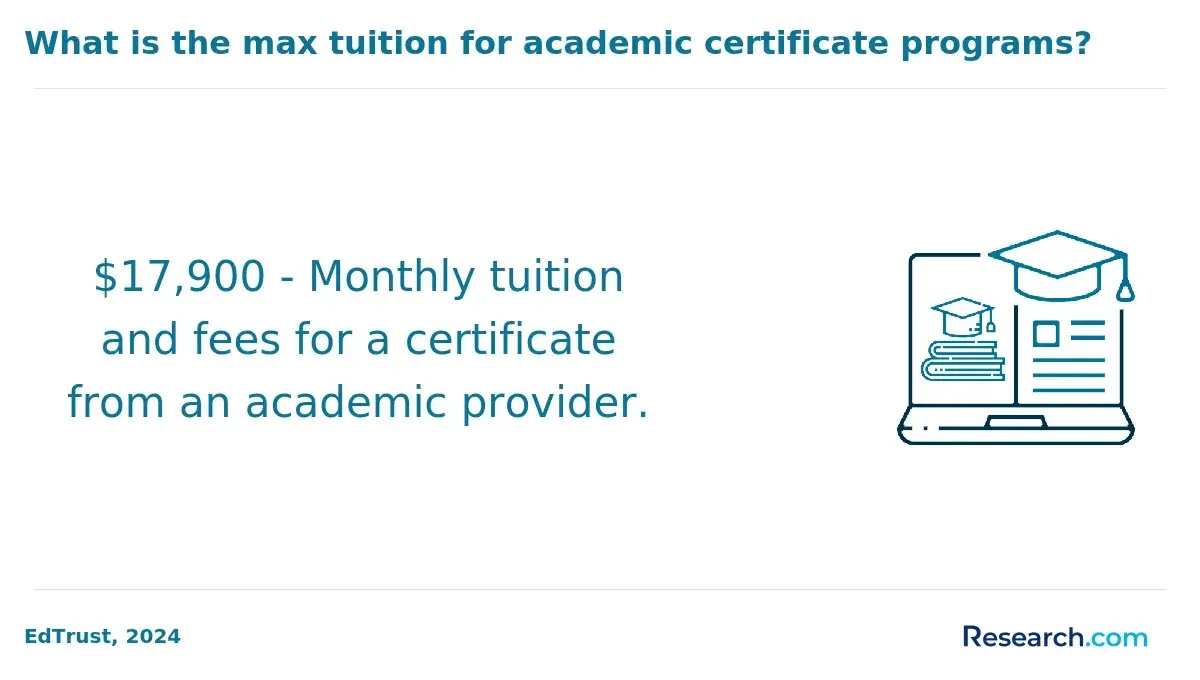
Focusing solely on tuition obscures the total financial outlook for an accelerated online program at St. Thomas University. Prospective students must consider a wider array of expenses that influence the comprehensive cost of earning a degree. These include mandatory fees, tech requirements, and materials that inflate charges beyond sticker price. The actual value depends on comparing these costs with potential savings from shorter time to degree and earlier workforce entry.
The following factors provide a clearer framework for evaluating the total cost of accelerated online study.
- Tuition And Fees: The listed tuition of $61,511 may seem steep but does not represent the entire expense. Additional fees, often less transparent in distance learning, include online program charges, graduation fees, and exam proctoring costs. These mandatory add-ons can significantly increase total payments compared to traditional on-campus rates.
- Books And Supplies: Costs around $5,119 reflect required textbooks and course materials, including specialized digital content or software licenses tied to accelerated courses. Students should budget for these as they directly impact affordability and are unavoidable for successful completion.
- Technology Expenses: Online accelerated programs generally require reliable hardware and software, often prompting investment in updated computers, webcams, and fast internet. These upfront technology costs are crucial because inferior setups can compromise participation and learning efficiency.
- Living And Opportunity Cost Savings: Completing the degree faster reduces living expenses and time out of the workforce. National trends indicate that accelerated degree programs can cut total cost of attendance by up to 15% through earlier graduation. This prospective saving challenges the higher per-credit tuition and makes accelerated study financially viable for many.
- Variable Institutional Charges: Fee structures in accelerated tracks vary across departments and courses, introducing unpredictability in budgeting. Students must examine specific program fees and understand the cumulative financial obligations before committing.
- Employer Value And Earnings Impact: Faster degree completion often results in gaining employment or promotions sooner, which can offset higher short-term educational spending. Evaluating the timing of increased earning potential against cost outlays is vital for informed financial planning.
- Financial Aid Availability: Availability of scholarships, grants, or loans tailored to accelerated learners is often less transparent and more limited. Understanding how aid applies specifically to accelerated online students influences net costs significantly.
One St. Thomas University graduate recalled facing a tough choice: the immediate higher tuition triggered hesitation, but the potential time savings and early career entry held strong appeal. After calculating not just tuition but also tech expenses and the uncertain fees, the graduate chose to proceed cautiously, lining up temporary work to manage upfront costs. Post-graduation, the faster degree completion enabled an earlier salary increase that validated the initial investment despite initial financial strain. This experience reveals that real cost assessment requires juggling several factors beyond a simple sticker price to capture accelerated programs' true impact on personal finances and career timing.
Accelerated online students at St. Thomas University rely heavily on efficient technology and accessible support to stay on track within a compressed academic calendar. The pace of accelerated programs leaves little room for delays caused by technical difficulties or unclear academic expectations. For example, a working adult enrolled in consecutive short modules must resolve issues quickly to meet tight deadlines and maintain steady progress. The university's support infrastructure addresses these challenges by integrating tools and services designed for immediacy and focused guidance.
Key technology and support resources that facilitate accelerated learning include:
- Learning Management System Canvas: Canvas enables streamlined navigation through compressed modules, allowing students to access course materials, submit assignments, and track grades efficiently. Its adaptive design supports quick content consumption critical for maintaining momentum in fast-paced courses, reducing cognitive load when switching between intensive subjects.
- 24/7 Technical Support Desk: Around-the-clock IT assistance tailored for distance learners provides immediate resolution to technical barriers. This support is essential for accelerated students juggling coursework and work commitments, minimizing downtime from login issues or platform glitches during off-hours.
- Academic Advising for Fast-Track Students: Specialized advisors understand the unique workload and scheduling pressures of accelerated formats and help students plan course sequences strategically. This guidance ensures balanced credit loads and realistic progression toward graduation, preventing burnout and attrition.
- Online Tutoring Services: Accessible tutoring aligned with condensed schedules offers targeted help on difficult concepts without requiring long-term appointments. Students can get just-in-time support that is critical when quicker mastery directly impacts their ability to keep pace across successive modules.
- Digital Library with 24/7 Access: The university's comprehensive digital resources facilitate immediate research and study without time constraints. This constant availability supports accelerated learners who may study during nontraditional hours, allowing faster integration of academic content into their assignments.
- Mental Health and Career Counseling: Dedicated online counseling services address the psychological strain and career uncertainties amplified in accelerated programs. Offering stress management and employability support helps students maintain focus and plan realistically amid compressed timelines.
- Virtual Student Communities: Online cohorts and discussion forums reduce isolation by fostering peer engagement and collaborative learning. A recent study found that 68% of accelerated online students at St. Thomas credited these integrated supports with significantly improving their ability to meet program demands, highlighting their practical value.
Choosing between accelerated and traditional online programs at St. Thomas University requires evaluating more than just how quickly one can graduate. Accelerated tracks compress coursework into shorter sessions that demand increased weekly effort and focus. Traditional programs span longer terms, offering a slower pace but extended time for mastery. Prospective students must consider the impact of pace, stress, cost, and completion risks on their educational goals and personal circumstances.
The following highlights key differences to guide this decision.
- Course Pace: Accelerated programs at St. Thomas University condense curricula into 5 to 7 week sessions, versus 12 to 15 weeks for traditional programs. This faster pace requires stronger time management and can challenge students balancing work or family commitments.
- Weekly Workload: The intensity of accelerated classes results in higher weekly demands on students. Traditional courses allow for spreading out assignments and studying, which may reduce burnout but elongates time to degree.
- Graduation Timeline: Accelerated students can finish more quickly, which benefits those aiming for rapid workforce entry. However, higher attrition risks, reflected in a 15% greater first-year dropout rate found in recent studies, mean this path may not suit everyone.
- Cost Implications: Both formats have similar tuition around $61,511, but accelerated programs may include increased distance education fees. These additional costs offset savings gained from shorter study periods.
- Student Success Rates: The average graduation rate at St. Thomas University is 43%, yet the increased intensity of accelerated programs can lead to higher stress and withdrawal rates. Traditional programs often offer steadier progress and lower dropout risk.
- Suitability for Career Goals: Deciding between an accelerated or traditional track should consider one's readiness for a demanding schedule and preferred learning style. For example, someone pursuing the best degree for remote work may benefit more from the flexibility of traditional timelines to balance work and study.
Choosing an accelerated online program requires more than comparing tuition or program length. Each institution structures these programs differently, affecting student experience, completion likelihood, and career outcomes. Assuming all accelerated options offer the same value ignores critical distinctions in program rigor, support systems, and alumni success. For example, a working professional seeking fast credential completion must consider how program pace and flexibility accommodate life demands while sustaining academic performance.
The following points highlight key ways St. Thomas University's accelerated online degrees compare with other colleges and universities, including the best accelerated online degrees near St. Thomas University.
- Tuition Cost and Financial Commitment: St. Thomas University's total tuition, $61,511, is notably higher than many competitors whose programs often fall between $30,000 and $50,000. This premium cost requires prospective students to evaluate financial return versus affordability carefully, especially if leveraging loans or employer reimbursement.
- Graduation Rate and Student Retention: With a 43% average graduation rate, St. Thomas falls short of the roughly 55% national average for accelerated online programs. Lower completion rates may signal program intensity or support challenges that fast-track students must weigh before enrolling.
- Alumni Earnings Potential: Median alumni salary of $54,272 is modest relative to peer institutions reporting closer to $60,000. Differences may reflect program focus areas or local job markets, emphasizing alignment of degree choice with realistic career pathways.
- Program Structure and Course Load: Accelerated programs vary in term length and weekly hours. St. Thomas's structure demands sustained effort and quicker module turnover, which might not suit all learners balancing work or family obligations.
- Student Support Services: Effective advising and tutoring are critical for high-stress accelerated formats. Institutions with stronger support infrastructures generally see better student outcomes, an important factor prospective enrollees should compare.
- Employability and Long-Term Outcomes: A 2024 study in the Journal of Online Education Trends shows programs with completion rates above 50% and competitive tuition correlate with better employability. St. Thomas's lower graduation rate combined with higher costs means students should carefully assess if the expected career returns justify the investment.
- Comparative Program Choices: Those exploring a list of competency-based colleges might find offerings with flexible pacing or cost advantages better suited to specific needs than St. Thomas University accelerated online programs.
The value of an accelerated online program should be judged by how effectively it supports a student's specific career goals rather than speed alone. Completing a degree quickly does not guarantee meaningful professional progress if the pace sacrifices deep learning or practical experience. For example, a mid-career professional seeking a rapid credential to qualify for a promotion may benefit from the compressed format, while someone entering a new field requiring foundational skills might struggle without more time to assimilate knowledge.
Accelerated programs at St. Thomas University can provide significant value when aligned with clear objectives, such as meeting employer requirements quickly, preparing for graduate school application timelines, or facilitating a career pivot with minimal disruption. Conversely, traditional pacing may be better for students needing extensive hands-on practice or those balancing demanding work and personal lives, given the nearly 43% graduation rate for accelerated formats, which suggests the intensive workload is not suitable for everyone.
In practice, consider a registered nurse aiming to transition into healthcare management. An accelerated online degree might allow completion before current employer requirements update, supporting a timely promotion. However, a recent high school graduate without prior experience might see better outcomes in a hybrid or slower-paced program where steady support and skill-building are prioritized over speed. Employer expectations often favor sustained engagement, so cohort-based or hybrid models may yield stronger long-term benefits for some fields.
Prospective students should evaluate their current career stage, desired timeline, capacity to manage intense coursework, and financial situation thoroughly. The median alumni salary of $54,272 and an earnings-to-debt ratio of 2.84x at St. Thomas University indicate moderate financial returns but also underscore the need to plan beyond graduation. Aligning program intensity with realistic workload and long-term objectives is essential for turning accelerated study into a worthwhile investment rather than a rushed, incomplete endeavor.
What Graduates Say About Accelerated Online Programs at St. Thomas University
- Owen: "Choosing St. Thomas University's accelerated online program was a calculated decision after assessing my readiness to juggle an intensive study load along with a full-time job. The compressed courses demanded meticulous time-blocking and consistent effort every week, which pushed me to develop a disciplined routine. Although the pace was challenging, it allowed me to graduate faster than I initially anticipated, and that momentum translated directly into a prompt promotion at work."
- Esteban: "When I enrolled in the accelerated online program at St. Thomas University, I knew balancing family responsibilities with coursework would be difficult, but the structured, fast-paced format ultimately helped me stay more engaged and accountable. I quickly learned to prioritize assignments and use every spare moment efficiently without sacrificing quality. Graduating on an accelerated timeline gave me the confidence and credentials to switch careers seamlessly, proving the rigor was worth the trade-offs."
- Mateo: "The accelerated pace of St. Thomas University's online program initially felt overwhelming given my other obligations, but it forced me to adopt systematic organization strategies that reduced stress and prevented burnout. I often had to carefully weigh when to push through heavier workload weeks and when to dial back to maintain academic performance. This experience refined my time management skills and ultimately shortened my time to graduation, which positively impacted my career trajectory by enabling me to seize new job opportunities faster."
Other Things You Should Know About St. Thomas University Degrees
While these programs offer online access, their accelerated nature means that courses are often condensed into shorter periods with fixed deadlines. This limits the ability to pace studies slower or adjust hours substantially during the term. Prospective students should prioritize programs with explicit calendar details upfront, as weekly workload spikes can complicate balancing work or family commitments.
Employers may scrutinize accelerated formats for signals about depth of knowledge and time invested in learning. St. Thomas University's reputation among local employers can help in some fields, but candidates should verify if their target industry values the speed of completion or prioritizes more extended, traditional education. If employer acceptance is uncertain, supplementing coursework with internships or certifications can improve practical credentials.
Applicants usually need a completed online application, official transcripts from all colleges attended, a resume, and a personal statement. Some programs also require two letters of recommendation. Graduate applicants may need a minimum 3.0 GPA, depending on the program and the 2027 admissions review.
- St. Thomas University Affordable Online MBA | Florida https://www.bschools.org/profiles/st-thomas-university-online-mba
- Benefits of a BSN - UST Accelerated Nursing Program https://absn.stthom.edu/why-become-a-nurse/bsn-benefits/
- Student Support - Online Education at UST https://teachonline.stthom.edu/virtual-student-union/student-support/
- CURRICULUM AND DEGREE PLANS https://sthomasuniversity.org/academic/curriculum-and-degree-plans/
- TUITION | St-Thomas https://www.greateducation.com/tuition
- St. Thomas University Launches STU Global and Expands Online Offerings https://www.prnewswire.com/news-releases/st-thomas-university-launches-stu-global-and-expands-online-offerings-302681337.html
- Accelerated Graduate Degree Programs | St. Thomas Aquinas College https://stac.edu/academics/accelerated-graduate-degree-programs/
- Online Graduate and Undergraduate Degree Programs | Thomas More University https://www.thomasmore.edu/online-accelerated-programs/
- University of St. Thomas aims to help curb nursing shortage with Sugar Land accelerated program https://communityimpact.com/sugar-land-missouri-city/education/university-of-st-thomas-aims-to-help-curb-nursing-shortage-with-sugar-land-accelerated-program/
- Nursing: Accelerated Track (ABSN) https://catalog.stthom.edu/nursing-absn-program/bachelor-of-science-in-nursing/nursing-accelerated-track-absn