2027 Educational Policy Degree Jobs That Do Not Require Licensure
Audited and Verified:
Our Editorial and Data Verification Process
Research.com uses government datasets, official education statistics and primary institutional information to support its career and degree guides. Our review process checks factual accuracy, occupational definitions, source dates and the requirements associated with the credentials discussed.
How This Article Was Fact-Checked
Our editorial team verifies salary estimates, employment projections, education requirements and program information against original data providers and official organizations. Salary figures are checked against the relevant occupational definitions and reporting periods. Information about licensure, accreditation and required in-person training is reviewed separately.
Fact-checked and verified on:

Co-Founder and Chief Data Scientist
A lot of recent graduates holding an Educational Policy degree look for career paths that avoid the burden of licensure exams and lengthy certification processes. Roughly 45% of education-related roles do not need professional licensing, which allows quicker entry into the workforce. Non-licensed careers frequently center on research analysis, policy advocacy, program coordination, and education consulting, drawing on transferable skills instead of formal certification. Such alternative routes offer practical and flexible opportunities throughout public, private, and nonprofit sectors. This article examines educational policy degree jobs that do not require licensure and describes what graduates can expect from these promising non-licensed career options.
Key Benefits of Educational Policy Degree Jobs That Do Not Require Licensure
- Jobs without licensure allow educational policy graduates to enter the workforce more quickly, reducing typical onboarding delays by up to 40% compared to licensed professions.
- Such roles span public, private, and nonprofit sectors, broadening career options without the need for specific certifications or state licenses.
- Non-licensed positions enable early skill development in data analysis, policy research, and communication, fostering transferable expertise for long-term advancement.
What Jobs Can You Get With a Educational Policy Degree Without Licensure?
Graduates holding an educational policy degree can pursue many non-licensed careers that shape education systems without needing professional licensure. Jobs in education, training, and library occupations are expected to grow 5% from 2021 to 2031, which reflects broadening opportunities in these fields. Such roles let graduates use policy expertise and analytical skills in meaningful ways. Listed below are common career paths suited to educational policy graduates looking for non-licensed positions.
- Education Program Analyst: Assesses the effectiveness of education policies and programs through collecting and analyzing data. This position aids improvements in policy implementation, drawing on the data analysis and critical thinking abilities gained in an educational policy degree.
- Education Consultant: Guides schools and organizations on program development, policy strategies, and best practices with no licensure requirement. Knowledge of educational policy allows consultants to offer customized recommendations that fit current educational reforms.
- Policy Research Associate: Studies education trends, examines legislation, and writes reports to inform policymakers. The research and writing skills acquired from an educational policy background are key for success in this position.
- Higher Education Administrator: Oversees student services, enrollment, and institutional operations at colleges or universities. A grasp of education systems and policies helps administrators improve institutional effectiveness without professional certification.
For graduates who want to combine technological skills with education, looking into an ai masters degree can broaden career options in data-driven education roles.
Which Industries Hire Educational Policy Graduates Without Licensure?
Numerous industries appreciate the analytical, research, and policy development skills of educational policy graduates without demanding professional licensure. Indeed, more than 36% of nonprofit sector employees hold a master's degree or higher, which indicates a strong preference for advanced education credentials over licensing. This demand shows employers' emphasis on transferable knowledge and expertise. Listed below are key industries that often hire educational policy graduates in roles where licensure is not required.
- Nonprofit Organizations: Such groups concentrate on education reform, equity, and advocacy, hiring educational policy graduates to design programs, evaluate policies, and lead community engagement efforts. Their expertise supports initiatives that enhance educational access and outcomes.
- Government Agencies: Local, state, and federal bodies need specialists to research, develop, and assess educational policies and funding strategies. Graduates add to legislative development and data-driven decisions that strengthen public education systems.
- Educational Consulting Firms: Consultants advise school districts, publishers, and edtech companies on policy compliance and curriculum implementation. Comprehending complex regulatory frameworks is essential for aligning client practices with educational standards.
- Research Institutions and Think Tanks: These organizations employ graduates to carry out empirical research analyzing policy effectiveness. Their work shapes policy improvement and informs practitioners by publishing evidence-based findings.
- Media and Communications: Graduates work as policy analysts and writers, translating complex education issues for the public. Their expertise helps inform discourse and bridge gaps between research and community awareness.
What Entry-Level Jobs Are Available Without Educational Policy Licensure?
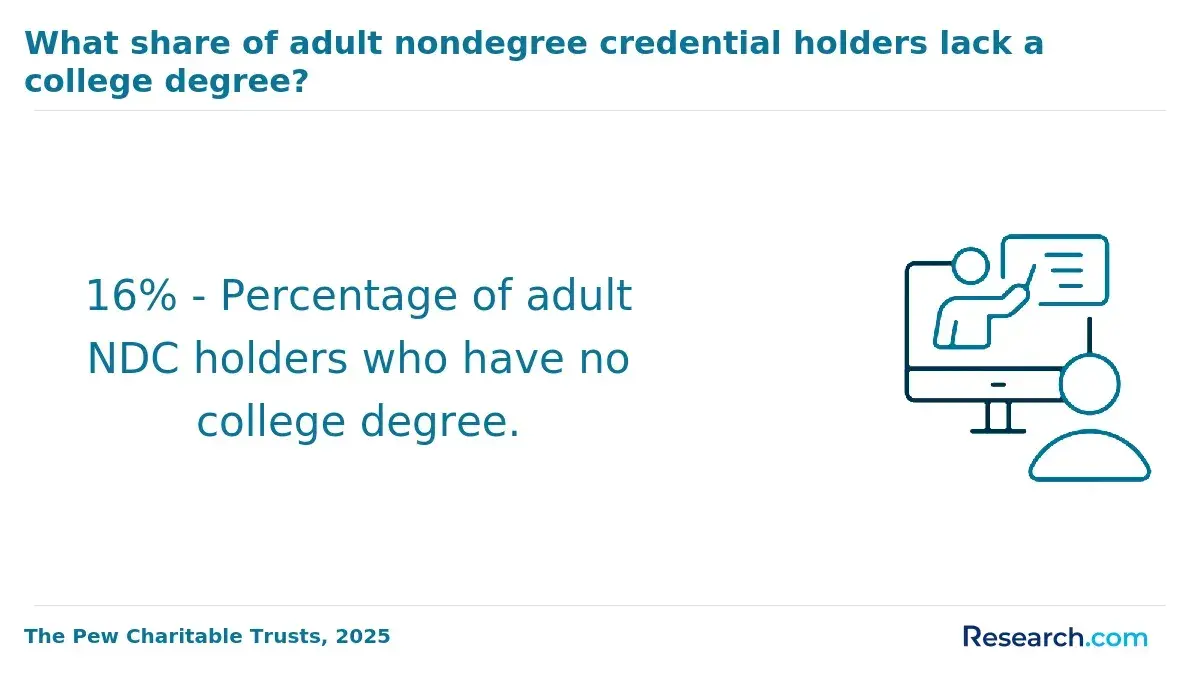
Many sectors provide entry-level roles that draw on a graduate's academic training and adaptable skills without requiring licensure. Data from the National Center for Education Statistics shows that about 65% of graduates in educational policy secure positions in non-licensed roles within their first year, indicating strong early career opportunities. Listed below are several job options appropriate for those beginning in this field without certification requirements.
- Policy Analyst Assistant: This position entails assisting senior analysts by gathering data, preparing reports, and evaluating policy impacts. Graduates use critical thinking and legislative knowledge to contribute meaningfully without needing direct licensure.
- Education Research Assistant: These roles center on collecting and analyzing data, performing literature reviews, and helping with surveys on education outcomes. A background in educational policy improves the ability to interpret findings and assess program effectiveness.
- Program Coordinator: Coordinators oversee the logistics of educational initiatives within nonprofits or government bodies, including event planning and resource allocation. Educational policy graduates offer insight into educational frameworks that help align projects with broader goals.
- Community Outreach Specialist: This job links schools, families, and local organizations to encourage engagement and support educational programs. Knowledge of policy and equity issues strengthens communication efforts and community relations.
- Grants Assistant: Assisting with identifying and applying for grants, this role calls for understanding of funding priorities and educational finance structures, which are emphasized in educational policy curricula.
One graduate of educational policy shared that while looking into entry-level opportunities without licensure, they first found the range of options encouraging but felt unsure about where to direct their efforts. "Navigating job descriptions was overwhelming at first; many roles sounded similar but demanded slightly different skills." They stressed the value of internships and networking to gain clarity and confidence, explaining, "Talking with professionals who had followed this path helped me see how my degree translated into practical responsibilities. It wasn't just about what was on paper but how I positioned myself." This experience highlighted how non-licensed positions can still provide meaningful starts in educational careers, as long as graduates stay proactive and adaptable.
Salary levels for non-licensed educational policy roles differ widely based on industry demand, leadership duties, and specialized skills. As reported by the Bureau of Labor Statistics, professionals holding a bachelor's degree in this field can earn median wages around $72,000 annually. Listed below are several of the highest paying educational policy jobs without licensure.
- Policy Analyst: These experts examine and develop education programs and reforms, frequently earning between $60,000 and $95,000. Their policy expertise supports informed decision-making in state or federal departments, increasing their value in non-licensed positions.
- Education Consultant: Drawing on educational policy knowledge, consultants advise schools and districts on curriculum and strategy, usually making $70,000 to $110,000. Their specialized insights into regulations and research drive organizational improvements without requiring licensure.
- Program Director: Leading nonprofit or government education initiatives, program directors oversee funding and measure impact, earning $65,000 to $100,000. Their capacity to navigate policy environments supports equitable access and program success.
- Data Analyst: Focusing on educational outcomes, these professionals use statistics to assess and improve programs, with salaries ranging from $60,000 to $90,000. Educational policy training sharpens their evaluation and reporting skills without a teaching credential.
- Grant Writer: Skilled in securing funding for education projects, grant writers earn $50,000 to $85,000. Their grasp of policy priorities helps craft winning proposals aligned with current educational trends.
For those who want to combine a passion for education with competitive salaries without licensure, exploring non-licensed educational policy careers remains a wise choice. To learn about related online business degree programs that complement these pathways, consider options that blend policy and business acumen.
Employers who hire graduates without professional licensure frequently emphasize practical skills and adaptability, appreciating capabilities that directly add to workplace success. A survey by the National Association of Colleges and Employers indicates that 85% of employers prioritize critical thinking and communication over formal certifications. Listed below are key skills that improve employability for educational policy graduates in non-licensed roles.
- Analytical Skills: The capacity to interpret data and evaluate educational programs is vital. Graduates with strong analytical skills can generate evidence-based policy recommendations, which makes them valuable to research organizations, advocacy groups, and government agencies that depend on precise analysis.
- Effective Communication: Clear verbal and written communication helps graduates present policy ideas persuasively. This ability assists in influencing stakeholders and encouraging collaboration, which are crucial in settings that drive educational reform.
- Project Management: Managing initiatives, coordinating teams, and meeting deadlines show organizational ability. These skills let graduates handle complex projects efficiently, a quality employers seek when overseeing education-related efforts.
- Research Proficiency: Mastery of research methods enables graduates to gather and synthesize information thoroughly. This foundation supports the creation of credible, evidence-driven policies and strengthens a graduate's professional impact.
- Interpersonal Skills: Building relationships and working well with diverse stakeholders improves teamwork. Strong interpersonal abilities are essential for navigating social complexities and advancing collaborative educational goals.
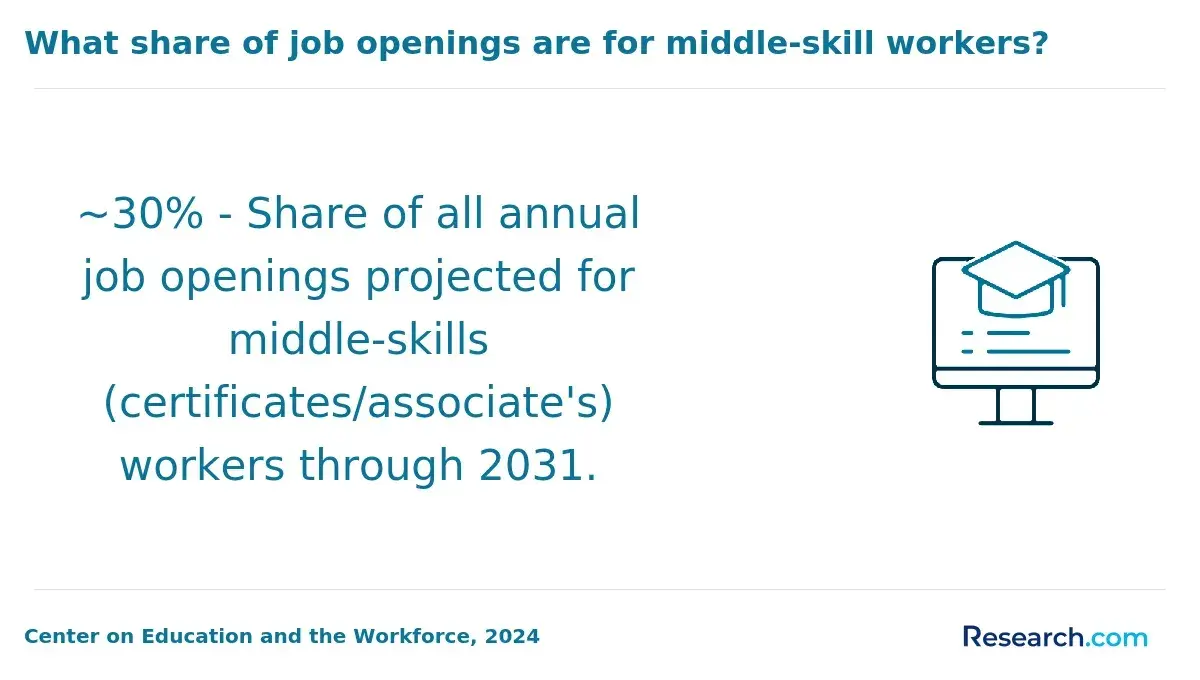
Certifications can act as alternatives to licensure in certain educational policy careers, especially where direct instructional duties or regulated practice are not required. Unlike licensure, which is a government-issued credential authorizing specific professional tasks, certifications are generally voluntary credentials given by professional organizations to recognize specialized skills or knowledge. Many employers in educational policy prefer certifications over licensure for non-classroom roles; for example, 45% of education policy and administration employers reported a preference for certifications in a recent survey. This shows the growing recognition of alternative certifications for educational policy professionals as valuable indicators of expertise.
Certifications may be enough for roles centered on analysis, advocacy, research, or program evaluation in educational policy, such as policy analysts or education consultants. These positions often gain from project management or data analysis certifications without requiring formal teaching licenses. However, certifications cannot substitute for licensure in positions involving direct work with students or regulated clinical functions, where legal authorization is mandatory. Professionals who want to bypass licensure should confirm their career path aligns with non-regulated roles, and exploring related credentials, such as those found in an online construction management bachelor's degree program, may offer further specialized expertise relevant to educational policy fields.
Because digital tools and virtual collaboration have advanced quickly, remote work has increased across many sectors. Recent studies indicate a nearly 60% rise in remote job postings over the past five years, which reflects expanding opportunities for professionals working outside traditional offices. Graduates holding an educational policy degree can access various remote roles that do not require licensure, letting them contribute expertise flexibly.
- Education Policy Analyst: These professionals review and interpret educational data and policies to help organizations understand impacts and guide decision-making. Their work often includes drafting detailed reports and policy recommendations, roles well-suited to remote settings supported by digital communication platforms.
- Research Associate or Coordinator: Specialists in this role design studies, collect and analyze data, and support scholarly publications on education topics. They collaborate with universities, nonprofits, or research firms, often performing research activities remotely.
- Educational Consultant: Consultants advise schools and districts on policies, compliance, and program strategies without needing teaching credentials. Many consult remotely, providing strategic guidance and support through virtual meetings and digital tools.
- Grant Writer or Program Manager: Responsible for securing funding and overseeing education-related initiatives, these roles emphasize project management and grant proposal development. They offer flexibility to work remotely while influencing program success aligned with policy goals.
- Digital Content Developer: Creating curriculum guides, policy briefs, and training materials for online education platforms, this role combines creativity and subject expertise. It is increasingly remote-friendly, allowing graduates to produce educational resources without requiring licensure.
When asked about her path, a professional holding an Educational Policy degree described early uncertainty about remote options without certification. She explained how searching for roles beyond traditional teaching paths felt daunting initially, yet she found satisfaction in positions that emphasized analysis and content development. Using her policy background, she steadily built confidence remotely by matching her skills with organizations that valued flexible expertise. Her experience underscores the importance of persistence and adaptability when navigating non-licensure career routes in education.
Graduates lacking professional licensure in educational policy encounter notable challenges that can reduce their job competitiveness. A 2022 survey by the National Association of Educational Policy Professionals found that more than 40% of entry-level roles in school administration and policy analysis require licensure, which highlights how credential demands shape hiring decisions. Such barriers lead to a narrower range of opportunities for non-licensed candidates. Listed below are some key challenges they commonly face.
- Employer Preference: Many organizations prefer candidates who hold licensure or certification because it indicates standardized expertise and dedication. This preference restricts opportunities for non-licensed graduates despite similar academic qualifications.
- Credential Barriers: Numerous job listings require licensure as a minimum qualification. Consequently, non-licensed applicants may be automatically excluded from consideration regardless of relevant skills or experience.
- Experience Requirements: Practical experience is essential in educational policy roles, but licenses often determine eligibility for internships and fellowships. Non-licensed graduates struggle to access these roles, limiting their ability to build a competitive professional portfolio.
- Regulatory Limitations: Legal or institutional rules can restrict certain positions, such as policy implementation oversight and compliance monitoring, to licensed professionals. This further narrows the job market available to those without licensure.
Career limitations do exist for non-licensed professionals holding a degree in educational policy, especially in roles that require formal licensure to ensure competency and accountability. A 2021 report by the National Center for Education Statistics found that nearly 70% of leadership and administrative positions in public school systems require state licensure, which highlights significant employment restrictions for those without it. Although roles in policy analysis or advocacy often stay accessible, job prospects without licensure in educational policy degrees tend to exclude many regulated or decision-making positions within the education sector.
These limitations generally keep non-licensed graduates from holding certain regulated professions, slowing advancement in hierarchical career paths within educational institutions. Professionals without licensure often depend on alternative credentials or substantial experience to offset these barriers but still face limited authority in areas such as school governance or curriculum decisions. Many non-licensed educational policy graduates concentrate on research, advisory work, or program evaluation. Those who want to expand their qualifications might explore programs such as an online masters in communication to improve their skill sets and career flexibility.
Choosing whether to skip licensure is a critical decision for students pursuing an educational policy degree, because it significantly shapes long-term career trajectories. Research shows that graduates with licensure are 25% more likely to reach senior-level roles within five years, which underscores the impact of this credential. Several key factors should guide students in making an informed decision about licensure.
- Career Goals: Clarifying specific career ambitions helps establish whether licensure is necessary. Leadership roles in public school systems or certain administrative positions often require licensure, while some policy analysis roles may not; aligning goals with licensure needs is essential for effective planning.
- Industry Requirements: Many government and public-sector employers mandate licensure, which affects eligibility and advancement possibilities. Skipping licensure could limit access to these opportunities, making it crucial to consider employer expectations in the desired job market.
- Long-Term Growth: Licensure acts as a formal credential that supports professional development and networking within educational policy circles. Forgoing it may restrict entry into organizations or programs that build expertise and leadership, potentially slowing career advancement.
- Job Accessibility: While non-licensed graduates may find entry-level roles, licensure often becomes a prerequisite for higher-level or specialized positions such as curriculum development or education reform. Evaluating job accessibility at various career stages is vital before deciding to skip licensure.
For students weighing these factors, seeking programs like the cheapest data science degree might also influence their broader educational investment decisions in related interdisciplinary fields.
What Graduates Say About Educational Policy Degree Jobs That Do Not Require Licensure
- Grant: "Building a career in educational policy without licensure opened doors I hadn't initially considered. I didn't pursue licensure because I wanted to concentrate on research and advocacy roles that directly influence school systems without being tied to classroom requirements. It's rewarding to see the impact I have on policy at a district level while beginning my career with practical experience instead of traditional certification hurdles."
- Harlan: "Looking back on my path through an educational policy program, I intentionally chose not to pursue licensure so I could stay flexible in my career. Many jobs in this field, such as working in nonprofit leadership or policy analysis, do not require a teaching license, which allowed me to contribute more broadly. This decision improved my ability to collaborate across various education sectors and keep a professional focus on system-wide change."
- Archer: "Starting a career in educational policy without licensure felt like a strategic move that has paid off professionally. The lack of licensure requirements meant I could start working in policy consulting and program development right after graduation, speeding up my practical learning. This career path has given me a powerful platform to influence educational equity without the constraints often linked to licensure."
Other Things You Should Know About Educational Policy Degrees
Experience plays a major role in obtaining positions in educational policy that do not require licensure. Employers frequently favor candidates with practical experience in data analysis, program evaluation, or policy research. Internships, research projects, and relevant work history can improve a candidate's prospects and professional credibility.
Advanced degrees like a master's or doctorate can strengthen job prospects and opportunities for advancement in educational policy fields without licensure. Graduate education improves analytical skills, policy knowledge, and familiarity with research methods, making candidates more competitive for senior or specialized roles. Still, practical experience and networking also remain essential.
Non-licensed educational policy graduates are often hired by think tanks, advocacy organizations, government agencies, and research institutions. These organizations typically focus on policy analysis, program evaluation, and educational reform efforts that do not require professional licensure. Roles frequently involve research, data interpretation, and policy development support.
Federal entities including the U.S. Department of Education, U.S. Department of Labor, and Government Accountability Office recruit graduates in educational policy into analyst and program roles that require no licensure. Numerous postings call for a bachelor's degree, while GS-9 through GS-12 positions often favor a master's degree along with policy research or data capabilities.
- Want a job? You may no longer need a degree, according to LinkedIn | Euronews https://www.euronews.com/business/2024/09/22/want-a-job-you-may-no-longer-need-a-degree-according-to-linkedin
- 7 Unique Career Paths for Education Graduates | MANCOSA https://www.mancosa.co.za/blog/7-unusual-career-paths-for-education-graduates/
- What Can I Do With a Teaching Degree (Besides Teach)? https://www.alleducationschools.com/blog/what-can-i-do-with-a-teaching-degree-besides-teach/
- Are Certifications Replacing Degrees In Hiring Decisions? - GradSimple https://gradsimple.com/are-certifications-replacing-degrees-in-hiring-decisions/
- Jobs For Teachers Outside Of Education https://blog.ecapteach.com/jobs-for-teachers-outside-of-education
- Guide to Non-Teaching Careers for Education Majors https://www.degreesforgood.org/features/non-teaching-education-careers/
- Working in Education Policy: Degree Requirements and Career Opportunities https://www.educationdegree.com/programs/education-policy/
- Difference Between Licensure vs. Certification | University of Bridgeport https://www.bridgeport.edu/news/designing-your-career-path-licensure-vs-certification/
- 7 High-Paying Jobs In The Field Of Education Besides Teaching https://asiancollegeofteachers.com/blogs/1864-7-High-Paying-Jobs-In-The-Field-Of-Education-Besides-Teaching-blog.php
- The Top 21 Non-Teaching Jobs in Education | Devlin Peck https://www.devlinpeck.com/content/non-teaching-education-jobs