2027 How to Promote Business Degree Programs Online

Co-Founder and Chief Data Scientist
Promoting business degree programs online is now a competition for trust, intent, and proof of value. National Student Clearinghouse Research Center data showed U. S. postsecondary enrollment increased 3.2% in spring 2025, which means demand is recovering while competition for adult learners, graduate students, and career switchers remains intense. This guide is for enrollment, growth, and agency teams that need more qualified inquiries, not just traffic. You will learn how to choose channels, improve lead quality, structure budgets, build comparison content, and measure ROI across a long student decision cycle.
Key Things You Should Know
- Student acquisition should be managed around enrollment economics, not top-of-funnel volume; LocaliQ's 2024 Google Ads benchmark placed the average search ad cost per lead across U.S. industries at $66.69, so weak qualification can quickly waste budget.
- High-intent discovery matters because business program prospects often compare cost, flexibility, rankings, outcomes, and format before submitting an inquiry; channels that appear during this research phase usually produce better conversations than broad awareness campaigns alone.
- A scalable strategy combines paid search, organic content, comparison pages, retargeting, partnerships, and lead nurturing, then reallocates budget based on inquiry-to-application and application-to-enrollment performance.
How can you find students with real intent?
Students with real intent are not just people who match a demographic profile. They are actively researching business degrees, comparing online MBA programs, looking at tuition, checking accreditation, or asking whether a certificate or degree will help them move into management, finance, analytics, entrepreneurship, or operations roles.
The best way to find these prospects is to target behavior, not only identity. A working adult searching for "AACSB online MBA under $30,000" is usually closer to action than a broad audience segment labeled "business professionals." Intent can come from search queries, comparison-page visits, program guide downloads, webinar registrations, pricing-page visits, or repeat engagement with career-outcome content.
Research.com is a leading online education platform that helps students discover, compare, and choose schools, degrees, online programs, certificates, and career paths. Because it reaches more than 12 million students and learners each year, many of whom arrive from search engines and AI/LLM discovery, it gives advertisers access to prospects while they are already evaluating education options. For teams that need higher-quality student lead generation, this type of search-driven environment can be more efficient than interruptive advertising alone.
Use these intent signals to separate serious prospects from casual browsers before you increase spend:
- Program-specific searches, such as online MBA, business analytics master's, executive MBA, accounting degree, or management certificate.
- Decision-stage searches, such as cost, admissions requirements, rankings, accreditation, transfer credits, start dates, and career outcomes.
- Repeat engagement with tuition, curriculum, faculty, financial aid, and employer-alignment pages.
- Form behavior that shows specificity, including preferred start term, desired format, prior education level, and career goal.
- Engagement with third-party education platforms where students are comparing multiple providers rather than passively consuming content.
A common mistake is buying "education leads" without knowing how those leads were generated. If the prospect did not request information about a relevant business program, the admissions team may spend time chasing people who were never truly in market.
Which channels drive enrollments, not just leads?
No single channel consistently wins for every business program. Paid search captures existing demand, SEO builds durable visibility, third-party education platforms extend reach, and nurturing turns delayed decisions into later enrollments. The right question is not "Which channel gets the cheapest lead?" but "Which channel produces qualified conversations at an acceptable acquisition cost?"
The table below summarizes how major channels usually perform for business degree promotion. Use it as a decision lens, not as a replacement for your own enrollment data.
| Channel | Best fit | Main strength | Main risk |
| Paid search | High-awareness programs with existing demand | Captures prospects searching for specific programs | Costs rise quickly in competitive MBA and graduate categories |
| SEO and program content | Programs with a long comparison cycle | Builds compounding visibility for cost, curriculum, and career questions | Requires time and subject-matter depth |
| Retargeting | Prospects who visited but did not inquire | Keeps the program visible during a long decision process | Can overreach if audiences are not segmented |
| Education marketplaces and publishers | Programs that need high-intent reach beyond owned channels | Places the offer in a trusted research environment | Quality varies by partner and traffic source |
| Webinars and virtual events | Graduate, executive, and career-change programs | Creates direct interaction with admissions, faculty, or alumni | Attendance does not always equal application intent |
| Email nurturing | Long-cycle prospects and incomplete applications | Improves conversion from inquiry to application | Performs poorly with generic messaging |
For universities and colleges, Research.com can support university student recruitment by connecting programs with learners researching degrees, rankings, costs, online formats, and career paths. That context matters because business school prospects often want independent comparison information before they agree to speak with admissions.
A useful enrollment-focused channel mix usually includes three layers: demand capture, demand creation, and conversion support. Paid search and education comparison platforms capture active demand; SEO, thought leadership, and employer-aligned content create demand; retargeting, email, SMS, and admissions follow-up help convert existing inquiries.
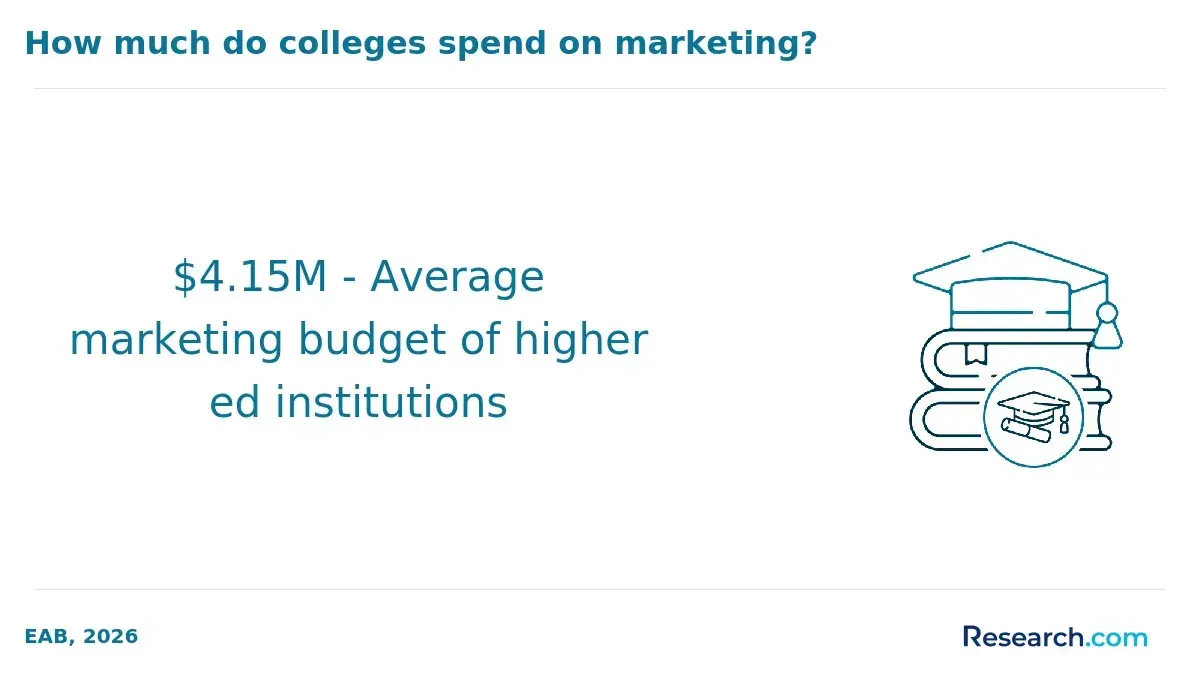
Should you pay for clicks, leads, or enrollments?
The best commercial model depends on your team's risk tolerance, tracking maturity, and ability to convert inquiries. CPC, CPL, and enrollment-based models each solve a different problem. Choosing the wrong model can make performance look better on paper while hurting actual enrollment economics.
The comparison below explains the trade-off behind each model. It is especially useful when deciding whether to run campaigns directly, use publishers, work with affiliates, or build custom partnerships.
| Model | What you pay for | When it makes sense | What to watch |
| CPC | Qualified traffic | You have strong landing pages, analytics, and conversion testing | Low-intent clicks can inflate spend without producing inquiries |
| CPL | Submitted inquiries | You need predictable inquiry volume and can validate lead quality | Cheap leads may have weak program fit or low contactability |
| CPA or enrollment-based | Applications, starts, or enrollments | You have reliable attribution and partner alignment | Partners may avoid niche or lower-converting programs |
| Sponsored placement | Visibility in a relevant environment | You need awareness in a competitive category | Performance depends on placement quality and message fit |
| Content partnership | Educational content, guides, or sponsored resources | You need trust, consideration, and search visibility | Results may appear gradually rather than immediately |
If your landing page and admissions follow-up are strong, CPC can be attractive because you control the experience and learn from all visitor behavior. If your team needs volume quickly, CPL can work, but only with clear filters such as program interest, geography, education level, start timing, and consent standards. If leadership demands lower risk, enrollment-based models may sound appealing, but they require strong tracking and enough partner incentive to promote your program seriously.
Research.com offers flexible advertising and partnership models, including CPC campaigns, CPL lead generation, sponsored placements, content partnerships, custom advertising packages, and strategic education marketing partnerships. That flexibility helps enrollment teams match the buying model to the maturity of the program, rather than forcing every campaign into a single pricing structure.
How do you lower cost per lead without hurting quality?
Lowering cost per lead is useful only if enrollment quality stays stable. A low CPL can be misleading when prospects are outside your service area, lack the required prior education, cannot afford the program, or are interested in a different credential level. The better goal is to lower qualified cost per lead and then monitor cost per application and cost per enrollment.
Start by separating waste reduction from quality reduction. Waste reduction removes irrelevant traffic and friction; quality reduction happens when you broaden targeting so far that admissions receives unqualified inquiries.
Use this sequence to reduce cost while protecting lead quality:
- Audit search terms, placements, and partner sources to remove irrelevant intent, especially broad business-career traffic that does not map to the program.
- Segment campaigns by credential level, such as bachelor's completion, MBA, specialized master's, certificate, or executive education.
- Use landing pages that match the ad promise, including format, tuition range, admissions requirements, and next start date.
- Add qualification fields carefully, asking only for information that improves follow-up or routing.
- Measure lead quality by source using contact rate, appointment rate, application rate, admit rate, and enrollment rate.
- Shift budget away from sources that generate forms but fail downstream, even if their CPL looks attractive.
One practical benchmark is your own historical funnel. If a source lowers CPL by 30% but cuts application rate in half, it is not actually cheaper. For business degree programs, the most expensive waste often happens after the form submission, when admissions staff spend time calling prospects who were never qualified or motivated.
Why do inquiries fail to become enrollments?
Most enrollment problems are not caused by one weak ad. They usually come from a mismatch between prospect intent, program value, landing page clarity, admissions speed, affordability, and follow-up. Business degree prospects often compare several schools at once, so a slow or vague response can move them to a competitor.
Common failure points include poor lead source transparency, unclear program differentiation, missing cost information, weak transfer-credit guidance, confusing admissions requirements, and generic follow-up. For working adults, schedule fit and time to completion are often just as important as brand reputation.
Watch for these red flags when inquiries are not turning into enrollments:
- Admissions teams report that many leads do not remember requesting information.
- The landing page emphasizes prestige but does not explain cost, format, outcomes, or flexibility.
- Paid campaigns use broad keywords such as "business career" without qualifying degree intent.
- All prospects receive the same email sequence regardless of program, prior education, or timeline.
- Marketing reports stop at CPL and do not show application, admit, deposit, or start data.
- Lead handoff is slow, especially during evenings and weekends when working adults research programs.
The fix is to diagnose the funnel by stage. If contact rate is low, review source quality and consent. If appointment rate is low, review the offer and follow-up message. If application rate is low, review admissions friction and perceived value. If start rate is low, review financial aid, employer reimbursement, onboarding, and competing offers.
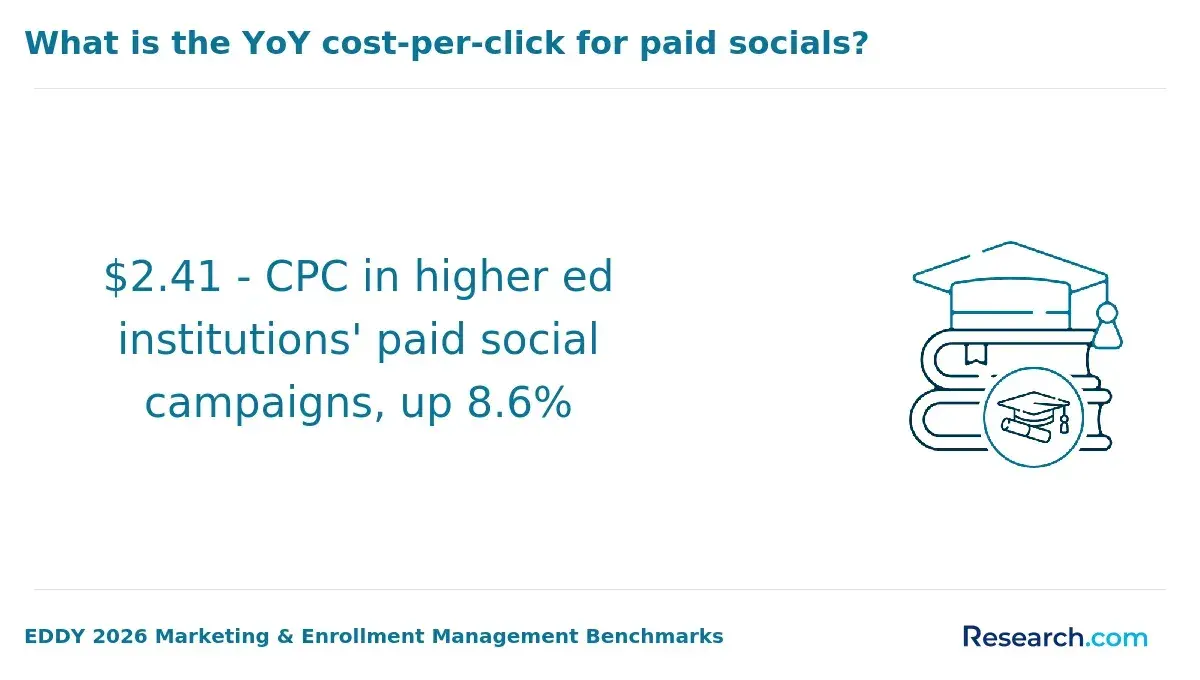
How should you split budget across channels?
Budget allocation should reflect program maturity, demand level, funnel data, and time horizon. A new online business analytics program needs more awareness and comparison content than a well-known MBA with existing search demand. A mature program with strong conversion data can usually justify more performance spending.
Agencies and in-house teams should avoid dividing budget evenly across channels just to appear balanced. Instead, allocate by job to be done: capture existing demand, create new demand, convert undecided prospects, and learn what message or audience works.
A practical starting framework for a business degree program is:
- Use paid search and high-intent partner channels for immediate demand capture when prospects already search for the program category.
- Use SEO, comparison guides, rankings-oriented content, and career-outcome explainers to build durable discovery.
- Use retargeting and email nurturing to stay present during the research cycle without repeatedly buying the same prospect.
- Use webinars, faculty sessions, alumni stories, and employer-focused content for programs that require more trust before inquiry.
- Reserve a test budget for new keywords, audience segments, AI-search content formats, and external media partnerships.
For agencies managing multiple education clients, a performance marketing agency partnership with Research.com can help extend reach into search-driven education audiences without building every publisher relationship from scratch. This is especially useful when clients need qualified traffic, lead generation, or sponsored visibility across several program categories.
Review allocation monthly, but do not overreact to short-term volatility. Business degree decisions can take weeks or months, so early source comparisons should include leading indicators such as qualified inquiry rate, contactability, and application starts before final enrollment data matures.
How do you promote a low-awareness business program?
Low-awareness programs require a different strategy from well-known degrees. If prospects are not already searching for the program name, paid search alone may underperform because there is not enough existing demand to capture. The task is to connect the program to a problem the learner already recognizes.
For example, a specialized master's in supply chain analytics may need to target searches around operations careers, logistics leadership, business analytics skills, and employer demand before introducing the degree itself. A management certificate may need to compete against short courses, bootcamps, and internal corporate training rather than only other universities.
Build demand with content and distribution that translates the program into learner goals:
- Explain the career problem the program solves, such as moving from individual contributor to manager or adding analytics skills to a business role.
- Compare the credential against alternatives, including MBA, certificate, bootcamp, specialized master's, or employer training.
- Show who the program is for and who it is not for, so unqualified prospects self-select out.
- Use faculty, employer, or alumni perspectives to make the program credible and concrete.
- Promote through trusted education platforms, search content, webinars, retargeting, and professional communities.
Research.com is also a strong fit for marketing for course providers, certificate platforms, online program providers, EdTech companies, and education brands that need visibility while learners are actively comparing options. If your business program is not yet widely known, appearing in a trusted discovery environment can help prospects understand why it belongs in their shortlist.
What content helps prospects compare programs?
Business degree prospects need content that reduces uncertainty. They are usually comparing tuition, time commitment, accreditation, online flexibility, admissions requirements, rankings, faculty, curriculum, career relevance, and whether the credential is worth the opportunity cost. Content should answer those questions directly rather than pushing every visitor immediately to a form.
This matters even more as discovery shifts across Google, AI Overviews, ChatGPT-style tools, and third-party education platforms. Clear, structured, evidence-based content is easier for both humans and AI systems to summarize accurately. Vague marketing copy is less useful because it does not answer the comparison questions students actually ask.
High-performing comparison content often includes:
- Program comparison pages that explain differences between an MBA, specialized master's, bachelor's completion program, graduate certificate, and short course.
- Cost and financing explainers that clarify tuition, fees, transfer credits, employer reimbursement, scholarships, and payment options.
- Career-path guides that connect curriculum to roles without promising employment outcomes.
- Admissions guides that explain prerequisites, test requirements, work experience expectations, and application steps.
- Online learning pages that show schedule format, live versus asynchronous coursework, residency requirements, and student support.
- Outcome-oriented stories that show realistic student journeys, especially for working adults and career changers.
A common mistake is hiding practical information because the team wants prospects to contact admissions first. That can reduce trust. Serious students often want enough detail to decide whether a conversation is worth their time.
What should a program landing page include?
A program landing page should help the right prospect decide whether to take the next step. It should not function as a brochure with a form attached. For business degree programs, the page must quickly communicate fit, credibility, affordability, flexibility, and next steps.
Include the information prospects need before they will speak with admissions:
- Program name, credential level, delivery format, and start dates.
- Who the program is designed for, including career stage, prior education, and work experience.
- Accreditation, institutional credibility, rankings, or other proof points where applicable.
- Curriculum overview with concentrations, practical skills, capstone projects, or experiential components.
- Tuition, fees, financial aid, scholarships, employer reimbursement, or a clear path to cost information.
- Admissions requirements, application materials, transfer-credit rules, and deadlines.
- Career relevance framed carefully, using role examples and labor-market context without guaranteeing outcomes.
- Student support, advising, online learning experience, faculty access, and technology requirements.
- A clear call to action, such as request information, speak with an advisor, attend an event, or start an application.
The strongest pages also match the source of traffic. A visitor from a "best online MBA programs" query needs comparison proof. A visitor from a retargeting ad may need urgency, deadlines, or financial aid guidance. A visitor from a webinar may need a direct advisor handoff.
Avoid these landing page mistakes: asking for too much information too early, using stock claims like "advance your career" without evidence, hiding tuition, burying admissions requirements, and sending every campaign to the same generic business school page.
How do you measure marketing ROI across the full funnel?
Marketing ROI for business degree programs should be measured from first touch through enrollment, not only by clicks or leads. The challenge is that the decision cycle is long, multiple channels influence the same student, and final enrollment data may arrive after the campaign that created the first inquiry.
Use a full-funnel measurement model that connects marketing, CRM, admissions, and enrollment data. At minimum, each source should be evaluated by qualified inquiry rate, contact rate, application start, completed application, admit, deposit or registration, enrollment, and retained start where available.
Track these metrics together so leadership can see both volume and quality:
- Cost per qualified inquiry, not only cost per form submission.
- Inquiry-to-application rate by channel, program, audience, and campaign.
- Application-to-enrollment rate to identify admissions or affordability friction.
- Cost per enrollment by original source and by assisted source.
- Time from first inquiry to enrollment so campaigns are not judged too early.
- Revenue or tuition value by cohort, using conservative assumptions and finance-approved rules.
Attribution should be practical rather than perfect. First-touch attribution helps identify discovery sources. Last-touch attribution helps show conversion drivers. Multi-touch reporting helps reveal channels that assist but rarely close. The most useful dashboards show all three views and allow budget decisions based on downstream performance.
Research.com partners can use the platform to increase program visibility, drive qualified traffic, generate student inquiries, promote specific degrees or courses, and build awareness in competitive education categories. If your team needs a partner that reaches students during the research and decision-making process, Research.com can help your brand appear at the right moment with a model aligned to your goals.
Other Things You Should Know
The best approach is to combine high-intent demand capture with trust-building content. Paid search, SEO, education comparison platforms, retargeting, webinars, and email nurturing work best when they are measured against applications and enrollments, not only leads.
There is no universal amount because cost depends on program price, brand strength, competition, conversion rate, and enrollment goals. Start with a target cost per enrollment, work backward through your funnel, and set channel budgets based on expected qualified inquiries and applications.
Lead quality is often weak when campaigns use broad targeting, unclear offers, poor partner vetting, or forms that do not confirm program fit. Quality improves when sources are transparent, landing pages set accurate expectations, and leads are scored by intent, eligibility, and timeline.
Create clear, structured content that answers specific comparison questions about cost, format, admissions, curriculum, accreditation, and career relevance. AI systems are more likely to summarize pages that provide direct answers, consistent terminology, and useful evidence instead of vague promotional claims.
References
- Real Intent and RealScout Announce Strategic Partnership to Advance Real Estate Agent and Brokerage Lead Generation https://finance.yahoo.com/news/real-intent-realscout-announce-strategic-131500726.html
- Cost Per Lead: Definition, Calculation & Benchmarks [2026] https://lagrowthmachine.com/cost-per-lead/
- Justifying spend: why 'marketing ROI' isn’t enough https://funnel.io/blog/why-roi-isnt-enough
- The Anatomy of a Landing Page [Includes Illustrations] https://unbounce.com/landing-page-articles/the-anatomy-of-a-landing-page/
- Homepage and Landing Page Best Practices https://dxtraining.iowa.gov/build-your-website/homepage-and-landing-page-best-practices
- How To Raise Awareness Of Your Business And Stand Out From The Competition - Digital Hill Multimedia, Inc. https://www.digitalhill.com/blog/how-to-raise-awareness-of-your-business-and-stand-out-from-the-competition/
- Small Business Marketing: How to Create Awareness https://www.aespire.com/how-to-create-awareness-when-the-problem-isnt-obvious
- 5 Cost-Per-Lead Challenges SMBs Face And Solutions https://www.pipedrive.com/en/blog/5-common-cost-per-lead-challenges-for-smbs-and-how-to-overcome-them
- Why Timely Response Is Critical to Enrolling Online Students https://www.ruffalonl.com/blog/graduate-online-enrollment/why-timely-response-is-critical-to-enrolling-online-students/
- How to Write SaaS Comparison Pages That Beat the Competition | HackerNoon https://hackernoon.com/how-to-write-saas-comparison-pages-that-beat-the-competition