2027 Technology Management Transfer Credit Trends: How Schools Are Adapting for Adult Learners

Co-Founder and Chief Data Scientist
When a military veteran pursuing a technology management degree discovered that nearly 40% of their previously earned credits were rejected by a civilian institution, the impact was immediate: unexpected tuition costs and an extended timeline to graduation. This scenario reflects a 2024 National Student Clearinghouse report showing only 58% of transfer students successfully apply most of their credits at a new school, a decline tied to stricter alignment between course content and institutional standards. Such data signals challenges for working professionals and adult learners trying to leverage prior coursework without sacrificing time or money.
Understanding how schools adapt transfer credit policies and integrate prior learning assessments will clarify the evolving landscape. This article examines current credit mobility trends, institutional responses, and practical strategies for transfer students navigating technology management pathways efficiently and affordably.
Key Things to Know About Technology Management Transfer Credit Trends for Adult Learners
- Expanded acceptance of military and workforce credits streamlines degree pathways but may limit alignment with emerging tech competencies, requiring students to verify credit relevance against current employer expectations.
- Institutions increasingly use technology-enabled transcript evaluations to reduce manual delays, improving access speed but introducing variability in credit articulation that can affect adult learners' time to graduation.
- Recognition of alternative credit sources like certifications supports more inclusive enrollment yet often involves tradeoffs in transferability, influencing long-term career mobility depending on industry-validation of prior learning.
- Key Things to Know About Technology Management Transfer Credit Trends for Adult Learners Key Things to Know About Technology Management Transfer Credit Trends for Adult Learners
- How Are Technology Management Programs Changing Transfer Credit Policies for Adult Learners? Evolving Adult Transfer Policies
- Why Are More Technology Management Schools Accepting Credit for Prior Learning and Work Experience? Prior Learning Credit Benefits
- How Do Technology Management Colleges Evaluate and Award Transfer Credits Today? Transfer Credit Evaluation Process
- Which Alternative Credits Are Most Commonly Accepted by Technology Management Programs? Accepted Alternative Credits
- How Are Technology Management Schools Improving Transfer Pathways for Community College Students? Improved Community College Pathways
- How Can Transfer Credits Help Technology Management Students Graduate Faster? Accelerating Degree Completion
- How Much Money Can Students Save Through Technology Management Transfer Credit Opportunities? Cost Saving Through Transfers
- How Are Technology Management Programs Supporting Military Students and Workforce Learners Through Transfer Credits? How Are Technology Management Programs Supporting Military Students and Workforce Learners Through Transfer Credits?
- What Transfer Credit Innovations Are Shaping the Future of Technology Management Education? What Transfer Credit Innovations Are Shaping the Future of Technology Management Education?
- How Can Adult Learners Maximize Transfer Credits in a Technology Management Program? Maximizing Your Transfer Credits
How Are Technology Management Programs Changing Transfer Credit Policies for Adult Learners?
Technology management programs are recalibrating transfer credit policies to better align with the realities adult learners face, particularly working professionals and military-affiliated students who bring diverse educational and experiential backgrounds. Expanding acceptance of credits from community colleges, prior learning assessments, and alternative credential providers addresses a key obstacle: the time and cost burdens associated with redundant coursework. For example, a professional transitioning careers may leverage military certifications or digital badges to bypass entry-level classes, but must also navigate varying institutional limits on transferable credits and residency requirements that can restrict the volume of prior learning recognized.
This evolving approach improves credit mobility and streamlines degree-completion timelines, yet significant differences remain across institutions in evaluating nontraditional credentials, affecting how students plan their academic paths and manage affordability. Technology management credit transfer acceptance for working professionals increasingly depends on articulation agreements and technology-enabled transcript evaluations that can hasten enrollment and mitigate course sequencing delays. However, students comparing programs must carefully assess these policies since limits on transferable credits or misalignment of coursework can extend rather than shorten time-to-degree, impacting both educational costs and career momentum.
Data from the National Student Clearinghouse Research Center shows that nearly 60% of adult transfer students in STEM fields utilize prior learning or alternative credentials, highlighting the critical role these pathways play. Navigating such complexities calls for proactive advising and strategic academic planning, including exploring options like a masters in AI online where transfer flexibility may differ notably. Ultimately, transfer credit reforms in technology management aim to increase accessibility and completion rates, but the practical outcomes hinge on each learner's ability to decode institutional nuances and leverage available credit recognition opportunities effectively.
Why Are More Technology Management Schools Accepting Credit for Prior Learning and Work Experience?
The increasing acceptance of credit for prior learning and work experience in technology management programs reflects strategic shifts in institutional priorities rather than mere leniency. Schools are responding to mounting pressures to boost degree completion rates and accommodate adult learners who often balance education with full-time employment or military obligations. By validating competencies gained outside traditional classrooms-such as industry certifications, military training, and employer-based learning-these programs better align academic credentials with real-world skills, though not all experiential learning translates seamlessly into academic credit. This approach demands careful assessment to uphold academic standards, as over-crediting risks undermining program rigor and the trust of employers who expect verifiable proficiency aligned with degree requirements.
Economic and workforce drivers heavily influence these policies, with rising tuition costs prompting institutions and students to seek accelerated pathways that reduce time to degree without compromising educational outcomes. For example, credit for prior learning can shorten enrollment duration, enhancing persistence especially among working professionals and military-affiliated students. Data from the Council for Adult and Experiential Learning in 2024 highlights a 20% higher degree completion rate for students granted such credits, underscoring how thoughtfully implemented prior learning assessments support both accessibility and academic success. However, variability in credit acceptance and articulation agreements means students must evaluate how prior credits fit their specific technology management curriculum and career objectives to avoid misaligned expectations or gaps in foundational knowledge.
One adult learner who transitioned from a technical role in the military experienced both the benefits and challenges of these policies. Though initially skeptical about whether complex operational skills would be recognized, the student's portfolio-comprising certifications, formal training records, and detailed job documentation-ultimately secured significant credit toward the degree. Yet, the evaluation process required multiple rounds of review and coordination with academic advisors to clarify learning outcomes and match coursework equivalencies. This cautious but flexible credit approach allowed the student to accelerate degree completion while ensuring the core academic competencies central to technology management were preserved, illustrating the nuanced balance institutions strive for amid evolving prior learning frameworks.
How Do Technology Management Colleges Evaluate and Award Transfer Credits Today?
Transfer credit evaluation in technology management colleges has shifted from a routine administrative task to a strategic process integral to enrollment management and student success. Schools now rigorously assess prior coursework, including military training and professional credentials, through detailed syllabus comparisons, accreditation verification, and alignment with upper-division and residency requirements. For example, a working professional transferring from a community college must often navigate varied institutional policies that differentiate between core major credits and electives, which can significantly affect their path to degree completion and financial investment in additional courses.
Many institutions are embracing prior learning assessments and alternative credits to accommodate non-traditional learners, reflecting a broader trend where over 65% of four-year colleges recognize such credits according to the National Student Clearinghouse Research Center's 2024 report. However, the applicability of these credits may be limited by factors such as evolving curriculum standards or time-limited credit acceptance, creating tradeoffs between accelerated completion and credit transferability. As a result, students must proactively engage with advising services to optimize academic planning, ensuring transfer credits meaningfully reduce time to degree without jeopardizing alignment with employer expectations or institutional rigor.
Which Alternative Credits Are Most Commonly Accepted by Technology Management Programs?
Alternative credit acceptance in technology management programs functions as a strategic lever to expand accessibility and accelerate degree completion for adult learners, rather than being a mere administrative adjustment. Many programs prioritize evaluation of credit for prior learning (CPL) portfolios, military training credits validated through the American Council on Education, and competency-based assessments aligned with workforce certifications, reflecting the practical skills students bring from employment or service. However, institutional policies often impose limits on the volume or type of alternative credits accepted, with restrictions on upper-division credit transfer and residency requirements influencing how much these credits can reduce time-to-degree. For example, a military-affiliated student may shorten their pathway significantly by leveraging ACE-approved credits, but must navigate each program's equivalency reviews and may still need to complete core courses in residence.
A growing share of technology management programs also accept standardized exams like CLEP and DSST, along with select community college coursework, though alignment with program learning outcomes and accreditation standards remains a gating factor. The prevalence of transfer credit acceptance for technology management programs reflects institutional efforts to incorporate employer-sponsored learning and nontraditional pathways while safeguarding academic rigor. According to a 2024 CAEL report, over 70% of these programs award credit based on documented certifications and competency assessments. Prospective students should weigh affordability and transfer policies carefully, as flexible credit recognition can reduce both tuition costs and time investment but requires strategic planning to maximize applicability within degree requirements. Exploring options such as affordable online executive MBA programs can also complement technology management pathways for learners seeking expanded credentials.
How Are Technology Management Schools Improving Transfer Pathways for Community College Students?
Improving transfer pathways has become a strategic priority for technology management programs due to the growing adult learner population seeking to efficiently leverage prior credits and minimize time to degree. Institutions increasingly develop detailed articulation agreements and block transfer options to reduce the administrative friction often causing delays or credit loss, a critical hurdle for students balancing work and education. The National Student Clearinghouse Research Center's 2024 data indicates a 15% boost in bachelor's completion rates where robust transfer frameworks exist, underscoring how streamlining credit acceptance and standardizing course equivalency directly impacts degree progress. However, transfer credit policies remain inconsistent across schools, demanding careful evaluation by students to avoid surprises in credit applicability that can extend academic timelines or require retaking courses with limited employer value.
Beyond formal agreements, technology management programs enhance transfer support by employing specialized advisors who guide students on course alignment with workforce competencies and maximize credit recognition, including prior learning assessments for experiential or military credentials. These nuanced advising efforts help maintain academic momentum and improve educational accessibility, but students must still navigate institutional tradeoffs like varying PLA acceptance and differentiated credit evaluation rigor. Dual-admission partnerships and transfer-friendly degree maps further assist by providing clearer, more predictable pathways, though these are not yet universally available, reinforcing the need for proactive planning and early consultation to align transfer decisions with long-term career implications.
One community college transfer student shared that while initially uncertain if their applied networking and project management credits would transfer, consultations with a dedicated technology management advisor clarified that over 75% of their credits aligned through established articulation agreements. Although some credits required additional documentation for prior learning assessment, the student felt cautiously optimistic after receiving a detailed degree map projecting timely graduation. This process, however, highlighted frustrations with inconsistent information encountered early on and underscored how early, personalized advising was essential in transforming transfer challenges into manageable steps toward degree completion.
How Can Transfer Credits Help Technology Management Students Graduate Faster?
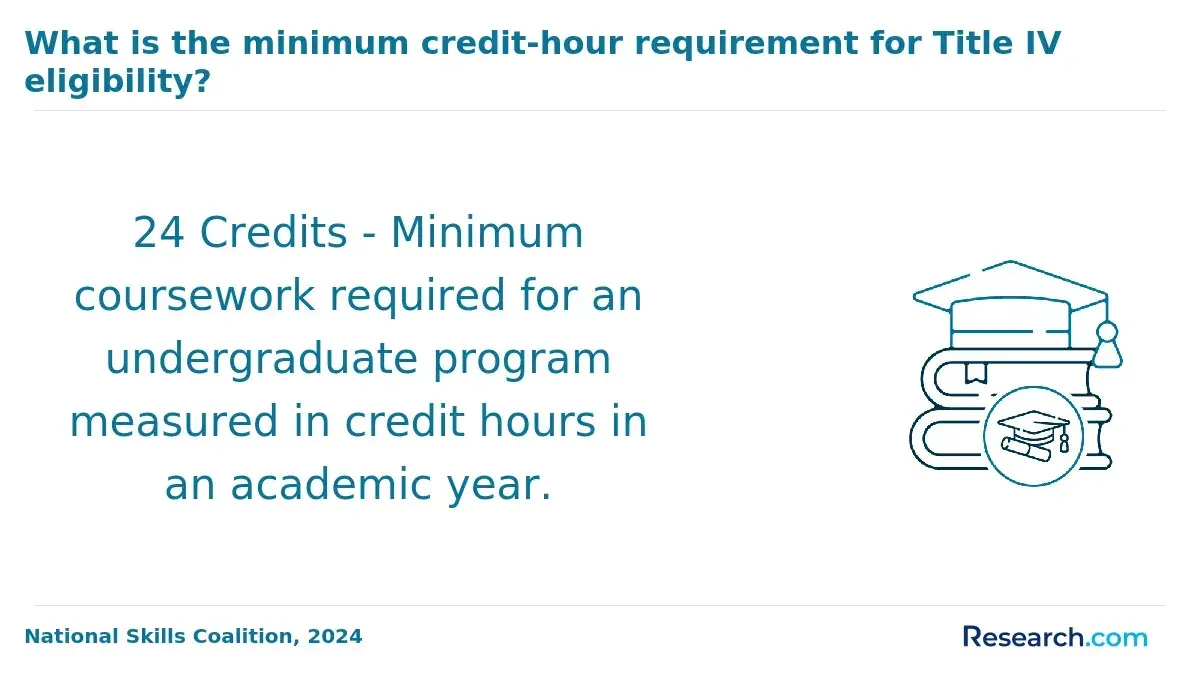
Transfer credits can shorten the path to graduation in technology management programs, but the actual time saved depends on how institutions evaluate and apply those credits to degree requirements. Many programs impose residency or upper-division course completion rules limiting how many transferred credits count toward the bachelor's degree. For example, credits from vocational training or workforce certifications often require reassessment to determine alignment with core curriculum outcomes, so students must be cautious about assuming all credits will directly reduce time-to-degree. Adult learners balancing work and family responsibilities should consider how credit transfer policies impact course sequencing and enrollment planning, as some universities accept fewer than 60% of transferred credits for degree progress nationwide.
Benefits of prior learning credit for technology management adult learners are evident in programs that offer formal prior learning assessment (PLA), which may award up to 30 credits for relevant professional or military experience. These PLA policies can notably ease degree completion timelines when used alongside established articulation agreements with community colleges or military education programs. However, students should carefully document prior experience and consult institutional guidelines to avoid surprises during credit evaluations. Such transfer-friendly policies influence enrollment strategies and affordability, especially for military-affiliated and working professional students aiming to reduce redundant coursework. For those evaluating transfer options, prioritizing programs with transparent credit transfer procedures and partnerships is crucial to maximize credit mobility and manage expectations effectively.
Adult learners looking to balance career timelines and employer expectations for credentials will find that navigating transfer credit policies requires active management rather than passive reliance on credits simply accelerating graduation. Institutions adapting to credit transfer trends often still require completion of foundational technology management courses in residence. This means students must weigh credit acceptance realities against the long-term value of a cohesive program experience. Those considering online or hybrid formats may also explore options such as AACSB accredited online MBA programs that integrate credit transfer flexibility with career-enhancing credentials.
How Much Money Can Students Save Through Technology Management Transfer Credit Opportunities?
Transfer credit acceptance in technology management programs can significantly shorten degree timelines and lower educational expenses, but the actual savings hinge on institutional policies and alignment between prior learning and program requirements. For instance, military-affiliated students leveraging service training evaluations may bypass costly courses, reducing tuition by several thousand dollars; however, limits on transferable credits and residency rules often require students to complete a minimum number of credits directly from the awarding institution, curbing potential savings. Additionally, discrepancies in course equivalency-especially in rapidly evolving technology management fields-can lead to credit rejection and necessitate repeating coursework, which erodes financial benefits and extends time to graduation.
A 2024 report by the National Student Clearinghouse Research Center highlights that successful transfer credit application can cut time to degree by up to 18 months, translating to roughly 20-30% savings on tuition and related costs. Still, students must navigate varying transfer caps and institutional articulation agreements carefully to maximize these advantages. Programs increasingly recognize prior learning assessments and alternative credit pathways, offering flexibility that suits working professionals and adult learners balancing external commitments. Yet, incomplete transfer acceptance-reported at about 25% credit denial in specialized courses per a recent Council for Adult and Experiential Learning study-underscores the importance of strategic academic advising and thorough evaluation of credit portfolios to ensure that transfer decisions contribute effectively to long-term degree completion and cost containment.
How Are Technology Management Programs Supporting Military Students and Workforce Learners Through Transfer Credits?
Transfer credit policies within technology management programs increasingly respond to the tangible skills military personnel and working professionals bring, yet students must discern how much prior learning will genuinely reduce their remaining course load. Over 80% of institutions now base military credit acceptance on formal ACE evaluations like the Joint Services Transcript, which aligns service training with academic competencies. However, differences in how schools assess non-traditional credentials-such as apprenticeships or professional certifications-mean that workforce learners often face inconsistent credit articulation. This variability impacts degree timelines and can result in re-taking courses despite relevant experience, delaying credential completion and affecting the return on both time and financial investment.
Flexible prior learning assessments (PLAs) are a critical mechanism for converting diverse professional experiences into transfer credits, supporting adult learners in leveraging vendor certifications and employer-facilitated training. According to National Center for Education Statistics data, PLA adoption correlates with a 15% faster average degree completion rate in technical disciplines, highlighting the practical benefit of well-implemented credit recognition. Still, the uneven institutional approaches to verifying and valuing these alternative credentials require students to engage closely with academic advisors who specialize in transfer credit optimization. While structured degree-completion pathways with integrated online coursework can mitigate redundancies, the lack of standardization across programs underscores the importance of transparent policies and proactive institutional support for military-affiliated students and working professionals navigating transfer processes.
What Transfer Credit Innovations Are Shaping the Future of Technology Management Education?
Recent transfer credit innovations substantially reshape how adult learners and transfer students navigate degree pathways in technology management education. AI-powered transcript evaluation systems, reported by the National Center for Education Statistics to reduce review times by up to 50% in 2024, streamline credit assessments but can introduce inconsistencies depending on institutional algorithm criteria and data input quality. Meanwhile, expanded credit-for-prior-learning (CPL) programs formally recognize military training, professional certifications, and workplace experience, which, according to the Council for Adult and Experiential Learning, can shorten degree completion by an average of 30%. However, students must carefully evaluate credit applicability across institutions, as uneven CPL acceptance and evolving transfer credit innovations in technology management programs can complicate long-term academic planning and credit transfer reliability.
Competency-based education (CBE) models increasingly challenge traditional credit hour frameworks by allowing mastery-based progression, benefiting working professionals but requiring significant administrative adaptation and often facing state policy barriers. Digital credentialing platforms aggregating verified badges enhance credit mobility and employer transparency but raise questions about standardization and academic rigor. Transfer pathway agreements and military credit articulation further improve transfer credit acceptance and degree accessibility, yet students must weigh these flexible options against potential credit loss or delayed graduation if program requirements or credit equivalencies are misaligned. Adult learners exploring options-whether considering a cheapest master in data science or related fields-should prioritize institutions with transparent credit policies and robust advising to maximize the practical benefits of emerging transfer credit assessment methods in technology management.
How Can Adult Learners Maximize Transfer Credits in a Technology Management Program?
Maximizing transfer credits in a technology management program requires strategic navigation of institutional policies and evaluation processes that vary widely across colleges. For instance, a student transferring from a community college with technical certifications must weigh how many credits will be recognized versus the program's residency requirements, as some schools cap transfer credits from non-traditional sources like workforce training or military experience. This limits the applicability of such credits despite their relevance, often forcing learners to retake courses or extend their time to degree completion. Data from the National Student Clearinghouse (2024) reveals approximately 61% of transfer students apply over half their previous credits; however, identifying programs with strong articulation agreements can help secure guaranteed credit acceptance for equivalent coursework, a crucial factor in reducing costs and streamlining course sequencing.
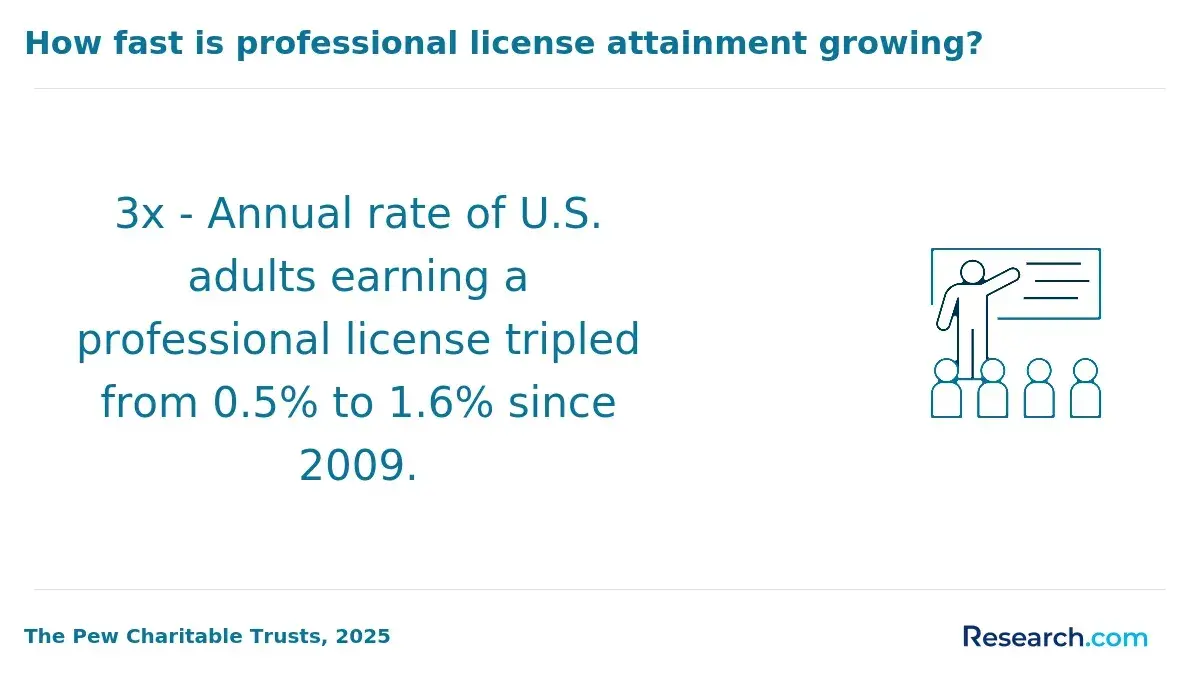
Leveraging prior learning assessments and credit for prior learning (CPL) opportunities is increasingly important for adult learners in technology management degrees. CPL, including professional licensure and military training, enables bypassing redundant courses but depends on clearly defined institutional standards to ensure credits align with core competencies valued by employers. A growing share of programs also emphasize comprehensive transcript reviews combined with degree mapping to pinpoint credit gaps, helping students balance transfer credits with remaining coursework that supports management skills relevant to workforce demands. Adult learners should carefully consult academic advisors familiar with these dynamics to avoid overloading on irrelevant credits, maintaining program integrity and long-term career flexibility. For those seeking the most affordable options, resources like the cheapest online general studies degree programs can offer additional pathways aligned with credit transfer strategies.
References:
- Working Professionals | UMass Global https://www.umassglobal.edu/admissions/transfer-center/working-professionals
- How Prior Learning Can Help Students Accelerate Into the Future of Work https://www.cael.org/resouces/pathways-blog/how-prior-learning-can-help-students-accelerate-into-the-future-of-work
- Making technology work for adult learners: our 6 key research findings - European Association for the Education of Adults https://eaea.org/2025/09/04/making-technology-work-for-adult-learners-our-6-key-research-findings/
- 5 Alternative ways to get college credit | University of Phoenix https://www.phoenix.edu/blog/5-alternative-ways-to-earn-college-credits.html
- How College Credit Transfer Really Works: A Practical Guide https://www.straighterline.com/blog/transfer-how-college-credit-transfer-really-works-a-practical-guide
- www.degreesight.com: Verifying that you are not a robot... https://www.degreesight.com/news/transfer-credit-evaluation-the-key-to-unlocking-enrollment-growth/
- The Impact of the New Adult Learner - Trends in Higher Education in 2023 - UPCEA https://upcea.edu/the-impact-of-the-new-adult-learner-trends-in-higher-education-in-2023/
- Top Online Schools That Accept Transfer Credits https://www.edvisorly.com/student-guides/online-schools-that-accept-transfer-credits
- How to Transfer College Credits and Finish Your Degree Faster https://www.park.edu/blog/transfer-college-credits-finish-degree-faster/
- College transfer as a workforce strategy https://www.ccdaily.com/2026/04/college-transfer-as-a-workforce-strategy/
Other Things You Should Know About Technology Management
Differences in how schools accept transfer credits can fragment the learning experience, creating gaps in essential knowledge or resulting in redundant coursework. Students might find that some credits fulfill only elective requirements rather than core courses, diluting the degree's focus. Prioritizing programs with a high acceptance of relevant, core technology management credits ensures a more consistent and integrated curriculum, which employers often expect for practical skill application.
Institutions that accept a wide array of transfer credits may speed up degree completion but risk lowering program rigor if transferred courses do not align closely with critical technology management competencies. Conversely, strict credit policies preserve academic standards but extend time and cost burdens for students. Adult learners should weigh the value of expedited paths against potential gaps in mastery, especially if their career goals require deep specialization or licensure.
Working professionals must consider not only credit acceptance but also how transferred courses align with their capacity to handle workload intensity alongside jobs. Some programs may grant credits that allow reduced course loads per term, easing stress and improving retention. Prioritizing transfer-friendly programs designed for flexible pacing can prevent burnout and increase the likelihood of degree completion without sacrificing work performance.
Employers increasingly recognize degrees earned through transfer credits when academic content aligns closely with industry standards and practical skills. However, degrees heavily reliant on transferred general education credits without substantive core technology management courses may be viewed less favorably. It's critical for students to ensure that transferred credits do not undermine the technical depth of their degree, as this impacts job readiness and advancement opportunities.