2027 Technology Management Degree Enrollment Trends by Age Group: Traditional Students vs Adult Learners

Co-Founder and Chief Data Scientist
Labor market volatility and rapid technological advancement shape participation in technology management degree programs. Traditional students primarily enroll to meet entry-level requirements as 67% of technology management-related roles now demand a bachelor's degree, reflecting credential inflation and industry credentialing. Adult learners often pursue these degrees amid mid-career shifts triggered by automation displacement or employer-driven upskilling initiatives.
Their enrollment patterns highlight program accessibility challenges, such as balancing practicum and work obligations. The divergent age distributions reveal how education pathways must adapt to evolving employer expectations, signaling a hybrid future workforce where foundational training and targeted reskilling coexist within technology management fields.
Key Things to Know About Technology Management Degree Enrollment Trends by Age Group
- Traditional college-age enrollment in technology management remains steady, yet a 2024 study shows adult learners now represent 35% of new entrants, reflecting growing demand for career-switching professionals despite higher opportunity costs.
- Employers increasingly value experience combined with technology management education, but younger graduates often face longer job searches due to limited practical exposure compared to older enrollees balancing work-study trajectories.
- Older students encounter greater time and financial tradeoffs; compressed program formats help, but fewer fully online options limit access for working adults seeking efficient, career-relevant credentialing within technology management.
- Key Things to Know About Technology Management Degree Enrollment Trends by Age Group Key Things to Know About Technology Management Degree Enrollment Trends by Age Group
- Which Age Groups Represent the Largest Share of Technology Management Students? Students by Age Group
- Why Do Traditional Students Choose Technology Management Degree Programs? Traditional Students
- Why Do Adult Learners Return to School for a Technology Management Degree? Adult Learners
- How Do Academic Goals Vary Between Younger and Older Technology Management Students? Academic Goals by Age Group
- How Do Financial Concerns Differ Between Traditional Students and Adult Learners? Financial Concerns by Age Group
- What Challenges Do Adult Learners and Traditional Students Face While Earning a Technology Management Degree? Student Challenges by Age Group
- How Does Age Affect Technology Management Degree Student Retention? Age and Student Retention
- Which Technology Management Specializations Are Most Popular Among Adult Learners? Top Specializations for Adult Learners
- How Does Age Affect Job Opportunities for Technology Management Graduates? Impact of Age in Job Opportunities
- What Do Current Technology Management Enrollment Trends Reveal About Future Demand? What Do Current Technology Management Enrollment Trends Reveal About Future Demand?
Which Age Groups Represent the Largest Share of Technology Management Students?
Students enrolled in technology management programs span various life stages, yet enrollment is predominantly concentrated within specific age brackets shaped by differing career timelines, financial readiness, and educational pathways. These age distributions mirror broader labor market shifts and education system dynamics more than mere academic preferences. Understanding these patterns reveals how program structure and workforce demands attract distinct demographic segments.
- Ages 18-24: This group usually comprises the largest share of technology management students, primarily entering immediately after high school. Their enrollment often reflects a focus on foundational knowledge essential for entry-level positions in tech-driven industries, supported by immersive full-time or on-campus learning formats. However, pursuing depth in theory may come at the expense of extensive practical experience at this stage.
- Ages 25-39: Adult learners within this range form a significant portion of enrollees, typically balancing part-time, evening, or online study alongside work and family obligations. Their motivation often centers on credentialing existing skills, pivoting careers, or adapting to evolving technologies. Flexible program designs are crucial here, with accessibility playing a decisive role in mitigating barriers linked to workforce participation.
- Ages 40-49: While smaller in representation, this group increasingly engages with technology management education as mid-career professionals seek to remain competitive amid rapid industry changes. Employer-supported education programs and lifelong learning initiatives fuel enrollment, although cost and time constraints tend to limit participation compared to younger cohorts.
- Ages 50 and above: This cohort accounts for a modest share, reflecting challenges such as nearing retirement, shifting priorities, or less incentive to pursue formal credentials despite growing industry complexity. Nonetheless, targeted programs aiming at workforce retention or specialized skill upgrades occasionally attract this group.
These enrollment trends highlight how traditional college-age students and adult learners differ not only in demographics but also in enrollment drivers and program interaction. This is evident in data regarding enrollment trends of traditional technology management students as well as the age demographics of adult learners in technology management programs, which must be considered by institutions designing curricula and support services.
Economic factors such as rising tuition and evolving labor market needs also shape these patterns by delaying entry for some and encouraging others to seek continued education mid-career. For those seeking cost-effective credentialing pathways, exploring offerings like the cheapest CSWE-accredited online MSW programs provides context on how affordability influences accessibility and enrollment decisions across disciplines.
Why Do Traditional Students Choose Technology Management Degree Programs?
Traditional students often gravitate toward technology management degree programs because these degrees signal a valuable intersection of technical skill and business acumen, offering a clearly defined pathway for early career exploration. Their academic interests frequently align with fields that combine quantitative analysis, project leadership, and organizational strategy, which technology management curricula support. This blend allows newer entrants to the workforce to position themselves competitively for roles that demand both operational understanding and managerial capability. A 2024 report from the National Center for Education Statistics underscores this trend, noting that 38% of recent high school graduates entering STEM-related management fields prioritize career flexibility and competitive salaries when selecting their programs.
Deeper motivations include structured recruitment pathways within universities and targeted advice from guidance counselors who recognize technology management's relevance to evolving labor market demands. Early exposure to relevant subjects in high school or initial college courses often shapes perceptions of the program's viability, reinforcing the appeal of a field viewed as stable and growth-oriented. These factors, combined with a preference among traditional students for academic environments offering internships and clear industry connections, drive enrollment decisions distinct from adult learners' priorities. Such enrollment dynamics align with broader academic planning and reflect a growing awareness of how technology management education integrates with workforce needs, as seen in the increasing interest for specialized programs like MSW online programs that similarly balance practical and theoretical learning.
Why Do Adult Learners Return to School for a Technology Management Degree?
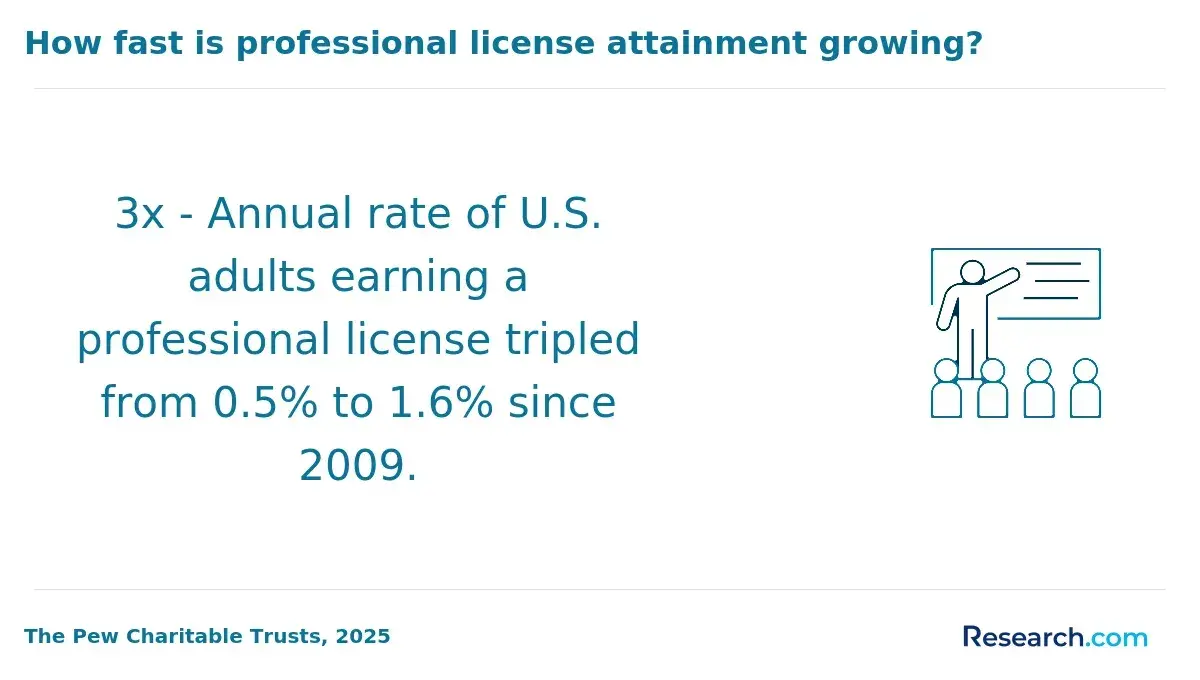
Adults returning to pursue a Technology Management degree typically do so to achieve specific professional goals, such as moving into management roles, increasing their earning potential, or transitioning into industries where tech and business intersect. Unlike traditional students, these learners often have established careers and seek credentials that validate and extend their practical experience. The emphasis is on credential inflation and labor market shifts that increasingly require formal qualifications alongside technical expertise. Data from the National Center for Education Statistics highlights that over 60% of adult learners prioritize career advancement when enrolling in such programs, reflecting how wage progression and occupational mobility drive their decisions.
Additional factors encouraging adult enrollment include employer-sponsored tuition assistance and the growing availability of flexible online programs that accommodate work and family obligations. These programs must continuously update curricula to keep pace with evolving technology, governance standards, and leadership expectations, as employers demand candidates who can bridge technical skills with strategic management. A 2024 survey by the Pew Research Center found that more than half of adult learners in technology management reported notable improvements in employability within a year of graduation, underscoring the practical value of these degrees despite the time and financial burdens they may impose.
How Do Academic Goals Vary Between Younger and Older Technology Management Students?
Younger technology management students generally engage with their degree programs as a phase of professional exploration, emphasizing the development of broad technical competencies and leadership basics essential for entry-level positions or graduate studies. Their academic pursuits often reflect limited work experience, with a priority on acquiring versatile skills that facilitate access to diverse roles within the tech industry. Many in this group prefer traditional, full-time on-campus formats that provide networking opportunities and hands-on experiences, supporting rapid progression toward degree completion. This aligns with the tendency of younger learners to focus on foundational preparation rather than immediate career application.
In contrast, older technology management students approach their studies with concrete workplace goals, often seeking targeted skill sets that address specific gaps identified through prior professional experience. Their enrollment frequently responds to immediate demands such as role transitions, upskilling for existing positions, or obtaining credentials recognized by employers to secure leadership responsibilities. According to the National Center for Education Statistics in 2024, nearly 70% of adult learners prioritize degrees as strategic investments in career advancement or realignment rather than exploratory education. These students commonly select flexible, part-time, or online program formats that accommodate work and family obligations while emphasizing practical, outcome-driven learning.
One adult learner described weighing options during a rolling admissions cycle, delaying application submission due to uncertainty about balancing workload and family needs. They noted, "Applying early felt risky because I wasn't sure I could commit time with my job's unpredictability." Ultimately, they chose a flexible start that allowed incremental progress without sacrificing professional responsibilities, reflecting how older students often make strategic timing decisions in the enrollment process rather than following traditional academic calendars.
How Do Financial Concerns Differ Between Traditional Students and Adult Learners?
Traditional students in technology management programs typically depend on a combination of family support, scholarships, and federal student loans to finance their education. According to a 2024 report by the National Center for Education Statistics, about 62% of these students use federal loans, resulting in an average debt of $28,000 upon graduation. Their financial concerns revolve around upfront tuition costs and the burden of debt accumulated early in their careers, which influences decisions on program length and intensity. The tuition cost impact on adult learners and traditional students shows that traditional students often weigh the risk of long-term debt heavily against the benefits of completing their degree more quickly and with full-time focus.
Adult learners encounter markedly different financial pressures; they commonly balance education expenses alongside mortgages, family support, and ongoing living costs. A 2024 Lumina Foundation analysis highlights that only 38% of adult learners use federal loans, reflecting a lower tolerance for education-related debt. Instead, many rely on employer tuition assistance or continued employment income, but face opportunity costs related to reduced work hours or deferred career advancement. These financial challenges influence their decision to pursue part-time study or programs offering flexibility, factors essential when considering the financial challenges faced by traditional vs adult learners in technology management.
The divergence in financial priorities between these groups shapes enrollment decisions and program accessibility. Adult learners often prefer online or employer-partnered programs that mitigate lost wages and fit their schedules, whereas traditional students might opt for accelerated, full-time paths that advance timely entry into the workforce. Assessing the long-term return on investment for technology management education involves balancing debt levels, time to completion, and potential salary gains, which vary significantly with stage of life and existing financial obligations. Those interested in expedited degree options should consider resources such as an accelerated master's program psychology for insights on program pacing aligned with career timing.
What Challenges Do Adult Learners and Traditional Students Face While Earning a Technology Management Degree?
Traditional students in technology management programs often confront the challenge of rapidly acclimating to rigorous academic demands while navigating transitional life stages without substantial professional experience. Their success frequently depends on developing disciplined study habits and managing time effectively within a structured academic setting, which can be difficult given the pace and complexity of evolving curricula. Additionally, many face social integration pressures and the need to quickly master digital tools, both critical for maintaining academic progress. These factors combine to create a distinctive adaptation curve that influences retention and performance, especially as this cohort may rely more heavily on institutional supports such as scholarships and federal aid.
Adult learners typically juggle complex responsibilities outside the classroom that shape their educational experience differently. The necessity to balance employment alongside coursework, often while managing family or dependent care, imposes severe constraints on time and energy, contributing to slower degree progression or interruptions. Re-entering academic environments after prolonged absences also demands updating technical competencies amid shifting industry standards. This group disproportionately relies on self-funding or employer assistance, heightening financial pressure and influencing enrollment continuity. According to 2024 data from the National Center for Education Statistics, 58% of adult students identify time management as a primary obstacle, underscoring the tension between professional, personal, and academic demands.
These divergent challenges prompt many institutions to customize support frameworks, including offering flexible scheduling, asynchronous course formats, and targeted advising to accommodate learner lifecycle differences. Understanding these nuances is critical for program designers aiming to optimize engagement and completion rates across both demographics. Equally, students benefit from assessing how their unique circumstances intersect with program demands, which in turn affects long-term outcomes and employability within technology management roles.
How Does Age Affect Technology Management Degree Student Retention?
Younger technology management students often face retention challenges tied to the transition into higher education, where adapting to academic rigor and sustained motivation can be uneven. This group typically navigates a college environment structured around their life stage, with fewer competing obligations, yet they may struggle with early engagement, time management, and finding relevance in their coursework. Retention rates for these students generally range between 65-70%, according to the National Student Clearinghouse Research Center (2024), reflecting both institutional support benefits and ongoing risk factors associated with academic adjustment and social integration. The overall experience for traditional students is shaped by the need to build foundational skills while maintaining momentum through initial program phases.
In contrast, older technology management students enter programs with more defined professional goals and clearer motivation linked to career advancement, which enhances their persistence despite facing heavier demands outside school. Their retention rates tend to be slightly lower, near 55-60%, primarily because of the logistical pressures from work commitments, family responsibilities, and financial constraints. These factors limit their time availability and can disrupt study consistency. However, institutional efforts such as flexible scheduling, recognition of prior learning, and targeted career counseling have become crucial in supporting this group's capacity to persist to completion despite competing priorities.
One graduate recounted applying to a technology management program during a phase of career transition while managing family care. Initially hesitant to submit applications due to uncertain timing and concerns about balancing responsibilities, they monitored rolling admissions before committing. This cautious approach meant waiting for confirmation of course availability and financial aid options, resulting in a delayed start but ultimately better alignment with personal circumstances. Their experience highlights how strategic timing and preparedness can be as decisive as motivation in supporting older students' retention within these programs.
Which Technology Management Specializations Are Most Popular Among Adult Learners?
Adult learners enrolling in technology management degree programs often choose specializations that provide clear pathways to salary growth, leadership roles, or industry transition opportunities. Their selection process tends to be pragmatic, grounded in immediate applicability to current roles or strategic moves into higher responsibility positions. Unlike traditional students, these learners prioritize programs with demonstrated labor market alignment and potential for certification-recognized advancement.
Recent data from the National Center for Education Statistics (2024) confirm that project management, cybersecurity management, and IT governance consistently attract the highest enrollment from students aged 25 and above. These specializations offer adult learners avenues to leverage existing experience while acquiring critical skills tailored to mid-career professional demands.
- Project Management: Its broad industry applicability and emphasis on managing complex initiatives under budget and time constraints make it a preferred choice for adult learners aiming to capitalize on their operational experience while moving into leadership roles.
- Cybersecurity Management: Increasing organizational cyber threats and regulatory complexities drive demand for expertise beyond technical execution-this specialization equips learners with governance and risk oversight skills critical for managerial positions.
- IT Governance: Adult learners interested in aligning IT strategies with overall business objectives find this specialization directly supports strategic decision-making roles and helps navigate compliance demands.
- Data Analytics Management: By fusing technical data handling with strategic analysis, this track appeals to those who want to enhance decision-making capacities within organizations, bridging gaps between IT and executive leadership.
These preferences reflect a broader trend among adult learners to choose the most sought after technology management certification programs for professionals that offer tangible returns in employability and leadership advancement. Factors influencing these choices include market demand, salary potential, certification opportunities, and relevance to current or desired job roles. For professionals unsure about fit or sector, exploring interdisciplinary options-such as those related to an environmental science degree-can broaden career pathways within technology management fields.
How Does Age Affect Job Opportunities for Technology Management Graduates?
Technology management graduates in the traditional college-age bracket, typically between 18 and 24, often benefit from labor market structures favoring entry-level hiring. Employers tend to prioritize foundational technical skills and adaptability for these candidates, who commonly access opportunities through internships and structured training programs. These early-career pipelines are vital in shaping long-term employment trajectories, as younger graduates frequently align with roles designed for rapid skill acquisition and scalability within organizations. According to a 2024 report by the National Center for Education Statistics, about 68% of technology management graduates under 25 secure full-time employment within six months of graduation, underscoring how age correlates with traditional entry points and hiring expectations in this field. This dynamic reflects distinct job placement trends by age group in technology management programs and impacts how students target educational pathways and experiential learning.
Conversely, technology management graduates aged 25 and older often integrate prior work experience, leadership abilities, and soft skills into their professional profiles, positioning themselves for mid-level or specialized roles. While this experience enriches their candidacy, hiring decisions may still be influenced by employer perceptions regarding flexibility or long-term engagement potential. Adult learners frequently navigate labor market segmentation, balancing the need to update technical competencies-sometimes through certificates or bridge programs such as the EdS to EdD bridge program-with leveraging transferable skills for career transition goals. The lower employment rate for candidates over 30, at 52%, reflects these complex intersections of age, experience, and educational timing rather than inherent employability deficits.
What Do Current Technology Management Enrollment Trends Reveal About Future Demand?
Shifts in enrollment for technology management degree programs reveal important changes in how different student groups perceive the value and applicability of these degrees. While traditional college-age enrollment has plateaued, growth exceeding 12% annually among adult learners reflects increased interest from mid-career professionals aiming to integrate technical expertise with business leadership. This demographic shift signals a recognition that technology management education serves as a practical bridge for those seeking adaptability and advancement amid rapid industry innovation. The sustained baseline participation of younger students, despite slower growth, still indicates a foundational pipeline for entry-level roles but with less momentum than in previous decades.
These enrollment trends echo broader labor market signals where employer demand increasingly favors candidates capable of managing complex technological change alongside strategic business goals. Rising adult learner enrollment correlates with workforce shortages and a growing need for flexible, hybrid program designs that accommodate working professionals. The evolving student composition also anticipates expanded specialization offerings tuned to emerging sectors and management functions. Together, these factors suggest technology management programs will continue growing in relevance, shaped by employer preferences and the accelerating pace of technological adoption across industries.
References
- Tech Trends 2025 https://www.deloitte.com/us/en/insights/topics/technology-management/tech-trends.html
- Adult learners: who they are and what they want out of college | EAB https://eab.com/resources/blog/adult-education-blog/adult-learners-who-they-are-what-they-want-college/
- Creating Opportunities For All In The Intelligent Age https://www.weforum.org/stories/2026/01/creating-economic-opportunities-for-all-in-the-intelligent-age/
- What are the Best College Majors For Adult Students in 2026? https://www.straighterline.com/blog/guide-best-college-majors-for-adult-students
- Technology Management - Everything at a glance | CBS https://www.cbs.de/en/topics/technology-management-degree
- A Comparison of Student Technology Acceptance between Traditional and Non-Traditional Students Using Online Learning Technologies - OJDLA https://ojdla.com/articles/a-comparison-of-student-technology-acceptance-between-traditional-and-non-traditional-students-using-online-learning-technologies
- Making sure you're not a bot! https://www.econstor.eu/bitstream/10419/333865/1/1925856119.pdf
- Why a Combined Bachelor of Management & Technology Program is in High Demand https://tetr.com/blog/why-a-combined-bachelor-of-management-technology-program-is-in-high-demand
- 8 Reasons to Go Back to School as an Adult https://chartercollege.edu/news-hub/reasons-go-back-school-even-adult/
- Best Degrees for Business and Technology https://www.cyberdegrees.org/listings/business-and-technology-concentrations/best-programs/
Other Things You Should Know About Technology Management
Adult learners often benefit more from part-time or accelerated technology management programs due to their need to balance work, family, and study. These formats offer flexibility that aligns with the typically heavier non-academic responsibilities adult learners carry. In contrast, traditional students might handle full-time, semester-based structures more naturally, gaining deeper immersion and peer interaction. Decision-makers should prioritize program formats that accommodate their time constraints without compromising necessary depth of study, as adult learners risk burnout if course loads are too rigid or intensive.
Employers tend to expect adult learners to bring more real-world experience that complements their technology management education, often assigning them to leadership or project management roles sooner. Traditional students, meanwhile, may be viewed as more adaptable to entry-level or technically focused roles but might need additional mentoring in workplace dynamics. This means adult learners should consider programs offering advanced management training or experiential projects, while younger students might prioritize foundational technical coursework to meet initial employer expectations.
Adult learners typically prefer a self-directed, often slower learning pace that allows time to integrate theory with existing professional knowledge, improving retention and practical application. Traditional students may process new material more quickly but have fewer opportunities to contextualize learning outside the classroom. Programs that allow adaptive pacing or offer modular learning can enhance outcomes for both groups, but adult learners especially should seek options that avoid one-size-fits-all timelines to maximize both comprehension and long-term skill deployment.
In 2027, strong industry connections are pivotal for both traditional students and adult learners in technology management programs. However, adult learners may benefit more as they often leverage these connections for career advancements or transitions, while traditional students might focus on gaining initial job placements.