2027 Taxation ROI by Institution Type: Public vs Private vs Nonprofit Online Programs

Co-Founder and Chief Data Scientist
Choosing between public, private, and nonprofit online programs in taxation often comes down to more than tuition price alone. A 2024 report from the National Student Clearinghouse found that private online programs have a 15% lower graduation rate on average than public counterparts, despite charging significantly higher tuition. This gap signals potential risks in timely completion and escalating debt, which can drastically reduce long-term financial returns.
Conversely, nonprofits might offer stronger institutional support but vary widely in career network strength. These differences shape post-graduation employment and debt burden outcomes, affecting a student's overall return on investment in tangible ways.
This article explores these nuanced distinctions to help prospective students critically assess how institutional type influences taxation program ROI, focusing on affordability, graduation success, and career value.
Key Things to Know About Taxation ROI by Institution Type
- Public programs typically offer lower total costs but may have longer average completion times, creating a tradeoff between affordability and delayed entry into higher-paying Taxation roles, which affects time-sensitive career advancement.
- Private institutions often carry higher debt exposure; however, they tend to have stronger employer networks in the Taxation sector, increasing access to competitive jobs despite greater financial risk.
- Nonprofit online schools emphasize learner support and flexible pacing, improving graduation rates by 12% compared to industry average, a critical factor for working adults balancing Taxation studies with ongoing job responsibilities.
- What Does ROI Mean for a Taxation Program and How Is It Measured? Understanding Taxation Program ROI
- How Do Public, Private, and Nonprofit Online Taxation Programs Differ in Overall Value? Value by Institution Type
- How Do Tuition Costs Affect the ROI of a Taxation Program Across Institution Types? Tuition Costs and ROI
- How Do Graduation Rates Influence Taxation Program ROI? Graduation Rates Impact ROI
- What Role Do Career Outcomes Play in the ROI of a Taxation Degree? Career Outcomes and ROI
- How Does Student Debt Impact the Long-Term ROI of a Taxation Program? Debt vs. Long-Term ROI
- How Do Flexibility and Adult Learner Support Affect Taxation Program Value? Flexibility and Program Value
- How Do Accreditation and Institutional Reputation Influence Taxation ROI? How Do Accreditation and Institutional Reputation Influence Taxation ROI?
- How Does Time-to-Degree Affect the ROI of Public, Private, and Nonprofit Taxation Programs? How Does Time-to-Degree Affect the ROI of Public, Private, and Nonprofit Taxation Programs?
- How Can You Choose the Best Taxation Program Based on Your ROI Goals? Choosing Programs by ROI
What Does ROI Mean for a Taxation Program and How Is It Measured?
Return on investment for a taxation program hinges on evaluating the full scope of costs and benefits rather than relying solely on sticker tuition prices. Prospective students must scrutinize total educational expenses-including fees, required materials, and technology access-alongside opportunity costs like foregone income during study.
For example, a public online program with lower tuition may extend time to degree completion, increasing total living expenses and delaying entry into the workforce, while a private institution might offer accelerated paths but with higher debt burdens. Measuring roi for online taxation degrees means considering how graduation rates and time-to-degree influence when career earnings begin, not just future salary potential.
Decision-relevant ROI analysis also weighs the tradeoffs between institutional reputation, learner support, and career outcomes across public, private, and nonprofit providers. A 2024 National Center for Education Statistics report shows private institutions often yield higher average earnings but may saddle graduates with significantly greater student debt, offsetting these gains.
Individual goals and circumstances matter greatly: working professionals prioritizing flexible scheduling and shorter programs may justify higher upfront costs, while adult learners balancing family commitments could benefit more from programs with robust support services and lower debt loads. A lower-cost option does not always translate to stronger long-term value, particularly if limited career alignment or support reduces timely completion and credential utility.
Ultimately, cost-conscious students should integrate multiple dimensions-including debt-to-earnings ratios, institutional completion data, and program specialization-when conducting a taxation program return on investment calculation. Choosing programs without transparency on these factors risks underestimating total costs or overestimating career returns.
As an informed step, prospective learners might compare financial metrics alongside practical factors by exploring offerings like an online master's in AI or similar degrees to understand pricing structures and their alignment with career trajectories, helping to pinpoint programs where affordability and career outcomes genuinely coexist.
How Do Public, Private, and Nonprofit Online Taxation Programs Differ in Overall Value?
Cost differences between public, private, and nonprofit online taxation programs often reflect tradeoffs in flexibility, student support, and debt outcomes rather than straightforward savings. Public institutions typically offer tuition rates 30% to 50% lower per credit hour, which can reduce debt burden significantly-graduates on average report 20% less debt five years after completing their degree, according to the Institute for College Access & Success.
However, reduced costs may accompany larger class sizes and fewer personalized services, which can affect student retention and completion rates. Private programs generally invest more in individualized support and smaller cohorts, potentially enhancing engagement but not reliably impacting employment outcomes compared to nonprofit counterparts, whose asynchronous schedules and self-paced options often cater better to working adults balancing education with other responsibilities.
The reputation of a program may influence employer perceptions more than its public, private, or nonprofit status, with hiring managers emphasizing relevant certification and work experience over institutional category. Prospective students must weigh how tuition and aid policies align with their financial situation against qualitative factors like program flexibility and professional networking opportunities.
For instance, private programs may offer stronger industry connections within tax specialties at a higher price point, while nonprofit programs often balance accreditation rigor and affordability in ways better suited to long-term learners. Ultimately, the decision requires matching individual priorities-such as minimizing long-term debt, leveraging career services, or maintaining work-life-education balance-with the specific attributes and outcomes each institution type delivers.
One working professional compared three online taxation programs while deciding to pursue a graduate degree. Although the private institution's smaller class sizes and career services were appealing, the higher tuition and limited financial aid raised concerns about accumulating debt.
The nonprofit program offered flexible pacing but seemed less connected to the industry networks the student sought. Ultimately, the public program's lower cost and solid graduation outcomes aligned better with the individual's need to balance ongoing job responsibilities with education without incurring unsustainable debt, providing peace of mind alongside accredited training.
How Do Tuition Costs Affect the ROI of a Taxation Program Across Institution Types?
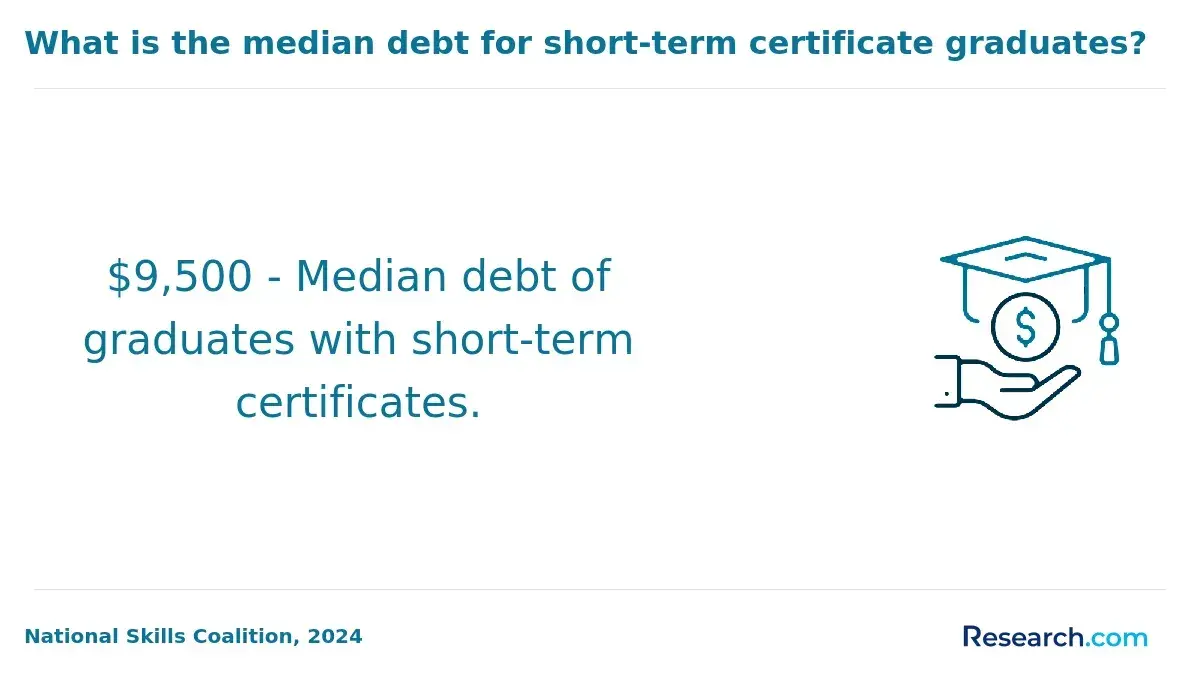
Tuition cost disparities between public, private, and nonprofit online taxation programs directly shape their return on investment by influencing debt levels, time to workforce entry, and access to academic resources. Public institutions often provide lower annual tuition-typically between $7,000 and $15,000 after aid-making them more affordable for adult learners balancing work and study.
However, this cost advantage must be weighed against factors such as graduation rates and career services, since lower tuition does not inherently guarantee stronger employment outcomes or faster credential completion.
Private nonprofit taxation programs, despite charging between $25,000 and $40,000 annually, sometimes offer enhanced support services and specialized faculty that can improve job placement within six months of graduation, according to a 2024 report from the Education Research Institute.
Yet, students at these institutions also tend to take on larger loans, increasing financial risk if their post-degree earnings fail to exceed repayment burdens. Choosing a higher-cost program may be justified for those seeking rapid career acceleration in competitive sectors, but for many, the balance of tuition expenses, debt exposure, and flexibility in pacing remains crucial to achieving positive net returns over time.
How Do Graduation Rates Influence Taxation Program ROI?
Graduation rates offer a tangible gauge of institutional effectiveness within public, private, and nonprofit online Taxation programs. However, their role in calculating return on investment is nuanced.
Public programs frequently report graduation rates near 60% over six years, which often signals faster time-to-degree and reduced debt—critical factors for working adults prioritizing financial sustainability.
However, programs serving large populations of part-time or nontraditional students may exhibit lower completion rates yet provide valuable flexibility and support that align better with these learners' professional and personal constraints. This is a key consideration when evaluating taxation program ROI by institution graduation success.
Graduation outcomes intersect with broader factors like advising quality, academic resources, and career services, which collectively influence long-term employment prospects and earnings growth. Students weighing program options should contextualize graduation rates alongside these supports rather than relying on completion percentages alone, as lower rates do not inherently reflect inferior value.
Additionally, comparing related fields such as game design online helps underscore how varied institutional models balance cost, flexibility, and student success in addressing workforce demands, reinforcing the need for granular assessment rather than simplified ROI assumptions.
What Role Do Career Outcomes Play in the ROI of a Taxation Degree?
Career outcomes fundamentally shape the practical return on investment of online taxation degrees. While employment rates within six months post-graduation hover around 80-85% depending on institution type according to 2024 NCES data, the true ROI hinges on factors such as employer recognition of accreditation, the strength of professional networks, and access to internships or specialized sectors.
Graduates from private and nonprofit programs may gain an advantage in niche markets through focused alumni engagement, whereas public programs often offer broader regional job placement tied to state and industry partnerships. These distinctions interact with tuition and debt burdens, meaning learners must consider how well career services and curriculum relevance align with their target employment context, not just initial costs or institutional prestige.
In practice, graduates who weigh long-term career mobility alongside immediate job placement stand to better assess program value, especially since employers prioritize applicable skills over institutional category in accounting and finance roles. For example, a prospective student eyeing government tax policy positions might favor a program offering tailored legislative coursework plus strong network ties to public agencies, despite potentially higher private tuition.
Ignoring such outcome-driven tradeoffs risks underestimating time-to-degree implications or missing critical opportunities for role advancement and salary growth inherent to certain program structures. Ultimately, the ROI calculation extends beyond quantifiable expenses to encompass strategic career positioning and skill applicability within evolving tax environments.
An online taxation graduate shared that choosing between a public and a nonprofit program boiled down to how each institution's alumni network could influence career trajectory. Early in their role at a mid-size consulting firm, they noticed promotions increasingly favored candidates with specialized tax credentials tied to strong employer connections.
While skeptical at first about whether the degree would unlock real advancement beyond credentialing, they found that the nonprofit's industry events and targeted mentorship helped secure projects aligned with their career goals. This experience tempered frustrations around measuring ROI purely by tuition cost, revealing instead how tailored career support and relevant skill application over time defined the program's ultimate value.
How Does Student Debt Impact the Long-Term ROI of a Taxation Program?
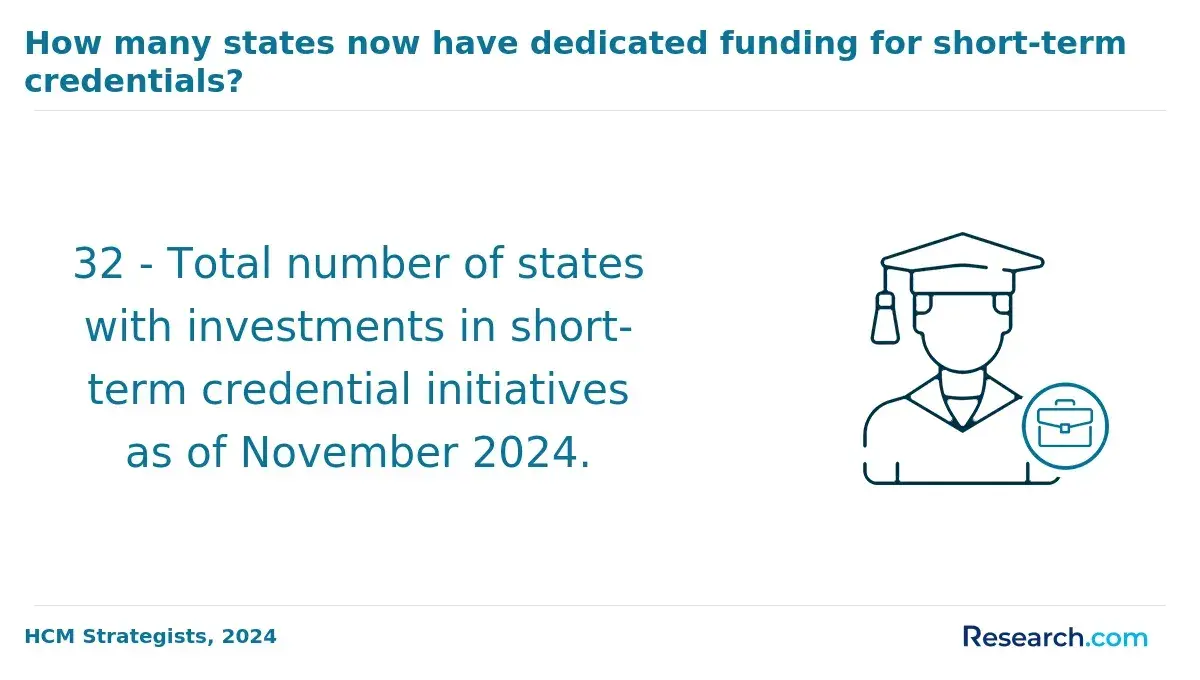
Student debt levels greatly influence the long-term ROI of a taxation program, especially when considered alongside factors like graduation timelines and career advancement opportunities. For example, graduates from public online programs typically carry about 15% less debt, easing repayment pressures and allowing more financial flexibility early in their careers.
However, lower borrowing does not guarantee higher ROI if these programs yield slower salary growth or weaker employer networks. Individuals must weigh not only the initial debt burden but also how that debt interacts with educational quality and job market alignment to determine practical value.
Private online taxation programs often come with higher tuition and debt, increasing financial strain but potentially accelerating earnings through stronger career services and employer connections. This variance in debt impact on long-term taxation program ROI means that students financing their studies must analyze expected debt-to-income ratios carefully, balancing borrowing costs against realistic post-graduate salary prospects and repayment options.
Nonprofit online institutions tend to fall between public and private programs, with moderate debt levels but sometimes higher default rates, underscoring the importance of completion rates and consistent employment outcomes. Those evaluating choices should also consider program flexibility and credential recognition, as these affect both career mobility and ongoing earning potential.
Cost-conscious learners and working professionals comparing online programs might find additional insights by exploring resources on a finance degree online. Incorporating these real-world tradeoffs provides a clearer picture of how student loan debt affects taxation degree return on investment, helping prospective students make informed decisions based on practical financial planning rather than tuition sticker price alone.
How Do Flexibility and Adult Learner Support Affect Taxation Program Value?
Program flexibility combined with targeted adult learner support directly shapes the return on investment for online taxation programs, influencing persistence rates and overall costs. For working adults balancing jobs and family, access to asynchronous courses and part-time enrollment is decisive; students in predominantly asynchronous programs show persistence rates roughly 15% higher according to the National Center for Education Statistics.
Public institutions often excel in providing affordable, flexible schedules that accommodate irregular work hours, while nonprofit programs tend to focus heavily on tailored advisement and career services, which can expedite degree completion and improve job placement outcomes within six months, according to recent findings from the Council for Adult and Experiential Learning.
The differences in support and flexibility among institution types also carry practical career and financial tradeoffs. Private institutions may offer more individualized support and stronger employer connections, potentially accelerating immediate employment success, but these benefits often come with higher tuition and greater debt risk.
Transfer-friendly credit policies and robust retention initiatives are crucial for reducing time-to-degree and opportunity costs, particularly for career changers and military-affiliated students who come with prior learning experience. Ultimately, assessing how a program's scheduling options, academic advising, and technological infrastructure align with personal and professional constraints is essential for adult learners aiming to maximize educational value beyond sticker price.
How Do Accreditation and Institutional Reputation Influence Taxation ROI?
Accreditation plays a crucial role in shaping the return on investment of an online Taxation program. It directly impacts credit transferability and access to federal aid. A student seeking career mobility or graduate education needs assurance that their credits will be recognized beyond the issuing institution. This condition is primarily met by regional or national accreditation recognized by the U.S. Department of Education or the Council for Higher Education Accreditation.
Employer recognition of institutional reputation is also significant in hiring outcomes. According to a 2024 survey by the National Association of Colleges and Employers, 68% of employers prefer graduates from accredited private institutions over lesser-known nonprofits or public universities with limited online presence. This preference can have tangible effects on job placement probabilities and initial salary offers.
Accredited private institutions are often preferred by employers over lesser-known nonprofits or public universities with limited online presence. This preference can translate into tangible impacts on job placement probabilities and initial salary offers.
However, institutional reputation must be weighed against cost and debt implications, especially for working adults or career changers balancing affordability against market visibility. Public universities often provide lower tuition and more extensive student support services, which can mitigate long-term debt burdens-crucial since high debt significantly erodes net ROI despite possible lower prestige.
Meanwhile, nonprofit providers may offer niche curricula aligned with specific Taxation career paths, potentially enhancing employability within target sectors. Hence, prospective students must evaluate how accreditation, reputation, tuition pricing, and practical training opportunities intersect to influence not only immediate employability but also the sustainable financial payoff of their online Taxation degree choice.
How Does Time-to-Degree Affect the ROI of Public, Private, and Nonprofit Taxation Programs?
The duration required to complete an online taxation degree directly shapes the financial and career payoffs for students navigating public, private, and nonprofit programs. Public institutions often see longer completion times, especially for part-time learners balancing work and family, which can increase tuition exposure and delay workforce advancement.
Conversely, private and nonprofit programs frequently feature accelerated or flexible scheduling, allowing motivated full-time students to reduce opportunity costs and minimize debt accumulation. However, a faster timeline is not universally advantageous; students who extend their studies to accommodate personal circumstances may achieve higher graduation rates, a critical factor in overall program ROI.
For cost-conscious adult learners, transfer credit policies and enrollment intensity have practical implications on the time-to-degree impact on taxation program ROI. Public institutions typically accept more transfer credits, potentially shortening time and expense, while private nonprofits often provide intensive year-round terms that reward dedicated time commitments.
While accelerated pathways can enhance early career entry, these tracks demand consistent focus and limited outside distractions. The balance between program flexibility and completion rates frequently dictates whether faster or extended completion timelines yield better returns when factoring in sustainable employment, debt management, and practical life considerations.
Students evaluating online taxation options should consider how these variables interact with educational quality and career timing. For example, working professionals interested in a math degree online or similar fields will find that private and nonprofit schools' flexibility aligns well with workforce needs but might come at slightly higher tuition.
Public programs' extended durations can be mitigated if transfer credits are utilized effectively and steady employment is maintained, underscoring the nuanced effect of program length on public private nonprofit taxation returns and long-term value.
How Can You Choose the Best Taxation Program Based on Your ROI Goals?
The highest return on investment in taxation programs depends less on whether an institution is public, private, or nonprofit and more on individual priorities such as cost sensitivity, time-to-degree, and desired support services. Comparing ROI of public and private taxation programs reveals that public institutions generally offer lower tuition and more state financial aid, reducing immediate debt burdens, which can be critical for working adults balancing family obligations.
However, private and nonprofit programs often provide smaller class sizes and stronger career networks that may accelerate graduation and improve job placement, impacting long-term earnings potential differently.
Maximizing return on investment in online taxation degrees requires weighing not only tuition costs but also graduation rates, flexibility, and workforce alignment. Nonprofit programs frequently report slightly higher completion rates, but their higher tuition can offset these benefits, especially if accelerated formats increase overall expenses.
For many students, including those seeking specialized options like a military spouse online college, the decision involves balancing financial aid availability with program pace, employer connections, and support services that influence career outcomes and debt repayment ability.
Ultimately, practical ROI calculations must account for individual employment status, career timelines, and institutional accreditation alongside tuition and financial aid. This nuanced evaluation, grounded in recent data from sources such as the National Center for Education Statistics and the Department of Education, helps students make informed decisions that reflect their unique circumstances and professional goals.
References
- How to Calculate and Maximize Your Return on Investment (ROI) https://financialmodelslab.com/blogs/blog/investment-return
- ‘MBAs for the Public Good’? https://www.vitalcitynyc.org/mbas-for-the-public-good-does-getting-a-masters-degree-make-sense-for-nonprofit-professionals/
- Program ROI | Generation https://www.generation.org/program-roi/
- A career in tax: unlocking opportunities in a dynamic field | Eagle Education https://www.eagle-education.co.uk/career/a-career-in-tax-unlocking-opportunities-in-a-dynamic-field/
- Effects of Cancelling Student Loan Debt (2026) : Short & Long-Term https://educationdata.org/what-happens-if-student-loan-debt-is-canceled
- Our Thinking - Five tax considerations for global institutional investors https://www.cibcmellon.com/en/our-thinking/2019/ot201909-five-tax-considerations.jsp
- The Role of Accreditation Bodies in Shaping Modern Business Education https://www.eclbs.eu/post/the-role-of-accreditation-bodies-in-shaping-modern-business-education
- ROI of Higher Education - Signal49 Research https://www.signal49.ca/focus-areas/roi-of-higher-education/
- Measuring ROI in Training Programs for Accounting Firms https://20-20services.com/insights/measuring-roi-in-training-programs-for-accounting-firms/
- The Difference Between a Private Foundation and Public Charity https://charitylawyerblog.com/2009/10/19/private-foundations-and-public-charities/
Other Things You Should Know About Taxation
The variation in faculty expertise and curriculum rigor can significantly affect the practical value of a taxation program. Public institutions often emphasize theoretical foundations with some applied case work, while private and nonprofit programs may offer more specialized or niche coursework, sometimes with faculty who have current industry ties.
Programs with faculty actively engaged in taxation practice or research typically deliver better-prepared graduates, which employers value. When ROI is the priority, choosing a program known for relevant, up-to-date content and strong faculty credentials tends to result in better job preparedness and higher salary potential.
Employers often weigh institution type differently depending on their familiarity with the school and the program's reputation in taxation. Public universities may be viewed as cost-effective and reliable, but certain private or nonprofit programs-especially those with strong networking or brand presence-can command greater respect in some sectors.
For adult learners aiming to maximize ROI, prioritizing program reputation within the regional or industry-specific job market matters more than institution type alone. If your target employers favor specialized certifications or connections typical of nonprofit programs, that should guide your choice.
Workload intensity and scheduling flexibility can vary notably, impacting both your ability to finish the program on time and how soon you start reaping career benefits. Public institutions may offer structured but less flexible schedules, potentially better for those who want a clear timeline, while private and nonprofit online programs often tailor schedules more for working professionals.
From an ROI standpoint, selecting a program that balances rigorous coursework with realistic time demands for your personal and work life can reduce the risk of extended time-to-degree and additional costs.
Yes, prioritizing institution type according to career trajectory is important. Public institution graduates often enter traditional government or corporate taxation roles, where standardized credentials and cost efficiency are favored.
In contrast, private and nonprofit programs sometimes better serve those targeting consultancy, specialized tax advisory, or nonprofit tax management roles, offering tailored skills that match those niches. For stronger ROI, align your program choice with the prevalent employer preferences and advancement ladders in your desired subfield rather than defaulting to one institution type.