2027 Remote Work Report for Child Development Graduates: Flexible Roles, Pay, and Hiring Trends

Co-Founder and Chief Data Scientist
Child Development graduates entering the remote job market often face a narrow selection of roles focused on virtual childcare consultation, early childhood education support, and developmental program coordination. These positions typically offer flexible schedules but vary widely in compensation due to employer hesitancy in valuing remote experience as highly as in-person work. The Bureau of Labor Statistics notes that only about 15% of Child Development-related occupations have remote-friendly openings, highlighting a significant gap between graduate expectations and market realities. This article examines remote job types, realistic pay ranges, and hiring patterns to equip graduates with a clear framework for making informed career decisions in this evolving landscape.
Key Points About Working Remotely for Child Development Graduates
- Remote roles such as online early childhood educators, curriculum developers, and family support coordinators require specialized skills and offer limited direct interaction, which affects job suitability for candidates preferring hands-on experience.
- Average annual salaries for remote Child Development positions hover around $45,000, subject to variation by role, experience level, and employer type, impacting expected income trajectories for new graduates.
- Graduates should develop digital communication and virtual platform competencies while targeting organizations favoring remote child services, as hiring timelines often require patience and strategic networking to secure positions.
- Key Points About Working Remotely for Child Development Graduates Key Points About Working Remotely for Child Development Graduates
- Are there remote work opportunities in the Child Development industry? Remote Opportunities
- Which Child Development niches offer remote roles? Which Child Development niches offer remote roles?
- What entry-level Child Development roles allow remote work? Entry-Level Roles
- What is the average salary of Child Development graduates who are working remotely? Average Salary
- Do remote Child Development jobs pay the same as on-site roles? Pay Comparison
- What benefits do remote Child Development employees receive? What benefits do remote Child Development employees receive?
- Where can Child Development graduates look for remote jobs? Where to Find Jobs
- What do Child Development employers look for in candidates? What do Child Development employers look for in candidates?
- How can Child Development graduates prepare for remote roles? Preparing for Remote Roles
- How can Child Development graduates if remote roles are a good fit for them? How can Child Development graduates if remote roles are a good fit for them?
Are there remote work opportunities in the Child Development industry?
Remote and hybrid work in the Child Development sector remains limited due to the hands-on demands of most roles. About 20% of entry-level jobs offer fully remote opportunities, while 35% are hybrid, requiring some on-site presence. The majority, 45%, insist on full-time, in-person work, reflecting the industry's emphasis on direct child and family interaction. A 2024 workforce study highlights 42% of companies enforcing return-to-office policies, reducing remote flexibility in child-focused roles.
Flexible arrangements vary significantly by regional compliance laws and organizational workflows. For example, centers in states with strict education and privacy regulations may limit remote child assessment activities, whereas advocacy or administrative functions often accommodate off-site work. These legal and operational differences shape which Child Development roles sustain remote options and how they are structured.
Graduates seeking remote roles typically find opportunities in curriculum development, advocacy, or administrative positions instead of frontline teaching or care. Employers prioritize in-person engagement for early childhood education and intervention, making practical experience critical despite remote preferences. Those pursuing flexible roles must balance employability with hands-on skill development.
Technological solutions like digital child assessment tools and virtual meetings support hybrid models by enabling remote communication and documentation. However, practical and regulatory challenges limit these tools' use, underscoring the need for graduates to evaluate each role's real-world flexibility realistically before committing.
Which Child Development niches offer remote roles?
Remote roles in Child Development frequently emerge in niches where assessment and consultation can be effectively conducted through digital communication. These positions offer flexibility but require balancing technological reliance with the need for in-person interaction in hands-on specialties. For example, an early intervention specialist using teletherapy can reach families in rural areas who otherwise face travel barriers, yet must still acknowledge limitations in observing subtle nonverbal cues through a screen.
The following outlines key Child Development niches offering flexible remote roles and why their workflows suit asynchronous or off-site environments.
- Early Intervention Specialists: These professionals provide developmental assessments and teletherapy services via video calls. Their role emphasizes communication and observation, allowing families to access support from any location while reducing travel burdens.
- Educational Consultants: Specialists in curriculum development and remote learning strategies utilize digital platforms to design child-focused programs. This enables collaboration across regions and adapts learning to students' needs without requiring physical presence.
- Behavioral Analysts: Focused on children with developmental disorders, they employ telehealth methods to maintain intervention continuity. This reduces strain on families and supports consistent therapeutic engagement in remote settings.
- Family Support Coordinators: Guiding parents through developmental milestones, these coordinators rely on virtual meetings. This approach sustains meaningful engagement by providing timely resources and advice, regardless of geographic constraints.
- Child Development Researchers and Data Analysts: Analysts assess longitudinal child development data remotely, a field experiencing a 12.7% increase in hiring volume. Their work informs evidence-based interventions without needing direct patient contact.
- Social-Emotional Learning (SEL) Coaches: They conduct online workshops for educators and caregivers aimed at fostering emotional intelligence in children. Remote delivery expands their reach while supporting flexible schedules.
These flexible remote roles in Child Development reflect a growing share of opportunities aligned with digital communication capabilities. Graduates considering remote paths should evaluate how each niche's demands fit their skills and priorities. For those interested in advanced practice degrees supporting flexible career options, examining BSN to DNP programs can provide further guidance on educational pathways compatible with evolving employer expectations.
What entry-level Child Development roles allow remote work?
Entry-level roles permitting remote work in Child Development increasingly emphasize coordination and documentation tasks more than direct in-person childcare. These positions fit well with digital platforms and virtual communication, allowing new graduates to start careers that blend developmental knowledge with growing digital literacy demands. Below is a brief list of typical entry-level remote roles, each highlighting hiring prerequisites, core responsibilities, and why they are conducive to remote work.
- Early Childhood Program Coordinator: Requires foundational Child Development education and strong organizational skills. This role involves planning developmental activities and liaising with families and staff through virtual meetings. It works remotely by using cloud-based scheduling and communication tools.
- Remote Childcare Consultant: Entry-level hires generally need familiarity with child development theories and client interaction experience. Consultants assess family needs and recommend care plans during video calls, enabling effective remote work without physical childcare delivery.
- Virtual Family Support Specialist: Candidates should demonstrate interpersonal skills and basic case management knowledge. Specialists provide counseling and educational resources to families via phone or video, making remote engagement central to the role.
- Online Curriculum Assistant: Requires competence in educational content development and digital collaboration platforms. Assistants help design and update virtual learning programs, clearly suited for remote execution due to the nature of content creation and feedback loops online.
- Digital Case Manager in Child Services: Hiring often prioritizes experience with database management and data privacy certification. Case managers track child development progress and service delivery remotely using specialized software like ChildPlus or Connections for Children.
- Telehealth Behavioral Aide: Needs basic behavioral intervention training and telehealth tool proficiency. This position supports behavioral sessions via secure video platforms, eliminating the need for on-site presence.
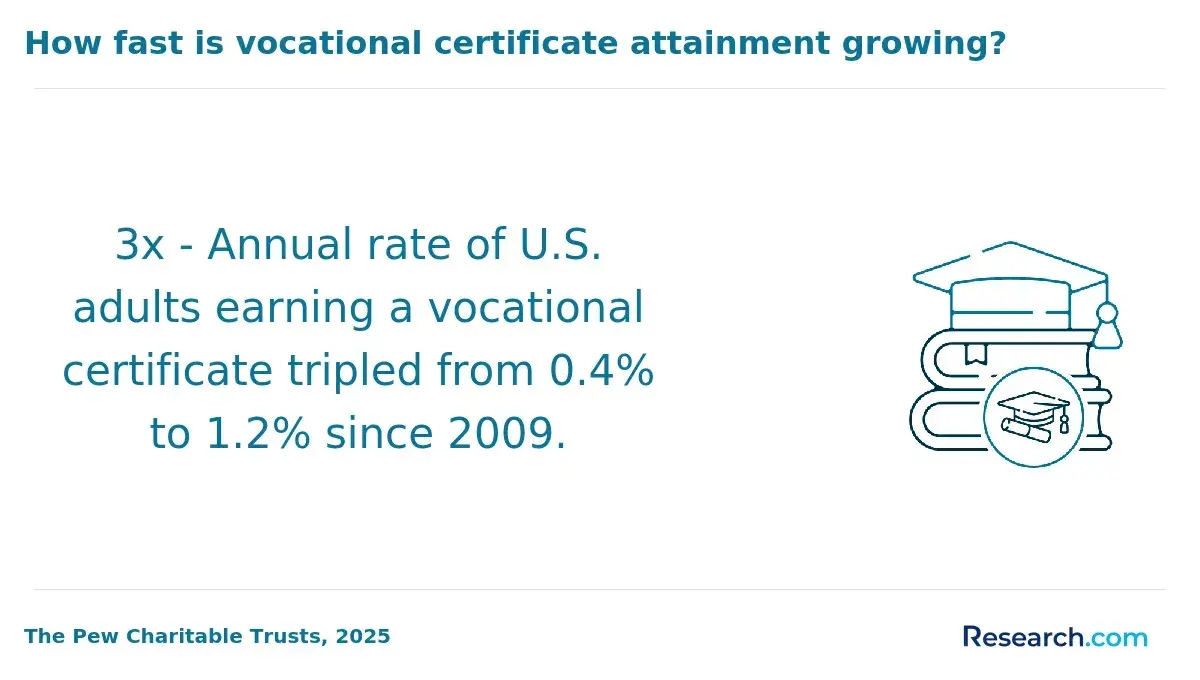
Using platforms such as Zoom and Google Workspace is common for virtual collaboration in these roles, which focus less on physical presence and more on digital interaction. Recent labor market data indicates that 27% of newly posted entry-level Child Development jobs now offer full or hybrid remote options, reflecting a robust shift favoring flexible remote roles for Child Development graduates. This change matters because it means that graduates proficient in digital skills alongside Child Development theory achieve a 15% higher placement rate, enhancing employability in this evolving landscape.
Despite their advantages, remote roles reduce direct hands-on child experience, which some candidates may find limiting for long-term childcare skills development. For those focused on consultation, documentation, or coordination, these flexible roles provide practical entry points that align well with emerging workforce patterns. Graduates weighing these options should consider their career goals and the balance they need between virtual and in-person experience. Those interested in advanced qualifications that complement remote readiness might explore PhD in nursing programs, which similarly prioritize hybrid learning and telehealth competencies.
What is the average salary of Child Development graduates who are working remotely?
Child Development graduates working remotely start with average salaries typically between $38,000 and $45,000 annually, with median entry-level pay around $40,200. These compensation rates reflect typical pay for entry-level talent but are often lower than onsite roles due to part-time or contract structures common in this flexible sector.
The variability in pay depends heavily on additional requirements like specialized certifications or technical skills. Remote roles demanding digital literacy or supervisory responsibilities can push salaries above $50,000. A real-world scenario involves graduates balancing remote flexibility against these tradeoffs, as higher pay often requires more experience or formal credentials.
Compared to fields such as early childhood education or social work, the average remote salary for Child Development graduates generally falls slightly below these related professions. This discrepancy highlights the need to weigh flexibility against the typical earning potential in remote Child Development jobs.
Recent workforce data shows about 27% of remote Child Development professionals earn less than $35,000, emphasizing modest wages for many. For graduates exploring options, programs like best online medical assistant programs indicate broader trends in allied health fields offering remote flexibility but varied salaries.
Do remote Child Development jobs pay the same as on-site roles?
Remote Child Development jobs typically pay about 7.4% less than equivalent on-site roles, reflecting a widespread lack of salary parity. Only 34% of employers maintain full pay equality, indicating that most compensation packages favor location-based adjustments over uniform rates.
Employers often apply geographic localization policies that reduce salaries for remote workers in lower-cost regions. For example, a graduate working remotely from a rural area may earn noticeably less than a counterpart in an urban center, even when performing identical tasks. This approach prioritizes local living costs rather than job demands.
Some employers counterbalance lower base pay by reducing travel stipends but increasing home-office allowances. These structural policies create nuanced total compensation packages that may partially offset the apparent salary gap but require careful evaluation beyond headline pay figures.
For Child Development graduates, understanding these pay dynamics is critical. Choosing a remote role involves weighing lower immediate pay against flexibility and cost-of-living benefits. This tradeoff can affect long-term earnings and career trajectory depending on one's location and employer practices, as noted by recent workforce studies.
What benefits do remote Child Development employees receive?
Remote Child Development roles deliver benefits designed to meet the unique challenges of off-site work, but these must be considered alongside the demands of self-direction and reduced face-to-face mentorship. For instance, a remote Child Development specialist managing early childhood programs from home needs reliable technology and financial support to maintain consistent communication with families and colleagues. Employers recognize this gap and increasingly offer targeted benefits to sustain engagement and productivity. Below are key benefits typically provided to remote Child Development employees, reflecting practical support for decentralized work.
- Technology and Home Office Stipends: Many organizations allocate monthly stipends averaging $85 to cover expenses like internet service, software, and ergonomic equipment. This funding is vital for maintaining a professional setup that supports uninterrupted, high-quality interactions and administrative tasks in a remote setting.
- Healthcare Coverage: Comprehensive health benefits mirror those offered on-site, providing remote workers access to medical, dental, and mental health resources necessary for long-term well-being. Such coverage reduces stress and helps sustain focus in roles that demand emotional resilience.
- Paid Time Off and Flexible Scheduling: Remote employees often receive PTO policies comparable to on-site peers, enabling breaks that prevent burnout. Flexibility in work hours accommodates family needs and peak productivity periods, essential in the Child Development field's variable workloads.
- Tuition Reimbursement or Certification Support: Employers frequently invest in continuing education benefits, recognizing the evolving credentials essential for career advancement. This encourages skill development despite physical distance from traditional training environments.
Nearly half of remote Child Development employees now benefit from these stipends, according to a recent industry report, a trend highlighting employer acknowledgment of remote work's hidden costs and fostering sustained engagement.
One remote Child Development specialist shared that receiving a monthly home office stipend was a relief amid rising household costs. "Initially, I hesitated to ask for financial support since my job felt solitary, but the stipend helped me upgrade my internet and buy a standing desk," they said. This investment allowed more dynamic virtual sessions with families and eased physical strain during long workdays, reinforcing how tailored benefits directly impact daily work quality in remote Child Development roles.
Where can Child Development graduates look for remote jobs?
Child Development graduates will find that successful remote job searches depend heavily on strategic platform selection and network engagement. While large job boards provide extensive listings, they often include many unrelated or highly competitive postings, which can obscure specialized roles relevant to early childhood and developmental education. For instance, a new graduate aiming for a remote education assistant position might apply widely on mainstream sites but miss niche opportunities listed on more focused platforms or within professional communities. Graduates should thus diversify their search by combining broad platforms with targeted resources that curate remote roles more precisely. Below are key platforms and networks suited for locating remote Child Development jobs.
- Indeed and LinkedIn: These broad job boards remain crucial due to their volume and integration with employers' applicant tracking systems, increasing visibility for entry-level roles. Their search algorithms allow filtering by remote work, but listings can be generic, requiring careful keyword refinement to isolate Child Development-specific positions.
- FlexJobs: Specializing in remote and flexible jobs, this vetted platform helps graduates access education and social service roles with legitimacy assurance. Its curated listings reduce time spent filtering out unsuitable jobs and improve chances of finding flexible Child Development assignments aligned with graduate skills.
- We Work Remotely: A niche site focused exclusively on remote jobs, including education sector roles like remote tutoring and childcare consulting. Though fewer in volume, its targeted nature attracts employers specifically seeking remote-capable Child Development professionals, enhancing application relevancy.
- Upwork: A freelance marketplace where project-based work in developmental content creation or tutoring appears. Graduates must actively market themselves and build portfolios here. While less stable than salaried roles, it offers practical experience and client networking that can lead to ongoing remote opportunities.
- Professional Associations: Groups such as the National Association for the Education of Young Children distribute exclusive remote job leads via newsletters and forums. According to industry surveys, 64% of education sector hiring managers prioritize referrals and networking, highlighting the value of these communities for uncovering hidden entry-level remote roles.
What do Child Development employers look for in candidates?
Employers recruiting for remote Child Development roles prioritize candidates who combine specialized technical skills with adaptive communication and cultural competence. Hiring managers expect applicants to show proficiency in digital child assessment and documentation tools tailored for virtual work, alongside certifications that validate readiness for tele-mental health or remote family engagement. For example, a practitioner leveraging Ages & Stages Questionnaires (ASQ) and electronic IFSP platforms can deliver accurate developmental monitoring despite geographical distance. The following highlights key qualifications employers seek in remote Child Development candidates.
- Digital Assessment Proficiency: Candidates must demonstrate expertise in remote evaluation instruments like ASQ and electronic IFSP systems. This skill reflects a capacity for precise child development monitoring outside traditional settings, ensuring valid data collection and intervention planning in virtual environments.
- Tele-Mental Health Certification: Obtaining credentials related to virtual counseling or tele-mental health signals the applicant's readiness to engage effectively with children and families online. Such certifications assure employers of the candidate's ability to maintain therapeutic rapport and confidentiality remotely.
- Communication and Cultural Competence: Remote Child Development workers require strong skills in clear, empathetic communication across diverse cultural contexts. Employers assess this through scenario-based interviews or portfolio reviews demonstrating effective outreach and engagement strategies.
- Data-Driven Decision-Making: Candidates should be capable of interpreting developmental data to tailor remote learning activities and interventions. This competency indicates adaptability to hybrid roles combining Child Development expertise with data analytics in social service settings.
- Portfolio Evidence of Remote Practice: Practical proof of applying remote child monitoring techniques strengthens candidacy. Portfolios showcasing documented use of digital tools and intervention outcomes help employers prioritize applicants who can translate their traditional skills into tangible remote results.
A 2024 industry report reveals that 68.5% of Child Development remote jobs now require demonstrated experience with digital assessment and reporting tools, illustrating a profound shift towards tech-savvy remote candidates. Graduates should invest strategically in verified tool certifications and curate portfolios reflecting their ability to work effectively in distributed settings. For those balancing education and workforce demands, understanding these expectations complements broader research on roles such as the autopsy tech salary and employment outlook in health and human services sectors.
How can Child Development graduates prepare for remote roles?
Child Development graduates must integrate digital skills, practical experience, and infrastructure readiness to meet the unique demands of remote work. For example, a graduate aiming to lead virtual parent workshops needs more than theoretical knowledge; mastering remote communication tools and establishing a professional environment are essential. Below is a focused list of core strategies to support Preparing for remote Child Development careers.
- Master Digital Communication Platforms: Proficiency in Zoom, Microsoft Teams, and Slack enables seamless collaboration in distributed teams. Graduates should actively use these tools during internships or volunteering to simulate real-world remote interactions, demonstrating readiness for corporate off-site work environments.
- Obtain Targeted Certifications: Completing training in telehealth, remote counseling, or digital curriculum design bridges classroom learning and job market needs. Evidence shows that graduates with remote-readiness credentials improve their hireability by 23.7%, reflecting employer preferences for specialized, practice-based qualifications.
- Build a Remote Work Environment: Investing in reliable high-speed internet, noise-canceling headphones, and a dedicated workspace signals professionalism and enhances productivity. Demonstrating this setup during interviews reassures employers about an applicant's ability to operate autonomously and efficiently from home.
- Develop Independent Digital Projects: Creating virtual workshops or online resources provides practical proof of skills beyond theory. These initiatives strengthen portfolios and exhibit adaptability, which many hiring managers value highly for flexible remote Child Development roles.
Many employers in Child Development increasingly emphasize skills for flexible remote Child Development roles. Practical, demonstrable expertise often outweighs traditional resumes alone. Graduates may also consider exploring MPH online programs with easy admission requirements if expanding interdisciplinary credentials aligns with their career objectives.
How can Child Development graduates if remote roles are a good fit for them?
Child Development graduates must assess whether remote roles align with both their professional strengths and personal work habits before committing. For example, a graduate who thrives on direct child interaction may find remote roles challenging if they prefer in-person cues. Evaluating key criteria related to communication, task type, personal boundaries, technology skills, career visibility, and emotional demands helps in making an informed choice. The following points outline essential factors to consider when determining remote work suitability within Child Development.
- Self-discipline and Communication Skills: Remote positions require strong self-motivation and clear digital communication. Graduates should honestly evaluate their ability to maintain productivity without direct supervision and express ideas effectively through virtual channels, as these skills directly impact service quality and client relationships.
- Nature of Work Preferences: Determine if you prefer active engagement such as coaching or assessments versus administrative or curriculum development tasks. Since only some Child Development activities adapt well to remote formats, understanding which roles match your strengths is critical for daily work satisfaction.
- Work-Life Boundary Management: Remote work demands a strict separation between professional and home life to avoid burnout and distractions. Graduates need strategies for setting physical and psychological boundaries, given that studies show a 23.5% higher turnover among remote Child Development workers linked to poor work-life balance and social isolation.
- Technological Proficiency and Adaptability: Employers expect fluency in collaboration tools and independent learning. Assessing your comfort with evolving digital platforms is essential since remote work lacks the structured environments that facilitate skill development.
- Career Growth Visibility: Remote roles often offer slower or less visible advancement opportunities. Graduates must consider how they will build professional networks and demonstrate value without the spontaneous interactions common in onsite settings.
- Comfort with Limited Physical Observation: Many remote Child Development tasks rely on indirect behavioral data from video or caregiver reports. Evaluate your comfort and effectiveness interpreting these secondhand observations compared to direct face-to-face interaction.
One graduate shared how they initially hesitated to accept a remote coaching position because they missed the immediacy of in-person feedback. Over time, by setting rigid daily schedules and mastering virtual tools, they found the role rewarding. The graduate valued the flexibility but acknowledged it required ongoing discipline and conscious effort to create boundaries that preserved their energy for meaningful client engagement. This hands-on adjustment helped confirm remote work was a good fit and supported sustained career engagement despite the distance.
References
- Early Childhood Development Training & Learning Opportunities https://www.zerotothree.org/competencies-for-prenatal-to-age-5-online-course/
- Child Development, B.A. Online https://www.pointloma.edu/adult-degree-completion/programs/child-development-ba-online
- Child Growth and Development Classes Online - post https://www.childcareed.com/a/are-online-child-growth-and-development-classes-right-for-my-program.html
- Top 10 Benefits of Early Childhood Education https://www.hatching-dragons.com/blog/top-10-benefits-of-early-childhood-education
- Course Catalog | HeadStart.gov https://headstart.gov/professional-development/early-education-pathways-eep/course-catalog
- The Analysis of Relationship Between Competition Styles ... https://ijpe.inased.org/makale_indir/3759
- Children’s online learning – Digital Durham https://digitaldurham.org/latest_news/childrens-online-learning-2/
- 2025 Most Affordable Online Child Development Degrees https://www.onlineu.com/most-affordable-colleges/child-development-degrees
- 20 Free Resources for Teaching Child Development Topics Online May 26, 2021 - Realityworks https://www.realityworks.com/blog/20-free-resources-for-teaching-child-development-topics-online/
- How to Evaluate Child Development: Milestones and Screening https://championsaba.com/how-to-evaluate-child-development/
Other Things You Should Know About Child Development
Remote roles in Child Development often require frequent interaction with parents, educators, and other professionals through virtual platforms. Strong digital communication skills, including clear writing and virtual meeting etiquette, are essential because miscommunication can impact assessments or program success. Graduates should consider developing these skills proactively, as employers expect seamless collaboration despite physical distance, which is often more demanding than in-person cues.
Remote roles limit direct observation of children's behaviors, which can affect the accuracy and depth of developmental assessments. Graduates must be prepared to rely more on parental reports, digital recordings, or third-party documentation, which may reduce the richness of data collected. This tradeoff means remote practitioners must sharpen skills in guiding caregivers to provide consistent and reliable input to compensate for fewer firsthand observations.
Yes, programs that include remote practicum experiences better prepare graduates for the realities of remote Child Development work. Such hands-on exposure teaches adaptability to virtual tools and client interactions, which are not easily learned through theory alone. Prioritizing these programs provides a competitive advantage in job searches and helps clarify if remote work dynamics suit the graduate's strengths.
Remote Child Development jobs often involve less direct supervision, requiring graduates to self-manage schedules and workflows rigorously. While flexibility can increase, there is a higher risk of blurred boundaries between work and personal time, potentially leading to burnout. Graduates should assess their ability to maintain discipline and set limits proactively, as the autonomy expected in remote roles demands strong time management and personal motivation.