2027 Patient Safety & Quality Degree Completion Time Report: How Long Students Actually Take to Graduate

Co-Founder and Chief Data Scientist
Many students navigating patient safety & quality degrees encounter unpredictable shifts in their academic timelines due to work demands, clinical placements, and evolving certification requirements. A 2024 National Center for Education Statistics report reveals that part-time enrollment and transfer credits significantly impact degree progression, often extending completion times beyond traditional estimates. These variables intertwine with workforce pressures and curriculum complexity unique to healthcare quality fields, shaping how long students realistically take to graduate. Understanding these factors offers deeper insight into degree pacing, enabling candidates to better anticipate challenges and plan their educational trajectories more effectively.
Key Things You Should Know About Patient Safety & Quality Degree Completion Time
- Most patient safety & quality degree programs take two to four years to complete. Associate degree students often graduate in about two years, while bachelor's programs typically require four years. Part-time enrollment, internships, and work or family responsibilities can extend completion beyond the standard timeline.
- Graduation speed depends on both program structure and personal circumstances. Enrollment status, transfer credits, clinical or practicum requirements, capstone projects, course sequencing, and online versus campus-based study all influence how quickly students complete their degree.
- Graduating faster isn't always the best path to career success. Although accelerated and online programs may shorten completion time, employers generally place greater value on practical healthcare quality experience, professional competencies, and workforce readiness than on how quickly a degree was earned.
- What Is the Average Graduation Time for Patient Safety & Quality Students? Average Graduation Timeline
- What Factors Have the Biggest Impact on Graduation Speed? Graduation Timeline Factors
- How Does Full-Time Versus Part-Time Enrollment Affect Graduation Timelines? Full-Time vs. Part-Time Graduation Timeline
- Do Online Patient Safety & Quality Students Graduate Faster Than Campus-Based Students? Online vs. On-Campus Graduation Time
- How Many Months or Years Can Transfer Credits Save? Transfer Credits
- Do Accelerated Patient Safety & Quality Programs Significantly Reduce Completion Time? Accelerated Program Timeline
- Which Patient Safety & Quality Program Requirements Most Often Extend Graduation Timelines? Factors Extending Graduation Timeline
- Does Taking Longer to Graduate Increase the Cost of a Patient Safety & Quality Degree? Impact on Program Cost
- Does Graduating Faster Improve Career Prospects? Impact on Career Prospects
- Which Scheduling Mistakes Commonly Delay Graduation? Mistakes to Avoid
What Is the Average Graduation Time for Patient Safety & Quality Students?
The average completion time for patient safety & quality degree programs typically falls between two and four years, depending largely on enrollment status and program level. Associate degree students usually complete their studies in about two years, while bachelor's degree candidates often require approximately four years of full-time attendance.
However, a significant portion of students in this field enroll part-time due to work and family obligations, which extends the typical graduation timeline to three or more years. These variations reflect the demands of balancing academic commitments with professional and personal responsibilities in an increasingly complex healthcare environment.
Graduation timelines are further influenced by factors such as credit transfer policies, curriculum requirements, and program delivery methods. For instance, some students benefit from accelerated or competency-based pathways that can reduce completion times by nearly 30%, though these options are not universally available. Additionally, programs emphasizing experiential learning and internships may lengthen time to graduation but enhance practical skills that employers highly value.
Part-time enrollment and the availability of online versus on-campus formats also play critical roles, with many adult learners opting for flexible schedules through online nursing programs and related offerings, which can impact progression pace. Data from the National Center for Education Statistics and 2024 workforce studies illustrate that these interplaying academic policies and student circumstances cause substantial variability in the typical graduation timeline for patient safety & quality students.
What Factors Have the Biggest Impact on Graduation Speed?
Graduation speed in patient safety and quality programs is shaped by a complex interplay of academic structure, student choices, and external responsibilities. No single factor determines how quickly students finish their degrees; instead, timelines result from how these elements interact with one another. Recognizing these dynamics helps students and planners set realistic expectations and optimize decisions about course loads, enrollment status, and program formats.
- Enrollment Status and Course Load: Full-time students typically complete their degree programs faster because they carry heavier course loads each term, enabling continuous momentum. Part-time enrollment, common among working professionals balancing employment, slows progress; a 2024 report by the National Student Clearinghouse Research Center found that part-time students take roughly 40% longer to graduate than full-time peers, reflecting the tradeoff between income stability and academic speed.
- Transfer Credits and Prior Educational Background: Students who enter with completed coursework from related healthcare, quality management, or accreditation-recognized programs can bypass foundational classes, thereby accelerating their path. However, inconsistent credit acceptance policies across institutions temper this advantage, and students without such credits often face a steeper workload, extending completion timelines.
- Program Design and Scheduling Flexibility: Accelerated formats, such as year-round enrollment or compressed courses, enable faster completion by minimizing downtime between terms and increasing course availability. Traditional term-based curricula, limited course sections, and programs lacking hybrid or online options frequently delay progress, especially for working adults who require flexible study schedules.
- Financial and Employment Constraints: Economic factors directly impact students' ability to maintain full course loads. Those reliant on steady income may reduce credits or pause studies due to job changes, elongating degree duration. Institutional availability of financial aid or employer tuition reimbursement is linked to quicker completion, highlighting how external support mechanisms mitigate delays in health-related fields.
- Student Preparedness and Engagement: Academic readiness-including prior knowledge and time-management skills-and access to advising or support services substantially affect pacing. Students with clear focus and effective study strategies navigate requirements more swiftly, whereas those facing academic setbacks or insufficient guidance often experience elongated timelines due to course repetitions or uncertainty about degree paths.
Overall, understanding how these factors influence patient safety and quality master's degree completion time factors underscores why students within the same program graduate at notably different speeds. Tailored academic planning that acknowledges personal and institutional variables is fundamental to optimizing outcomes in this increasingly vital area of healthcare education.
For example, students evaluating credential options might compare timelines for certifications like the certified professional coder (CPC) alongside degree pathways to align their education strategy with career demands and personal constraints.
How Does Full-Time Versus Part-Time Enrollment Affect Graduation Timelines?
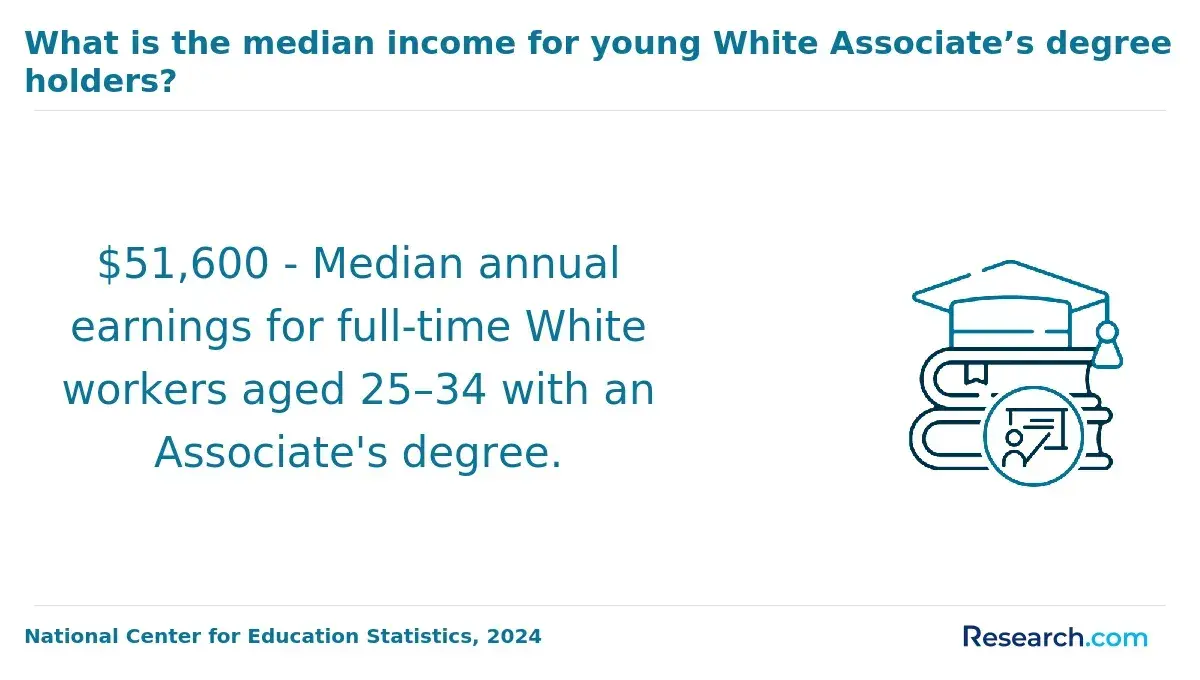
Graduation timelines in Patient Safety & Quality programs are closely tied to whether students enroll full-time or part-time, with full-time students generally completing their degrees more rapidly. Full-time learners take heavier course loads each term, allowing them to meet credit requirements within traditional four-year spans or less, as supported by recent 2024 data from the National Center for Education Statistics.
Conversely, part-time students often extend their time to graduation by one to three years on average, reflecting the reduced term-by-term credit accumulation necessary to balance other commitments. This difference in enrollment intensity fundamentally shapes how quickly students progress through their academic pathways.
Several interconnected factors influence these graduation timelines beyond just enrollment status. Credit load per term is a primary driver, but course sequencing and program availability also impact progression; required classes may not be offered every semester, creating bottlenecks for students with less flexible schedules. Program delivery formats, such as online versus in-person, further affect pacing by either facilitating or complicating access to coursework.
External responsibilities, including employment and family obligations, weigh heavily on part-time students, often constraining their ability to take full advantage of course options and thus elongating completion times. Transfer students additionally face potential delays due to credit evaluations and alignment with program requirements, adding complexity to graduation timing.
Enrollment decisions additionally carry significant implications for financial planning and workforce entry timing. Full-time students often bear the academic intensity and cost burden upfront but benefit from quicker credentialing and earlier eligibility for advanced roles tied to patient safety & quality. Part-time pathways offer flexibility but can defer the economic returns of degree completion and delay critical professional milestones. Understanding these dynamics helps students and advisors weigh the operational trade-offs between managing immediate life demands and accelerating progression toward career objectives within this specialized healthcare discipline.
Do Online Patient Safety & Quality Students Graduate Faster Than Campus-Based Students?
It is commonly observed that online students in patient safety & quality programs tend to complete their degrees somewhat sooner than their on-campus peers, yet this pattern is far from universal. According to a 2024 report from the National Center for Education Statistics, online learners typically finish in about 3.4 years compared to 3.8 years for traditional students. However, this difference-less than six months on average-reflects broad variability across individual cases and institutions. The assumption that online study inherently speeds graduation overlooks how program design and student circumstances can dramatically alter timelines.
The primary drivers of completion speed in both online and campus-based tracks involve course pacing flexibility, credit transfer policies, and enrollment status. Online options frequently allow year-round, accelerated courses and more opportunities to apply prior credits or test out of requirements, fostering quicker progress for motivated and well-organized students. Conversely, campus programs often embed clinical practicums or experiential learning components that extend duration but offer direct hands-on training sought by many employers. Part-time versus full-time enrollment choices, access to advising, and students' balance of work and family life further differentiate outcomes, making modality a factor but not a decisive one for graduation speed.
Choosing between online and campus patient safety & quality programs also influences demands on self-discipline and academic time management, which bear on when students enter the workforce. Online pathways may accelerate degree completion for those equipped to navigate independent study structures, yet some learners find the campus environment's scheduled rhythms better support steady progress. Ultimately, prospective students should weigh these operational and lifestyle implications alongside program quality and content to realistically estimate their degree timelines.
One graduate recounted hesitating during a rolling admissions cycle, torn between applying early to an online patient safety & quality program or waiting for a campus-based option with more hands-on practice. The uncertainty about acceptance timing compounded the pressure to balance current job duties and family commitments. Opting to submit the online application just before the deadline, the student later reflected that this strategic timing, combined with flexible course pacing, allowed earlier completion than anticipated-though the initial waiting period had caused notable stress and second-guessing over which format would ultimately align better with long-term career goals.
How Many Months or Years Can Transfer Credits Save?
Transfer credits can notably reduce the length of time needed to complete a patient safety & quality degree program, with savings varying from several months up to more than a year. The average time saved with transfer credits Patient Safety & Quality programs depends primarily on the volume of credits accepted and how well previous coursework aligns with degree requirements.
Since foundational courses often constitute a substantial portion of these programs, students entering with relevant credits, such as those from healthcare administration or nursing, may bypass early-semester classes, thereby accelerating their progression. However, the transfer credit impact on degree completion time is rarely uniform, as program structures and credit applicability differ widely across institutions and programs.
The extent of time saved hinges on multiple interrelated factors, including accreditation compatibility of prior courses, institutional transfer credit policies, and course equivalency assessments. Many programs impose residency requirements that cap the number of transferable credits, requiring students to complete a minimum portion of coursework directly through the awarding institution.
Moreover, certain specialized patient safety & quality competencies may lack direct equivalents from other disciplines, which limits credit acceptance despite prior academic experience. Institutional policies governing transcript evaluations tend to vary in rigor and flexibility, so understanding these parameters early is critical for realistic academic planning. According to recent data from recognized education research bodies, students who successfully transfer a substantial credit block may shorten degree timelines by one to two years, underscoring the importance of strategic credit evaluation.
Transfer credits also influence financial costs and the sequencing of remaining coursework, as accelerated progression can reduce tuition and other expenses but may compress course schedules, affecting mastery and workload balance. Being aware of these dynamics helps prospective students and working adults weigh tradeoffs between faster completion and comprehensive skill development, which employers in healthcare quality and safety sectors value.
Some explore options like a 2 year nutrition degree online as part of broader educational pathways, highlighting the intersection between transfer opportunities and varied program formats. Ultimately, navigating transfer credit policies with a clear view of institutional constraints and credit system mechanics ensures informed decision-making on time savings and program outcomes.
Do Accelerated Patient Safety & Quality Programs Significantly Reduce Completion Time?
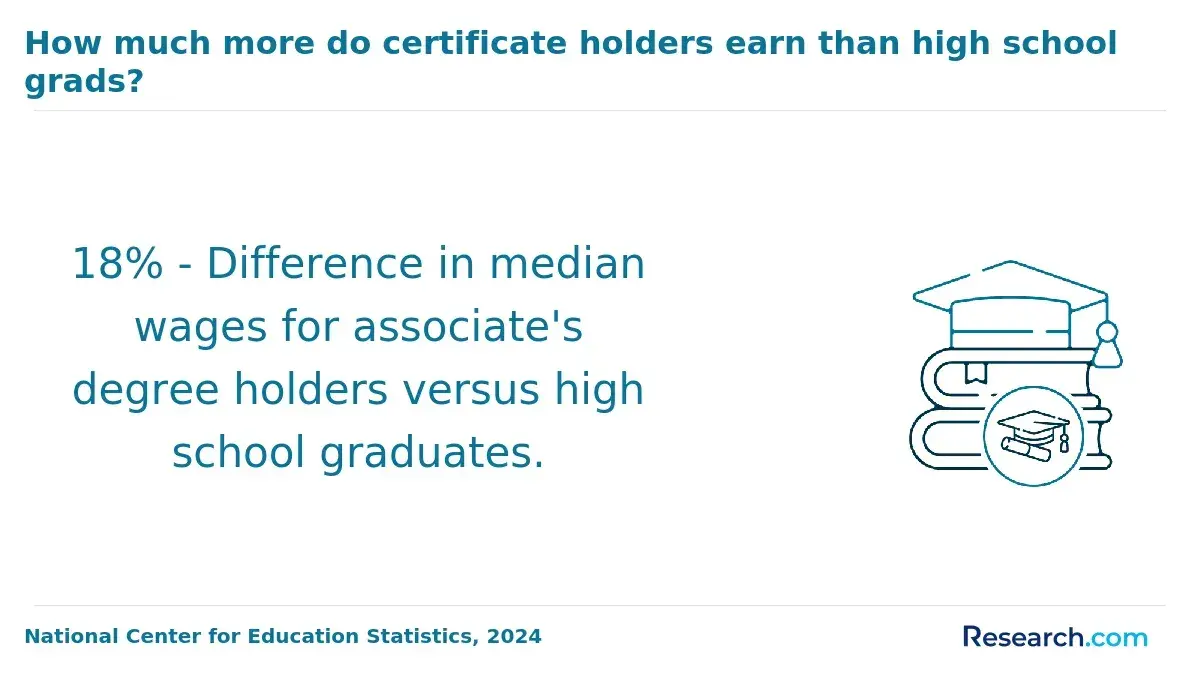
Accelerated patient safety & quality programs are structured to condense the traditional graduate degree timeline by increasing course load density and shortening term lengths. These programs reorganize curriculum delivery to allow students to complete required credits faster, often by compressing content into shorter, more intensive sessions. They typically use consecutive or overlapping terms to reduce breaks between semesters, enabling faster progression through core and elective courses. However, the degree to which this compression translates into actual time saved depends heavily on how programs manage prerequisite sequencing and required experiential components, which may not be abbreviated.
The effectiveness of accelerated formats in curtailing time to degree completion depends on several critical factors. Course intensity often rises, demanding students dedicate more hours weekly, which can challenge those balancing professional and personal commitments. Programs that maintain standard internship or capstone durations inherently limit time reductions regardless of course pacing. Transfer credits and prior learning recognition may shorten overall time, but institutional policies on credit acceptance vary widely. Additionally, some accelerated programs require full-time enrollment with heavier per-term credit loads, whereas others offer flexibility that can inadvertently extend completion time for part-time students.
Trade-offs in accelerated programs include sustained workload pressure and reduced scheduling flexibility, often compromising depth of learning or increasing burnout risk. While rapid progression appeals to students aiming to enter or advance in healthcare quality roles swiftly, the compressed pace can diminish opportunities for reflection and application of complex safety principles. Planning for realistic pacing and understanding program demands are essential to balancing speed with meaningful skill development and retention.
One graduate recalled waiting anxiously during the rolling admissions process for an accelerated patient safety & quality program, unsure if submitting late would delay enrollment beyond the desired start date. The compressed timeline left little margin for delay, and the decision to finalize prerequisites a semester early instead of last-minute was influenced by the tight sequencing of courses. This graduate later reflected that while acceleration promised faster completion, navigating admissions timing and preparation was equally pivotal to avoiding unplanned extensions.
Which Patient Safety & Quality Program Requirements Most Often Extend Graduation Timelines?
Graduation timelines in Patient Safety & Quality programs often extend beyond baseline credit requirements due to embedded curriculum components that prioritize practical competence and comprehensive understanding. These elements, while crucial for aligning academic preparation with workforce expectations, impose structural and scheduling constraints that slow student progression. Balancing intensive experiential demands with sequential coursework presents a common challenge, particularly for working adults and transfer students navigating diverse institutional policies. Recognizing these factors illuminates why completion times vary substantially despite similar program lengths.
- Clinical Practicum or Internship Requirements: These hands-on experiences are designed to establish applied skills crucial for patient safety roles but often require fixed site placements with limited availability. Students may need to schedule these hours around employer commitments or compete for scarce practicum spots, necessitating term-by-term credit distribution that elongates degree timelines.
- Capstone or Quality Improvement Projects: Comprehensive final projects demand extensive planning, data collection, and collaboration with health organizations, usually extending over several months. Workforce research shows that nearly 40% of students report these projects as primary reasons for graduation delays, reflecting the significant time investment beyond standard coursework.
- Sequential Course Prerequisites: Core curriculum sequences involving healthcare informatics, risk management, and regulatory compliance enforce strict ordering. Limited course offerings and prerequisite chains restrict flexibility, especially impacting transfer students or those managing part-time schedules who must space out required courses across terms to maintain progression standards.
- Elective Coursework for Competency Breadth: Many programs mandate electives in areas like statistics or organizational behavior, which supplement foundational skills but may introduce unforeseen course load increases. Students lacking prior exposure might reduce term credits to accommodate these classes, contributing to extended study duration.
- Institutional and Administrative Bottlenecks: Procedural delays such as late practicum site approvals, advisor availability, and transfer credit evaluations can interrupt planned progress. These operational factors vary by institution and often disproportionately affect students balancing employment, further slowing completion.
Does Taking Longer to Graduate Increase the Cost of a Patient Safety & Quality Degree?
Extended completion timelines in patient safety & quality degree programs often lead to higher total tuition and associated costs, especially when institutions charge by credit hour or per semester. Each additional term accumulates fees, and students who lose eligibility for certain financial aid after a set timeframe face increased out-of-pocket expenses. The financial consequences of delayed graduation in patient safety & quality programs also stem from repeated courses, fluctuating tuition rates, and accrued campus fees.
These factors interact with enrollment status changes, like shifting from full- to part-time, to further influence total costs. The National Center for Education Statistics (NCES) reports that students extending beyond a typical degree timeline can incur approximately 25% greater total expenses, reflecting the real-world impact of institutional pricing models combined with academic pacing decisions.
However, the cost impact of extended patient safety & quality degree completion is not universally linear. Programs using flat-rate tuition models or employing employer tuition assistance may mitigate financial penalties for longer study durations. Part-time enrollment pricing and flexible program policies that accommodate slower pacing without additional per-term charges can also reduce incremental costs. Still, students often indirectly increase expenses by extending enrollment, as opportunity costs arise from delayed workforce entry and lost income potential.
Considering job market realities, especially in health care quality sectors with competitive hiring tied to timely degree completion, students must weigh these financial tradeoffs carefully. For those balancing work and study, understanding the interplay between course load adjustments, institutional cost structures, and long-term earnings, such as the emerging dynamics impacting pharmaceutical sales salary trajectories, can guide more informed enrollment and completion decisions.
Does Graduating Faster Improve Career Prospects?
Graduating faster from a Patient Safety & Quality degree program can offer earlier entry into the workforce, potentially giving candidates a temporal advantage during initial job searches. However, employer evaluations seldom consider graduation speed in isolation. Hiring managers prioritize a combination of relevant experience, practical skills, and demonstrated competencies over merely finishing ahead of average timelines. Early completion may help those who already possess strong field exposure or who intend to quickly pivot to employment, but without substantive professional preparation, expedited graduation alone does not significantly enhance hiring competitiveness.
The career benefits of expedited degree completion in Patient Safety and Quality hinge largely on factors beyond speed. Depth of internship experience, quality of applied learning, and strength of professional portfolios often carry more weight in signaling candidate readiness. Robust networking through faculty and peer engagement, along with proven mastery of patient safety practices, are critical for aligning with evolving industry demands. Candidates who graduate faster but lack comprehensive experiential grounding or professional connections may find their prospects limited despite shorter study durations.
Balancing graduation speed with adequate practical experience remains crucial, as trade-offs between time and experiential depth impact long-term employability. Continuous professional development and real-world application often outweigh initial graduation timelines in shaping sustainable careers within healthcare quality roles. Prospective students should carefully consider how accelerated programs fit their individual circumstances and career goals rather than assuming faster completion guarantees superior outcomes. For those evaluating options, reviewing pathways such as the fast track ABA masters online can offer insights into how accelerated learning models function across similar applied healthcare fields.
Which Scheduling Mistakes Commonly Delay Graduation?
Graduation delays in patient safety & quality programs typically stem less from academic difficulty and more from avoidable scheduling and enrollment missteps. These challenges arise across degree levels and study formats, impacting transfer and first-time students alike. Understanding how enrollment timing, course sequencing, and institutional policies interact is crucial for maintaining steady academic progress and minimizing extended timelines.
- Misaligned Course Sequencing: Enrolling in prerequisites out of order disrupts progression and often results in failed or withdrawn classes. This issue is frequent in patient safety & quality programs where foundational courses unlock advanced topics, so missteps can stall multiple semesters.
- Underestimating Part-Time Load Impact: Students balancing work or family frequently opt for part-time study, but research from the National Center for Education Statistics in 2024 shows this can extend graduation by roughly 40%. This often leads to missed registration windows for critical courses, compounding delays.
- Ignoring Course Availability Cycles: Patient safety & quality curricula often include courses offered only annually or every other semester. Without strategic forward planning, students risk long wait periods before required classes become available, breaking continuous progression.
- Delayed Transfer Credit Approvals: Slow processing of prior credits can postpone enrollment in key courses dependent on transferred prerequisites. This bottleneck is common for transfer students navigating alignment between institutions and program requirements.
- Inadequate Academic Advising Engagement: Skipping or undervaluing timely advising leaves students unaware of curriculum changes or optimized course paths, increasing risk of missteps. Proactive advising can identify potential bottlenecks early for tailored scheduling.
- Overloading Without Realistic Time Management: Attempting excessive course loads often results in burnout or withdrawal, forcing repetition and lengthening time to degree. Patient safety & quality demands rigorous attention, making balanced planning essential.
Other Things You Should Know About Patient Safety & Quality
In 2027, employer expectations for patient safety and quality roles often demand up-to-date skills and competencies. This demand can push students to accelerate their studies. However, balancing rigorous academic requirements with work expectations can extend the completion time for many students.
Many patient safety & quality students juggle full-time jobs alongside their studies, which typically extends their completion times beyond the average. This added workload often forces prioritization of core courses over electives or practical projects that enrich learning but lengthen duration. Realistically, students should anticipate that maintaining employment can reduce immersion in complex material and delay mastery. Planning for longer timelines with integrated support services can improve outcomes, but students must evaluate if their current work commitments leave sufficient cognitive bandwidth for demanding coursework.
Programs offering flexible practicum scheduling enable working students to better align hands-on requirements with their personal and professional lives, often expediting degree completion without compromising learning quality. This flexibility reduces scheduling bottlenecks that commonly slow progression in patient safety & quality degrees, especially where clinical or project-based experiences are mandatory. Prioritizing such programs can mitigate common delays, but students should confirm practicum quality and employer recognition to ensure practical experience meets workforce expectations.
Transfer students face significant uncertainty because acceptance of prior credits in patient safety & quality programs varies widely and can unpredictably impact graduation time. Overestimating transferable credits may lead to unexpected additional course requirements, lengthening completion beyond initial estimates. It is advisable for transfer students to secure detailed, written credit evaluations early and consider programs known for transparent, standardized credit transfer policies. This diligence reduces timeline risk and supports more accurate educational planning aligned with career goals.