2027 Military Science & Studies Salary Trends Report: Are Wages Keeping Up With Tuition and Inflation?

Co-Founder and Chief Data Scientist
Imagine a prospective military science & studies student weighing the decision to invest in a degree amid rising tuition and persistent inflation. The candidate seeks to understand if the potential salary after graduation will realistically cover not only student debt but also future living costs. Tuition and inflation have surged unevenly, complicating straightforward comparisons of salary figures. This scenario highlights the growing need to examine whether wage growth keeps pace with educational expenses and the broader cost of living.
Salary growth, education costs, and inflation rarely advance at the same rate, which challenges assumptions about the immediate financial benefits of a degree. Focusing solely on starting salaries can obscure the long-term impact on purchasing power and financial stability. Consequently, it is crucial to analyze salary trends alongside tuition inflation and other economic factors to assess true return on investment. This article delves into salary trends, tuition costs, inflation, affordability, and the key drivers shaping the financial value of a military science & studies degree over time.
Key Things to Know About Military Science & Studies Salary Trends
- Military Science & Studies graduates face median starting salaries near $55,000 (2024 data), which lag behind the 7% annual rise in tuition and inflation, compressing early-career real income growth.
- Advanced certifications and leadership roles significantly boost long-term earnings, making early investment in specialized training a pivotal factor beyond initial degree costs.
- Federal and defense-related employment sectors offer wage stability against inflation, but private sector roles show higher volatility, emphasizing strategic career path choices for sustained income.
- Key Things to Know About Military Science & Studies Salary Trends Key Things to Know About Military Science & Studies Salary Trends
- What Is the Current Salary Outlook for Military Science & Studies Graduates? Salary Outlook
- Are Military Science & Studies Salaries Keeping Up With Inflation? Inflation Impact
- How Do Tuition Costs Compare With Military Science & Studies Salary Growth? Tuition vs Salary
- Does a Military Science & Studies Degree Deliver a Positive Return on Investment? Degree ROI
- Which Industries Offer the Highest Salaries for Military Science & Studies Graduates? Which Industries Offer the Highest Salaries for Military Science & Studies Graduates?
- Which States and Cities Offer the Highest Pay for Military Science & Studies Professionals? Which States and Cities Offer the Highest Pay for Military Science & Studies Professionals?
- How Do Military Science & Studies Salaries Grow Throughout a Career? Career Growth
- How Do Military Science & Studies Salaries Compare With Similar Degrees? Salary Comparison
- How Is Employer Demand Affecting Military Science & Studies Salary Trends? Employer Demand
- How Can Students Maximize Their Lifetime Earnings With a Military Science & Studies Degree? Maximizing Earnings
What Is the Current Salary Outlook for Military Science & Studies Graduates?
Military science graduate salary trends in 2024 reveal a varied landscape shaped by the chosen career path, branch of service, and specialization. Entry-level pay for positions directly related to military science & studies generally falls between $45,000 and $60,000 annually, with commissioned officers such as second lieutenants starting near $48,000 before benefits. However, two graduates with identical degrees can experience widely different salaries; for example, one might pursue an active military commission with structured rank-based pay, while another enters federal civilian defense roles where salaries often range from $55,000 to $85,000, influenced by skill sets and security clearances. This divergence underscores how military science & studies salary outcomes depend heavily on job sector and the specific demands of each role.
It is essential to interpret current earnings within the broader context of long-term career progression and the evolving job market rather than focusing narrowly on starting salaries. Experienced professionals in military research, strategic planning, or cybersecurity may surpass six figures as they acquire specialized expertise, benefiting from a steady demand driven by national security priorities. Yet, graduates must weigh these prospects against ongoing challenges such as inflation and rising tuition costs, which have outpaced modest inflation-adjusted wage growth in defense fields over recent years. Given these factors, prospective students should also consider comprehensive benefits through military service-including healthcare and retirement plans-that add significant value beyond base pay.
Understanding the nuances of this salary outlook is crucial when evaluating the return on investment of a Military Science & Studies degree. Career trajectories can vary widely, and salary potential is frequently tied to both experience and roles that offer clearance-dependent responsibilities. Those seeking alternatives within related federal or defense sectors might find pathways that align well with their financial goals and skills, especially compared to other fields. For a deeper comparison of education and career pathways within similarly competitive disciplines, resources covering nursing schools that are easy to get into can provide additional perspective on navigating post-secondary investments.
Are Military Science & Studies Salaries Keeping Up With Inflation?
Salaries in military science & studies-related fields have not kept up with inflation, as evidenced by the U.S. Bureau of Labor Statistics data showing a 3% median wage increase contrasted with a 6.5% rise in the Consumer Price Index. This gap means that despite nominal wage growth, the real earning power of graduates is actually shrinking. For example, a defense analyst earning $60,000 last year would need roughly $63,900 this year simply to maintain their purchasing power, but a 3% increase only brings the salary to $61,800-effectively a loss in income after adjusting for inflation.
Military science salaries versus inflation rates highlight a broader issue for those evaluating return on investment, especially given tuition costs have also surged by 4 to 5% annually over the last five years. These financial pressures force students and career changers to consider whether their long-term earnings can offset immediate educational debts and expenses. Those interested in exploring alternative but related degree paths might examine options like a masters of health administration, which may offer different economic tradeoffs in job markets less constrained by flat wage growth.
How Do Tuition Costs Compare With Military Science & Studies Salary Growth?
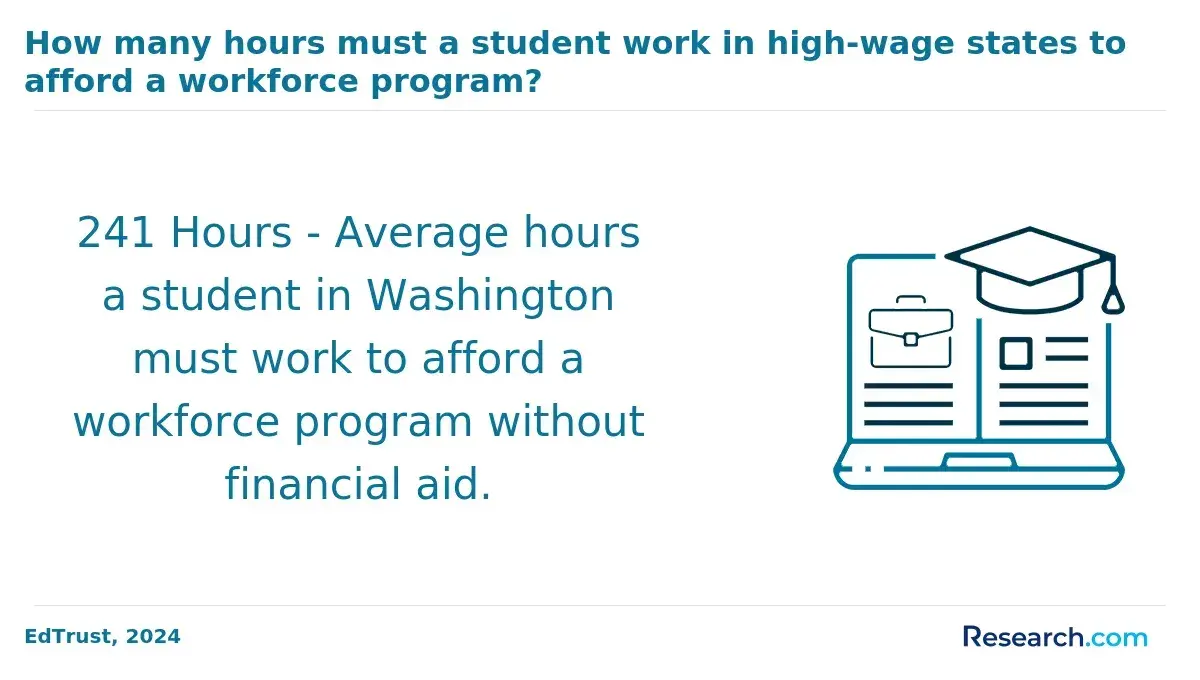
Comparing tuition costs with salary growth in military science & studies offers a more insightful financial perspective than assessing each metric independently. Tuition at public colleges now averages close to $12,000 annually, with private institutions exceeding $35,000, according to 2024 data from the National Center for Education Statistics. Early-career salaries for graduates hover around $48,000, rising to approximately $75,000 mid-career, per the Georgetown University Center on Education and the Workforce. This gap between escalating tuition and more gradual wage growth reveals the nuanced challenge students face: the return on investment depends heavily on how swiftly graduates can offset their education expenses amid inflation and living costs.
Consider two students pursuing a military science & studies degree-one attending a public university with lower tuition and the other at a costly private college. The first student's repayment timeline may be shorter due to lower initial debt, even with similar earnings, while the second faces prolonged financial pressure despite similar salary prospects. Factors such as scholarship availability, military education benefits, and career trajectory-particularly transitions into leadership roles-substantially influence this balance, making cost-benefit analysis deeply personal. This disparity underscores that tuition and salary figures must be weighed together to realistically forecast financial outcomes rather than viewed in isolation.
A recent graduate shared how rising tuition shaped their educational choices: initially hesitant to enroll due to growing costs, they opted for a state college with support from military tuition assistance programs. Despite starting salaries lower than peers in other STEM fields, access to affordable education eased their financial burden and allowed focus on career advancement. Reflecting on their path, the graduate noted, "The rising cost made me cautious, but strategically leveraging military benefits and seeking specialized roles helped me bridge the gap between what I paid and what I now earn." This experience highlights that thoughtful planning around tuition and salary growth can mitigate financial risk even when challenges persist.
Does a Military Science & Studies Degree Deliver a Positive Return on Investment?
Return on investment in higher education involves weighing the total cost of obtaining a degree-tuition, fees, and opportunity costs-against the comprehensive career benefits it provides over time. For military science & studies graduates, this means considering not only median starting salaries, which range from roughly $50,000 to $65,000 depending on location and job role, but also long-term career stability, steady wage growth, and access to unique benefits such as veterans' programs and federal employment opportunities. A realistic example might be a student attending a public university with military scholarships, paying comparatively lower tuition than typical private institutions, who after graduation secures a federal agency position with predictable raises aligned with inflation. In this scenario, the upfront financial investment is moderated by reduced costs and supplemented by durable earning potential and job security, illustrating a moderate positive return despite less aggressive starting pay than STEM fields.
Factors influencing the ROI for military science & studies include tuition inflation-which currently outpaces general inflation by about 5% annually-making initial costs more burdensome over time. However, government-subsidized programs and military scholarships can soften this impact, improving affordability and reducing debt burdens. Moreover, disciplines tied to military and public service contexts often provide leadership pipelines that enhance promotion prospects and earnings growth beyond entry-level wages. According to data from the U.S. Department of Education and the National Center for Education Statistics (2024), graduates see wage increases that closely follow inflation over two decades rather than rapid spikes, suggesting ROI is incremental and stable rather than immediate and steep. Ultimately, the return varies widely across geographic regions and individual career trajectories, underscoring the importance of evaluating one's own financial means and professional goals alongside external economic variables before committing to this degree path.
Which Industries Offer the Highest Salaries for Military Science & Studies Graduates?
Graduates with degrees in military science & studies encounter diverse salary trends heavily influenced by industry choice and sector demand. Those aiming to maximize income often find themselves balancing their passion for service with practical considerations around compensation. Federal reports from the U.S. Bureau of Labor Statistics highlight that the top industry salaries for military science & studies professionals concentrate primarily in sectors linked to national security and defense. These areas not only compensate well but also leverage the leadership, strategic planning, and analytical skills these graduates develop. For example, a military science graduate transitioning to an intelligence officer role within a federal agency might significantly increase earning potential compared to entry-level positions in academia or non-profits.
The following industries generally offer the highest salaries for military science & studies graduates:
- Federal Government Defense: This sector leads in compensation by valuing strategic leadership and operational expertise. Graduates often serve as military officers, defense analysts, or intelligence officers, with salaries frequently ranging from $90,000 to $120,000 annually. Specialized skills in national security and tactical planning are highly sought, making this the top-paying industry according to 2024 federal salary data.
- Aerospace And Defense Contracting: Companies like Lockheed Martin and Raytheon Technologies recruit military science & studies graduates for roles such as military affairs specialists and program managers. These positions come with competitive salaries between $85,000 and $115,000, alongside benefits like signing bonuses and hands-on training, reinforcing sustained career growth.
- Strategic Consulting Firms: Defense and security consultancies, including Booz Allen Hamilton and Deloitte, value expertise in risk assessment and cybersecurity. Median salaries typically fall between $80,000 and $110,000. Strong analytical abilities and operational insight contribute to higher demand and compensation in this sector.
- Cybersecurity And Intelligence Services: Graduates with technical proficiencies often secure roles focused on cyber defense and intelligence analysis. Given rising cybersecurity threats, these roles command increasing pay scales, reflecting the critical security expertise required.
- Law Enforcement And Homeland Security: While offering generally lower pay than defense contractors, these fields provide stable employment with salaries that reward experience and leadership in public safety, often appealing as a service-driven career path.
- Academic And Research Institutions: Positions here are less lucrative but may suit graduates focused on teaching military science or conducting defense-related research. Salary ranges are modest, highlighting the tradeoff between personal fulfillment and financial gain.
- Non-Profit Organizations: Roles in veteran advocacy or security policy advocacy generally offer lower salaries but provide meaningful work aligned with graduates' values, underscoring choices between passion and pay.
Ultimately, military science & studies graduates should weigh these industry options carefully, blending salary potential with personal interests and long-term career goals. Those interested in programmatic leadership or government service might also explore further credentials, including the fastest online master's in healthcare management, which can broaden pathways into defense-related healthcare administration, expanding their career scope.
Which States and Cities Offer the Highest Pay for Military Science & Studies Professionals?
Military science & studies professionals face notable wage differences across the United States, driven largely by local industry concentration and institutional presence. Latest data from the U.S. Bureau of Labor Statistics and National Center for Education Statistics points to states and cities where compensation is especially strong due to demand from military bases, defense contractors, and federal agencies. These locations also pose tradeoffs, as higher salaries often coincide with increased living costs and education expenses. Evaluating these factors in tandem is crucial for students or career changers deciding where to pursue education or employment. Below are key regions offering the highest pay for military science & studies roles.
- Washington, D.C.: Salaries here top $95,000 annually on average, reflecting the city's status as a hub for government defense agencies and policy research institutions. High wages come with steep living costs, but the concentration of federal jobs provides stability and career advancement prospects difficult to find elsewhere.
- California: States like California, particularly around San Diego, offer strong compensation due to extensive naval operations and defense industry headquarters. While the pay scales are elevated, prospective professionals must weigh this against California's very high housing and tuition costs.
- Virginia: Northern Virginia hosts numerous defense contractors and Pentagon affiliates, pushing salaries above national averages. The region blends opportunity with high cost of living, necessitating a cost-benefit analysis for those considering relocation.
- Maryland: Proximity to federal military installations and research centers in Maryland supports top-tier wages. Students and graduates benefit from connections to federal agencies but face challenges of expensive housing markets.
- Norfolk, Virginia: As a key naval stronghold, Norfolk offers competitive pay particularly in tactical and strategic military roles. Moderately lower living costs compared to its northern neighbor make it an attractive alternative for some professionals.
How Do Military Science & Studies Salaries Grow Throughout a Career?
Earnings for military science & studies graduates typically start at modest levels, with entry roles like junior officers or military analysts offering salaries between $50,000 and $65,000 annually, based on 2024 data from the U.S. Bureau of Labor Statistics and Defense Manpower Data Center. As professionals gain experience and secure promotions, compensation often rises to a mid-career range of approximately $75,000 to $95,000, reflecting increased responsibility and specialized expertise in leadership or defense technology. However, trajectory diverges substantially depending on individual choices such as pursuing advanced degrees, certifications, or transitioning into private defense contracting, where pay can reach $110,000 to $140,000 or more in senior roles, albeit sometimes without traditional military benefits.
Consider two graduates with identical military science & studies degrees: one remains within government service advancing through ranks and strategic positions, while the other pivots to a civilian defense contractor role emphasizing technical specialization. Despite similar starting points, their salary paths will differ, shaped by factors like institutional affiliation, certifications, and career mobility. Long-term wage growth hinges not only on tenure but on earning advanced qualifications and aligning with sectors offering premium remuneration. This nuanced progression underlines that salary increases are neither linear nor uniform and vary significantly with individual development decisions and sector dynamics.
One military science & studies graduate recalls facing a critical mid-career choice between continuing in an established military role or shifting to a private defense firm. Initially hesitant due to concerns about losing military benefits, they ultimately pursued contractor work after earning specialized security certifications. This decision brought a noticeable salary jump but came with new pressures to maintain marketable skills independently. Reflecting on this, they recognize that while financial gains can be substantial, the tradeoffs related to job security and personal adaptation underscore the complex realities behind typical salary growth trajectories in this field.
How Do Military Science & Studies Salaries Compare With Similar Degrees?
Military science & studies graduates generally earn median salaries that are competitive but often somewhat lower than those with degrees in closely allied fields. This reflects the typical career paths available-many military science & studies alumni enter uniformed service or federal government roles that provide substantial benefits beyond base salary. For prospective students weighing the rising tuition and inflation costs, it is essential to consider these non-salary advantages along with steady wage growth tied to rank and experience. Below is a comparison highlighting how military science & studies salaries stack up against related degrees, based on authoritative data from the U.S. Bureau of Labor Statistics and the National Center for Education Statistics.
- Political Science: Graduates usually report median starting salaries between $60,000 and $75,000, higher than military science & studies' $55,000 to $65,000 range. These roles often involve government analysis, consulting, or diplomacy, where civilian market demand supports greater initial pay.
- International Relations: This field shares similar salary bands with political science and offers career options in diplomacy and global policy arenas. Broader private sector opportunities contribute to stronger early compensation compared to military science & studies programs focused mainly on defense sectors.
- Criminal Justice: Salary outcomes here can overlap with military science & studies, especially in federal law enforcement. However, criminal justice roles sometimes benefit from diverse local and state opportunities that support higher median wages in some regions.
- Public Administration: With wider civilian applicability, this degree often leads to government and nonprofit leadership jobs, where median wages tend to outpace those in military science & studies. The difference is partly due to the expanded job market outside military-related positions.
Prospective students should also evaluate intrinsic benefits of military science & studies, such as leadership skills and veteran benefits, alongside salary comparisons. Those concerned about balancing costs and future earnings might explore relevant alternative or complementary paths, such as the shortest RN to BSN program, which can offer different career and financial trajectories.
How Is Employer Demand Affecting Military Science & Studies Salary Trends?
Employer demand significantly shapes military science & studies salary trends by influencing competition for qualified candidates and hiring strategies. For example, in a scenario where government defense budgets increase sharply due to heightened geopolitical tensions, agencies seek professionals with advanced expertise in defense analysis and security policy. This creates a bidding environment that can accelerate wage growth for personnel with specialized skills. However, data from the U.S. Bureau of Labor Statistics (2024) shows that while overall demand remains steady, the modest growth in openings correlates to only incremental salary increases, meaning that wage growth often lags behind inflation and rising tuition costs.
Factors such as specialization, experience, and economic conditions also shape employer demand, causing wage variation across military studies salary trends and job market sectors. Private sector roles in defense consulting and strategic advisory services tend to offer more robust salary growth than traditional governmental positions, reflecting growing contracts and reliance on civilian expertise. Graduates must therefore consider how steady employer demand impacts their earning potential relative to the cost of education, especially when sectors fluctuate due to geopolitical priorities. Those evaluating programs might also explore related fields with different market dynamics, such as exploring the easiest speech pathology programs to get into, to balance educational investment against potential salary returns.
How Can Students Maximize Their Lifetime Earnings With a Military Science & Studies Degree?
Maximizing lifetime earnings with a military science & studies degree requires strategic choices beyond completing coursework. Data from the U.S. Bureau of Labor Statistics and the Department of Defense in 2024 highlights that targeted specialization, continuing education, and practical experience significantly influence earning trajectories. Students who integrate technical skills or advanced certifications into their military science foundation often achieve notably higher salaries. Consider a graduate who pairs a military science degree with cybersecurity skills; this combination can boost salaries by up to 30% compared to generalist roles. Below are key strategies to enhance long-term financial outcomes.
- Specialized Skill Development: Focus on high-demand sectors such as cybersecurity, defense contracting, or strategic logistics to increase market value. Developing niche expertise aligns with industry needs and commands premium wages.
- Advanced Education: Pursue graduate degrees or professional certifications in areas like homeland security or defense management. Such credentials typically yield 20-25% higher earnings and open pathways to leadership roles.
- Hands-On Experience: Engage in internships or military-civilian collaborations early. Practical experience fosters professional networks and facilitates faster promotion to high-paying positions.
- Networking and Fellowships: Participate in government fellowships or industry groups to access exclusive job markets and consulting opportunities, which often pay more.
- Geographic Targeting: Seek employment in metropolitan regions with strong defense sectors or federal agencies. Location strongly correlates with salary growth when combined with upskilling.
References
- The Effects of Military Spending on Economic Growth - War Prevention Initiative https://warpreventioninitiative.org/peace-science-digest/effects-military-spending-economic-growth/
- 10 Best Jobs After the Military | Polar Semiconductor https://polarsemi.com/blog/best-jobs-after-the-military/
- Find out which university degrees could earn you most across your lifetime https://www.bbc.com/news/articles/c892dv0qy2jo
- Five ways increased militarization could change scientific careers https://www.nature.com/articles/d41586-025-04168-0
- Military Science Instructor Salary (May 2026) | ACTE http://careers.acteonline.org/salary/military-science-instructor
- Is College Worth it? | Return on Investment Analysis of College Degree https://educationdata.org/college-degree-roi
- Science, Medicine & Digital Technology https://www.todaysmilitary.com/careers-benefits/career-groups/science-medicine-digital-technology
- Does College Pay Off? A Comprehensive Return On Investment Analysis - FREOPP https://freopp.org/whitepapers/does-college-pay-off-a-comprehensive-return-on-investment-analysis/
- College ROI | Understanding Return on Investment for College Degrees https://www.collegeflightpath.com/cfp-blog/understanding-the-roi-of-college-majors-financial-considerations
- Military Science https://www.princetonreview.com/college-majors/177/military-science
Other Things You Should Know About Military Science & Studies
Salary growth in military science & studies can differ markedly depending on the specialization, such as logistics, intelligence, or leadership training. Prospective students should prioritize tracks that align with sectors demonstrating steadier wage increases and clearer promotion pathways, especially since some specializations may plateau early. Choosing a field with less predictable salary progression risks undermining long-term earnings despite initial interest or aptitude.
While advanced certifications can enhance credentials, they often delay entry into the workforce, potentially limiting early income accumulation. For military science & studies graduates, the decision hinges on whether the certification substantially improves employer valuation or promotion prospects. Those facing rising tuition and inflation pressures might prioritize gaining practical experience sooner to offset prolonged financial burdens over incremental salary gains.
Employer demands in military science & studies frequently include extended hours, high stress, and rapid adaptability, which are not always matched by proportional salary increases. This imbalance can cause dissatisfaction, particularly when wages fail to compensate for the intensity of work or the physical and mental demands involved. Candidates should consider workload intensity relative to pay, prioritizing roles or sectors offering stronger compensation alignment with these expectations.
If projected salary growth within military science & studies consistently fails to outpace tuition inflation and living costs, individuals should evaluate adjacent or complementary fields with better economic returns. This is particularly crucial for those who must finance their education without military benefits or scholarships. Early career changers may gain more by strategically redirecting toward disciplines with higher initial payoffs rather than persisting in a field with constrained wage potential.