2027 Military Science & Studies ROI by Institution Type: Public vs Private vs Nonprofit Online Programs

Co-Founder and Chief Data Scientist
A prospective student compares three online military science & studies programs, all promising similar outcomes but differing drastically in tuition and graduation rates. One public institution offers lower upfront costs but shows a six-year graduation rate 15% below the private nonprofit alternative. Meanwhile, the nonprofit's higher tuition correlates with significantly reduced average student debt, reflecting a 2024 study indicating nonprofits often provide stronger post-graduation support networks. This pattern reveals that upfront price alone masks complexities in debt burden and career alignment. Understanding these nuanced differences is crucial for students balancing cost, completion likelihood, and long-term career ROI.
This article dissects these factors to help readers critically compare public, private, and nonprofit online military science & studies programs for more informed investment decisions.
Key Things to Know About Military Science & Studies ROI by Institution Type
- Public programs generally offer lower total costs but often have higher graduation times, increasing indirect expenses; this tradeoff shifts ROI calculations for students balancing affordability with timely workforce entry.
- Private institutions may carry higher debt exposure, yet their specialized military-affiliated career services improve employment placement-a crucial factor as employers value targeted networking in defense sectors.
- Nonprofit online programs emphasize flexible pacing and strong learner support, enabling working adults to progress without interrupting careers, though slower completion can delay long-term ROI realization.
- Key Things to Know About Military Science & Studies ROI by Institution Type Key Things to Know About Military Science & Studies ROI by Institution Type
- What Does ROI Mean for a Military Science & Studies Program and How Is It Measured? Understanding Military Science & Studies Program ROI
- How Do Public, Private, and Nonprofit Online Military Science & Studies Programs Differ in Overall Value? Value by Institution Type
- How Do Tuition Costs Affect the ROI of a Military Science & Studies Program Across Institution Types? Tuition Costs and ROI
- How Do Graduation Rates Influence Military Science & Studies Program ROI? Graduation Rates Impact ROI
- What Role Do Career Outcomes Play in the ROI of a Military Science & Studies Degree? Career Outcomes and ROI
- How Does Student Debt Impact the Long-Term ROI of a Military Science & Studies Program? Debt vs. Long-Term ROI
- How Do Flexibility and Adult Learner Support Affect Military Science & Studies Program Value? Flexibility and Program Value
- How Do Accreditation and Institutional Reputation Influence Military Science & Studies ROI? How Do Accreditation and Institutional Reputation Influence Military Science & Studies ROI?
- How Does Time-to-Degree Affect the ROI of Public, Private, and Nonprofit Military Science & Studies Programs? How Does Time-to-Degree Affect the ROI of Public, Private, and Nonprofit Military Science & Studies Programs?
- How Can You Choose the Best Military Science & Studies Program Based on Your ROI Goals? Choosing Programs by ROI
What Does ROI Mean for a Military Science & Studies Program and How Is It Measured?
Evaluating return on investment (ROI) for a military science & studies program requires a nuanced approach that goes beyond upfront costs or starting salaries. Prospective students should weigh total educational expenses-including tuition, fees, and ancillary costs-against completion rates and time-to-degree, as these factors directly affect the financial and opportunity costs of their education.
For instance, public institutions typically show higher four-year completion rates, near 62% according to the National Center for Education Statistics, which can shorten the period of tuition payments and expedite workforce reentry. However, a lower sticker price at a public school does not always translate to the best ROI if program quality, institutional reputation, or specialized training offered by private or nonprofit schools better align with long-term career ambitions.
Measuring ROI also involves recognizing different student priorities and financial realities. Military-affiliated learners may value leadership skills or strategic thinking advances over immediate salary gains, meaning they might prioritize programs with strong support services or flexible online options that facilitate balancing education with current duties. Nonprofit online programs often provide enhanced advising and career services that contribute to better outcomes and reduced time-to-degree, which are critical when considering debt burden and opportunity costs.
When comparing military science & studies program return on investment, it is essential to consider the full cost profile, graduation likelihood, learner support, and career pathway alignment, rather than simply opting for the lowest tuition option. Students should also investigate how institutional features, such as curriculum specialization or networking opportunities, affect long-term employability, a factor seen commonly in private nonprofit offerings. This comprehensive view enables informed decisions much like how individuals in healthcare administration evaluate healthcare administration degree cost-not just by price but by balancing cost, quality, and career impact.
How Do Public, Private, and Nonprofit Online Military Science & Studies Programs Differ in Overall Value?
The value proposition of public, private, and nonprofit online Military Science & Studies programs hinges on distinct tradeoffs in cost, outcomes, and career implications rather than a universal hierarchy of quality. Public institutions typically offer lower tuition and demonstrate higher six-year graduation rates-about 55% compared to 44% for private schools-making them a financially pragmatic choice for many aspiring veterans or active-duty personnel prioritizing degree completion and institutional credibility.
Meanwhile, private programs often appeal through smaller class sizes and personalized support services, which may improve student satisfaction but frequently come with higher tuition and approximately 25% greater average student loan debt, impacting long-term financial stability, especially for those transitioning to civilian careers. Nonprofit options emphasize flexible scheduling and tailored career counseling, with graduates reporting 12% higher job placement rates within six months relative to other sectors, indicating a potentially stronger linkage between education and employment outcomes for students balancing work and family commitments.
Accreditation and reputation also shape how these programs are valued in the labor market. Public universities' regional accreditation tends to command broader recognition from employers and defense organizations, thereby facilitating credit transfer and enhancing graduate employability. Private military-focused accreditations can offer niche benefits but sometimes limit external degree recognition, which may constrain future academic or professional mobility.
For students weighing these factors, the decision often turns on personal financial circumstances, career intentions, and the tradeoff between support services and cost. Those averse to significant debt might prioritize public offerings, while learners seeking mentorship or career resources might tolerate higher costs within nonprofit or private settings, assuming the premium aligns with their professional objectives.
One student who evaluated different online Military Science & Studies programs debated paying more upfront for a private institution's reputed personalized mentorship against the lower-cost, regionally accredited public option that promised better graduation odds. Concerned about inheriting heavy debt and uncertain if the private program's specialized accreditation would be valued by civilian employers, the student ultimately chose a nonprofit program with flexible scheduling and strong veteran career support, appreciating its higher job placement statistics as a decisive factor in aligning educational investment with realistic employment outcomes.
How Do Tuition Costs Affect the ROI of a Military Science & Studies Program Across Institution Types?
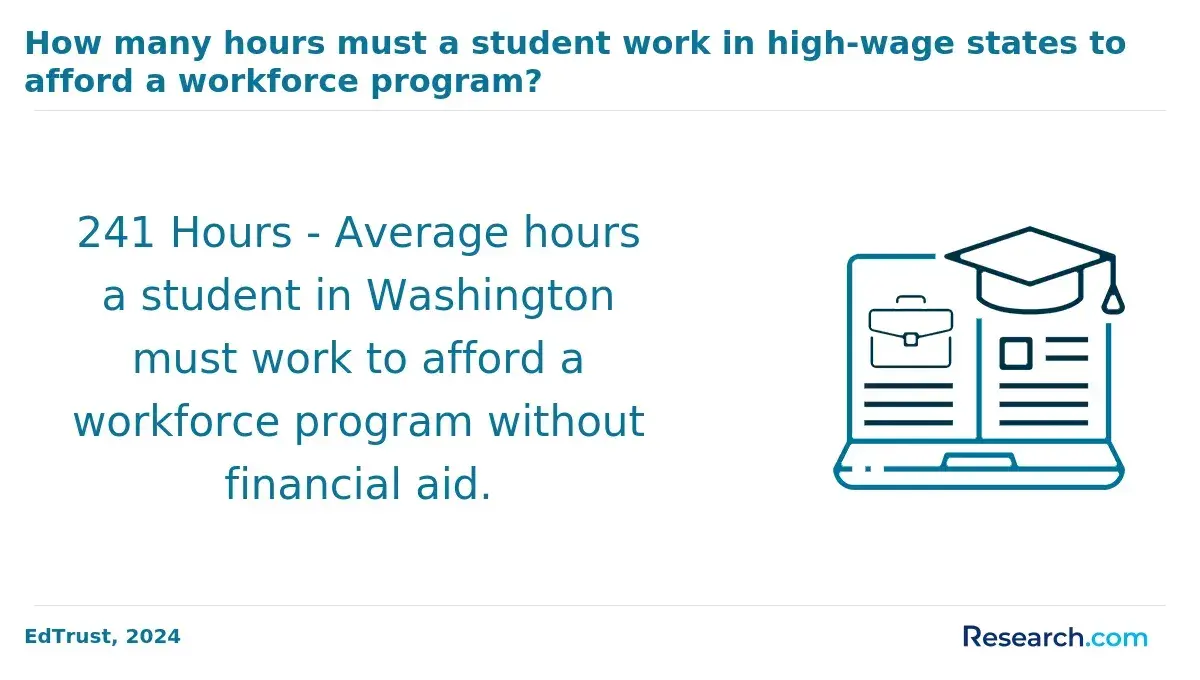
Tuition cost differences across public, private, and nonprofit online military science & studies programs significantly shape the return on investment but require nuanced analysis beyond sticker prices. Public institutions generally offer lower tuition-often between $7,000 and $15,000 annually for in-state students-resulting in reduced debt burdens that improve net financial outcomes over time. However, this affordability alone doesn't guarantee optimal ROI; private programs may charge over $30,000 yearly but occasionally justify their higher price through enhanced career services or stronger professional networks, though these benefits are not uniform and sometimes fail to offset greater debt levels or lower graduation rates.
Recent data from the National Center for Education Statistics in 2024 highlights that net costs after aid tend to remain substantially lower for public programs compared to private ones, making debt management a critical factor for many adult learners and career changers. Nonprofit programs often strike a balance, offering moderate tuition alongside higher completion rates and adequate learner support. For example, a working professional choosing a nonprofit program with a completion rate above 70% might achieve better long-term financial stability than opting for a higher-priced private school where extended debt repayment can erode early-career earnings and delay financial independence.
Ultimately, lower tuition does not always equal stronger ROI if it comes with limited flexibility or support, and higher-cost programs are worthwhile primarily when they deliver measurable advantages in job placement or skill relevance aligned with military or defense sector employment. Cost-conscious students should weigh graduation rates, financial aid accessibility, and post-graduation earning potential carefully to determine if premium tuition translates into practical value that justifies the investment or if a public or nonprofit route offers superior, risk-adjusted returns over their educational and career timeline.
How Do Graduation Rates Influence Military Science & Studies Program ROI?
Graduation rates significantly shape the return on investment for military science & studies programs by impacting time-to-degree and overall educational costs. Public online institutions, according to a 2024 report by the National Student Clearinghouse Research Center, tend to have graduation rates 10-15% higher than private for-profit schools, which often translates into faster credential completion and lower debt accumulation.
For working adults balancing professional obligations, the choice between these institution types involves weighing stronger academic supports and flexibility against differences in cost and persistence challenges. Variations in completion rates reflect not only institutional quality but also differences in advising, career services, and accommodations for military-affiliated students, which are critical for managing long-term financial and career outcomes.
Yet, graduation rates alone cannot fully capture ROI, especially in military science & studies programs where many learners enroll part-time or take extended breaks, resulting in delayed completion that traditional metrics overlook. A private nonprofit program might show slightly lower graduation rates but still deliver meaningful career advancement through tailored support and integration with relevant employer networks.
Decisions about program affordability and institutional fit should therefore factor in how well a program addresses debt burden, academic persistence, and job market relevance rather than relying solely on completion statistics. Cost-conscious students seeking practical educational pathways may also consider options like the cheapest online nutrition degree programs, which exemplify the tradeoffs between cost, support, and timely degree completion common in comparable military science & studies offerings.
What Role Do Career Outcomes Play in the ROI of a Military Science & Studies Degree?
The return on investment for military science & studies degrees heavily depends on measurable career outcomes, particularly employment rates, job placement speed, and alignment with military and civilian employer expectations. For example, according to a 2024 U.S. Department of Education report, programs with strong ties to defense and security sectors see employment rates within six months post-graduation that are 15% higher than those without such engagement.
Public institutions often offer advantages through established federal networks and veteran alumni connections, which can lead to more stable placements in government roles, whereas private programs may provide specialized leadership curricula appealing to corporate employers but often come with higher tuition and debt risks. Nonprofit online schools may prioritize mission-driven education focused on public service, which can affect immediate earnings but support sustainable career trajectories in government or nonprofit sectors over time.
These career outcomes must be weighed against tuition costs, time-to-degree, and credential recognition to understand true ROI. Students with military backgrounds often benefit from regionally varying veteran hiring initiatives, which impact job prospects differently than civilian students who rely more on institutional reputation and employer perception. Decisions should factor in how effectively each program prepares graduates for both military and civilian leadership roles and facilitates access to industry-valued certifications, since these elements directly influence salary growth, job mobility, and professional advancement beyond initial placement. Focusing solely on upfront costs or average salaries obscures these nuanced tradeoffs that shape long-term educational value.
One graduate of an online military science & studies program shared that initially, the degree's ROI felt uncertain because promotion opportunities within their defense-related role were limited and hard to quantify financially. However, over time, internal recognition of the credential led to expanded responsibilities and a shift into a management track not previously accessible, highlighting how career outcomes can materialize gradually. The graduate noted frustration with measuring value purely through salary increases and instead emphasized the degree's role in enabling professional credibility and broader career options, which ultimately justified the investment despite modest short-term earnings gains.
How Does Student Debt Impact the Long-Term ROI of a Military Science & Studies Program?
Student debt levels critically shape the long-term financial outcomes of military science & studies programs, with distinct implications based on institution type and borrowing strategies. Graduates from private institutions often carry 15-20% more debt than those attending public schools, which can extend repayment horizons and reduce financial flexibility despite comparable salary prospects in many defense-related careers. For example, a mid-career professional facing higher loan balances may defer investing in retirement or other priorities due to prolonged monthly debt payments, underscoring how debt burden directly influences real-world financial decisions and career mobility.
Evaluating the long-term ROI of military science & studies programs requires balancing total borrowing with program quality and completion rates. Nonprofit online programs may feature higher tuition and lower graduation rates, increasing the risk that students accumulate debt without degree completion, thereby amplifying financial strain and default likelihood. These challenges highlight why students must assess debt against realistic career advancement opportunities and employer recognition rather than tuition alone. Strategies such as income-driven repayment and employer tuition assistance can mitigate risks, but only when integrated with a clear understanding of educational value and borrowing consequences.
Cost-conscious learners comparing military science & studies options should also consider alternative pathways, including the growing landscape of online associate nursing programs, which may offer divergent debt and employability tradeoffs. The interplay of student debt impact on military science & studies ROI depends heavily on how debt influences long-term financial stability within a field that often offers steady government employment but limited immediate salary growth. Ultimately, nuanced debt management tied to program outcomes and workforce realities is essential for informed decision-making in this sector.
How Do Flexibility and Adult Learner Support Affect Military Science & Studies Program Value?
Programs offering flexible scheduling and targeted support significantly affect the return on investment for military science & studies students, especially those juggling military duties, careers, and family. For instance, asynchronous courses and part-time enrollment options enable degree progress without sacrificing work commitments, a crucial factor given that adult learners in flexible programs show a 15% higher persistence rate according to the National Center for Education Statistics.
However, public institutions, often with more affordable tuition and transfer-friendly policies, may lack the personalized academic advising and career services that private and nonprofit schools emphasize, potentially lengthening time-to-degree or reducing career-readiness support.
Private and nonprofit providers invest more heavily in military-focused student resources and employer-aligned career counseling, which can boost on-time graduation and employment outcomes but often come at a higher financial cost. This tradeoff reflects a complex decision: opting for lower-cost programs with broader access versus investing in comprehensive support structures that may accelerate completion and improve post-graduate job prospects but increase debt.
Prospective students must evaluate how faculty responsiveness, credit transferability, and retention initiatives accommodate their specific life circumstances and long-term objectives, weighing opportunity costs alongside tuition. Because these factors directly impact persistence, total costs, and workforce integration, understanding the nuanced support and scheduling arrangements across institution types is critical when assessing military science & studies program value.
How Do Accreditation and Institutional Reputation Influence Military Science & Studies ROI?
Accreditation and institutional reputation directly shape the practical return on investment of military science & studies programs, especially for working adults balancing cost, career goals, and transfer opportunities. Regional accreditation remains critical because it ensures broader credit transferability and eligibility for advanced degrees, which can significantly affect long-term career flexibility and earnings.
For example, a student transferring from a nationally accredited school with limited employer recognition may face challenges securing roles in government or defense sectors compared to graduates from regionally accredited public or nonprofit institutions. Data from the 2024 National Center for Education Statistics highlight that these accredited institutions consistently report 15-20% higher graduation and employment rates, underscoring the tangible impact of accreditation on outcomes rather than reputation alone.
Employer preference heavily weighs on demonstrated program quality and accreditation rather than mere prestige, with a 2024 survey by the National Association of Colleges and Employers indicating that 78% of hiring managers favor candidates from recognized accredited programs. Yet, reputation's influence varies: private institutions may offer name recognition but often come with higher tuition and debt burdens, which can diminish ROI unless offset by significantly improved placement or salary gains.
Conversely, many public and nonprofit online programs provide competitive preparation with flexible scheduling and lower costs, making them appealing for adult learners focused more on debt mitigation and practical skill application than brand cachet. This dynamic illustrates how accreditation status, cost, and employer alignment collectively govern the realistic value of a military science & studies degree in career progression and financial sustainability.
How Does Time-to-Degree Affect the ROI of Public, Private, and Nonprofit Military Science & Studies Programs?
Time-to-degree exerts a decisive influence on the return on investment for military science & studies programs by directly affecting tuition costs, opportunity costs, and career progression. Public institutions average 5.2 years to completion, often due to part-time enrollment and high transfer credit volumes, which can extend financial burdens and delay workforce entry. In contrast, private nonprofits typically offer accelerated pathways with average completion times around 4.1 years, improving graduation rates but sometimes imposing more rigid pacing that may not suit working adults balancing job and family demands. Understanding these variations is critical for students who must weigh faster program completion against the risk of burnout or financial strain, particularly when evaluating how degree completion timeline and roi in online military science & studies programs intersect with their personal constraints.
Transfer credits further complicate this dynamic by potentially shortening time-to-degree at public schools, which serve larger populations of transfer students, thereby reducing total cost and time investment. However, part-time enrollment-common among working professionals-often prolongs study duration, maintaining income stability but diminishing the speed at which career benefits accrue.
Nonprofit institutions frequently provide flexible pacing options that help students manage these challenges, although extended timelines can dilute projected ROI. Prospective students should consider how completion timelines influence persistence and job market readiness, especially since higher graduation rates, as seen at private nonprofits, can lead to quicker employment returns. For those exploring career shifts, understanding these tradeoffs alongside opportunities for accelerated credentialing, such as the nurse practitioner course model, can inform more precise decisions.
Ultimately, cost-conscious adult learners and transfer students need to align program pacing with their financial realities, work commitments, and long-term goals to maximize the practical value of their education. The balance between affordability, flexibility, and timely completion becomes especially salient when time to degree impact on military science & studies roi shapes how quickly educational investments translate into stable careers and reduced debt burdens.
How Can You Choose the Best Military Science & Studies Program Based on Your ROI Goals?
Determining the highest return on investment (ROI) from military science & studies programs hinges more on individual priorities than institution type alone. Public schools often provide lower tuition and more substantial state aid, which can reduce student debt but may come with larger class sizes and less personalized support. Conversely, private and nonprofit online programs frequently offer smaller classes, flexible payment options, and robust learner services that can accelerate degree completion, factors that are critical when balancing education with family or military responsibilities. Students targeting quicker graduation and career readiness should weigh these delivery and support differences carefully.
Graduation rates and employer recognition tied to accreditations like the Center of Academic Excellence also strongly impact long-term career outcomes. According to a 2024 Georgetown University study, programs with active employer networks tend to boost post-graduate employment regardless of institution control. Personal circumstances-such as current employment, transfer credits, and time-to-degree expectations-shape how students should value these outcomes alongside costs. For cost-conscious learners, evaluating financial packages alongside program flexibility is essential, especially when comparing military science & studies programs with the growing availability of models like online ADN programs for non nurses, which similarly emphasize practical workforce alignment.
The best online military science and studies programs for career advancement accommodate diverse needs by balancing affordability, educational quality, and credential relevance. Tradeoffs between public affordability and private or nonprofit support services mean students must prioritize whether lower debt or tailored guidance better serves their future goals. This nuanced approach ensures that ROI reflects practical realities and individual career pathways, not just institutional reputation or sticker price.
References
- ROI Methodology – ROI Institute https://roiinstitute.net/roi-methodology/
- Why stay? Factors That Encourage Active-Duty Military and Veterans to Complete Their Online degrees - OJDLA https://ojdla.com/articles/why-stay-factors-that-encourage-active-duty-military-and-veterans-to-complete-their-online-degrees
- How Student Loan Debt Impacts Your College ROI https://www.lendkey.com/blog/student-loans/how-student-loan-debt-impacts-your-college-roi/
- How Does Student Debt Affect the Economy? https://www.pgpf.org/article/how-does-student-debt-affect-the-economy/
- Articles | Journal of Veterans Studies https://journal-veterans-studies.org/articles/570
- College is still worth it, even with student debt, but we can do better | Brookings https://www.brookings.edu/articles/college-is-still-worth-it-even-with-student-debt-but-we-can-do-better/
- Supporting Adult Students by Providing Flexibility and Resources - The EvoLLLution https://evolllution.com/attracting-students/accessibility/supporting-adult-students-by-providing-flexibility-and-resources
- ARMY HIGHER EDUCATION PATHWAY - The Skills and Business Hub https://skillsandbusinesshub.org/job/degree-while-serving-army-higher-education-pathway/
- 2025 Best Military-Friendly Online Colleges https://www.onlineu.com/online-schools/military-friendly
- The Long-Term Effects of Student Loans | ACE Blog https://ace.edu/blog/the-long-term-effects-of-student-loans/
Other Things You Should Know About Military Science & Studies
Employer recognition often varies based on institutional type, with public online programs generally viewed as more consistent in curriculum alignment to federal and defense-related standards. Private institutions may offer specialized or niche subfields but can lack standardized rigor, which some employers find less predictable. For career-oriented candidates prioritizing direct military or government employment, public institution credentials tend to carry stronger practical weight, influencing hiring and promotion decisions more reliably.
Public programs often emphasize structured pacing aligned with traditional academic calendars and typically balance theory with applied military leadership training, which may require more synchronous components. Private programs can offer a more flexible or accelerated pace but sometimes at the expense of depth or immersive experiential elements. Nonprofit online options frequently blend these approaches but may impose intensive capstone or practicum requirements that demand substantial time investment, influencing student workload and completion stress.
Nonprofit programs can offer a valuable middle ground, combining mission-driven education with practical leadership training relevant to military and defense sectors. However, they may not always match the breadth of network opportunities or federal alignment found at large public institutions. For those focused on leadership roles within the military or contractors with stringent government requirements, nonprofit programs are worth considering if they provide specific defense industry partnerships and tailored career support; otherwise, public institutions often remain the safer default choice.
Public institutions generally benefit from larger, more established alumni networks deeply embedded in military and government circles, which can facilitate mentorship and job placements long-term. Private programs sometimes lack this scale but may offer more personalized career services initially. Nonprofits vary widely; while they may provide strong post-graduation support, their networks tend to be more niche, which affects long-term career mobility and access to sector-specific opportunities. Evaluating alumni engagement and network reach is essential before committing to a program for maximizing ROI.