2027 How Employers Are Changing Hiring Criteria for Music Business Graduates in the AI Era

Co-Founder and Chief Data Scientist
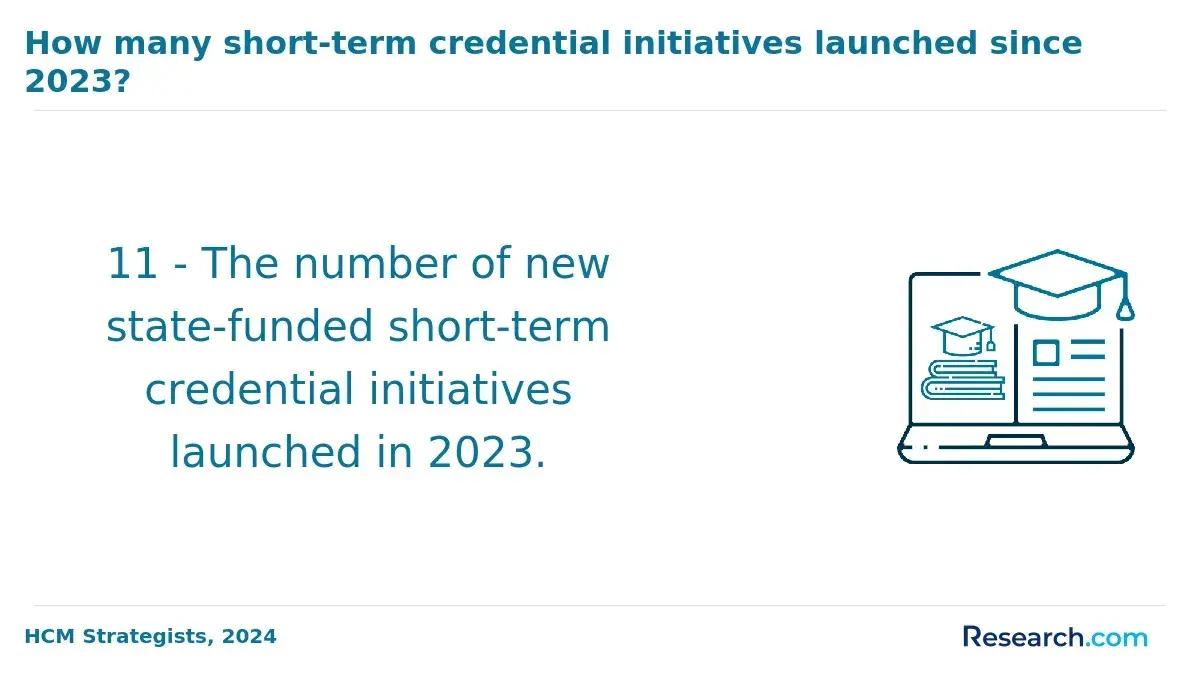
A prospective music business graduate reviewing job listings may quickly realize that holding a degree is no longer sufficient to secure a competitive position. In 2024, a report from the U. S. Bureau of Labor Statistics revealed that nearly 50% of employers now prioritize candidates with demonstrated experience in AI-driven tools and adaptable skill sets over traditional credentials alone. This shift reflects the rapid integration of artificial intelligence into music marketing, distribution, and rights management, fundamentally altering the industry's workforce demands.
Employers increasingly seek graduates who complement their academic knowledge with AI literacy and cross-disciplinary capabilities, such as data analysis and creative problem-solving. As a result, music business candidates must reassess and expand their skill portfolios to meet these evolving criteria. This article examines how hiring expectations for music business graduates are changing, the rising importance of AI-related competencies, and effective strategies students can adopt to stay competitive in the AI era.
Key Things to Know About the Changing Hiring Criteria for Music Business Graduates in the AI Era
- Employers increasingly prioritize candidates who integrate AI tools for data-driven marketing and rights management, shifting expectations from traditional skills to tech-enabled decision making.
- AI literacy combines with transferable skills like project management and negotiation; a 2024 survey found 68% of music firms rank hybrid expertise as critical for hireability.
- Graduates excelling in adaptive problem-solving alongside AI fluency gain a competitive edge, as the evolving job market favors versatile contributors over narrowly focused specialists.
- Key Things to Know About the Changing Hiring Criteria for Music Business Graduates in the AI Era Key Things to Know About the Changing Hiring Criteria for Music Business Graduates in the AI Era
- How Is AI Changing What Employers Look for in Music Business Graduates? How Is AI Changing What Employers Look for in Music Business Graduates?
- Which AI Skills Are Employers Expecting Music Business Graduates to Have? AI Skills
- Which Human Skills Are Employers Looking for in Music Business Graduates? Human Skills
- How Are AI Tools Changing Daily Work in Music Business Careers? AI Workplace Tools
- How Are Employers Evaluating Music Business Candidates Beyond Academic Credentials? Hiring Criteria
- How Are Music Business Degree Programs Adapting to AI? AI Curriculum
- Which Industries Are Changing Hiring Expectations Most for Music Business Graduates? AI and Industry Expectations
- How Is AI Changing Career Growth for Music Business Professionals? AI and Career Growth
- How Should Music Business Students Prepare for AI-Driven Hiring? Career Preparation
- How Should Students Choose a Music Business Program for the AI Era? How Should Students Choose a Music Business Program for the AI Era?
How Is AI Changing What Employers Look for in Music Business Graduates?
In 2024, employers hiring graduates in music business increasingly prioritize candidates who can collaborate effectively with AI technologies rather than merely executing routine technical duties. A notable shift involves valuing professionals able to interpret AI-driven insights on consumer behavior, royalty streams, and digital marketing effectiveness to inform strategic decisions. This evolution means that graduates must develop fluency in AI tools such as predictive analytics and algorithmic curation while maintaining strong foundational knowledge of the music ecosystem. Data from the National Association of Colleges and Employers indicates that over 65% of hiring managers now weigh AI-related technological skills heavily when evaluating applicants, underscoring the urgency for music business graduates to build these competencies alongside their creative and interpersonal abilities.
The impact of artificial intelligence on music industry hiring is also evident in the growing significance of adaptability and continuous learning. Employers no longer seek candidates who simply use AI to automate tasks but rather those who harness AI to enhance artistic branding, fan engagement, and innovative content development. This nuanced approach demands a mindset that balances creative intuition with AI proficiency, recognizing that human decision-making and ethical judgment remain critical amid increased automation. A 2024 survey by the Music Industry Research Institute confirms that 58% of employers view AI skills as equally vital as communication capabilities, reflecting the interdisciplinary nature of modern music business roles. Prospective students might consider specialized training pathways like 1 year associate degree programs that integrate AI literacy to meet these evolving workforce expectations.
Which AI Skills Are Employers Expecting Music Business Graduates to Have?
Employers in the music business sector now expect graduates to bring practical AI competencies alongside traditional expertise due to the integration of artificial intelligence in nearly every facet of the industry. This shift reflects a broader labor market trend where AI adoption is accelerating, reshaping job roles and skill requirements. Data from recent workforce studies highlight that candidates who can apply AI tools effectively often command better roles and wages, standing out in a competitive environment. Particularly, music business graduates who demonstrate essential AI competencies for music business graduates tend to secure positions that marry creative insight with technical proficiency. Below are the top AI skills employers are increasingly seeking in music industry hires.
- AI-Driven Data Analytics: Mastery of AI-based analytics platforms that interpret streaming data and listener behavior is crucial. Employers expect graduates to use these insights to optimize marketing strategies and audience targeting. Gaining hands-on experience with popular analytics tools through internships or coursework can significantly boost this competency.
- Algorithmic Music Recommendation Understanding: Knowledge of how recommendation algorithms influence playlist curation on major platforms allows graduates to align promotion efforts with automated discovery trends. Developing this skill involves studying machine learning basics and their applications in music streaming ecosystems.
- Automated Content Generation: Familiarity with AI software that assists in music composition or lyric creation adds value by enhancing creative workflows. Employers appreciate graduates who can leverage these tools to increase productivity without compromising artistic quality. Exploring AI composition software and integrations can prepare students for this role.
- Programming and AI Integration: Proficiency in coding languages such as Python or frameworks like TensorFlow is increasingly relevant for roles managing digital rights and royalty tracking. Employers prefer candidates who can build or maintain AI-powered systems that protect intellectual property. Coursework or self-study focusing on these technical skills is recommended.
- Ethical AI Literacy and Critical Evaluation: As AI's role in creative ownership grows, employers seek professionals who critically assess AI outputs and understand ethical implications. Graduates who develop this nuanced perspective stand out by balancing innovation with responsible use. Engaging with case studies and ethics discussions during training is a practical way to develop this skill.
For prospective students or early professionals who want to stay competitive amid evolving employer expectations, cultivating these top AI skills is essential. Moreover, exploring educational pathways that emphasize technology fluency, such as easy associate degrees that pay well, can provide an accessible starting point for integrating AI competencies into a music business career.
Which Human Skills Are Employers Looking for in Music Business Graduates?
As artificial intelligence automates repetitive and data-driven tasks across the music industry, employers increasingly seek graduates who bring distinctly human strengths that technology cannot replicate. AI can assist with analytics and content distribution but falls short in interpreting emotional nuance or innovating creatively. This shift means music business graduates must blend digital literacy with interpersonal and critical thinking abilities to add value beyond algorithmic outputs. The following human skills stand out as vital in this evolving landscape.
- Emotional Intelligence: This skill remains central in managing relationships across artists, labels, and digital platforms where social cues and empathy directly impact negotiations and collaborations. Emotional intelligence enables graduates to navigate stakeholder needs in ways AI cannot, fostering trust and long-term partnerships. Developing this involves engaging in experiential learning and reflective practice to better understand diverse perspectives.
- Creative Problem-Solving: While AI generates trends and optimizes routines, originality in campaign design and strategic thinking retains an edge. Graduates who cultivate imaginative approaches can identify unique opportunities within saturated markets and pivot quickly amid industry disruption. Enhancing creativity often requires immersive exposure to diverse cultural content and iterative experimentation.
- Critical Thinking: Judicious evaluation of AI-produced data is essential to maintain ethical standards and artistic integrity in decisions. Employers value professionals who can interpret analytics contextually and anticipate unintended consequences. Building this skill benefits from case study analysis and actively questioning assumptions during internships or coursework.
- Adaptability: The fast-changing music business environment demands flexibility in adopting new technologies and workflows. Graduates who learn to embrace ambiguity and continually update their skill set can sustain relevance amid AI-driven transformations. Practical adaptability grows through cross-functional projects and exposure to emerging digital tools.
- Communication Skills: Clear, persuasive communication remains irreplaceable for aligning diverse stakeholders and conveying complex ideas that AI tools generate but cannot contextualize emotionally. Strengthening verbal and written communication through real-world presentations and collaborative initiatives prepares graduates to articulate vision effectively.
A recent music business graduate recalled facing a pivotal moment when her internship team debated whether to rely solely on AI-generated audience insights for a new artist's launch. She advocated for supplementing that data with direct interviews and informal conversations with fans, sensing that the story numbers missed key emotional drivers. Initially met with skepticism, her approach ultimately revealed subtle cultural trends that shaped a more resonant campaign. The experience underscored how emotional intelligence and critical thinking can bridge AI's analytic precision with human nuance, proving indispensable in real-world decision-making amid rapid technological change.
How Are AI Tools Changing Daily Work in Music Business Careers?
AI tools are fundamentally changing daily workflows in music business roles by automating repetitive tasks like data entry and report generation, thereby freeing professionals to engage more deeply in strategic planning and relationship management. For example, audience analytics and royalty management systems powered by AI accelerate data processing and provide actionable insights that were previously too time-consuming to uncover manually. According to a 2024 industry survey from the International Music Products Association, over 65% of music business professionals now depend on AI technologies to optimize marketing campaigns and fan engagement, demonstrating broad adoption across the sector.
This shift toward automation has also transformed job responsibilities. Rather than performing routine administrative work, music business employees increasingly need to critically assess AI-generated recommendations, use predictive analytics to detect emerging trends, and creatively apply technology to content creation workflows such as automated mixing or lyric generation. These developments necessitate a hybrid skill set that combines technical fluency with artistic sensibility and ethical judgment, as workers oversee and refine AI outputs to ensure alignment with brand and industry standards. The U.S. Bureau of Labor Statistics reported in 2024 that productivity in music business-related roles rose by nearly 20% due to AI integration, underscoring the tangible impact of digital literacy and problem-solving capabilities in this evolving field.
In practical terms, a recent graduate entering a music marketing role might no longer spend hours compiling campaign data manually but instead interpret AI-powered dashboards to tailor strategies for diverse audiences. Employers now prioritize adaptability and the ability to collaborate with AI platforms over purely traditional expertise. As the industry's reliance on AI tools deepens, graduates who can balance automated insights with critical evaluation and creative decision-making will be better equipped to meet these heightened expectations and contribute meaningfully to innovation within the music business landscape.
How Are Employers Evaluating Music Business Candidates Beyond Academic Credentials?
Employers evaluating music business candidates increasingly prioritize evidence of practical experience and demonstrated technical skills over traditional academic credentials alone. National data from the National Association of Colleges and Employers shows that 78% of hiring managers seek candidates with proficiency in digital tools and data analytics, reflecting the critical role AI plays in the industry. For example, a candidate with a portfolio showcasing AI-driven projects-such as using machine learning algorithms to analyze music trends or automate royalty calculations-often stands out significantly more than one with only strong grades. This shift reflects an expectation for concrete examples of AI integration in real-world scenarios, making music business candidate skills in AI integration essential for job seekers.
Beyond technical ability, employers adopt more holistic hiring criteria that include soft skills like problem-solving, adaptability, and collaboration, all within the context of technology use. The Bureau of Labor Statistics highlights growing demand for hands-on expertise with AI-enabled software, while the LinkedIn Workforce Report notes employers value continuous learning and digital literacy to keep pace with innovation. Recent studies illustrate that hiring criteria for music business graduates in technology-driven industry sectors focus as much on interpersonal skills and agility as on formal education. This means candidates who can articulate how they apply AI tools in team projects or internships and demonstrate ongoing skill development hold a distinct advantage in the job market.
Music business students and graduates should, therefore, consider building robust portfolios that combine internships, certifications, and real-world projects emphasizing AI applications alongside traditional skill sets. Engaging in cross-disciplinary learning can further develop problem-solving and communication skills relevant to evolving industry demands. For those interested in broader academic pathways connected to technology and urban development issues, resources such as the urban planning degree can provide additional perspectives and strategies to navigate this shifting employment landscape.
How Are Music Business Degree Programs Adapting to AI?
Music Business degree programs are evolving by embedding AI-focused content that extends beyond marketing and management fundamentals. Recent data from EDUCAUSE shows that over 60% of institutions have incorporated AI technologies or modules into their curricula to boost workforce readiness, reflecting an educational pivot toward technological fluency. For students, this means learning to utilize AI-driven tools such as algorithmic recommendation systems and automated data analytics to optimize music distribution and audience engagement strategies while still grounding their skills in industry-specific knowledge.
Institutions are also balancing technical training with human-centered competencies like creativity and relationship building, often through interdisciplinary coursework or collaborations with computer science departments. Partnerships with industry experts and experiential learning opportunities offer students firsthand insights into how AI reshapes rights management, marketing automation, and ethical considerations surrounding generative AI in the creative realm. For example, graduates skilled in both AI applications and traditional music business practices are better equipped to anticipate market disruptions and adapt business models accordingly.
This curriculum transformation highlights a broader trend toward lifelong learning and ethical AI use, which universities address through updated syllabi and real-world projects. While graduates report improved employability in tech-adjacent roles, programs must carefully negotiate the tension between automation and preserving the unique human elements critical to the music industry's culture. Ultimately, Music Business degrees that thoughtfully integrate AI prepare students to navigate an increasingly digital, complex landscape without sacrificing the interpersonal and artistic skills valued by employers.
Which Industries Are Changing Hiring Expectations Most for Music Business Graduates?
The speed at which AI integrates across industries significantly affects hiring criteria for music business graduates. Sectors adopting AI more quickly raise their technical expectations, while others evolve at a slower pace, maintaining a focus on traditional competencies. For example, a recent graduate weighing job offers from a streaming platform and a marketing agency quickly noticed that the former prioritized machine learning skills and data interpretation, whereas the latter emphasized AI-driven consumer behavior understanding alongside brand strategy. This variation reflects how AI reshapes workforce demands unevenly, with some industries demanding hybrid skill sets and others blending AI fluency with core music business expertise. Below are the key industries most rapidly altering their hiring expectations in response to these shifts.
- Entertainment and Media: Employers here emphasize AI-driven analytics to interpret streaming metrics and refine music recommendation algorithms. According to the U.S. Bureau of Labor Statistics 2024 update, positions involving AI in music rights management and licensing are among the fastest growing, requiring graduates to demonstrate a fusion of creative insight and technical savvy.
- Technology: Companies developing AI-powered audio tools or music platforms increasingly expect familiarity with machine learning fundamentals and data visualization. This sector prioritizes blending music business knowledge with data science skills, moving beyond traditional business roles to accommodate rapid technological innovation.
- Digital Marketing: Marketing agencies targeting the music industry lean heavily on AI to optimize campaign performance and consumer targeting. Graduates must understand AI-driven consumer models and be adept at using automated marketing platforms to analyze social media trends and craft brand strategies.
- Advertising: In this sector, AI tools are essential for real-time analytics and personalized content delivery. Hiring managers seek candidates capable of integrating AI insights into strategic decisions, making proficiency in AI platforms as important as traditional marketing knowledge.
- Music Licensing and Publishing: The adoption of AI in automating licensing processes and monitoring royalty tracking demands graduates skilled in both legal frameworks and AI applications. The workforce transformation noted in the World Economic Forum 2024 report highlights this area as increasingly technical, necessitating new competencies beyond music rights management.
A music business graduate recalled feeling torn when choosing between a tech startup and a traditional record label internship. The startup demanded quick mastery of AI tools for audio analytics, a steep learning curve that initially caused hesitation. However, the graduate recognized that acquiring these skills offered a strategic advantage as AI continued to disrupt the music landscape. Conversely, the record label valued established industry knowledge but showed slower adoption of AI-driven strategies, leading the graduate to prioritize opportunities aligned with emerging technologies rather than conventional pathways.
How Is AI Changing Career Growth for Music Business Professionals?
The pace of AI adoption varies widely across industries linked to the music business, leading to distinct shifts in hiring expectations for graduates. Some sectors rapidly integrate AI-driven tools, reshaping required competencies, while others adopt more cautiously due to regulatory, ethical, or operational constraints. This uneven transformation means that music business graduates must target their skill development based on industry-specific demands to remain competitive. Understanding which industries are evolving fastest helps prioritize learning investments and informs career planning. Below are key industries changing hiring expectations most sharply for music business professionals.
- Music Streaming Services: AI-enabled algorithms now dominate playlist curation and user personalization, making technical proficiency in data analytics and machine learning essential. Graduates must blend music industry knowledge with skills to interpret user data and optimize content delivery strategies, reflecting a shift toward data-driven decision-making.
- Live Event Production: Though slower to automate, the live sector increasingly relies on AI for crowd analytics, ticket sales forecasting, and safety monitoring. Employers look for proficiency in AI-enabled marketing tools and operational software to improve attendee engagement and event efficiency.
- Music Publishing and Rights Management: AI applications in royalty tracking, contract analysis, and copyright enforcement are transforming this legal-administrative field. Candidates familiar with automated rights administration and intellectual property technology gain a competitive advantage in managing complex artist agreements.
- Music Marketing and Promotion: Automated marketing platforms leveraging predictive consumer behavior models demand that graduates know how to deploy AI tools effectively. Success hinges on marrying creative campaign design with AI-augmented audience targeting to maximize reach and ROI.
- Music Technology Development: This interdisciplinary space blends AI research with product design, seeking professionals who understand both music business fundamentals and AI ethics, data privacy, and intellectual property considerations. Knowledge of emerging AI impacts is crucial for navigating evolving innovation ecosystems.
These shifts highlight the increasing AI impact on career growth for music business professionals and the career development opportunities in AI-driven music industry sectors. Practical experience with AI tools-such as automated marketing software or royalty tracking systems-is key. For those exploring career transitions, resources like the guide from research.com on making a career change from teacher to speech pathologist illustrate the importance of targeted skill development in dynamic fields, a principle applicable to music business professionals navigating AI-driven transformation.
How Should Music Business Students Prepare for AI-Driven Hiring?
Preparing for AI-driven hiring in music business careers requires more than just earning a degree. Employers increasingly demand a hybrid skill set that includes technical proficiency with AI tools, data analytics, and strong human-centered capabilities. According to a 2024 report by the U.S. Bureau of Labor Statistics and the World Economic Forum, more than 60% of hiring managers within creative fields prioritize candidates who combine AI literacy with critical thinking and adaptability. Addressing this shift means students must intentionally develop skills that bridge traditional knowledge and emerging technology. Below are practical strategies to help music business students navigate these evolving employer expectations.
- Build AI Literacy: Understanding AI applications such as machine learning in music marketing, distribution, and audience targeting makes candidates more competitive. Students should engage with foundational AI tools used in the industry to interpret data and automate routine tasks effectively.
- Develop Data Analytics Skills: The ability to analyze revenue forecasts or consumer behavior offers measurable value. Familiarity with data visualization software and basic statistics sharpens decision-making and aligns with rising employer demands for data-savvy professionals.
- Gain Collaborative Experience: Employers value candidates who can work alongside AI systems to enhance creativity rather than replace human insight. Participating in team projects that integrate AI decision support reinforces this capability.
- Enhance Soft Skills: Problem-solving, emotional intelligence, and digital communication remain critical as interdisciplinary teams become the norm. These skills support effective collaboration in increasingly tech-driven environments.
- Engage in Practical Training: Internships or workshops focused on AI applications in music provide hands-on experience and exposure to ethical and copyright considerations. Seeking out these opportunities before graduation strengthens real-world readiness.
Prospective students can also compare educational costs and program structures with resources like the best online animal science degree advice, which offers insight into managing tuition and fees for specialized fields. Ultimately, a purposeful blend of technology, critical thinking, and interpersonal skills is essential when preparing for AI-driven hiring in music business careers.
How Should Students Choose a Music Business Program for the AI Era?
Choosing a music business program today demands more than evaluating reputation or cost; it requires assessing how comprehensively a curriculum equips students for an AI-driven industry. As of 2024, over 60% of higher education institutions have integrated AI-focused content into business and creative arts education, reflecting employers' rising expectations for AI proficiency. Consider the student who graduates skilled in traditional music rights but unable to navigate AI-based rights management systems-this gap can hinder employability. To mitigate this risk, students must scrutinize programs through multiple practical lenses. Key considerations include:
- AI Integration in Curriculum: Programs should offer specialized courses on AI-assisted tools like data analytics and automated marketing platforms, which are essential for optimizing music business workflows and delivering data-driven insights.
- Interdisciplinary Collaboration: Look for programs that combine music business fundamentals with emerging technologies, often through partnerships with tech firms or hands-on AI software experiences, preparing students to navigate real-world scenarios.
- Faculty Expertise and Research: Experienced instructors involved in AI research or industry implementations provide cutting-edge knowledge and mentorship that align with evolving employer needs.
- Soft Skills Development: Adaptability and critical thinking remain vital, as AI systems rapidly evolve, requiring workers to learn continuously and solve complex problems beyond algorithmic capabilities.
- Industry Connections and Internships: Access to internships with companies deploying AI tools ensures practical exposure, bridging academic knowledge with workplace realities.
References
- The top skills to hire for in the age of AI https://nz.employer.seek.com/hiring-advice/article/top-skills-to-hire-for-in-the-age-of-ai
- How AI is used in the music industry in 2025 https://www.accesscreative.ac.uk/blog/ai-in-the-music-industry/
- Best Online Music Generation Courses in 2025 https://www.upskillist.com/blog/best-online-music-generation-courses-in-2025/
- How AI Is Transforming the Music Industry: Trends and Adaptation Strategies — New York Audio Institute https://www.newyorkaudioinstitute.com/blog/how-ai-is-transforming-the-music-industry-trends-and-adaptation-strategies
- The Impact of Artificial Intelligence on the Music Industry | Musicians Institute https://www.mi.edu/in-the-know/ai-music-production-enhancing-human-creativity-replacing/
- New Music Industry Jobs Created by AI | Orphiq https://orphiq.com/resources/ai-music-industry-jobs
- Music Career Opportunities: 25+ Career Opportunities in the Music Industry | C&S Music https://candsmusic.com/music-career-opportunities/
- AI Music Biz: Career Accelerator https://stanmoreuk.com/Course/Details/18768
- AI & Music Technology Certificate https://theglobalconservatory.com/pages/cert-ai-music-technology
- The Impact of Artificial Intelligence in Relation to the Music Industry — Dara Crawford https://daracrawford.com/audio-blog/the-impact-of-artificial-intelligence-in-relation-to-the-music-industry
Other Things You Should Know About Music Business
Employers balancing AI literacy with industry experience often risk undervaluing candidates who specialize in traditional music business knowledge but lack AI fluency. While AI skills accelerate efficiency and data-driven decision-making, deeply ingrained industry expertise remains crucial for networking, artist relations, and understanding market nuances. Hiring managers frequently prioritize a hybrid profile but may reluctantly accept weaker technical skills if the candidate's relationship management or creative strategy is exceptional. For graduates, this means focusing on integrating AI tools within authentic music business contexts rather than pursuing isolated tech mastery.
Startups tend to value adaptability and multidisciplinary skills more fiercely, often expecting music business graduates to combine AI capabilities with broad operational roles, which results in a heavier workload and less structured training. In contrast, established firms may offer clearer role boundaries but can be slower to adopt AI-driven processes or redefine hiring standards. Graduates should prioritize startups if they seek rapid skill diversification and cutting-edge AI integration, but choose established companies for stable development pipelines and potentially stronger mentorship in domain-specific expertise.
Employers increasingly expect candidates to demonstrate proactive self-learning in AI applications, creating ambiguity in assessing formal credentials versus informal skill acquisition. This reliance on self-directed learning can disadvantage graduates from programs with less flexible curricula or fewer AI resources, making practical portfolios and real-world project experience critical. Hiring decisions are less about certification and more about documented problem-solving using AI in music business scenarios, pushing candidates to curate evidence of continuous independent growth.
Overemphasis on AI skills may inadvertently pigeonhole candidates into narrowly defined tech-adjacent roles, limiting access to traditional functions like artist development or label A&R that still depend heavily on interpersonal judgment. Conversely, broad music business expertise without AI competencies may restrict access to innovative positions driving digital transformation. Graduates should aim to maintain flexibility by aligning AI proficiency with core music business strengths rather than pursuing AI specialization alone, ensuring versatility across evolving and legacy roles.