2027 How Employers Are Changing Hiring Criteria for Family Nurse Practitioner Graduates in the AI Era

Co-Founder and Chief Data Scientist
A prospective family nurse practitioner (FNP) student recently completing their degree may realize that academic credentials alone no longer guarantee a competitive edge in today's AI-driven healthcare job market. Employers increasingly seek candidates who combine clinical expertise with technological fluency and adaptability. According to the U. S. Bureau of Labor Statistics in 2024, nearly 50% of healthcare employers report integrating AI tools into daily operations, reshaping job requirements and evaluation metrics.
This shift demands more than traditional clinical skills; it emphasizes digital literacy, critical thinking, and interpersonal skills that complement AI applications. As AI reshapes care delivery, hiring criteria for family nurse practitioner graduates are evolving to reflect these workforce changes. This article examines how these criteria are changing, the rising importance of AI literacy and transferable skills, and strategies students and early-career professionals can use to stay competitive in the AI era.
Key Things to Know About the Changing Hiring Criteria for Family Nurse Practitioner Graduates in the AI Era
- AI integration in clinical settings is increasing, prompting employers to prioritize candidates who demonstrate proficiency in AI-augmented diagnostic tools, thus enhancing decision-making accuracy and patient outcomes.
- Growing emphasis on AI literacy means family nurse practitioner graduates must master data interpretation and digital communication; lacking these skills often limits career advancement in tech-driven healthcare.
- A 2024 survey shows 68% of healthcare employers value interdisciplinary skills like AI problem-solving, making graduates with combined clinical expertise and tech adaptability more competitive in evolving job markets.
- Key Things to Know About the Changing Hiring Criteria for Family Nurse Practitioner Graduates in the AI Era Key Things to Know About the Changing Hiring Criteria for Family Nurse Practitioner Graduates in the AI Era
- How Is AI Changing What Employers Look for in Family Nurse Practitioner Graduates? How Is AI Changing What Employers Look for in Family Nurse Practitioner Graduates?
- Which AI Skills Are Employers Expecting Family Nurse Practitioner Graduates to Have? AI Skills
- Which Human Skills Are Employers Looking for in Family Nurse Practitioner Graduates? Human Skills
- How Are AI Tools Changing Daily Work in Family Nurse Practitioner Careers? AI Workplace Tools
- How Are Employers Evaluating Family Nurse Practitioner Candidates Beyond Academic Credentials? Hiring Criteria
- How Are Family Nurse Practitioner Degree Programs Adapting to AI? AI Curriculum
- Which Industries Are Changing Hiring Expectations Most for Family Nurse Practitioner Graduates? AI and Industry Expectations
- How Is AI Changing Career Growth for Family Nurse Practitioner Professionals? AI and Career Growth
- How Should Family Nurse Practitioner Students Prepare for AI-Driven Hiring? Career Preparation
- How Should Students Choose a Family Nurse Practitioner Program for the AI Era? How Should Students Choose a Family Nurse Practitioner Program for the AI Era?
How Is AI Changing What Employers Look for in Family Nurse Practitioner Graduates?
Such changes reflect broader employer preferences highlighted in the growing emphasis on "AI impact on hiring family nurse practitioners," where skills in AI literacy and ethical considerations have become essential. Organizations now value graduates who not only operate these technologies but also understand the ethical frameworks surrounding patient privacy and algorithmic bias. These competencies are crucial as the integration of AI introduces new risks that require careful human oversight. Beyond technical skills, there is a clear trend toward lifelong learning and ongoing professional development, often through focused AI simulation training or certificate programs, which help graduates remain competitive in a fluctuating healthcare landscape.
This blend of clinical expertise, AI competence, and continuous learning represents the new standard for employer expectations. Early-career family nurse practitioners would benefit from cultivating these qualities alongside traditional patient care abilities. Those exploring advanced educational pathways may find programs such as an accelerated healthcare administration degree useful for developing strategic skills in healthcare delivery and AI integration. Ultimately, while AI reshapes hiring priorities and workforce skills, the value of nuanced human insight and ethical judgment remains irreplaceable within patient-centered care.
Which AI Skills Are Employers Expecting Family Nurse Practitioner Graduates to Have?
As artificial intelligence technologies reshape healthcare delivery, employer expectations for family nurse practitioner graduates have evolved to emphasize practical AI skills alongside clinical expertise. AI integration into electronic health records, diagnostic aids, and telehealth platforms means professionals must navigate complex digital tools rather than simply operate within traditional care models. Employers increasingly seek candidates who can critically assess AI outputs while managing data securely, recognizing that technological fluency enhances-not replaces-clinical judgment. This shift reflects a broader trend where coexistence with AI becomes a core element of healthcare practice rather than an optional skill set. Below are five essential AI competencies that define what employers expect from family nurse practitioners emerging into the workforce.
- Data Literacy: Interpreting AI diagnostic tools requires more than surface-level understanding; graduates must translate algorithmic outputs into personalized patient care plans. Employers value practitioners who know how to differentiate between reliable insights and potential biases in AI models, which critical thinking and focused data literacy coursework can strengthen.
- AI-Driven Documentation Skills: Familiarity with AI-powered documentation software streamlines workflow and reduces administrative burden. Hands-on experience with widely used platforms like Epic or Cerner enables new nurse practitioners to maintain accurate records efficiently while integrating AI prompts that assist clinical decisions.
- Clinical Decision Support Competency: Graduates should be adept at using AI-based decision support algorithms to enhance diagnoses and treatment options without overreliance. Practical training modules that simulate real-world decision-making scenarios can develop this balanced approach that employers find indispensable.
- Understanding Interoperability Standards: Securely managing and sharing patient data across multiple systems demands knowledge of interoperability protocols and privacy regulations. Since health data often crosses institutional and technological boundaries, proficiency in these standards ensures compliance and fosters seamless multidisciplinary collaboration.
- Telehealth Technology Skills: As telehealth becomes a permanent fixture in care delivery, skills in navigating AI-enhanced virtual platforms are critical. Employers expect graduates to not only use these tools but also to troubleshoot common issues, optimize patient engagement, and integrate remote monitoring data effectively into care plans.
The emphasis on AI fluency reflects emerging labor data such as the U.S. Bureau of Labor Statistics Occupational Outlook Handbook (2024 update), which links wage growth in family nurse practitioner roles to technology adoption pressures. Early-career professionals who develop these AI-driven skills position themselves advantageously in a market that increasingly blends clinical work with digital proficiency. Prospective students interested in accelerating their AI competency alongside clinical preparation may consider enrolling in accelerated degree programs that integrate these essential AI competencies for family nurse practitioners into their curricula.
Which Human Skills Are Employers Looking for in Family Nurse Practitioner Graduates?
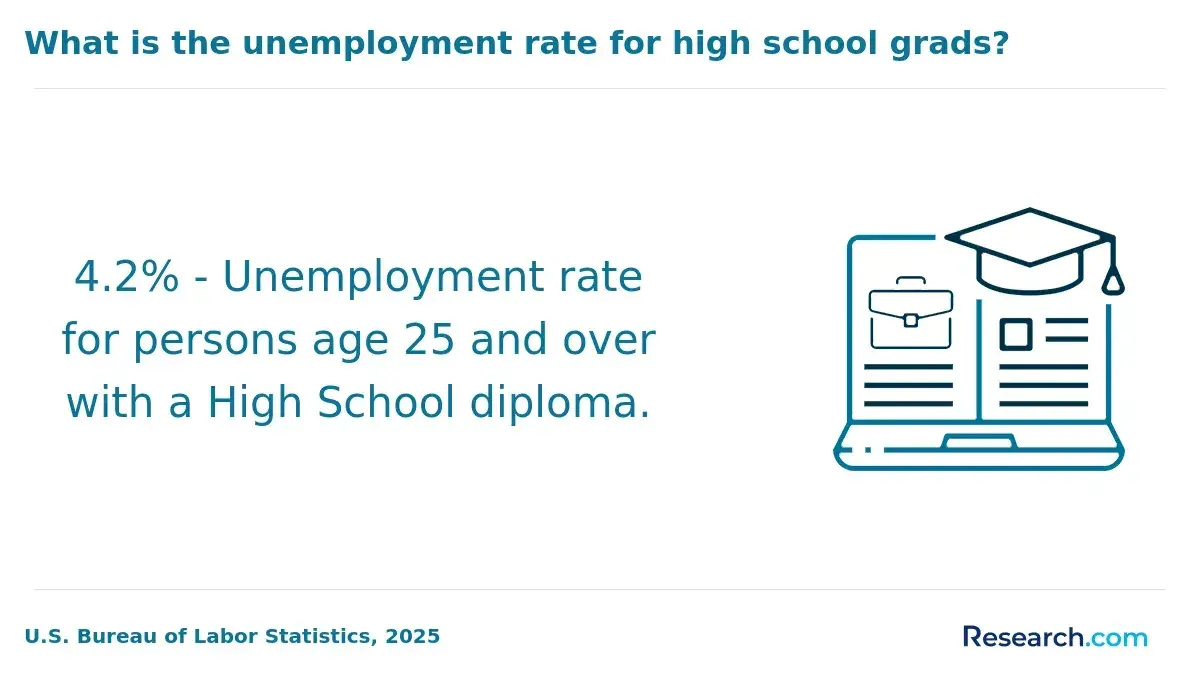
As AI increasingly automates routine clinical documentation and data processing, the value of human skills that complement this technology is rising sharply. Employers no longer seek only technical prowess but emphasize qualities that AI cannot replicate, such as nuanced judgment and interpersonal aptitude. This shift reflects the complexity of modern healthcare, where understanding patient emotions and ethical considerations is essential alongside interpreting AI-driven insights. Recent 2024 reports from the U.S. Bureau of Labor Statistics and the National Academies highlight that graduates with a family nurse practitioner degree must prioritize these distinctly human capabilities. Below are five critical skills growing more vital in the AI-enhanced clinical environment.
- Emotional Intelligence: This skill enables nurse practitioners to build trust and empathy with patients often facing uncertainty amplified by AI diagnostics. Emotional intelligence fosters better adherence to treatment by recognizing and responding to patient feelings, an area where AI lacks sensitivity. Developing this can involve reflective practice and patient-centered communication training.
- Communication Proficiency: Clear verbal and written communication is necessary for explaining AI-generated data to patients and collaborating effectively within healthcare teams. Strong communicators translate complex information into understandable terms, which enhances patient engagement and team coordination. Students can enhance this skill through simulation exercises and interprofessional education.
- Critical Thinking: AI may present recommendations, but interpreting these in context requires advanced critical thinking. Graduates must weigh AI outputs against clinical experience and patient values, making informed decisions when AI suggestions conflict with real-world situations. Case-based learning and clinical rotations that emphasize decision-making can sharpen this ability.
- Ethical Reasoning: As AI raises issues around privacy, bias, and fairness, ethical reasoning is crucial to navigate these challenges responsibly. Practitioners must advocate for equitable care and patient rights amid automated decision-making. Ethics coursework and participatory discussions on emerging AI dilemmas strengthen this competence.
- Adaptability and Lifelong Learning: Rapid technological change demands ongoing skill development to remain effective. Nurses with a growth mindset continuously update their knowledge and adjust to new tools, ensuring sustained quality care. Engaging in professional development and staying current with AI advances supports this adaptability.
One family nurse practitioner graduate recalled a moment during her first clinical rotation when a patient's AI-based diagnostic conflicted with their reported symptoms. Initially uncertain, she paused to listen deeply and reconsidered the data through a personalized lens, ultimately proposing a tailored care plan. This experience underscored how her ability to integrate empathy, critical thinking, and ethical concern-rather than relying solely on AI-was pivotal in securing patient trust and delivering appropriate treatment, revealing the indispensable nature of human skills in the AI era.
How Are AI Tools Changing Daily Work in Family Nurse Practitioner Careers?
Artificial intelligence tools are increasingly integrated into the daily functions of family nurse practitioners, shifting traditional workflows by automating routine administrative duties and enhancing clinical decision-making. Recent data from the National Institute for Health indicates that over 60% of healthcare providers have incorporated AI-driven systems to support patient management and diagnostics as of early 2024. For example, AI-powered decision support platforms analyze extensive patient records instantaneously, enabling family nurse practitioners to reduce diagnostic errors and tailor treatment plans more effectively. This technological shift frees clinicians from time-consuming documentation and scheduling tasks, as shown by Health Workforce Research Center findings that administrative duties have dropped by 35%, allowing more focus on critical patient care.
As AI undertakes more repetitive functions, family nurse practitioners' roles are transforming toward higher-value activities that demand nuanced clinical judgment and oversight of AI outputs. Proficiency in interpreting AI-generated insights, managing digital health records sensitively, and safeguarding patient privacy becomes essential. Employers increasingly expect these professionals to engage in continuous learning to keep pace with evolving AI tools. In practice, this means family nurse practitioners must blend their clinical expertise with technological fluency, discerning when AI recommendations align with patient needs versus when human intervention is necessary to address ethical complexities or atypical cases.
How Are Employers Evaluating Family Nurse Practitioner Candidates Beyond Academic Credentials?
Employers evaluating family nurse practitioner candidates increasingly look beyond traditional academic credentials, emphasizing skills that demonstrate practical adaptability in a rapidly evolving healthcare landscape. According to a 2024 report from the U.S. Bureau of Labor Statistics and insights from the National Healthcare Recruitment Analysis, evidence of hands-on experience such as internships, clinical rotations, and certifications focused on AI-enhanced healthcare technologies carries substantial weight. For example, a candidate's ability to navigate AI-driven electronic health records or participate in telehealth projects often serves as a more reliable predictor of job readiness than transcript grades alone. This shift reflects a broader trend where employers seek demonstration of critical thinking, communication, and teamwork skills showcased through portfolios or scenario-based evaluations rather than relying solely on academic performance metrics.
This move toward evaluating family nurse practitioner skills beyond academics reflects a growing recognition that AI adoption is reshaping clinical workflows and care delivery. Hiring managers prioritize digital literacy-including comfort with AI tools for data interpretation and decision support-over simple academic rankings. Candidates who can articulate patient education strategies within AI-enabled platforms and adapt quickly to emerging healthcare innovations tend to excel in hiring assessments. Such holistic hiring approaches align with a competitive market where practical problem-solving and emotional intelligence are essential, reinforcing the importance of continuous professional development. Prospective students and early-career professionals should consider integrating certifications and projects related to AI and healthcare innovation to enhance their profiles in this context.
Understanding these employer expectations for family nurse practitioner candidates is vital for those seeking to remain competitive. Proactively building experience with AI-based technologies and strengthening communication and adaptability offers a distinct advantage. Programs offering specialized training such as the fastest online master's in healthcare administration illustrate opportunities for advancing relevant competencies quickly. Ultimately, cultivating a diverse skill set that combines clinical expertise with technological fluency and interpersonal abilities better positions candidates for success as healthcare becomes increasingly AI-enabled.
How Are Family Nurse Practitioner Degree Programs Adapting to AI?
Family nurse practitioner degree programs are actively integrating artificial intelligence concepts to meet changing employer expectations without compromising essential clinical skills. A 2024 American Association of Colleges of Nursing report reveals that over two-thirds of these programs now embed AI competencies such as data literacy, digital patient management, and informatics. This integration goes beyond technical familiarity, training students to critically interpret AI outputs, recognize potential biases in algorithms, and weigh AI-driven recommendations within a broader clinical and ethical context. For example, a student encountering AI-generated diagnostic suggestions during a simulation is encouraged not just to accept results but to assess their validity against patient history and human judgment, preserving a patient-centered approach alongside technological proficiency.
Degree programs are also evolving through interdisciplinary coursework and partnerships with data scientists and IT professionals to enrich experiential learning. Simulations and collaborative projects with technologists help prepare students for real-world scenarios where healthcare teams leverage AI but must also navigate its limitations and ethical challenges. Workforce studies from the National Institute of Health Workforce Forecast 2024 emphasize that employers increasingly seek family nurse practitioners capable of seamlessly combining advanced clinical judgment with AI collaboration, positioning graduates for competitive roles. While these curriculum changes demand ongoing faculty development and resource investment, they ensure graduates emerge with a resilient skill set, balancing human empathy with the analytical precision AI tools offer-an essential duality in modern healthcare delivery.
Which Industries Are Changing Hiring Expectations Most for Family Nurse Practitioner Graduates?
The pace of AI integration varies significantly across healthcare industries, shaping diverse and evolving employer expectations for family nurse practitioner graduates. Some sectors rapidly adopt AI to optimize patient care and operational efficiency, whereas others implement these technologies more gradually due to structural or regulatory complexity. For example, a recent graduate comparing job openings at outpatient clinics and hospital systems may notice that the former prioritizes skills in AI-driven electronic health record management, while the latter emphasizes interdisciplinary collaboration with AI specialists and data interpretation. This variability directly influences which technical competencies and clinical proficiencies are most valued depending on the setting.
The following industries lead this shift in hiring criteria for family nurse practitioners:
- Outpatient Care Centers: These centers increasingly require family nurse practitioners to expertly navigate AI-enhanced electronic health records and transform AI-generated insights into individualized patient plans. Efficiency and accuracy in documentation driven by AI algorithms are now critical, reflecting findings from the American Medical Informatics Association's 2024 study.
- Primary Care Clinics: Integration of AI-driven diagnostics and patient monitoring tools has altered hiring priorities here, with emphasis on interpreting predictive analytics to support preventative care. Clinics expect fluency in combining clinical judgement with AI data for personalized treatment strategies.
- Long-Term Care Facilities: With 65% of hiring managers deeming AI competency essential, these settings focus on remote patient monitoring technologies. Family nurse practitioners skilled in analyzing continuous data streams to detect early health declines stand out in recruitment.
- Home Health Agencies: AI-assisted tools enable proactive patient intervention outside hospital walls. Hiring increasingly favors practitioners who can apply AI-derived insights in community settings, balancing technical skills with patient communication.
- Hospital Systems: Large-scale hospitals demand candidates adept at collaborating with multidisciplinary teams, including AI experts, to leverage complex data dashboards and clinical decision support tools. Technical knowledge complements strong clinical expertise to meet the challenges of high patient volumes.
A family nurse practitioner graduate reflected on their job search journey, weighing offers from both an outpatient clinic and a hospital system. Initially drawn to clinical care, they soon recognized that the clinic's preference for AI literacy in EHR optimization aligned better with their recent specialization. However, uncertainty about long-term growth led them to value the hospital's emphasis on interdisciplinary teamwork and technical problem-solving. This candid ambivalence highlighted how understanding distinct industry demands for AI competencies can influence career decisions beyond initial clinical interests, underscoring the importance of targeted skill development for each healthcare environment.
How Is AI Changing Career Growth for Family Nurse Practitioner Professionals?
The pace of AI adoption varies significantly across healthcare industries, influencing how employer expectations evolve for family nurse practitioner graduates. Industries with greater access to advanced technology investments and data infrastructure generally accelerate AI integration faster, reshaping clinical workflows and required competencies. Conversely, sectors with limited resources or regulatory challenges may lag, creating disparate demands for skills among family nurse practitioner candidates. This uneven adoption shapes career growth possibilities and informs which industries most urgently require graduates to develop AI fluency.
Below are key industries where hiring expectations for family nurse practitioner graduates are shifting rapidly due to AI and technological advancements:
- Hospital Systems: Large hospital networks increasingly depend on AI-driven predictive analytics and electronic health records optimization. Employers expect family nurse practitioners to be proficient in interpreting complex data and collaborating with informatics teams to enhance patient outcomes.
- Primary Care Clinics: Telehealth platforms powered by AI are transforming patient assessments and chronic disease management. Graduates must demonstrate comfort with virtual care technologies and real-time data integration to meet patient-centered care models.
- Home Health Services: Remote patient monitoring tools require nurse practitioners skilled in digital communication and technology adoption. This industry emphasizes continuous learning to manage AI-assisted devices and patient alerts effectively.
- Health Informatics: Roles are expanding for family nurse practitioners as AI clinical coordinators and informatics specialists. Knowledge of AI algorithms and healthcare policy is critical as these positions drive technology implementation and workflow redesign.
- Long-Term Care Facilities: AI supports operational efficiency and clinical decision support in elder care settings. Practitioners with expertise in AI tools help optimize medication management and reduce hospital readmissions.
Understanding the impact of artificial intelligence on FNP professional development is essential for these graduates. Those preparing how to become a nurse practitioner should integrate AI literacy into their training to navigate this evolving job market effectively.
How Should Family Nurse Practitioner Students Prepare for AI-Driven Hiring?
Preparing for AI-driven hiring involves more than completing a family nurse practitioner degree; it requires mastering a blend of technical proficiency, data literacy, and interpersonal skills. Employers increasingly expect graduates to use AI-powered diagnostic tools and electronic health records effectively, while also communicating complex AI-driven insights with patients empathetically. The 2024 National Institutes of Health report reveals that over 70% of healthcare employers prioritize candidates skilled in AI applications, highlighting the urgency for students to expand their competencies beyond traditional nursing. Below are practical strategies to help family nurse practitioner students align their skills with these evolving demands.
- Develop Data Analytics Skills: Understanding patient data trends and AI-generated insights enhances clinical decision-making accuracy. Students should engage with coursework or workshops in health informatics and analytics to become comfortable interpreting complex datasets before graduation.
- Enhance Technical Literacy: Proficiency with AI-powered diagnostic tools and electronic health records is no longer optional. Students should seek hands-on experience through simulation labs or internships that integrate current healthcare technologies.
- Strengthen Communication Abilities: The capacity to clearly explain AI-supported diagnoses to patients fosters trust and supports ethical care. Practice in interdisciplinary settings can improve how students translate data-driven findings into accessible language.
- Commit to Lifelong Learning: AI healthcare technologies evolve rapidly, making adaptability essential. Establishing habits of continuous education, such as pursuing relevant certifications or joining professional forums, positions graduates to keep pace with innovations.
- Engage in Ethical Training: Knowledge of data privacy, bias mitigation, and responsible AI use is increasingly critical. Participating in interdisciplinary training that merges nursing with informatics prepares students to address these challenges thoughtfully.
For example, a student proficient in AI tools who effectively communicates diagnostic results while recognizing ethical considerations will stand out in competitive hiring pools. Such readiness aligns with findings from the American Association of Nurse Practitioners' 2024 workforce survey emphasizing adaptability as a core skill.
Prospective family nurse practitioner students can also explore fully funded DSW programs online to supplement their healthcare expertise with advanced interdisciplinary knowledge.
How Should Students Choose a Family Nurse Practitioner Program for the AI Era?
Choosing a family nurse practitioner program today demands more than evaluating reputation or cost; it requires assessing how well the curriculum equips students for an AI-driven healthcare environment. Traditional clinical skills remain vital, but employers increasingly expect graduates to navigate AI-enhanced diagnostics and telehealth with confidence. For example, a recent graduate entering a hospital where AI tools support patient monitoring must understand both the technology's capabilities and limitations to ensure optimal care. A 2024 report from the National Center for Education Statistics highlights that programs integrating AI coursework better prepare students for these evolving demands. Below are key factors to consider when selecting a program that aligns with future workforce needs.
- AI Integration in Curriculum: Look for programs that embed AI concepts such as machine learning, data analytics, and decision-support tools throughout their courses rather than in isolated modules. This integration fosters practical understanding and adaptability in clinical settings increasingly reliant on AI.
- Healthcare Informatics Training: Proficiency in informatics is essential for managing electronic health records and interpreting AI-generated insights. Programs offering certifications or dedicated coursework in this field enhance long-term career prospects.
- Ethical and Legal Considerations: Understanding the ethical implications and regulatory frameworks surrounding AI use in healthcare ensures responsible practice. Students should seek programs addressing these critical dimensions to prepare for real-world challenges.
- Experiential Learning Opportunities: Programs with simulations or partnerships with tech-forward healthcare providers give students hands-on experience using AI tools, bridging theory and practice effectively.
- Faculty and Research Engagement: Involvement of faculty in current AI healthcare research signals that a program remains updated with the latest advancements, benefiting students through cutting-edge insights and networking prospects.
References
- Nurse Practitioner Jobs | Credenza https://credenzahealth.com/jobs/nurse-practitioner
- AI Simulation In NP Education: Advanced Virtual Training - RNtoNP.com http://rntonp.com/pulse/ai-simulation-changing-np-education
- Future Trends in the Primary Care APP Job Market https://psdconnect.org/journal/future-trend-primary-care-apps
- Nurse Practitioner Interview Questions: Complete Prep Guide https://ployo.ai/blog/what-questions-might-an-interviewer-ask-for-np/
- Nurse Nursing Guide 2026 | Nora AI https://interview.norahq.com/interview-guides/nurse-practitioner-interview-questions-guide-2026
- 10 different career options for NPs https://comphealth.com/resources/career-options-nps
- Responsible AI for Nurse Practitioners – Fitzgerald Health Education Associates https://www.fhea.com/ai-certification/
- AI in NP Education: 3 Trends Reshaping How Faculty Prepare Students https://www.apea.com/blog/AI-in-NP-education-75/
- How AI is Transforming Nursing Jobs in 2026 Complete Guide https://blog.forthenurse.us/how-ai-is-transforming-nursing-jobs/
- Will AI Replace Nurse Practitioners (NPs)? https://www.npschools.com/blog/will-ai-replace-nps
Other Things You Should Know About Family Nurse Practitioner
Employers increasingly expect graduates to demonstrate both strong clinical skills and the ability to effectively integrate AI tools into patient care. However, the tradeoff lies in how educational programs balance these areas; candidates from programs emphasizing hands-on practice may outperform technologically savvy graduates in acute care settings. For job seekers, prioritizing clinical competence remains critical, but explicitly showcasing adaptability to emerging AI applications can distinguish candidates, especially in practices adopting advanced digital systems.
Employers who prioritize familiarity with AI tools often expect graduates to manage higher patient volumes or more complex case loads, leveraging technology to compensate for resource constraints. This may increase job intensity, meaning new practitioners should assess whether they prefer environments with fast-paced, AI-supported workflows versus those emphasizing traditional patient interaction without such pressures. Knowing one's tolerance for this shift can guide job selection toward workplaces aligning with personal career sustainability.
Given evolving hiring criteria, obtaining targeted certifications that demonstrate proficiency in AI-enabled healthcare systems can provide a competitive edge, particularly for graduates from programs with less AI focus. However, candidates must balance this with maintaining core clinical competencies to avoid being perceived as technologically specialized but clinically unprepared. Prioritizing certifications that combine AI understanding with clinical relevance is therefore advisable to ensure well-rounded employability.
AI adoption shifts some responsibilities toward collaborative decision-making involving data analysts, IT specialists, and physicians, increasing the importance of strong interdisciplinary communication. Employers may look for candidates who can interpret AI outputs and translate them into actionable clinical plans within a team context. Family nurse practitioners should focus on developing communication skills that bridge technological and clinical domains to meet these expectations effectively.