2027 Family Nurse Practitioner ROI by Institution Type: Public vs Private vs Nonprofit Online Programs

Co-Founder and Chief Data Scientist
Consider a prospective family nurse practitioner weighing three online programs that look nearly identical in curriculum but differ sharply in tuition, graduation rates, and institutional support. A 2024 National Center for Education Statistics study shows that students at nonprofit online institutions face, on average, 15% lower student debt upon graduation than those at private online programs, which often charge higher tuition without proportionate career value.
Meanwhile, public institutions may offer better state-regulated clinical placements but varying employer recognition. Choosing the wrong institution can saddle graduates with disproportionate debt or weaker professional networks, affecting long-term career mobility. This article evaluates ROI across public, private, and nonprofit online family nurse practitioner programs to guide sound financial and educational choices.
Key Things to Know About Family Nurse Practitioner ROI by Institution Type
- Public programs often offer lower tuition but may have longer completion times, leading to delayed workforce entry and potential opportunity cost increases compared to private or nonprofit options with quicker pathways.
- Private institutions frequently invest more in career services, yet variable accreditation standards can affect employer perception, making careful verification of program credibility essential for post-graduation job placement.
- Nonprofit online programs typically balance cost and flexibility, benefiting working adults; however, rising student debt levels nationally suggest evaluating loan burdens relative to anticipated career advancement from these programs.
- Key Things to Know About Family Nurse Practitioner ROI by Institution Type Key Things to Know About Family Nurse Practitioner ROI by Institution Type
- What Does ROI Mean for a Family Nurse Practitioner Program and How Is It Measured? Understanding Family Nurse Practitioner Program ROI
- How Do Public, Private, and Nonprofit Online Family Nurse Practitioner Programs Differ in Overall Value? Value by Institution Type
- How Do Tuition Costs Affect the ROI of a Family Nurse Practitioner Program Across Institution Types? Tuition Costs and ROI
- How Do Graduation Rates Influence Family Nurse Practitioner Program ROI? Graduation Rates Impact ROI
- What Role Do Career Outcomes Play in the ROI of a Family Nurse Practitioner Degree? Career Outcomes and ROI
- How Does Student Debt Impact the Long-Term ROI of a Family Nurse Practitioner Program? Debt vs. Long-Term ROI
- How Do Flexibility and Adult Learner Support Affect Family Nurse Practitioner Program Value? Flexibility and Program Value
- How Do Accreditation and Institutional Reputation Influence Family Nurse Practitioner ROI? How Do Accreditation and Institutional Reputation Influence Family Nurse Practitioner ROI?
- How Does Time-to-Degree Affect the ROI of Public, Private, and Nonprofit Family Nurse Practitioner Programs? How Does Time-to-Degree Affect the ROI of Public, Private, and Nonprofit Family Nurse Practitioner Programs?
- How Can You Choose the Best Family Nurse Practitioner Program Based on Your ROI Goals? Choosing Programs by ROI
What Does ROI Mean for a Family Nurse Practitioner Program and How Is It Measured?
ROI for a family nurse practitioner program is best evaluated through a lens that balances total cost, educational quality, and actionable career outcomes rather than relying on simple tuition price comparisons. For example, a public program with a higher graduation rate and shorter time-to-degree may offer a lower effective cost due to reduced opportunity costs and earlier entry into the workforce, even if its sticker price is slightly higher than a pricier private online alternative.
Students should carefully weigh debt burdens in conjunction with institutional reputation and clinical placement support, as these factors strongly influence long-term earning potential and professional readiness. According to recent Education Data Initiative findings, private online programs often carry higher average student debt, which can significantly diminish net ROI for those who do not secure substantial scholarships or aid.
Measuring ROI for online family nurse practitioner programs requires factoring in individual circumstances such as current employment status, flexibility needs, and certification goals, as these shape the opportunity costs and program suitability. Career changers and working professionals may prioritize programs offering robust learner services and scheduling flexibility, which can reduce dropout risk and support timely completion, thereby improving ROI beyond simple cost figures.
While a lower-cost program might appeal initially, nonprofit institutions frequently demonstrate better student support and outcomes that translate into higher certification pass rates and employer recognition, crucial for sustained career growth. For prospective students comparing options, integrating detailed knowledge about graduation likelihood, debt load, and program quality into their decision-making process is essential to identify the strongest long-term value, a process similar to selecting among other specialized degrees such as healthcare administration online.
How Do Public, Private, and Nonprofit Online Family Nurse Practitioner Programs Differ in Overall Value?
Choosing between public, private, and nonprofit online family nurse practitioner programs requires balancing tuition costs with long-term career benefits and educational quality. Public institutions generally provide lower tuition and greater flexibility for part-time or transfer students, which can reduce immediate financial strain and debt accumulation. However, private and nonprofit programs often offer enhanced student support, smaller class sizes, and more personalized career services, factors linked to slightly higher graduation rates and improved clinical skill development. A 2024 report from the National Center for Education Statistics highlights that while public programs offer affordability, nonprofit programs tend to achieve stronger completion rates, likely reflecting their targeted advising and accommodation for working professionals.
Employer recognition of credentials from all accredited online family nurse practitioner programs remains robust, but graduates from private institutions may benefit from additional leadership training valued in some healthcare settings. For those weighing institutional reputation against cost, understanding these nuances influences both short-term affordability and long-term ROI.
A student juggling full-time work and family obligations might prioritize the flexibility and network access of public programs, whereas another seeking enriched mentorship and potential for leadership roles might accept higher tuition at a private or nonprofit school. These decisions significantly affect debt load, graduation likelihood, and readiness for diverse clinical environments, underscoring the importance of individualized evaluation over generic rankings.
One graduate faced uncertainty deciding between a low-cost public program with broad access and a nonprofit option promising personalized support but with steeper tuition. Concerned about accumulating debt while maintaining employment, the student scrutinized graduation outcomes, post-graduate employment rates, and faculty engagement before choosing the nonprofit route. The decision balanced affordability with perceived quality and career services; ultimately, the student felt reassured by the structured advising and flexible scheduling tailored to adult learners, which aligned with their goal of completing the degree efficiently without sacrificing job stability or incurring unsustainable debt.
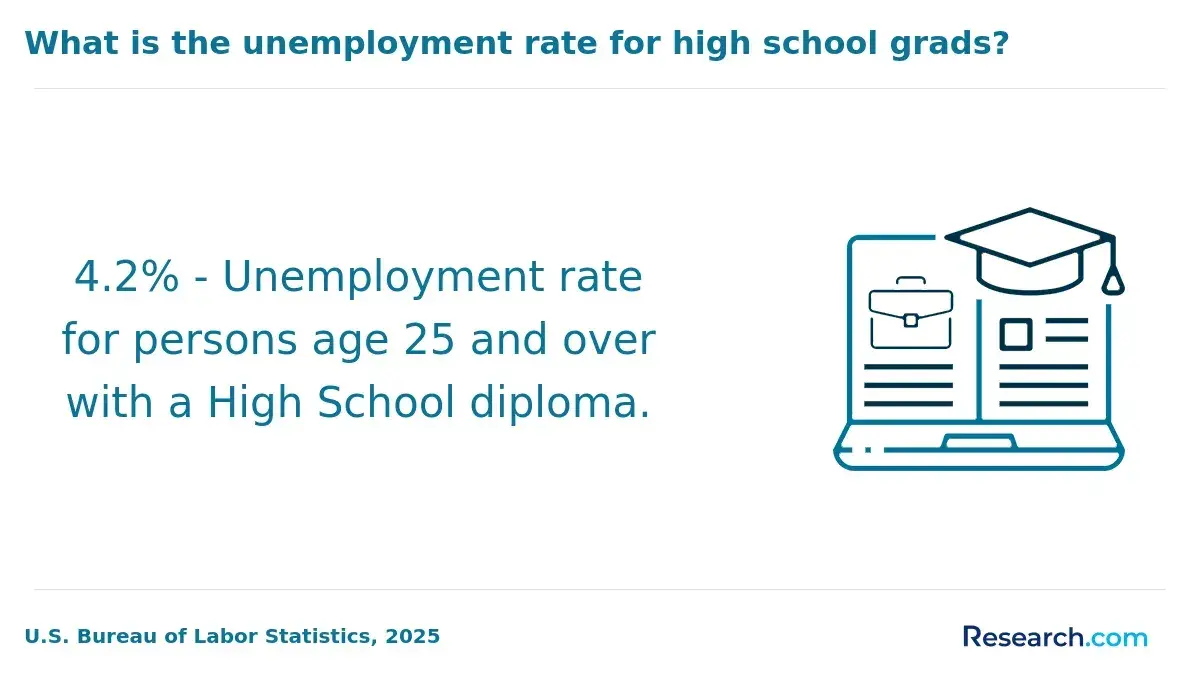
How Do Tuition Costs Affect the ROI of a Family Nurse Practitioner Program Across Institution Types?
Tuition differences across public, private, and nonprofit online family nurse practitioner programs profoundly shape their return on investment, but lower sticker prices do not guarantee greater financial gain. Public institutions typically list tuition around $15,000, compared to about $35,000 at private nonprofits; however, private programs often offset these costs with scholarships and grants that reduce net price for select students. Still, graduates from private programs are more likely to incur heavier loan burdens-median debt levels can surpass $50,000 versus roughly $30,000 for public program graduates-potentially diminishing long-term ROI despite initial financial aid.
Beyond cost, program structure and support affect outcomes that factor into ROI. Public programs frequently emphasize accelerated or flexible pacing enabling working professionals to complete degrees faster and limit opportunity costs, whereas some private nonprofits invest heavily in student services that may improve licensure success or retention but with higher upfront costs.
Employers increasingly value clinical experience and competencies over institutional prestige, meaning that a lower-cost public program with solid clinical partnerships can yield similar early career salaries and opportunities as pricier private programs. Consequently, prospective students must weigh debt exposure, time-to-degree, and support services alongside tuition to judge whether a more expensive program truly offers superior long-term value.
How Do Graduation Rates Influence Family Nurse Practitioner Program ROI?
Graduation rates serve as a valuable but incomplete indicator of the return on investment for family nurse practitioner programs, particularly within public, private, and nonprofit online institutions. Programs with higher completion rates often reflect stronger academic support and efficient pathways, which reduce time-to-degree and limit tuition and opportunity costs. For example, a 2024 report from the National Student Clearinghouse Research Center highlights that online nursing programs exceeding a 70% graduation rate tend to help graduates enter the workforce faster and with less debt burden, directly impacting early earnings and long-term financial stability.
However, a nuanced analysis must consider institutional differences and student demographics. Public programs typically offer moderate to high completion aided by accessible support services and lower tuition, while private programs may feature more accelerated options that reward students capable of sustained progress despite sometimes lower overall graduation rates. Nonprofit online offerings often cater to working adults balancing jobs and family, where external pressures affect persistence independently of program quality. As such, graduation rates within these contexts intersect with factors like time-to-degree variability and debt-to-income ratios, which profoundly influence how family nurse practitioner graduation rates impact on program ROI.
Ultimately, graduation rates should be evaluated alongside cost, program flexibility, and career outcomes when comparing educational options. Cost-conscious students should also consider how varying attrition patterns and credential recognition affect employability in a competitive healthcare environment. For those interested in examining financial aspects further, cost of RN to BSN programs provide a relevant benchmark for understanding nursing education expenses that inform broader ROI considerations.
What Role Do Career Outcomes Play in the ROI of a Family Nurse Practitioner Degree?
Evaluating the ROI of family nurse practitioner degrees demands close attention to how career outcomes vary by institution type, as these differences shape graduates' financial and professional trajectories. Public online programs typically offer lower tuition and established regional healthcare partnerships, which translate to steady job placement rates near 85-90% within six months, supporting quicker ROI recovery. In contrast, private programs may provide access to specialized career services and higher initial salaries but often result in greater student debt, potentially extending the time before net returns become positive.
Nonprofit programs tend to balance cost and curriculum relevance, delivering consistent employability without sharp extremes in debt or salary outcomes. These tradeoffs mean a student targeting rural practice might prioritize public programs for community ties and sustainability, while one seeking career mobility may weigh private options despite added financial risk. The U.S. Bureau of Labor Statistics projects a 40% growth rate for family nurse practitioners through 2034, yet employer preference increasingly favors tangible clinical experience over institutional prestige, emphasizing the practical value of embedded rotations and strong employer engagement across all program types.
Career outcomes thus interact with tuition costs, debt loads, and program structure to influence how rapidly a graduate can convert education into sustainable earnings and professional growth. Programs that foster strong employer networks and align with local healthcare demands enhance credential utility, while those with higher debt burdens risk dampening long-term gains despite initial salary advantages. For adult learners balancing work and study, these dynamics affect strategic decisions around affordability, time-to-completion, and realistic career pathways rather than simplistic ROI calculations based solely on upfront costs and average salaries.
One graduate recalled navigating job opportunities after completing an online family nurse practitioner program, initially uncertain if the degree's cost justified the effort. While the credential did not immediately unlock a higher salary, it facilitated internal promotions within a regional hospital system that valued her advanced clinical skills and practical experience gained during the program. She noted that networking through clinical rotations proved more influential than institutional branding, enabling gradual role transitions and expanded responsibilities over time. Her reflection highlighted the challenge of quantifying ROI purely in monetary terms, underscoring how recognizing varied career outcomes-as well as program affordability and local demand-can better inform investment decisions in this field.
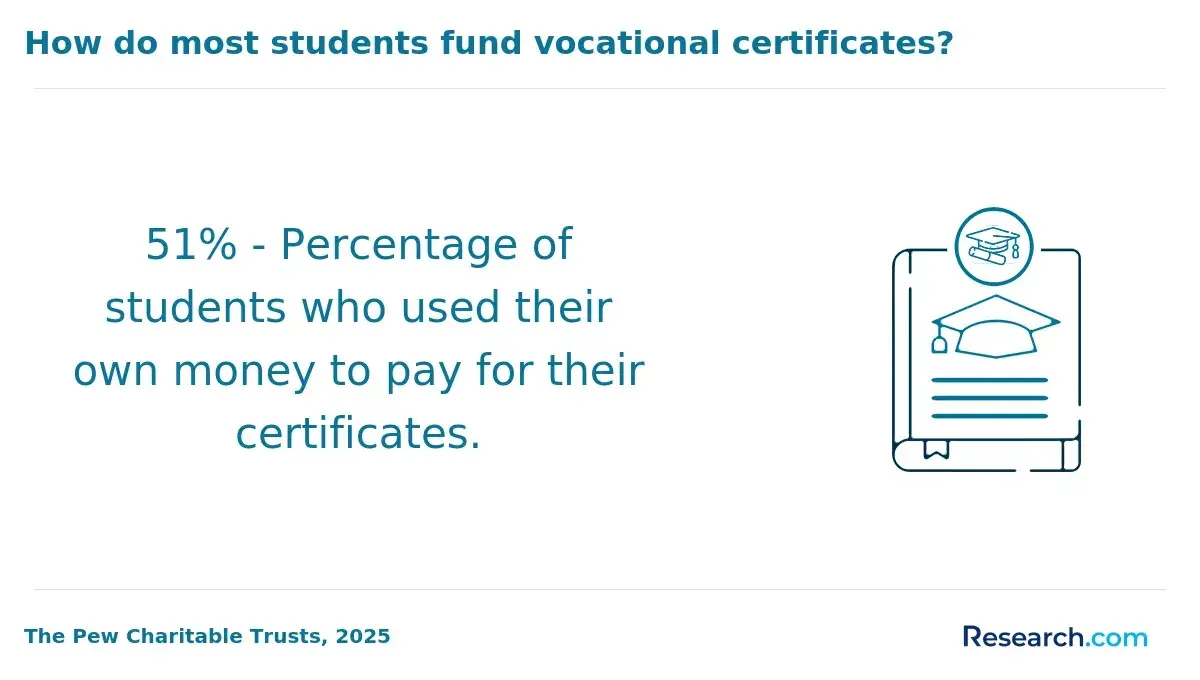
How Does Student Debt Impact the Long-Term ROI of a Family Nurse Practitioner Program?
High student debt can materially diminish the long-term ROI of a family nurse practitioner program, especially when comparing public, private, and nonprofit online institutions. Graduates of private programs often incur debts exceeding $50,000, which can suppress net earnings despite typically higher salaries. For example, a debt load from a private program may require monthly repayments that delay wealth accumulation and reduce financial flexibility, whereas public program graduates with debts under $30,000 might achieve positive net returns more quickly. Evaluating the impact of student loans on family nurse practitioner program return requires a nuanced view that incorporates borrowing strategies, completion rates, and repayment realities.
Debt burdens intersect with educational value through factors like specialized clinical opportunities, alumni networks, and program flexibility. Nonprofit online programs often offer more tailored financial aid, yet their ROI varies with individual aid packages and total cost of attendance. For prospective students balancing work and family commitments, managing debt without compromising day-to-day stability often outweighs modest starting salary increases.
This reality underscores the importance of critical financial planning; comprehensive analysis includes an understanding of how debt, graduation likelihood, and repayment success differ across institutional types. For those seeking parallel fields, exploring options such as a nutritionist degree may also be relevant when assessing cost-effectiveness and career outcomes.
How Do Flexibility and Adult Learner Support Affect Family Nurse Practitioner Program Value?
Program flexibility and adult learner support critically shape the return on investment for family nurse practitioner online programs, with significant differences across public, private, and nonprofit institutions. For instance, asynchronous learning and part-time options reduce opportunity costs by allowing working professionals to maintain employment while studying, which can accelerate degree completion and decrease debt.
However, public universities often prioritize affordability over personalized support, which may extend time-to-degree and hinder persistence, while nonprofit programs frequently offer comprehensive advising, career guidance, and transfer-friendly policies that enhance student outcomes and job readiness.
Private institutions typically provide strong individual support and flexible clinical placements, yet their higher tuition can offset these benefits unless graduates secure commensurate salary gains. Support services tailored to military-affiliated students, parents, and career changers-such as credit transfer assistance and faculty accessibility-are more consistently found in nonprofit settings, correlating with a reported 20% increase in degree completion rates according to a recent Lumina Foundation study.
Public schools may struggle to deliver this level of engagement due to scale and resource constraints, impacting retention and long-term value despite lower sticker prices. Therefore, cost-conscious learners must weigh not only tuition but also the tangible effects of student-centered resources on persistence and timely graduation when evaluating program ROI.
How Do Accreditation and Institutional Reputation Influence Family Nurse Practitioner ROI?
Accreditation status and institutional reputation exert a tangible influence on the return on investment (ROI) of family nurse practitioner programs by shaping licensure eligibility, credit transfer options, and employer perceptions. Graduates from nationally accredited programs, such as those recognized by the Accreditation Commission for Education in Nursing (ACEN) or the Commission on Collegiate Nursing Education (CCNE), benefit from increased employability; a 2024 study by the National Student Clearinghouse Research Center found these graduates were 18% more likely to obtain advanced certifications within two years post-graduation. For example, a nurse completing a program at a regionally accredited public university may face fewer hurdles securing clinical placements and licensure compared to one from an unaccredited or less recognized institution, which can affect both the speed of workforce entry and salary progression.
Institutional reputation interacts with accreditation but does not uniformly dictate outcomes. Public universities often leverage strong regional recognition and lower tuition to reduce student debt while maintaining solid programmatic accreditation-an important consideration for cost-conscious learners balancing affordability with quality. Conversely, private and nonprofit institutions may command higher costs but provide enhanced support services, including career counseling and personalized instruction, which can mitigate debt concerns through better job placement.
Yet, employer preference data from the Nurse Practitioner Employers Association in 2024 shows 62% of hiring managers prioritize national accreditation over school prestige, with only 45% placing greater weight on institutional reputation than relevant experience, underscoring that practical factors and program credibility collectively shape the long-term ROI of these degrees.
How Does Time-to-Degree Affect the ROI of Public, Private, and Nonprofit Family Nurse Practitioner Programs?
Time-to-degree significantly shapes the return on investment in family nurse practitioner programs by influencing both direct and indirect costs. Public programs, often with more flexible part-time options and broader transfer credit acceptance, tend to have longer completion times, which can extend tuition payment periods and delay workforce entry. In contrast, many private programs offer accelerated paths that reduce time-to-degree but increase academic intensity, potentially challenging those balancing employment and family obligations. For working professionals, choosing a faster program might compress opportunity costs but risks burnout, whereas longer programs may offer needed flexibility at the expense of delayed credentialing and earning potential.
The time-to-degree differences in public private and nonprofit FNP programs also affect persistence and graduation rates, which in turn impact long-term educational value and financial outcomes. Private institutions typically see higher retention potentially due to smaller, more individualized cohorts, helping students finish sooner despite fewer transfer credits allowed. Nonprofit programs often strike a balance between flexibility and moderate timelines, but their comparatively restrictive transfer policies can extend duration for transfer students. These nuances directly affect debt accumulation and career timing, factors crucial for cost-conscious adult learners evaluating program ROI against their unique life circumstances. Prospective students navigating these tradeoffs must weigh the value of accelerated completion against the realities of their commitments and institutional support.
Students aiming to align program duration with career goals may also consider how graduation timing interacts with available job markets and employer expectations. Entering the workforce earlier enables faster credential utilization but may require sacrificing some academic accommodation. For those interested in exploring options beyond nursing, reviewing pathways to related professions and jobs for bioinformatics degree holders illustrates the broader impact of time-to-degree on professional versatility and long-term planning. Ultimately, understanding how family nurse practitioner program duration impacts ROI involves judging these operational and financial tradeoffs in the context of individual career trajectories and life demands.
How Can You Choose the Best Family Nurse Practitioner Program Based on Your ROI Goals?
The best family nurse practitioner online program return on investment depends largely on individual priorities rather than institution type alone. Public programs commonly offer lower tuition for in-state students, reducing upfront costs and student debt, which is crucial for many cost-conscious adult learners balancing family obligations and ongoing employment. However, private and nonprofit programs may provide stronger learner support, specialized certifications, and networking opportunities that can accelerate job placement or salary growth, factors that improve ROI differently depending on the student's career goals and need for program flexibility.
Graduation rates, accreditation, and institutional reputation directly impact employability and licensure, affecting long-term returns from any family nurse practitioner program. The National Center for Education Statistics reports graduation rates near 80% for public and nonprofit online nursing programs, indicating consistent outcomes, whereas some private programs vary more widely. For working professionals, programs with asynchronous courses enable faster completion and re-entry to the workforce, an important ROI consideration when balancing education with job stability and family commitments.
When choosing top family nurse practitioner programs for best ROI, weighing tuition cost against financial aid, program length, and career outcomes is essential. Students must also consider their personal circumstances and how extended time-to-degree may increase overall costs. Exploring easy nurse practitioner programs to get into can be a practical step for those seeking manageable program entry and timely completion without excessive debt burden.
References
- FNP vs. NP – What’s the Difference? https://nursinglicensemap.com/advanced-practice-nursing/nurse-practitioner/family-nurse-practitioner/fnp-vs-np/
- The Path to Becoming a Nurse Practitioner (NP) https://www.aanp.org/news-feed/explore-the-variety-of-career-paths-for-nurse-practitioners
- How to Market Your NP & PA Advanced Education Program for Maximum ROI https://thriveap.com/blog/how-to-market-your-np-pa-advanced-ed-program-to-maximize-roi/
- Nurse Practitioner - Explore Healthcare Careers - Mayo Clinic College of Medicine & Science https://college.mayo.edu/academics/explore-health-care-careers/careers-a-z/nurse-practitioner/
- How to Become a Family Nurse Practitioner https://www.herzing.edu/become/family-nurse-practitioner
- How Family Nurse Practitioners Deliver Lifespan Care | Neumann https://learn.neumann.edu/neuperspectives/how-family-nurse-practitioners-deliver-lifespan-care
- Nurse Practitioner Career Guide https://www.allnursingschools.com/nurse-practitioner/job-description/
- Beyond Calculation: Empowering Nurse Advocates Through Data-Driven ROI https://www.anpd.org/NPD-In-Motion/Article/beyond-calculation-empowering-nurse-advocates-through-data-driven-roi
- Family Nurse Practitioner (FNP) Success Tips • Rocky Mountain University https://rm.edu/news/fnp-success-tips/
- Post Masters Family Nurse Practitioner (FNP) https://www.westernu.edu/financial/student-budgets/fnp/
Other Things You Should Know About Family Nurse Practitioner
Yes, institution type can significantly impact the quality and availability of clinical placements. Public institutions often have established partnerships with local hospitals and community clinics, providing broader access to diverse populations and care settings. Private and nonprofit programs may offer more specialized or prestigious clinical sites but sometimes have fewer placements, which can increase competition and pressure on students. When evaluating programs, prioritize those with strong, guaranteed clinical affiliations to ensure relevant, hands-on experience critical for employment.
Employers often recognize public institutions as cost-effective and practical training grounds, especially in states with robust public healthcare systems. Private programs may carry a perception of exclusivity or specialization, which can be advantageous in competitive markets but might not translate to higher starting salaries or job offers universally. Nonprofit programs balance these views but can differ widely in regional reputation. For candidates targeting large healthcare systems or public health roles, public program credentials may align better with employer expectations and improve ROI through stronger hiring networks.
Working professionals typically benefit from nonprofit and some private online family nurse practitioner programs designed with flexibility in mind, including asynchronous learning and streamlined clinical scheduling. Public programs may offer lower tuition but often come with more rigid semester schedules and clinical hours, potentially complicating work-study balance. Those juggling employment and family should weigh the institutional support structures and program flexibility more heavily than cost alone to maintain progress and reduce delay-related expenses that erode ROI.
Long-term advancement often ties more closely to a graduate's clinical experience and networking than to institution type alone. However, graduates from private programs with niche clinical focuses or robust alumni networks may access leadership or specialized roles sooner. Public and nonprofit institutions frequently provide steady paths into community health and primary care settings, which can offer stable, incremental career growth. Prospective students should consider their desired career trajectory and select programs accordingly, as focusing solely on initial ROI without regard to advancement opportunities may lead to missed long-term gains.