2027 Data Analytics ROI by Institution Type: Public vs Private vs Nonprofit Online Programs

Co-Founder and Chief Data Scientist
Choosing between public, private, and nonprofit online programs for a data analytics degree often feels like comparing apples to oranges, especially when tuition differences can exceed 50%. A 2024 National Center for Education Statistics report found that graduates from private institutions carrying higher debt loads experience slower financial recovery despite marginally better graduation rates.
This suggests that higher sticker prices don't always translate to proportional career gains. Moreover, employer recognition and institutional support differ widely across these categories, directly influencing job placement and long-term earnings potential.
This article examines these nuanced factors to help prospective students assess ROI by institution type and optimize their educational investment decisions.
Key Things to Know About Data Analytics ROI by Institution Type
- Public institutions typically offer lower tuition but higher average student debt due to longer completion times in online data analytics, requiring prospective students to weigh affordability against potential delayed workforce entry.
- Private online data analytics programs often benefit from stronger industry connections and employer recognition, which can enhance job placement rates but may involve higher upfront costs without guaranteeing proportional salary increases.
- Nonprofit online data analytics providers frequently emphasize flexible pacing and learner support, facilitating career changers' timely graduation, yet variable accreditation standards can affect long-term credential value among employers.
- Key Things to Know About Data Analytics ROI by Institution Type Key Things to Know About Data Analytics ROI by Institution Type
- What Does ROI Mean for a Data Analytics Program and How Is It Measured? Understanding Data Analytics Program ROI
- How Do Public, Private, and Nonprofit Online Data Analytics Programs Differ in Overall Value? Value by Institution Type
- How Do Tuition Costs Affect the ROI of a Data Analytics Program Across Institution Types? Tuition Costs and ROI
- How Do Graduation Rates Influence Data Analytics Program ROI? Graduation Rates Impact ROI
- What Role Do Career Outcomes Play in the ROI of a Data Analytics Degree? Career Outcomes and ROI
- How Does Student Debt Impact the Long-Term ROI of a Data Analytics Program? Debt vs. Long-Term ROI
- How Do Flexibility and Adult Learner Support Affect Data Analytics Program Value? Flexibility and Program Value
- How Do Accreditation and Institutional Reputation Influence Data Analytics ROI? Accreditation and Reputation
- How Does Time-to-Degree Affect the ROI of Public, Private, and Nonprofit Data Analytics Programs? Time-to-Degree
- How Can You Choose the Best Data Analytics Program Based on Your ROI Goals? Choosing Programs by ROI
What Does ROI Mean for a Data Analytics Program and How Is It Measured?
Evaluating return on investment for data analytics programs requires more than focusing on upfront tuition alone; it demands an integrated view of total educational costs, time commitment, and likely career outcomes. For instance, while public online programs typically present lower tuition and higher graduation rates, their flexible pacing can reduce opportunity costs for working adults balancing employment and study.
However, a nonprofit program with slightly higher expenses may offer stronger career support and employer connections, which can lead to faster salary growth and better job placement—factors crucial to long-term ROI but often overlooked in simplified financial comparisons.
Graduation rates and time-to-degree significantly affect how students should measure ROI, especially when comparing varied institutional types. A longer degree path at a private institution might accelerate technical skill acquisition but may require suspending income or incurring higher debt, complicating the financial picture.
Data from leading education research highlights that public online programs frequently deliver lower average debt while nonprofit programs foster higher employer preparedness, suggesting that evaluating institutional reputation and learner support is as vital as cost. The real key is alignment with individual goals. For some, a lower-cost, slower path improves ROI by minimizing financial stress, whereas others benefit more from compressed programs that capitalize on immediate job market entry despite higher initial investment.
Those exploring options in data analytics should incorporate multiple ROI dimensions, including credit transfer policies, program quality, and real-world relevancy, into their decision-making rather than defaulting to cheapest tuition or superficially ranked programs. Accessing an online master degree may represent an attractive path for students prioritizing speed and flexibility, but assessing the balance of debt burden, career support, and employer expectations ultimately shapes returns.
Recognizing that different student profiles and career aims yield distinct ROI outcomes prevents one-size-fits-all judgments and ensures more informed educational investments in this evolving field.
How Do Public, Private, and Nonprofit Online Data Analytics Programs Differ in Overall Value?
Public, private, and nonprofit online data analytics programs often diverge significantly in how they balance cost, support, and outcomes, shaping their overall value for adult learners. Public programs generally provide lower tuition due to state funding, which can reduce graduate debt by about 15% compared to private alternatives, according to the National Center for Education Statistics 2024 report.
However, this affordability frequently comes with tradeoffs such as larger class sizes and more automated advising systems, which can impact personalized support and completion rates. Private institutions, by contrast, often invest more heavily in dedicated career services and smaller cohorts, contributing to higher graduation rates and improved employer engagement, but students must weigh this against increased upfront costs and potential debt.
Nonprofit online data analytics offerings tend to sit between public and private models by combining more robust employer partnerships and industry-aligned curricula with moderate price points, though tuition and outcomes can vary widely. Employer surveys underscore the importance of accreditation and demonstrable project experience over the public-versus-private status, meaning programs need to deliver tangible skill applications to affect job placement effectively.
While students generally benefit from the enhanced hands-on support found in private and nonprofit sectors, the flexibility and affordability of public programs often appeal more to working professionals juggling multiple responsibilities, creating real dilemmas when evaluating long-term return on investment.
One recent graduate recounted spending months comparing these institution types while deciding on an online data analytics degree. They hesitated over paying extra for a private program's reputation and career coaching but worried about the debt implications, especially with family financial commitments.
The public university's affordability was appealing, yet concerns about limited one-on-one support gave pause. Ultimately, the student chose a nonprofit program that balanced reasonable tuition with employer connections and flexible scheduling, feeling reassured that this approach aligned best with their financial constraints and career objectives without overextending debt or compromising credential strength.
How Do Tuition Costs Affect the ROI of a Data Analytics Program Across Institution Types?
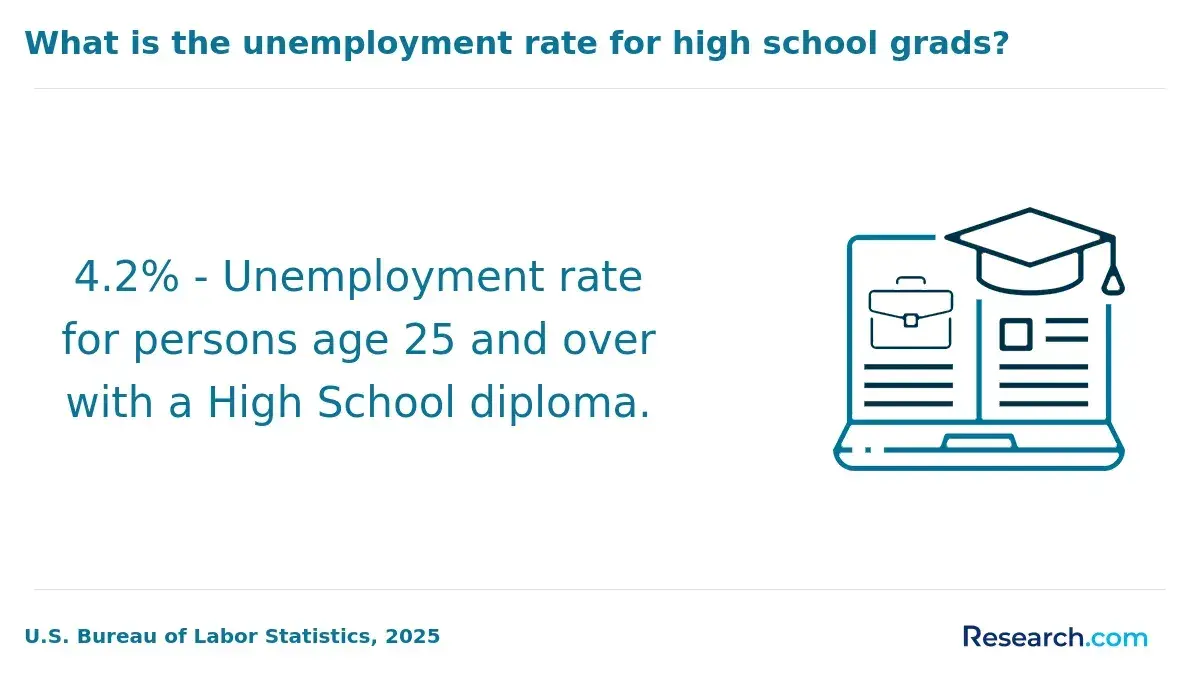
Lower tuition costs at public institutions often reduce immediate financial strain and debt accumulation for Data Analytics students, but this does not guarantee a superior return on investment. According to 2024 National Center for Education Statistics data, public online programs average around $8,000 annually after financial aid, roughly one-third of private nonprofit tuition.
Yet, this cost advantage can be offset if public programs lack accelerated pathways, comprehensive career services, or strong employer networks, which are critical to timely graduation and successful job placement. Graduates from public programs typically carry 20-30% less debt, enhancing financial freedom, but extended time to degree or weaker post-graduation support can diminish these savings when measured against lifetime earnings.
Private nonprofit programs with higher tuition often justify their price by delivering more robust academic resources, including faculty expertise and targeted career guidance, which may translate into better employment outcomes for specific learners. However, the additional upfront expense requires careful evaluation of personal circumstances and career goals; some adult learners may find that the incremental benefits do not outweigh increased financial burdens, especially if program flexibility is limited.
Ultimately, prospective students should weigh how tuition intersects with program length, graduation rates, and employer connections, recognizing that a lower sticker price is not synonymous with stronger long-term ROI and that a higher cost may only be warranted if it yields measurable improvements in employability or earnings trajectories.
How Do Graduation Rates Influence Data Analytics Program ROI?
Graduation rates are a critical lens for assessing the return on investment in data analytics programs, especially when comparing public, private, and nonprofit online institutions. Public programs tend to exhibit higher completion averages near 55%, while private for-profit options can fall below 30%, with nonprofits around 45% according to 2024 data from the National Center for Education Statistics.
For cost-conscious adult learners, these disparities translate directly into financial consequences, as faster degree completion reduces tuition obligations and limits debt accumulation, improving lifetime earnings potential. However, lower graduation rates in some schools often reflect the diverse needs of part-time, transfer, and working student populations rather than solely program quality, complicating straightforward ROI assumptions.
Beyond raw completion figures, institutional support services and program flexibility significantly influence persistence, time-to-degree, and career readiness. Many employers prioritize practical skills alongside credentials, so students should weigh how well a program's resources align with career pathways in addition to graduation outcomes.
Comparing online construction management and data analytics programs illustrates how sector-specific workforce demand can affect institutional focus and ROI considerations. Graduation rates provide a useful metric for institutional effectiveness but must be integrated with contextual factors such as student demographics and career outcomes to fully evaluate financial and educational value.
What Role Do Career Outcomes Play in the ROI of a Data Analytics Degree?
Employment outcomes critically shape the actual return on investment for data analytics graduates, often outweighing sticker tuition or short-term earnings snapshots. For example, while private online programs show slightly higher placement rates, 83% within six months versus 78% for public and 80% for nonprofit according to a 2024 National Center for Education Statistics report, these numbers conceal underlying factors such as curriculum relevance, employer connections, and flexibility that influence long-term career mobility.
Employers increasingly value candidates whose skills align with evolving industry tools and who demonstrate practical experience, a strength commonly found in nonprofit programs focused on workforce alignment, even when upfront costs may be lower. Graduates must weigh how these distinctions affect their capacity to leverage a degree beyond immediate employment to sustained professional growth, particularly given the debt and time commitments involved.
The evaluation of ROI becomes especially complex when factoring in job market volatility and variation in institutional support services like internships and networking. A working professional balancing tuition costs against ROI should consider not just initial placement, but how well a program prepares them for internal advancement or transitions into new roles over time.
Public programs might offer affordability and flexibility crucial for adult learners but could lack the industry partnerships that speed career acceleration found in private or nonprofit offerings. Ultimately, career outcomes intersect with financial investment and individual goals to determine practical value.
One graduate from an online data analytics program recalled initially debating whether the credential would materially affect her role in a mid-sized tech firm. Although the school wasn't the most prestigious, she appreciated its strong employer connections and curriculum updates that mirrored current workplace demands.
Over two years, she noticed her employer increasingly assigning her complex projects tied to analytics, reflecting recognition of her developed competencies. While her salary growth was modest, this expanded responsibility assured her that the degree's ROI extended beyond immediate financial returns, offering a foundation for future opportunities that justified the investment of time and money.
How Does Student Debt Impact the Long-Term ROI of a Data Analytics Program?
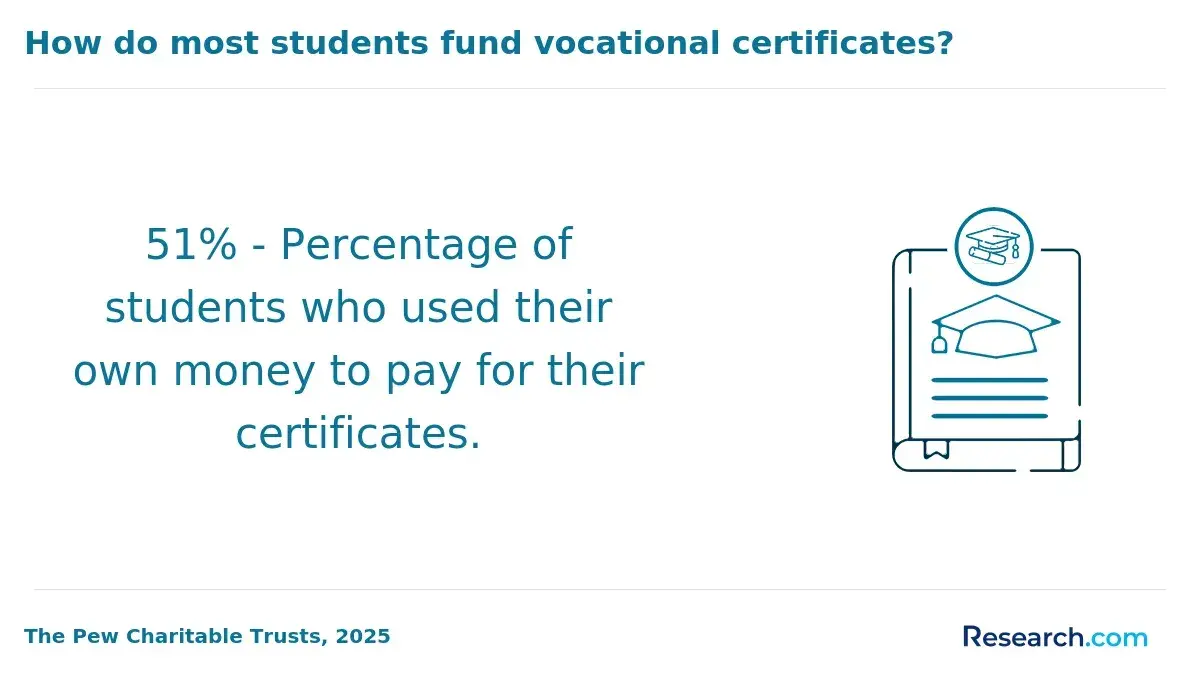
Higher student debt can significantly erode the long-term ROI of a data analytics program, especially when comparing public, private, and nonprofit online institutions. For instance, private nonprofit students often carry about 25% more median debt than those at public schools, creating greater repayment pressure that can diminish financial flexibility after graduation.
This dynamic is compounded when extended program completion times at some institutions increase borrowing costs, delaying career milestones such as homeownership or retirement savings. Graduates facing elevated monthly payments may find their net economic gains offset despite favorable labor market demand for data analytics skills.
The impact of student loan repayment on data analytics career ROI varies depending on the interplay between borrowing level, employment outcomes, and program costs. Public online programs, often benefiting from state subsidies and lower tuition, tend to produce smaller debt burdens, which can improve repayment success and reduce default risk.
However, graduation rates and credit transfer policies may affect time to degree and total cost, influencing overall value. Adult learners and career changers must weigh these factors carefully, aligning anticipated debt against the quality and market positioning of the program to ensure sustainable financial outcomes.
Decision-makers can also benefit from exploring related pathways that prioritize affordability and practical return. Exploring options such as an urban planning degree online highlights the importance of comparing borrowing patterns and employment prospects across disciplines.
Ultimately, analyzing student debt and long-term ROI in data analytics programs requires balancing upfront costs with realistic salary expectations and repayment realities to identify credible educational investments.
How Do Flexibility and Adult Learner Support Affect Data Analytics Program Value?
Programs that integrate genuine flexibility with targeted adult learner support significantly influence persistence and overall return on investment in data analytics education. Asynchronous formats and part-time options are more than conveniences; they enable working professionals, parents, and military-affiliated students to sustain enrollment without sacrificing income or family responsibilities.
A 2024 report from the National Center for Education Statistics confirms that 68% of adult learners in online asynchronous courses show higher persistence than those in primarily synchronous programs, which directly impacts graduation rates and long-term career returns.
Beyond scheduling, nuanced support services, such as personalized academic advising, transfer credit evaluations, and career counseling tailored to adult learners, drive time-to-degree reduction and lower debt burdens. Public and nonprofit online programs often excel here by facilitating credit transfers and offering military-friendly policies, which can enhance affordability and workforce alignment.
Conversely, private institutions may provide accelerated tracks or flexible start dates but often at higher tuition costs and with less established transfer pathways, potentially diminishing ROI despite faster completion options. Employer demand for programs that offer consistent faculty interaction and reliable digital resources also underscores disparities in quality that affect skill mastery and employability after graduation.
For prospective students, weighing these tradeoffs is crucial. Prioritizing programs with robust adult learner services alongside scheduling flexibility can mitigate opportunity costs and debt while improving employment outcomes over time.
However, affordability constraints and institutional capacity for individualized support vary widely, meaning that a program's nominal convenience must be assessed against actual student engagement and long-term return. This careful balance shapes the meaningful value adult learners derive from data analytics programs, informing how they navigate educational investment decisions.
How Do Accreditation and Institutional Reputation Influence Data Analytics ROI?
Regional accreditation remains a critical baseline in evaluating the ROI of data analytics programs, particularly for cost-conscious students balancing tuition expenses against career outcomes. Employers generally prioritize graduates from regionally accredited institutions, as these credentials ensure transferability of credits and eligibility for federal aid, directly impacting affordability and long-term debt management.
For example, a working professional transferring credits to complete a data analytics degree online may face significant setbacks if the program lacks proper accreditation, diminishing both educational flexibility and value. According to the National Center for Education Statistics, over 90% of employers emphasize regional accreditation when assessing candidates' credentials, underscoring its practical importance beyond institutional branding.
Beyond this, specialized programmatic accreditation often signals curriculum rigor aligned with industry demands, which nonprofits tend to emphasize. This accreditation correlates with higher graduation rates and stronger employer recognition, factors that can enhance employment prospects and reduce time-to-degree—an essential consideration for adult learners.
However, institutional reputation alone does not guarantee superior ROI, as many public and nonprofit schools deliver competitive outcomes through robust career services and relevant training without the premium tuition of prestigious private universities. A survey by the Association of American Colleges and Universities found 70% of employers value practical skills over brand recognition, illustrating the relative weight of demonstrable competencies in hiring decisions.
Ultimately, students evaluating public, private, and nonprofit online data analytics programs must consider how accreditation, reputation, cost, and student support intersect to influence both immediate affordability and long-term career trajectories.
How Does Time-to-Degree Affect the ROI of Public, Private, and Nonprofit Data Analytics Programs?
Shorter time-to-degree paths in data analytics programs can meaningfully reduce opportunity costs by enabling earlier workforce re-entry, but this acceleration often demands substantial upfront focus and may limit flexibility critical for many adult learners balancing work and family. Public institutions generally offer extended, more flexible timelines that accommodate part-time enrollment and higher transfer credit acceptance, effectively lowering tuition exposure over time and reducing debt accumulation risk.
For example, a working professional leveraging transfer credits may extend program duration slightly yet achieve cost savings and steady progression, illustrating how time-to-degree impacts ROI pragmatically rather than linearly.
Private online programs frequently promote accelerated study formats appealing to career changers seeking rapid credentialing, yet the increased tuition and intensity can offset financial gains unless offset by significant salary improvements post-graduation. Nonprofit providers tend to moderate pacing and emphasize student support, which correlates with improved completion rates, a key factor for sustaining long-term ROI amid varied life commitments.
Evaluating how program duration influences ROI in online data analytics degrees requires weighing these tradeoffs alongside practical realities such as part-time options and completion likelihood. Prospective students should consider affordability and flexibility in tandem with time-to-degree, as these jointly determine educational value, especially when comparing public, private, and nonprofit pathways.
Cost-conscious learners seeking the most effective investment must also examine how transfer credits and enrollment status affect degree progression and graduation timelines, which in turn impact wage growth and career timing. Carefully mapping these variables can prevent extended timelines from inadvertently delaying workforce advantages.
For those exploring accelerated routes or more traditional pacing, resources like affordable online masters counseling programs provide relevant benchmarks and financial considerations useful for comparison across sectors.
How Can You Choose the Best Data Analytics Program Based on Your ROI Goals?
Maximizing return on investment in a data analytics program depends more on individual priorities and contexts than simply choosing between public, private, or nonprofit institutions. Public online programs tend to offer significantly lower tuition, often 40%-60% less, reducing immediate financial strain, but they may provide less personalized advising, which can impact time to degree and career readiness.
Conversely, private programs might be associated with stronger employer recognition or prestige but often carry higher tuition and increased debt risk, which can undermine long-term ROI for working adults who must balance education with personal and professional obligations.
Nonprofit online programs often strike a balance by offering flexible pacing, asynchronous course delivery, and robust learner support services, which align well with varied schedules and career change timelines. Graduation rates and time-to-degree completion significantly influence ROI; programs with higher completion rates typically reduce overall debt and accelerate workforce reentry, important factors for cost-conscious students.
Accreditation and institutional reputation also affect employment outcomes, as many employers prioritize rigor and regional ties. For those assessing the best online data analytics programs for career return, it's essential to consider these dimensions alongside your financial aid options and borrowing capacity to avoid unsustainable debt burdens.
Choosing wisely involves understanding how these tradeoffs fit your situation, whether you are a full-time employee, caregiver, or transfer student. Research has shown that public institutions often yield higher graduation rates and lower total cost of attendance, supporting better ROI for many learners. For those seeking direction on the variety of career paths and workplace fit, consulting resources on the best jobs for introverts can provide additional clarity on aligning education to personal work style and market demand.
References
- Nonprofit Analytics: What It Is & the Tools That Fit https://www.sopact.com/use-case/nonprofit-analytics
- Big Data and the Study of Data Analytics in College https://newmanu.edu/nth-degree/big-data-and-the-study-of-data-analytics-in-college
- Future-Proof Your Career: Why Data Analytics is Essential for Students https://matchtocollege.com/blog/why-students-learn-data-analytics-future-career
- Adult learners: who they are and what they want out of college | EAB https://eab.com/resources/blog/adult-education-blog/adult-learners-who-they-are-what-they-want-college/
- Is College Worth it? | Return on Investment Analysis of College Degree https://educationdata.org/college-degree-roi
- K–12 ROI: Measure the Impact of Instructional Investments https://leveldata.com/k-12-roi-analytics/
Other Things You Should Know About Data Analytics ROI by Institution Type
Private online programs often come with higher tuition but may offer more intensive networking opportunities and personalized career services. However, these advantages do not always translate to proportionally higher salary gains in data analytics compared to public or nonprofit programs. For cost-conscious learners focused strictly on ROI, investing in a reputable public or nonprofit online program with strong employer connections can often yield equal or better returns without the substantial price premium.
Employers tend to prioritize the skills and practical experience demonstrated rather than solely the institution type, but nonprofit programs sometimes maintain stronger ties with specific industry sectors, benefiting graduates in niche markets. Public institutions generally offer broad recognition and established curricula aligned with government and large corporate data needs. For applicants targeting specialized roles, nonprofit degrees with targeted curriculum could provide a crucial edge; otherwise, public online degrees often suffice for general data analytics career paths.
Online public programs typically offer greater flexibility and lower weekly time demands, accommodating full-time workers more effectively. Private programs, by contrast, may demand more rigorous schedules and deeper engagement, potentially accelerating skill acquisition but increasing stress and risk of burnout. Professionals must weigh their current workload and learning style: if maintaining career performance is essential, flexible public or nonprofit options are generally safer; if rapid reskilling is the goal and time permits, private programs might provide more immersive experiences.
Most public and nonprofit data analytics online programs emphasize foundational theory combined with applied projects, facilitating a balance between conceptual understanding and hands-on skills preferred by employers. Private programs may integrate more cutting-edge tools or industry-specific certifications but can be less standardized. For sustainable employability, choosing a program with a solid core curriculum and opportunities for real-world application-common in public and nonprofit pathways-often outweighs chasing novelty features that lack broader recognition.