2027 Biotechnology Degree Program Availability Report: Which States and Schools Offer the Most Options

Co-Founder and Chief Data Scientist
Program availability in biotechnology reflects state and institutional responses to evolving workforce demands and regional industry concentrations. The expansion of biotechnology degree options often correlates with local investments in life sciences infrastructure and targeted workforce development initiatives.
For example, states with robust biotech sectors tend to increase academic capacity, aligning curriculum offerings with employer skill requirements. Data from the National Center for Education Statistics in 2024 highlight a trend of growing enrollment in applied biotechnology specialization tracks, illustrating a shift toward practical, career-focused training.
This report examines which states and schools provide the broadest array of biotechnology degrees, revealing patterns in educational access and labor market integration.
Key Benefits of States and Schools That Offer the Most Biotechnology Degree Program Options
- States and schools with diverse biotechnology programs enable tailored specialization, but navigating varied curricula can extend time to degree completion, necessitating careful planning to align educational pathways with career goals.
- Employers increasingly favor candidates from institutions offering advanced biotech tracks linked to industry trends, reflecting workforce demand for specialized expertise beyond general lab skills.
- Expansive program availability often correlates with greater access to research partnerships and internships, though geographic concentration may limit this advantage for students outside key biotech hubs.
- Key Benefits of States and Schools That Offer the Most Biotechnology Degree Program Options Key Benefits
- Which States Offer the Most Biotechnology Degree Programs? Top States
- Why Do Some States Have More Biotechnology Programs Than Others? Program Availability
- Which Colleges Offer the Largest Number of Biotechnology Degree Options? Top Schools
- How Do Online Programs Improve Access in States With Limited Options? Online Program Access
- How Much Does Biotechnology Program Tuition Vary by State? Program Cost
- How Does Biotechnology Program Demand Affect Admissions Decisions? Program Demand
- How Do Biotechnology Specialization Options Vary by Region? Specialization Options
- How Does Regional Employer Demand Affect Career Outcomes? Employer Demand
- What Factors Matter Most When Comparing Biotechnology Programs Across States? Key Comparison Factors
- Which Regions May See the Fastest Growth in Biotechnology Education? Fastest Growing Region
Which States Offer the Most Biotechnology Degree Programs?
Program availability for biotechnology degrees in the United States is strongly influenced by factors such as the density of higher education institutions, proximity to biotech industry clusters, and regional labor market demands. States with expansive research universities and established biotech hubs tend to offer the most diverse options, spanning associate degrees to doctoral programs. This convergence of academic resources and industry presence enables students to select from specialized tracks and increases access to internships and employment. Variability in program offerings reflects local innovation ecosystems and the scale of health sciences sectors.
- California: Home to the University of California system and a dense network of private research universities, California provides the broadest range of biotechnology degree programs. Its significant biotech industry presence-centered in areas like the Bay Area and San Diego-connects students to cutting-edge research and workforce pipelines. This alignment allows for extensive specialization options and prepares graduates for roles ranging from lab technicians to research scientists.
- Massachusetts: The Boston-Cambridge corridor benefits from world-renowned academic institutions and a concentration of biotech firms and research centers. This environment fosters many specialized biotechnology degree offerings with a strong emphasis on integrating theory and practical lab experience. Students here gain strategic advantages through collaborative opportunities and established employer networks crucial for early career placement.
- New York: With its strong tradition in biomedical research and health sciences education, New York supports substantial graduate-level biotechnology programs alongside robust undergraduate tracks. Institutions in this region often focus on biopharmaceutical integration and policy applications, meeting workforce needs in healthcare and regulatory sectors. The state's diverse academic landscape supports adaptability for multiple career pathways within biotechnology fields.
Data from the National Center for Science and Engineering Statistics (2024) highlights that states with dense higher education infrastructure and biotech industry clusters consistently demonstrate higher enrollments and program diversity. For prospective students aiming to navigate the top US states offering biotechnology degrees, these structural forces significantly shape both access and the practical relevance of their chosen education pathways. Those seeking quicker transitions into the workforce may also consider exploring the easiest EdD programs as an analogy for targeted, fast-track credentials supported by strong institutional frameworks.
Why Do Some States Have More Biotechnology Programs Than Others?
Availability of biotechnology degree programs varies significantly across states, largely reflecting differences in higher education infrastructure and localized demand for graduates. States with expansive research universities and community colleges capable of delivering specialized scientific curricula are better positioned to sustain diverse biotechnology programs. Regional variations in economic activity related to life sciences and healthcare also influence program distribution, where workforce needs prompt institutions to tailor offerings that align with employer expectations. These structural dynamics underscore why some states consistently host a wider range of academic options for prospective students and researchers interested in biotechnology.
Key drivers behind this variation include state funding priorities that support STEM and life sciences research, the capacity of universities to conduct cutting-edge biomedical research, and the proximity of active biotechnology industry clusters. According to the National Science Foundation's 2024 Higher Education Research and Development Survey, states investing over $500 million annually in biomedical research typically offer 35% more biotechnology-related degree programs than lower-investment states. Employer demand further reinforces this by incentivizing institutions to expand programs that produce graduates with skills tailored to pharmaceutical, agricultural biotech, and medical device sectors. These intersecting factors determine whether biotechnology education can evolve beyond foundational coursework toward specialized, practical training that meets regional labor market requirements.
These disparities also carry broader implications, as limited program availability in some states restricts student access to biotechnology education, compelling prospective candidates to consider cross-state or online alternatives. The growth of online degrees, including fields like business management degree online, reflects a broader trend toward expanding access where traditional campus-based capacity lags. Nonetheless, geographic concentration of biotechnology programs continues to shape regional workforce development, influencing how economies build talent pipelines and innovate within the life sciences sector over the long term.
Which Colleges Offer the Largest Number of Biotechnology Degree Options?
The availability of biotechnology degree options at colleges depends heavily on institutional scale, research capacity, and organizational infrastructure rather than sheer geographic location. Larger universities with substantial funding and established research agendas typically offer a broader spectrum of specialized pathways, degree levels, and interdepartmental collaborations. These institutions often deploy program diversification strategies that include joint degrees, certificates, and online formats to meet evolving industry demands and student needs.
- Large Public Research Universities: Institutions classified as R1 or R2 under the Carnegie system, such as those within the University of California or State University of New York systems, leverage their extensive research budgets and faculty expertise to provide a wide array of biotechnology programs. They frequently offer specialized tracks like medical biotech, agricultural biotech, and industrial bioprocessing embedded within interdisciplinary life sciences departments.
- Research-Intensive Private Universities: Leading private research universities, including Ivy League and other top-tier schools, integrate biotechnology education with pioneering scientific investigation and often emphasize translational research and innovation. Their program portfolios reflect greater academic depth with advanced degree options and niche specialization areas, supported by well-funded research centers.
- Multi-Campus State University Systems: These systems enable program differentiation across campuses, with some schools focusing on biomanufacturing while others emphasize molecular biology or bioinformatics. This territorial diversity expands the total available biotechnology options statewide and allows students to select programs aligned with specific industry sectors or regional workforce needs.
- Comprehensive Technical Institutes and Specialized Colleges: Although less numerous in program variations, select technical schools concentrate on applied biotechnology training and workforce-ready credentials. They often deliver associate degrees and certificates focused on hands-on skills critical to entry-level roles in healthcare or manufacturing labs.
- Community Colleges with Transfer Pathways: While their biotechnology offerings are more limited to technician-level education, community colleges play a strategic role through articulation agreements with four-year institutions, thus indirectly broadening student access to diverse biotechnology degree paths.
Data from the National Center for Education Statistics in 2024 indicates that institutions with active research funding are approximately three times more likely to offer multiple specialized biotechnology degree tracks compared to those without such investments. This trend underscores that institutional investment in research and associated infrastructure, combined with targeted partnerships with biotechnology firms, substantially drives program breadth and relevance.
How Do Online Programs Improve Access in States With Limited Options?
States with limited in-person biotechnology degree offerings, such as Wyoming, Montana, and Mississippi, increasingly rely on online programs to provide access to students otherwise restricted by geography. These online programs circumvent the need for relocation, enabling learners to pursue credentials from institutions across the country without leaving local communities. Enrollment trends reflect this shift; a 2024 report from the National Center for Education Statistics notes a 22% increase in fully online STEM program enrollment from 2022 to 2024, emphasizing the growing role of digital delivery in expanding academic options where physical campuses are sparse.
The structural flexibility of asynchronous course formats and remote lab simulations permits institutions to extend their reach beyond traditional state boundaries, allowing students to enroll without the constraints of fixed campus resources. This cross-state accessibility reduces dependency on local universities, which may lack specialized biotechnology curricula, and addresses scheduling challenges common in underserved regions. The Online Learning Consortium's 2024 study found 35% of online biotechnology enrollees reside in counties without any onsite biotechnology degree offerings, underscoring the capacity of online programs to dissolve regional bottlenecks in education supply and accommodate diverse student needs without sacrificing quality.
This expansion reshapes regional educational ecosystems by supporting workforce development in emerging biotech hubs beyond established academic centers. As online programs scale across jurisdictions, they foster both competition and collaboration among institutions seeking to attract geographically dispersed students. Such dynamics can influence student mobility patterns, incentivize curricular innovation, and promote broader equity in higher education access within biotechnology fields, where industry demand often outpaces local academic infrastructure.
One biotechnology graduate recalled applying to online programs late in the admissions cycle after local options remained unavailable. Facing a rolling admissions process that required continuous monitoring of application status, the student hesitated before submitting materials, unsure of timing and how quickly spots would fill. When acceptance finally arrived weeks after initial inquiry, it provided relief but also underscored the anxiety involved in navigating remote admissions from a state with limited local offerings. This experience highlighted the practical challenges and uncertainties prospective students often encounter when seeking flexible, cross-regional educational pathways.
How Much Does Biotechnology Program Tuition Vary by State?
Tuition for biotechnology degree programs varies considerably across U.S. states, primarily due to differences in public funding levels, institutional types, and residency-based pricing models. Public universities often set substantially lower tuition for in-state residents, reflecting direct state subsidies intended to support local students. Out-of-state learners frequently face significantly higher tuition to offset the absence of state funding. Meanwhile, private institutions operate independently of these subsidies and typically charge consistently higher tuition regardless of residency, driven by distinct financial structures and market positioning.
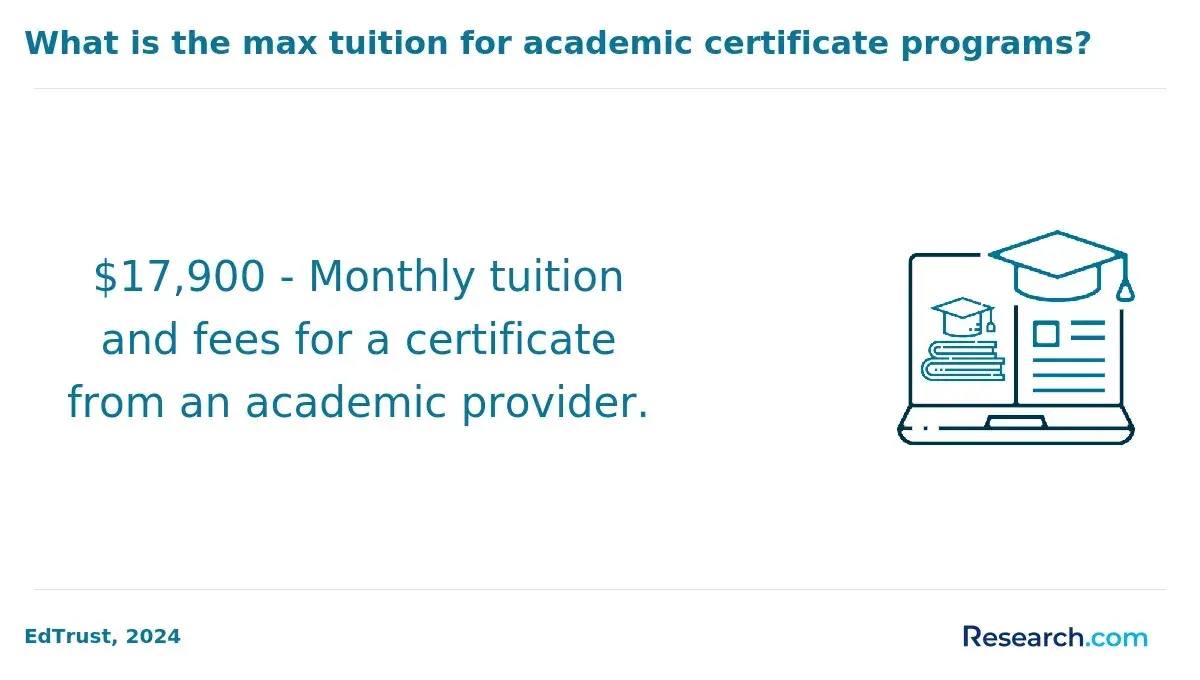
In terms of actual costs, public undergraduate biotechnology programs in states with large university systems such as California and Texas often charge between $5,000 and $10,000 annually for in-state students, whereas out-of-state tuition can be double or more. In contrast, private institutions frequently impose tuition exceeding $30,000 per year. Northeastern states like Massachusetts and New York, with fewer public programs and higher urban costs, see biotechnology tuition ranging from $20,000 to upwards of $40,000 annually. These variations reflect not only local living expenses but also the degree of state investment in higher education and the presence of biotechnology industry clusters that influence institutional funding priorities. The differences in average cost of biotechnology programs across US states underscore a fragmented higher education financing system that intertwines public policy with regional economic contexts.
These disparities impact affordability and student mobility, compelling prospective biotechnology students to evaluate tuition in relation to local employment opportunities and industry networks. States with strong biotech economies may offer more financial aid or subsidized tuition aligned to workforce development goals, while others rely more heavily on private providers with higher costs and fewer program options. Students navigating these complexities must consider not only sticker price but also potential return on investment and access to internships or job placements. For those seeking flexible graduate education pathways that complement biotechnology expertise, options such as an online master in data science may present strategic alternatives to traditional programs.
How Does Biotechnology Program Demand Affect Admissions Decisions?
Rising applicant interest in biotechnology degree programs has intensified competition, driving many institutions to tighten admission standards. As enrollments grow, schools raise baseline GPA requirements, introduce more stringent prerequisite coursework, and emphasize performance on entrance exams to manage the larger applicant pools. This selectivity is not uniform but often correlates with geographic and institutional factors, particularly in areas with dense biotech industries where demand is strongest. Consequently, acceptance rates at leading programs frequently drop below 25%, reflecting an alignment between educational capacity and workforce expectations for highly qualified graduates.
These admissions shifts stem primarily from constraints on physical resources like lab space and faculty availability, which limit how many students programs can realistically train. Accreditation bodies and industry partners also influence enrollment ceilings by demanding programs maintain rigorous standards to ensure graduates possess relevant, job-ready skills. As a result, institutions integrate evaluations of practical experience, internships, and research involvement into admissions decisions to better select candidates positioned to succeed in the labor market. This balancing act between supply and demand increasingly defines enrollment management strategies within biotechnology education.
The consequences extend beyond acceptance rates, shaping how applicants prepare and navigate the admissions process. High-demand programs incentivize early and strategic applications, with some students retaking exams or seeking internships to strengthen their profiles. Over time, this dynamic can boost program reputation but may also restrict access for candidates lacking resources to meet escalating benchmarks or relocate. Thus, rising demand for biotechnology degrees influences not just who gains admission but how the educational pipeline adapts to evolving workforce priorities and resource realities.
One biotechnology graduate recalled how the application cycle felt unpredictable due to strong program demand and rolling admissions. They waited several weeks before receiving an interview invitation, during which they nervously balanced preparing additional materials with exploring alternate schools. The candidate considered reapplying the following year but ultimately accepted a later offer after reassessing priorities and available opportunities. This experience underscored how demand-driven selectivity can create uncertainty and pressure that influence timing and decision-making throughout the admissions journey.
How Do Biotechnology Specialization Options Vary by Region?
Biotechnology specialization options are closely aligned with regional economic priorities and the concentration of industry sectors within different states. Areas with established pharmaceutical, medical technology, or agricultural clusters tend to offer wider and more diverse specialization tracks that reflect their dominant industries. For instance, states with strong biopharmaceutical and genomics sectors often incorporate advanced curricula addressing regulatory affairs, bioinformatics, and biomanufacturing, responding directly to workforce demands in cutting-edge biotech markets. In contrast, states with smaller or emerging biotech industries typically emphasize foundational or sector-specific specializations such as agricultural biotechnology or environmental applications that mirror local economic activities and natural resource management.
Several factors drive this regional variation, including the research strengths of universities, the presence of industry partnerships, and state-level workforce needs. Universities embedded in high-tech biotech hubs frequently benefit from closer collaboration with firms, enabling curriculum design that integrates hands-on training and interdisciplinary skills tailored to employer needs. Conversely, in less industrialized or less research-intensive states, programs may prioritize training that fits regional labor markets focused on agriculture or environmental biotech rather than bioinformatics or pharmaceutical development. According to a 2024 report by the National Center for Education Statistics, about 65% of institutions offering biotechnology degrees with specialized tracks are located in just 10 states, illustrating how geographic concentration both shapes and reflects the availability of diverse academic options and practical training in the field.
This regional disparity influences student decision-making and subsequent career trajectories, often requiring prospective students to weigh the tradeoffs between local access and specialized training aligned with national or global labor market opportunities. Programs situated near major biotech clusters provide more direct pathways into research-intensive roles or industry internships, while those in regions with limited specialization may produce graduates better suited for roles tied to local economic needs but potentially face constraints in mobility or access to niche biotech sectors. Understanding these patterns allows students and education researchers to strategically evaluate program offerings beyond surface-level availability, focusing instead on how regional industry-education ecosystems shape the relevance and outcomes of biotechnology specialization choices.
How Does Regional Employer Demand Affect Career Outcomes?
Regional employer demand has a direct impact on job availability and early career opportunities for biotechnology graduates. Locations with dense clusters of biotech firms, pharmaceutical companies, and research institutions typically offer higher employment rates within six months of graduation, reflecting robust local hiring activity. This concentration accelerates job placement and access to specialized roles that align with graduates' technical skills, often leading to wage premiums compared to areas with fewer industry players. Career outcomes for biotechnology degree holders by state vary markedly due to these localized labor market dynamics, making geographic context a critical factor in evaluating program value and post-graduation prospects.
The relationship between employer demand and graduate outcomes is shaped by industry concentration and the strength of university-employer partnerships that cultivate talent pipelines tied to regional economic specializations. Regions such as Boston, San Francisco, and San Diego not only command wage competition that raises starting salaries by 15-20% above national averages, according to data from the U.S. Bureau of Labor Statistics, but also support ecosystems where continuing education and professional networking opportunities are integrated with employer needs. These specialized hiring ecosystems encourage skill specialization aligned with dominant local biotech subsectors, reinforcing supply-demand alignment in labor markets. Students should consider how these factors influence regional variations in program availability and long-term career trajectories.
Broader implications include weighing geographic mobility as graduates may face tradeoffs between local job market conditions and relocation costs. While remote work options have expanded across some healthcare and research roles, many biotech positions still require proximity to advanced lab facilities and industry clusters. Understanding how regional demand shapes career outcomes helps clarify why students exploring biotechnology programs should scrutinize state-level market conditions and availability of diverse academic pathways. For those assessing interdisciplinary options, comparing a biotechnology focus with alternatives like an online cs degree may also depend on regional employer ecosystems and sector growth patterns.
What Factors Matter Most When Comparing Biotechnology Programs Across States?
Comparing biotechnology degree programs across states requires looking beyond simple availability. State-level differences in tuition, program variety, specialization options, and industry demand can significantly shape educational access and long-term career outcomes. These regional factors affect not only the cost but also the relevance and depth of training that students receive, influencing their preparedness for competitive job markets. Understanding these dimensions is essential for informed decision-making in the context of biotechnology program availability by state tuition and fees.
- Program Diversity and Specialization Options: States with higher concentrations of biotechnology institutions, such as California, Massachusetts, and North Carolina, commonly offer broader curricular options and niche specializations aligned with regional industry needs. Access to these varied programs allows students to tailor their education toward emerging sectors, enhancing adaptability and workforce relevance.
- Practical Training and Industry Partnerships: Programs embedded within states that boast robust biotech clusters often provide more meaningful experiential learning opportunities through labs, internships, and co-op placements. These hands-on experiences contribute to higher employment rates, as graduates with substantial industry exposure demonstrate around 15% higher job attainment within six months, according to the Bureau of Labor Statistics.
- Accreditation and Faculty Research Activity: The presence of accredited institutions maintaining active research agendas and experienced bioscience faculty impacts both theoretical knowledge and applied skills development. Graduates from such programs benefit from stronger academic foundations and networking channels essential for job placement and research participation.
- Cost and Flexibility of Program Delivery: Variations in in-state tuition rates combined with the availability of online or hybrid formats affect affordability and accessibility. Students balancing financial and geographic constraints should consider these factors closely, as they influence the feasibility of completing a biotechnology degree without excessive debt or logistical challenges.
Additional pathways in related fields, including ALA accredited MLIS programs, can complement biotechnology education for those interested in data management and research information systems. Prospective students and education researchers must evaluate how these factors combine at the state and institutional levels to identify programs that deliver both academic rigor and practical workforce alignment within the competitive biotechnology landscape.
Which Regions May See the Fastest Growth in Biotechnology Education?
Growth in biotechnology education frequently aligns with regions where employer demand, shifting demographics, and investment in higher education intersect. Expansion of relevant programs depends on local economic development, workforce needs, and institutional capacity to adapt and scale offerings. Understanding where these factors converge reveals which U.S. regions may see the fastest increases in biotechnology degree availability and specialization breadth.
- West Coast and Northeast: Historically dense with biotech companies, research centers, and medical institutions, these regions maintain high demand for skilled professionals, supported by sustained federal and private research funding. Population growth coupled with expanding university programs, especially in states like California and Massachusetts, drive an 8% annual enrollment increase in biotechnology disciplines-double the national average. This robust ecosystem fosters diverse specializations and ample internship pipelines but also greater competition for entry.
- Mid-Atlantic Corridor: Concentrated in states such as Maryland and New Jersey, this corridor benefits from proximity to federal agencies and a thriving biotech startup scene focused on gene therapies and personalized medicine. Universities here are strategically expanding program capacity and industry partnerships to meet workforce shortages, translating into progressive program offerings tailored to emerging sector needs.
- Midwest (Great Lakes area): Though growth is more modest and specialized, the region's educational programs emphasize applied industrial biotechnology aligned with local manufacturing and agricultural firms. Economic structures influence narrower program variety, which can limit student specialization options but may benefit those targeting industry-specific roles.
- Southeast: Emerging biotech hubs within this region reflect increasing employer demand and investments in state university research infrastructure. While still establishing program diversity, expanding healthcare systems and life science firms are driving new degree offerings and practical training partnerships, signaling growth potential aligned with regional economic shifts.
References
- Introduction - Biotech https://www.biotech.senate.gov/final-report/chapters/introduction/
- How to Get Into a Biotechnology Program in Europe - StudyinEurope.eu https://www.studyineurope.eu/biotechnology/admission-guide/
- Biotechnology Courses: Where Can You Study? What Are The Options? - Cemp https://cempeducation.com/news/biotechnology-courses-where-can-you-study-what-are-options/
- Tuition comparison | Stark State College | North Canton, Ohio https://www.starkstate.edu/admissions/finaid/tuitioncomparison/
- Is a Biotechnology Degree Worth It? Key Benefits and Career Prospects https://www.scuhs.edu/bshs-article/is-a-biotechnology-degree-worth-it-key-benefits-and-career-prospects/
- Life Sciences Without Borders: CEE Region Unites for the Future of Biotechnology https://lithuaniabio.com/en/lithuania-poland-and-the-czech-republic-are-joining-forces-in-biotechnologies/7672/
- OECD: A comparison of the innovation and regulatory environments for biotechnology and biosolutions across the European Union and the United States https://www.europabio.org/oecd-a-comparison-of-the-innovation-and-regulatory-environments-for-biotechnology-and-biosolutions-across-the-european-union-and-the-united-states/
- CSO: Biotechnology in Poland with record growth https://www.medexpress.pl/en/science-medicine/gus-biotechnology-in-poland-with-record-growth/
- Biotechnology: A Popular Career Choice https://shooliniuniversity.com/blog/biotechnology-a-popular-career-choice/
- A Primer on Technology Transfer in the Field of Biotechnology - 6 Academic institutions and the biotechnology industry https://www.wipo.int/web-publications/a-primer-on-technology-transfer-in-the-field-of-biotechnology/en/6-academic-institutions-and-the-biotechnology-industry.html
Other Things You Should Know About Biotechnology
The clustering of biotechnology programs in a few states often means better access to specialized labs and industry partnerships, which enrich practical training. However, students in states with many options might face intense competition for limited internship spots, narrowing real-world exposure despite abundant programs. Prospective students should prioritize schools that explicitly integrate cooperative education or guaranteed internship placements to ensure meaningful experiential learning.
Schools offering many biotechnology concentrations can provide interdisciplinary flexibility but may spread resources thin, diluting faculty expertise in niche areas. Focused programs, conversely, often deliver deeper training and stronger connections to specific industry segments, which aligns better with employer expectations for specialized skills. Students must weigh whether breadth or depth better suits their career goals, favoring institutions whose offerings align closely with their desired biotech subfield rather than sheer quantity of options.
According to the 2026 Biotechnology Degree Program Availability Report, California, Massachusetts, and North Carolina lead in biotechnology degree options. Major institutions like the University of California, Massachusetts Institute of Technology, and North Carolina State University offer an extensive array of biotechnology programs, providing diverse educational pathways.
Attending a school in a state with numerous programs may offer greater networking through diverse peer groups but can dilute employer attention, making brand recognition less impactful. States with fewer specialized schools often cultivate tightly connected industry-academic ecosystems, yielding higher likelihood of direct recruitment and mentorship opportunities. Therefore, students aiming for strong immediate employment prospects should prioritize institutions with demonstrated employer ties and alumni success in their target biotech niche, even if the overall state program count is lower.