2027 Advertising Salary Trends Report: Are Wages Keeping Up With Tuition and Inflation?

Co-Founder and Chief Data Scientist
A prospective advertising student weighing the decision to enroll today faces a complex financial landscape. Tuition fees continue to climb rapidly, while inflation erodes purchasing power, raising doubts about the true value of an advertising degree. This uncertainty prompts a crucial question: Does the expected salary growth after graduation justify the increasing cost of education and the broader economic pressures?
Evaluating wages in isolation risks overlooking how education expenses and inflation interact over time. Salary increases, tuition hikes, and inflation rarely align, which complicates assessments of a degree's return on investment. Understanding the long-term earning potential relative to these factors offers a more realistic financial perspective than salary figures alone.
This article examines advertising salary trends alongside rising tuition and inflation, exploring affordability and key influences on the economic value of an advertising degree over time.
Key Things to Know About Advertising Salary Trends
- Graduates' median salaries in advertising have risen 5% by 2024 but still lag behind inflation, indicating net income growth may not offset rising tuition and living costs.
- Long-term earnings hinge on digital skill specialization; candidates mastering data analytics and programmatic buying typically command salaries 20% above industry averages.
- Market volatility and agency consolidation suggest that broad advertising generalists face stagnant wages, reinforcing the strategic value of targeted expertise to sustain income growth.
- Key Things to Know About Advertising Salary Trends Key Things to Know
- What Is the Current Salary Outlook for Advertising Graduates? Salary Outlook
- Are Advertising Salaries Keeping Up With Inflation? Inflation Impact
- How Do Tuition Costs Compare With Advertising Salary Growth? Tuition vs Salary
- Does a Advertising Degree Deliver a Positive Return on Investment? Degree ROI
- Which Industries Offer the Highest Salaries for Advertising Graduates? Highest-Paying Industries
- Which States and Cities Offer the Highest Pay for Advertising Professionals? Highest-Paying Locations
- How Do Advertising Salaries Grow Throughout a Career? Career Growth
- How Do Advertising Salaries Compare With Similar Degrees? Salary Comparison
- How Is Employer Demand Affecting Advertising Salary Trends? Employer Demand
- How Can Students Maximize Their Lifetime Earnings With a Advertising Degree? Maximizing Earnings
What Is the Current Salary Outlook for Advertising Graduates?
Advertising graduate salary trends 2024 reveal that initial earnings often vary widely based on job role, location, and the specific skills graduates bring to the table. According to the U.S. Bureau of Labor Statistics, median wages for advertising and marketing managers hovered around $139,850 in mid-2023, yet entry-level positions like advertising specialists or coordinators typically start between $45,000 and $60,000.
For example, two graduates with comparable degrees might diverge significantly in pay: one beginning as a junior media planner in a high-cost city earning upwards of $55,000, while another in a smaller market may start closer to $45,000. This disparity underscores how geographic and organizational differences shape early career earnings, alongside the role chosen within the advertising field.
These salary outcomes must be contextualized beyond the entry point, considering both long-term career progression and ongoing demand for digital marketing, data analytics, and brand strategy expertise. Prospective students should weigh entry-level pay against rising tuition and living expenses, which have increased substantially over the past several years.
Such economic pressures mean the real wage growth for new graduates can feel limited despite nominal salary increases. Nevertheless, those who gain hands-on experience, pursue certifications, or specialize in sought-after areas tend to see better growth trajectories that more closely align with inflation and justify the investment in their degree.
Ultimately, evaluating average advertising salaries by career stage shows promising advancement potential, though it demands a strategic approach. Choosing internships and continuous skills development can position graduates for opportunities to move into higher-paying managerial roles.
For those interested in combining advertising expertise with advanced technologies, considering further education, such as the best online master's in artificial intelligence, may also expand prospects in an increasingly data-driven industry.
Are Advertising Salaries Keeping Up With Inflation?
The relationship between salary growth and inflation means that nominal wage increases alone do not guarantee improved financial well-being for advertising graduates. Data from the U.S. Bureau of Labor Statistics show that while advertising-related occupations saw wage growth just under 3% annually, inflation hit about 4% in the same period, resulting in a net loss in real earnings.
For a recent graduate starting in an entry-level marketing role, this could mean that despite a modest salary raise, their actual purchasing power declines, making everyday expenses and saving for the future more challenging. This gap illustrates the impact of inflation on advertising graduate wages, where rising costs outpace income gains, undermining the value of an advertising degree over time.
Several factors contribute to the discrepancy between wage growth and inflation in advertising. Budget constraints and the rise of automation limit salary increases for many mid-tier and entry-level positions, while higher qualifications and specialized skills tend to offer stronger earning potential at senior levels. Prospective students should carefully consider how tuition price hikes intersect with these wage trends.
Given the increasing cost of advertising education, some may find value in exploring flexible or cost-effective programs, including options like an executive MBA, which can offer advanced credentials aligned to market demands without disproportionately increasing debt burdens. Such strategic choices may better position graduates to navigate the complex interplay between educational investment and real wage growth.
How Do Tuition Costs Compare With Advertising Salary Growth?
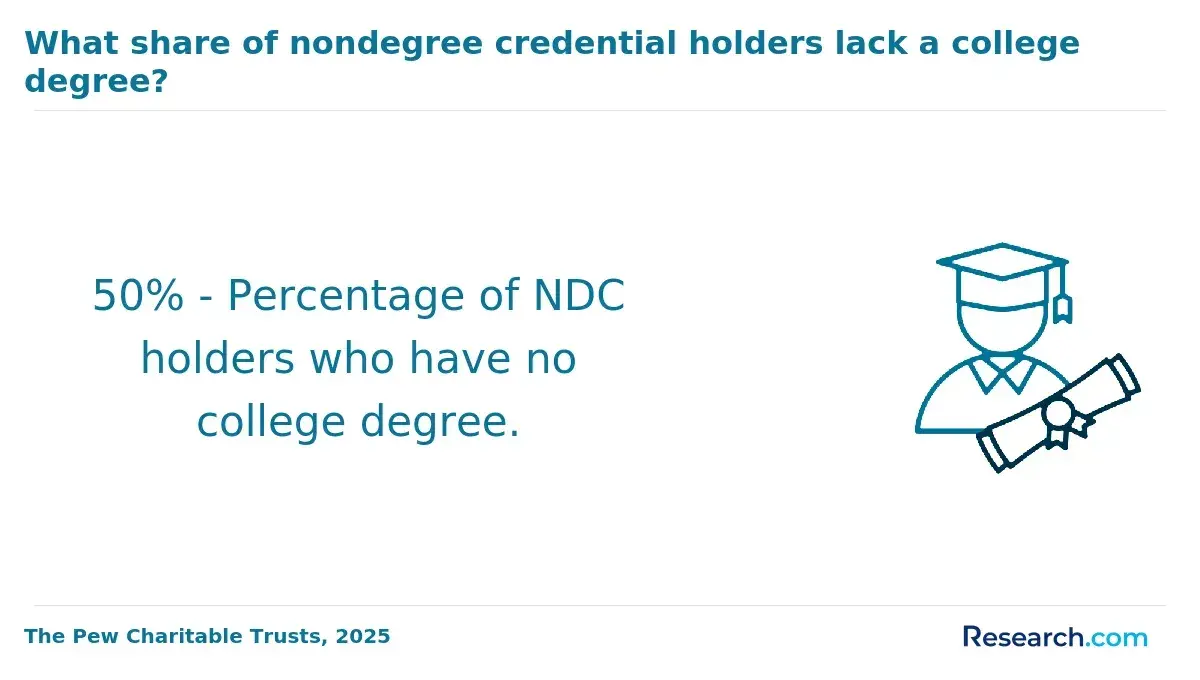
Evaluating tuition expenses alongside the earning trajectory of advertising graduates reveals a growing disconnect that prospective students must weigh carefully. Recent data from the National Center for Education Statistics and the Bureau of Labor Statistics show average annual tuition costs now exceed $12,000 at public universities and can top $38,000 at private schools, while entry-level salaries for advertising roles generally range from $45,000 to $50,000 a year, according to the National Association of Colleges and Employers.
This contrast suggests that even as advertising salaries climb modestly, about 2% to 3% annually, they do not consistently outpace the combined effects of tuition inflation and rising living costs. Unlike sectors such as STEM, where wages often reflect education investments more directly, advertising's slower salary growth relative to tuition inflation can extend the period required to recoup educational expenses, making the financial commitment riskier over time.
For example, consider two students pursuing advertising degrees: one attends an in-state public university with lower tuition, while the other chooses a private institution with significantly higher fees. Although both may start at similar salary levels post-graduation, the student who borrowed heavily for private tuition faces a longer loan repayment timeline and more financial pressure, reducing disposable income and potentially delaying milestones like homeownership.
Factors influencing this dynamic include regional cost differences, scholarship availability, and the individual's capacity to negotiate salaries or secure internships. Thus, assessing tuition costs relative to expected salary growth, rather than relying on static figures alone, offers a more nuanced view of the investment's long-term viability amid economic uncertainties.
A graduate who recently entered the advertising field recalled hesitating before committing to a more expensive private program despite strong academic credentials. Watching tuition rise faster than initial starting offers sparked worry about managing debt while living in a high-cost urban area. They ultimately prioritized affordable schooling with strong workplace connections to balance educational quality against financial burden.
Reflecting later, they valued this cautious approach, noting that although salary increases came steadily, avoiding excessive borrowing reduced stress and allowed quicker progress toward financial stability-underscoring how tuition growth and salary trends differently affect individuals in this field.
Does a Advertising Degree Deliver a Positive Return on Investment?
Return on investment (ROI) in higher education, particularly for an advertising degree, involves weighing tuition costs against the long-term benefits of career earnings and advancement rather than simply focusing on entry-level salaries.
For example, a graduate starting with a salary in the $45,000 to $55,000 range faces significant upfront costs as tuition has been rising annually by 3-5%, outpacing inflation. This gap requires careful consideration, especially given the burden of student debt that can delay financial gains in the initial years after graduation.
Over time, however, advertising professionals often experience salary growth that can offset early financial challenges. Mid-career earnings frequently exceed $75,000, particularly for those who augment their degree with skills in digital marketing, brand strategy, or data analytics.
These factors, industry demand, additional expertise, and career progression, are critical when assessing ROI, as they dramatically influence lifetime earning potential and job stability in a field known for constant change and increasing specialization.
While the rising tuition costs present a hurdle, an advertising degree's return varies widely based on individual choices, such as selecting programs with scholarships or aligning education with emerging sectors.
The 2024 data from the National Center for Education Statistics and the Bureau of Labor Statistics highlight this variability, underscoring that ROI is not uniform but contingent on factors like economic conditions, skill diversification, and professional development. In essence, the true value of an advertising degree emerges over a career span, making it a nuanced investment rather than an immediate financial win.
Which Industries Offer the Highest Salaries for Advertising Graduates?
The industries that offer the highest salaries for advertising graduates tend to be those where specialized knowledge intersects with large marketing budgets and strategic importance.
While roles in advertising are present across nearly all sectors, some industries not only pay more but also demand advanced skills in digital analytics, regulatory compliance, or creative content development. For instance, a recent advertising graduate entering the finance sector might leverage both creative and compliance expertise to safeguard brand reputation, securing a role with significantly higher pay than typical entry-level positions.
Here is an overview of the main industries where advertising graduate salaries by industry in the US are consistently above average, based on data from the U.S. Bureau of Labor Statistics and other leading reports.
- Technology Sector: Positions in software companies and digital platforms emphasize data-driven campaigns and product marketing, rewarding advertising graduates with strong technical and analytical skills. Salaries here often exceed traditional media roles due to innovation demands and rapid digital growth.
- Financial Services: Banks, investment firms, and insurers prioritize advertising professionals who can navigate complex regulatory environments while crafting precise, trustworthy messaging. These roles typically offer higher compensation reflecting the sector's large budgets and emphasis on brand integrity.
- Pharmaceutical and Healthcare: Advertising within this industry requires knowledge of stringent legal regulations alongside health communication expertise. Graduates with specialized training in these areas often command above-average wages due to the critical nature of product messaging and risk management.
- Entertainment and Media: Major studios and streaming services prioritize creativity in digital content creation and brand partnerships, offering premium salaries for advertising graduates skilled in social media marketing and innovative storytelling.
- Retail and E-commerce: This fast-paced sector values advertising professionals adept at multichannel campaigns and customer engagement technologies. Salaries are competitive, especially in companies leading in digital transformation and personalized marketing strategies.
- Automotive Industry: Advertising roles here focus on brand differentiation and product launches across traditional and digital media, often rewarding graduates who combine creative skills with market research expertise.
- Professional Services: Consulting and legal firms invest heavily in strategic branding and communications, offering attractive salaries to advertising graduates capable of managing complex client-facing marketing projects.
According to recent findings from major labor statistics, advertising salaries in these sectors can surpass national averages by 15-30%, demonstrating a clear link between industry choice and earning potential. Prospective advertising students should weigh both salary trends and the demand for skills in various industries to align their educational and career plans effectively.
For those exploring advanced specialization options, it is worth considering complementary credentials such as MFT masters programs that might enhance marketing, client management, or behavioral insight skills.
Which States and Cities Offer the Highest Pay for Advertising Professionals?
Geographic location plays a pivotal role in shaping the earning potential of advertising professionals. Recent data from the U.S. Bureau of Labor Statistics and industry reports from 2024 reveal that pay disparities are closely tied to regional economic strengths and industry concentrations.
While coastal metropolitan areas typically offer the highest salaries, these often come with significantly higher living costs that can offset financial gains. For students and recent graduates evaluating their return on investment, understanding these tradeoffs is essential.
Below are key states and cities that generally provide the most lucrative opportunities for advertising careers.
- California: Home to major media hubs like Los Angeles and San Francisco, California tops salary rankings with annual averages frequently exceeding $90,000. The proximity to Silicon Valley's tech sector and Hollywood's entertainment industry fuels demand, but high housing prices and living expenses require careful financial planning.
- New York City: Known as the nation's advertising capital, New York offers some of the highest industry wages, often reaching six figures for experienced professionals. The city's dense network of global agencies and corporate headquarters drives competitive pay; however, inflation and steep rents lessen net income gains.
- Washington, D.C.: Advertising roles here benefit from government contracts and political campaign spending, supporting attractive salaries relative to many markets. Though pay is lower than coastal megacities, the area offers a balanced cost of living with substantial career growth in public affairs and related sectors.
- Massachusetts: Boston's strong startup ecosystem and established marketing firms contribute to steady advertising wages. The state's more moderate living expenses compared to coastal California or New York create better cost-to-income ratios for emerging professionals.
- Virginia: With its mix of federal agencies and private firms, Virginia provides competitive compensation packages. The balanced economic environment helps mitigate the impact of rising tuition and inflation on prospective graduates.
- Chicago, Illinois: Although salaries run 10-30% lower than coastal hubs, Chicago offers a robust advertising market with lower housing and everyday costs. Early-career professionals often find more disposable income here, making it a practical choice for those prioritizing affordability and career-building.
- Dallas, Texas: A growing commercial center, Dallas attracts advertisers due to its expanding tech and corporate presence. Lower living expenses paired with solid median wages present a favorable environment for graduates weighing long-term financial outcomes.
How Do Advertising Salaries Grow Throughout a Career?
Advertising salaries tend to follow a familiar trajectory, starting with modest earnings in entry-level roles that often fall between $45,000 and $55,000 annually, according to the U.S. Bureau of Labor Statistics and recent industry reports from 2024. Early-career positions such as junior account executives or media coordinators typically offer limited financial growth, reflecting the developmental nature of these jobs.
By mid-career, around five to ten years in, professionals who have strategically advanced into account management, creative leadership, or digital strategy roles can experience a significant salary boost, frequently moving into the $70,000 to $90,000 range. This phase represents a pivotal turning point where increased responsibilities and demonstrated results start to pay off more noticeably.
At the senior level, including directors and media managers, salaries often exceed $100,000, with seasoned leaders surpassing $130,000, particularly in major markets as reported by the Advertising Research Foundation in 2024. However, this growth is not uniform; two graduates with identical degrees may find divergent paths depending on their choices about specialization, geographic mobility, and leadership development.
For example, one might focus on digital marketing analytics and quickly rise, while another remains in traditional media and experiences slower financial progression. The strongest contributors to higher long-term compensation include accumulated experience, demonstrated leadership, and adapting skill sets to emerging industry trends.
One graduate recalls hesitating before leaving an entry-level marketing assistant role to pursue a specialized course in digital advertising analytics. Early on, the salary increase was modest, and the decision felt risky amid mounting student loans and living costs.
However, within a few years, this choice paid off substantially when the graduate secured a digital strategist position with a notable pay increase. Reflecting on growth, the graduate highlights that strategic upskilling and willingness to tackle new challenges were crucial, suggesting that salary progression in advertising hinges as much on proactive career decisions as on time served.
How Do Advertising Salaries Compare With Similar Degrees?
Starting salaries for advertising graduates generally lag slightly behind those from some related fields, but the overall trajectory and career flexibility often balance this disparity.
According to the National Association of Colleges and Employers 2024 Salary Survey, the median starting salary for advertising graduates is about $52,000, compared to $55,000 for marketing and $53,000 for communications graduates. However, beyond initial pay, advertising offers diverse avenues for wage growth, especially in digital media and specialized agency roles.
Below is a comparison of advertising salaries with similar degrees, illustrating key distinctions in earning potential and career paths.
- Marketing: Marketing graduates typically start with a slightly higher median salary due to their roles in market research, analytics, and strategic brand management, which often command premium pay across industries. Marketing professionals frequently transition into leadership positions faster, influenced by the strong emphasis on data-driven decision-making.
- Communications: Salaries for communications graduates begin just above advertising, reflecting a broad range of opportunities in corporate communication, media relations, and content strategy. This field's versatility can lead to roles in various sectors, though specialization often determines pay scale, with digital expertise increasingly valuable.
- Public Relations: Public relations graduates tend to earn a median starting salary near $50,000. Their earnings can be limited initially but are bolstered over time through client management and crisis communication expertise, particularly in agency settings.
- Business/Finance: While business and finance degrees usually start with higher average salaries than advertising, specialized advertising roles with bonuses and commissions can close this gap efficiently. Especially in commercial advertising or media buying, earning potential can rise quickly with performance.
For students considering the value of an advertising degree amid rising tuition and inflation, it's important to weigh starting salaries against long-term prospects. Career opportunities in digital marketing and media buying are expanding, offering pathways to competitive compensation over time.
Prospective students seeking flexible options might explore online graduate programs that accept 2.0 GPA for additional credentials that can enhance these salary outcomes. Understanding these nuances supports informed decisions about the return on investment in an advertising education.
How Is Employer Demand Affecting Advertising Salary Trends?
Employer demand significantly influences advertising salary trends by intensifying competition for professionals with specialized skills in digital media, content creation, and social media marketing. The U.S. Bureau of Labor Statistics projects an 8% industry growth over the next decade, surpassing the average for all occupations, which drives employers to offer higher wages to attract and retain talent.
However, this demand often favors experienced candidates, resulting in slower initial wage growth for recent graduates despite overall industry expansion. For example, a mid-sized agency seeking a digital marketing strategist with proven analytics expertise may offer substantial premiums compared to entry-level roles, reflecting strategic priorities and organizational budgets.
Several factors shape this employer demand, including technological advances, the rise of data analytics, and the broadening online marketing landscape. While strong demand can lead to faster wage growth, salaries remain influenced by practical constraints such as economic conditions and institutional pay scales. Reports from research firms highlight that although starting salaries have modestly increased, these increments frequently fail to keep pace with inflation and rising tuition costs, emphasizing a complex balance between earning potential and education expenses.
Prospective students and career changers evaluating advertising salaries must consider these dynamics alongside detailed cost-benefit analyses, including insights on financial investments for a marketing masters and related credentials.
Understanding the impact of employer demand on advertising wages can help clarify the widening salary gap between entry-level and seasoned professionals. Entry roles often see constrained growth as employers allocate higher budgets toward strategic hires critical to business growth.
This nuanced perspective on advertising salary trends and employer demand underscores the need for informed decisions grounded in realistic scenarios, highlighting the importance of specialization and experience in maximizing long-term earnings amid evolving market pressures.
How Can Students Maximize Their Lifetime Earnings With a Advertising Degree?
Maximizing lifetime earnings with an advertising degree demands strategic choices beyond coursework alone. Recent data from the U.S. Bureau of Labor Statistics and top industry research reveal that specialized skills, sector focus, and credentials converge to drive higher salaries.
For example, a graduate combining digital marketing expertise with advanced analytics in a metropolitan tech hub is positioned to capitalize on expanding budgets and leadership roles over time.
The following strategies distill key factors influencing earnings growth based on 2024 labor market trends.
- Specialized Skill Development: Mastering data analytics, search engine marketing, and consumer behavior sharpens a candidate's value to top-paying industries like technology and healthcare, which increasingly demand these competencies.
- Advanced Credentials: Pursuing graduate degrees or certifications in social media strategy or SEM correlates with accelerated salary progression, signaling commitment and expertise to employers.
- Sector Targeting: Gaining experience in high-growth areas such as e-commerce and brand consultancy positions graduates within industries expanding advertising budgets, enhancing earning potential.
- Strategic Networking: Building connections through internships and professional networks helps secure roles at firms known for competitive compensation and upward mobility.
- Geographic Positioning: Living or working in metropolitan regions dense with corporate headquarters and tech firms typically offers higher salaries, although remote work options are broadening access.
- Leadership Cultivation: Developing skills in project management and team leadership speeds transition into senior roles, increasing cumulative earnings over a career.
References
- Advertising Degrees & Careers | How To Work In Advertising https://www.learnhowtobecome.org/finance-business-careers/advertising/
- Why is the cost of college rising so fast? https://ssti.org/blog/why-cost-college-rising-so-fast
- Marketing Salary Guide 2025 | Ashdown Group https://www.ashdowngroup.com/salary-guide/marketing
- Marketing salaries: The trends you need to know about - EMR | Marketing, Digital & Communications Recruitment Agency https://www.emrrecruitment.co.uk/marketing-salaries-the-trends-you-need-to-know-about/
- U.S. GAO - Higher Education: Tuition Increasing Faster Than Household Income and Public Colleges' Costs https://www.gao.gov/products/hehs-96-154
- Job Market Trends 2026 - Generations Recruitment https://generationsrecruitment.com/job-market-trends-2026/
- Best And Worst States For Marketers - MarketingHire https://marketinghire.com/salary-hiring-research-trends/the-best-and-worst-u-s-states-for-marketing-professionals
Other Things You Should Know About Advertising Salary Trends
Internships in advertising can vary widely in quality, from unpaid roles to paid, skill-building placements. While higher starting salaries are appealing, students should prioritize programs and employers offering substantive internships that provide hands-on experience and networking. These practical opportunities often lead to better long-term wage growth and job stability than simply chasing initial salary figures.
Wage growth in advertising tends to be moderate and may lag behind rising tuition debt for many graduates. Rather than relying solely on salary increases to manage debt, it's prudent to consider repayment strategies like income-based plans or loan refinancing early. This approach acknowledges that while salaries rise, they often do not accelerate quickly enough to offset large debt burdens without fiscal planning.
Specializing in areas such as digital analytics or creative strategy can lead to higher wages over time, but extended education or certification programs may delay immediate earnings. Students must assess whether the expected premium for specialized skills justifies the short-term income sacrifice and additional costs. Prioritizing in-demand skills aligned with employer needs is critical to optimizing this tradeoff.
Advertising roles often involve fluctuating, intense workloads that can impact work-life balance and job satisfaction. Modest salary increases may not adequately compensate for higher stress or longer hours, making it essential for professionals to evaluate employer culture and job demands alongside pay. Salary gains should be considered in the context of workload sustainability to ensure overall career fulfillment.