2027 Which Schools Offer Flexible Start-Anytime Enrollment for a Cloud Computing Program?

Co-Founder and Chief Data Scientist
Many prospective cloud computing students struggle to balance education with work and personal commitments. Recent studies show that nearly 65% of adult learners seeking tech-related programs prefer flexible schedules to accommodate jobs and family responsibilities, highlighting a significant barrier in traditional fixed-term courses.
This article explores the advantages of flexible start-anytime enrollment options for cloud computing programs. It will guide readers through how these programs offer greater accessibility and convenience, enabling adult learners and career changers to efficiently integrate education into their busy lives without compromising their professional growth or personal obligations.
Key Benefits of Flexible Start-Anytime Enrollment for a Cloud Computing Program
- Flexible start-anytime enrollment allows students to begin cloud computing courses monthly, breaking from traditional semester schedules and enabling continuous progression without waiting for fixed terms.
- This model suits working adults by accommodating varied schedules, offering part-time pacing and online access, which supports balancing education with professional and personal commitments.
- Online enrollment in cloud computing programs grew over 45% from 2019 to 2023, reflecting increased demand for adaptable education formats that meet evolving industry needs.
What Does "Start Anytime" Mean in a Cloud Computing Program?
"Start anytime" enrollment in cloud computing programs with flexible start dates allows students to begin their coursework at multiple points throughout the year, bypassing traditional fixed semester schedules. Students gain immediate access to course materials upon enrollment, enabling them to start learning without delay.
This model often supports both self-paced and guided pacing options, letting learners progress based on their own availability while still meeting essential academic deadlines. Unlike rigid academic calendars, this approach is designed to accommodate the demands of working adults and career changers, providing the flexibility needed to balance education alongside professional and personal commitments.
The structure of start anytime enrollment in cloud computing courses fosters continuous access to core learning resources and personalized academic advising that adapts to each student's progress. Flexible scheduling tools help maintain momentum by removing pressure from cohort-based timelines and supporting part-time study. This results in increased retention and completion rates, as students receive timely feedback and support tailored to their individual pacing.
Such adaptable educational paths meet the evolving needs of adult learners and the dynamic cloud computing industry, which demands up-to-date skills. Prospective students exploring options for flexible enrollment might also consider pathways to affordable degrees, including strategies highlighted in resources like the cheapest online MBA.
What Are the Admission Requirements for Start-Anytime Cloud Computing Programs?
Start-anytime cloud computing program admission requirements are key for prospective students, especially working adults and career changers seeking flexible enrollment criteria for cloud computing courses. Understanding these requirements helps applicants prepare necessary documents and meet standards without delays in program entry.
- Prior Education: Completion of a high school diploma or an equivalent credential is generally mandatory. This foundational step ensures readiness for postsecondary coursework.
- GPA Requirements: Many programs set a minimum GPA, typically between 2.5 and 3.0. This criterion highlights academic preparedness, though flexibility varies by institution.
- Standardized Tests: Standardized test scores like the SAT or ACT are often optional, especially for working professionals. Waivers reflect the emphasis on practical experience rather than standardized metrics.
- Professional Experience: Some programs require documentation of relevant work experience or certifications. This helps demonstrate practical skills applicable to cloud computing.
- Supporting Documents: Submission of official transcripts is usually required, and occasionally letters of recommendation or a personal statement may be requested for a comprehensive review.
This admission framework balances accessibility and readiness, which is crucial for those exploring the cheapest business degree online options with rolling admission policies.
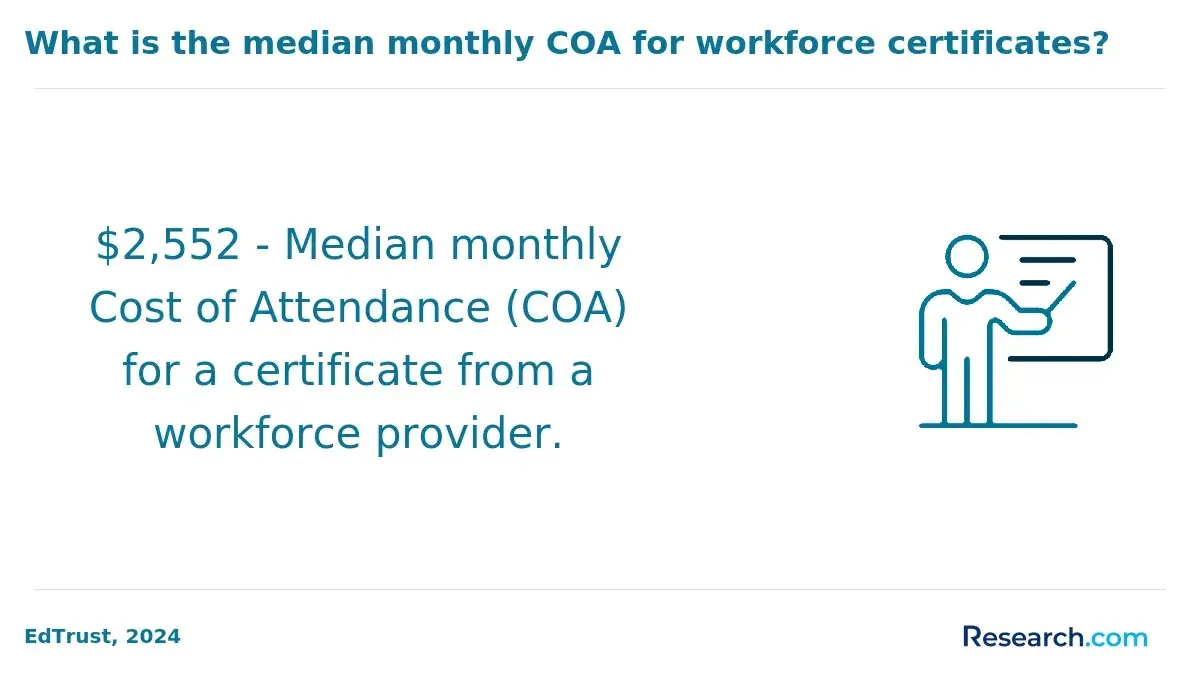
Can Transfer Students Enroll Immediately in Start-Anytime Cloud Computing Programs?
Transfer students aiming to join start-anytime cloud computing programs often face important procedural steps that influence their enrollment timing. Knowing these factors can help learners plan realistically for starting their studies.
- Credit evaluation: Transcripts must undergo review to assess how prior coursework matches program requirements. This process often takes several weeks and determines whether existing credits apply toward core or elective cloud computing classes.
- Prerequisite alignment: Many programs require specific technical foundations. If transferred credits don't fulfill these, students might need to complete additional courses before advancing, which can delay starting.
- Application timing: Submissions usually need to occur weeks before the intended start to allow processing of admissions, financial aid, and orientations. Immediate "on-demand" enrollment is rarely feasible for transfer students due to these timelines.
- Enrollment eligibility: Admission depends on available seats and institutional policies on transfers during active terms. With growing interest in flexible formats, coordinated workflows are essential to manage capacity and ensure smooth transitions.
A graduate of a cloud computing degree program shared her experience about enrolling as a transfer student in a start-anytime format. She noted that although the idea of instant admission seemed appealing, the actual process required patience. "Waiting for credit assessments was the hardest part," she recalled, "because it wasn't clear how long it would take or what courses I needed to retake." She appreciated that her advisors communicated regularly, easing uncertainty. Ultimately, her enrollment took several weeks from application to first class-a timeline she found reasonable given the complexity of aligning past credits. Her reflection underscores that while immediate enrollment may not be typical, thorough preparation and clear communication can help transfer students navigate the process successfully.
Flexible enrollment options have become essential for many students pursuing cloud computing education, especially those balancing careers and personal commitments. The availability of start-anytime programs varies notably between online and on-campus formats, influencing accessibility and student experience.
- Availability of Formats: Start-anytime cloud computing programs are predominantly offered online, catering to students seeking flexible entry points throughout the year. On-campus options with flexible start dates are relatively rare and mostly appear in hybrid models combining limited in-person sessions with online coursework.
- Scheduling and Pacing Differences: Online programs typically use asynchronous formats, allowing learners to complete work independently at their own pace. Conversely, on-campus programs-even those with some flexibility-usually require attendance in scheduled sessions, reducing adaptability for those with irregular hours or commuting challenges.
- Flexibility for Adult Learners: Students juggling jobs, family responsibilities, or lengthy commutes often find online start-anytime courses to be the most accommodating. A 2023 study by the National Center for Education Statistics notes that over 70% of distance education students choose online learning largely due to its scheduling flexibility.
- Hybrid Approach: Some institutions offer hybrid start-anytime programs that blend online learning with occasional on-campus labs or workshops. This approach aims to provide face-to-face engagement without sacrificing the convenience of flexible scheduling.
For learners needing adaptable schedules, understanding the structure of start-anytime cloud computing programs is essential. These courses divide the curriculum into concise segments, enabling enrollment at various points throughout the year without waiting for traditional semester start dates.
- Term schedules: Programs typically offer multiple start dates annually, often monthly or quarterly, allowing students to begin classes at convenient times that fit their personal and professional lives.
- Modular course design: The curriculum is broken into focused modules lasting approximately 4 to 8 weeks, concentrating on specific skills or topics to maintain clarity and relevance in each segment.
- Pacing options: Students usually have flexibility to progress at their own speed within these modules, enrolling in one or several simultaneously based on their availability and learning preferences.
- Curriculum progression: Regular assessments and project deadlines within each module ensure steady advancement and help maintain momentum throughout the program without long interruptions.
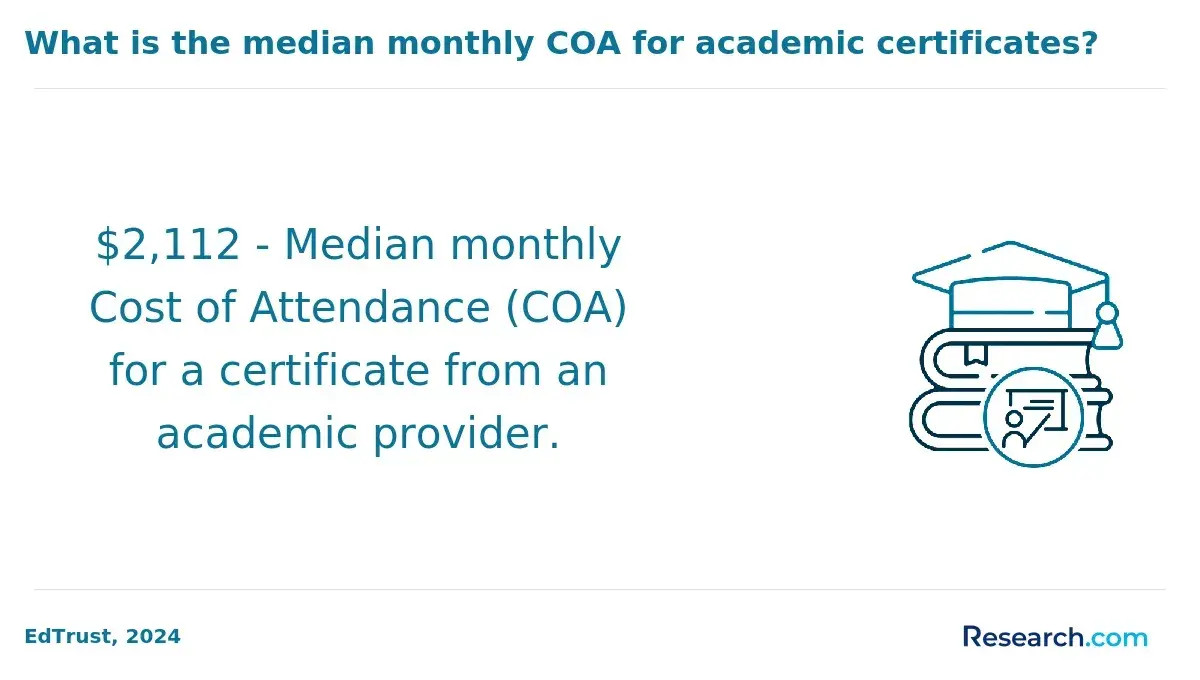
Understanding tuition payment options is crucial for prospective students seeking flexible start Cloud Computing programs. These programs often feature adaptable billing methods to accommodate varying enrollment dates and individual schedules.
- Per-term or per-module billing: Rather than traditional semester-based fees, many programs charge tuition according to each term or module completed. This aligns payments with coursework progress, supporting flexible start-anytime IT degree programs.
- Installment plans: Students can often choose to spread tuition costs over multiple payments instead of paying upfront in full. This arrangement benefits adult learners balancing work, life, and education by easing financial pressure.
- Payment deadlines: Deadlines typically coincide with the start of new terms or modules. Institutions may establish clear windows for payment to maintain continuous access to courses, requiring students to stay attentive to their specific schedules.
- Financial planning: Because enrollment dates vary, payment schedules shift accordingly, especially for mid-cycle starters. This requires students to monitor due dates carefully for effective budgeting and to avoid disruption in their academic progress.
Recent studies indicate that approximately 65% of adult learners favor pay-as-you-go or installment models tied to modular courses, illustrating a trend toward adaptable financial aid options in cloud computing education. Prospective students seeking more insights on managing flexible tuition payments in related fields may also explore options like an online PhD organizational leadership.
Transfer credit policies in start-anytime cloud computing programs vary widely, making it essential for students-especially those returning to education, shifting fields, or transferring-to verify how previous coursework might apply. This can significantly impact the duration and affordability of their studies, as well as their ability to begin promptly.
- Evaluation of Prior Coursework: Institutions review past classes for relevance to the cloud computing curriculum and ensure they meet accreditation standards. Only coursework that aligns closely with program objectives is typically accepted.
- Limits on Transferable Credits: Most programs impose caps on how many credits can be transferred, often allowing between 25% and 75% of total degree requirements. These limits affect how much prior learning can reduce time to completion.
- Prerequisite Requirements: To maintain academic integrity, some programs require that transferred credits meet prerequisite conditions before allowing progression to advanced courses. Students may need to complete certain foundational courses within the new program.
- Start Date and Progression Impact: Transfer credit processing can influence when a student can begin or advance in the program. Some modules or milestones depend on official acceptance of prior credits before enrollment is finalized.
When I asked a student who recently changed majors and chose a start-anytime cloud computing degree about his experience with transfer credits, he shared, "Switching from my previous program was complicated because I had to get transcripts evaluated carefully to see which credits counted. Delays in verification pushed back my intended start date, and I was anxious about how the credits would apply toward my new degree. But once everything was approved, it really saved me time and tuition costs." His story illustrates both the challenges and benefits of transfer credit policies in flexible cloud computing programs.
Accreditation plays a vital role for students considering flexible start-anytime cloud computing degree programs, as it ensures the program maintains quality and credibility. This verification helps students feel confident that their education will be respected by employers, licensing authorities, and other academic institutions. Without proper accreditation, students risk investing time and money into a program that may not meet industry or educational standards.
Start-anytime cloud computing programs often hold either regional or programmatic accreditation. Regional accreditation, provided by one of the seven U.S. accrediting agencies, evaluates the entire institution and is widely trusted. Programmatic accreditation, like that from ABET for technical fields, assesses specific departments or courses.
Additionally, recognition from professional organizations such as CompTIA or the Cloud Security Alliance can enhance a program's value, especially for specialized areas like cybersecurity. Accredited programs also facilitate easier credit transfer, improve qualification for federal financial aid, and increase eligibility for certifications or licensure, which are important considerations for working adults and career changers seeking flexibility without sacrificing quality.
Employer recognition is a key factor for prospective students considering start-anytime cloud computing degrees, especially for working adults and career changers. Flexible enrollment models have gained traction as more professionals seek adaptable education paths. Studies show a 35% increase in flexible start programs in tech-related fields, highlighting growing employer acceptance of such formats.
- Accreditation: Employers give significant weight to degrees from regionally accredited institutions or programs accredited by industry-specific bodies like ABET. This ensures the curriculum meets established academic and professional standards, signaling that graduates possess relevant, up-to-date knowledge.
- Alignment with Industry Standards: Programs that integrate practical skills aligned with certifications such as AWS, Microsoft Azure, and Google Cloud are highly valued. A 2023 Cloud Security Alliance report found 72% of employers prioritize certification-backed skills for cloud roles, often reflecting a program's emphasis.
- Practical Skills and Hands-On Experience: Employers appreciate graduates who have demonstrated hands-on proficiency with popular cloud platforms. This real-world experience prepares students to meet immediate workforce demands, enhancing degree value despite flexible start dates.
- Institution Reputation and Graduate Competency: Respect hinges more on the graduate's proven abilities and the institution's credibility than on the enrollment model alone. Flexible start-anytime cloud computing degrees provide access for adults managing complex schedules without compromising educational quality.
- Value of Flexible Start Programs: The value of flexible start cloud computing programs to employers grows as the workforce demands adaptability. Such models support career changers and adult learners seeking timely skill development without disrupting employment or personal commitments.
For students interested in flexible advanced degrees, resources like cheapest EdD programs provide insights into accessible educational options.
Prospective students seeking start-anytime cloud computing programs should carefully evaluate several important factors to find a program that truly fits their personal and professional needs. Considering multiple criteria ensures flexibility and supports career goals, especially for working adults, career changers, and adult learners. Choosing a program with flexible enrollment and strong credentials enhances both learning outcomes and marketability.
- Accreditation status and recognition: Accreditation is crucial as it verifies the program meets established educational standards recognized by employers and other institutions. Programs with regional or national accreditation facilitate credit transfers and improve acceptance in the job market, reflecting the emphasis on flexible enrollment cloud computing program accreditation.
- Program format and pacing flexibility: Many start-anytime programs offer self-paced courses or multiple enrollment windows throughout the year. This format suits working adults and those needing adaptable schedules, allowing students to balance studies with other responsibilities.
- Credit transfer policies: Students should verify if previously earned credits can be applied toward the degree. Efficient credit transfer policies can shorten completion time and reduce overall tuition costs.
- Tuition costs and financial aid options: Costs vary widely across programs, so it's important to assess tuition fees alongside available scholarships or employer tuition assistance programs. Financial aid specifically aimed at cloud computing fields can help make education more affordable.
- Employer and industry reputation: Investigate whether a program's degrees or certifications are valued by key industry leaders. Recognition by employers increases employment prospects and supports career advancement.
- Curriculum alignment with career objectives: Ensure the coursework covers relevant technologies and skills needed in the cloud computing job market, such as cloud architecture, security, and DevOps. Alignment with career goals is essential to develop expertise that meets current industry demands.
For additional insights and options, consider exploring online degrees that offer flexible start dates and accelerated paths to improve career outcomes.
What Graduates Say About Flexible Start-Anytime Enrollment for a Cloud Computing Program
- Tristan: "Enrolling in a cloud computing degree program with start-anytime enrollment was a game-changer for me. The flexibility allowed me to begin my studies exactly when I was ready, without waiting for a traditional semester to start. Considering the average cost hovered around $15,000, it felt like an investment that paid off quickly as I landed a role in cloud infrastructure within months of graduating. I'm genuinely excited about what the future holds!"
- Jesiah: "I chose a cloud computing program with rolling admissions to fit my unpredictable work schedule. The cost was surprisingly reasonable compared to other tech degrees, approximately $12,000 for the full course. Reflecting on my journey, this degree helped me transition into a better-paying job in cloud security, opening doors I hadn't expected. It was a thoughtful decision that balanced time, cost, and career growth well."
- Rys: "From a professional standpoint, enrolling in a cloud computing program offering start-anytime enrollment meant I could synchronize learning with my ongoing projects. The tuition, close to $14,000 on average, was a worthwhile commitment given the rapid skill acquisition and certification opportunities. Since graduation, my expertise has been recognized in promotions and consulting offers, underscoring the practical impact of this educational path."
Other Things You Should Know About Cloud Computing Degrees
Before enrolling in a cloud computing program with flexible start dates, it's advantageous to understand basic networking concepts, operating systems, and experience with coding languages like Python or Java. Familiarity with cloud platforms like AWS or Azure may also be beneficial for a seamless learning experience.
Students need a computer with at least 8 GB of RAM, a current Windows, macOS, or Linux operating system, and stable broadband internet. Many programs also require access to a cloud lab account, a web browser with JavaScript enabled, and common productivity software such as Microsoft Office or Google Workspace.
Yes, several start-anytime cloud computing programs provide career services such as resume reviews, interview preparation, and internship placement. Some schools maintain partnerships with tech companies to facilitate job connections for their graduates. These resources are valuable for students aiming to transition into or advance within the cloud computing industry.
- What Is a Cloud Computing Course? Overview & Benefits https://www.digitalregenesys.com/blog/what-is-cloud-computing-course
- 5 Cloud Certifications to Start Your Cloud Career in 2025 https://www.coursera.org/articles/cloud-certifications-for-your-it-career
- Cloud Computing Training Online | CCI Training Center https://ccitraining.edu/cloud-computing-training/
- Cloud Engineer IT Professional Program https://pace.uno.edu/program/cloud-engineer-it-professional-program/
- How to Get Into Cloud Computing - Cloud Computing Course-FutureLearn https://www.futurelearn.com/courses/how-to-get-into-cloud-computing
- Cloud Computing Technologies https://www.georgebrown.ca/programs/cloud-computing-technologies-program-postgraduate-t465
- Introduction to Microsoft Cloud Computing - Course 55195-A Course in Krakow https://www.academytech.com/en-PL/course/introduction-to-microsoft-cloud-computing-course-55195-a-course/krakow
- The Power of SaaS in Cloud Computing in 2025 - ATOZDEBUG https://atozdebug.com/the-power-of-saas-in-cloud-computing/
- The Benefits of Cloud Computing in Software Development | by Jayesh Totla | Medium https://medium.com/@jayesh-totla/the-benefits-of-cloud-computing-in-software-development-10abf5e37e51
- Cloud Computing for Beginners 2025: Key Concepts, Business Value, and Career Benefit https://www.extratechs.com.au/blog/cloud-computing