
2027 How to Compare Cloud Computing Degree Programs Effectively

Co-Founder and Chief Data Scientist
Choosing the right cloud computing degree program can be overwhelming as each offers varied course content, certifications, and hands-on experience opportunities. A recent report states that 82% of cloud computing graduates find employment within six months, but only if their program aligns with industry demands. Prospective students often struggle to compare programs based on curriculum relevance, faculty expertise, and flexibility to balance work or personal commitments. This article explores practical strategies to evaluate cloud computing degrees, helping readers identify programs that best fit their career ambitions, financial situation, and learning preferences to maximize job market success.
Key Benefits of Comparing Cloud Computing Degree Programs Effectively
- Verify accreditation to ensure the program meets industry standards, as accredited degrees improve job prospects in the $623 billion global cloud services market.
- Assess curriculum alignment with current technologies and specializations, such as AI integration or cybersecurity, reflecting cloud computing's evolving workforce demands.
- Consider total cost against average salary increases, noting flexibility options, since 60% of cloud professionals value programs that accommodate working schedules.
What Types of Accreditation Should a Cloud Computing Degree Program Have?
Accreditation is a key factor for comparing the quality, credibility, and long-term value of cloud computing degree programs. Students graduating from accredited institutions are 23% more likely to experience positive employment outcomes, reflecting the significance of choosing a properly accredited program.
Below are the main types of accreditation to consider when evaluating options.
- Regional Accreditation: This is the most widely recognized accreditation, assessing the overall quality of the institution and its programs. It plays a crucial role in credit transfers and federal financial aid eligibility.
- National Accreditation: Typically granted to vocational or technical schools, this accreditation may have limited acceptance by other universities and employers, affecting transferability and recognition.
- Programmatic Accreditation: Focused on specific disciplines, such as computing and engineering, organizations like ABET ensure the curriculum aligns with industry standards. This boosts employer trust and is especially valuable for those pursuing programmatic accreditation in cloud computing education.
For working professionals or career changers, selecting a program with both regional accreditation for cloud computing degree programs and programmatic accreditation enhances educational quality and signals readiness for industry certifications.
Prospective students also may find it helpful to explore online MSW programs for flexible study options in related fields.
What Specializations Are Offered in Cloud Computing Degree Programs?
Specializations in cloud computing degree programs help prospective students compare academic options based on career alignment and specific skill development. Demand for cloud security specialists is projected to grow by over 30% in the next decade, reflecting a significant workforce trend.
Below are common specializations that highlight key concentrations in cloud computing degree programs.
- Cloud Architecture: Focuses on designing and managing cloud infrastructure, developing skills in systems integration and scalability to prepare for roles as cloud architects or engineers.
- Cloud Security: Emphasizes protecting cloud services from cyber threats, covering encryption, firewall management, and compliance standards, ideal for aspiring security analysts.
- Data Engineering: Concentrates on handling big data and cloud storage solutions, developing expertise in database management and analytics tools, beneficial for data engineers.
- DevOps: Merges software development with IT operations to streamline deployment, fostering skills in automation and continuous delivery favored by agile employers.
When evaluating cloud computing degree program specializations, students should also consider how these concentrations align with their career goals, experience, budget, and scheduling needs. For those comparing options, exploring resources like business degree online programs can offer insights into affordable and flexible learning pathways that may suit similar educational interests.
How Can You Compare Courses Across Cloud Computing Degree Programs?
Comparing courses across cloud computing degree programs is crucial for prospective students to gauge program rigor, skill development opportunities, and how well courses align with career goals. Research shows programs with comprehensive curricula have a 15% higher completion rate, underscoring the value of curriculum depth.
Below are practical strategies to help with cloud computing program comparison criteria for prospective students.
- Reviewing Course Descriptions: This clarifies topic coverage and whether essential subjects like security, cloud architecture, and deployment models are included, ensuring the program matches your educational needs.
- Examining Credit Hours and Workload: Understanding the time commitment helps evaluate program intensity and whether it fits your schedule and learning pace.
- Checking for Hands-On Projects: Practical labs or projects improve skill applicability and prepare students to handle real-world cloud computing challenges effectively.
- Identifying Certification Alignment: Some curricula incorporate materials that support industry certifications, enhancing employability in a competitive job market.
- Comparing Faculty Expertise: Programs taught by instructors with strong industry or research backgrounds typically guarantee higher-quality instruction and relevant insights.
Prospective students looking to balance curriculum quality with affordability might also explore affordable online MFT programs as an example of how program cost considerations align with educational goals.
Breakdown of Private Fully Online For-profit Schools

Flexible scheduling plays a vital role for students comparing cloud computing degree programs, as it enables individuals to balance education with personal and professional demands. Various options cater to distinct lifestyles and commitments, influencing program fit and success.
Below are common scheduling formats offered:
- Full-Time Enrollment: Typically aligned with traditional semester calendars, this option suits students who can dedicate significant daily hours to their studies. It allows for consistent progression but requires a substantial time commitment that may not fit all schedules.
- Part-Time Study: Designed for working adults or those managing family obligations, part-time schedules reduce weekly course loads. This flexibility helps maintain steady academic progress without overwhelming personal responsibilities.
- Asynchronous Online Learning: This format lets students access lectures and assignments on their own timetable, ideal for those with irregular work hours or other time constraints. It supports self-paced learning but requires strong self-discipline to stay on track.
- Synchronous and Hybrid Formats: Some programs offer live virtual classes or blend online and in-person sessions. These options provide structured interaction and engagement while still offering some flexibility.
Examining these scheduling possibilities helps prospective students find cloud computing programs that align with their career goals, work schedules, and personal needs, ensuring a more manageable and effective educational experience.
Choosing between online and campus-based delivery formats significantly influences your experience and career preparation in cloud computing programs. In 2019, nearly 38% of U.S. undergraduates enrolled in at least one online course, reflecting its rising role in higher education.
The following comparison highlights key factors to consider.
Online Programs
- Flexible Scheduling: Students can study anytime and anywhere, making it easier to balance work and family responsibilities without geographic constraints.
- Limited Networking: Fewer spontaneous interactions with peers and faculty may reduce opportunities to build professional relationships and mentorships.
- Self-Paced Learning: Many programs allow students to progress at their own speed, accommodating different learning styles and life demands.
- Reduced Immediate Support: Lack of face-to-face presence can make accessing prompt assistance and hands-on experience more challenging.
Campus-Based Programs
- Enhanced Engagement: Direct access to instructors and labs fosters interactive learning and immediate feedback, benefiting practical skill development.
- Stronger Networking: Regular in-person contact promotes collaborative projects and building a professional network within the field.
- Less Flexibility: Fixed schedules and location requirements can pose challenges for those with work or family obligations.
- Higher Costs: Commuting or relocating increases expenses, which may impact overall affordability.
GPA requirements are a key factor for prospective students comparing cloud computing degree programs because they can influence admission chances and reflect program selectivity. Below are important considerations regarding how GPA expectations vary among programs:
- Minimum Thresholds: GPA standards typically range from about 2.5 to 3.5 on a 4.0 scale, varying by institution type and program prestige. Community colleges often have lower cutoffs, while private universities may enforce stricter minimums.
- Flexibility in Evaluation: Some programs use GPA as a guideline rather than a strict cutoff, allowing applicants with lower GPAs to demonstrate their suitability through work history, relevant certifications, or other admissions materials.
- Holistic Admissions: Many programs consider professional experience, recommendation letters, and statements of purpose alongside GPA to create a broader picture of an applicant's potential, especially for nontraditional students.
- Graduate vs. Undergraduate: Graduate cloud computing programs generally demand higher GPAs due to advanced coursework, but some still maintain flexible policies that accommodate diverse applicant backgrounds.
- Conditional Acceptance: Certain schools offer provisional or probationary enrollment options to candidates whose GPA falls short but who show promise through alternative strengths, enabling opportunities for advancement despite initial academic gaps.
These variations mean applicants should examine each program's GPA policies carefully and consider how their other qualifications might balance academic scores when deciding where to apply.
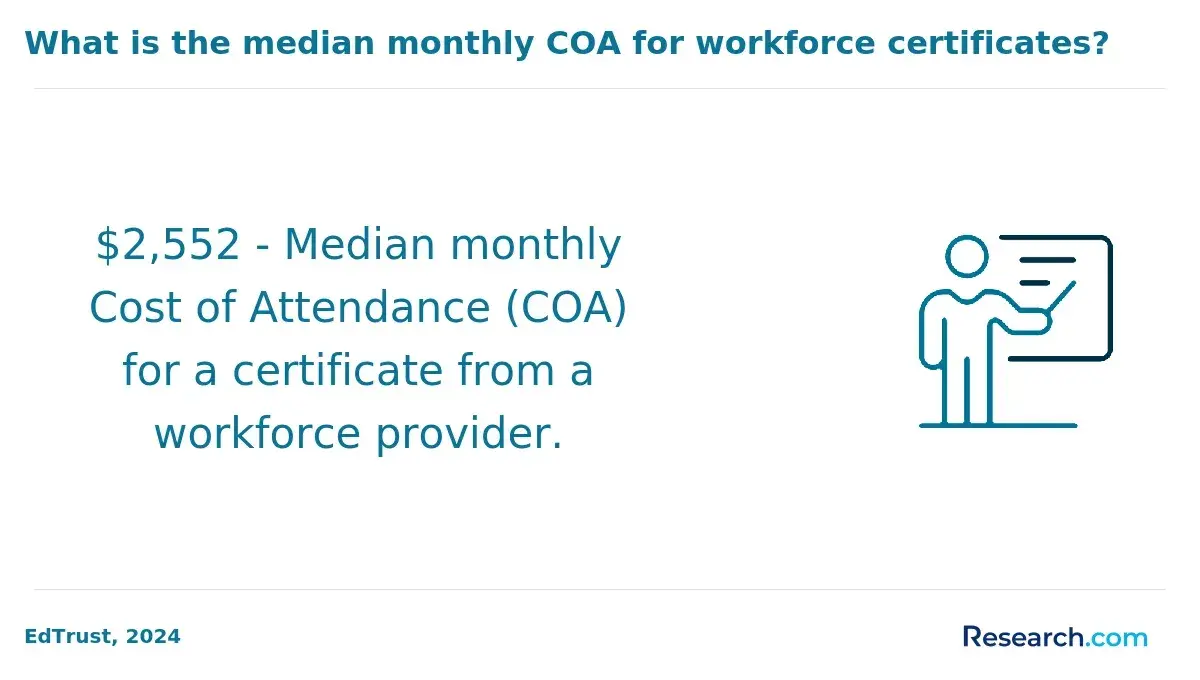
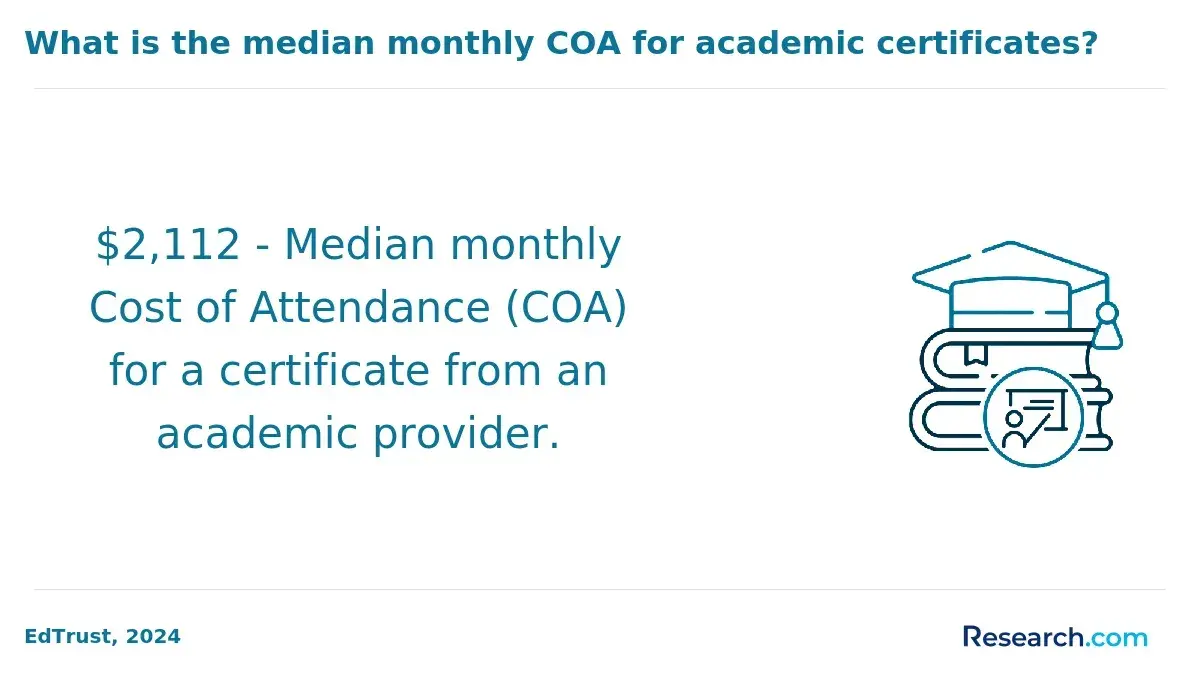
Tuition comparison is crucial for prospective students evaluating cloud computing degree programs because costs vary widely and impact long-term financial commitments. With the average graduate student loan debt surpassing $66,000, understanding all cost factors is essential for making informed decisions.
Below are key points to consider when comparing tuition and related expenses.
- Total Program Cost: Look beyond sticker prices by examining the entire tuition and fees for the program's duration. This figure gives a clearer picture of the overall financial obligation, accounting for variations in credit requirements and course formats.
- Cost Per Credit: Breaking down expenses per credit hour helps uncover hidden costs that may not be obvious upfront. Programs with lower per-credit fees can become expensive if they require many credits to graduate.
- Additional Fees: Technology, lab, and administrative fees often add substantially to tuition. Investigate all mandatory charges to avoid surprises and budget accurately.
- Financial Aid and Employer Benefits: Scholarships, grants, and employer tuition reimbursement can significantly offset costs. Explore what aid options and partnerships schools offer that align with your situation.
- Program Length and Flexibility: Accelerated or flexible scheduling can reduce time and overall cost by allowing earlier graduation or better work-study balance. Consider how program structure impacts your financial and time commitments.
Ensuring a cloud computing degree aligns with licensure requirements is crucial for students targeting regulated fields or transitioning careers. Nearly one in four positions in such sectors mandates formal certification or licensure.
The following factors help distinguish how programs meet these professional standards:
- Curriculum Alignment: Programs should integrate industry standards like NIST frameworks or CompTIA certifications, preparing students for relevant professional benchmarks.
- Accreditation Status: Accredited degrees often unlock eligibility for certification exams and boost employer recognition, influencing licensure acceptance.
- State-Specific Requirements: Licensing and registration rules may vary by jurisdiction, so program compatibility with local regulations is essential.
- Supervised Experience: Access to internships or practicum components within the curriculum supports hands-on training necessary for licensure prerequisites.
- Exam Eligibility Pathways: Programs with established partnerships or direct certification routes ease the transition to professional credentialing after graduation.
Because certification and licensure criteria differ widely by occupation and region, prospective students must thoroughly assess these dimensions to select a cloud computing degree that effectively supports their career ambitions.
Career placement rates are a vital factor in evaluating cloud computing degree programs because they reflect how well a program prepares students for employment in the industry. Some top ranked cloud computing programs for job placement success report graduate employment rates exceeding 85% within six months of graduation.
Key indicators for assessing placement success include several important elements:
- Employer Partnerships: Look for programs that maintain strong connections with a variety of employers. These partnerships often result in valuable internship opportunities, co-op positions, and direct recruitment pipelines that increase graduates' chances of job placement.
- Internship Pipelines: Programs that actively facilitate internships provide practical experience and networking advantages. Such pipelines create smooth transitions from academic study to professional roles by giving students exposure to real-world work environments.
- Alumni Outcomes: Investigate the career trajectories of program graduates. Positive long-term employment trends and successful alumni networks can indicate sustained program quality and industry relevance over time.
- Program Support Services: Effective career centers, resume workshops, mock interviews, and job fairs significantly contribute to job search success. These resources help students develop practical skills and confidence needed to navigate the employment process.
To gain a realistic view of career placement, prospective students should request published statistics from program websites, discuss employer engagement during admissions, and seek testimonials from alumni. Those looking for affordable options might consider exploring the most affordable online colleges that also offer respectable placement rates.
Post-graduation salary outcomes provide prospective students with a clear metric to evaluate the value of cloud computing degree programs and their alignment with career and financial goals. The average annual earnings for cloud computing degree holders in the US range from $70,000 to $120,000.
Here are key factors influencing these salaries:
- Role Differences: Entry-level cloud engineers often start with salaries around $75,000, whereas experienced cloud architects and cloud security specialists can earn over $130,000, reflecting the specialized skills and responsibilities required.
- Industry Impact: Graduates working in finance and technology sectors generally command higher salaries compared to those in education or government, due to greater demand and budget allocations for cloud expertise in these industries.
- Location Variability: Salaries tend to be higher in major tech hubs such as San Francisco and New York, driven by intense demand and higher living costs, making location a significant consideration for graduates planning their careers.
- Experience Level: Early-career professionals typically earn less, but compensation rises sharply with five or more years of experience, emphasizing the importance of gaining relevant experience through internships or hands-on projects during a degree program.
Students evaluating cloud computing degree programs should also consider affordability and financial aid options. Those looking for cost-effective pathways may explore online colleges that accept FAFSA, combining flexibility with potential financial support to manage education expenses while building a strong foundation in cloud computing.
What Graduates Say About Comparing Cloud Computing Degree Programs Effectively
- Halen: "Before I enrolled in a cloud computing degree program, I was overwhelmed by the variety of tech fields available and uncertain about their practical value. The fact that the program's cost was significantly lower than many traditional IT courses made it a clear choice for me, easing my financial concerns. Finishing the degree has opened doors to roles in major firms, and I now confidently lead cloud projects-something I never imagined possible before."
- Zaid: "I had been working in IT for years but lacked formal credentials, which held me back from progressing. Considering the average cost of attendance was reasonable compared to other tech degrees, I decided to invest in cloud computing education. Reflecting on it now, completing the program deepened my expertise and increased my salary, proving it was a wise professional and financial decision. "
- Axon: "Choosing where to advance my skills felt daunting, especially with high tuition fees in mind. Cloud computing stood out because the degree's affordability meant I didn't have to incur heavy debt, which was crucial since I was supporting a family. The certification accelerated my career quickly, allowing me to secure senior-level positions in the booming cloud industry. "
Other Things You Should Know About Cloud Computing Degrees
In 2027, students should prioritize faculty with industry experience, certifications in cloud technologies, and active research in the field. Faculty who are involved in cutting-edge projects and collaborations with tech companies can provide students with valuable connections and insights into the latest industry trends.
A strong cloud computing degree should map coursework to AWS Certified Solutions Architect, Microsoft Azure Administrator, and Google Cloud Associate Cloud Engineer. Ask whether the program includes exam-aligned classes, practice tests, and voucher support, and whether students can earn these certifications before graduation.
Yes, industry partnerships enhance a program's value by providing students with relevant internships, mentorship, and job placement opportunities. Schools collaborating with cloud service providers or tech companies often offer access to up-to-date cloud tools and platforms. Such connections can improve career outcomes and keep curricula aligned with market demands.
- Cloud Computing Degrees: What You Need to Know https://www.dice.com/career-advice/cloud-computing-degrees-what-you-need-to-know
- 5 Cloud Certifications to Start Your Cloud Career in 2025 https://www.coursera.org/articles/cloud-certifications-for-your-it-career
- Best Cloud Computing Programs 2026 https://hakia.com/degrees/cloud-computing/best-programs/
- What are the highest paying cloud certifications and jobs? https://www.pluralsight.com/resources/blog/cloud/top-paying-cloud-certifications-and-jobs
- How to Choose the Right Cloud Computing Course? https://www.mygreatlearning.com/blog/choose-right-cloud-computing-course/
- Compare Programs Results | UMGC Europe https://europe.umgc.edu/online-degrees/program-comparison-tool/results.europe-program-cloud-computing-masters.europe-program-cybersecurity-technology.europe-program-cloud-computing-networking-grad-cert
- Top Cloud Computing Universities & Colleges in Abroad in 2026 - Fees, Requirements & Eligibility https://collegedunia.com/study-abroad/computer-science/cloud-computing-universities
- Cloud Computing Colleges https://www.collegetuitioncompare.com/search/
- Cloud Computing Bachelor's Degrees | Top Online Programs 2024 https://www.itcareerfinder.com/program-rankings/best-cloud-computing-bachelors-degrees.html
- How to Become a Cloud Engineer: A Complete Guide | DataCamp https://www.datacamp.com/blog/how-to-become-a-cloud-engineer


