2027 Which Marriage and Family Therapy Degree Careers Offer the Best Return Without Graduate School?

Co-Founder and Chief Data Scientist
Rising costs in higher education have sparked increasing concern among prospective marriage and family therapy students about the return on investment of graduate degrees. With the average graduate program exceeding $30,000 annually, many weigh whether additional years and debt lead to substantial salary gains.
Notably, employment data suggests that some roles in the field offer competitive entry-level wages with only a bachelor's degree, often through positions such as case management or behavioral health aide. This article explores which marriage and family therapy degree careers provide the best financial return without graduate school, helping readers make informed career decisions.
Key Benefits of Marriage and Family Therapy Degree Careers That Offer the Best Return Without Graduate School
- Marriage and family therapy careers without graduate school often show strong early salary growth, boosting long-term return on investment for bachelor's degree holders entering the workforce early.
- Stable job demand and steady career growth in the field enhance financial security and reduce unemployment risks for those with bachelor's level qualifications.
- Accessible entry requirements allow faster workforce entry, enabling quicker income generation and professional experience compared to careers requiring advanced graduate degrees.
Which Marriage and Family Therapy Careers Offer the Best Return Without Graduate School?
Evaluating the return on investment (ROI) in marriage and family therapy careers is crucial for students seeking strong financial and professional outcomes without the added cost and time of graduate education. According to the U.S. Bureau of Labor Statistics, mental health support roles requiring only a bachelor's degree show growth rates above the national average, highlighting their viability. Below are some of the top high-ROI careers in marriage and family therapy without advanced degrees that offer balanced salary potential, longevity, and opportunity.
- Behavioral Health Technician: These technicians support clients during therapy by implementing daily treatment plans in various care settings. Their work is essential to patient progress, providing steady demand and avenues for specialization that enhance both income and career stability over time.
- Case Manager: Coordinators who oversee services for individuals and families, case managers blend administrative skill with client interaction. This role ensures continuous employment prospects through its integral position and sustainable workload in community and healthcare environments.
- Psychiatric Technician: Operating mainly in hospitals and mental health centers, psychiatric technicians monitor patients and assist with therapeutic activities. This position offers stable employment with potential wage growth from accrued experience and credentials earned while working.
- Community Outreach Coordinator: These coordinators connect families with resources and educational programs, playing a vital role in public health initiatives. Their involvement can lead to leadership roles, supporting long-term career advancement and meaningful community impact.
For those interested in expanding credentials without enrolling in lengthy programs, considering options like a 1 year DNP program online can provide flexible pathways to higher qualifications while maintaining career momentum.
What Are the Highest-Paying Marriage and Family Therapy Jobs Without a Master's Degree?
Evaluating earning potential without graduate education is essential for students aiming to maximize their financial returns within marriage and family therapy-related careers. Behavioral health technician positions, often available with just a bachelor's degree, report median salaries around $49,000 annually according to the U.S. Bureau of Labor Statistics. Below are some of the highest-paying roles in this field that do not require a master's degree.
- Behavioral Health Specialist: Earning between $45,000 and $60,000 per year, these specialists support therapists by working directly with clients to implement treatment plans. Their critical role in sustaining therapeutic programs contributes to their relatively high salary.
- Case Manager: Typically earning $50,000 to $65,000 annually, case managers coordinate comprehensive care plans for individuals and families. Their demand stems from the need for effective navigation of healthcare and social services, which commands strong compensation.
- Community Outreach Coordinator: With salaries ranging from $48,000 to $62,000 per year, coordinators engage communities to promote mental health awareness and education, often collaborating with clinics or nonprofits. This position plays a strategic role in expanding access to services.
- Substance Abuse Counselor Assistant: Making approximately $42,000 to $58,000 annually, these assistants aid licensed counselors in addiction recovery settings, providing essential therapy support. Their focus on a critical public health issue increases their earning potential.
Which Industries Offer High Salaries Without Graduate School?
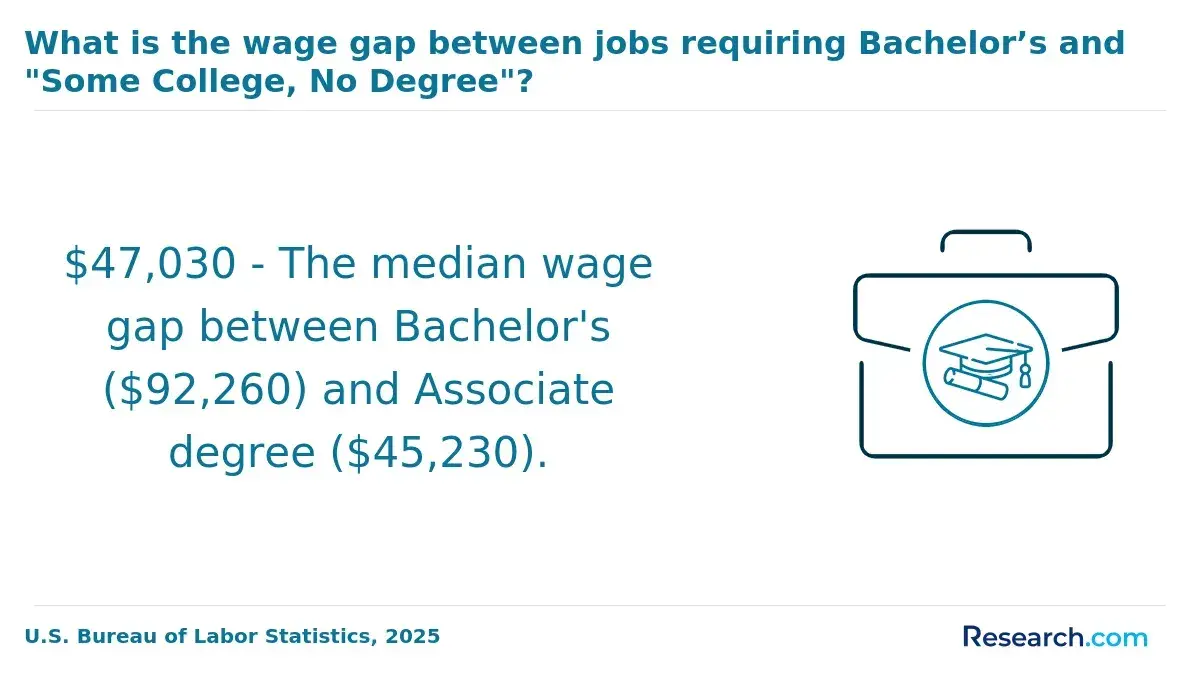
Choosing the right industry significantly influences salary outcomes for those holding a bachelor's degree in marriage and family therapy, with wage variations reaching 25% or more across sectors. Understanding which fields provide lucrative opportunities without advanced degrees is essential for maximizing earning potential. Here are several industries known to offer competitive pay and steady growth.
- Healthcare Services: This sector offers strong salaries due to a high demand for mental health support in hospitals, outpatient settings, and rehabilitation centers. Employers in healthcare value practical experience, resulting in annual wages typically ranging from $45,000 to $65,000 depending on location and facility size.
- Social Assistance Organizations: Government and nonprofit groups focusing on community and family well-being often provide solid compensation, even with tight budgets. Along with median salaries between $40,000 and $60,000, they sometimes offer additional benefits that improve total earnings.
- Educational Services: Schools and educational programs employ professionals for mental health and family support roles, offering salary ranges from $42,000 to $60,000. These sectors seek skilled individuals who help enhance student and family outcomes.
- Corporate Wellness Programs: Increasingly, businesses invest in employee mental health through wellness initiatives. This creates demand for marriage and family therapy knowledge, with salaries often surpassing $50,000, reflecting strong compensation tied to corporate budgets and benefits.
A marriage and family therapy degree graduate shared his perspective on the challenge of finding well-paying positions without graduate credentials. He recalled navigating multiple applications before landing a role in corporate wellness, highlighting how persistence was key. He emphasized, "I had to demonstrate not just my degree but the real-world skills that companies value." The process involved proving adaptability and the ability to contribute to employee well-being initiatives, which eventually led to a satisfying career path with competitive pay and opportunities for advancement.
Choosing entry-level jobs with opportunities for growth is vital in building a lasting marriage and family therapy career. The U.S. Bureau of Labor Statistics projects about 14% growth in related mental health counseling roles over the next decade. This demand highlights the importance of roles that foster skill development and pathways to higher positions. Below are several entry-level jobs that provide strong foundations for advancement.
- Behavioral Health Technician: This position supports therapy professionals by assisting clients with daily routines and monitoring their progress, which helps develop practical client care skills essential for future counseling roles.
- Case Manager Assistant: Coordinating resources and services for individuals and families, this role enhances organizational and advocacy abilities critical for advanced clinical or supervisory positions.
- Family Support Specialist: Offering guidance to families facing difficulties, specialists cultivate interpersonal and problem-solving skills that are valuable for moving into therapy or program leadership.
- Residential Counselor: Working in group homes or treatment centers exposes individuals to complex family dynamics and crisis management, preparing them for clinical or management roles.
- Mental Health Aide: Collaborating closely with therapists, aides gain experience in client interaction and documentation, forming a solid base for future licensed positions.
For those exploring high-paying entry-level marriage and family therapy careers for new graduates, building relevant experience in these roles lays the groundwork for upward mobility. Additionally, students seeking affordable educational paths may consider cheap RN to BSN programs as part of their professional development.
Building specific skills plays a crucial role in boosting salary potential for those with a bachelor's degree in marriage and family therapy, even without advanced degrees. Recent analyses show that professionals with in-demand competencies can earn up to 25% more, reflecting a strong employer preference for specialized talents. Below are key abilities that can elevate earning capacity by enhancing professional impact.
- Effective Communication: Developing skills such as active listening and conflict mediation allows therapists to connect deeply with clients, improving therapeutic outcomes and client loyalty, which employers reward financially.
- Analytical Insight: The ability to gather and interpret data on client progress supports evidence-based practices. Demonstrating measurable results increases a professional's credibility and justifies higher compensation.
- Technological Proficiency: Expertise with telehealth tools and digital platforms expands access to clients and streamlines service delivery. This modern skill set is increasingly valuable, commanding salary benefits due to its growing demand.
- Program Coordination: Skills in designing and managing mental health initiatives diversify career opportunities. Taking on supervisory or administrative roles with these abilities often leads to greater financial rewards.
- Cultural Awareness: Sensitivity to diverse backgrounds enables therapists to tailor approaches appropriately, enhancing client satisfaction and widening market appeal, which can reflect positively on income.
A professional with a marriage and family therapy degree shared her experience navigating salary growth without graduate education. She found that mastering communication and adapting to telehealth technology were game changers, especially amid rapid shifts to virtual care. Initially overwhelmed by managing digital tools alongside client needs, she invested time learning and refining these skills, which made her more indispensable while boosting her confidence and earnings.
Reflecting on her journey, she noted, "It wasn't just about what I knew academically, but how well I could apply new abilities to meet evolving client and organizational demands." This blend of adaptability and focused skill-building proved essential in enhancing her career trajectory without pursuing a master's degree.
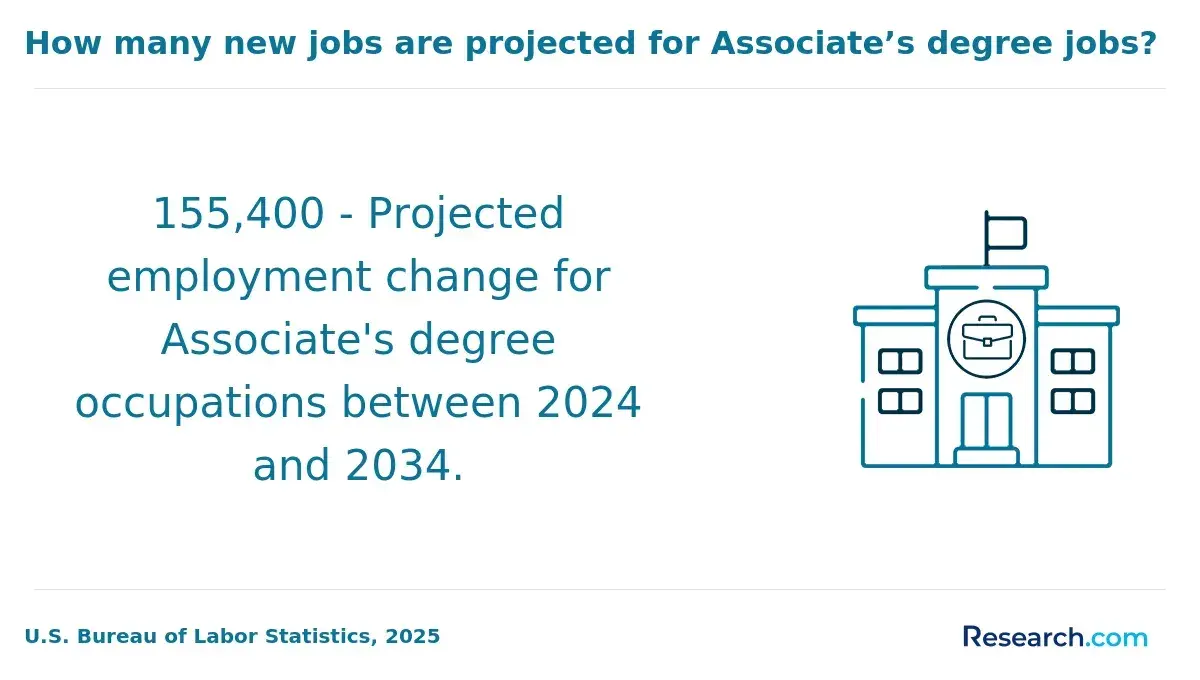
Certifications provide a valuable pathway to boost professional status and open new career opportunities in marriage and family therapy fields without the need for graduate study. Research from the National Certification Board for Behavioral Professionals in 2023 found that certified professionals earn on average 12% more than those without credentials. The following certifications are well-regarded options for enhancing expertise and improving job prospects.
- Certified Family Life Educator (CFLE): Issued by the National Council on Family Relations, this certification targets skills in family systems, education, and resource management. It demonstrates specialized knowledge that is essential for roles focused on family support and education services.
- Certified Clinical Trauma Professional (CCTP): Offered by the International Association of Trauma Professionals, this credential prepares practitioners to provide trauma-informed care, a critical component in marriage and family therapy. It helps increase earning potential by qualifying professionals for clinical settings requiring trauma expertise.
- Board Certified Coach (BCC): Administered by the Center for Credentialing and Education, this certification builds coaching abilities that complement therapeutic practices. It broadens career options by enabling professionals to offer coaching in marriage, family, and relationship contexts.
- Certified Alcohol and Drug Counselor (CADC): This certification validates proficiency in substance abuse counseling, a frequent overlap with family therapy work. It expands access to specialized treatment centers and can lead to higher salaries in behavioral health fields.
- Certified Mediation Professional (CMP): Centered on conflict resolution, this certification enhances the ability to facilitate mediation with families and couples, supporting therapeutic goals and increasing client engagement opportunities.
Professional experience often plays a significant role in career advancement, especially in fields like marriage and family therapy where demonstrated skills and proven performance can outweigh formal credentials. Employers frequently value real-world problem-solving, client interaction, and on-the-job learning that build practical expertise beyond what is taught in classrooms. Positions such as family support specialists, case managers, and behavioral health technicians may prioritize extensive experience and interpersonal abilities. This emphasis on applied knowledge allows seasoned professionals to navigate complex situations and deliver measurable client outcomes effectively.
Despite these advantages, relying solely on experience has limitations in marriage and family therapy careers. Many higher-level or licensed roles legally require graduate degrees and certifications, which can restrict advancement without formal education. Initial entry into better-paying positions might be slower or capped without a graduate degree, narrowing job opportunities and long-term earning potential. Experience becomes most valuable when combined with continuing education, certifications, or specialized training, especially within community organizations or non-profits that prioritize practical skills and client success over academic credentials.
Choosing to stop at a bachelor's degree in marriage and family therapy involves weighing trade-offs. While some professionals accept this path, it typically results in noticeable career limitations. For instance, counselors with a master's degree earn nearly 20% more annually than those with only a bachelor's degree, underscoring the impact on salary growth skipping graduate school marriage and family therapy. The following points highlight key challenges faced without advanced education.
- Slower Advancement: Entry-level or aide roles are common for bachelor's degree holders, as many higher positions require graduate-level credentials for licensure and clinical supervision. This limits opportunities for moving upward in therapy careers.
- Limited Access to Specialized Roles: Graduate programs teach advanced therapeutic techniques and ethics that prepare professionals for complex cases. Without this training, individuals often remain in generalist or supportive roles instead of clinical or leadership positions.
- Competitive Hiring Disadvantages: Many employers, especially in hospitals and private practices, strongly prefer candidates with graduate degrees. This trend creates a competitive disadvantage for those stopping with a bachelor's, reducing job prospects in valued environments.
- Licensing Barriers: Most U.S. states require a master's or doctoral degree from an accredited program to obtain a license as a marriage and family therapist. Without this, independent practice is prohibited, restricting career sustainability and counseling opportunities.
- Alternative Career Paths: Some professionals find roles in case management, social services, or program coordination viable without graduate degrees. Additionally, exploring programs like the LPN 6 month program can offer practical alternatives within healthcare fields.
Return on investment (ROI) in education involves weighing the cost and time spent earning a degree against potential lifetime earnings and career growth opportunities. For a marriage and family therapy degree, bachelor's holders earn about 67% more than those with only a high school diploma, underscoring the financial benefits of this credential. To maximize ROI, graduates must apply targeted strategies that boost early career earnings and build long-term value. Here are practical approaches for improving return on investment with a marriage and family therapy degree.
- Target High-Demand Roles: Focus on employment in community health centers, social service agencies, or corporate wellness programs where bachelor's-level therapists fill critical needs and command competitive salaries. Prioritizing sectors with consistent demand helps secure stable income and quicker career growth.
- Develop Specialized Skills: Enhancing expertise in areas like trauma-informed care, crisis intervention, or family dynamics analysis can differentiate professionals and unlock access to better-paying opportunities within the field.
- Leverage Internships and Networking: Building connections through internships and volunteer work exposes graduates to hidden job markets and mentors who can accelerate career advancement. Effective networking is vital in navigating best career strategies for marriage and family therapy graduates without graduate school.
- Optimize Job Location: Seek geographic regions with higher demand for therapy services and attractive compensation rates, while balancing cost of living to ensure maximum net income and ROI.
By integrating these tactics, graduates can improve their long-term financial outcomes without additional graduate education. For those interested in related health fields, exploring 1 year radiology tech programs online can also offer quick entry into well-paid roles with competitive ROI.
Deciding to pursue graduate school in marriage and family therapy depends largely on your career goals, industry standards, and the financial return on investment. Professionals with a master's degree in this field generally earn about 20% more annually than those holding only a bachelor's degree, highlighting a potential wage advantage over time. However, this additional education demands a significant commitment of both time and money. Evaluating your priorities can help determine when further study is a strategic choice.
Graduate school benefits for marriage and family therapy careers become most apparent when aiming for licensed clinical roles, leadership positions, or research-focused paths. Many states require a master's degree to qualify as a licensed marriage and family therapist, making advanced education essential for direct clinical practice. Leadership opportunities in healthcare or community organizations also often prefer candidates with graduate credentials due to complex skills involved.
For those interested in less formal roles, such as case management or outreach, a bachelor's degree often provides sufficient entry-level options, especially when paired with affordable programs like a cheapest online nutrition degree.
What Graduates Say About Marriage and Family Therapy Degree Careers That Offer the Best Return Without Graduate School
- Leonard: "Choosing not to pursue a graduate degree in marriage and family therapy initially felt like a setback, but it turned out to be a valuable decision. I focused on gaining hands-on experience and sought certifications that enhanced my skills without the lengthy commitment. This approach allowed me to build a strong professional network and succeed in roles that emphasize practical expertise over academic credentials."
- Jairo: "Reflecting on my career, opting out of graduate school for marriage and family therapy pushed me to be more resourceful and proactive. I invested time in workshops and specialized training that aligned with emerging trends in family counseling. This strategy not only kept me competitive but also reinforced the value of lifelong learning outside traditional degree programs."
- Charles: "As a graduate with a degree in marriage and family therapy who didn't pursue further study, I discovered that continuous skill enhancement and professional development were key to my growth. Embracing practical experience and client interaction gave me insights that formal education couldn't always provide. This balance between theory and application significantly impacted my effectiveness as a practitioner."
Other Things You Should Know About Marriage and Family Therapy Degrees
With a bachelor's degree in marriage and family therapy, candidates can work in support or assistant roles in counseling settings, such as mental health technician, case manager, or behavioral health coordinator. These positions typically involve supporting licensed therapists, coordinating care plans, and assisting clients with resources. However, these roles usually do not involve conducting independent therapy sessions.
Advancement without graduate school in marriage and family therapy-related careers is often limited to administrative, supervisory, or program coordinator positions rather than clinical roles. Gaining experience and developing skills in counseling support, crisis intervention, or community outreach can open doors to leadership roles in social service agencies or nonprofit organizations. Direct clinical practice, however, generally requires graduate credentials and licensure.
Yes, but only in support roles under supervision in agencies, hospitals, or nonprofit clinics. Most states do not allow independent marriage and family therapy practice without a master’s degree, 2,000 to 4,000 supervised hours, and passage of the AMFTRB national exam.
- 50+ Career Alternatives to Being a Therapist If You Enjoy Psychology But Dread Burnout https://valnelson.com/career-transitions/career-alternatives-to-therapist/
- âLPC vs MFT: Key Differences in Education, Theoretical Approach, and Career Paths https://www.blueprint.ai/blog/lpc-vs-mft-key-differences-in-education-theoretical-approach-and-career-paths
- Counseling Certifications: A Comprehensive List https://agentsofchangeprep.com/blog/counseling-certifications-a-comprehensive-list/
- Best High-Paying Mental Health Jobs Without a Degree https://careerkarma.com/blog/mental-health-jobs-without-a-degree/
- Postgraduate Certificate Program in Marriage and Family Therapy https://councilforrelationships.org/post-graduate-program/
- Blocked - Family Solutions Institute https://familysolutionsinstitute.com/top-skills-new-mft-should-develop
- 3 Great Marriage and Family Therapy Jobs | The Chicago School https://www.thechicagoschool.edu/insight/career-development/3-career-opportunities-in-marriage-and-family-therapy/
- 4 Benefits of Becoming a Marriage and Family Therapist https://gsep.pepperdine.edu/blog/posts/4-benefits-of-becoming-a-marriage-and-family-therapist.htm
- 6 Unique MFT Careers | Opportunities for Recent Grads https://www.tuw.edu/health/6-unique-marriage-family-therapy-job-opportunities/
- Post-Master's Certificate in Marriage and Family Therapy - WSCUC https://www.wscuc.org/program/post-masters-certificate-in-marriage-and-family-therapy-2/