
2027 What Jobs Can You Get With an MLIS in Youth Services?

Co-Founder and Chief Data Scientist
An MLIS can prepare you to work with children and teens, but the right degree pathway depends on where you want to work. A public library children's librarian and a school librarian may serve similar age groups while facing different credential requirements. The U.S. Bureau of Labor Statistics (BLS) projects 2.6% employment growth for librarians and media collections specialists from 2025 to 2035.
For prospective students and career changers, this guide connects specific jobs to their duties, education, costs, and outlook so you can decide whether an MLIS fits your goal.
Key Things You Should Know
- An MLIS can lead to children's, teen, and youth services librarian roles in public libraries; school librarian jobs may also require state certification or an endorsement.
- The BLS reports a $68,270 median annual salary for librarians and media collections specialists in May 2025, but it does not publish that figure specifically for youth services librarians.
- Before enrolling, check the program's ALA accreditation, youth-focused course availability, applied experience, total cost, and any school-library rules in your intended state.
What jobs can you get with an MLIS in youth services?
Public libraries offer the most direct youth services pathway: staff may specialize in early childhood, school-age children, teens, or services spanning those groups. School libraries are another possibility, but they have distinct state credential rules. The table separates roles by their work and typical qualification patterns; individual job postings remain the best guide to an employer's requirements.
| Role | Typical work setting and focus | MLIS relevance |
| Children's librarian | Public library; early literacy, collections, family programs, and reader guidance | Often required or preferred for professional librarian positions |
| Teen services librarian | Public library; teen collections, programs, outreach, and advisory services | Often required or preferred for professional librarian positions |
| Youth services librarian or coordinator | Public library; services across age groups or coordination of staff and programs | Relevant preparation; supervisory roles generally also call for experience |
| School librarian or library media specialist | School; reading support, instruction, research skills, and resource access | May be part of a state-approved preparation pathway, but an MLIS alone may not establish eligibility |
| Library assistant or technician serving youth | Public or school library; circulation, program support, and day-to-day assistance | Usually not necessary; can be an entry point before graduate study |
A library assistant job can help you test whether you enjoy working with young patrons before committing to graduate tuition. An MLIS is more relevant if the positions you want specify a professional librarian degree or involve collection decisions, service design, or leadership. If you are still comparing credentials, a guide to types of library science degrees can help distinguish graduate librarian preparation from other educational routes.
What does a youth services librarian do?
Youth services librarians help children and teens find books, information, and welcoming places to learn. In a public library, the work can include storytimes, reader's advisory, teen programs, collection development, school visits, and partnerships with families and community organizations. The balance changes by library size: a specialist may focus on one age group, while a smaller-library librarian may cover all of them.
The job also requires judgment behind the scenes. Librarians plan accessible programs, evaluate materials for different developmental stages, protect patrons' privacy, manage program budgets, and assess which services meet local needs. Digital access matters too: helping a family use an e-book platform or guiding a teen toward reliable information is as much a youth service as recommending a print book.
What education is required for youth services library jobs?
Professional public-library librarian postings commonly require or prefer a master's degree in library and information science or a related LIS master's degree. The credential may be called an MLIS, MLS, Master of Science in Library Science, or another institution-specific name; the degree title alone does not establish its accreditation or suitability for a particular job. Youth-focused electives and hands-on experience can strengthen an application, but employers also assess service and communication skills.
School librarian preparation is a separate decision. A state may require an educator license, school library certification or endorsement, approved coursework, supervised practice, or other conditions. Check the education authority in the state where you intend to work before selecting a degree.
Applicants changing careers should review each university's admissions requirements rather than assume they need a library-related undergraduate major. Guidance on an online library degree no related bachelors can help frame that search, but the university must confirm your individual eligibility.
Is an ALA-accredited MLIS required for youth services careers?
Not universally. Many professional public-library employers require or prefer a master's degree from a program accredited by the American Library Association (ALA), while other positions accept different qualifications. Check the exact wording of jobs in your target area before treating accreditation as either optional or mandatory.
ALA accreditation applies to a specific master's program, not automatically to every degree at an institution. Confirm the program in the current ALA directory; then separately confirm its youth services offerings. Accreditation does not mean a particular children's literature elective, practicum, or online format is available. For school jobs, ALA accreditation also does not replace state certification rules. When evaluating a library science graduate degree, keep employer requirements, program accreditation, and state licensure as three separate checks.
What courses are included in a youth services MLIS program?
A youth services pathway usually combines general LIS study with courses or projects focused on young people. Relevant subjects may include information organization, reference and information services, collection development, children's and young adult literature, early literacy, program planning, and services to diverse communities. For a school-library goal, look for coursework and supervised experience that match your state's educator requirements.
Do not assume every program offers a formal "youth services" concentration. A named concentration, a set of electives, and an independent youth-focused project are different forms of preparation. Compare the current catalog with the course schedule, and ask whether the electives you need are offered often enough to fit your graduation plan. A useful portfolio might document a teen program proposal, an age-appropriate collection assessment, or an accessible family literacy resource, with your decisions and evaluation clearly explained.
Can you earn an MLIS in youth services online?
Some LIS master's programs offer online study with coursework relevant to youth services, although the delivery format, electives, and applied-learning requirements vary. An online degree is not automatically a distinct youth services degree, and online coursework does not guarantee that a school-library pathway meets another state's certification rules.
Compare programs by asking whether classes meet live or can be completed asynchronously, when youth electives are scheduled, and where any practicum may take place. A local public library placement may be valuable if it lets you work directly with children or teens, but confirm whether the program permits that site and who arranges supervision. A comparison of best accredited online MLIS options can be a starting point; verify accreditation, format, and course availability with each program before applying.
How long does a youth services MLIS take and cost?
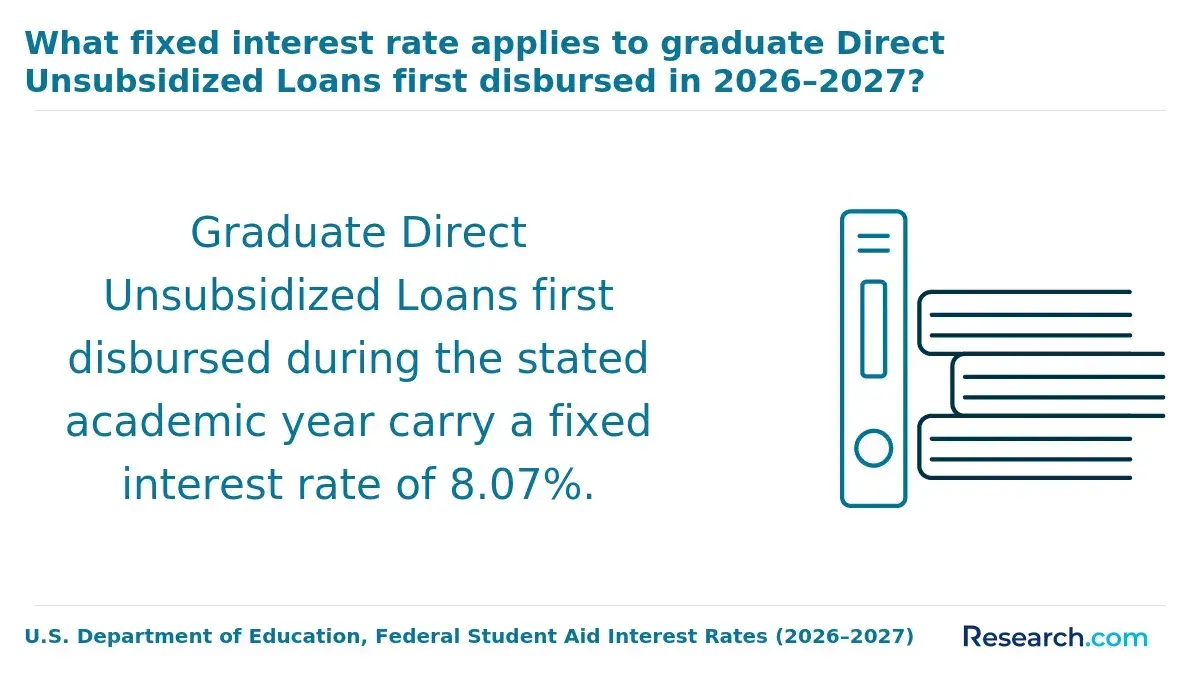
Time to completion depends on required credits, enrollment pace, course sequencing, and whether a practicum or school-licensure component is needed. Published tuition alone cannot establish a reliable total cost, and no single price applies to all youth services pathways.
To compare offers, calculate required credits multiplied by your applicable tuition rate, then add mandatory fees and expected books, technology, travel, and placement expenses. Ask whether part-time enrollment or an infrequently offered elective would add terms. Keep the total program cost separate from what you would pay out of pocket after any confirmed employer support, grants, or scholarships; borrowing changes how you finance a cost, not the underlying price.
Students considering an accelerated accredited MLIS should confirm that its course sequence still allows youth electives and any required fieldwork. Faster completion can reduce time away from full-time work for some students, but a heavier course load may be difficult to combine with a job or caregiving.
What certifications or licenses do youth services librarians need?
For a public-library youth services role, there is no single nationwide youth librarian license. Employers or local jurisdictions may set their own qualifications, so review the relevant posting and hiring authority. Training in areas such as child safety or program delivery may be useful, but it should not be mistaken for a universal legal credential.
School librarian requirements are set by states and can involve a teaching license, a school library endorsement or certificate, examinations, and approved clinical experience. The requirements may also depend on an applicant's existing educator credentials. Before enrolling, ask the program which state pathways it supports and confirm the answer with that state's education authority. This is especially important if you plan to study online in one state and seek a school job in another.
How much do youth services librarians earn?
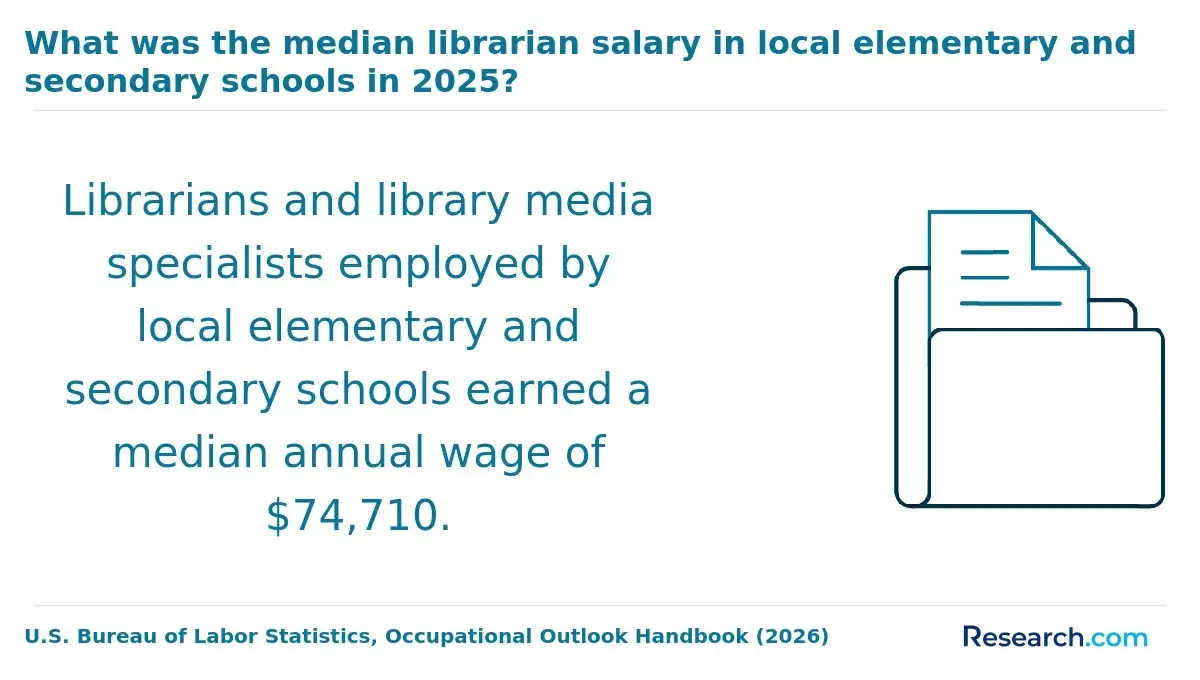
The BLS reports a $68,270 median annual salary in May 2025 for librarians and media collections specialists. That is a broad occupational measure, not a youth services salary or a prediction of what an MLIS graduate will earn. Pay for a particular job depends on the employer, location, responsibilities, and experience.
For a useful comparison, examine posted salary ranges for children's, teen, and school librarian openings where you could realistically work. Compare those ranges with the full cost of the degree and your current earnings, particularly if you would reduce work hours while studying.
What is the job outlook for youth services careers?
The BLS projects 2.6% employment growth from 2025 to 2035 for librarians and media collections specialists. The projection covers a broader occupation than youth services, so it cannot tell you how many children's or teen librarian openings will be available in a particular community. Openings also depend on local hiring and whether experienced librarians leave or change roles.
Build experience that matches the jobs you want rather than relying on the degree alone. Public-library volunteering or paid support work, youth programming, school partnerships, and a portfolio showing how you designed and assessed a service can make your preparation more concrete. If your main interest is working with young people rather than holding a professional librarian position, compare library assistant roles and other youth-serving careers before investing in an MLIS.
Other Things You Should Know About Library Science
Yes. Librarians can apply for youth-focused openings later in their careers. Experience with children or teens, relevant training, and examples of successful programs will help demonstrate the transition.
Yes, if it helps you test your interest and build relevant experience. Ask about opportunities that involve reading support, programs, or family services, while recognizing that volunteer duties differ from professional librarian work.
No. They also communicate with caregivers, teachers, community partners, and colleagues. Those relationships help connect young patrons with appropriate resources and services.
Choose based on the work you enjoy and the openings available locally. Experience with both groups can be useful early on; later, projects and fieldwork can help you develop a clearer specialty.
References
- Public libraries: A community-level resource to advance... - PMC https://pmc.ncbi.nlm.nih.gov/articles/PMC6329675/
- Career Exploration and Skill Development | Youth.gov https://youth.gov/youth-topics/youth-employment/career-exploration-and-skill-development
- The Complicated Role of the Modern Public Library | National Endowment for the Humanities https://www.neh.gov/article/complicated-role-modern-public-library
- Pathways Programs | Institute of Museum and Library Services https://www.imls.gov/about/jobs/pathways-programs
- Youth Service Professionals | dol.gov https://www.dol.gov/agencies/odep/program-areas/individuals/youth/youth-service-professionals
- Youth Services (MLIS) | missouri.edu https://cehd.missouri.edu/degree/youth-services-mlis/
- Public Libraries - SJSU - School of Information https://ischool.sjsu.edu/public-libraries
- How to Become a School Librarian: Your Complete Career Guide | Syracuse University https://ischool.syracuse.edu/how-to-become-a-school-librarian/
- What Can You Do With a Library Science Degree? | Syracuse University Online Master's Programs https://onlinegrad.syracuse.edu/information-science/mslis/library-science-careers/
- Library Science Careers - UW Information School https://ischool.uw.edu/programs/mlis/careers


