2027 What Job Postings Reveal About Web Development Careers: Skills, Degrees, and Experience Employers Want

Co-Founder and Chief Data Scientist
Are employers in web development focusing more on formal degrees or practical skills as the industry shifts rapidly? Many prospective students and career switchers grapple with this question while examining hundreds of job postings. Recent data shows that 68% of web development roles prefer candidates who demonstrate proficiency in specific programming languages over holding a traditional computer science degree. This indicates a growing emphasis on measurable skills and relevant experience. Understanding what employers prioritize can clarify the path forward. This article explores common job posting requirements to help readers align their education and experience with employer expectations in web development careers.
Key Things to Know About Skills, Degrees, and Experience Employers Want
- Employers emphasize proficiency in JavaScript, frameworks like React, and version control systems, reflecting current industry priorities in web development skill sets.
- Most job postings expect candidates to hold at least a bachelor's degree in computer science or a related field, with 65% preferring 2-4 years of hands-on experience.
- Analyzing job listings reveals hiring standards tied to practical skills over formal credentials, guiding students to focus on portfolio projects and internships for career readiness.
What Do Job Postings Say About Web Development Careers?
Job postings offer a clear view of the real-world demands in web development careers, showing a strong preference for proficiency in core programming languages like JavaScript, HTML, and CSS. Over 75% of recent listings emphasize these technical skills, highlighting their foundational role. While some positions still list a bachelor's degree as desirable, many prioritize demonstrated coding ability and hands-on project experience instead. Experience levels vary, with entry roles favoring internships or freelance work and senior positions requiring substantial professional development.
Patterns in job postings reveal both consistency and variation in employer expectations. Most postings consistently seek problem-solving skills, familiarity with frameworks, and effective collaboration abilities. However, differences emerge based on role seniority and company priorities, reflecting a diverse landscape. The emphasis on practical skills alongside soft skills underscores the need for adaptable developers who can navigate evolving technologies and team environments.
What Skills Are Most Requested in Web Development Job Postings?
Job postings in web development consistently highlight specific technical and interpersonal skills that reflect employer priorities for success in the field. According to a 2023 industry survey, over 70% of web development job listings require JavaScript proficiency, underscoring its central role. These listings provide valuable insight into the top technical skills employers want for web development roles.
Below are several key skills frequently emphasized in job postings:
- Programming Languages: Mastery of JavaScript, HTML, and CSS forms the foundation for front-end development. These core languages enable developers to build and style interactive, responsive websites that meet modern user expectations.
- Frameworks and Libraries: Experience with React, Angular, and Vue.js is highly sought after because these tools improve development speed and maintainability by providing reusable components and standardized structures.
- Back-End Development: Skills in Python, PHP, and Node.js are regularly requested to support server-side logic, data processing, and API creation, which are critical for robust application performance.
- Database Management: Knowledge of both SQL and NoSQL databases equips developers to design and manage data storage solutions vital for complex applications.
- Soft Skills: Problem-solving ability and clear communication are also important, as web development often involves collaboration with designers, product managers, and other stakeholders.
For students exploring educational paths that may complement these sought-after skills in web development or related fields, research on the most affordable online MSW programs can provide additional opportunities for developing teamwork and communication expertise relevant to tech environments.
What Degrees Do Employers Require for Web Development Careers?
Job listings for web development roles frequently highlight formal education requirements, with a significant focus on college degrees. Around 70% of these postings insist on a bachelor's degree, signaling how critical foundational knowledge in computer science, information technology, or related disciplines remains in the field. These educational expectations shift depending on the complexity of the role and the industry involved.
Below are typical degree patterns seen in web development job advertisements:
- Bachelor's Degree Baseline: Most entry-level roles specify a bachelor's degree in web development, software engineering, or computer science as the minimum credential. This level reflects the foundational education needed for standard front-end and back-end development tasks.
- Advanced Degrees for Specialization: Positions that involve senior-level responsibilities, such as devops engineering, systems architecture, or specialized research, often require or prefer master's degrees or higher. These degrees indicate deeper expertise or advanced study.
- Industry Variance: Tech startups and smaller firms may be more flexible, sometimes prioritizing practical skills or experience alongside formal qualifications. In contrast, sectors such as finance, healthcare, and government typically enforce stricter degree requirements to meet regulatory or policy standards.
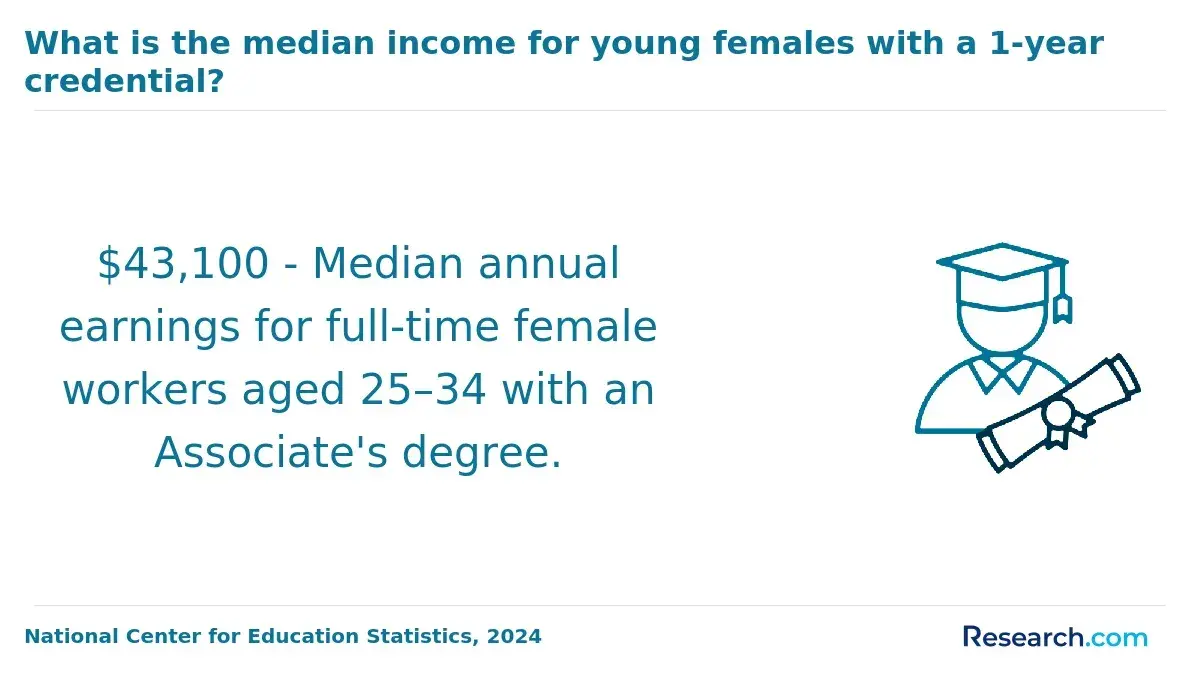
- Alternative Credentials: Some listings occasionally accept associate degrees or coding bootcamp certifications, especially in less formal or smaller scale settings, though these remain exceptions rather than the norm.
A web development degree graduate shared his reflections: "Applying for jobs was more complicated than I expected. Many postings listed a bachelor's but also hinted at preferring candidates with master's degrees for higher roles. It felt stressful trying to balance gaining enough practical experience while considering further education just to stay competitive. At times, I wondered if my degree alone would open doors or if I had to prove myself in other ways."
Web development job postings vary significantly in their experience requirements based on the role's seniority and area of specialization. Employers frequently use these experience thresholds as a fundamental filter to identify candidates who match the complexity and responsibilities of the position. This helps streamline the selection process by focusing on applicants with relevant backgrounds.
Common patterns in these experience requirements include the following:
- Entry-Level Roles often require less than two years of experience. Candidates may qualify with internships, freelance projects, or educational work demonstrating foundational skills rather than extensive professional history.
- Mid-Level Positions generally ask for three to five years of experience. Applicants are expected to handle routine development tasks independently and show familiarity with specific technologies, often reflecting practical, full lifecycle involvement.
- Senior Roles typically demand five or more years of experience. Such postings highlight leadership abilities, project management, and mentoring skills alongside deep technical expertise.
- Specialized Positions may prioritize targeted experience within particular frameworks or industries regardless of overall years. These roles can sometimes override general experience metrics with focused knowledge.
- Early Career Flexibility occasionally appears, recognizing relevant freelance or internship work as acceptable experience for junior developers.
Employers' focus on typical experience levels for web development roles aligns closely with job complexity and industry-specific demands, reflecting varied web development job experience requirements by industry. For those exploring career advancement or education options, programs like an executive MBA may provide valuable skills complementary to technical experience.
Many sectors are increasingly open to hiring recent graduates in web development who lack formal work experience, focusing instead on adaptability and foundational skills. Job listings for entry-level roles often highlight a willingness to learn and basic coding competencies as key qualifications. A 2023 survey by the National Association of Colleges and Employers found that approximately 60% of entry-level tech positions welcome candidates without prior professional experience.
Below are several industries known for offering opportunities to fresh web development graduates:
- Technology Startups often prioritize practical coding skills and the ability to adapt to diverse projects in fast-moving environments. These companies value enthusiasm and hands-on problem solving over extensive resumes.
- Digital Marketing Agencies typically recruit newcomers to assist with website upkeep, user experience enhancements, and integrating marketing tools. These roles provide a gradual learning curve suitable for beginners.
- Education and E-Learning sectors frequently hire entry-level developers to support online course platforms and learning management systems. These settings offer collaborative workplaces where skills grow through teamwork.
- Nonprofit Organizations engage fresh graduates for maintaining websites and expanding digital outreach. These roles often emphasize community engagement and incorporate flexible hiring standards.
- Retail and E-Commerce businesses depend on web development talent to update online storefronts and improve customer interfaces, welcoming graduates who demonstrate essential technical abilities despite little experience.
A fresh graduate with a web development degree shared her experience navigating early career opportunities. She described feeling initially overwhelmed but encouraged by employers' openness to candidates still building their professional backgrounds. Her first roles involved website maintenance tasks that, while modest, allowed her to develop confidence and practical skills. She recalled, "It was reassuring to find environments that valued eagerness to learn more than a lengthy work history." This early exposure helped her understand workplace dynamics and build a foundation for future growth.
Some industries demand significantly higher levels of experience, specialized training, or advanced skills from web development graduates, which is evident in their job postings. These sectors often seek candidates with proven expertise to handle complex technical and regulatory challenges. Notably, studies indicate that about 72% of listings in highly regulated fields require at least five years of experience or equivalent accomplishments, reflecting a more selective hiring approach.
Below are examples of industries that typically set higher bars for web development roles:
- Finance prioritizes security and compliance, requiring developers to be skilled in secure coding, data encryption, and an understanding of financial regulations to manage sensitive information systems.
- Healthcare emphasizes adherence to privacy standards like HIPAA, demanding experience integrating stringent data protection measures and working with regulated health data.
- Aerospace and Defense often require security clearances and deep domain knowledge, limiting entry to candidates with extensive experience and industry-specific certifications.
- Cybersecurity focuses on safeguarding systems, with employers seeking certifications and demonstrated proficiency in threat mitigation and secure cloud computing environments.
- Enterprise Technology companies expect developers to manage large-scale, mission-critical applications, often necessitating multi-year experience with both front-end and back-end frameworks and cloud services.
These industries illustrate how web development roles can demand a blend of technical mastery and domain-specific expertise, driving up the experience and certification expectations employers require before hiring graduates.
Employers rely on various credentials to evaluate candidates for web development roles, using these qualifications as concrete evidence of a candidate's skills and expertise. Specific certifications, licenses, and academic degrees often influence hiring decisions by signaling a candidate's preparedness and specialty areas. These credentials help differentiate applicants beyond work experience alone.
The following credentials commonly appear in job postings and are sought after for their relevance and ability to validate core competencies:
- Bachelor's Degree: A degree in computer science, information technology, or a related field is frequently requested. It provides foundational programming knowledge and a theoretical framework essential for understanding complex software development processes.
- Professional Certifications: Credentials such as Certified Web Developer (CWD), Microsoft Certified: Azure Developer Associate, and Google Mobile Web Specialist confirm expertise in specific tools, languages, or platforms, highlighting up-to-date technical skills.
- Security Certifications: Certifications like the Certified Secure Software Lifecycle Professional (CSSLP) demonstrate knowledge of security best practices, which is increasingly important as protecting web applications becomes a critical employer priority.
- Agile and Project Management: Credentials such as Scrum Master illustrate a developer's familiarity with collaborative and iterative workflows, reflecting how many web development teams operate in dynamic environments.
Salary levels in web development job postings are influenced by factors such as experience, education, and the complexity of the role offered. Employers often provide salary ranges instead of fixed amounts, implying flexibility based on a candidate's background. According to a recent survey, about 65% of employers in technology sectors, including web development, are willing to adjust compensation according to relevant professional experience. This highlights the impact that professional experience can have on negotiation possibilities and salary offers in web development positions in the United States.
Experience plays a significant role in how salary flexibility is outlined in job postings. Entry-level roles tend to have more standardized pay, reflecting the limited responsibilities and practical knowledge expected of new candidates. In contrast, advanced positions often feature broader pay ranges, which accommodate candidates with mastery of complex skills or project management expertise. Employers typically use these wide ranges to factor in differences in portfolios and previous job performance, linking salary variation closely to the candidate's demonstrated ability and role complexity. Additionally, candidates pursuing further qualifications, such as an accelerated construction management degree online, may also affect compensation considerations.
Job postings serve as a practical guide for candidates seeking to tailor their resumes effectively for web development careers. Matching resume skills with employer requirements in web development careers can improve interview chances by up to 40%, largely due to better performance in applicant tracking systems (ATS) that filter candidates early in the hiring process. Understanding the specific demands outlined in job ads allows applicants to present themselves as strong fits for targeted roles.
To demonstrate how to leverage job descriptions for resume alignment, consider these key strategies:
- Interpreting Requirements: Pay close attention to the technical skills and soft skills emphasized in job listings. For example, if a posting highlights JavaScript frameworks such as React or Angular, ensure your resume reflects relevant projects or work experience showcasing those abilities.
- Highlighting Relevant Experience: Emphasizing projects or roles that match employer needs helps differentiate you from more general candidates. Tailored descriptions of your accomplishments resonate better with both ATS and hiring managers.
- Aligning Terminology: Use the exact keywords and jargon from the job description to improve ATS compatibility and appeal to recruiters. Substituting generic terms with those from the posting-such as "front-end optimization" instead of just "UI design"-signals direct alignment with employer expectations.
- Prioritizing Qualifications: Position the most critical qualifications-like proficiency in backend languages or an understanding of Agile methodologies-near the top of your resume to immediately grab attention and show clear match with top priorities.
- Certifications and Education: Demonstrate relevant certifications or education as specified by employers to boost credibility. For instance, candidates interested in areas overlapping behavioral health might explore a specialized LMFT online program to strengthen interdisciplinary career prospects.
Job ads offer a revealing look into what employers expect from candidates in web development careers. By examining these postings carefully, applicants can better understand the specific qualifications and skills demanded. Notably, nearly 70% of job postings highlight desired technical skills, underscoring the importance of proficiency in contemporary programming languages and frameworks.
Several key aspects stand out when analyzing these ads:
- Responsibilities: These outline daily duties and project involvement, helping candidates evaluate the practical tasks they will face and the scope of their roles.
- Qualifications: Job ads frequently specify whether formal education, certifications, or hands-on experience are essential, guiding applicants on the levels of academic and professional background expected.
- Experience Levels: Employers often require a certain number of years or specific types of project work, emphasizing familiarity with real-world scenarios and problem-solving in web development.
- Technical and Soft Skills: Beyond coding abilities, desired skills often include communication, teamwork, and tool proficiency. Popular programming languages and frameworks such as JavaScript, React, and Angular are commonly listed to align with current industry standards.
- Additional Insights: Understanding these job postings can provide broader career clarity, similar to how professionals explore transitions, like moving from teacher to speech language pathologist.
What Graduates Say About Skills, Degrees, and Experience Employers Want
- Kayden: "As a fresh graduate, I found that carefully studying job postings helped me identify which skills and technologies employers prioritize most. It was reassuring to see that my hands-on projects aligned well with many entry-level roles, which boosted my confidence when applying. Job ads became a roadmap in tailoring my resume to fit the competitive web development landscape."
- Cannon: "Over time, I've come to rely heavily on job ads to guide my career growth in web development. They revealed emerging trends and demanded skill sets that pushed me to earn new certifications and refine my expertise. Reflecting on my journey, I realize how these postings acted as signposts, helping me navigate upward and stay relevant in a fast-evolving field."
- Nolan: "In my professional experience, job postings have significantly influenced my approach to career advancement. They often highlight soft skills and cross-disciplinary knowledge that are not emphasized in formal education but are essential in the workplace. This insight encouraged me to develop a more holistic skill set, which has led to more meaningful and diverse opportunities."
Other Things You Should Know About Web Development Degrees
Employers generally prioritize technical skills in web development job postings, such as proficiency in specific programming languages and frameworks. However, many postings also emphasize the importance of soft skills like communication, problem-solving, and teamwork. These soft skills are often listed as requirements for successful collaboration within development teams and with clients.
Yes, many web development job postings mention certifications as valuable additions to formal degrees. Certifications in areas like JavaScript frameworks, cloud platforms, or cybersecurity can strengthen a candidate's profile. While not always mandatory, certifications demonstrate a commitment to continuous learning and practical expertise.
Many web development job postings include experience with project management tools or Agile methodologies as desirable qualifications. Employers value candidates who understand iterative development processes and can contribute to efficient team workflows. This experience helps ensure that projects stay on track and meet deadlines effectively.
Yes. Many postings list Git and GitHub as required tools, and they often ask for pull request reviews, branch workflows, and collaboration in shared repositories. Employers use these requirements to screen for candidates who can work in team-based development and maintain clean, traceable code.
- Web Developer Job Search Tips & Best Practices https://www.nobledesktop.com/careers/web-developer/job-search-tips
- What Skills Should You Look for When Hiring a Web Developer? https://inceptivetechnologies.com/what-skills-should-i-look-for-when-hiring-a-web-developer/
- The Software Developer's Guide to Salary Negotiation — SitePoint https://www.sitepoint.com/the-software-developers-guide-to-salary-negotiation/
- 11 Things You Must Do to Land a Web Development Job · BiZmarrow Technologies Limited https://www.bizmarrow.com/11-things-must-land-web-development-job/
- What is a Web Developer? Roles & Skills (Job Description) https://careers.societegenerale.com/en/tips-candidates/what-does-developer-do
- 163 Web Development Fresher Jobs (2026) https://internshala.com/fresher-jobs/web-development-jobs/
- What Is a Web Developer? | Skills and Career Paths https://www.computerscience.org/careers/web-developer/
- Certificates and Certifications for Web Developers — Web Development https://blog.nobledesktop.com/web-developer-certificates-and-certifications
- Breaking Down the Web Developer Job Description https://www.ironhack.com/gb/blog/breaking-down-the-web-developer-job-description
- African Leadership University (ALU) https://www.alueducation.com/best-certifications-for-software-developers/