2027 Web Development Degree Careers Ranked by Salary, Growth, and Work-Life Balance

Co-Founder and Chief Data Scientist
Choosing the right web development career path often challenges degree holders balancing salary expectations, job growth, and personal well-being. For example, while some roles boast high salaries, they may come with poor work-life balance, leading to burnout. The Bureau of Labor Statistics projects a 23% growth rate for web developers through 2032, indicating robust demand but varied career experiences. This article ranks web development careers based on salary, career growth outlook, and work-life balance-providing a clear, data-driven guide to help readers find paths that align with both professional goals and lifestyle priorities.
Key Things to Know About Web Development Degree Careers Ranked by Salary, Growth, and Work-Life Balance
- Salaries for web development graduates vary widely-front-end developers average $75,000 annually, while full-stack roles can exceed $110,000, reflecting technical proficiency and experience.
- Employment in web development is projected to grow 13% through 2031-faster than average-driven by increasing demand for digital services and e-commerce platforms.
- Work-life balance differs by specialization-remote-friendly front-end jobs offer flexible hours, whereas back-end or DevOps roles often require on-call availability, impacting lifestyle sustainability.
How Are Web Development Degree Careers Evaluated and Ranked Across Salary, Growth, and Work-Life Balance?
Careers requiring a Web Development degree are evaluated using a three-pillar framework focusing on salary, career growth, and work-life balance-each offering crucial insights beyond mere compensation. This approach delivers a balanced, holistic view to better inform decision-making for students, recent graduates, and mid-career professionals planning their next move.
- Salary: Based on median earnings from the Bureau of Labor Statistics (BLS) Occupational Employment and Wage Statistics, this metric provides an authoritative benchmark for typical annual income across various web development roles within the United States.
- Career Growth: Derived from BLS ten-year employment projections, this pillar indicates expected demand and future job availability, helping to assess long-term opportunities and career stability in the field.
- Work-Life Balance: A composite measure calculated from resources including the American Time Use Survey, Glassdoor employee reviews, and workforce satisfaction surveys within technology industries. This considers working hours, flexibility, stress, and job satisfaction-factors that are key to sustainable career success.
By integrating these dimensions, the ranking captures the nuances of salary comparison alongside expected growth and well-being-critical elements for those analyzing web development degree career salary comparison in the United States. Compensation alone cannot fully represent personal fulfillment or a sustainable lifestyle.
It's important to note these rankings serve as a flexible guide rather than a strict hierarchy. Individual priorities vary-some may lean toward flexibility or creative aspects of work rather than just income-so which career ranks highest depends on personal goals and values.
The article examines five main web development career paths, providing evidence-based, comparative analysis across the three pillars. These are:
- Front-End Developer
- Back-End Developer
- Full-Stack Developer
- UX/UI Designer
- Web Development Project Manager
This detailed insight aims to assist students and professionals alike in navigating the evolving landscape of web development careers. For those seeking advanced business education options to complement their technical skills, affordable MBA programs can provide strategic advantages in leadership and management roles within tech industries.
Which Web Development Degree Career Paths Offer the Highest Starting and Mid-Career Salaries?
High-paying web development careers are usually found in advanced technical and system-focused roles. Positions like full-stack developers, software engineers, and architects tend to offer strong compensation and growth. Advancement depends on specialization, experience, and building scalable applications.
- Software Engineer: Software engineers holding a web development degree often rank among the highest earners, both at entry level and mid-career. Their compensation premium stems from handling complex tasks-such as designing scalable web architectures and integrating sophisticated backend systems-which demand mastery of multiple programming languages and frameworks. The scarcity of proficient full-stack and backend developers also elevates salaries. Median starting pay generally starts around $75,000 annually, with mid-career salaries exceeding $120,000, particularly within private sector firms and large tech companies.
- Front-End Developer: Front-end developers specialize in user-facing website components, directly boosting user experience and engagement-key drivers of commercial success. Their salaries reflect strong demand and the fast pace of evolving technologies requiring continual upskilling. Starting salaries typically range from $60,000 to $70,000, while mid-career professionals often earn $100,000 or more, especially in technology hubs.
- UX/UI Designer: UX/UI designers command competitive salaries by blending creativity and technical expertise to improve product usability and customer satisfaction. Barriers exist due to the need for unique design skills combined with technical knowledge. Entry-level salaries usually range between $65,000 and $75,000, with mid-career earnings commonly reaching $110,000 or higher. Large companies in competitive markets tend to offer premium pay, recognizing the critical role these designers play in product differentiation.
- DevOps Engineer: DevOps engineers bridge development and operations, a role with rapid salary growth due to its technical demands and crucial responsibility in continuous deployment. The talent shortage in this area pushes starting salaries near $70,000, with mid-career professionals often earning over $130,000, mainly in private-sector firms investing heavily in cloud infrastructure and automation.
Regional differences heavily influence these salary figures-urban centers with dense tech workforces offer premium compensation, whereas public-sector roles may pay less but provide better work-life balance.
For comprehensive insights on geographic salary variation, readers should see the dedicated regional analysis section. Those interested in career paths impacting related social services might compare these findings with data on marriage and family therapy programs.
What Do the Bureau of Labor Statistics Job Growth Projections Reveal About the Future of Web Development Degree Careers?
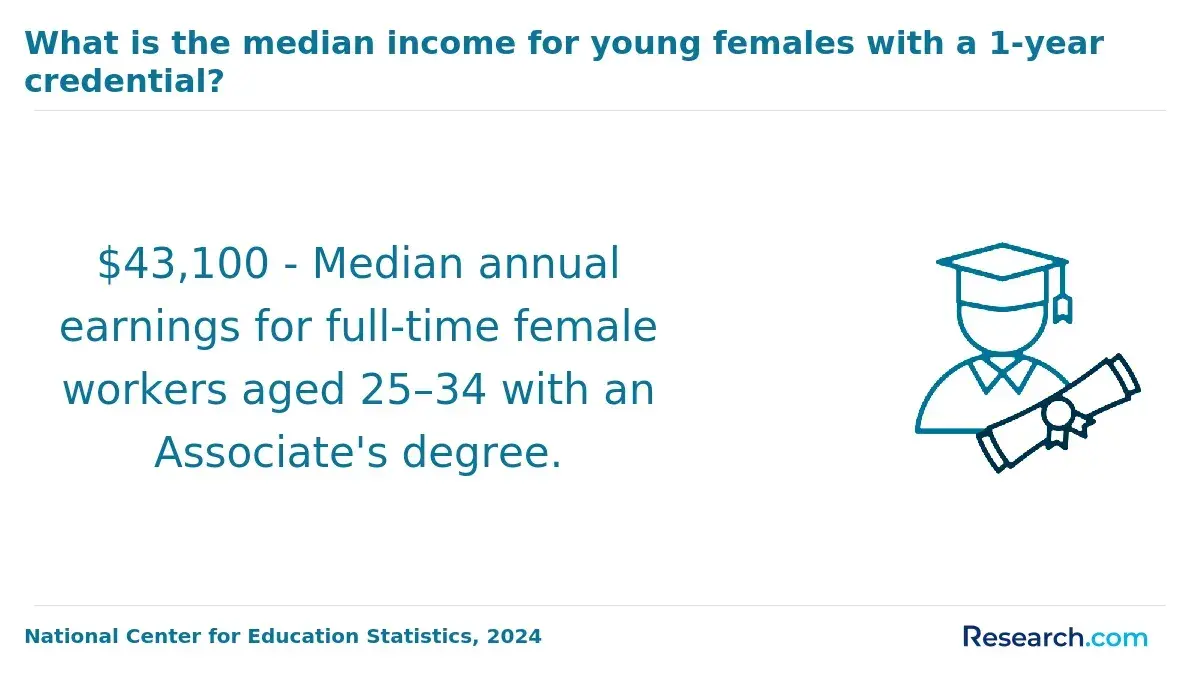
The Bureau of Labor Statistics (BLS) forecasts that jobs linked to a web development degree will experience varying growth rates over the next decade, with some areas expanding more rapidly than others. The national average growth for all occupations sits at 5%, providing a benchmark for comparison.
- Above-Average Growth: Roles such as web developers and digital designers are expected to grow by about 13%, fueled by the rise of e-commerce, increased use of mobile devices, and the growing importance of providing optimized online experiences.
- Technology Integration: Careers focused on building software for the web and mobile platforms benefit from advances in cloud computing, artificial intelligence, and cybersecurity. These ongoing technological advancements sustain demand for professionals who can develop and maintain sophisticated web systems.
- Population Aging: Web development jobs tied to healthcare technology and accessibility are growing due to an aging population. Older adults increasingly rely on digital health services like telemedicine and online prescription management, expanding opportunities for developers specializing in these areas.
- Stable or Declining Fields: Some traditional web support and maintenance positions show little to no growth as automation and IT centralization reduce their need. However, professionals who acquire skills in emerging programming languages, user experience design, or cross-platform development can adapt to retain strong career prospects.
BLS projections are national averages and may not reflect localized trends. Tech hubs and regions with growing digital infrastructure investments could see higher demand. Similarly, industries such as finance, education, and government may present unique job opportunities driven by policy changes and innovation funding.
Work-life balance involves several measurable factors that reflect how individuals manage professional and personal demands. In this analysis, we focus on average weekly hours worked, schedule predictability, remote or hybrid work availability, paid time off policies, and employee satisfaction ratings from platforms like Glassdoor, Indeed, and Payscale.
These metrics, combined with data from the Bureau of Labor Statistics' American Time Use Survey and employer reviews, create a comprehensive view of work-life balance for various web development career paths.
The evaluation reveals that work-life balance varies widely not only by job type but also by employer, industry, and career stage. For example, entry-level web developers and front-end specialists often face longer work hours and less predictable schedules as they build their expertise.
Conversely, mid-career UX developers and full-stack engineers tend to enjoy more consistent hours, better remote work options, and higher satisfaction ratings, reflecting improved balance.
- Average Hours Worked: Typically range from 38 to 50 hours weekly, influenced by project demands and role complexity.
- Schedule Predictability: Higher in established backend roles; less stable in startups or freelance work.
- Remote/Hybrid Flexibility: More prevalent in larger companies and technology centers, positively affecting satisfaction.
- Paid Time Off Norms: Generally follow industry standards, varying with employer generosity and negotiated agreements.
- Employee Satisfaction Scores: UX and full-stack roles frequently report better work-life balance compared to specialized or entry-level positions.
Evaluating work-life balance in web development jobs USA shows that professionals can influence their balance through deliberate career and employer choices. By actively negotiating terms and prioritizing roles aligned with personal goals, individuals can shape a sustainable and rewarding career.
For those considering advanced study options, exploring a PhD in organizational leadership online may also support leadership roles that offer enhanced work-life balance.
A composite ranking of Web Development career paths can be formed by equally weighing salary, job growth, and work-life balance-three factors central to career sustainability and satisfaction. This approach reflects the balanced priorities of many graduates looking for roles that offer financial security, advancement opportunities, and manageable work environments.
- Front-End Developer: Combines above-average pay with strong employment growth and excellent lifestyle flexibility, benefiting from its widespread demand and remote work options.
- UX/UI Designer: While earnings are solid but not top-tier, this role excels due to rapid growth and a favorable work-life balance, as companies increasingly invest in user experience.
- Full-Stack Developer: Stands out with among the highest salaries and solid growth, though its balance score is moderate because project demands can affect personal time.
- Web Analytics Specialist: Offers consistent compensation coupled with impressive growth and excellent balance, appealing to those focused on data insights without intense coding workloads.
- Mobile Web Developer: Presents a reliable salary, fast-growing prospects, and decent equilibrium between work and personal life amid the mobile-first trend.
- Back-End Developer: Features strong pay and growth but scores lower on balance due to overtime risks and complex problem-solving.
- Content Strategist: Earns less comparatively but ranks highest in work-life balance and growth, attractive to those valuing creativity and lifestyle stability.
Adjusting this ranking depends on personal priorities-those focused primarily on income might elevate Full-Stack and Back-End roles, while individuals valuing lifestyle might prefer UX/UI Designer or Content Strategist positions. Prioritizing growth could push Mobile Web Developer and Web Analytics Specialist higher.
This flexible framework allows tailoring decisions to individual goals while considering a comprehensive assessment.
Specializing within web development distinctly shapes salary potential, career trajectories, and work-life harmony, as demonstrated by U.S. Bureau of Labor Statistics data and industry surveys. Entering a niche early via focused graduate studies, certification programs, or targeted job experience can amplify long-term benefits. Credentials such as Certified ScrumMaster or expertise in cloud platforms can open doors to faster salary advancement and leadership roles.
- Salary: Roles such as back-end development, front-end development, full-stack development, and user experience (UX) design offer varying compensation levels. Back-end developers frequently earn more due to the technical intricacy of server-side work, whereas UX designers typically receive moderate wages paired with creatively engaging environments.
- Career Growth: Full-stack and front-end development exhibit robust expansion prospects because of their fundamental presence across industries. Conversely, other areas like database administration grow more steadily but provide consistent job security. Specialists in cutting-edge domains-such as progressive web applications and mobile-first development-often enjoy accelerated growth thanks to technological shifts.
- Work-Life Balance: High remuneration often accompanies longer hours in demanding specializations, particularly back-end development involving critical system upkeep. On the other hand, front-end developers and UX professionals usually report more balanced schedules due to project-based tasks and fewer emergency duties.
However, deep specialization entails trade-offs. Although specialists tend to earn more at mid-career stages, generalists who cultivate broad strategic and managerial capabilities often surpass specialists in senior positions.
Supporting this, a 2023 Stack Overflow survey found that 45% of senior web developers attribute their progression to cross-functional skills, highlighting the value of versatility alongside focused technical knowledge.
Geographic location has a significant impact on median salaries, job growth, and work-life balance for web development graduates. Variations across U.S. regions and metropolitan sizes stem from differing economic factors, industry presence, and living costs.
- Northeast: Home to major tech hubs like New York City and Boston, this region boasts some of the highest median salaries for web developers. However, elevated housing and living costs reduce overall purchasing power, meaning higher wages do not always translate into greater financial comfort. Employment growth remains steady but is concentrated in large metros with longer commutes affecting work-life balance.
- Southeast: Rapidly expanding cities such as Atlanta and Raleigh offer moderate salaries complemented by some of the strongest projected job growth rates. Lower living expenses than the Northeast enhance purchasing power, supporting better net financial outcomes. Shorter commute times and emerging tech communities improve work-life balance here.
- Midwest: Known for affordable living and family-friendly areas, the Midwest provides median salaries below national urban averages but benefits from low expenses. Chicago and Minneapolis offer diverse jobs, though growth is slower. Smaller markets in the region especially favor remote and hybrid work arrangements.
- Southwest: Tech-oriented cities including Austin and Phoenix combine competitive salaries with fast job growth and reasonable housing costs. These areas attract young developers seeking vibrant urban lifestyles balanced with improved work-life conditions.
- West: Silicon Valley and Seattle dominate with the highest salaries nationally and strong job growth, yet extreme living costs and taxes often offset gains. Robust remote work trends allow some professionals to earn premium wages while residing in more affordable nearby locales.
While large metropolitan areas typically offer higher pay, increased living expenses and longer commutes can erode net benefits. Mid-tier markets often provide better financial outcomes after adjusting for costs. Additionally, remote and hybrid work have uncoupled salary from location for many web development specialists, enabling top-tier earnings irrespective of physical residence.
Career planning should incorporate these geographic and lifestyle factors-community, commute preferences, housing affordability, and family proximity-to identify the best environment for sustained success and satisfaction.
Public and private sector web development careers differ in pay, growth, and work focus. Private roles often emphasize product development and offer faster advancement and higher earning potential. Public roles focus on government systems and services, with more stability and structured progression.
- Salary: Public sector web development roles typically offer lower base salaries compared to private sector counterparts across entry, mid, and senior levels. Entry-level government positions often pay 10-20% less than similar private roles, with this gap sometimes widening at senior levels. However, total compensation in the public sector includes significant benefits that narrow this difference. Defined-benefit pensions offer long-term financial security increasingly rare in private firms, while public employees usually have access to more comprehensive health insurance plans with lower out-of-pocket costs. Loan forgiveness programs targeting government workers further enhance the overall package. Considering these benefits, retirement security, and work-related perks, many public sector web developers find total compensation competitive with or even exceeding private sector earnings in specific cases. This nuance is important for those comparing public sector vs private sector web development salaries.
- Growth: Federal, state, and local agencies are expanding web development hiring in areas linked to digital government services, cybersecurity modernization, and data infrastructure upgrades. Programs focused on improving public access to health, education, and transportation information drive demand for specialists skilled in both front-end and back-end development. In contrast, the private sector shows robust growth in technology startups, financial services, and rapidly scaling e-commerce firms. These private employers often focus on emerging technologies such as AI integration and mobile applications. Public sector growth tends to be steadier, aligned with policy priorities, and slower but with added stability-key considerations in career growth and work-life balance in public and private sector web development.
- Work-Life Balance: Public sector web developers generally enjoy greater schedule predictability and more generous leave policies, including vacation, sick leave, and parental leave. They typically experience more consistent hours with fewer overtime demands, contributing to higher employee satisfaction seen in workforce surveys. Private sector roles, meanwhile, vary widely-some offering flexible and remote work options enhancing work-life harmony, while others demand longer hours and fast-paced turnaround times that may strain personal time.
Variability within both sectors means assessing employer culture, role, and career stage is essential. For those seeking professional qualifications that support a balanced career trajectory, earning a cheap project management degree online can bolster opportunities in either sector.
Advanced degrees and certifications significantly impact salary, career growth, and work-life balance for web development professionals. According to data from the National Association of Colleges and Employers (NACE) and the U.S. Bureau of Labor Statistics (BLS), holding a master's or doctoral degree beyond a bachelor's typically results in a notable salary premium and access to leadership or specialized roles that accelerate professional advancement.
This evidence is essential when considering advanced degrees for web development salary growth.
- Master's Degree: Usually offers a 15%-25% salary premium over a bachelor's degree, though costs and duration vary by program. This credential unlocks senior developer, project management, and UX architect roles requiring advanced technical and managerial expertise. Students seeking flexible study options may explore masters in child development online, which illustrate how online programs can make advanced education more accessible.
- Doctoral Degree: Provides the highest salary gains but demands several years of study and substantial investment. It is ideal for those pursuing research, academia, or highly specialized technical roles in emerging technologies.
- Professional Certifications: Credentials such as Certified Web Developer or cloud security certifications require less time and financial commitment than degrees. They validate skills quickly and can boost salary potential by 10%-20%, often supporting faster career progression in cutting-edge fields without formal academic paths.
- Work-Life Balance Impact: Advanced credentials can lead to roles with greater autonomy and flexible schedules, enhancing balance. Conversely, some senior or specialized positions carry increased responsibility and longer hours, which may reduce personal time despite higher pay. This is a critical factor when considering certifications impact on work-life balance in web development careers.
- Return on Investment: It's important to evaluate each credential's cost, time investment, and alignment with specific career goals instead of accumulating qualifications indiscriminately. Targeted investment-choosing credentials tailored to salary, advancement, or lifestyle priorities-yields optimal long-term results.
Roles focusing on coding, such as front-end and full-stack developers, frequently offer substantial remote or hybrid work opportunities-approximately 60% to 70% of these jobs allow location flexibility. In contrast, positions like web designers and UX specialists typically require more in-person collaboration, with only 30% to 40% of roles supporting remote arrangements. This trend is supported by data from the BLS American Time Use Survey, LinkedIn Workforce Insights, and Owl Labs' State of Remote Work report.
Regarding compensation, remote-eligible web development roles often maintain salary levels similar to their on-site counterparts. However, geographic arbitrage enables many remote workers living in lower-cost regions to effectively increase their purchasing power by earning higher-market salaries. That said, some employers reduce pay by 10% to 20% if employees relocate to less expensive areas, reflecting company-specific policies and job functions.
Career advancement for remote and hybrid web development professionals has improved as distributed work has become standard-especially in backend development-lessening concerns about slower promotions due to decreased visibility. Meanwhile, fields still requiring partial on-site presence may show slight biases favoring in-person employees for leadership roles, though this gap is narrowing.
Remote work brings benefits like eliminating commutes, flexible schedules, and greater autonomy. Challenges include potential blurring of work-life boundaries and increased risk of an always-on culture.
These effects vary widely depending on individual personality traits and home environments-for example, introverted workers or those with dedicated office spaces often experience better balance, whereas extroverts or caregivers may struggle more.
- Remote Work Prevalence: Most common in coding-heavy roles; less frequent in design-focused jobs.
- Salary Impact: Comparable pay overall; geographic arbitrage can boost real income, though some salary reductions occur based on location.
- Career Growth: Generally unaffected in many roles due to remote normalization; slight on-site preference persists in some hybrid settings.
- Work-Life Balance: Flexibility and autonomy are strong benefits; risks include boundary erosion and constant connectivity pressures.
- Trend Insight: Majority of web developers favor hybrid work, reflecting evolving preferences for blended workplace models.
A recent 2023 Owl Labs report highlights that 58% of web development professionals prefer hybrid models, confirming strong demand for blends of remote flexibility and in-person collaboration.
Several roles in web development offer a rare combination of strong salary, solid career growth, and a balanced lifestyle-factors that consistently earn high marks on employee satisfaction surveys from Glassdoor, PayScale's Work-Life Balance Index, and the BLS American Time Use Survey.
- Front-End Developer: Employed mainly by tech firms, startups, and marketing agencies, front-end developers focus on user interface design and client-side features. These positions often come with flexible remote options and standard 40-hour workweeks, helping maintain clear boundaries between work and personal life. With steady demand rising about 8% annually and median pay between $70,000 and $90,000, these roles blend manageable, project-driven workloads with competitive compensation.
- Full-Stack Developer: Combining front-end and back-end skills, full-stack developers benefit from broader applicability and increased job security. Employers like software companies and e-commerce businesses typically support hybrid schedules that promote work-life balance. While the role can be challenging, agile teams and mature work processes evenly distribute effort, supporting a positive balance alongside growth prospects around 8% over the next decade.
- Web Content Manager: Positioned at the intersection of development, content strategy, and user experience, this role often belongs to media outlets and corporate communications departments. Predictable hours with minimal on-call expectations contribute to healthier work-life harmony. Salaries are moderate yet consistent, with pathways into digital marketing and leadership. Lower pressure and steady workflows often result in high satisfaction ratings for work-life balance.
Individual work-life balance varies widely depending on workplace culture, team support, and personal limits. These rankings provide a useful starting point, but selecting the right employer and environment is crucial.
Recent research highlights that 62% of web developers prioritize flexible scheduling as key to job satisfaction-underlining the importance of inherent or negotiated flexibility in these careers.
What Graduates Say About the Web Development Degree Careers Ranked by Salary, Growth, and Work-Life Balance
- Kayden: "Choosing a web development degree was one of the best decisions I made-especially considering the salary potential in this field. The balance between a fulfilling day-to-day work life and steady career growth makes it a standout choice for anyone looking to build a sustainable future. From my experience, the real win is how the demand for these skills continues to rise, offering endless opportunities to those who stay committed."
- Cannon: "Reflecting on my time studying web development, I can confidently say the career's long-term growth is impressive, but what truly surprised me was how manageable the work-life balance is compared to other tech fields. While the salary is competitive, it's the flexibility and evolving nature of the role that keeps me motivated every day. For anyone debating this path, I'd say focus on your passion because this field rewards both creativity and adaptability."
- Nolan: "From a professional standpoint, ranking web development careers by salary, career growth, and work-life balance clearly shows why this field remains a top choice. The salary packages are attractive, yet the continual learning curve and potential for advancement really set it apart. Moreover, the day-to-day work is engaging enough to avoid burnout, which is a significant consideration for long-term success in any industry."
Other Things You Should Know About Web Development Degrees
In 2027, senior-level Web Developers typically earn significantly higher salaries compared to entry-level positions, reflecting their experience and skills. Growth potential generally is higher at the entry level but stabilizes as developers gain experience. Senior-level roles may offer better work-life balance through flexible schedules or remote work options.
Industry sector plays a crucial role in shaping earnings, advancement, and lifestyle for web development professionals. For example, tech companies and finance sectors generally offer higher salaries and robust growth prospects but may expect longer work hours. In contrast, nonprofit or education sectors might provide better work-life balance but with more modest pay and slower career progression.
Employers typically expect HTML5, CSS3, JavaScript, responsive design, Git, and one modern framework such as React or Angular. Many entry-level roles also ask for basic SQL, REST API use, accessibility knowledge, and a portfolio with 2–4 deployed projects.
- Web Developer Career Path https://4dayweek.io/career-path/web-developer
- Location-Based Pay vs. Job-Based Pay for Remote Workers https://www.gnapartners.com/resources/articles/location-based-pay-vs-job-based-pay-for-remote-workers
- Is Web Development a Good Career in 2025? Salary & Scope https://rtowntech.com/is-web-development-a-good-career/
- CIPD | Flexible and hybrid working practices in 2025 https://www.cipd.org/en/knowledge/reports/flexible-hybrid-working/
- Slasify - Empowering Global Teams with Tailored HR Tech Solutions https://slasify.com/en/blog/geography-based-salary
- Still Searching for Work-Life Balance? Web Development Might Be the Answer https://www.skillspire.net/post/learn-web-development-for-work-life-balance
- Web Developer https://www.meritize.com/web-developer/
- 11 Types of Web Development Career Paths To Consider https://www.csinow.edu/blog/11-types-of-web-development-career-paths-to-consider/
- Remote Work and Work-Life Balance 2024: How to Address Employee Demand for Flexible Working | Michael Page Poland https://www.michaelpage.pl/en/advice/management-advice/remote-work-work-life-balance-talent-trends
- The Rise of Hybrid Work: Redefining Work-Life Balance https://blog.radancy.com/2025/02/06/the-rise-of-hybrid-work-redesigning-work-life-balance/