2027 Which Web Development Degree Careers Have the Lowest Unemployment Risk?

Co-Founder and Chief Data Scientist
Choosing a web development degree career without insight into unemployment risks can leave graduates vulnerable-especially amid rapid automation and shifting market demands. Specializations like front-end frameworks or e-commerce platforms differ in resilience depending on industry and region. For example, entry-level developers with certifications in cybersecurity-integrated web development report unemployment rates 15% lower than generalists, highlighting credentialing's protective role. Geographic markets with strong tech sectors also buffer senior practitioners from disruption.
This article examines career specializations, industries, credentialing, and geographic factors shaping unemployment risk-offering a comprehensive framework to help readers make strategic decisions for sustainable employment in web development.
Key Things to Know About the Web Development Degree Careers With the Lowest Unemployment Risk
- Historical data shows careers combining web development with cybersecurity have under 3% unemployment-bolstered by high licensure and certification rates that enhance recession resilience and market stability.
- Ten-year projections anticipate 22% growth for front-end and full-stack roles-positions less vulnerable to automation due to complex problem-solving and continual upskilling demands.
- Geographic selection critically affects risk-urban tech hubs offer diverse opportunities, while graduate education and specialized certifications reduce long-term unemployment exposure across career stages.
What Makes Web Development Degree Jobs More or Less Resistant to Unemployment?
Unemployment risk in web development degree careers involves distinct types of unemployment that affect job stability differently-structural, frictional, and cyclical. Structural unemployment arises when innovations or automation render skills obsolete, a critical consideration given the rapid technological changes in this field. Frictional unemployment covers short-term transitions between jobs and typically poses less long-term risk. Cyclical unemployment results from macroeconomic downturns, with risk levels dependent on how resilient a specialization is during recessions.
Key factors shaping web development degree job market resilience factors include:
- Occupational Licensing: Web development generally lacks stringent licensing, which reduces entry barriers but may lead to varied job security.
- Employer Concentration: Jobs concentrated among few large companies carry higher risk if those employers downsize; more diversified sectors offer added protection.
- Sector Growth Rate: Industries like cloud computing and cybersecurity, with strong growth trajectories, typically provide greater employment stability.
- Role Replaceability: Positions demanding complex coding or specialized expertise are less vulnerable to automation and outsourcing.
Degree level and specialization interact significantly with these resilience factors. Advanced credentials-such as graduate degrees or certifications in data-driven development or UX design-often reduce unemployment risk by aligning skills with demand. Geographic location also influences prospects, with established tech hubs offering abundant roles but intense competition, while emerging markets provide growth with varied stability.
This analysis applies a comprehensive framework-drawing from historical unemployment data, projected job growth, automation susceptibility, recession resilience, licensure impact, geographic trends, and credentialing benefits-to assess regional unemployment risk for web development careers systematically. Prospective students should consider specialized academic paths and certifications that lower unemployment exposure, rather than relying solely on interest or salary.
For those seeking advanced credentials that accelerate career resilience, exploring 1 year masters programs offers a streamlined pathway.
Which Web Development Career Paths Have the Lowest Historical Unemployment Rates?
The web development career paths with the lowest historical unemployment rates demonstrate structural factors that shield them from economic volatility in the United States. Drawing on over a decade of BLS Current Population Survey data, NACE First-Destination Survey outcomes, and Federal Reserve Bank labor market research, these specializations exhibit durable resilience during recessions such as 2008-2009, the 2020 COVID-19 disruption, and the 2022-2024 labor market normalization. This persistent low risk reflects demand drivers including chronic undersupply, regulatory mandates, essential-service status, and broad industry applicability, offering prospective students and early-career professionals a defensible rationale for stability rather than relying on historical data alone.
- Front-End Developers: Crucial for building user interfaces prioritized by growing e-commerce and SaaS markets.
- Chronic undersupply of designers skilled in both aesthetics and technical implementation.
- Strong demand driven by expanding digital presence and customer experience investments.
- Essential-service roles in technology-dependent sectors that preserved jobs during recessions.
- Back-End Developers: Responsible for server-side logic and databases, central to operational infrastructure.
- Regulatory requirements for data security and privacy ensure continuous backend investment.
- Wide industry applicability-from healthcare to finance-supports stable demand.
- Proven resilience during COVID-19 as remote work and online services surged.
- Full-Stack Developers: Versatile professionals valued for combining front-end and back-end expertise.
- Chronic undersupply driven by the technical breadth required.
- Employer preference for multifaceted skills reduces unemployment risk.
- Steady employment across economic disruptions, adapting to shifting client needs.
- Web Accessibility Specialists: Experts ensuring compliance with disability access laws.
- Regulatory demand from ADA and global accessibility standards.
- Essential-service status in public-sector contracts and regulated industries.
- Stable demand during downturns due to legal enforcement and reputational risks.
- DevOps Engineers with Web Focus: Facilitate agile and continuous integration workflows.
- Growth tied to shifts toward cloud-based development models.
- Employer reliance on automation tools to optimize efficiency benefits these roles.
- Consistent unemployment stability during 2020-2024 amid digital transformation.
- Cybersecurity Analysts Specialized in Web Applications: Protect web environments from rising cyber threats.
- Mandatory demand driven by regulations like GDPR and CCPA.
- Classified as essential-service roles in sensitive sectors like finance and healthcare.
- Consistently low unemployment through recent economic turmoil due to rising cyber risk.
Low unemployment risk web development specializations in North America require a comprehensive evaluation beyond historical unemployment rates. Combining this with ten-year job outlooks, automation vulnerability, and industry-specific factors yields a fuller employment risk profile. Prospective students should consider how geographic market selection, licensure, and graduate education intersect with these trends. Those exploring reliable, affordable pathways may find value in programs specifically related to engineering degrees that build strong foundational skills for these resilient career tracks.
How Does the Web Development Job Market Compare to the National Unemployment Average?
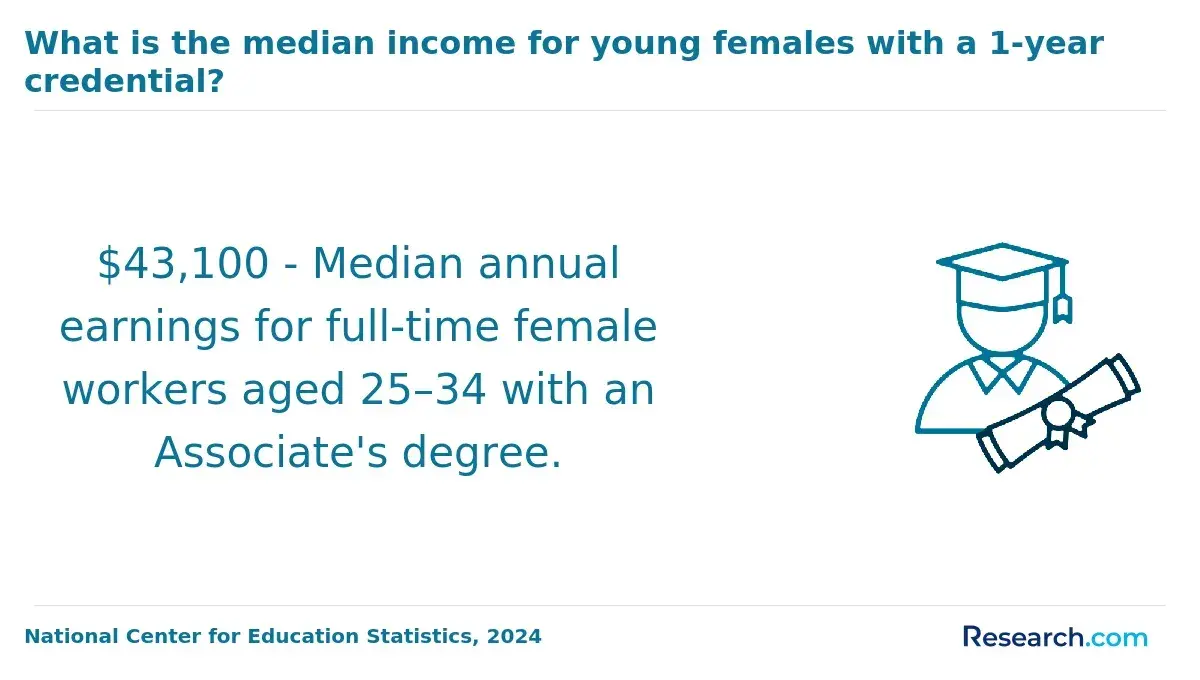
Unemployment Rate Comparison: Web development degree holders experience unemployment rates near 1.3%, roughly half the 2.5% national average for all college graduates. This gap corresponds to notably shorter job searches, steadier income, and a more secure career progression in a rapidly digitizing economy.
Employment Stability: Lower unemployment implies fewer periods without work, helping graduates avoid income interruptions and the heightened risk of setbacks seen in recessions or industry shifts.
Underemployment Considerations: Formal unemployment figures omit the significant subset working in roles that don't fully utilize their web development skills. Such underemployment can suppress earnings growth and delay career advancement, underscoring the importance of examining both metrics when evaluating job market strength.
Data Interpretation Challenges: Specialized web development occupations often have small workforces, causing unemployment rates to fluctuate considerably year-to-year. Analysts recommend focusing on multi-year trends rather than single-year snapshots to grasp persistent employment risks more accurately.
Long-Term Demand Outlook: Sustained growth in tech adoption fuels ongoing demand for web developers, but prospects vary widely with specialization, location, and continuing education. Strategic credentialing and market awareness help maintain employability across early, mid, and senior career stages.
Reflecting on his path after earning a web development degree, one professional recounted a challenging job search filled with uncertainty. "It wasn't just about submitting applications-it was networking, sharpening skills through certifications, and adapting to niche markets," he explained. Despite initial setbacks, he noticed job openings favoring candidates with specialized credentials and relevant portfolios. "Understanding that the market changes fast, I realized staying current was essential. When I finally landed a role, it felt like all the persistence paid off." His experience highlights that while unemployment rates provide a useful benchmark, individual career outcomes rely heavily on proactive strategies and adaptability.
Employer interest in specific web development specializations is concentrated rather than evenly spread, shaped by factors like regulatory changes, technology adoption, and workforce shortages. Among the most in-demand web development career paths in the US, Front-End Development remains crucial-proliferating mobile devices and a user experience focus create ongoing need for skills in React, Angular, and similar frameworks.
- Full-Stack Development: Versatility drives demand here, as organizations seek professionals proficient in both client- and server-side coding to streamline agile workflows and reduce hiring complexity.
- Cloud-Native Web Development: With enterprises transitioning to platforms like AWS and Azure, developers who create scalable, secure cloud applications are highly sought after.
- Security-Focused Web Development: Increasing cybersecurity regulations and privacy laws such as GDPR and CCPA elevate the need for expertise in secure coding and compliance frameworks.
- Progressive Web Apps (PWAs): Mobile-first strategies and engagement metrics push demand for developers building offline-capable, app-like web experiences.
- E-commerce Web Development: Sustained online retail growth fuels the demand for specialists integrating payment gateways and optimizing user experiences.
- API Development and Integration: Rising modular architectures create a need for developers skilled in RESTful and GraphQL APIs amid persistent talent shortages.
Prospective students should verify demand signals with salary data, workforce studies, and discussions with hiring managers to ensure alignment with their target sectors and locations. This cross-referencing helps discern durable employer demand versus transient spikes before committing to a specific specialization.
Academic pathways should prioritize modern JavaScript frameworks, cloud fundamentals, cybersecurity, and service-oriented architecture. Real-world internships, certification programs, and targeted coursework enhance competitiveness in these high-demand niches. For tailored guidance on advanced degree options, consider exploring MSW online programs as part of a broader educational strategy to secure long-term career stability in web development.
Healthcare
- With its essential-service role and rapid digitization, healthcare offers stable demand for web development professionals.
- Developers here manage electronic health records, patient portals, and telemedicine systems.
- Key duties involve secure front-end and back-end coding aligned with healthcare norms like HIPAA.
- Proficiency in health data standards, privacy protocols, and interoperability is crucial.
- Developers work closely with IT managers and clinical informatics to ensure seamless patient data flow.
- Specialized training in secure coding, compliance, and API integration enhances employability.
Financial Services
- Regulatory requirements sustain persistent need for web developers who build resilient trading platforms, customer interfaces, and fraud prevention tools.
- Tasks emphasize compliance with frameworks such as SOX and GDPR, plus encryption and secure transactions.
- Expertise in risk management and fintech protocols bolsters job stability.
- Developers often report to compliance or risk teams deeply integrated in operations.
- Cybersecurity knowledge further strengthens career durability.
Public Sector and Government
- Low turnover and steady project funding create a dependable environment for developers producing citizen portals, licensing tools, and internal systems.
- Delivering accessible, transparent, and stable services adhering to WCAG and privacy standards is central.
- Skills in legacy system integration and government compliance are vital.
- Typically embedded in IT teams supporting mission-critical functions.
- Understanding procurement processes enhances long-term relevance.
Information Technology and Software Services
- This growth-driven sector demands developers for SaaS, cloud, and digital infrastructure through agile methods.
- Responsibilities include full-stack development, DevOps, and advanced UI/UX design.
- Continuous learning and certification maintain competitiveness.
- Developers hold key roles within product teams influencing innovation.
- Expertise with emerging frameworks supports ongoing employability.
Education and E-Learning
- Rising online learning needs ensure steady hiring for developers creating LMS platforms, virtual classrooms, and interactive content systems.
- Focus areas include scalable, engaging, and accessible solutions tailored to various learners.
- Competencies encompass front-end interactivity, back-end content management, and academic software integration.
- Often part of education technology teams or IT coordination groups.
- Knowledge of multimedia programming and standards like SCORM and xAPI is advantageous.
Concentrating solely within one industry exposes graduates to sector-specific risks such as shifting regulations, tech disruptions, and regional demand changes. Broadening skills across fields offers a safeguard against these vulnerabilities. Employers with strong multi-year hiring track records-large healthcare systems, major banks and fintech firms, government agencies, leading IT service companies, and prominent education technology organizations-are recognized for workforce stability and professional growth opportunities for web development practitioners.
Reflecting on these dynamics, a web development professional who launched her career after graduation shared that entering the healthcare industry meant navigating rigorous security and compliance requirements early on. She recalled feeling challenged yet motivated by the responsibility to protect sensitive patient data and deliver intuitive platforms. Over time, she appreciated how the sector's stability and emphasis on continuous learning allowed her to advance confidently despite shifting technologies. "The complexity was daunting at first," she noted, "but mastering those standards became a cornerstone of my employability." Her experience illustrates how deep integration into essential-service industries not only fosters job security but also personal growth and professional resilience.
Government and public-sector web development positions consistently demonstrate greater employment stability compared to private-sector roles. Data from the Bureau of Labor Statistics, the Office of Personnel Management, and the National Association of State Personnel Executives reveal lower unemployment rates among public employees-anchored by civil service protections and stable budgeting practices that reduce abrupt workforce changes.
- Unemployment Rates: Web developers in the public sector experience fewer layoffs due to hiring procedures shielded from market volatility, resulting in more consistent job retention than private-sector peers.
- Layoff Frequency: Federal and state roles show markedly reduced layoff occurrences. Although budget cuts can lead to position eliminations, these actions are tempered by established safeguards, including union involvement and procedural requirements.
- Career Tenure: Employees often benefit from prolonged career durations supported by formal promotion paths and clear job progression models, offering web developers greater long-term occupational security than many commercial tech environments.
- Public-Sector Role Categories:
- Federal agencies engage web developers on large projects demanding strict security and compliance standards.
- State and local governments manage digital public services and ongoing infrastructure maintenance.
- Public universities and research institutions blend web development with academic collaboration responsibilities.
- Quasi-governmental organizations provide specialized projects balancing public goals with operational flexibility.
- Employment Stability Factors:
- Jobs are buffered by civil service rules and insulation from political and economic fluctuations.
- Financial protections including pension plans, comprehensive leave policies, and eligibility for loan forgiveness programs further enhance employee security.
- Compensation Trade-Offs: Initial and mid-career salaries in government roles generally lag behind private-sector offers.
- Total Compensation Considerations: Factoring in retirement benefits and paid leave, public-sector roles often deliver stronger financial stability over time despite lower base pay.
- Risk Tolerance Assessment: Candidates prioritizing steady employment and comprehensive benefits may find public-sector paths preferable, while those seeking higher earnings growth might lean toward private-sector opportunities-requiring thoughtful evaluation rather than default choice.
Licensure requirements are scarce in web development careers, unlike fields such as engineering or healthcare that impose strict legal credentials for practice. Most web development positions do not require state-issued licenses, removing formal regulatory barriers to entry but increasing competition among job seekers. This lack of licensure means supply is relatively unrestricted, which can elevate unemployment risk for graduates in certain specializations during economic downturns.
Despite the absence of mandatory licensure, professional certifications serve as critical hiring standards within the web development labor market. Credentials such as Certified Internet Web (CIW) or Microsoft Certified: Azure Developer Associate function as de facto filters-employers prioritize candidates with verified skills, reducing onboarding risks and narrowing the applicant pool. This dynamic lowers unemployment risk for credentialed professionals by signaling exclusivity and reliability akin to licensed occupations.
- Licensure: Rarely required for web development roles, it limits legal entry but also restricts labor supply, thus reducing substitution by uncredentialed workers during recessions.
- Professional Certifications: Widely recognized credentials improve hireability and serve as effective proxies for skill in competitive markets, reducing unemployment exposure.
- Economic Mechanism: Licensing constrains labor supply, creating a durable demand floor even amid downturns; certification in web development mimics this by enhancing worker exclusivity.
- Credential Prioritization: Early attainment of respected certifications maximizes employment prospects; without these, practitioners face higher unemployment barriers.
- Investment Considerations: Some certifications offer minimal labor market return relative to cost and effort, so careful credential selection aligned with career goals is essential.
According to the U.S. Bureau of Labor Statistics, certified web developers experience unemployment rates about 1.5 percentage points lower than uncertified peers-even as automation disrupts technology sector demand patterns.
Geographic location heavily influences unemployment risk for web development degree graduates. Data from BLS metropolitan area unemployment rates, ACS employment by occupation, and Lightcast regional demand highlight significant regional disparities in job stability. Areas with strong technology hubs-such as San Francisco, Seattle, and Boston-show lower unemployment rates for web developers due to dense employer clusters in software, fintech, and healthcare IT sectors. This geographic impact on unemployment risk for web development graduates points to concentrated industry presence as a key factor in sustaining employment opportunities.
Regions anchored by government agencies or financial institutions-like Washington D.C. and New York City-also maintain stable demand for web development professionals. These clusters provide a buffer against economic downturns, unlike regions with fewer local employers where prolonged job searches and higher unemployment volatility are common. States with diversified economies spanning technology, healthcare, and education generally offer more resilient labor markets, reducing regional unemployment trends for web development degree holders.
The expansion of remote work has reshaped geographic unemployment risk profiles. Web development roles compatible with remote work-such as front-end design or full-stack development-allow graduates to access broader labor markets, mitigating local economic risks. Conversely, roles requiring physical presence, often in government or specialized healthcare IT, remain location-dependent. As of 2023, over 40% of web development jobs offer remote work options, underscoring this shift.
Current and prospective web development professionals should use detailed geographic labor market analyses-leveraging BLS area-specific employment data, LinkedIn job posting location filters, and regional compensation benchmarks-to decide whether to stay local, relocate strategically, or pursue remote-friendly roles. This approach supports balancing unemployment risk reduction with personal geographic preferences.
- Industry Clusters: Technology hubs and financial centers concentrate web development employers, reducing unemployment risk through abundant, stable job openings.
- Regional Variability: States with diversified economies show more stable demand, while regions reliant on few sectors face higher employment volatility.
- Remote Work Impact: Remote-compatible roles expand available labor markets and lower geographic unemployment risks; in-person roles remain more location-dependent.
- Strategic Analysis: Using government data and LinkedIn job filters helps graduates assess local demand and wages to balance job security with geographic preferences.
- Recent Trend: Remote work options in web development jobs have increased by more than 40%, significantly affecting geographic risk landscapes.
- Additional Resource: Students considering related fields may explore real estate development degree online programs for diversified career opportunities.
Assessing which web development careers are most at risk of automation requires analyzing task types through frameworks from the McKinsey Global Institute, Oxford Martin School, and MIT Work of the Future. Roles focused on routine, repetitive activities face the highest displacement risk from artificial intelligence, machine learning, and robotic process automation. This technological disruption impact on web development jobs is uneven-automation often supplements human work but replaces functions heavily focused on standard procedures.
- Front-End Coding Specialists: Tasks like converting designs into HTML, CSS, and JavaScript templates often involve repetitive patterns, making them increasingly automatable by AI-assisted development platforms that can generate code efficiently.
- Quality Assurance Testers: Manual QA testers focusing on repetitive regression tests are vulnerable, as automated frameworks with AI capabilities execute large volumes of standardized tests faster and with higher accuracy.
- Content Management and Updating Roles: Routine tasks such as populating content, metadata tagging, and standardized template updates are susceptible to automation by smart content management systems and natural language processing tools.
- Basic Technical Support and Client Interaction: Web developers involved in scripted client troubleshooting face displacement as AI chatbots and automated helpdesk technologies handle standard queries independently.
By contrast, roles requiring creative problem-solving, ethical judgment, and complex interpersonal coordination remain less exposed to near-term automation. Roles centered on innovative UI/UX design, deep domain expertise, emerging technology integration, and AI system management tend to augment human practitioners rather than replace them.
Automation vulnerability is probabilistic-not deterministic. Employer investment choices, regulatory environments, geographic location, and the cost balance between human labor and automation all influence the pace of deployment. Web developers in high-risk roles should consider developing competencies in technology management and human judgment to become supervisors of automated systems rather than displaced workers.
For students and early-career professionals evaluating specialization strategies, graduate education and certifications can mitigate long-term unemployment exposure. Exploring options such as online masters history programs may broaden critical thinking skills applicable in managing automation's impact on web development careers.
Graduate degrees significantly lower unemployment rates for web development degree holders by enhancing career durability and increasing earning potential. Research from authoritative institutions shows that advanced credentials correlate with a notably reduced unemployment risk and a meaningful salary boost across typical web development roles.
Key graduate degree types contributing to these outcomes include:
- Professional Master's Degrees: Often linked to licensure eligibility in fields such as engineering, these credentials limit labor market supply and strengthen job security especially in technology-driven areas.
- Research-Oriented Master's and Doctoral Degrees: Designed for advanced practitioner and researcher positions, these degrees boost employability where supply is limited, particularly in specialized web development and computing research.
- MBA Programs: These degrees facilitate access to management and leadership roles, helping professionals overcome career advancement ceilings commonly faced by bachelor's degree holders.
Evaluating the investment in graduate education requires scrutiny of several factors:
- Cost and Duration: Graduate programs usually span 1 to 3 years and entail substantial tuition fees, along with opportunity costs related to foregone income.
- Return on Investment: Salary increases and unemployment risk reduction often justify costs but differ depending on the program and specialization.
- Break-Even Analysis: Program-specific data is vital to estimate how quickly higher earnings offset educational expenses.
Alternatives to graduate study-such as professional certifications, targeted employer choice, relocation to stronger job markets, or enhanced technical specialization-can also reduce unemployment risk with less financial and time commitment. Individuals must weigh these options carefully to select the most efficient path toward career resilience in a fast-evolving labor market.
Entry-level web development roles with the strongest long-term employment stability blend clear career progression opportunities, employer loyalty, and transferable skills recognized across industries. Data from major labor surveys and career platforms highlight several positions that serve as effective springboards to sustained mid-career growth.
- Front-End Developer: Widely regarded as a foundational role, front-end developers master essential programming languages and frameworks applicable across sectors.
- The role channels professionals into specialized trajectories like UX/UI design, product ownership, or full-stack development-all backed by well-defined promotion tracks.
- Employers in technology-driven, financial, and healthcare markets-known for solid retention-tend to promote internally after 2 to 3 years, reinforcing stability early on.
- Back-End Developer: This specialization in server-side processes and database architecture builds durable technical credentials that open doors to senior technical or systems architect roles.
- Organizations with formal mentorship and certification paths commonly retain back-end developers beyond five years.
- Advancement typically aligns with mastery of complex infrastructure and leadership in software engineering.
- Quality Assurance Engineer: While occasionally viewed as a career endpoint, QA engineers adept in automation and cross-disciplinary skills often pivot into development or DevOps roles.
- Industries like aerospace and healthcare-with regulatory rigor-offer structured ladders and higher retention.
- This position can serve as a stable gateway when paired with certifications and expanding technical scope.
- Full-Stack Developer: Early-career full-stack roles cultivate broad expertise, making these professionals adaptable amid economic or technological shifts.
- Clear career lattices in organizations with matured talent pipelines typically see promotions within 2 to 4 years.
- Versatility supports moves into project management, tech leadership, or specialized technical roles.
- Technical Support Engineer: When coding and system troubleshooting are emphasized, support roles create valuable internal networks that ease transitions into development or infrastructure teams.
- Strong internal mobility cultures in large firms promote advancement around 3 to 5 years, enhancing resilience during market downturns.
Geographic location significantly influences career stability-tech-dense metro areas consistently yield faster advancement and stronger employer retention. Selecting employers with transparent career development policies and robust professional certification programs is essential for mitigating unemployment risk over a multi-decade trajectory.
What Graduates Say About the Web Development Degree Careers With the Lowest Unemployment Risk
- Charlie: "Choosing a career specialization in front-end development opened so many doors for me in the tech and finance industries-both fields tend to have strong demand and relatively low unemployment rates. I found that focusing on gaining certifications like the Certified Web Developer credential early on really helped me secure entry-level roles and build confidence. Living in major tech hubs on the East Coast also proved invaluable for networking and career advancement."
- Ralph: "Reflecting on my journey through the web development degree, I realized mid-career specialization in full-stack development dramatically lowered my risk of unemployment-especially when paired with expertise in healthcare software projects. Obtaining a professional certification mid-career gave me credibility that employers respected, and expanding my geographic market to include remote work opportunities made my job search much more flexible. The practical experience and credentials I earned truly shaped my professional trajectory."
- Nolan: "My path through web development highlighted the importance of senior-level credentialing-earning advanced certifications significantly reduces unemployment risk, especially when combined with a focus on cybersecurity within the e-commerce sector. I also discovered the value of relocating to growing tech regions in the Midwest, where demand for senior developers is rising faster than in more saturated markets. This degree gave me a solid foundation to adapt and thrive across various industries over time."
Other Things You Should Know About Web Development Degrees
Mid-career web developers who specialize in full-stack development and front-end frameworks tend to experience the highest demand. These tracks require proficiency in multiple programming languages and development environments, which increases versatility and employability. Additionally, careers focusing on integrating emerging technologies such as progressive web apps and cloud services attract strong interest from employers.
Yes. Programs accredited by ABET, especially those in computing-related majors, are often reviewed by employers and licensing or graduate schools more favorably. ABET-accredited programs must meet published criteria, include assessed outcomes, and undergo regular re-evaluation on a six-year cycle.
Economic recessions generally cause a modest uptick in unemployment rates among web developers, but these increases are relatively mild compared to other technical professions. The persistent need for digital infrastructure and online presence during downturns helps buffer the sector. Developers focusing on essential services-like e-commerce platforms and remote collaboration tools-tend to be more recession resilient.
- What the Data Actually Shows About AI and Junior Developer Employment Decline - SoftwareSeni https://www.softwareseni.com/what-the-data-actually-shows-about-ai-and-junior-developer-employment-decline/
- 11 Types of Web Development Career Paths To Consider https://www.csinow.edu/blog/11-types-of-web-development-career-paths-to-consider/
- Most In-demand Programming Languages for 2026 https://www.itransition.com/developers/in-demand-programming-languages
- From Unemployed And Struggling, To Becoming An Engineer at Twitter | Zero To Mastery https://zerotomastery.io/blog/how-to-become-a-web-developer-without-a-degree/
- Which Tech Jobs Are Most Vulnerable to Automation? | InformationWeek https://www.informationweek.com/it-leadership/which-tech-jobs-are-most-vulnerable-to-automation-
- Most In Demand Web Developer Skills in 2026 IPS Inc. https://iconprosolutions.com/the-most-in-demand-web-developer-skills-in-2026/
- Infographic: Which Fields of Study Are (Not) Leading to Jobs? https://www.statista.com/chart/35108/unemployment-by-field-of-study/
- Document Viewer https://docs.un.org/en/E/CN.5/2024/4
- How Coding Bootcamps Crush the College Grad Unemployment Problem https://www.ironhack.com/us/blog/how-coding-bootcamps-crush-the-college-grad-unemployment-problem
- 10 High-Paying, Low Unemployment IT Contractor Jobs - Cask https://caskgov.com/resources/10-high-paying-low-unemployment-it-contractor-jobs/