
2026 What Can You Do with an Adult Gerontology Primary Care Nurse Practitioner Doctorate? Careers, Salaries, Academic Roles, and Industry Paths

Co-Founder and Chief Data Scientist
A doctorate in Adult Gerontology Primary Care Nurse Practitioner practice can change the kinds of patients, teams, and systems you are prepared to lead. The timing matters: the U. S. Bureau of Labor Statistics projects nurse practitioner employment to grow 46% from 2023 to 2033, far faster than average. This guide is for nurses comparing DNP, PhD, online, hybrid, academic, clinical, and leadership options. You will learn where the credential has the most value, what roles it can support, and how to decide whether it fits your career goals.
Key Things to Know About Online Adult Gerontology Primary Care Nurse Practitioner Doctorate Career Outcomes
- An AGPCNP doctorate most often means a DNP focused on advanced primary care for adults and older adults; BLS reported a May 2024 median nurse practitioner wage of $129,210, but doctorate-level pay varies by role, setting, location, and leadership scope.
- The credential can support movement into advanced clinical practice, quality improvement, population health, academic teaching, clinical program leadership, and consulting; AACN's 2024 nursing education reporting shows DNP enrollment remained above 40,000 students, reflecting sustained demand for practice doctorates.
- Cost should be evaluated carefully because NCES 2024 graduate tuition data shows average annual graduate tuition and fees of $12,596 at public institutions and $29,931 at private nonprofit institutions, before program fees, clinical travel, books, and lost work time.
What skills do you gain from Adult Gerontology Primary Care Nurse Practitioner doctorate degrees?
An Adult Gerontology Primary Care Nurse Practitioner doctorate prepares registered nurses to provide advanced primary care to adults across the lifespan, typically from young adulthood through older age. In practice, the most common degree is the Doctor of Nursing Practice, or DNP, which emphasizes clinical expertise, evidence-based practice, systems leadership, quality improvement, and patient outcomes rather than dissertation-based research.
The degree is different from simply adding more clinical hours. A strong AGPCNP doctorate should help you become a better diagnostician, a more strategic care-team leader, and a clinician who can redesign care delivery for aging and medically complex populations.
The table below summarizes the major skill areas students commonly build and how those skills translate into career value. Use it to compare whether the degree aligns with the work you actually want to do after graduation.
| Skill area | What it means in AGPCNP practice | Career value |
| Advanced adult and geriatric assessment | Evaluating acute and chronic conditions in adults, older adults, and medically complex patients | Supports independent or collaborative primary care practice, especially in aging-population settings |
| Chronic disease management | Managing conditions such as diabetes, hypertension, COPD, heart failure, pain, and multimorbidity | Valuable in primary care, internal medicine, home-based care, value-based care, and accountable care organizations |
| Pharmacology and prescribing judgment | Choosing, adjusting, and monitoring medications while accounting for polypharmacy and age-related risk | Strengthens clinical credibility and patient safety in adult and geriatric care |
| Evidence-based practice | Using current research, clinical guidelines, and quality data to improve patient outcomes | Useful for clinical leadership, quality improvement, academic teaching, and protocol development |
| Quality improvement and systems thinking | Identifying care gaps, measuring outcomes, and leading practice-change projects | Can support roles in clinical operations, population health, risk reduction, and care transformation |
| Health policy and advocacy | Understanding payment models, access barriers, scope-of-practice rules, and aging policy | Relevant for public sector, nonprofit, association, and executive leadership roles |
| Interprofessional leadership | Working with physicians, pharmacists, social workers, nurses, therapists, and administrators | Important for directing clinics, leading care teams, and managing complex care programs |
Students should avoid confusing "easier" with "better fit." A lower-friction program can be useful for working nurses, but the best choice is one that has appropriate accreditation, strong clinical placement support, AGPCNP-specific faculty, and a curriculum aligned with your target role. If you are comparing workload and admissions expectations more broadly, a guide to the easiest NP program options can help you understand trade-offs before committing to a doctoral path.
The most important skill question is not "What will I learn?" but "Which skills will I use often enough to justify the time and cost?" If your goal is direct adult primary care with increasing responsibility for complex patients, the degree can fit well. If your goal is bedside specialization without primary care responsibilities, a different graduate pathway may be more efficient.
What specializations can you pursue within Adult Gerontology Primary Care Nurse Practitioner doctorate degrees?
AGPCNP doctorate programs usually combine a population focus with a broader doctoral emphasis. The population focus is adult-gerontology primary care, while the specialization or concentration may shape whether you move toward clinical leadership, informatics, education, public health, policy, or executive practice.
The table below compares common specialization directions and the career outcomes they tend to support. These are not always separate majors; in many DNP programs, they appear as electives, certificates, practicum projects, or scholarly project themes.
| Specialization direction | Best fit for | Common career applications |
| Primary care transformation | Nurses who want to improve access, continuity, and outcomes in adult primary care | Lead NP, clinical practice director, care model designer, population health clinician |
| Geriatric and aging services | Nurses interested in older adults, frailty, dementia, polypharmacy, and long-term care coordination | Geriatric primary care provider, senior care program leader, long-term care consultant |
| Chronic disease and complex care | Nurses who want to manage multimorbidity and prevent avoidable hospitalization | Complex care NP, transitional care leader, accountable care organization clinician |
| Clinical education | Nurses who want to teach patients, staff, or future nurses while remaining practice-oriented | Clinical faculty, preceptor coordinator, staff development leader, simulation educator |
| Informatics and digital health | Nurses interested in telehealth, EHR workflows, remote monitoring, and clinical decision support | Telehealth clinical lead, informatics consultant, digital care workflow specialist |
| Health policy and population health | Nurses interested in access, prevention, payment, and community-level outcomes | Public health program director, policy advisor, quality strategy leader |
| Executive leadership | Nurses aiming for administrative, operational, or service-line leadership roles | Director of advanced practice, clinic executive, ambulatory care leader |
A niche specialization makes sense when it connects to a specific labor market need, such as geriatric care, telehealth, chronic disease management, or value-based care. A broader AGPCNP doctorate may be better if you want flexibility across clinics, academic teaching, leadership, and consulting.
Be careful about choosing a specialization only because it sounds interesting. Better questions include whether local employers hire for that function, whether the program has faculty with practical experience in the area, and whether your scholarly project can produce a portfolio item you can show employers. Nurses comparing population foci may also find it useful to understand adjacent pathways such as FNP to acute care NP transitions, because primary care, family care, and acute care credentials can lead to different patient settings and scope expectations.
Are online Adult Gerontology Primary Care Nurse Practitioner doctorate programs respected by employers?
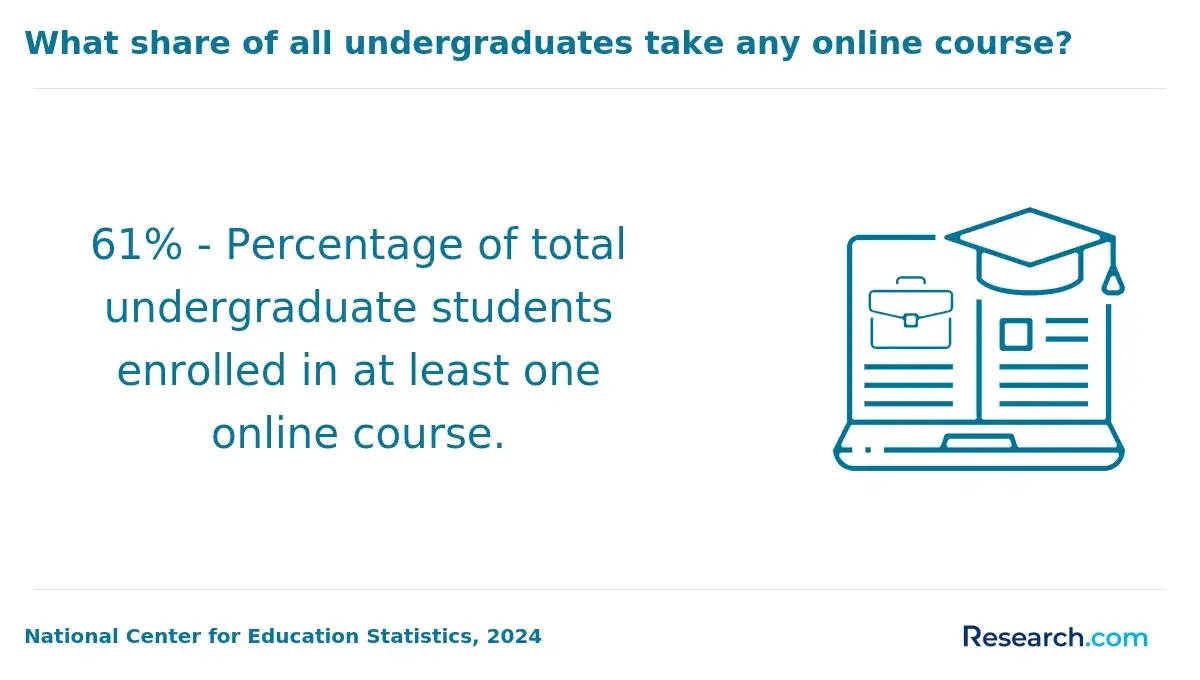
Online AGPCNP doctorate programs can be respected by employers when they meet the same professional standards as campus-based programs. Employer confidence usually depends less on the delivery format and more on accreditation, certification eligibility, clinical rigor, faculty qualifications, practicum quality, and the reputation of the nursing school or health system partnerships.
For nurse practitioner preparation, the key is to distinguish online coursework from clinical preparation. Didactic courses may be online, but AGPCNP students still need supervised clinical experiences that meet program, certification, and state requirements. Many programs are therefore online or hybrid rather than fully remote in the practical sense.
The table below compares online and hybrid formats from an employer-relevance perspective. It can help you decide whether flexibility is worth the additional planning required for clinical placements and campus intensives.
| Format | Strengths | Potential concerns to investigate | Best fit |
| Mostly online DNP with local clinicals | Flexible for working nurses and geographically distant students | Clinical placement support, state authorization, faculty accessibility, technology quality | Self-directed students with strong local preceptor options |
| Hybrid DNP with campus intensives | Combines flexibility with hands-on assessment, simulation, and faculty interaction | Travel costs, scheduling conflicts, time away from work | Students who want online convenience but value in-person skill validation |
| Campus-based DNP | More direct access to faculty, simulation labs, and local clinical networks | Less flexible for full-time workers or students outside the region | Students near a strong program or those who prefer in-person learning |
Accreditation is a major red flag area. Look for nursing program accreditation from a recognized accreditor such as CCNE or ACEN, and confirm that the AGPCNP track prepares graduates for the correct national certification exam. State board requirements can vary, so students should verify licensure implications before enrolling, especially if the school is outside their state.
Online education is also becoming more normal in advanced nursing, but that does not make all programs equal. When comparing online nurse practitioner programs, look beyond tuition and rankings. Ask whether the school secures clinical placements, how many AGPCNP faculty are currently practicing, whether graduates pass certification exams, and how the DNP project is supported.
What industries value professionals with Adult Gerontology Primary Care Nurse Practitioner doctorate degrees?
AGPCNP doctorate holders are valued in industries that need advanced adult primary care, chronic disease management, geriatric expertise, care coordination, and quality improvement. The strongest demand is tied to an aging U.S. population, shortages in primary care access, and the shift toward outpatient and value-based care.
BLS wage data for nurse practitioners is not limited to AGPCNP doctorate holders, but it helps show where advanced practice nursing labor is concentrated and rewarded. Use the table below as a market map rather than a salary promise.
| Industry or setting | Why AGPCNP doctorate holders may be valued | Common roles |
| Primary care and internal medicine practices | Need clinicians who can manage adult preventive care and chronic illness | AGPCNP, lead NP, chronic care program clinician |
| Outpatient care centers | Often manage high patient volume, care coordination, and specialty-adjacent services | Ambulatory NP, clinic lead, quality improvement clinician |
| Hospitals and health systems | Need primary care integration, discharge follow-up, transitional care, and advanced practice leadership | Transitional care NP, director of advanced practice, service-line leader |
| Long-term care, assisted living, and senior care | Need expertise in geriatrics, polypharmacy, frailty, and avoidable hospitalization prevention | Geriatric NP, medical services director, care quality consultant |
| Home-based primary care and hospice-adjacent services | Need clinicians comfortable with complex older adults outside traditional clinics | Home-based primary care NP, palliative care collaborator, complex care leader |
| Insurance, managed care, and value-based care organizations | Need clinical leaders who understand utilization, risk, outcomes, and care gaps | Population health director, utilization management clinician, clinical quality strategist |
| Telehealth and digital health companies | Need adult primary care expertise adapted to virtual workflows and remote monitoring | Telehealth NP, digital care clinical lead, protocol advisor |
Current demand is especially strong where adult primary care overlaps with cost control and outcomes improvement. Employers may not always require a doctorate for staff NP jobs, but doctoral preparation can become more relevant when the role includes leadership, program design, quality metrics, policy implementation, faculty responsibility, or cross-functional collaboration.
What executive or leadership roles can Adult Gerontology Primary Care Nurse Practitioner doctorate degrees qualify you for?
An AGPCNP doctorate can help qualify nurses for leadership roles when it is paired with experience, certification, measurable outcomes, and organizational credibility. The doctorate alone usually does not move someone directly into an executive position, but it can strengthen the case for promotion by showing advanced preparation in clinical decision-making, quality improvement, systems leadership, and evidence-based change.
BLS reported a May 2024 median annual wage of $117,960 for medical and health services managers. That figure includes many kinds of managers, not only nurses, but it helps illustrate why some AGPCNP doctorate holders pursue leadership tracks instead of remaining solely in direct care.
The table below shows executive and leadership roles that may make practical use of AGPCNP doctoral preparation. Salaries can vary widely by employer size, geography, bonus structure, and whether the role is clinical, administrative, or both.
| Role | How the doctorate helps | Typical experience employers look for |
| Lead Adult-Gerontology Primary Care NP | Supports clinical mentorship, protocol development, and complex-case oversight | Several years of AGPCNP practice, certification, strong patient outcome record |
| Director of Advanced Practice Providers | Provides credibility in scope-of-practice, quality, credentialing, and workforce planning | Leadership experience, interprofessional collaboration, operational knowledge |
| Ambulatory Care Director | Connects primary care delivery with access, staffing, quality, and patient experience metrics | Clinic operations experience, budget awareness, performance improvement work |
| Population Health or Value-Based Care Leader | Applies chronic disease, prevention, and risk-stratification expertise to system-level outcomes | Data literacy, care management experience, quality or accountable care exposure |
| Clinical Quality Director | Uses DNP training in evidence-based practice and quality improvement | Quality project portfolio, measurement skills, stakeholder management |
| Chief Nursing or Clinical Executive track | Can support executive credibility when combined with broad administrative experience | Progressive leadership, finance exposure, strategic planning, executive communication |
The leadership path makes the most sense if you enjoy influencing systems, not just individual visits. It may be less satisfying if your primary motivation is patient-facing care and you do not want meetings, budgets, staffing decisions, compliance responsibilities, or performance management.
Are there academic careers available for Adult Gerontology Primary Care Nurse Practitioner doctorate holders?
Academic careers are available for AGPCNP doctorate holders, especially in practice-focused nursing programs that need faculty who can teach advanced assessment, adult-gerontology primary care, chronic disease management, diagnostics, pharmacology, and clinical reasoning. A DNP is generally strongest for clinical teaching, practice leadership, simulation, curriculum application, and DNP project mentorship.
A PhD in nursing is different. It is usually the better fit for tenure-track research roles, grant-funded research careers, theory development, and dissertation supervision at research-intensive universities. Some AGPCNPs eventually pursue a PhD if they want to become independent researchers rather than practice scholars.
The table below compares academic paths so you can evaluate whether a DNP, PhD, or combined career strategy is the better match.
| Academic path | Best degree fit | What the work usually involves | Trade-off |
| Clinical faculty | DNP or MSN with strong practice experience, depending on institution | Teaching clinical courses, evaluating students, coordinating practicums | Can be rewarding but may pay less than some full-time clinical roles |
| DNP faculty or project advisor | DNP | Teaching evidence-based practice, quality improvement, and clinical leadership | Requires comfort mentoring applied scholarly projects |
| Simulation or skills lab educator | DNP can be valuable | Designing patient scenarios, assessing clinical reasoning, supporting competency development | May involve less direct patient care |
| Tenure-track researcher | PhD usually preferred or required | Conducting research, publishing, seeking grants, mentoring doctoral researchers | Requires a research agenda and often lower clinical workload |
| Program director or academic administrator | DNP or PhD, depending on school | Managing curriculum, accreditation, faculty, student outcomes, and clinical partnerships | Combines academic leadership with compliance and operational work |
BLS reported a May 2024 median annual wage of about $86,530 for postsecondary nursing instructors and teachers. That national median is useful for benchmarking, but it can understate compensation for faculty who keep a clinical practice, teach part time, or hold administrative appointments.
The academic route makes sense if you enjoy teaching, mentoring, curriculum design, and shaping the future NP workforce. It may not be the highest-paying option on its own, but it can offer professional influence, schedule flexibility in some settings, and a long-term platform for clinical leadership.
Are there consulting opportunities for Adult Gerontology Primary Care Nurse Practitioner doctorate holders?
Consulting opportunities can be a strong fit for AGPCNP doctorate holders who combine clinical credibility with a clear problem-solving niche. Consulting is rarely based on the degree alone; clients usually pay for expertise that helps them reduce risk, improve outcomes, train staff, redesign care, meet regulatory expectations, or serve older adult populations more effectively.
The most marketable consultants are specific about what they do. "AGPCNP consultant" is less compelling than "geriatric primary care workflow consultant," "long-term care quality improvement advisor," or "telehealth protocol consultant for adult chronic disease management."
The list below highlights consulting areas where AGPCNP doctoral preparation can be especially relevant because the work blends clinical judgment, systems thinking, and evidence-based improvement.
- Geriatric care model consulting: Helping clinics, senior living organizations, or home-based care groups improve assessment, medication review, fall prevention, chronic disease follow-up, and care coordination.
- Quality improvement consulting: Designing measurable interventions for avoidable emergency visits, hospital readmissions, preventive screening gaps, hypertension control, diabetes outcomes, or patient follow-up.
- Telehealth and remote monitoring advising: Developing adult primary care protocols, escalation pathways, documentation standards, and patient-selection criteria for virtual care.
- Clinical education and preceptor development: Training nurses, NPs, and interprofessional teams in adult-gerontology assessment, communication, clinical reasoning, and chronic care management.
- Policy and compliance support: Advising organizations on scope-of-practice workflows, documentation quality, care standards, and patient safety processes while recognizing that legal rules vary by state.
Consulting can pay well on an hourly or project basis, but it also carries business risk. You may need liability coverage, contracts, marketing, client development, and a financial buffer. It is often safer to start with part-time consulting, speaking, curriculum development, or internal advisory projects before leaving a full-time clinical or leadership role.
A practical way to test consulting fit is to build proof of results. A DNP project that reduces missed follow-ups, improves blood pressure control, or standardizes polypharmacy review can become a case example, as long as patient privacy and employer policies are respected.
What nonprofit or public sector roles are open to Adult Gerontology Primary Care Nurse Practitioner doctorate holders?
Nonprofit and public sector roles can be meaningful options for AGPCNP doctorate holders who want to improve access, equity, aging services, and community health. These roles may not always maximize salary compared with private-sector leadership or consulting, but they can offer mission alignment, policy influence, loan repayment possibilities in some settings, and broad population-level impact.
AGPCNP expertise is relevant because many public and nonprofit health challenges are adult and aging related: chronic illness, access to primary care, medication safety, caregiver support, rural care gaps, homelessness among older adults, and avoidable hospitalization.
The table below outlines public and nonprofit pathways and how they differ from traditional clinical employment.
| Sector | Potential roles | Why the doctorate may matter | Outcome trade-off |
| Federally qualified health centers and community clinics | AGPCNP, clinical lead, chronic disease program manager | Supports care improvement for underserved adult populations | Mission fit may be high; resources and staffing can be constrained |
| Public health departments | Adult health program advisor, chronic disease strategist, community prevention leader | Connects clinical primary care knowledge with population health planning | Less direct patient care; more policy, data, and program coordination |
| Veterans health settings | Primary care NP, geriatric care clinician, quality improvement leader | Useful for complex adult care, chronic disease, and older adult services | Hiring rules, pay scales, and credentialing processes can be structured |
| Aging services nonprofits | Clinical advisor, caregiver education leader, senior services director | Provides expertise in gerontology, prevention, and care navigation | Pay may vary widely by funding source and organization size |
| Health advocacy organizations | Policy specialist, clinical content expert, program director | Adds clinical authority to policy, education, and access initiatives | Influence can be broad, but patient care may be indirect |
This path makes the most sense if your definition of ROI includes service impact, community outcomes, policy influence, or leadership in underserved settings. If your top priority is the highest possible compensation, compare nonprofit roles with health system leadership, managed care, and consulting before enrolling.
How do Adult Gerontology Primary Care Nurse Practitioner doctorate degrees impact long-term earning potential?
An AGPCNP doctorate can improve long-term earning potential when it helps you move into higher-responsibility roles, not simply because the credential appears after your name. The clearest financial upside usually comes from one of three moves: expanded clinical authority and complexity, leadership responsibility, or income diversification through teaching, consulting, or administrative work.
BLS reported a May 2024 median annual wage of $129,210 for nurse practitioners. That benchmark includes NPs with master's and doctoral preparation, so it should not be interpreted as a doctorate premium. Instead, use it as a baseline for evaluating whether the doctorate will help you qualify for roles above standard staff NP compensation.
The table below compares career pathways and salary context using national labor market categories where available. These figures are not AGPCNP-DNP-specific, but they help frame the income range associated with related roles.
| Pathway | Relevant national salary benchmark | How a doctorate may affect earning potential | Important limitation |
| Staff or senior nurse practitioner | BLS May 2024 median for nurse practitioners: $129,210 | May support stronger candidacy for complex care, lead NP, or specialty primary care roles | Many staff NP roles do not require a doctorate |
| Clinical or health services management | BLS May 2024 median for medical and health services managers: $117,960 | Can support roles involving operations, quality, staffing, and care model leadership | Management pay depends heavily on organization size and responsibility |
| Academic teaching | BLS May 2024 median for postsecondary nursing instructors: about $86,530 | Can qualify graduates for DNP, clinical, or simulation teaching roles | Full-time faculty pay may be lower than clinical practice in some markets |
| Consulting or mixed portfolio work | No single BLS category captures AGPCNP consulting income | Can create additional income through projects, speaking, training, or advisory work | Income is less predictable and depends on business development |
| Executive advanced practice leadership | Often aligned with health services management benchmarks | Doctoral preparation may strengthen credibility for system-wide leadership | Experience and demonstrated results usually matter more than degree title alone |
Cost is the other side of the ROI equation. NCES 2024 data shows average annual graduate tuition and fees of $12,596 at public institutions and $29,931 at private nonprofit institutions. AGPCNP doctorate students should also account for clinical travel, certification costs, books, technology, campus intensives, background checks, immunizations, and reduced work hours if applicable.
Completion expectations also deserve scrutiny. There is no single national, AGPCNP-specific completion or attrition rate that allows a clean comparison across all programs. Because of that limitation, applicants should ask each school for its own on-time completion rate, attrition rate, certification pass rate, and average time to degree for part-time students.
The degree is more likely to pay off when you can connect it to a specific income strategy. Examples include moving from staff NP to lead NP, adding a faculty appointment while practicing, taking on quality leadership, entering a value-based care organization, or building a consulting niche. It is less likely to be financially efficient if you already hold the exact role you want and your employer does not reward doctoral preparation.
How can you assess if a doctorate degree in Adult Gerontology Primary Care Nurse Practitioner is aligned with your career goals?
The best way to assess fit is to start with the job you want, then work backward to the credential, program format, cost, and timeline. An AGPCNP doctorate is a serious investment, so it should solve a real career problem: advancement ceiling, leadership preparation, teaching qualification, advanced geriatric primary care expertise, or credibility for system-level practice change.
Use the following steps to evaluate whether the degree is aligned with your career goals before you apply. This sequence is designed to prevent the most common mistake: enrolling first and defining the outcome later.
- Name your target role: Decide whether you are aiming for advanced clinical practice, lead NP work, academic teaching, population health, executive leadership, consulting, or public sector impact.
- Check the credential requirement: Review job postings and employer policies to see whether a doctorate is required, preferred, or simply helpful.
- Verify accreditation and certification alignment: Confirm that the program prepares students for AGPCNP certification and meets state authorization and licensure expectations where you plan to practice.
- Compare clinical placement support: Ask whether the school finds placements, approves student-found preceptors, or leaves most placement work to students.
- Model the total cost: Include tuition, fees, travel, books, lost work hours, certification, and loan interest rather than looking only at per-credit tuition.
- Assess schedule realism: Compare full-time, part-time, online, and hybrid formats against your work schedule, family responsibilities, and clinical availability.
- Evaluate the DNP project fit: Choose a program that lets you build a project aligned with your desired role, such as geriatric care transitions, chronic disease metrics, telehealth workflows, or primary care access.
- Ask for outcomes data: Request certification pass rates, graduation rates, attrition rates, job placement examples, and alumni roles in adult-gerontology primary care.
Common red flags include vague clinical placement policies, weak AGPCNP faculty presence, unclear certification eligibility, no recent outcomes data, pressure-based admissions communication, and a curriculum that does not match your state or career target. Another mistake is assuming that a public university, private nonprofit university, or private for-profit university automatically determines ROI. Institution type matters, but outcomes depend on total cost, accreditation, clinical support, reputation, student services, and career alignment.
Online versus hybrid format is also a fit question, not a prestige question. Online can work well if you are disciplined and have reliable clinical options. Hybrid can be better if you want in-person assessment practice, faculty interaction, and structured intensives. If speed is a major factor and you are still comparing NP pathways, reviewing accelerated nurse practitioner programs can help you understand how faster formats affect workload, sequencing, and clinical planning.
A practical final test is to write a one-sentence ROI statement: "This doctorate is worth it for me if it helps me become a ___ within ___ years at a total cost I can manage because ___." If you cannot complete that sentence with confidence, spend more time researching employers, program outcomes, and alternative credentials before enrolling.
Other Things You Should Know About Adult Gerontology Primary Care Nurse Practitioner
Many students do work while enrolled, especially in part-time or online DNP programs. The challenge is clinical scheduling, project work, and intensive coursework, so applicants should ask current students how many work hours are realistic.
A DNP is usually better for advanced clinical practice, quality improvement, leadership, and practice-focused teaching. A PhD is usually better for research-intensive academic careers, grant-funded research, and tenure-track scholarship.
Yes, nurse practitioner practice generally requires appropriate national certification and state licensure or recognition. Requirements vary by state, so students should verify eligibility before enrolling in any program.
The biggest mistake is choosing a program before defining the career outcome. Start with the role you want, then compare accreditation, clinical placement support, certification alignment, cost, and graduate outcomes.
References
- Geriatric APP Salary Guide https://www.bartonassociates.com/geriatric-app-salary-guide/
- Careers https://www.publichealthdegrees.org/careers/
- Five ways a doctoral degree in nursing can transform your career https://onlinedegrees.bradley.edu/blog/five-ways-a-doctoral-degree-in-nursing-can-transform-your-career
- 10 different career options for NPs https://comphealth.com/resources/career-options-nps
- Healthcare Employment: Pathways and Prospects for Aspiring Professionals https://www.sunshinecarenetwork.com/blog/healthcare-employment-pathways-and-prospects-for-aspiring-professionals
- Understanding the Academic Job Market - Contingent Job Titles in the US & Canada http://prcurtis.com/docs/uajmusc1/
- Top Doctor of Health Science Careers | University of Bridgeport https://www.bridgeport.edu/news/top-careers-with-doctor-of-health-science/
- Career Paths for Nurses With a DNP https://www.allnursingschools.com/dnp/career-paths/
- Beyond the white coat: 12 alternative careers for doctors https://www.sermo.com/resources/alternative-careers-for-doctors/
- Adult-Gerontology Primary Care Nurse Practitioner https://nursinglicensemap.com/advanced-practice-nursing/nurse-practitioner/adult-anp/


