2027 Best Online Adult Gerontology Primary Care Nurse Practitioner Doctorate Programs for Teaching at the College Level

Co-Founder and Chief Data Scientist
Choosing an online Adult Gerontology Primary Care Nurse Practitioner doctorate is different when your goal is college teaching, not only advanced practice. The U. S. Bureau of Labor Statistics reported a May 2024 median wage of $86,530 for postsecondary nursing instructors and teachers, showing that faculty roles are a real career market, but one with specific expectations. This guide is for AGPCNPs and graduate nurses comparing online doctorates, especially PhD and DNP options, for academic credibility, research preparation, accreditation, cost, flexibility, and long-term fit with adjunct, full-time, or tenure-track teaching goals.
Key Things You Should Know
- The best online AGPCNP doctorate for college teaching is usually a research-focused nursing PhD if you want tenure-track or graduate faculty roles; a DNP can be a strong fit for clinical faculty, practice leadership, and teaching applied advanced practice content.
- Most online nursing doctorates take about 2 to 5 years depending on entry point, pace, dissertation or project requirements, and whether you study while working as an NP.
- Before applying, verify regional institutional accreditation, CCNE or ACEN nursing accreditation when applicable, faculty research alignment, teaching opportunities, and total cost rather than relying only on the word "online" or "doctorate."
Do You Need a Adult Gerontology Primary Care Nurse Practitioner Doctorate to Teach at the College Level?
You do not always need an Adult Gerontology Primary Care Nurse Practitioner doctorate to teach at the college level, but it often becomes important as you move from adjunct clinical teaching into full-time faculty, graduate teaching, program leadership, or tenure-track roles. Many community colleges and undergraduate nursing programs hire master's-prepared nurses for clinical instructor or adjunct roles, especially when they hold active RN and APRN credentials. Doctoral preparation becomes more valuable when the role involves curriculum leadership, graduate NP education, scholarship, accreditation work, or faculty governance.
An AGPCNP doctorate is most useful when it strengthens both your clinical authority and your academic profile. If you are still comparing master's-level pathways before doctoral study, reviewing online nurse practitioner programs can help you understand how APRN preparation, certification eligibility, and future doctoral options connect.
The right credential depends on the type of college teaching you want. The table below summarizes how doctoral expectations commonly differ by academic role, although individual schools set their own hiring standards.
| Teaching goal | Common minimum preparation | How an AGPCNP doctorate helps | Best-fit doctorate type |
| Adjunct clinical instructor | Often MSN, RN license, APRN certification, and clinical experience | Adds credibility but may not be required | DNP or PhD, depending on long-term goals |
| Full-time nursing faculty | MSN required in many settings; doctorate often preferred | Improves competitiveness for permanent faculty roles | DNP for clinical faculty; PhD for research faculty |
| Graduate NP faculty | Doctorate often preferred or expected, plus national certification | Supports teaching advanced assessment, diagnostics, chronic care, and population-focused primary care | DNP or PhD with AGPCNP expertise |
| Tenure-track professor | Research doctorate commonly preferred | Builds a foundation for scholarship, grants, publications, and doctoral advising | PhD in nursing or related health science |
| Program director or academic administrator | Doctorate commonly preferred, plus leadership experience | Supports curriculum oversight, accreditation reports, and faculty supervision | DNP, PhD, or EdD depending on institution |
The key takeaway is that "doctorate" is not a single academic signal. Colleges often evaluate the type of doctorate, your clinical certification, teaching experience, scholarship record, and fit with the department's needs.
Which Online Adult Gerontology Primary Care Nurse Practitioner Doctorate Programs Are Best for Aspiring College Professors?
The best online AGPCNP doctorate programs for aspiring college professors are not simply the fastest or cheapest options. They are programs that combine credible accreditation, strong faculty mentorship, meaningful research or scholarly work, documented teaching opportunities, and a curriculum that connects adult-gerontology primary care with nursing education, population health, evidence-based practice, or health systems leadership.
If you are comparing speed-focused pathways, remember that accelerated nurse practitioner programs may help at earlier stages of NP preparation, but doctoral programs for teaching should not compress research mentoring, scholarly writing, or supervised teaching so much that your academic CV remains thin.
Use the table below to compare the main types of online doctorate options that can support college-level teaching in AGPCNP or nursing.
| Program type | Best for | Teaching strengths | Limitations to check |
| Online PhD in Nursing with AGPCNP-related research focus | Future tenure-track faculty, researchers, doctoral mentors, and graduate educators | Dissertation, theory, methods, publication preparation, research mentorship | May be less focused on direct clinical practice advancement than a DNP |
| Online DNP for certified AGPCNPs | Clinical faculty, practice leaders, NP preceptors, and applied graduate instructors | Evidence-based practice, quality improvement, systems leadership, advanced clinical teaching relevance | May not meet research-intensive faculty expectations at some universities |
| Online BSN-to-DNP AGPCNP | RNs who need NP preparation and doctoral-level practice education in one pathway | Combines APRN preparation with doctoral practice competencies | Longer, clinically intensive, and usually not the strongest route for research faculty goals |
| Online EdD in Nursing Education or Health Professions Education | Nurses focused on curriculum, simulation, assessment, and academic leadership | Pedagogy, education research, program evaluation, teaching innovation | May not provide AGPCNP clinical specialization or APRN certification preparation |
| Dual or sequential DNP-PhD pathway | AGPCNPs who want both high-level practice leadership and research faculty preparation | Strongest blend of clinical expertise and scholarship | Time, cost, and workload can be substantial |
Strong programs usually show evidence of academic preparation beyond coursework. Look for faculty publications, funded research, doctoral student presentations, teaching assistantships, online teaching practice, simulation education exposure, and dissertation or project topics that match adult-gerontology primary care.
Before shortlisting schools, evaluate programs in this order:
- Confirm the university is institutionally accredited by an accreditor recognized by the U.S. Department of Education or CHEA.
- Check nursing accreditation, especially CCNE or ACEN, for applicable nursing programs.
- Match the degree type to your target role: PhD for research-heavy faculty work, DNP for clinical and practice-focused faculty roles.
- Review faculty expertise in aging, chronic illness, primary care, health equity, multimorbidity, gerontology, or NP education.
- Ask how online doctoral students gain teaching experience, not just how they complete courses.
- Compare dissertation, DNP project, or capstone expectations against the academic jobs you want after graduation.
Should You Choose a PhD or Professional Doctorate in Adult Gerontology Primary Care Nurse Practitioner for College Teaching?
A PhD and a professional doctorate can both support college teaching, but they prepare you for different academic identities. A PhD is built around original research and is usually the stronger choice for tenure-track professor roles, research appointments, grant-funded work, and doctoral student supervision. A DNP is built around advanced practice, evidence translation, systems improvement, and clinical leadership, making it highly relevant for clinical faculty and graduate NP teaching.
The comparison below can help you decide which path aligns with your teaching goals.
| Decision factor | PhD in Nursing | DNP in AGPCNP or advanced nursing practice |
| Primary purpose | Generate new knowledge through research | Apply evidence to improve practice and systems |
| Final requirement | Dissertation based on original research | Scholarly or quality improvement project |
| Best academic fit | Tenure-track faculty, research professor, doctoral mentor | Clinical faculty, NP faculty, practice leadership educator |
| Scholarship expectations | Peer-reviewed research, grants, theory, methods | Practice scholarship, outcomes evaluation, implementation science |
| Clinical identity | May or may not include APRN preparation | Often aligned with advanced clinical practice |
| Potential drawback | Can be less practice-centered | May be less competitive for research-intensive tenure roles |
Choose a PhD if you want your academic career to center on research, publication, grant writing, or tenure at a university. Choose a DNP if your goal is to teach AGPCNP clinical management, supervise advanced practice learning, lead curriculum tied to practice standards, or move into clinical academic leadership.
A common mistake is assuming a DNP and PhD are interchangeable because both are doctoral degrees. They are not. If a job posting says "research doctorate preferred," a DNP may not carry the same weight. If the role needs a nationally certified AGPCNP with current practice expertise, a PhD without APRN clinical alignment may not be enough.
Accreditation is one of the most important filters when choosing an online AGPCNP doctorate for college teaching. Academic employers, licensing boards, certification bodies, and financial aid systems may all rely on accreditation status. An online format is not a problem by itself; the risk is choosing a school or program whose accreditation does not support your professional or academic goals.
There are two levels to review. Institutional accreditation applies to the university as a whole, while nursing programmatic accreditation applies to the nursing program. For nursing doctorates, CCNE and ACEN are the programmatic accreditors most commonly considered by U.S. nursing education employers.
The table below explains why each accreditation layer matters for future faculty members.
| Accreditation item | Why it matters for college teaching | What to verify |
| Institutional accreditation | Signals that the university meets broad academic quality standards and may affect transfer, hiring, and federal aid eligibility | Accreditor recognized by the U.S. Department of Education or CHEA |
| Nursing program accreditation | Supports nursing education credibility and may be expected by employers | CCNE or ACEN status for the specific program, not only the school |
| State authorization | Online programs may not be authorized to enroll students in every state | Whether your state is approved for enrollment and clinical or project placement |
| APRN certification alignment | Important if the program includes AGPCNP preparation or post-master's clinical requirements | Eligibility for the certification exam or maintenance of APRN credentials, if applicable |
| Faculty qualification standards | Academic employers may prefer graduates of accredited nursing programs | How graduates are described in faculty placement, alumni outcomes, and accreditation reports |
Practical steps can prevent costly mistakes before you apply:
- Search the institution directly in the U.S. Department of Education accreditation database.
- Check the nursing program on the CCNE or ACEN website, not only on the school's marketing page.
- Ask admissions whether the online doctorate is the same credential as the campus program.
- Confirm whether your state allows enrollment, clinical activities, practicums, or project implementation.
- Ask whether graduates have been hired into faculty roles similar to the one you want.
Red flags include unclear accreditation language, pressure to enroll before you receive written answers, missing faculty biographies, vague dissertation requirements, and promises that the degree will automatically lead to a professor position.
For future college teachers, curriculum quality matters as much as convenience. A strong online AGPCNP doctorate should help you become a better scholar, educator, clinician, and mentor. The most valuable programs connect advanced adult-gerontology primary care with research literacy, teaching practice, curriculum design, health equity, and measurable outcomes.
The best curriculum features depend on whether you choose a PhD or DNP, but aspiring faculty should look for more than clinical content. You want evidence that the program will help you produce academic work that hiring committees can evaluate.
| Program feature | Why it matters for college teaching | Stronger signal | Weaker signal |
| Dissertation or scholarly project | Shows your ability to complete sustained academic work | Original research, publishable manuscript, or rigorous outcomes project | Generic capstone with little faculty mentorship |
| Research methods and statistics | Prepares you to evaluate evidence and mentor graduate students | Quantitative, qualitative, mixed methods, and implementation science options | Only introductory evidence appraisal |
| Nursing education coursework | Builds teaching competence beyond clinical expertise | Curriculum design, assessment, simulation, online teaching, and inclusive pedagogy | No formal teaching preparation |
| Faculty mentorship | Supports publication, conference presentations, and career guidance | Faculty with active scholarship in aging, primary care, NP education, or health systems | Minimal access to faculty outside class |
| Teaching practicum or assistantship | Provides experience colleges can recognize | Supervised teaching, guest lectures, LMS experience, and student evaluation practice | No structured teaching opportunity |
When reviewing a curriculum, ask questions that reveal how the program supports academic outcomes:
- Will I complete a dissertation, DNP project, manuscript dissertation, or another final scholarly product?
- Can I study topics related to adult-gerontology primary care, chronic disease management, aging populations, health equity, or NP education?
- Are online students eligible for teaching assistantships, faculty shadowing, guest lectures, or course design projects?
- How many faculty members can chair or support projects in my area of interest?
- Does the program support conference presentations, manuscripts, or portfolio development before graduation?
AI and learning technology are also changing faculty work. Programs that expose doctoral students to online teaching tools, simulation, data-informed assessment, academic integrity practices, and responsible AI use in nursing education may better prepare graduates for modern classrooms.
Admission requirements vary by school and degree type, but online AGPCNP doctorate programs usually evaluate academic readiness, nursing credentials, clinical experience, writing ability, and fit with faculty expertise. Programs designed for certified NPs may expect a master's degree and national certification, while BSN-to-DNP pathways may admit registered nurses who still need APRN preparation.
Applicants sometimes search for the easiest NP program, but that mindset can be risky at the doctoral level. If your goal is college teaching, the better question is whether the program is rigorous, accredited, supportive, and aligned with the faculty career you want.
The table below summarizes common admission expectations for major online doctorate pathways.
| Requirement | Post-master's DNP | BSN-to-DNP AGPCNP | PhD in Nursing |
| Prior degree | MSN or related graduate nursing degree | BSN from an accredited nursing program | BSN, MSN, or related graduate degree depending on entry point |
| RN license | Required | Required | Usually required for nursing PhD programs |
| APRN certification | Often required for AGPCNP-focused post-master's pathways | Usually earned during the program if AGPCNP preparation is included | Helpful but not always required |
| Clinical experience | Often expected | Often preferred or required | May be valued, especially for practice-relevant research |
| Writing sample or statement | Common | Common | Very important because of research fit |
| Interview | Possible | Possible | Common in competitive research programs |
To strengthen your application for a teaching-focused doctorate, prepare materials that show both clinical and academic potential:
- Write a goal statement that clearly connects AGPCNP practice with college teaching, research, curriculum, or academic leadership.
- Identify faculty whose research or scholarly projects match your interests before applying.
- Highlight precepting, staff education, simulation, patient education, committee work, publications, or conference presentations.
- Ask recommenders to address your teaching potential, scholarly discipline, leadership, and readiness for doctoral-level writing.
- Clarify whether you need a program that leads to AGPCNP certification or a doctorate for already certified NPs.
An online AGPCNP doctorate can often be completed while working, but the workload is real. Many post-master's DNP programs are structured for part-time working nurses, while PhD programs may require deeper blocks of time for research design, data collection, analysis, dissertation writing, and faculty collaboration. BSN-to-DNP pathways usually take longer because they include graduate APRN preparation, clinical hours, and doctoral coursework.
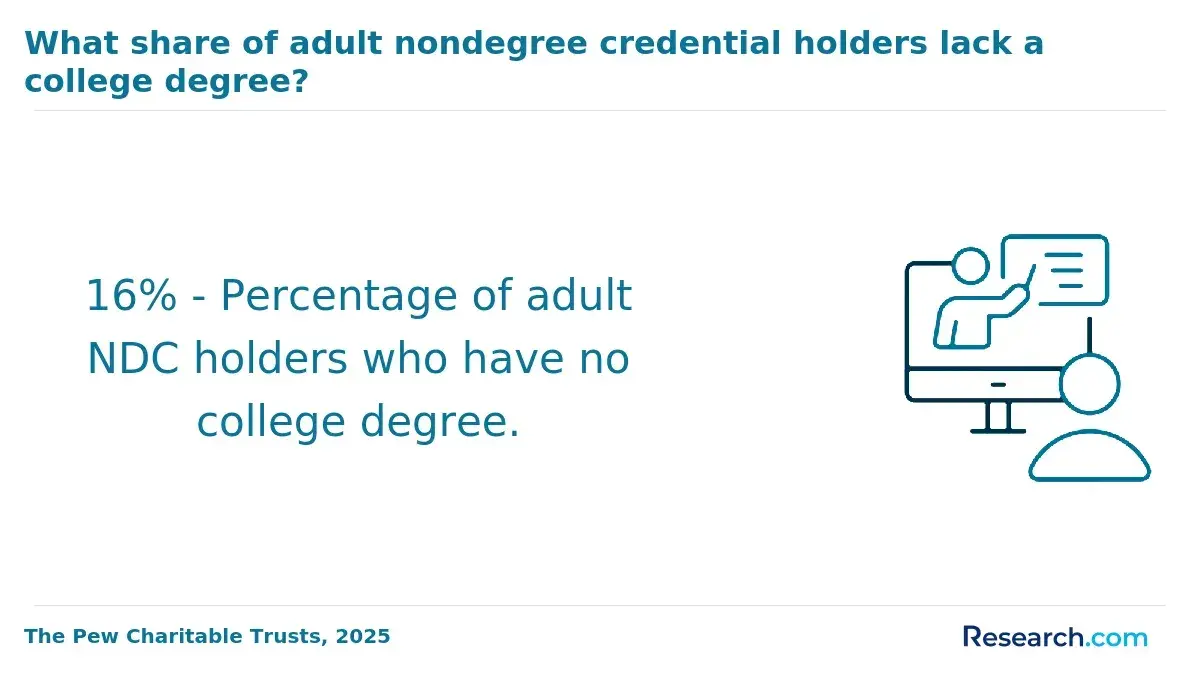
According to the National Center for Education Statistics, 2024 data on graduate education continues to show that many graduate students balance school with employment, which is important context for nurses considering part-time doctoral study. For AGPCNPs, the practical issue is not whether online learning is possible, but whether your schedule can support reading, writing, synchronous sessions, residencies, clinical or project work, and faculty meetings.
The table below gives a realistic planning view of common timeframes. Exact length varies by transfer credits, enrollment status, dissertation progress, and program structure.
| Pathway | Typical time commitment | Work compatibility | Key scheduling challenge |
| Post-master's online DNP | Often about 2 to 3 years | Usually designed for working nurses | DNP project planning and implementation |
| BSN-to-DNP AGPCNP | Often about 3 to 5 years | Possible, but demanding | Clinical placements, APRN coursework, and doctoral requirements |
| Online PhD in Nursing | Often about 3 to 5 years or more | Possible, especially part time | Dissertation research and publication expectations |
| DNP-to-PhD or sequential doctorate | Varies widely | Possible with strong planning | Long-term cost, research momentum, and role balance |
Online does not always mean fully asynchronous. Many reputable programs include live seminars, virtual intensives, campus residencies, oral defenses, teaching practica, or project site requirements. Before enrolling, ask for a sample weekly schedule and a calendar of required synchronous or in-person activities.
Working students should plan their timeline carefully:
- Estimate weekly study hours for each course, not just credit load.
- Ask when dissertation, project, residency, or practicum milestones occur.
- Discuss schedule flexibility with your employer before high-intensity semesters.
- Protect writing time early, especially in PhD programs.
- Build a backup plan for clinical, teaching, or project site delays.
Costs for online AGPCNP doctorates vary widely by school type, residency status, credit count, fees, technology requirements, clinical or project expenses, and whether you need APRN preparation or already hold AGPCNP certification. A shorter post-master's DNP may cost less than a BSN-to-DNP pathway, but the lowest tuition is not always the best academic value if the program lacks research mentorship or teaching experience.
One current financial aid benchmark is the federal Direct Unsubsidized Loan limit for graduate and professional students, which is $20,500 per academic year. That figure matters because many doctoral students must combine federal loans, employer tuition benefits, scholarships, assistantships, payment plans, or personal funds to cover total program cost.
The table below shows the main cost categories to compare when evaluating online doctorate programs.
| Cost factor | Why it matters | What to ask the school |
| Tuition per credit | Doctoral programs can differ substantially in total credits | What is the total tuition for my entry point and pace? |
| University fees | Online programs may charge technology, distance learning, graduation, or assessment fees | Are fees included in the published estimate? |
| Residency travel | Some online programs require campus visits or intensives | How many visits are required, and when? |
| Clinical, practicum, or project costs | Placement requirements can add expenses for compliance, background checks, travel, or site coordination | Do students find their own sites? |
| Dissertation or project extension | Extra semesters can increase cost if research or project milestones take longer | What happens financially if I need more time? |
| Teaching or research assistantships | Assistantships can reduce cost and strengthen academic experience | Are online students eligible? |
Before committing, calculate total cost rather than comparing tuition headlines. Use this sequence:
- Request a degree plan showing credits required after transcript review.
- Multiply required credits by tuition and add all mandatory fees.
- Add estimated travel, books, software, compliance, certification, and project costs.
- Subtract confirmed grants, scholarships, employer assistance, or assistantship funding.
- Compare the remaining cost with the faculty roles you realistically plan to pursue.
Financial aid options may include federal loans, institutional scholarships, HRSA-related opportunities when available, employer tuition reimbursement, professional association scholarships, military or veteran benefits, and assistantships. Do not assume online students are automatically eligible for the same funding as campus students; ask in writing.
An online AGPCNP doctorate can support several college teaching paths, especially when paired with national certification, current clinical practice, teaching experience, and scholarship. The strongest opportunities are typically in nursing programs that need faculty who can teach adult-gerontology primary care, advanced health assessment, pharmacology, pathophysiology, chronic disease management, population health, and clinical reasoning.
The labor market context is favorable but competitive. The BLS May 2024 median wage for postsecondary nursing instructors and teachers was $86,530, but pay varies by institution type, rank, contract length, region, and whether the role is full time, tenure track, clinical track, or adjunct.
The table below outlines faculty-related roles that may fit AGPCNP doctoral graduates.
| Role | Typical responsibilities | Credential fit | Competitiveness factors |
| Adjunct nursing faculty | Teach clinical, lab, simulation, or selected didactic courses | MSN may qualify; doctorate adds strength | Clinical expertise, scheduling flexibility, teaching evaluations |
| Clinical assistant professor | Teach practice-focused courses and supervise student learning | DNP or PhD; AGPCNP certification highly relevant | Current practice, certification, precepting, curriculum experience |
| Graduate NP faculty | Teach AGPCNP or advanced practice content | DNP or PhD often preferred | Certification, doctoral preparation, online teaching ability |
| Tenure-track nursing professor | Teach, publish, pursue grants, advise students, serve the university | PhD typically strongest | Research agenda, publications, dissertation fit, grants |
| Nursing program director | Lead curriculum, accreditation, faculty coordination, and outcomes assessment | Doctorate often preferred | Leadership, accreditation experience, faculty development |
| Simulation or clinical education leader | Design practice-based learning and assessment experiences | DNP, PhD, or EdD depending on setting | Simulation training, assessment skills, clinical expertise |
For tenure-track roles, remember that the doctorate is only one part of the hiring profile. Search committees may also expect a focused research agenda, peer-reviewed publications, teaching evaluations, professional service, diversity and inclusion contributions, and evidence that you can mentor students.
How Can an Online Adult Gerontology Primary Care Nurse Practitioner Doctorate Help You Build a Competitive Academic CV?
An online AGPCNP doctorate can help you build a competitive academic CV if you use the program intentionally. Faculty hiring committees do not evaluate only the degree name; they look for evidence that you can teach, publish, collaborate, assess learning, support students, and contribute to the profession.
The most effective doctoral students build academic evidence throughout the program rather than waiting until graduation. Focus on outputs that connect your AGPCNP expertise with nursing education or scholarly impact.
- Turn major papers into conference abstracts, posters, manuscripts, or teaching resources.
- Seek supervised teaching experience in online, hybrid, simulation, lab, or clinical settings.
- Ask faculty mentors about joining research teams, quality improvement initiatives, or systematic reviews.
- Document guest lectures, precepting, curriculum design, test-item writing, rubric development, and student feedback experience.
- Join professional organizations related to nursing education, adult-gerontology practice, gerontology, primary care, or your research area.
- Track measurable outcomes from your DNP project, dissertation, or teaching practicum.
Common mistakes can weaken your academic profile even if you complete the doctorate. The table below shows what to avoid and what to do instead.
| Common mistake | Why it hurts academic goals | Better alternative |
| Choosing only by tuition or speed | The program may not provide research depth, teaching practice, or faculty mentorship | Compare outcomes, faculty fit, accreditation, and scholarly opportunities |
| Ignoring dissertation or project quality | Your final work may not support publications or academic interviews | Select a topic aligned with your teaching and scholarship goals |
| Assuming clinical expertise is enough | College teaching also requires pedagogy, assessment, and student support skills | Gain teaching practice and learn curriculum design |
| Waiting to publish until after graduation | You may enter the faculty market with a thin scholarship record | Build posters, abstracts, manuscripts, and collaborative projects during the program |
| Overlooking online teaching skills | Many nursing programs now use hybrid, simulation, and learning management systems | Document online course tools, simulation methods, and digital assessment experience |
A strong next step is to create a one-page doctoral comparison sheet for each school. Include degree type, accreditation, total cost, faculty match, dissertation or project format, teaching opportunities, residency requirements, graduate outcomes, and the academic role each program best supports.
Other Things You Should Know About Adult Gerontology Primary Care Nurse Practitioner
Yes, an online doctorate can support nursing faculty roles if it comes from an accredited institution and fits the employer's expectations. Colleges usually care more about accreditation, degree type, teaching experience, scholarship, certification, and subject expertise than whether courses were online.
It is often strongly preferred and may be required for courses tied directly to AGPCNP clinical preparation. Schools want faculty whose credentials match the population focus and practice content they teach, especially in graduate NP programs.
Sometimes, but it depends on the institution. Practice-focused universities and clinical-track positions may value a DNP highly, while research-intensive tenure-track roles often prefer or require a PhD or another research doctorate.
They can be, provided the university is properly accredited, the nursing program has appropriate accreditation, and the doctorate includes rigorous scholarship. Reputation also depends on faculty quality, research expectations, teaching preparation, and your own academic accomplishments.
- PhD Application Requirements https://www.applykite.com/blog/phd-guide-application-requirements
- Online Ed.D. in Early Childhood Education | Doctorate in ECE Online https://www.pacificoaks.edu/academic-programs/edd-in-early-childhood-education/
- Admission requirements for doctoral degrees https://www.hochschulkompass.de/en/doctoral-studies/preparing-for-a-doctoral-degree/admission-requirements.html
- Online DNP-AGPCNP Program | Maryville University https://nursing.maryville.edu/online-programs/doctor-of-nursing-practice/agpcnp
- Nurse Practitioner Education https://www.aanp.org/advocacy/advocacy-resource/position-statements/nurse-practitioner-education
- Top Online Adult-Gerontology NP Programs 2026: AGNP Rankings https://www.npschools.com/rankings/all-online-agnp-programs
- Doctoral Research Application Requirements https://entrustdn.eu/application/
- Core Components of the Nursing Curriculum https://www.journalofadventisteducation.org/2017.5.3
- New Graduate Employment Data https://www.aacnnursing.org/news-data/research-data-center/new-graduate-employment-data