2027 Weekly Start Online Degrees vs Self-Paced Accelerated Esports Business Degree Programs

Co-Founder and Chief Data Scientist
The main choice is not simply “online or on campus.” For an esports business degree, the bigger decision is whether you need a scheduled online program that keeps you moving week by week or a self-paced accelerated format that lets you move faster when your schedule allows.
This matters because esports business programs often combine marketing, sponsorship, event operations, analytics, management, and digital media coursework. The right format can help you build those skills consistently; the wrong one can create missed deadlines, rushed learning, or delayed graduation. A 2023 study found that 68% of online learners struggle with pacing, which can affect completion rates and job readiness.
This guide compares weekly start online degrees and self-paced accelerated esports business programs across structure, admissions, completion time, flexibility, academic difficulty, grading, tuition, instructor support, employer perception, salary considerations, and graduate experiences. Use it to decide which format better fits your work schedule, learning style, budget, and career timeline.
Key Benefits of Weekly Start Online Degrees vs Self-Paced Accelerated Esports Business Degree Programs
- Weekly start online degrees offer consistent enrollment opportunities, enhancing flexibility for students balancing work or personal commitments without waiting for traditional semester start dates.
- Self-paced accelerated esports business programs reduce overall costs by shortening time to completion, allowing students to enter the workforce faster and minimize tuition expenses.
- Both formats improve student success rates by accommodating diverse learning styles, with self-paced options supporting individualized pacing and weekly start models maintaining structured progress.
How Are Weekly Start Online Degrees and Self-Paced Accelerated Esports Business Programs Structured?
Weekly start online degrees and self-paced accelerated esports business programs differ mainly in who controls the schedule. Weekly start programs provide a predictable academic rhythm with regular deadlines. Self-paced accelerated programs give students more control over speed, but they also shift more responsibility onto the learner.
Weekly Start Online Degrees
A weekly start online degree is best understood as a structured online program with frequent entry points. Students may begin at regularly available start dates, but once a course begins, the learning path usually follows a set calendar.
- Course pacing: Courses are commonly organized around defined academic terms, typically 8 to 16 weeks, with content released or due in weekly segments.
- Enrollment flexibility: Students can start at the beginning of any week, creating more access points than traditional semester-only programs.
- Assignment schedule: Weekly assignments, discussions, projects, and readings keep students engaged and reduce the risk of falling far behind unnoticed.
- Assessment: Quizzes, projects, exams, and discussion participation usually occur at scheduled points throughout the term.
- Time commitment: A typical course may require 8 to 12 hours per week, making the workload easier to plan around work or family obligations.
Self-Paced Accelerated Degrees
A self-paced accelerated esports business degree gives students more control over when they complete modules, assignments, and assessments. This model can work well for experienced students, working professionals, or learners who already understand parts of the esports or business curriculum.
- Course pacing: Students move through material at an individualized speed, and some programs may allow completion to accelerate by up to 30%.
- Flexible scheduling: Assignments and assessments are often available on demand, with deadlines adjusted around learner availability or course policies.
- Assessment: Evaluations usually occur as students complete modules rather than on a shared weekly calendar.
- Time commitment: Weekly study time varies widely and can exceed 15 hours during intensive periods, especially when students are trying to finish quickly.
The practical difference is accountability. Weekly start programs build accountability into the calendar. Self-paced accelerated programs require students to create that accountability themselves. If you are comparing online degree formats across fields, similar pacing differences can also be seen in programs such as AI degrees online.
Are Weekly Start Online Esports Business Programs Easier to Get Into vs Self-Paced Accelerated Programs?
Self-paced accelerated esports business programs may be easier to access in some cases because they often use rolling admissions, broader entry windows, and more flexible academic review. Weekly start online programs can also be accessible, but they are more likely to follow defined admissions timelines and may use more traditional requirements.
Acceptance rates for fully online business degrees, including esports business, generally range from 60-70%. That figure does not guarantee admission to a specific program, but it suggests that many online business programs are designed for working adults, transfer students, and nontraditional learners.
- GPA expectations: Weekly start programs typically use minimum GPA thresholds. Self-paced accelerated options may be more flexible or may review applicants with lower GPAs if they show relevant experience or readiness.
- Prerequisite coursework: Weekly start programs may expect students to complete specific business, math, communication, or general education prerequisites before entering major courses. Accelerated programs may integrate some prerequisites into the degree plan.
- Standardized testing: Standardized tests are more likely in traditional admissions models and less common in flexible self-paced online programs.
- Admissions process: Weekly start esports business degree admissions usually follow more formal review cycles. Self-paced programs often use rolling admissions, which can shorten the time between application and enrollment.
- Holistic review: Self-paced programs may place greater weight on work history, military experience, prior college credits, esports involvement, or business experience.
The easier option is not always the better option. Students should still verify accreditation, transfer-credit policies, total cost, faculty access, and whether the curriculum covers esports-specific business skills rather than only general management. For a different example of how online programs present admissions and program standards, students can review CACREP online counseling programs.
How Long Does a Weekly Start Online Degree Take to Complete vs Self-Paced Accelerated Esports Business Degree?
Self-paced accelerated esports business degrees can be faster, but only for students who can consistently study, complete assessments, and manage several academic tasks without weekly reminders. Weekly start online degrees usually take a more predictable amount of time because courses follow fixed terms and deadlines.
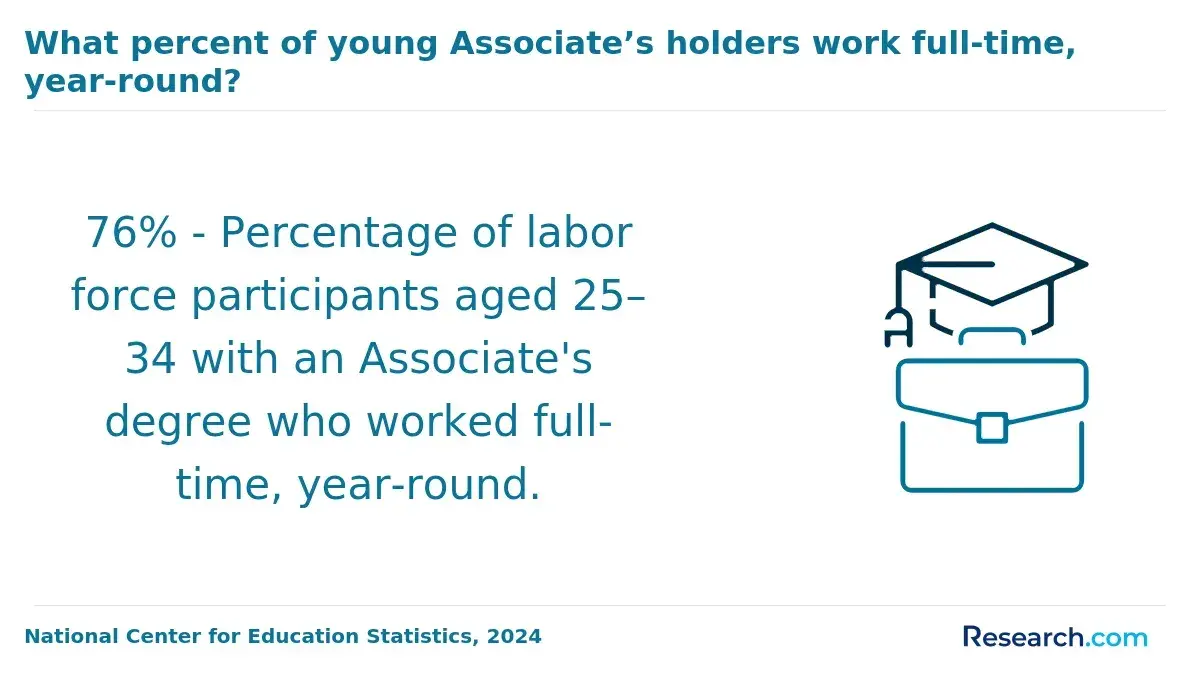
National studies indicate that the average duration for finishing an online associate or bachelor's degree is about 4.5 years. Individual timelines can be shorter or longer depending on transfer credits, course load, institutional policies, work obligations, and whether the student attends full time or part time.
- Term length: Weekly start degrees usually use set terms of eight to sixteen weeks. This gives students a clear calendar but limits how much they can accelerate.
- Pacing control: Weekly start programs require students to meet scheduled deadlines. Self-paced accelerated programs allow students to move quickly through familiar material or slow down when a topic requires more attention.
- Credit load: Weekly start programs often place students into a standard course sequence. Self-paced programs may allow students to complete more coursework in a shorter period, provided they can handle the workload.
- Transfer credits: Both formats may accept transfer credits. The time savings depend on how many credits are accepted and whether they apply to major, elective, or general education requirements.
- Enrollment flexibility: Weekly start programs require students to follow available start dates and course calendars. Self-paced esports business degrees often allow rolling enrollment, which can reduce waiting time before the first course begins.
A professional who completed a self-paced accelerated online esports business program said that managing a full-time job and coursework was difficult at first. He described feeling "overwhelmed at times" but valued the ability to "pause and resume classes depending on my work schedule."
By planning study blocks and using prior gaming industry experience, he completed the degree in under two years. His experience shows the main trade-off: self-paced acceleration can shorten the path to graduation, but it rewards students who already have strong time-management habits.
How Flexible Are Weekly Start Online Degrees vs Self-Paced Accelerated Esports Business Programs?
Self-paced accelerated esports business programs are usually more flexible than weekly start online degrees. However, weekly start programs may offer the type of structure that many online students need to finish successfully. The best choice depends on whether you want freedom from deadlines or support from deadlines.
- Scheduling control: Weekly start programs include weekly checkpoints. Self-paced programs let students decide when to study, submit work, and complete modules within the program’s rules.
- Pacing speed: Weekly start courses move at a shared pace. Self-paced programs allow students to speed up during lighter work periods or slow down during demanding personal or professional seasons.
- Start dates and deadlines: Weekly start degrees offer frequent starts but still use firm assignment and exam deadlines. Self-paced programs remove many start-date constraints and may have fewer hard weekly deadlines.
- Instructor interaction: Weekly start courses are more likely to include scheduled discussions, office hours, or live sessions. Self-paced formats rely more heavily on asynchronous communication.
- Ability to pause or accelerate: Self-paced students may be able to pause coursework and resume later. Weekly start students generally need to keep up with the cohort schedule or risk falling behind.
Students with unpredictable work schedules, travel requirements, caregiving responsibilities, or seasonal esports commitments may prefer self-paced learning. Students who procrastinate, need peer interaction, or benefit from instructor reminders may perform better in a weekly start program.
Are Self-Paced Accelerated Esports Business Degrees Harder Than Weekly Start Online Programs?
Self-paced accelerated esports business degrees are not automatically harder academically, but they often feel harder because they require more self-management. Weekly start online programs can be just as rigorous, but they spread the workload across a clearer schedule.
- Workload intensity: Accelerated programs can compress readings, projects, and assessments into a shorter period. Weekly start programs distribute the workload more evenly over the term.
- Pacing expectations: Self-paced students must decide how fast to move and how much to complete each week. Weekly start students follow a predetermined rhythm.
- Self-discipline required: Self-paced formats demand strong internal motivation. Without regular deadlines, students can delay work until it becomes difficult to recover.
- Assessment structure: Accelerated programs may require quick completion of projects and evaluations. Weekly start programs typically allow more time to receive feedback, revise understanding, and prepare for the next assignment.
- Instructor interaction: Weekly start programs usually provide more scheduled interaction. Self-paced students may need to request help proactively and wait for asynchronous responses.
When asked about her experience, a graduate of a weekly start online esports business degree said the program was challenging, but the structure made the workload manageable. She explained, "Having regular deadlines helped me stay on track without feeling overwhelmed. I knew exactly when to expect support from instructors, which made a big difference."
Her experience points to a common distinction: weekly start programs can feel demanding but guided, while self-paced programs can feel flexible but isolating. Students should choose the type of challenge they are better prepared to handle.
How Does Grading Differ Between Weekly Start Online vs Self-Paced Accelerated Esports Business Programs?
Grading in weekly start online programs is usually tied to a shared course calendar. Grading in self-paced accelerated esports business programs is more likely to follow individual completion milestones. This difference affects feedback, stress, accountability, and how quickly students can move through the degree.
- Assessment frequency: Weekly start programs commonly use regular quizzes, assignments, discussions, and projects at weekly or biweekly intervals. Self-paced accelerated programs let students complete evaluations when they reach the relevant module.
- Mastery requirements: Weekly start courses may require students to demonstrate understanding by specific deadlines before the class moves forward. Self-paced formats may let students revisit material until they are ready for assessment.
- Pacing of evaluations: Weekly start students take assessments on a synchronized schedule. Self-paced students decide when to submit work or take exams, which creates flexibility but also requires planning.
- Feedback timing: Weekly start programs often provide regular feedback because instructors grade batches of work on a set schedule. Self-paced programs may have staggered submissions, so feedback timing can vary.
- Grading flexibility: Weekly start courses tend to have stricter deadlines and late-work policies. Self-paced programs may allow more adaptable grading timelines, but students must avoid letting flexibility turn into delay.
Students who rely on feedback to improve from week to week may prefer the weekly start model. Students who want to complete familiar material quickly may benefit from self-paced grading, as long as they understand how retakes, deadlines, incomplete work, and academic progress standards are handled.
How Does Tuition Compare Between Weekly Start Online and Self-Paced Accelerated Esports Business Programs?
Tuition depends less on the label “weekly start” or “self-paced” and more on how the school charges, how many credits you need, how quickly you finish, and whether transfer credits or prior learning reduce the total number of courses. Students should compare total program cost, not just the advertised per-credit rate.
- Pricing structure: Weekly start online degrees typically charge tuition per credit hour with fixed rates each term. Self-paced accelerated programs may use per-credit pricing or a flat tuition model, which can change how students experience cost.
- Time-to-completion: A self-paced accelerated program may lower overall cost if faster completion reduces the number of terms or payment periods. A weekly start format may cost more over time if the student takes longer to finish.
- Cost predictability: Weekly start programs often provide steadier term-by-term billing. Self-paced programs can create more variable payment timing, especially if students move quickly through coursework.
- Course intensity: Self-paced accelerated degrees may require heavier study periods, which can affect work hours and income. Weekly start programs may be easier to balance with employment because the workload is more consistent.
- Additional fees: Both formats may include technology, assessment, graduation, textbook, or platform fees. Students should ask for a full cost breakdown before enrolling.
- Transfer credits and prior learning: Accepted credits can reduce the number of courses required in either model. This is one of the most practical ways to reduce total tuition.
When comparing affordability, look beyond esports-specific branding and examine business degree pricing more broadly. Students who want a lower-cost online business pathway can also compare options such as the cheapest online business degree before committing to a program format.
Do Weekly Start Online Esports Business Degrees Offer More Instructor Support Than Self-Paced Accelerated Programs?
Weekly start online esports business degrees generally offer more predictable instructor support than self-paced accelerated programs. The reason is structural: when students move through a course together, instructors can schedule discussions, reminders, feedback cycles, and office hours around common deadlines.
- Instructor availability: Weekly start programs usually align instructor availability with the course calendar. Self-paced programs may rely more on asynchronous messaging because students are working at different points in the curriculum.
- Response times: In weekly start online esports business degree instructor support formats, replies often occur within 24 to 48 hours. Self-paced programs may have longer or more variable response times.
- Structured interaction: Weekly start courses often include live discussions, group projects, peer replies, and periodic assignments. Self-paced programs may offer fewer required interactions.
- Scheduled communication: Weekly start degrees may include live sessions or office hours. Self-paced programs rarely provide the same level of synchronous contact across all students.
- Academic advising: Weekly start programs are more likely to include milestone reviews and scheduled advising touchpoints. Self-paced students may need to initiate advising conversations themselves.
- Student independence: Self-paced accelerated esports business programs student support assumes a higher level of autonomy. Students must know when to ask for help and how to keep progressing without frequent reminders.
Students who want regular feedback, networking, and faculty visibility should lean toward weekly start programs. Students who primarily need scheduling freedom may prefer self-paced options, but they should confirm how tutoring, advising, technical help, and instructor response times work before enrolling. Learners comparing support models in other fields may also review affordable online masters in psychology.
Do Employers Prefer Weekly Start Online or Self-Paced Accelerated Esports Business Degrees?
Employers usually care more about accreditation, relevant skills, portfolio evidence, internships, experience, and interview performance than whether an online degree used a weekly start or self-paced format. However, the format can influence how graduates explain their strengths.
- Structured engagement: Weekly start online programs require students to meet deadlines, participate in discussions, and complete assignments on a shared schedule. Graduates can use this to demonstrate reliability, collaboration, and time management.
- Flexibility and motivation: Self-paced accelerated degrees can show independence, focus, and adaptability. Graduates should be ready to explain how they maintained quality while moving quickly.
- Completion timelines: Weekly start programs resemble workplace expectations around recurring deadlines. Accelerated programs may appeal when employers value fast upskilling and self-directed learning.
- Teamwork and collaboration: Weekly start courses may include group projects and interactive assignments. A 2023 NACE survey found that 68% of employers prioritize demonstrated teamwork, which can make collaborative coursework useful in interviews.
- Workforce alignment: Both formats can be credible if the graduate can connect coursework to esports operations, sponsorship sales, tournament logistics, fan engagement, analytics, digital marketing, or business development.
Students should keep samples of relevant work, such as campaign plans, sponsorship proposals, event budgets, analytics dashboards, or capstone projects. These materials often matter more to employers than the pacing model printed on a transcript. Students still exploring faster degree pathways can review accelerated online degrees.
Is There a Salary Difference Between Weekly Start Online vs Self-Paced Accelerated Esports Business Degrees?
There is no simple rule that one format automatically produces higher salaries. Graduate earnings for online esports business degree programs depend on role, employer, location, prior experience, portfolio quality, networking, and the student’s ability to apply business skills in esports settings.
The strongest salary argument for self-paced accelerated programs is timing. If a student finishes earlier and enters the workforce sooner, the added months of experience may improve long-term return. Workforce studies show that graduates of accelerated esports business programs may experience a 5% to 10% higher return on investment, largely due to entering the job market earlier and accumulating experience faster.
- Time-to-completion: Accelerated programs can shorten the duration by several months, allowing graduates to begin earning sooner. Weekly start programs may take longer but provide steadier academic development.
- Employer perception: Some employers may view weekly start programs as more structured because they resemble traditional academic calendars. Others may value the self-discipline demonstrated by accelerated graduates.
- Skills and competencies gained: Earnings are strongly tied to practical skills such as project management, marketing, sponsorship strategy, analytics, event coordination, and esports technology literacy.
- Career advancement opportunities: Weekly start programs may provide more scheduled networking with classmates and instructors. Accelerated students may need to build professional connections outside the course structure.
- Return on investment: ROI depends on total tuition, time away from work, transfer credits, debt, and how quickly the graduate secures a relevant role.
Students should evaluate salary potential alongside readiness. A faster degree is helpful only if the student can finish with strong skills, credible projects, and enough industry awareness to compete for roles. For broader cost comparisons, resources on affordable masters degrees may help students think through tuition and ROI.
In short, salary comparison of weekly start vs self paced esports business degrees should focus on career trajectory rather than format alone. The degree structure can affect timing and experience, but the graduate’s skills, network, and ability to prove value are usually more important.
What Graduates Say About Their Weekly Start Online Degrees vs Self-Paced Accelerated Esports Business Degrees
- : "Opting for the weekly start online esports business degree was a strategic decision to benefit from regular instructor interaction and networking opportunities. Financing this roughly $16,000 investment was challenging, but employer tuition assistance eased the burden. Professionally, the program provided me with essential industry insights and connections that have been invaluable in securing a senior position at a top esports firm. — Christopher"
- : "The self-paced accelerated esports business program was perfect for me because I needed flexibility around my full-time job. Though the upfront cost was considerable, about $14,000, I found that spreading payments over time made it manageable. This degree fast-tracked my career progression, enabling me to launch my own esports consultancy within a year. — Ahmed"
- : "I chose the weekly start online esports business degree because it offered a structured schedule that kept me motivated and accountable. Despite the average cost of attendance being around $15,000, I managed expenses through a combination of scholarships and part-time work. Since graduating, this program has significantly boosted my confidence and opened doors to managerial roles in leading esports organizations. — Levi"
Other Things You Should Know About Esports Business Degrees
Admission criteria for weekly start online degrees often prioritize flexibility and may have rolling admissions. In contrast, self-paced accelerated esports business programs may have stricter prerequisites, emphasizing prior experience or a foundational understanding of the gaming industry.
Both weekly start online and self-paced accelerated esports business degrees generally require reliable internet access, a computer capable of running educational software, and familiarity with learning management systems. Weekly start programs may require more synchronous participation tools like video conferencing, while self-paced programs focus on platforms that allow flexible access to materials and recorded content.
Yes. Many accelerated esports business programs use proctored exams for core business and esports management courses. Schools may require remote proctoring software, a government ID, and a webcam check-in. Proctoring rules often follow the institution’s exam policy and may be enforced in 2027 term schedules.
Career services and internship support vary by program but tend to be more integrated in weekly start online esports business degrees, which often align students by cohorts for coordinated services. Self-paced accelerated programs may offer these resources but generally expect students to seek opportunities independently due to the less structured format. Prospective students should inquire about specific career support offerings.
References
- BSc (Hons) E-Sports Digital Technologies | Bournemouth University https://www.bournemouth.ac.uk/study/courses/bsc-hons-e-sports-digital-technologies
- PSW Accelerated FAQS - Durham College https://durhamcollege.ca/forms/pswa-faqs
- Game Business & Esports Bachelor's Degree https://www.fullsail.edu/degrees/game-business-esports-bachelor
- Esports Management https://online.champlain.edu/degrees-certificates/associate-esports-management
- Esports Management (BBA) https://www.su.edu/esports/esports-management/
- Unlock Your Esports Career with Advanced Diploma in Esports Business https://www.lsibsingapore.com/Course/Details/192772
- Why study postgraduate and how to apply? - Webinar Series (PG) https://www.staffs.ac.uk/events/2026/02/why-study-postgraduate-postgraduate-webinar-series
- Online Learning https://sunyniagara.edu/onlinelearning/
- Discover The Most Affordable Online Management Degrees https://www.affordablecollegesonline.org/degrees/business-management-programs/
- Esports in colleges: is rapid growth in provision fair game for criticism? https://feweek.co.uk/esports-in-colleges-is-rapid-growth-in-provision-fair-game-for-criticism/