2027 Top Universities Offering Online Electrical Engineering Master's Degrees

Co-Founder and Chief Data Scientist
Employers increasingly expect online electrical engineering master's graduates to possess specialized skills aligned with evolving industry standards, making program design critical in assessing educational value. Variations in curriculum focus, such as emphasis on power systems, embedded technology, or communications, shape graduates' readiness for specific roles. Delivery formats-including synchronous labs, cohort-based learning, or self-paced modules-influence how effectively students can engage with complex technical content while balancing professional demands. Accreditation status and faculty expertise further impact a program's rigor and relevance to certification requirements.
This article compares top universities offering online electrical engineering master's degrees by analyzing structural, academic, and workforce integration factors that affect long-term career outcomes and fit.
Key Benefits of Top Universities Offering Online Electrical Engineering Master's Degrees
- Online electrical engineering programs often limit hands-on lab access, requiring supplemental local resources; this tradeoff impacts experiential learning critical for hardware-focused roles.
- Recent 2024 employer surveys reveal a 15% rise in preference for candidates with accredited online degrees, highlighting growing acceptance yet persistent scrutiny of program rigor.
- Extended time-to-degree scenarios are common due to balancing work-study demands, influencing cost and delayed workforce entry, particularly affecting mid-career professionals weighing opportunity costs.
Which Universities Offer the Best Online Electrical Engineering Master's Degrees?
Stronger online electrical engineering master's programs are typically offered by institutions that combine rigorous curriculum design with specialized course offerings reflecting current industry demands. These programs emphasize depth in foundational theory, such as advanced circuit design and control systems, while integrating applied learning through labs and project-based assignments that simulate real-world engineering challenges. Faculty composition plays a critical role, with top programs engaging instructors who bring substantial professional and research experience to foster mentorship and nuanced understanding beyond textbook knowledge. Institutions that balance specialization options with comprehensive core subjects better prepare students for diverse roles in electrical engineering fields.
Such institutional characteristics correlate with tangible differences in student outcomes, including employability and readiness to meet certification and industry standards. Graduates from accredited online programs generally exhibit stronger practical skills and a clearer alignment with workforce expectations, enabling smoother transitions into advanced engineering roles. For working professionals pursuing top accredited online master's programs in electrical engineering for working professionals, the balance between academic rigor and flexible scheduling is essential to accommodate employment responsibilities without sacrificing program quality. Data from the U.S. Department of Education indicates that alumni earnings tend to be notably higher where programs maintain stringent curricular and experiential standards.
Tradeoffs often arise between flexibility and depth, with the most specialized programs sometimes requiring greater time and active engagement that may challenge full-time workers, while highly accessible formats could limit experiential intensity. Program pacing and cohort structures influence peer interaction and progression speed, which impacts skill retention and professional networking potential. When comparing options, prospective students benefit from evaluating how well programs integrate career-aligned experiences alongside course delivery, a consideration particularly important in fields responding to rapid technological changes and increasingly interdisciplinary applications.
Insights on these factors also relate to broader trends seen in evaluations of the best degrees for the future, where engineering disciplines continue to evolve with strong employer demand.
Why Does Accreditation Matter for Online Electrical Engineering Master's Programs?
Accreditation in online electrical engineering master's programs functions as a crucial measure of academic legitimacy and program quality, ensuring that curriculum standards are systematically aligned with industry and technological requirements. This oversight mandates regular faculty review, resource allocation, and academic rigor consistent with evolving professional competencies, which collectively influence the reliability of the education offered. Programs lacking accreditation may face significant deficiencies in these areas, often resulting in outdated course content or inadequate faculty credentials. Consequently, accreditation acts as an essential filter that signals whether a program maintains structural quality controls rather than simply serving as a bureaucratic formality.
The practical value of accreditation extends far beyond academics, directly influencing credit transferability, employer recognition, and eligibility for professional certifications or licenses. Employers increasingly prioritize graduates from accredited programs, with a 2024 National Association of Engineering Employers survey revealing that 68% of hiring managers show preference for candidates holding degrees from accredited institutions, underscoring the link between accreditation and workforce readiness. For example, a student completing an unaccredited online electrical engineering program might struggle to have credits acknowledged by other universities or face obstacles when pursuing licensure requiring recognized degrees.
This creates tangible risks, including longer career timelines and restricted financial aid or scholarship opportunities. Therefore, prospective students must weigh accreditation's role alongside other program attributes to ensure alignment with their career objectives and avoid the downstream repercussions of insufficient academic recognition.
Which Universities Offer the Most Flexible Online Electrical Engineering Master's Programs?
Flexibility in online electrical engineering master's programs primarily hinges on program structure elements such as asynchronous coursework, pacing options, enrollment models, and elective availability. Programs that allow students to engage with material asynchronously and progress at their own speed tend to accommodate working professionals and those with complex schedules more effectively than cohort-based models with fixed semester timelines. Part-time enrollment options without progression penalties and the ability to tailor specializations to one's career focus further enhance flexibility. According to updated data from the National Center for Education Statistics in 2024, nearly 68% of graduate engineering students prefer programs that offer rolling admissions and asynchronous formats, underscoring the increasing demand for adaptable academic schedules.
However, this flexibility introduces tradeoffs related to academic continuity and practical experience. Students balancing full-time jobs may appreciate reduced residency requirements and self-paced modules, but extended completion times and less structured peer engagement can diminish networking opportunities and cohesive team learning. For instance, a student delaying courses to accommodate work deadlines might miss internship windows integral to skill application, which employers still prioritize. Moreover, flexible programs often require heightened self-discipline, as inconsistent pacing can impact mastery and timely credentialing. Evaluating these design factors helps prospective students weigh adaptability against potential impacts on academic rigor and real-world preparedness.
One graduate recounted initially feeling uncertain about enrolling in a self-paced program while managing a technology consulting role and family duties. The option to take courses asynchronously over extended periods allowed her to continue working without interrupting income, but she found maintaining motivation challenging during less structured terms. She ultimately created a weekly study routine to stay on track, appreciating flexibility yet recognizing the need for personal accountability that rigid programs naturally enforce. This experience highlights how program architecture directly shapes both educational progress and daily life integration for online electrical engineering students.
Which Universities Are Best for Working Professionals Earning a Electrical Engineering Master's Online?
Online electrical engineering master's programs best suited for working professionals typically emphasize flexible scheduling through asynchronous coursework and part-time enrollment. These features accommodate employment responsibilities and help maintain steady academic progress without rigid classroom attendance. Robust faculty access and targeted mentorship tailored to mid-career technical challenges enhance the practical applicability of learning, while employer-aligned curricula ensure the content reflects shifting industry demands. Programs that integrate networking and real-world projects further support immediate skill application, a priority for many balancing multiple roles simultaneously.
In practice, maintaining consistent workload management remains critical for students navigating job duties alongside academic deadlines. Structured flexibility allows working professionals to allocate time effectively without sacrificing depth of study, though tradeoffs include potentially longer program durations and less synchronous peer engagement. According to recent National Center for Education Statistics data from 2024, part-time graduate enrollment among employed adults rose by over 15%, underscoring the increasing need for adaptable delivery in the electrical engineering master's domain. Such program designs affect not only learner retention but also the trajectory for career advancement given how employer recognition favors accredited and rigorous offerings aligned with licensure standards.
Tradeoffs for professionals pursuing these programs include reduced access to in-person intensives or internships, which may limit hands-on experience with emerging technologies. Some programs address this by emphasizing remote capstone projects and virtual collaboration, although these can differ significantly in value depending on the learner's immediate career context.
Those comparing options often consult comprehensive resources-like the cheapest online civil engineering degree listings-to weigh cost against program flexibility and relevance.
How Much Do Top Online Electrical Engineering Master's Programs Cost?
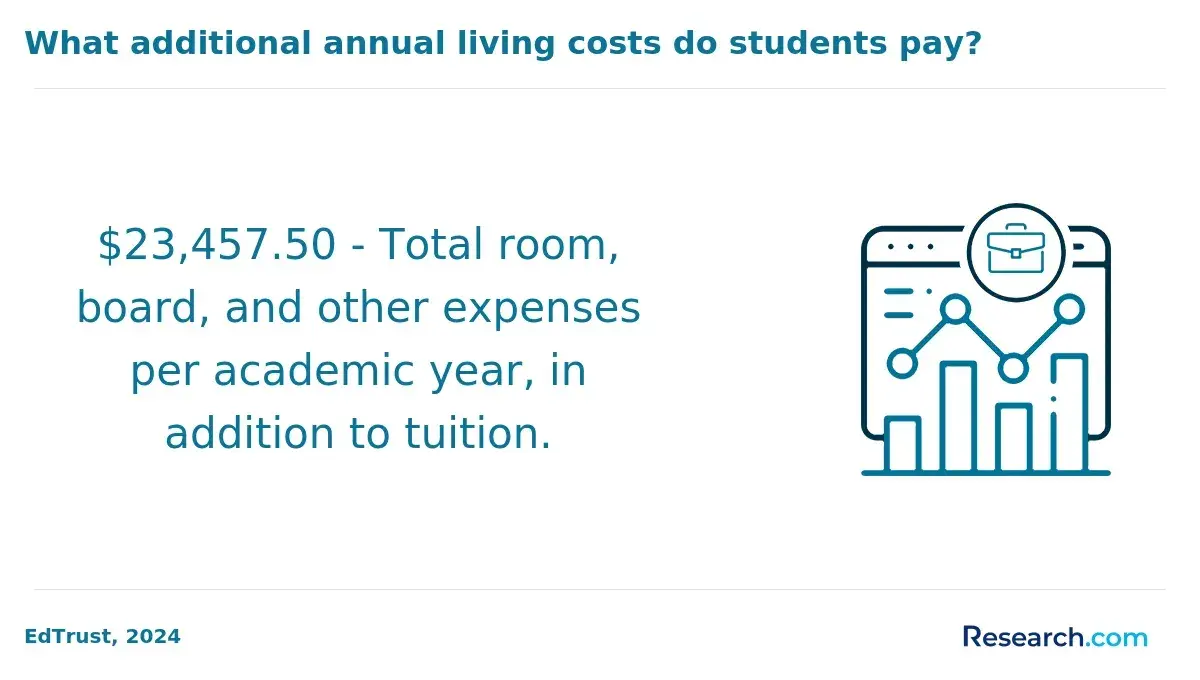
Tuition for top-tier online electrical engineering master's programs in 2024 typically falls between $20,000 and $60,000 for the full degree, though this varies widely based on factors such as institution type, residency, and program design. Public universities often offer discounted rates for in-state students, but several leading programs maintain consistent pricing nationwide to accommodate remote learners. Differences in cost reflect program delivery formats, such as asynchronous versus synchronous courses, credit-hour pricing models, and the intensity of specialization tracks or lab access. Higher fees can also indicate enhanced research opportunities, faculty expertise, or integrated industry partnerships that influence curriculum depth and practical exposure.
Financially, the cost spectrum signals important tradeoffs: a more expensive program with flexible scheduling and extended timelines might better suit full-time professionals seeking to balance work and study while leveraging employer tuition reimbursement. In contrast, less costly, accelerated options might appeal to those prioritizing speed over flexibility but could require more immediate financial outlay or personal sacrifice. Prospective students must consider debt load, potential ROI, and alignment with career goals since program price alone does not guarantee higher employment or salary gains. Decision-making often hinges on how well the program's structure, specialization, and support services justify the total expense relative to long-term career advancement.
One student recalled feeling hesitant during the rolling admissions process because the application review stretched longer than expected, delaying clarity on program acceptance and financing options. They chose to wait for the decision despite other offers, focusing on securing an affordable plan with strong flexible scheduling suited to their work hours. This strategic patience, though stressful, ultimately aligned their investment with personal and professional realities, underscoring how cost considerations extend beyond sticker price into timing and program fit uncertainties.
Which Online Electrical Engineering Master's Programs Are Hardest to Get Into?
The hardest online electrical engineering master's programs to enter typically feature structural characteristics that heighten selectivity beyond mere institutional prestige. Programs limiting cohort size to maintain low faculty-to-student ratios create intense competition for admission slots, often reflecting resource constraints and a deliberate focus on quality mentorship. Admissions committees frequently require stringent academic prerequisites, relevant professional experience, and demonstrable technical skill, prioritizing candidates prepared to engage deeply with specialized fields such as semiconductor design or power systems. This selectivity also aligns with industry demands, as programs connected to rapidly evolving sectors seek applicants whose capabilities and career goals closely match workforce needs rather than simply relying on brand recognition.
For applicants, these most competitive online electrical engineering graduate programs necessitate proactive planning and high academic readiness. Candidates benefit from clearly mapping prerequisite coursework and accumulating pertinent professional experience well in advance of application deadlines. The application process can favor working professionals with tangible engineering achievements or portfolios rather than traditional academic applicants lacking specialty focus.
According to 2024 data from the Electrical and Computer Engineering Department at a major public university, acceptance rates for their most selective online master's programs can be below 20%, underscoring the importance of aligned qualifications and timing in application strategies within the most competitive online electrical engineering graduate programs.
This selectivity introduces tradeoffs between accessibility and academic rigor that candidates must weigh carefully. Cohort-based program models often deliver enhanced peer interactions and tightly integrated coursework, fostering professional networks that can meaningfully influence long-term career trajectories. Conversely, highly flexible programs with broader admissions may ease access but sometimes at the cost of reduced mentorship or research integration.
Those evaluating pathways may also consider adjacent fields or program types, for which specialized online degrees such as a UX design degree can provide alternative skill sets with distinct labor market opportunities.
Which Universities Are More Transfer-Friendly for Graduate Students?
Universities that exhibit greater transfer-friendliness for graduate students in online electrical engineering master's programs typically share characteristics such as flexible credit evaluation policies and established frameworks for recognizing prior learning. Public universities with robust online offerings often cater to adult learners and working professionals, enabling transfer of up to one-third of the required credits through arrangements like competency-based assessments or articulation agreements. Institutions that align their curricula with established accreditation standards and implement consistent course equivalencies streamline transfer evaluations, reducing administrative delays. These structural features reflect an operational emphasis on accessibility and career progression, supporting students who bring prior graduate-level coursework or professional experience into their degree pathway.
This transfer friendliness can materially reduce time-to-degree and lower tuition expenses, which are significant considerations for professionals balancing education with employment. However, tradeoffs include potential restrictions linked to accreditation requirements that may limit the breadth of accepted electives or enforce strict curricular continuity, constraining students' ability to customize their studies. For instance, a working engineer who transfers nine credits from a previous master's program may expedite graduation but face complications if transferred courses diverge from the host program's specialized tracks, requiring additional coursework to meet employer-valued competencies.
Data from the National Center for Education Statistics indicates that approximately 42% of STEM graduate students successfully transfer credits, underscoring the variability of policies across institutions. Prospective students should weigh these operational realities carefully when comparing transfer policies, focusing on how well credit acceptance aligns with long-term professional and academic goals rather than assuming uniform benefit from credit transfer.
Which Online Electrical Engineering Master's Programs Help Students Secure Internships?
Online electrical engineering master's programs that facilitate internships most effectively tend to embed structured experiential learning within their curricula while maintaining robust external partnerships. Programs with formal ties to industry employers, including regional companies, government labs, and large engineering firms, typically provide dedicated career services and placement coordination aimed at connecting students with relevant internship opportunities. These programs often leverage active alumni networks and cohort-based models to foster professional connections, which is particularly beneficial for remote learners seeking local or virtual placements aligned with their specific geographic or technical interests.
According to a 2024 report by the National Association of Colleges and Employers, about 65% of students in engineering programs with integrated internship components secure relevant positions before graduation, reflecting the impact of these program design features.
In practical terms, such support systems translate into access to higher-quality internship experiences that align closely with students' educational and career goals, potentially easing the transition into engineering roles post-graduation. The ability to accommodate flexible scheduling and part-time or project-based internships is crucial, as many online students balance professional and family responsibilities.
Programs lacking this infrastructure often see lower placement rates and force students to source internships independently, which can lead to mismatched or less reliable opportunities. Employers increasingly expect candidates with applied skills, so those enrolled in programs with strong experiential components and tailored career guidance tend to be better prepared for these expectations within the electrical engineering job market.
Yet tradeoffs exist in balancing flexibility with placement support. Remote students may face geographic limitations despite virtual internship offerings, and programs emphasizing self-directed internship searches may offer more calendar flexibility but less systematic career advancement support. Ultimately, evaluating how a program integrates internships, supports placement coordination, and aligns with a student's circumstances is essential for maximizing employability and workforce integration after graduation.
Which Online Electrical Engineering Master's Programs Have the Best Job Placement Rates?
Programs demonstrating the best job placement outcomes for online electrical engineering graduates typically share several structural strengths. These include rigorous curricula aligned with current industry standards, practical hands-on projects, and embedded opportunities for internships or co-op experiences. Employer engagement through partnerships and advisory boards further refines program relevance and improves graduate readiness for hiring pipelines. Accreditation status and faculty actively involved in research or industry collaborations also signal quality and help connect students with emerging fields, which employers increasingly value.
Real-world results vary across specializations within electrical engineering, with niches like renewable energy systems or semiconductor technology often showing higher placement rates due to rapid sector growth and specific workforce demand. Working professionals pursuing advanced degrees online may experience different outcomes compared to traditional full-time students, as their prior experience and employer networks significantly influence post-graduation employment. It is important to note that reported placement rates may reflect different methodologies, such as timing of measurement or self-reported data, making cross-program comparisons challenging. Prospective students seeking online electrical engineering master's programs with high job placement rates should evaluate how well a program's curriculum and experiential components integrate with their career goals and current labor market realities.
Recent 2024 data from federal employment reports indicates that emphasizing applied learning linked to real-world problems, combined with strong career placement support, can boost graduate employment within six months of program completion. However, labor market fluctuations and regional employer partnerships can affect outcomes beyond program control.
Those interested may also consider broader affordability factors, with options such as the cheapest AACSB online DBA illustrating how financial considerations intertwine with educational investment decisions in graduate education pathways.
What Factors Matter Most When Comparing Graduate Schools?
Choosing an online electrical engineering master's program involves complex tradeoffs in cost, curriculum design, specialization depth, flexibility, experiential learning, and long-term career outcomes. Beyond institutional reputation, the structure of a program fundamentally shapes employability, technical skill development, and professional trajectory in the field.
- Curriculum Structure and Rigor. Programs must offer courses aligned with current industry standards, emphasizing hands-on skills and emerging technologies. Graduates from outdated curricula risk skill readiness gaps, slowing job entry or advancement.
- Accreditation and Academic Credibility. Regional and ABET accreditation matter for employer recognition and certification eligibility. Accreditation status signals a program's adherence to quality benchmarks, influencing how degrees are valued in hiring and licensure.
- Specialization Depth and Career Alignment. The range and relevance of offered specializations directly affect a student's ability to target in-demand niches, impacting job market fit and potential salary gains.
- Experiential Learning Integration. Programs embedding internships, practicums, or industry projects enhance practical skills and networking, addressing employer demand for real-world experience.
- Delivery Format and Flexibility. Flexible scheduling, including asynchronous coursework and part-time options, is critical for working professionals to balance commitments without extending time-to-degree unnecessarily.
- Cost and Financial Tradeoffs. Tuition and fees must be weighed against expected return on investment; some lower-cost programs sacrifice experiential elements that affect employability.
- Faculty Industry Experience. Access to instructors with active industry involvement or research leadership ensures exposure to current practices and technologies.
- Employer Alignment and Job Placement Outcomes. Programs with documented high placement rates and employer connections better position graduates for immediate employment, critical given electrical engineering's competitive market.
- Transfer Credit and Prior Learning Policies. Efficient transfer of relevant graduate credit or recognition of professional experience can reduce time and financial burden, vital for career changers.
Many schools targeted at working professionals emphasize flexible scheduling and career support for electrical engineering graduate degrees, reflecting real-world constraints and diverse student needs.
A 2024 National Science Foundation survey found 72% of employers prioritize candidates with practical experience and current technological knowledge, underscoring why curriculum quality and integrated internships are decisive. Data from the Bureau of Labor Statistics also shows electrical engineers with graduate degrees earn about 20% more than those with only a bachelor's, emphasizing the long-term financial benefit of rigorous graduate study.
For those balancing military or transitional careers, similar considerations apply in adjacent fields; for example, comprehensive online cyber security degree for veterans programs also stress flexibility, accreditation, and career relevance, supporting a comparative lens when evaluating engineering graduate options.
What Graduates Say About Top Universities Offering Online Electrical Engineering Master's Degrees
- James: "After completing my master's in electrical engineering, I quickly realized that employers in my region valued portfolios and hands-on internship experience more than licensure. I focused on building a strong project portfolio and securing internships during the program, which helped me land a role in a competitive startup. The degree gave me foundational knowledge, but the real challenge was translating that into demonstrable skills for employers."
- Henrik: "My experience was shaped by trying to balance career advancement with the realities of licensure requirements. While the master's opened some doors for management roles, I found salary growth and leadership opportunities were often limited without a Professional Engineer license. That said, the flexibility of the program allowed me to work remotely and pivot into renewable energy systems more quickly than traditional routes would have allowed."
- Weston: "The program was rigorous and definitely worth the effort, though I faced a tough hiring landscape post-graduation. A lot of companies prioritized candidates with specific certifications or prior experience in embedded systems, so I had to acquire additional credentials outside of the master's curriculum. The degree laid the groundwork, but navigating the gap between academic and industry expectations required a strategic approach and ongoing learning."
Other Things You Should Know About Electrical Engineering Degrees
In 2027, among the notable universities offering top-ranked online master's degrees in electrical engineering are Johns Hopkins University, Georgia Institute of Technology, and Stanford University. These institutions are recognized for their comprehensive curricula, integrating both advanced technical knowledge and practical application, which are essential for career success.
Because electrical engineering careers often rely on collaborative problem-solving and professional networks, the extent to which an online program fosters meaningful peer interaction is critical. Programs varying widely in synchronous engagement, group projects, and industry events can dramatically affect long-term employability and mentorship access. Prioritizing universities that integrate interactive elements, such as virtual labs or live team assignments, better replicates in-person networking, enhancing both learning and career connections.
Many top online programs follow accelerated schedules or cohort models that can intensify workload during certain terms, often requiring disciplined time management. Unlike flexible self-paced options, cohort-based delivery demands synchronous participation, which might challenge those balancing full-time jobs or family obligations. Prospective students should weigh their current commitments against enrollment timelines and course delivery styles to avoid burnout and ensure steady progress toward the degree.
While acceptance of online degrees has grown, some highly specialized engineering roles or traditional employers may still express preference for on-campus credentials, especially from top-tier schools. Graduates can mitigate these biases by selecting programs with rigorous curricula, recognized faculty, and strong technical reputations, as well as by supplementing their degree with practical experience like certifications or project portfolios. Emphasizing specific technical competencies gained rather than the delivery mode in interviews often helps reframe employer perceptions.
References
- 2025 Most Affordable Online Master's Degrees in Electrical Engineering https://www.onlineu.com/most-affordable-colleges/electrical-engineering-masters-degrees
- Top 10 Electrical Engineering Masters Degree Courses In The UK https://www.postgrad.com/blog/Top-10-Electrical-Engineering-Masters-Degree-Courses-In-The-UK-and-Europe/
- Best Online Electrical Engineering Master’s Degree Programs in 2025 https://www.onlinemastersdegrees.org/best-programs/engineering/electrical-engineering/