2027 Can You Study Electrical Engineering Master's Programs Part-Time? Options & Duration

Co-Founder and Chief Data Scientist
The landscape of graduate education in electrical engineering reflects complex scheduling and credentialing demands that influence enrollment decisions. Part-time study options differ widely by institution, affecting program duration, course sequencing, and practical requirements such as internships or research projects. These structural variations directly impact how students manage academic progression alongside full-time employment, family duties, and licensure prerequisites. Employer expectations for timely credentialing and workload balance further complicate decision-making.
Recent data from the National Science Foundation indicate that nearly 40% of engineering master's enrollees adjust their course load over time, underscoring the importance of evaluating program flexibility beyond mere availability of part-time options.
This article examines key aspects of part-time study, anticipated completion timelines, and critical factors prospective students should weigh when comparing electrical engineering master's programs. Understanding how programs integrate cohort participation, practicum scheduling, and support services is vital for aligning educational pathways with long-term professional objectives and realistic time commitments.
Key Benefits of Studying Electrical Engineering Master's Programs Part-Time
- Part-time online electrical engineering programs extend completion timelines, often requiring 3-5 years, which can delay access to advanced technical roles, demanding careful career planning around longer credential attainment.
- Employers increasingly value demonstrated project experience; part-time students may gain less continuous immersion, affecting readiness for roles requiring up-to-date hands-on skills despite degree completion.
- A 2024 study found that 47% of working engineers choose part-time study to maintain income flow, highlighting the tradeoff between steady earnings and delayed educational milestones impacting financial stability and career progression.
Can You Study a Electrical Engineering Master's Program Part-Time?
Part-time study in an electrical engineering master's program is most viable when the curriculum allows modular course sequencing and when students maintain a manageable balance between academic responsibilities and external obligations. Programs that incorporate flexible scheduling formats-such as evening, weekend, or online classes-tend to accommodate working professionals more effectively, especially those who cannot pause their careers. The feasibility of part-time enrollment varies significantly across subfields; disciplines emphasizing project-based courses, research labs, or internships may require in-person attendance or intensive time commitments that challenge part-time pacing. Students must assess how their specific program handles prerequisites, laboratory work, or clinical requirements, as these can drastically influence both workload management and program progression in a part-time context. Part-time electrical engineering master's programs with flexible scheduling address these constraints to different degrees, and understanding this variance is critical before committing.
The tradeoffs associated with part-time study extend beyond the obvious extension of program duration, which typically ranges from three to five years instead of the standard two. Graduates risk slower skill acquisition, which can delay their ability to leverage new competencies in a rapidly evolving job market where employers increasingly prioritize up-to-date technical expertise. Networking opportunities-often cultivated during intensive, full-time cohorts-may be limited or diluted over extended timelines, potentially impacting access to industry connections that fuel career advancement. Moreover, the timing of salary increases or promotions tied to degree completion may shift, creating a lag between investment and return. The longer timespan also poses risks related to shifting industry demands or technological changes, requiring students to remain adaptable and proactive to ensure their education stays relevant in the long term. A 2024 report from the National Center for Education Statistics highlights that around 35% of graduate engineering students in the U.S. choose part-time study, underscoring its prevalence but also indicating its complex tradeoffs.
The part-time format typically benefits working professionals who must integrate graduate education with full-time employment and other commitments, allowing immediate application of new knowledge in professional contexts. Career changers, however, might find the slower pace less optimal when rapid immersion or intensive upskilling is necessary to enter specialized subfields within electrical engineering. Students with significant personal obligations gain a clear advantage from the flexibility, though they should realistically evaluate their capacity for sustained effort without adverse effects on learning outcomes or job performance. Ultimately, selecting a part-time pathway requires careful consideration of individual circumstances, including employer support, personal bandwidth, and long-term goals, as these factors will heavily influence whether the extended timeline aligns strategically with desired professional trajectories. For those exploring the financial and practical implications of advanced degrees, consulting analyses on the most profitable degrees may also inform decision-making.
How Long Does It Take to Complete a Part-Time Electrical Engineering Master's Degree?
Part-time electrical engineering master's programs generally require three to five years for completion, though this range is highly contingent on how many credits students take each term and the program's structural design. Unlike full-time pathways that typically span two years, part-time students often juggle course loads of one or two classes per semester, making their progress inherently variable. Institutional pacing models and sequencing of required courses also significantly influence timelines, as some classes may only be offered annually or have prerequisite chains that slow advancement. Data from the National Center for Education Statistics in 2024 indicates that part-time STEM master's students take an average of 4.2 years to graduate, underscoring the extended timeframe relative to full-time cohorts.
Completion speed hinges on a mix of programmatic and personal factors such as course availability, mandated internships or practicum experiences, and the student's ability to commit time alongside full-time employment or caregiving responsibilities. Programs with thesis or capstone projects often add complexity, requiring flexible scheduling to accommodate research milestones. Additionally, constraints like prerequisite requirements and limited course offerings can delay progression if students cannot enroll in needed courses promptly. Balancing these elements demands strategic planning, as overcommitting risks burnout, while under-enrolling can prolong the degree unmanageably.
Longer part-time timelines carry nuanced implications for skill retention, financial investment, and career momentum. While stretched-out programs allow continuous workplace application of new knowledge, they also risk a lag in aligning advanced qualifications with swiftly evolving technologies. Extended study periods may delay potential salary increases or promotions tied to credential attainment, complicating financial planning. Consequently, prospective students must weigh the flexibility gained through part-time enrollment against the possible erosion of immediacy in advancing their technical expertise and earning potential.
One part-time electrical engineering master's student recounted hesitating during the rolling admissions process, uncertain whether to apply immediately or wait for a preferred cohort start that would better fit their unpredictable work schedule. The student's concern centered on the risk of delaying entrance into the program against the potential challenge of juggling intense coursework while managing several project deadlines at their job. Ultimately, the decision to apply during a less-than-ideal term provided relief, as securing a spot early allowed gradual adjustment to academic rigor alongside professional demands rather than compressing the entire experience into a narrower timeframe.
How Are Part-Time Electrical Engineering Master's Courses Structured?
Part-time electrical engineering master's programs are intentionally structured to balance flexibility with the academic rigor essential for graduate-level study. Institutions vary widely in how they sequence, deliver, and pace content, and these structural choices shape a student's ability to manage workload, collaborate effectively, and apply learning in professional contexts.
- Extended Duration and Reduced Course Load: Programs typically stretch over three to five years, allowing students to take fewer courses each term. This pacing reduces immediate pressure but requires sustained discipline, as prolonged timelines can challenge knowledge retention and delay degree completion compared to full-time tracks.
- Blended and Modular Learning Formats: Many courses employ hybrid delivery, combining evening or weekend classes with online components. Modular blocks-condensed multi-day intensive sessions-enable immersion and focus but may strain working professionals' schedules temporarily, affecting work-study balance and real-time collaboration opportunities.
- Asynchronous Coursework and Flexibility: Online and asynchronous elements provide accessibility for diverse schedules, facilitating self-paced study. However, less synchronous interaction can diminish peer engagement and reduce immediate faculty feedback, potentially impacting conceptual depth and networking.
- Curriculum Parity with Full-Time Programs: Part-time students complete the same foundational and advanced electives as full-time peers. The main difference lies in extended timelines for capstone projects or theses, which accommodates professional integration but may diffuse project momentum and limit intensive academic focus periods.
- Faculty Accessibility and Support Structures: Programs that ensure faculty availability outside standard hours enhance student progress and mitigate isolation. Proactive advising and flexible communication channels are critical to sustaining motivation and resolving complex technical challenges remotely.
A 2024 National Center for Education Statistics report highlights that roughly 40% of STEM master's students choose part-time or hybrid enrollment, reflecting widespread demand for models that allow ongoing professional engagement without sacrificing graduate-level rigor. Students weighing part-time electrical engineering degrees must consider whether these structural tradeoffs align with their career timelines and learning preferences.
Can Students Work Full-Time While Earning a Part-Time Electrical Engineering Master's Degree?
Working full-time while studying electrical engineering master's programs is feasible primarily when courses offer asynchronous options and predictable schedules, allowing students to plan around job commitments. Programs structured with evening or weekend classes and hybrid formats reduce commuting time and enable more consistent study habits. Students with prior professional experience in engineering often find the learning curve less steep, easing cognitive load and helping integrate coursework with practical job demands. According to the National Center for Education Statistics in 2024, over 40% of engineering graduate students maintain full-time employment, indicating that flexible program designs address a significant need in this population.
However, balancing a career and part-time electrical engineering graduate program presents notable tradeoffs, including cognitive overload from juggling advanced technical tasks both at work and in studies. Reduced opportunities for cohort interaction can limit networking and peer support crucial for complex project-based learning. Many students extend their program duration or reduce course loads to manage these pressures, which may delay degree completion. The risk of burnout rises especially when workplace demands conflict with academic deadlines, underscoring the importance of employer support and realistic workload assessments. For those exploring foundational steps before such advanced study, pursuing an online bachelor degree may provide a more manageable pathway toward balancing education and employment.
Which Universities Offer the Best Part-Time Electrical Engineering Master's Programs?
Selecting a part-time electrical engineering master's program extends beyond institutional prestige; it requires analyzing how program structures influence career trajectory, flexibility, and skill mastery. The "best" option varies depending on individual constraints such as current workload, specialization interests, and career stage.
- Curriculum Rigor and Relevance: Programs should integrate theory with applied projects that reflect evolving industry standards. Curricula incorporating virtual labs or real-world simulations enhance technical competence and better prepare students for complex engineering roles.
- Faculty Engagement and Industry Connections: Active faculty involvement with current research or industry partnerships fosters networking opportunities and mentorship. This access often translates to internships or applied research, which many employers prioritize during hiring.
- Flexible Pacing and Enrollment Policies: The ability to pause, reduce course load, or engage asynchronously accommodates working professionals' unpredictable schedules. Research from the National Center for Education Statistics shows programs with these features can improve part-time graduation rates by up to 25%.
- Accreditation and Program Credibility: Accredited programs aligned with recognized standards ensure educational quality and facilitate licensure and certification paths critical for career advancement in engineering sectors.
- Alumni Outcomes and Employer Recognition: Tracking graduate employment success and salary progression offers insight into the program's market value. Employer recognition often correlates with stronger industry ties and relevant skill development.
A recent graduate reflected on their part-time journey, noting initial hesitation amid rolling admissions and competing demands. They delayed applying until restructuring work commitments allowed focused preparation on specific prerequisite courses. This strategic pause proved essential once admitted, as the program's pace required sustained engagement that would have been overwhelming without prior adjustment. Their experience underscored that timing and readiness are as critical as program selection in securing long-term benefits from part-time graduate study.
How Much Does a Part-Time Electrical Engineering Master's Degree Cost?
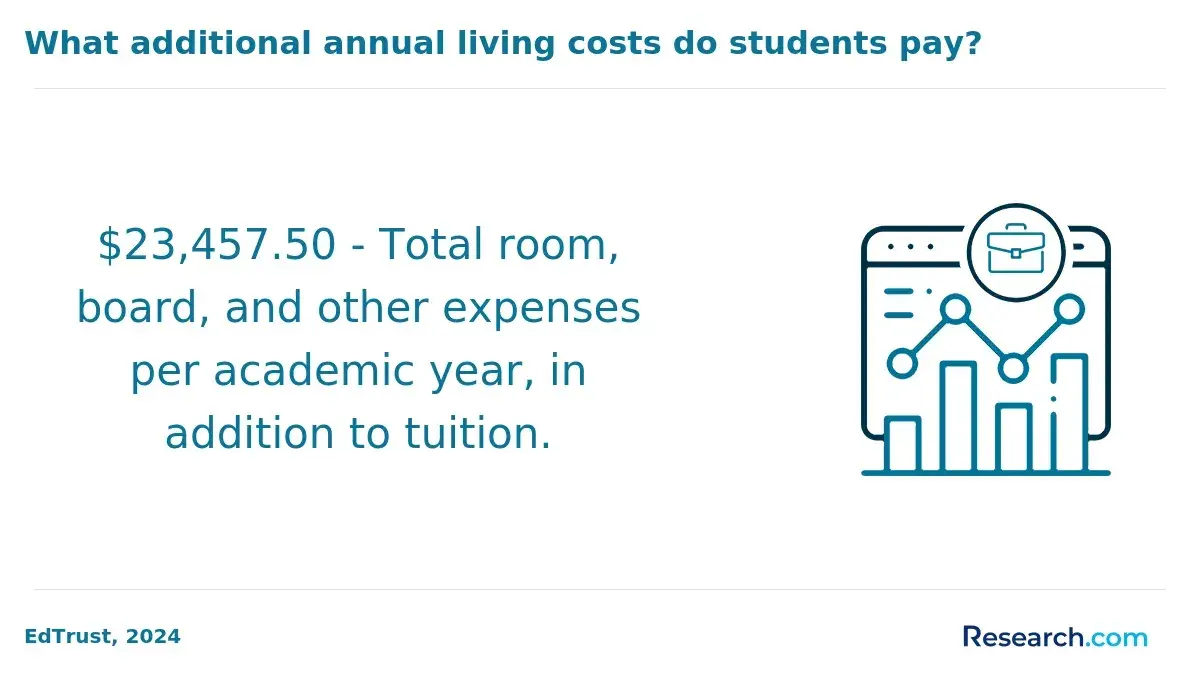
Tuition for part-time electrical engineering master's programs generally charges by the credit hour, with rates ranging from about $500 to $1,200 per credit depending on the institution. Public universities typically offer lower tuition for in-state residents, often between $500 and $700 per credit, while private schools and out-of-state students face higher costs, sometimes exceeding $1,000 per credit. Since most programs require between 30 and 36 credits, the cumulative tuition can total from roughly $15,000 to more than $40,000. This variability underscores the importance of examining specific program tuition frameworks when assessing part-time electrical engineering master's tuition fees.
The many factors influencing cost divergence include residency status, institutional prestige, and how programs deliver their curriculum. Online, hybrid, and on-campus formats may carry different price points, with some online programs applying slight premiums to cover technology and resource access. Part-time enrollment permits extending course completion over multiple years, spreading out tuition payments but potentially increasing the total financial commitment when considering extended enrollment fees and ancillary costs such as lab or technology fees. Such nuances critically affect the true cost of part-time electrical engineering graduate programs beyond raw per-credit prices.
Working professionals often leverage employer tuition assistance to offset these expenses, but this depends heavily on organizational policies and industry demand within electrical engineering specialties. The ability to pace coursework flexibly offers financial breathing room but can postpone the return on investment. For those weighing educational options, it's useful to compare cost structures while factoring in long-term benefits and practical constraints. For related perspectives on program choice flexibility, reviewing MFT masters programs can provide additional insights into balancing graduate education with professional responsibilities.
Do Programs Help Arrange Flexible Clinical Placements for Part-Time Students?
Part-time master's programs in Electrical Engineering typically coordinate practicum placements through formal relationships with industry partners, engineering firms, or distributed networks of organizations able to offer internships and project-based work. These programs often develop structured scheduling systems to accommodate students' outside commitments, including options for evening or weekend placements and virtual supervision where feasible. However, the degree of flexibility largely depends on the institution's resources, the strength of its industry connections, and whether the program explicitly integrates remote or hybrid practicum models tailored for part-time students.
Despite these mechanisms, practical challenges persist. Placement opportunities may be limited by predefined site availability, mandatory minimum hours, and geographic constraints that restrict where and when students can complete their practicum. Many programs must also adhere to accreditation or professional standards that impose rigid scheduling or performance criteria, reducing latitude for flexible timing. These realities mean that while part-time students are often promised adaptable placement options, the actual process can still involve significant negotiation and compromise with employers and academic administrators.
Working professionals aiming to optimize practicum success should consider early initiation of placement planning and explore leveraging current employers as practicum sites to minimize disruption. Selecting programs with established clinical or industry pipelines that consistently place part-time students can also improve placement outcomes. According to a 2024 survey by the National Center for Education Statistics, about 62% of part-time STEM graduate students reported access to flexible practicum scheduling or remote project options, indicating growing but not universal accommodation in these programs. Evaluating these factors critically helps align practicum expectations with personal schedules and long-term career trajectories.
What Challenges Do Students Face in Part-Time Electrical Engineering Master's Programs?
Part-time study in electrical engineering master's programs offers flexibility but introduces significant academic and logistical pressures distinct from full-time enrollment. Challenges vary according to program design, workload intensity, and the student's professional and personal demands, often forcing difficult tradeoffs that affect both learning depth and career momentum.
- Extended Time-to-Completion and Scheduling Constraints: Many part-time students face prolonged program durations, often 30-50% longer than full-time peers, due to limited course offerings outside typical work hours. This extension can delay skill acquisition and credentialing, reducing the degree's immediate labor market impact.
- Limited Access to Faculty and Laboratory Resources: Evening or weekend class schedules commonly restrict opportunities for direct interaction with faculty and hands-on lab work, critical for mastering complex electrical engineering concepts. This can reduce practical learning and weaken the application of theory to real-world problems.
- Reduced Networking and Collaborative Engagement: Part-time formats often diminish peer interaction and group projects, which limits exposure to professional networks and diminishes opportunities for collaborative problem-solving-a key component valued by employers in STEM fields.
- Cognitive Overload from Multiple Roles: Balancing full-time work, family responsibilities, and academic demands creates significant stress and burnout risks. Approximately 45% of part-time electrical engineering students report difficulty maintaining professional productivity while meeting academic deadlines, which can negatively impact both performance and wellbeing.
- Financial and Career Advancement Trade-Offs: While part-time study allows income continuity, slower progression can stifle wage growth and limit employer perception of the degree's equivalence to full-time study, requiring students to independently bridge competency gaps.
Which Careers Benefit Most From Part-Time Graduate Education?
Part-time graduate education in electrical engineering functions as a strategic tool for accelerating career progression in fields where professional experience, credentialing, and continuous skill development closely intertwine. Its impact is most notable in roles where advanced technical expertise must be applied immediately at work while maintaining full employment and income. This pathway is particularly valuable for those seeking to bridge skill gaps and meet employer expectations without career interruptions.
- Systems Engineers: These professionals integrate complex hardware and software, requiring up-to-date knowledge of evolving standards and architectures. Part-time study allows systems engineers to directly implement new learning into ongoing projects, enhancing their technical leadership and making them prime candidates for promotion without sacrificing income or workflow continuity.
- Telecommunications Engineers: Operating amid rapid technological advances such as 5G, part-time master's programs enable these engineers to stay current with emerging protocols and infrastructure developments. This continuous learning supports salary growth and eligibility for advanced roles in network design and operations management while preserving employment stability.
- Embedded Systems Developers: Designing hardware-software interfaces in sectors like automotive and consumer electronics demands mastery over real-time systems and microcontrollers. Part-time education permits immediate application of specialized skills, supporting innovation and problem-solving on the job, a critical factor for advancement in these highly technical roles.
- Power Systems Engineers: Responsible for grid modernization and renewable energy integration, they operate in a rapidly shifting regulatory and technological landscape. Part-time graduate programs help maintain compliance expertise and engineering innovation necessary for senior roles, all while avoiding career disruption.
A 2024 report from the U.S. Bureau of Labor Statistics notes that about 38% of mid-career engineers pursue part-time graduate studies to qualify for advanced technical or managerial positions without extended workforce absence. This method aligns closely with best part-time master's programs for working engineers, balancing ongoing employment with degree attainment.
Many working professionals also explore related fields, including healthcare, through specialized degrees such as online clinical psychology masters programs, indicating the wide applicability of part-time graduate education across career transitions.
What Factors Matter Most When Comparing Program Flexibility?
Program flexibility in part-time electrical engineering master's programs is a multidimensional concept that affects how students balance academic demands with professional and personal commitments. Flexibility varies widely based on program structure, delivery methods, and administrative policies, each influencing time-to-completion, workload management, and career continuity. Evaluating flexibility requires moving beyond simple labels to assess how well a program adapts to diverse student needs and real-world scheduling constraints.
- Course Scheduling Structure: The ability to choose from multiple course start dates or enroll in courses across different semesters impacts pacing options and how students integrate study with work. Limited scheduling can extend time-to-degree or force interruptions in enrollment.
- Asynchronous vs. Synchronous Delivery: Programs with a higher proportion of asynchronous courses offer greater self-paced learning critical for working professionals. However, reduced live interaction may diminish networking opportunities and mentorship, which are essential in applied fields like electrical engineering.
- Credit Load Adaptability: Part-time programs that allow flexible credit loads per term enable adjustment based on workload outside school. Rigid credit requirements can hinder sustained career engagement or cause burnout.
- Internship or Practicum Requirements: Mandatory in-person or fixed-schedule practical components may disrupt otherwise flexible online pacing, particularly for students balancing family or full-time work.
- Administrative Responsiveness and Support Services: Efficient advising, technical support, and streamlined enrollment procedures directly affect a student's ability to navigate academic challenges without delays or added stress.
According to a 2024 report by the National Center for Education Statistics, over 65% of graduate students enrolled online prioritize part-time electrical engineering master's program flexibility in the US that accommodates employment and life demands. Programs with clear, student-centered policies on these dimensions tend to yield better retention and academic outcomes for working professionals and career changers.
When comparing course delivery and scheduling in electrical engineering master's programs, students should focus on these granular factors rather than rely on broad statements of flexibility to ensure alignment with their long-term career goals and personal constraints.
When assessing technical degrees, it is also important to consider how practical experience is integrated. Unlike some fields such as an online photography degree for military veterans where the curriculum offers distinct pacing, electrical engineering programs often require a balance of theoretical learning and hands-on projects, making scheduling nuance crucial.
What Graduates Say About Studying Electrical Engineering Master's Programs Part-Time
- Jacky: "Completing my part-time electrical engineering master's while working full-time taught me how employers today really value hands-on experience and internships more than just licensure. Even with the degree, I had to invest additional time building a portfolio that demonstrated practical skills for the roles I wanted, as many companies prioritized that over formal certifications."
- Henrik: "I chose this program to pivot into remote-friendly roles, and it paid off in terms of flexibility more than a dramatic salary boost. The coursework was rigorous, and while I occasionally faced limits on how quickly I could advance without a PE license, the ability to work from various locations and balance family commitments made the trade-off worthwhile."
- Weston: "The program definitely prepared me better for the realities of hiring in electrical engineering, where many employers prioritize specific technical certifications and project experience. After graduating, I focused heavily on acquiring those niche certifications and collaborating on freelance projects to stay competitive rather than relying solely on my master's credentials."
Other Things You Should Know About Electrical Engineering Degrees
Part-time programs often extend learning over several years, which can dilute the intensity of technical immersion compared to full-time study. This slower pace may hinder deep, continuous engagement with rapidly evolving electrical engineering concepts, potentially impacting skill mastery. Prospective students should weigh whether their part-time schedule allows for sufficient hands-on practice and sustained focus, especially in areas like circuit design or embedded systems that require repeated application to achieve proficiency.
While a part-time master's degree provides advanced credentials, its longer timeline can delay the demonstration of new expertise needed for promotions or technical leadership roles. Employers may value the degree but also assess the applicant's current project impact and adaptability. For professionals targeting fast-tracked roles in innovation-heavy sectors, prioritizing milestone-driven, intensive programs might be more beneficial than prolonged part-time study.
Balancing a part-time master's program with full-time work requires effective time management strategies, such as setting a strict schedule, prioritizing tasks, and utilizing technology tools like digital planners. Students should communicate with employers to possibly adjust work expectations during exam periods.
Part-time students often spend less time on campus and in synchronous classes, reducing spontaneous interactions critical for complex problem-solving collaborations and professional networking. This may limit exposure to peer innovations and industry contacts compared to full-time cohorts. For those reliant on building industry connections through school, actively seeking supplemental networking opportunities or choosing programs with structured group projects is advisable to offset this shortfall.
References
- Working in the UK during your study | Visas and Immigration for study in the UK | University of Greenwich https://www.gre.ac.uk/visa/during-your-studies/working-in-the-uk-during-your-study
- The challenges of the part-time student http://fionasaunders.co.uk/the-challenges-of-the-part-time-student/
- Part-time Electrical Engineering | FH Münster https://www.fh-muenster.de/en/studiengaenge/elektrotechnik-in-teilzeit-master
- Part-time Electrical Engineering M. Eng. https://www.fh-swf.de/en/studienangebot/studiengaenge/elektrotechnik_m_eng___berufsbegleitendes_verbundstudium_/elektrotechnik_m_eng___berufsbegleitendes_verbundstudium_1.php
- Part-time Jobs for Engineering Students: How to Balance Work and Studies https://www.engineeringtutoring.co.uk/balancing-work-and-studies-part-time-jobs-for-engineering-students
- The benefits of a Masters degree in Electrical and Electronic Engineering - Videos at University of Surrey 13092 https://www.postgraduatestudentships.co.uk/video/the-benefits-of-a-masters-degree-in-electrical-and-electronic-engineering/13092