2027 Teaching Degree Programs With Rolling Admissions

Co-Founder and Chief Data Scientist
Traditional admission cycles often pose rigid deadlines that conflict with working adults' unpredictable schedules and ongoing career transitions into teaching. In contrast, rolling admissions offer a continual application process, allowing candidates to enroll without waiting for a fixed start date. According to the National Center for Education Statistics, about 40% of postsecondary students juggle work and study, highlighting the value of flexible enrollment in accommodating teaching candidates balancing employment and credentialing requirements.
This flexibility can reduce gaps between program application and practical training essential for certification timelines. This article explores how rolling admissions influence access, timing, and degree sequencing for teaching aspirants.
Key Benefits of Teaching Degree Programs With Rolling Admissions
- Rolling admissions in teaching programs allow applicants to align enrollment with varied certification exam schedules, reducing idle semesters but requiring precise timing to avoid gaps in practical training.
- Employers often prioritize candidates with up-to-date clinical hours; rolling entry can challenge synchronization of field experience with hiring cycles, affecting immediate employability.
- Extended application windows broaden access for nontraditional students balancing work or family, yet may increase overall program costs due to prolonged study periods and resource allocation.
How Do Teaching Degree Programs With Rolling Admissions Work?
Teaching degree programs with rolling admissions restructure the entry process to meet fluid workforce demands and offer candidates more adaptable start options. This model directly influences enrollment patterns and academic planning by allowing applications throughout the year rather than constraining them to fixed deadlines.
Understanding these operational nuances clarifies how flexibility comes with distinct tradeoffs, especially in fields like education where synchronization with internship cycles and certification timelines is vital.
- Continuous Evaluation: Programs assess applications as they arrive, which accelerates decision-making but requires candidates to apply early for the best chances. Late applicants often face limited slot availability, particularly in specialized areas like special education or STEM teaching, as cohorts fill progressively.
- Workforce Responsiveness: Rolling admissions enable institutions to react dynamically to teacher shortage spikes by adjusting intake throughout the year. For example, a district experiencing unexpected vacancies can benefit when local universities expedite admissions to meet urgent demand.
- Application Timing Impact: Students must weigh submitting applications early to secure placement against the flexibility of near-term application submission, which risks fragmented cohort belonging and delayed program completion. This timing affects not only access but also preparedness for certification exams and entry into teaching roles.
- Cohort and Community Effects: Unlike traditional deadline models that create synchronized cohorts, rolling admissions can dilute peer-network development, potentially reducing collegial support critical to teaching practice and internship coordination. This fragmentation presents real challenges for hands-on learning segments that rely on cohort stability.
- Academic and Career Planning: The flexible admission timelines of many rolling admissions programs require candidates to engage in proactive academic scheduling, balancing course availability uncertainties with workforce entry strategies. This model suits students who need adaptable start dates but demands sharper foresight for aligning program completion with employment cycles.
These factors illustrate how teaching degree programs with flexible admission timelines function in ways that can strategically support or complicate student pathways depending on timing and specialization. Institutions leveraging rolling admissions often aim to optimize enrollment in response to labor market trends, underlying the importance of informed application decisions. Prospective educators must consider these dynamics carefully.
For those comparing program structures and looking for options that combine flexibility with strong job readiness, exploring quick degree programs can also provide insight into efficient pathways within education and related fields.
What Are the Admission Requirements for Rolling Admissions Teaching Programs?
Rolling admissions in teaching programs reflect a nuanced approach where decisions emerge through continuous evaluation rather than fixed deadlines, affecting both candidate competition and application timing. This fluid process means early applicants may encounter less crowded applicant pools and faster responses, yet later candidates with stronger backgrounds can still secure spots, highlighting a strategic tradeoff between timing and qualification strength.
Admission requirements balance academic readiness with evidence of practical engagement, reflecting employer demand for not only theoretical mastery but also adaptability and real-world experience across diverse learning environments.
- Bachelor's Degree or Equivalent: Formal academic preparation in education or a related field is essential, serving as the baseline qualification before advancing to specialized teaching credentials.
- GPA Requirement: Programs typically expect a minimum GPA near 2.75 to 3.0, as consistent academic performance correlates with the analytical skills and discipline needed for teaching roles.
- Transcripts: Official records must confirm completion of prerequisite coursework, ensuring foundational knowledge relevant to education theory and practice.
- Application Form: A comprehensive, accurately completed application is crucial for timely review and considerations in rolling admissions systems.
- Letters of Recommendation: Insightful endorsements from academic or professional contacts provide evaluators with context on interpersonal skills and practical aptitude.
- Personal Statement: Reflective essays convey candidates' motivation, adaptability, and alignment with educational workforce needs, often weighing heavily in holistic reviews.
- Experience with Children or Educational Settings: Demonstrable involvement in relevant environments can offset lower academic metrics, illustrating real-world readiness valued by many districts and employers.
- Standardized Test Scores (Optional): Exams like GRE or Praxis may be requested but are frequently deprioritized in favor of holistic assessments under rolling admission practices.
When Should You Apply for Rolling Admissions Programs?
Rolling admissions in teaching programs function by assessing applications continuously rather than after a single deadline, which fundamentally alters how applicants should approach timing. Early applicants often encounter a less saturated pool and a wider selection of available seats, making acceptance more feasible and increasing access to institutional funding such as scholarships or assistantships.
This staggered review process means that as the cycle progresses, both classroom space and financial aid resources diminish, reducing the overall competitiveness for those submitting mid- or late-cycle. Applicants prepared with all prerequisites, evaluations, and documentation can leverage early application to secure a preferred cohort or course schedule, while those waiting risk limiting their options and introducing uncertainty in their academic trajectory.
The advantage of rolling admissions comes with tradeoffs that reflect practical realities: mid-cycle submissions still hold potential but may involve compromises such as delayed enrollment dates or restricted course selections due to seat limitations. Late applicants essentially depend on openings created by cancellations or waitlist movements, producing a higher risk of rejection and potentially disrupting sequential licensure or job market alignment.
Moreover, delaying application can extend the duration before program completion, affecting when candidates enter the educational workforce and diminishing their ability to capitalize on seasonal hiring patterns. The timing of a roll-in decision also indirectly signals organizational readiness to admissions committees, which weigh such nuances when evaluating otherwise comparable applicants.
Are Rolling Admissions Common in Online Programs?
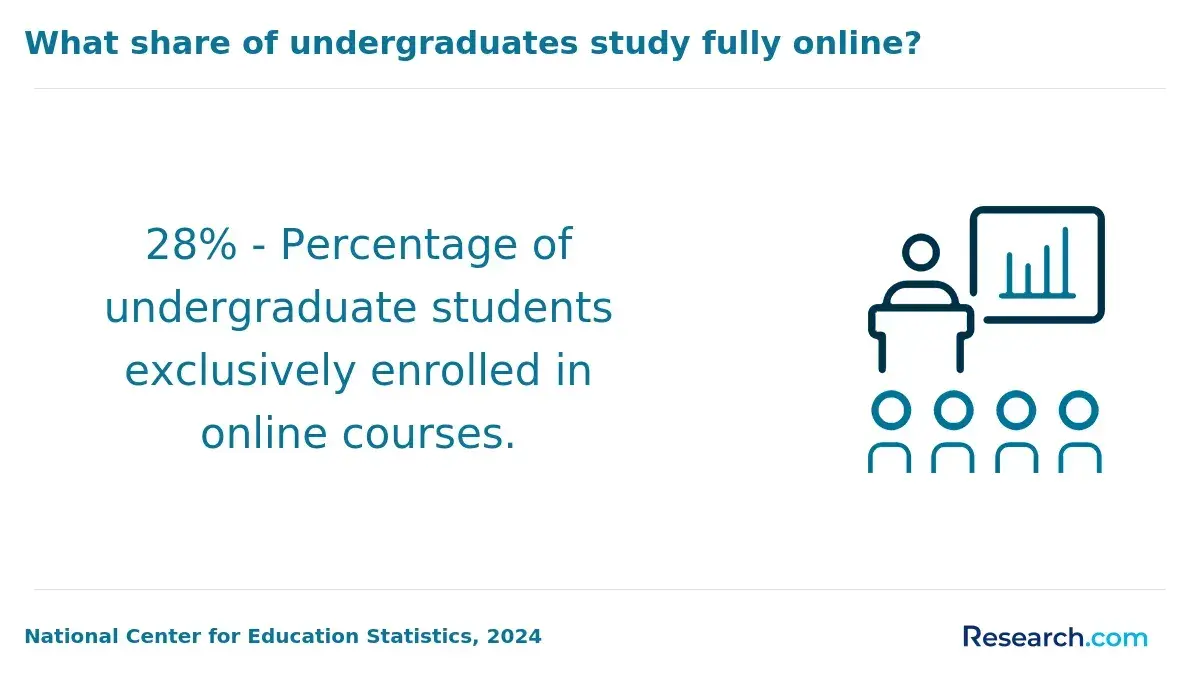
Rolling admissions have become a significant feature in many online teaching degree programs, reflecting a strategic response to the needs of remote learners. Unlike traditional on-campus programs that rely on fixed semester start dates and cohort models, online programs leverage rolling admissions to accommodate enrollment at multiple points throughout the year.
This approach enhances scalability and enrollment flexibility, allowing institutions to better manage supply-and-demand fluctuations without overwhelming administrative resources. Particularly in programs targeting working professionals or adult learners, rolling admissions align with scheduling flexibility and reduce time-to-entry, which can be a critical factor for retention and timely degree completion within the broader landscape of rolling admissions in online teaching degree programs.
However, the adoption of rolling admissions is not uniform across all online teaching programs. Programs facing licensure requirements or limited placement opportunities in clinical practicums often maintain fixed enrollment windows to coordinate these logistics effectively. Additionally, while rolling admissions can expedite access, competitive pressure intensifies for seats in each cycle, especially in high-demand programs.
Data from the National Center for Education Statistics shows roughly 40% of online undergraduate education programs use rolling admissions, illustrating a growing but selective pattern tied to operational priorities. Prospective students should weigh the benefits of flexible start dates against potential admission competition and program-specific constraints, choosing pathways that best fit their professional timelines and workforce goals.
For those considering enrollment options, comparing flexible programs with other fields, such as the cheapest online engineering degree offerings, can provide additional context on how rolling admission trends vary across disciplines.
Do Rolling Admissions Schools Have Higher Acceptance Rates?
Rolling admissions does not inherently translate to higher acceptance rates, as this model primarily dictates the timing of application review rather than the selectivity of the program. Acceptance rates depend heavily on structural factors such as program capacity, demand, and cohort size.
A highly competitive teaching program with limited slots will maintain rigorous standards regardless of a rolling admissions policy, while less competitive or newly established programs may show elevated acceptance rates unrelated to application timing. The misconception that rolling admissions ease entry likely arises because early applicants may face less competition simply due to more available seats before enrollment fills.
Application timing within rolling admissions can influence admission chances indirectly but does not lower overall standards. Early applicants often benefit from greater availability, whereas those applying later might confront tighter competition or closed admissions once capacity is reached. This reflects enrollment management rather than admission leniency.
Additionally, acceptance rates vary widely between institutions and teaching pathways: selective universities with rolling policies often have low acceptance rates, while community or online programs may be more accessible. A 2022 National Center for Education Statistics analysis noted acceptance rates for flexible-entry teaching programs range broadly, shaped more by institutional reputation and market demand than the admission process itself, underscoring the need to assess programs beyond their application models.
How Much Do Rolling Admissions Teaching Programs Cost?
The cost structure for teaching degree programs with rolling admissions in the US often hinges on a per-credit-hour tuition model, typically ranging between $300 and $700 per credit. This base tuition forms the core expense, but additional fees-such as institutional charges for technology, library access, and administration-commonly add $50 to $200 each term. Programs including lab or clinical components may tack on further course-specific fees from $100 to $400, reflecting the practical training essential in teacher preparation.
While rolling admissions itself does not alter tuition rates, it enables flexible enrollment timing that can influence when payments are due, allowing students to manage cash flow and budget tuition expenses more strategically over different academic cycles. For example, a candidate beginning midyear might stagger tuition payments differently than one starting in a traditional fall term, which can be crucial for those balancing work or family responsibilities during program entry.
Beyond costs per credit or course fees, the teaching degree programs' delivery method also shapes overall financial impact. Hybrid or accelerated tracks might require concentrated payments in shorter periods but can reduce total tuition paid by shortening time-to-completion. Cohort-based programs may offer stable tuition rates locked for a group, limiting price inflation but restricting pacing flexibility, whereas newer subscription- or competency-based models charge monthly fees that support self-paced progress but risk higher total costs if completion drags longer than anticipated.
These dynamics make evaluating average tuition fees for rolling admissions teaching programs essential to understanding not just sticker price but cash flow and opportunity costs in professional timelines. For students assessing alternatives-including fields with different cost profiles like the masters in game design recognizing how program design interacts with rolling admissions can guide financial planning and employment readiness decisions.
Are Career Outcomes Different for Rolling Admissions Students?
Career outcomes for students admitted through rolling admissions in teaching degree programs generally show no inherent advantage or disadvantage directly tied to the admissions format itself. Rolling admissions serves as an enrollment tool allowing continuous application submissions rather than fixed deadlines, without altering the educational rigor, skill-building, or professional preparedness provided by the program.
Instead, factors like program accreditation and reputation, specific teaching specializations such as early childhood or secondary education, and the availability of hands-on internships and field experiences play a decisive role in employability and long-term career trajectories. Additionally, local demand for educators in particular regions and subject areas remains a critical influence on job placement success, irrespective of the timing or nature of admissions.
There can be an incidental benefit to rolling admissions if it facilitates earlier program entry for some students, potentially enabling them to graduate and seek employment sooner than cohorts tied to fixed admission cycles. However, this timing edge varies widely, depending on institutional policies and how quickly students complete requirements.
According to the National Center for Education Statistics, approximately 70% of graduates from teaching programs find relevant educational employment within one year post-completion, a metric more closely associated with program quality and career support resources than with admission scheduling. Employers predominantly emphasize practical classroom experience, certification status, and adaptability to evolving education standards rather than the enrollment pathway of new hires.
Can Rolling Admissions Programs Lead to High-Paying Careers?
High-paying careers in teaching are fundamentally shaped by factors such as specialization, institutional quality, and regional labor markets rather than the admissions timeline. Rolling admissions serve primarily as an administrative accommodation, allowing students flexibility in application and enrollment, but they do not directly influence earning potential.
A candidate specializing in STEM education with strong practical internships and professional networks at an accredited institution will typically command higher salary prospects regardless of whether they enrolled through rolling or fixed admissions. Geographic location further complicates salary outcomes; teachers in certain states or districts earn significantly more, making local market conditions a more critical factor than enrollment timing.
While rolling admissions can indirectly affect career timelines by enabling earlier or more convenient program starts, leading to potentially earlier workforce entry, this marginal timing advantage does not guarantee higher wages or better job placement. Salary ranges for teaching professionals vary widely-from around $40,000 to over $100,000 annually-depending on grade level, specialization, and experience.
Thus, practical considerations like the quality of internships, access to licensure, and sustained skill development weigh far more heavily on long-term income trajectories. Prospective students should therefore prioritize program attributes and career relevance over the flexibility of the admissions process when evaluating their earning potential post-graduation.
What Are the Disadvantages of Rolling Admissions Programs?
Rolling admissions in teaching degree programs present tangible drawbacks that extend beyond mere application flexibility. The absence of fixed deadlines, while seemingly advantageous, often results in delayed submissions as candidates attempt to strengthen their credentials or explore alternatives. This behavior can lead to limited seat availability late in the admissions cycle, forcing applicants into rushed decisions that may not align with their career plans.
- Indefinite application window encourages procrastination: Without clear deadlines, candidates may postpone applications, reducing their program options and increasing the risk of compromises in course selection or timing.
- Fluctuating cohort sizes strain resources: Rolling admissions cause uneven enrollment numbers, impacting access to specialized instruction and mentoring crucial for teacher preparation.
- Mismatched timing with employer hiring cycles: Many school districts follow traditional academic calendars for hiring and internships; entering programs off-cycle can delay practical field experience and job placements.
- Extended program completion times: Data from the National Center for Education Statistics show 37% of teaching credential candidates admitted through rolling admissions take longer to graduate, translating into higher costs and deferred earnings.
When evaluating the challenges of rolling admissions in teaching programs, prospective students should consider not only immediate flexibility but also how these timing uncertainties can affect long-term employability and program outcomes. These trade-offs are especially pertinent compared to traditional admissions structures, which often better synchronize with school hiring and internship schedules.
Students investigating flexible enrollment pathways might also explore related fields with more structured admission timelines, such as project management degrees, which may offer clearer alignment with workforce demands and practical training opportunities.
How Do You Choose the Best Teaching Program With Rolling Admissions?
Comparing teaching programs with rolling admissions requires attention beyond flexible deadlines; it demands scrutiny of how admission policies affect timely access and career momentum. Choosing a program without evaluating practical elements like accreditation or student outcomes can delay licensure or reduce employability in a competitive job market.
- Accreditation status: Regional or national accreditation impacts your eligibility for state licensure and how employers view your credential. It also influences credit transferability if further education is pursued.
- Graduation and retention rates: Programs with strong retention demonstrate effective student support and realistic workloads, crucial for those balancing work or family, especially in flexible admission settings.
- Admissions frequency and processing speed: Rolling admissions imply ongoing entry opportunities, but the actual timeline between application and enrollment can vary significantly, influencing how quickly you can start your pathway.
- Employability and practicum options: Job placement quality depends on partnerships with local districts and opportunities for hands-on student teaching, which enhance real-world readiness valued by hiring schools.
- Instruction mode and technology: Online or hybrid programs that support asynchronous learning can serve nontraditional students better, though challenges in engagement may extend completion times.
These factors together form the basis for how to choose the best teaching program with rolling admissions in the US, helping align your educational choices with workforce demands and personal constraints. For related career pathway insights, see what jobs can you get with an environmental science degree.
What Graduates Say About Teaching Degree Programs With Rolling Admissions
- Jase: "Balancing a full-time job while enrolled in a teaching degree program with rolling admissions was challenging, but the flexibility allowed me to pace myself according to my workload. I chose this program to avoid the typical semester start conflicts and to capitalize on the chance to build a portfolio through multiple internships, which ended up being crucial during the job search. Although I didn't get licensure immediately, the hands-on experience helped me secure a paraeducator role and opened pathways to work in after-school programs."
- Kyro: "After considering the financial constraints of returning to school, I opted for a rolling admissions teaching program because it allowed me to start sooner without waiting many months. The trade-off was a heavier initial workload to keep up with accelerated coursework, but the practical skills I gained helped me land a substitute teaching position quickly. However, I realized that employers still highly value formal licensure, so I'm now planning to pursue certification while gaining more classroom experience."
- Aaron: "I was hesitant about switching careers late, but the rolling admissions schedule gave me the chance to begin teaching studies without delay, which was critical given my limited time and resources. Although I initially aimed solely for licensure, I quickly learned that employers often prioritize proven classroom experience, so I took every internship opportunity to build that track record. While salary growth remains capped without full certification, the program's structure allowed me to enter the workforce faster and pivot into education support roles sooner than traditional pathways would have."
Other Things You Should Know About Teaching Degrees
Programs with rolling admissions often stagger student entry throughout the year, which can affect scheduling and availability of key practicum placements. Candidates may face uneven or limited options for hands-on fieldwork depending on when they start, delaying crucial classroom experience. Prioritizing programs that maintain consistent practicum partnerships year-round helps ensure smoother integration into teaching environments and timely program completion.
Rolling admissions typically mean smaller, more fluid cohorts rather than fixed groups moving through the curriculum together. This can diminish peer learning opportunities and structured networking, potentially leaving students with less collaborative support. When community and cohort camaraderie are important, applicants should weigh programs with regular, synchronized start dates more favorably despite the flexible admissions advantage.
Because students start at varied times, sequential courses and capstone teaching projects might not align neatly, causing irregular workload spikes or gaps. This unpredictability can strain time management, especially for those balancing jobs or families. Applicants should seek programs that explicitly accommodate flexible starts without compromising coherent progression through teaching standards and certification requirements.
References
- Choosing the school that's right for you : My College https://my.chartered.college/early-career-hub/choosing-the-school-thats-right-for-you/
- Top 2025 Colleges with Rolling Admissions | Flexible Deadlines https://www.educationconnection.com/resources/colleges-with-rolling-admissions/
- Rolling Admissions Explained: How It Works and When You Should Apply https://riseglobaleducation.com/blogs/rolling-admissions-explained-how-it-works-and-when-you-should-apply
- The Advantages and Disadvantages of Rolling Admissions https://www.petersons.com/blog/the-advantages-and-disadvantages-of-rolling-admissions/
- Guide to Colleges with Rolling Admissions https://ingeniusprep.com/blog/a-comprehensive-guide-to-colleges-with-rolling-admissions/
- What Would a Real Teaching Career Look Like? - TNTP https://tntp.org/blog/what-would-a-real-teaching-career-look-like/
- What Does Rolling Admission Mean? + Top Universities | College Essay Guy https://www.collegeessayguy.com/blog/rolling-admission
- The 10 Highest Paying Jobs With a Teaching Degree [Quiz] https://www.umassglobal.edu/blog-news/highest-paying-jobs-with-a-teaching-degree
- Colleges with Rolling Admissions | What is Rolling Admission? https://www.collegeadvisor.com/resources/colleges-with-rolling-admissions/
- Online Master’s Programs with Rolling Admissions 2025 https://mastergradschools.com/master-admissions/online-masters-programs-rolling-admissions