2027 Does an Online Teaching Degree Qualify You for Licensure?

Co-Founder and Chief Data Scientist
Can an online teaching degree fully satisfy state licensure requirements? This question often arises among career changers juggling work and study, aiming for a flexible yet credible path into education. Licensure generally involves completed coursework, supervised student teaching, and passing standardized exams, which could raise concerns about whether virtual programs adequately prepare candidates. The Bureau of Labor Statistics projects a 7% growth in teaching jobs through 2031, underscoring the importance of meeting certification standards.
This article explores if an online teaching degree can qualify graduates for licensure and highlights essential factors prospective students should assess before enrolling.
Key Things to Know About Online Teaching Degree Licensure Qualifications
- Accreditation and state approval of online teaching programs are essential; only those recognized by regional or national agencies typically meet licensure education standards.
- Licensure requirements vary widely by state, so graduates must verify their online degree's acceptance within their intended licensure jurisdiction to ensure eligibility.
- Completion of clinical practice, practicum, or supervised teaching experiences is often mandatory, providing practical training critical for qualifying for professional teaching licensure.
Does an Online Teaching Degree Qualify You for Licensure?
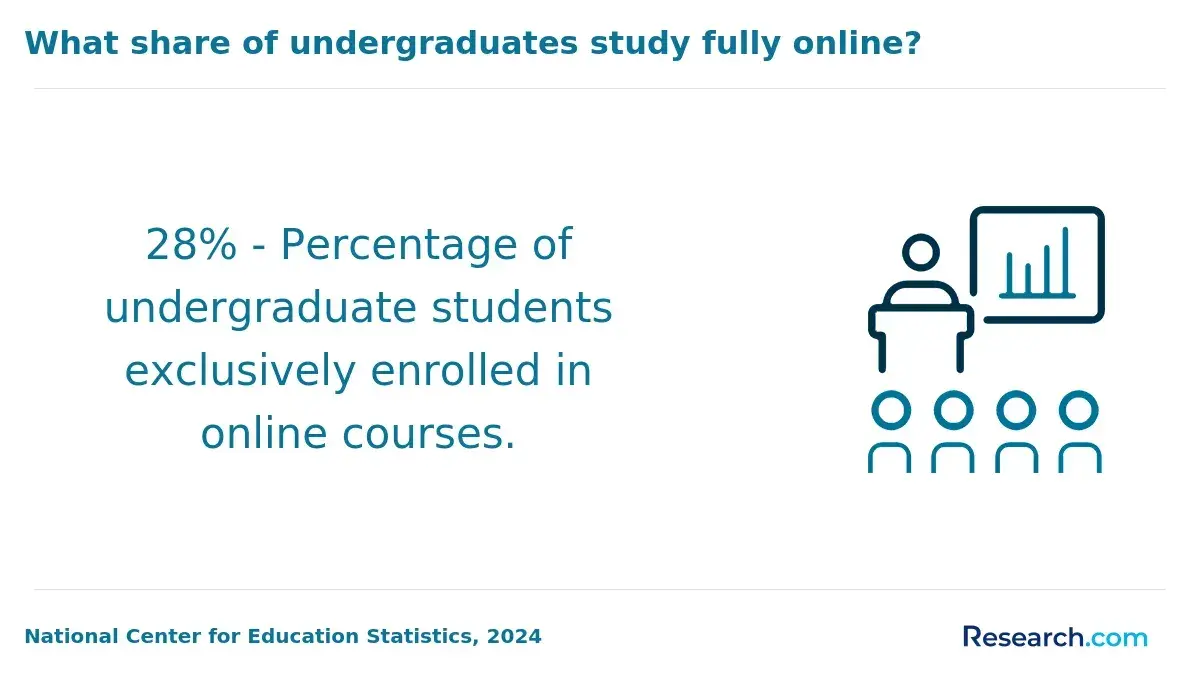
Online education has become increasingly prevalent in fields that lead to professional licensure, including teaching. Enrollment in distance education courses has grown by over 30% in recent years, reflecting a strong shift toward virtual learning environments for professional preparation. This rise in online programs has sparked questions about how an online teaching degree fits into the licensure exam and certification process. Understanding these dynamics is essential for those considering an online path to becoming a licensed educator.
Whether an online teaching degree qualifies you for licensure depends largely on several key factors related to program legitimacy and educational standards. Critical elements include the institutional recognition of the university, the extent to which the curriculum aligns with licensure requirements, and the availability of supervised practical components such as student teaching experiences. Only programs that meet these established educational standards can ensure that graduates will be eligible for licensure in their state. Prospective students interested in accelerated options might also explore offerings like the cheapest online doctorate in educational leadership as part of their research.
Which Teaching Careers Require Professional Licensure?
Professional licensure is crucial in certain education careers to ensure that practitioners meet rigorous standards of knowledge, skill, and ethics. In fact, about 90% of teaching roles in the U.S. require state-issued licensure or certification, reflecting the importance of protecting student welfare and educational quality. Below are key teaching careers where licensure is typically mandatory.
- K-12 Teachers: Licensure is generally required for public school teachers across elementary, middle, and high school levels. It confirms that teachers have undergone appropriate preparation and are qualified to deliver a comprehensive curriculum safely and effectively.
- Special Education Teachers: These educators need specific licenses due to the specialized nature of their work, adapting instruction to support students with disabilities and ensuring compliance with legal and educational standards.
- School Counselors: Professional licensure or certification affirms training in counseling, student mental health, academic guidance, and crisis management, helping schools provide vital support services.
- Speech-Language Pathologists: Although not traditional teachers, SLPs in schools must be licensed to legally practice, given their critical role in addressing communication disorders that can affect academic success.
- School Librarians: Depending on jurisdiction, librarians serving in schools may also require licensure, highlighting their role in managing educational resources and promoting literacy.
A Teaching degree graduate shared his experience navigating this landscape, noting that "Securing licensure was a daunting process filled with paperwork and waiting periods, but it reassured me that I was fully prepared to support my future students." He added that the credential offered a "clear benchmark of professionalism" that helped him feel confident entering the classroom. The process, while challenging, underscored the responsibility carried by licensed educators and validated the investment in his education.
What Accreditation Is Required for Teaching Licensure?
Accreditation is essential for ensuring that an online teaching degree qualifies graduates for professional licensure. Programs with proper accreditation often produce higher licensure exam pass rates; for example, those accredited by the Council for the Accreditation of Educator Preparation (CAEP) report pass rates exceeding 90%. These accreditations confirm that the program meets strict academic and professional standards required for licensure recognition. Below are some key accrediting agencies important for teaching licensure eligibility.
- Council for the Accreditation of Educator Preparation (CAEP): As the premier national accreditor, CAEP focuses on evidence-based standards that closely align programs with licensure requirements and ensures thorough preparation of future educators.
- Teacher Education Accreditation Council (TEAC): Formerly a separate entity now merged into CAEP, TEAC previously validated programs by emphasizing quality assurance measures that support licensure readiness.
- Council on Occupational Education (COE): This accreditor oversees career and technical education programs, including certain teaching preparation tracks, prioritizing workforce readiness tied to licensure eligibility.
- Regional Accreditors: Institutions accredited by bodies such as the Higher Learning Commission (HLC) or Middle States Commission on Higher Education (MSCHE) receive broad academic approval. Although not education-specific, this institutional accreditation is typically required to legitimize the overall quality of online teaching degrees.
Graduates intending to pursue licensure should confirm their program has accreditation from one or more of these recognized organizations, ensuring compliance with the educational standards necessary for professional teaching credentials.
Do Licensure Requirements Vary by State for Teaching Careers?
State regulations significantly influence licensure eligibility for graduates of both online and traditional teaching programs. According to the Interstate Teacher Mobility Compact, about 70% of states impose specific restrictions on the transfer of teaching licenses across state lines. This highlights how state-specific licensure requirements for teaching professionals impact many educators' career paths. The following discussion explores how these variations affect degree recognition and licensure.
Licensing rules differ across states, affecting factors like required coursework, the amount of clinical practice, and whether online degree programs are accepted. Some states explicitly recognize accredited online teaching degrees as meeting their standards, while others prioritize in-person training, resulting in inconsistent eligibility criteria nationwide. These state-dependent regulations directly influence whether a graduate with an online teaching degree can become licensed to teach professionally. Prospective educators should carefully examine how local policies shape acceptance of their educational credentials and qualifications.
For those seeking guidance on affordable and flexible online education options, resources such as masters in psychology online cheap programs may offer insights into cost-effective pathways in related fields.
What Online Courses Are Required for Teaching Licensure?
Online teaching degree programs are carefully structured to fulfill state licensure requirements, offering courses that meet essential educational standards. Over 75% of teacher candidates now complete some or all of these courses online, reflecting wider acceptance and effectiveness of digital learning in educator preparation. Below are the key types of coursework typically required to qualify for teaching licensure through online programs.
- Foundational Educational Theory: These courses explore developmental psychology, learning theories, and pedagogical frameworks that provide the groundwork for understanding how students learn and engage in the classroom.
- Applied Instructional Practices: Candidates build practical skills in lesson planning, teaching methods, and classroom management, ensuring they can effectively address the needs of diverse learners in real teaching environments.
- Educational Ethics and Professionalism: Emphasizing the ethical responsibilities of educators, these classes cover equity, professional conduct, and legal considerations crucial for supporting all students fairly and responsibly.
- Research Methods and Data Analysis: Coursework in this area trains future teachers to critically evaluate educational research and apply evidence-based strategies, fostering continuous improvement and informed decision-making in their practice.
A professional with a Teaching degree shared that navigating the online coursework was initially challenging due to the need for strong self-discipline and time management. She appreciated how the program's structured content aligned well with licensure expectations, particularly valuing the research methods class for enhancing her confidence in interpreting data. Reflecting on the experience, she mentioned feeling reassured that these focused courses helped prepare her thoroughly for both the licensure process and the realities of classroom teaching.
Do Online Teaching Programs Require Internships for Licensure?
Internship or practical experience components are frequently integrated into online teaching degree programs to meet professional licensure standards. Around 85% of online or hybrid teacher preparation programs include a requirement for hands-on learning, ensuring candidates gain real-world experience despite a primarily virtual curriculum. These experiential elements are designed to bridge the gap between academic theory and classroom application. This discussion will examine how such requirements influence the licensure qualification process for online candidates.
The necessity and format of internships can differ significantly based on the design of the teaching program and the demands of licensing authorities. While some programs combine online instruction with in-person placements at schools near students' communities, others adapt the timing and duration of practical experiences to match state criteria. Internships emphasize applied skill development, such as crafting lesson plans, managing classrooms effectively, and engaging students, rather than functioning solely as procedural mandates. These experiences are essential to transform theoretical knowledge into effective teaching practice and ensure readiness for professional roles.
How Do Licensing Exams Work for Online Teaching Graduates?
Licensing exams serve as a standardized measure of competency for graduates of both online and traditional teaching degree programs. According to a 2022 report from the National Assessment Governing Board, first-time pass rates on these exams are approximately 75%. This consistency underscores the equal footing of online teaching graduates when pursuing professional licensure. Key elements of these licensing exams for online graduates include:
- Eligibility: Candidates who complete an approved teaching degree program-whether online or on campus-generally qualify to register for licensure exams, provided the degree meets state educational requirements.
- Exam Content Areas: Exams commonly assess knowledge in pedagogy, subject-matter expertise, classroom management, and professional ethics, ensuring that all candidates meet uniform professional standards.
- Preparation Expectations: Successful candidates often engage in comprehensive preparation involving study guides, practice tests, and coursework designed to align with exam frameworks and competencies required for teaching.
- Testing Administration: Exams are conducted through secure testing centers or authorized online proctoring platforms, maintaining consistent and fair testing conditions for all examinees.
This standardized approach confirms that an online teaching degree can effectively prepare candidates to demonstrate the knowledge and skills required for professional licensure, making it a viable pathway comparable to traditional programs.
How Do You Verify an Online Teaching Program's Licensure Status?
Verifying whether an online teaching degree qualifies for professional licensure is essential for students aiming to enter the education workforce. Studies indicate that about 30% of students enrolling in online programs later find their degrees do not meet licensure eligibility, risking wasted time and resources. To help navigate these challenges, here are key steps to verify an online teaching program's licensure status.
- Official Program Disclosures: Accredited programs usually provide clear information about licensure eligibility, specifying which states recognize the degree for teaching licensure. Students should carefully review these disclosures on program websites or informational materials to confirm the degree's alignment with licensure requirements.
- Institutional Recognition: Checking if the school holds regional or national accreditation is critical, as this status often underpins state approval for licensure. While accreditation alone does not guarantee eligibility, it signals that the program meets recognized educational standards and is credible.
- Licensing Board Requirements: State licensing boards publish criteria and approved program lists online, which students can consult directly. Comparing an online degree's credentials against these official resources ensures the program complies with state mandates for licensure.
- Program Outcomes: Transparency about graduate licensure pass rates or employment statistics offers insight into how effectively a program prepares students for professional teaching licenses. Publicly shared outcomes bolster confidence in the program's legitimacy.
- Related Degree Options: Some students may also explore related fields for licensure pathways; for example, investigating an accelerated cyber security degree online can illustrate how specialized online degrees align with licensure or certification standards.
What Challenges Do Online Teaching Students Face With Licensure?
Licensure pathways for online teaching students are often more complex than for traditional learners due to varying state requirements and the unique elements of online programs. Research shows that licensure attainment rates for graduates of online teaching programs can be approximately 15% lower than those following conventional routes. These credentialing barriers highlight significant challenges faced by online students pursuing professional licensure. Below are several key challenges commonly encountered.
- Varied Program Expectations: States and licensing agencies enforce different criteria that may not fully recognize online teaching degree elements. This lack of uniformity often results in more critical evaluation of coursework and practicum, complicating fulfillment of state requirements for licensure with an online teaching degree.
- Documentation Complexity: Online students must navigate extensive paperwork, including transcripts, syllabi, and fieldwork evidence. Properly organizing and understanding these materials is critical, as unfamiliarity can cause delays or application denials.
- Program Alignment: Ensuring the online teaching program adequately covers professional standards is essential. Misalignment can lead to additional coursework or exams, extending the path to licensure.
- Eligibility Pathways: Different states and specialties may require alternative certification routes or endorsements. Online students often face challenges interpreting these varied requirements without specialized advising.
These licensing hurdles for online teaching degree graduates underscore the importance of thorough research prior to enrollment. For those exploring alternative degree options with accelerated timelines, consider programs such as the accelerated sports management degree online, which provide a perspective on how online education can vary between fields.
Are Online Teaching Degrees Respected in Licensed Professions?
Perceptions surrounding online education, especially in licensed professions like education, have shifted significantly. Initially met with skepticism about rigor and quality, online teaching degrees are now viewed more favorably as technology and instructional design improve. A study by the National Center for Education Statistics shows that over 70% of employers regard online degrees from reputable institutions as equally credible as traditional ones. This growing acceptance sets the stage for evaluating how online teaching credentials fare among licensed professionals across the U.S.
Respect for an online teaching degree within licensed education professionals often depends less on the mode of delivery and more on the program's overall quality, learning outcomes, and demonstrable mastery of teaching skills. Employers and school districts increasingly prioritize candidates' proven competencies over where their degrees were earned, reflecting broader acceptance of online teaching credential programs among school districts. Key considerations include aligned professional standards and institutional reputation. For those interested in related fields, programs like a graphic design degree also illustrate this trend of growing respectability for online credentials.
What Graduates Say About Online Teaching Degree Licensure Qualifications
- Nella: "Choosing to pursue an online teaching degree for licensure was a game-changer for me, especially with my busy work schedule. I learned that many accredited online programs meet state licensure requirements, which gave me the flexibility I needed without compromising quality. This path allowed me to advance my career while gaining valuable credentials that are respected in the education field."
- Kylie: "Obtaining my teaching licensure through an online program was a reflective journey that challenged my perceptions about remote learning. I found that while online degrees often qualify for licensure, it's essential to verify the program's accreditation and practicum opportunities. Ultimately, having my license opened doors in school districts that value diverse and flexible educational backgrounds."
- Evelyn: "From a professional standpoint, pursuing a teaching licensure via an online degree was a strategic decision that aligned with my career goals. The process taught me that many online programs are designed specifically to prepare candidates for licensure exams and classroom readiness. Licensure has since played a critical role in establishing my credibility and expanding my opportunities within the education sector."
Other Things You Should Know About Teaching Degrees
Yes, many online teaching degree programs include practicum or student-teaching components that can fulfill experience requirements. However, the specific amount and type of field experience accepted depend on the state's licensure board. It is important for students to confirm that their online program's practical experience aligns with the state's standards.
Some states may distinguish between fully online programs and hybrid models that combine online coursework with in-person training. Hybrid programs that include face-to-face components, such as school-based internships, often meet licensure prerequisites more straightforwardly. Prospective teachers should verify state policies to understand how different program formats impact licensure eligibility.
In some cases, graduates of online teaching programs might still need to complete additional certification or endorsement courses after earning their degree. This depends on the licensing rules of the state and the specific teaching subject or grade level. It is advisable to plan for potential supplementary coursework to meet all certification criteria.
References
- How to Get Your Teacher Certification: Requirements by State https://www.alleducationschools.com/teacher-certification/
- NCDPI Online Licensure System https://vo.licensure.ncpublicschools.gov/
- Public | Search | ELAR Licensure https://elar2.com/Public/Search
- Online, Accredited & Alternative Teacher Certification Program https://moreland.edu/teacher-certification-program-online
- From Low Pay to Six Figures: Teacher Salaries and Requirements in All 50 States https://www.boredteachers.com/post/teaching-license
- Get Certified to Teach - Pathways to Teach Canada https://pathwaystoteach.ca/get-certified-to-teach
- Online Teaching Certification. What You Need to Know! https://chinabyteaching.com/online-teaching-certification-what-you-need-to-know/
- Understanding the Difference Between Teachers' Training Accreditation and National/State Licensure https://www.qahe.org/article/understanding-the-difference-between-teachers-training-accreditation-and-national-state-licensure/
- Major Challenges of Online Learning & in Distance Education https://advantagesschool.com/online-education-challenges/
- Teacher Certification Requirements by State https://teach.com/careers/become-a-teacher/teaching-credential/state-requirements/