2027 Online Psychology - Mental Health Degrees With Counseling Foundations Concentrations

Co-Founder and Chief Data Scientist
For many aspiring professionals with existing work or family responsibilities, finding a flexible, accredited program that balances foundational counseling skills with advanced mental health concepts is a pressing challenge. The shift toward remote learning models has expanded access, yet students must navigate programs that vary widely in clinical training quality and state licensure alignment.
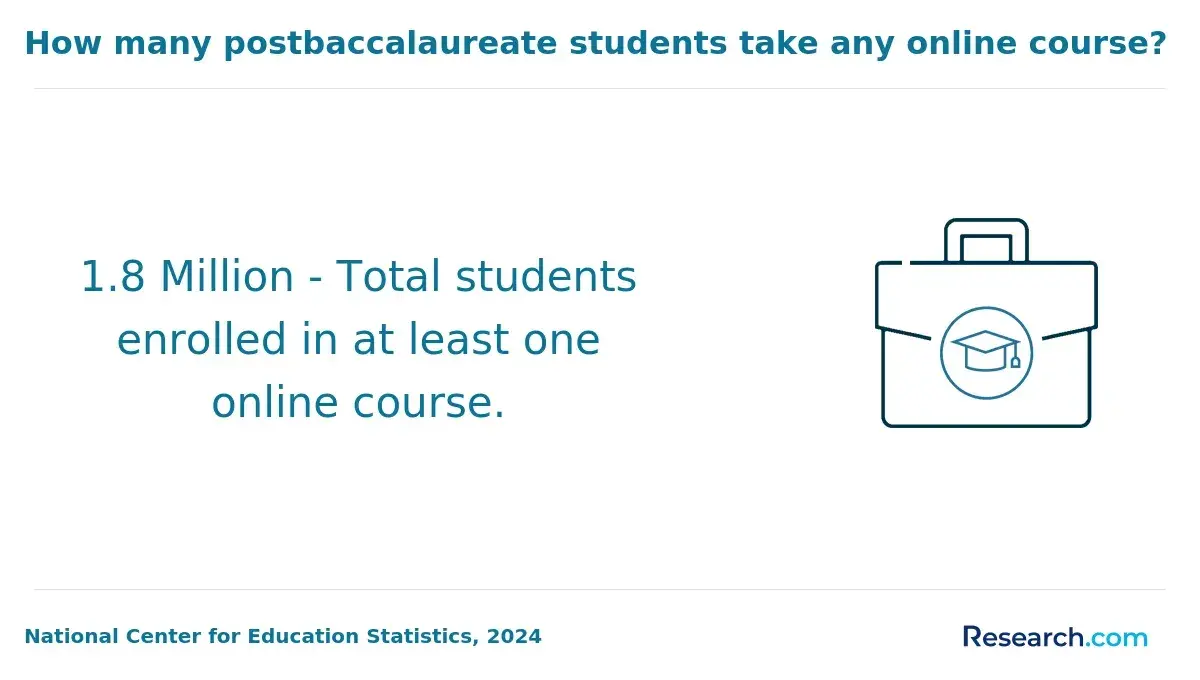
Recent data from the National Center for Education Statistics shows a 17% rise in adult enrollment in online mental health degrees, underscoring growing demand for adaptable yet rigorous pathways. This article examines key online psychology - mental health degrees with counseling foundations concentrations, evaluating their practical fit for career growth and licensure readiness.
Key Things You Should Know
- Graduate degrees with counseling foundations in psychology - mental health demand 60% more clinical practicum hours than general psychology programs, intensifying time-to-licensure tradeoffs amid workforce shortages, per 2024 APA data.
- Employers prioritize candidates with counseling-focused credentials for integrated care roles, driving 25% higher wage premiums versus psychology graduates lacking specialization, signaling shifting labor market valuation, according to BLS 2024 reports.
- Tuition inflation outpaces median program salary growth by 12% annually, forcing decisions between debt load and accelerated credentialing pathways, as shown in recent NCES financial aid analytics.
What is an online psychology mental health degree with counseling foundations?
An online psychology mental health degree with a counseling foundations concentration offers targeted training in counseling theories, clinical techniques, and ethical frameworks-an educational blend shaped by workforce demands rather than purely academic breadth. This practical emphasis distinguishes it from general online psychology mental health degree programs by directly aligning skills with entry-level roles in counseling sectors.
This modality suits professionals balancing ongoing employment or family commitments since program structures typically blend synchronous interactions with flexible, asynchronous coursework. However, securing approved local practicum placements remains a tangible barrier, particularly for students in rural or underserved regions. The onus lies in managing these logistical constraints to meet supervised clinical hour requirements critical for skill validation.
Labor market data forecasts a 17-19% growth in mental health counseling jobs from 2024 to 2034, outpacing many occupational categories. Median wages near $49,710 emphasize a need for thoughtful cost-benefit analysis of these programs versus graduate licensure pathways. Employers frequently prefer candidates who have practical counseling foundations for roles in community health centers, rehabilitation services, and school programs.
State licensing requirements complicate direct clinical practice post-graduation; most jurisdictions require advanced degrees and supervised clinical hours beyond this degree, reinforcing it as an initial credential rather than an endpoint. Prospective students should evaluate this training as an expedient skill-gaining step within a multi-stage credentialing roadmap.
For those comparing interdisciplinary options, exploring online EHS degree programs might offer complementary or alternative pathways depending on career objectives in health-related fields.
Are online psychology degrees accredited and licensable for counseling careers?
Online psychology degrees accredited for counseling careers only translate into licensable counseling degrees through online psychology programs when the curriculum aligns precisely with state licensing requirements. For instance, to qualify as a Licensed Professional Counselor (LPC) in California, graduates must complete an accredited program, commonly CACREP-approved, that incorporates specific supervised clinical hours and practicum experiences.
Without these elements, licensure obstacles increase significantly, restricting both employment opportunities and interstate practice mobility. Program proliferation has outpaced uniform quality; over 200 online counseling and psychotherapy degrees launched globally in 2024 alone, per Educations.com. However, many lack the on-site supervision or state-specific practicum components integral to employer expectations and licensing boards.
Consequently, graduates may face the inconvenience of supplementary local internships or delayed licensure. Prioritizing programs recognized by regional accreditors and confirming clinical practicum alignment with your state's mandates is indispensable. Consider the realities of employer preferences locally and the geographic scope of your clinical training when evaluating an online degree's practical value.
- Verify accreditation status against your target state licensing board's criteria.
- Ensure clinical experience hours meet licensure requirements without extraneous supplementation.
- Evaluate if employers in your area differentiate between online and traditional program graduates.
- Plan for potential supplemental local clinical internships if your training lacks in-state practicum.
This analysis reflects operational tradeoffs prospective students encounter in selecting programs with long-term workforce integration in mind, rather than assuming uniform credential portability. More specific details about appropriate choices for Psychology - Mental Health tracks with counseling foundations can be found in online school psychology programs NASP approved.
How do online and campus psychology programs compare for counseling study?
Practical readiness and access to supervised clinical experience create a strong divide between campus and online counseling foundations degree differences. Campus programs typically provide direct, consistent supervision through embedded clinical practicums essential for licensure and skill development. Conversely, online psychology and mental health degree program comparison reveals that remote placements often vary in quality and availability.
Healthcare and social assistance employers emphasize demonstrated clinical competence amid a sector expecting 5.2 million new jobs from 2024 to 2034. Campus-based students generally benefit from structured internships and in-person mentorship, facilitating networking critical for job placement in competitive urban markets. Online students gain scheduling flexibility but face challenges like diminished mentorship and networking.
Prospective students balancing work must weigh these realities: campus programs demand physical presence and often higher costs but deliver experiential learning and local connections. Online pathways expand access and accommodate diverse schedules yet demand rigorous due diligence on practicum support and alumni outcomes.
For those assessing available options, examining MFT master's programs online demonstrates the importance of aligning program strengths with career expectations and practical constraints.
What courses are included in a counseling foundations concentration?
Core courses in counseling foundations focus on developing essential clinical skills paired with ethical and culturally competent practice necessary for varied client populations. Programs incorporate counseling theories, advanced intervention techniques, diagnostic assessment, treatment planning, and supervised practicum experiences that approximate real clinical environments.
For students evaluating an online psychology mental health counseling curriculum, these elements provide a framework to meet employer expectations for clinical readiness. The curriculum typically covers group counseling methods, lifespan development, crisis intervention, and research methods aligned with evidence-based practices.
For instance, a social services professional transitioning to a clinical counseling role must master diagnostic criteria and intervention models to align with workforce requirements in schools or healthcare settings. Ethical and professional orientation courses also prepare candidates to manage confidentiality and legal responsibilities essential for licensure and effective practice.
Given the growing national need for counselors, many programs-over 100 fully online master's counseling programs accepting applicants in 2026-emphasize flexible delivery and remote supervisory components to accommodate working professionals and licensure demands. This approach addresses real-world training constraints and aids workforce supply challenges.
Prospective students balancing academic rigor and practical skill acquisition can evaluate program structures by exploring online master's programs for counseling that specifically integrate these core elements.
What admission requirements do these online programs usually ask for?
Admission into psychology - mental health degrees with counseling foundations often hinges on meeting academic benchmarks such as a high school diploma with a minimum GPA of 2.5 to 3.0 and standardized test scores, though waivers for SAT or ACT are increasingly common. Programs require prerequisite courses in English, math, and introductory psychology or social sciences to prepare candidates for core curriculum rigor.
This foundational structure signals an expectation that students can manage both quantitative and qualitative analytical demands. Applicants must also submit official transcripts, letters of recommendation attesting to interpersonal and academic skills, and personal statements detailing motivation and a realistic understanding of counseling challenges. Some programs mandate background checks due to fieldwork with vulnerable populations.
For career changers or working professionals, accredited online options emphasize relevant work experience over strict academic prerequisites. This pathway offers flexibility but demands thorough documentation to validate real-world experience, reflecting institutional caution and employer expectations for readiness.
Given workforce shortages, notably signaled in 2026 when online bachelor's counseling programs were prioritized, the Bureau of Labor Statistics projects faster-than-average growth through 2033 in social service roles hiring counseling graduates. This growth trajectory increases urgency for applicants to meet admission requirements comprehensively to avoid delaying entry into these expanding fields.
How long does an online psychology degree with this concentration take?
The typical four-year timeline for an online psychology degree with a mental health counseling foundations focus often clashes with the time-sensitive expectations of employers seeking entry-level behavioral health technicians or case managers. Extending the program through part-time study to five or six years may accommodate working professionals, but risks delaying workforce entry and increasing indirect costs such as lost wages.
Accelerated tracks exist but may impose impractical demands on students balancing employment or family obligations. Tuition is directly tied to program length, averaging around $435 per credit hour at accredited institutions. This means a 120-credit bachelor's program can cost approximately $52,000, a figure that necessitates careful financial planning, especially considering longer timelines heighten the burden of tuition, debt servicing, and opportunity cost.
Employers may limit reimbursement, making out-of-pocket expenses a critical factor. Students should carefully evaluate institutional policies on course scheduling flexibility and credit-for-prior-learning to reduce completion time without compromising educational depth. This strategy can optimize the return on investment by speeding credential attainment and aligning with employer expectations.
- Extended program lengths postpone eligibility for roles demanding timely qualifications.
- Higher costs and delayed earnings weigh heavily on working adults balancing multiple responsibilities.
- Efficient progression requires navigating institutional academic policies strategically.
How much do online psychology mental health degrees cost?
Cost for online psychology mental health degrees with counseling foundations concentrations ranges broadly from $15,000 to $40,000, influenced heavily by institution type, accreditation, and length of study. Public universities generally offer more affordable tuition for in-state students, frequently reducing fees by 30% or more, while private institutions maintain higher, less variable pricing. Beyond tuition, candidates should budget for technology fees, textbooks, and supervised practicum placements crucial for licensure.
Financial tradeoffs extend beyond sticker price. Part-time employment during study can ease cash flow but may lengthen program duration, delaying full workforce entry and associated income. Licensure requirements vary widely by state-often demanding additional supervised hours post-degree-that can add time and cost before professionals fully capitalize on their credentials. Choosing programs with established practicum partnerships can reduce these burdens and speed career transitions.
Median earnings after completing online psychology mental health counseling concentrations indicate a realistic return on investment: approximately $59,190 annually for substance abuse and mental health counselors, and about $78,240 for social and community service managers, based on Methodist University's analysis of 2026 BLS data. These figures highlight a vital consideration: successful career pivots depend not only on degree completion but also on strategic navigation of licensure and regional salary variations.
What jobs can you get with a counseling foundations concentration?
The counseling foundations concentration leads primarily to licensed roles such as mental health counselors, behavioral therapists, and substance abuse specialists, with employment concentrated in clinical environments like community health centers and rehabilitation facilities. A realistic expectation is the need to complete supervised practicum hours; candidates without this experience often struggle to secure placement.
The U.S. job market for mental health counselors is projected to grow 17% from 2024 to 2034, indicating demand but also competitive licensing pathways managed at the state level. Graduates often serve diverse populations-children, veterans, or at-risk adults-and may find opportunities in schools, military support, or correctional settings.
However, moving into organizational roles such as employee assistance or wellness coordination typically requires additional credentials in industrial-organizational psychology or HR strategies, limiting immediate mobility outside direct care. Career progression almost universally depends on earning a master's degree and obtaining state licensure, which enables independent practice and eligibility for doctoral programs in counseling psychology.
Prospective students must weigh the regulatory complexity, required post-degree supervised hours, and variable state licensing standards that directly affect employability and professional flexibility. Employers expect proficiency not only in clinical skills but in documentation, ethics, and crisis intervention, making practical readiness a significant factor in early job placement and sustainability in the field.
What salaries and job outlook apply to psychology and mental health careers?
Salaries within psychology and mental health vary significantly by role and setting, with median wages around $82,000 for clinical, counseling, and school psychologists, while licensed professional counselors and marriage and family therapists typically earn between $50,000 and $60,000. Location and experience heavily influence compensation, and hospital-based professionals often receive a premium of 20% or more relative to community or school environments due to funding and case complexity.
This disparity underscores a key practical consideration: pursuing additional credentials and hospital privileges can materially impact earnings but requires navigating more stringent credentialing processes. Employment growth is projected at 11% through 2032, fueled by rising demand in diverse community health centers, schools, and private practices.
However, prospective professionals face varied state licensing requirements, including supervised clinical hours after graduation and accredited program selection, which complicate educational and career planning. Over 200 online counseling and psychotherapy programs exist globally, yet mere completion does not guarantee employer acceptance or readiness, making program accreditation and alignment with licensing boards critical.
Graduates aiming for outpatient or telehealth sectors benefit from specialized concentrations in counseling foundations, yet must manage licensing exam preparation, internship placements, and the need for crisis intervention experience-all significant barriers influencing job stability and salary progression.
- Wage disparities underscore the importance of strategic credentialing
- Licensing demands vary by state and impact program suitability
- Specializations enhance marketability but add practical hurdles
How do you choose a reputable online psychology program?
Choosing an online psychology program without rigorous validation of accreditation and practical outcomes risks costly setbacks in licensure and employment. Programs fully accredited by CACREP remain the established benchmark for clinical mental health and counseling-focused degrees that aim to meet state licensing requirements, which vary significantly across jurisdictions.
By 2026, the increase in CACREP-accredited online master's programs means students must scrutinize beyond superficial similarities-paying close attention to licensure exam pass rates and graduate employment data to gauge true program efficacy. Key factors influencing readiness include curriculum depth and the integration of supervised practicum hours that comply with state mandates.
For example, a student targeting licensure in a state that mandates in-person practicum must verify if the program maintains local clinical partnerships or requires travel, as asynchronous coursework alone cannot substitute for hands-on experience. This logistical element can affect the duration and cost of licensure preparation.
Employment outcomes also influence hiring decisions in mental health care settings, where agencies prioritize candidates with accredited, outcome-verified degrees for compliance and insurance credentialing. Lower-priced or accelerated programs lacking such validation may appear attractive but often do not deliver successful licensure pathways promptly.
- Confirm CACREP accreditation related to your licensure goals.
- Examine practicum placement options relative to your location and schedule.
- Review licensure passage rates and graduate job placement data.
- Assess how delivery formats align with work-life balance and clinical requirements.
Discerning students evaluate these factors through reliable sources, ensuring their educational investment supports a tangible career pivot into licensed mental health counseling roles.
Other Things You Should Know About Psychology - Mental Health
The majority of these degrees provide foundational knowledge but do not meet licensure requirements on their own. Licensing typically requires additional supervised clinical hours and graduate-level coursework focused specifically on counseling practice. Students intending to become licensed counselors should prioritize programs clearly aligned with state licensing boards and plan for further graduate training after completing the bachelor's degree.
Online programs often demand strong self-discipline because they can have accelerated pacing and less direct supervision. Students working full-time or managing other commitments may find balancing coursework challenging without structured class time. Opting for programs with flexible deadlines and asynchronous learning can alleviate pressure, but this requires proactive time management skills to avoid falling behind.
Employer reception depends heavily on accreditation and program rigor rather than delivery mode. Reputable online degrees from regionally accredited institutions are viewed as equivalent to campus degrees, provided they include practical experiences such as internships or practicum components. Applicants should verify their program's hands-on requirements to meet employer expectations for work readiness and substantive counseling exposure.
References
- Clinical Mental Health Counseling Concentration https://www.haec.gr/en/master-in-psychology/clinical-mental-health-counseling
- BSc (Hons) Psychology with Counselling and Mental Health | Arden https://arden.ac.uk/our-courses/undergraduate/psychology-degrees/bsc-hons-psychology-counselling
- pioneer-healthcare.com: Verifying that you are not a robot... https://pioneer-healthcare.com/blog/psychologist-job-outlook-trends-and-opportunities-in-healthcare-2/
- Onlinecounselingprograms https://OnlineCounselingPrograms.com
- Best Online Counseling Degree Programs 2025 https://www.psychology.org/rankings/best-online-counseling-programs/
- Why Pursue an Online Counseling Degree? | University of Bridgeport https://www.bridgeport.edu/news/pursue-an-online-counseling-degree-now/
- How Employers View Online Degrees in Counseling and Psychology https://www.counselingpsychology.org/how-employers-view-online-degrees-in-counseling-and-psychology/
- Counseling Psychology Master’s Programs Online: Compare Schools https://www.onlinemastersdegrees.org/best-programs/psychology/counseling-psychology/
- Online Psychology Degree - BA in Psychology - Carlow Online https://online.carlow.edu/programs/bachelors-psychology/