2027 Social & Behavioral Sciences Specializations for Patient Advocacy Careers

Co-Founder and Chief Data Scientist
Patient advocates in social & behavioral sciences increasingly face fragmented healthcare systems where understanding diverse specialization areas is vital to influencing outcomes effectively. Across the U.S., workforce projections from the Bureau of Labor Statistics show growing demand for professionals who combine behavioral insight with patient navigation skills, yet many candidates encounter rigid program structures that limit timely entry or advancement.
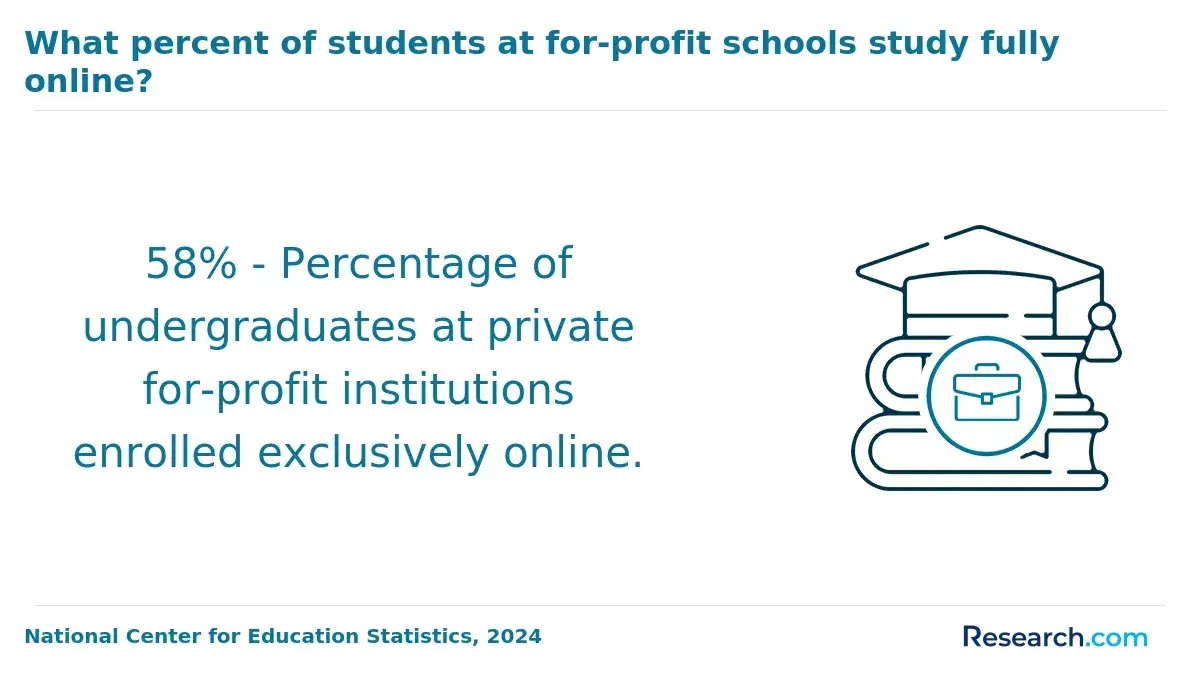
Additionally, a 2024 National Center for Education Statistics report reveals a 35% rise in adult enrollment in flexible online programs, signaling a shift toward accessible education that accommodates working professionals balancing urgent career transitions. This article examines social & behavioral sciences specializations designed to equip advocates with strategic expertise aligned to evolving practitioner roles and enrollment realities, guiding readers toward informed pathway decisions that anticipate real-world challenges and opportunities.
Key Things You Should Know
- Concentrating on health communication or medical sociology boosts employability in patient advocacy, with BLS data showing 12% faster job growth in healthcare liaison roles versus generalist social sciences.
- Specializing in mental health advocacy trades broader funding eligibility for deeper expertise, as 2024 NIH grants show a 30% funding preference for clinical mental health frameworks over generic patient rights programs.
- Programs with experiential clinical components typically extend completion time by 20%, increasing direct educational costs but aligning with employer preferences for real-world problem-solving skills in advocacy roles.
What are social and behavioral sciences specializations that align best with patient advocacy careers?
Specializations within health psychology, behavioral medicine, medical sociology, and health communication each offer distinct advantages for patient advocacy careers grounded in social and behavioral sciences expertise. Health psychology and behavioral medicine explicitly address psychological factors vital to patient adherence, coping strategies, and chronic illness management. For instance, health psychologists employed in healthcare settings earned a median annual wage of $106,420 in May 2024, indicating strong labor market demand and the financial viability of this pathway.
Medical sociology contributes critical insights into social determinants of health, healthcare disparities, and systemic barriers. Advocates with this background are positioned to influence organizational policies targeting equity and access, a core concern for many healthcare organizations. Health communication professionals enhance patient engagement through evidence-based messaging strategies, increasingly necessary in heterogeneous care environments.
In practical terms, a patient advocate trained in health psychology might design interventions that enhance medication adherence among chronic illness groups, directly reducing hospital readmissions-metrics crucial to employer evaluation of program effectiveness. Meanwhile, advocates focusing on medical sociology often lead initiatives addressing community resource distribution based on nuanced socioeconomic understanding.
Key tradeoffs exist for those pursuing patient advocacy careers with social and behavioral sciences expertise, including navigating interdisciplinary requirements, gaining clinical exposure, and securing relevant credentials. Candidates should prioritize programs that emphasize applied research and healthcare system experience to meet employer expectations favoring skills over theory. For tailored educational alternatives, prospective students may consider reviewing top masters in social work programs known for integrating such competencies.
How do social and behavioral sciences degrees prepare you to work as a patient advocate?
A social and behavioral sciences degree brings essential skills to patient advocacy roles by equipping candidates to navigate systemic barriers and address social determinants of health impacting care disparities. Graduates gain abilities in communication, cultural competence, and data interpretation that extend beyond clinical knowledge, enabling them to handle complexities such as housing instability, insurance limitations, and policy challenges-factors often overlooked in traditional healthcare training.
For example, a patient advocate trained in medical sociology might recognize how insurance constraints restrict treatment options in underserved populations and respond by coordinating non-clinical resources or guiding patients through bureaucratic hurdles. This practical insight is highly valued by employers, with social workers focusing on health access projected to grow 6% through 2034, opening thousands of positions annually.
Employers expect advocacy candidates to demonstrate interdisciplinary collaboration, ethical decision-making, and problem-solving that addresses real-world patient needs. Those lacking focused experience in policy analysis, community health, or conflict resolution may struggle against competitors with demonstrated social systems knowledge. Consequently, students should seek programs and internships emphasizing these areas to reduce transition challenges into patient advocacy roles shaped by evolving social complexities.
Prospective students evaluating social and behavioral sciences degree benefits for patient advocacy careers should also examine the affordability and practical structure of programs. Resources like affordable psychology masters programs can provide cost-effective avenues to acquire relevant interdisciplinary skills without excessive financial burden.
What level of education is typically required for professional patient advocacy roles in healthcare?
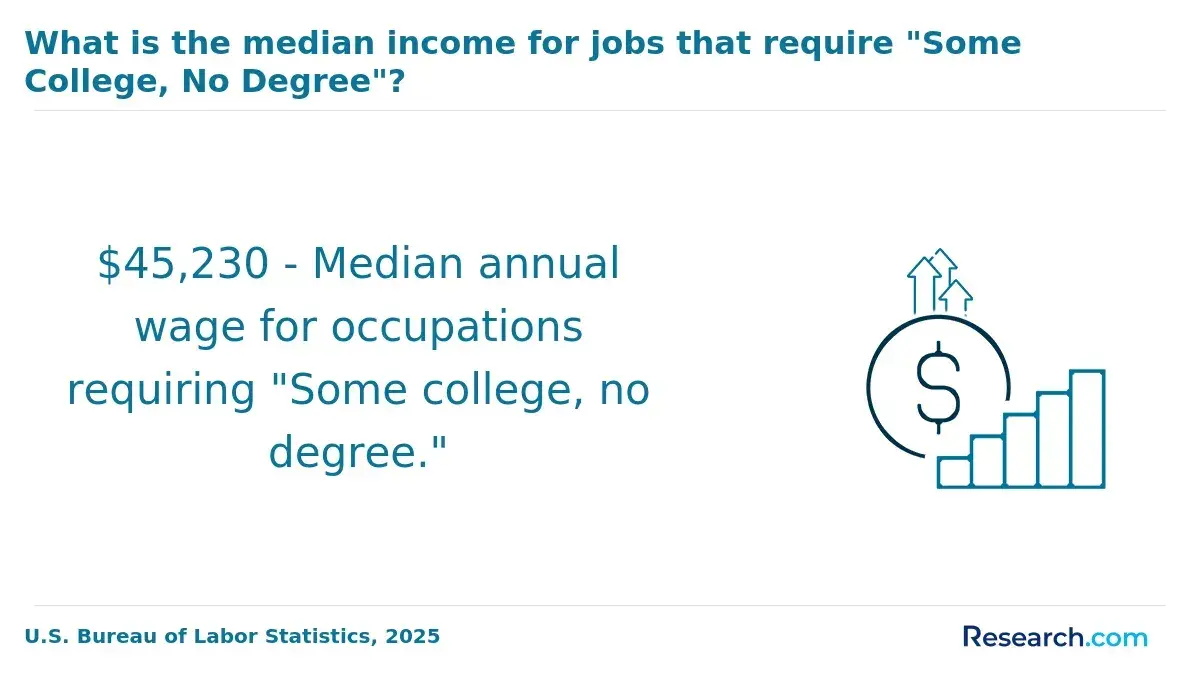
Patient advocacy careers demand educational credentials aligned with practical healthcare and policy challenges. Typically, a bachelor's degree in social and behavioral sciences, nursing, public health, or related fields forms the minimum qualification, but advanced roles often require a master's degree. For example, clinical patient advocates or health policy advisors benefit from graduate training in public health or healthcare administration, which develops critical skills for navigating legal complexities and coordinating across healthcare systems.
Entry-level healthcare patient advocacy education requirements often balance academic background with practical experience. Candidates may enter roles with a bachelor's degree supplemented by targeted certifications or community engagement, especially in community-based advocacy focused on social determinants of health. However, hospitals and larger healthcare organizations increasingly prefer advocates with graduate degrees to manage insurance negotiations and regulatory compliance effectively.
Demand projected by the U.S. Bureau of Labor Statistics for social and behavioral sciences roles within public health is notably strong, with about 313,700 openings annually and a median wage of $57,530. This intensifies competition, urging students to weigh degree costs, time commitments, and career alignment carefully. Prospective advocates should also consider the option to study psychology online to acquire foundational behavioral knowledge while maintaining flexibility.
Which social and behavioral sciences programs offer online, hybrid, and campus formats for future advocates?
Patient advocacy roles within social and behavioral sciences degree programs with online and campus options demand a pragmatic balance between flexible learning and essential hands-on experience. While programs focused on applied behavior analysis (ABA) often provide online or hybrid pathways suitable for working adults, purely online formats risk insufficient practical exposure, which is critical given employer expectations for demonstrated clinical competence. For instance, universities offering hybrid social and behavioral sciences programs for patient advocacy careers typically integrate asynchronous coursework with mandatory practicums, accommodating students who must juggle job or family responsibilities while acquiring field-relevant skills.
Employers prioritize candidates with robust communication abilities, knowledge of patient rights, and interdisciplinary collaboration skills-attributes better developed through campus or hybrid formats that emphasize supervised internships. ABA programs particularly signal workforce readiness by emphasizing measurable behavioral interventions, with over 70% of professionals working in healthcare or educational settings requiring direct client advocacy. This employment trend spotlights the need for evidence-based training paired with real-world application.
Prospective students must factor accreditation status and field experience components into program selection, as these elements strongly influence employability in clinical and community health environments. Those seeking to transition careers can review degrees for work from home jobs to identify flexible options aligned with patient advocate roles.
What courses and skills in social and behavioral sciences are most important for patient advocacy work?
Effective patient advocacy in Social & Behavioral Sciences requires an integrated skill set combining health communication, psychology, sociology, and public health, reflecting evolving workforce demands. Advocates must navigate complex interactions where varying patient literacy levels and behavioral resistance coexist, necessitating strong communication adapted to clinical and community contexts. For instance, advocates supporting elderly patients need not only gerontological knowledge but also heightened empathy and patience to manage multifaceted care plans.
Interpreting public health data is essential for designing targeted advocacy programs aligned with prevailing population health trends. Practical conflict resolution and applied ethics enable advocates to mediate disputes among patients, providers, and insurers, a frequent challenge in real-world settings. This functional blend of skills directly informs decisions about resource allocation and intervention strategies.
Social and community service managers overseeing advocacy must adjust communication methods to specific patient demographics and care environments. These roles command median salaries around $86,100 with roughly 9% job growth projected, signaling sustained demand for professionals proficient in behavioral science and health education. Students should weigh the balance of theoretical coursework with applied training to remain adaptable to healthcare systems in flux.
- Health communication proficiency tailored to patient literacy and behavior
- Applied ethics and conflict resolution for dispute management
- Data-driven program design based on public health trends
- Context-sensitive communication strategies for diverse patient groups
How can students evaluate accreditation and program quality for social and behavioral sciences majors?
Choosing a social & behavioral sciences program without accredited credentials or strong outcome data can impose significant barriers to licensure and employability, especially in patient advocacy and care coordination roles. Regional accreditation is a baseline requirement, but programs lacking specialized accreditation like CSWE for social work reduce graduates' eligibility for critical certifications and recognized clinical placements.
Graduation rates, retention, and job placement data provide tangible signals of program effectiveness. For instance, programs showing over 80% placement in mental health or substance abuse care coordination positions suggest robust employer connections and relevant practical training essential for navigating workforce demands.
Employers generally seek candidates from accredited programs that include fieldwork or practicum experiences emphasizing evidence-based advocacy and interdisciplinary collaboration. This reflects a workforce preference for graduates able to engage with complex care coordination tasks and emerging healthcare trends.
Consider the tradeoff: opting for a non-CSWE accredited program might reduce immediate tuition costs but risks substantial long-term friction, including restricted licensing options and fewer quality internships. Conversely, programs linked to healthcare providers or community agencies typically facilitate smoother transitions into employment.
Finally, assessing faculty expertise and research engagement ensures curricula stay aligned with evolving patient advocacy practices, minimizing the likelihood of retraining or credential obsolescence after graduation.
What are the typical admission requirements and program lengths for patient advocacy-focused majors?
Admission to patient advocacy-related programs typically requires a high school diploma and prerequisite coursework in psychology, sociology, or healthcare fundamentals. While many programs enforce GPA minimums around 2.5 to 3.0 and may request recommendation letters or personal statements, accredited graduate programs sometimes accept relevant professional experience instead of traditional academic credentials.
Program durations vary by degree and format: associate degrees usually take two years focusing on foundational content like healthcare systems and communication; bachelor's degrees extend to four years with coursework in ethics, policy analysis, and case management, often aligning with state licensure requirements. Master's degrees usually span two years, integrating internships or practicums essential for practical exposure in clinical or community settings. Part-time and online formats offer flexibility but can lengthen time-to-completion.
For instance, a professional moving into community health management might choose a master's program with evening classes and a practical component at a local healthcare facility to efficiently balance work and study. Key considerations include program accreditation, experiential learning opportunities, and compliance with state licensure regulations, which directly affect employability upon graduation.
Professionals with degrees in Social & Behavioral Sciences serving as social and community service managers earn a national average salary of $80,450, with top states like Virginia offering up to $103,640, per public data from the U.S. Bureau of Labor Statistics compiled by PublicHealth.org.
What patient advocacy job titles, work settings, and career paths are common for these graduates?
Graduates specializing in social & behavioral sciences who pursue patient advocacy roles must navigate a complex landscape shaped by diverse employer expectations and sector-specific demands. Positions such as Patient Advocate Specialist, Health Policy Analyst, Behavioral Health Coordinator, and Community Outreach Manager are accessible but vary significantly in daily responsibilities and required skill sets.
Entry-level roles often involve case management or patient liaison tasks, providing practical exposure to healthcare systems. Advancement tends to lead toward policy development or program coordination, especially in public health or government settings where advocacy centers on systemic change rather than individual care. For example, a community outreach manager may focus on mobilizing stakeholders to improve access, contrasting with hospital-based advocates who prioritize patient rights and treatment coordination.
Employers frequently cite the need for strong data analysis capabilities, regulatory knowledge, and effective communication across diverse populations. Navigating regulatory frameworks and balancing interests between patients, providers, and insurers demands ongoing multidisciplinary collaboration. Graduates must weigh these operational realities when choosing career pathways.
Salary data from the U.S. Bureau of Labor Statistics reveals a pay premium for behavioral economics and health policy specialists, with median weekly wages around $1,206 for bachelor's degree holders versus $1,120 across all fields. This differential underscores a market demand for expertise in applying behavioral insights to policy and advocacy.
Understanding the nuanced distinctions among care settings, regulatory environments, and advocacy focuses is critical for making informed decisions about education and career pivots in social & behavioral sciences.
What salary ranges and advancement opportunities can social and behavioral sciences graduates expect in patient advocacy?
Starting salaries for social & behavioral sciences graduates in patient advocacy typically range from $45,000 to $65,000 in healthcare nonprofits, hospitals, and government agencies. However, advancement timelines and salary growth vary significantly by sector and role. For example, moving into mid-level positions like program coordinator or patient experience specialist usually takes 3 to 5 years and commands $65,000 to $85,000. Senior roles such as advocacy managers or directors require more experience or credentials and often exceed $90,000 in compensation.
Private healthcare employers may offer higher initial pay but present narrower promotion paths, while public health and federally funded research entities provide steadier, though slower, salary growth tied to federal pay scales. A patient advocate with skills in behavioral outcome measurement or data analysis can leverage these credentials to move into research coordinator roles, boosting earnings by 15-25% within a couple of years.
Real-world hurdles include credentialing delays and the need for certifications in healthcare management or patient advocacy, which influence salary trajectories and employability. Networking within federal agencies, such as NIH and affiliated research bodies employing over 500 social & behavioral scientists, can accelerate career progress. Employers prioritize strong communication and health policy knowledge over initial academic background, underscoring the importance of practical skills and continuous education for sustainable advancement.
Are certifications or professional credentials recommended for social and behavioral sciences-trained patient advocates?
Certification often marks a clear dividing line in the employability and career trajectory of patient advocates with social and behavioral sciences backgrounds. While entry-level roles may accept candidates holding relevant degrees alone, employers increasingly favor those with credentials such as Certified Patient Advocate (CPA) or Certified Health Advocate (CHA), especially in specialized contexts like oncology or chronic care. These certifications demonstrate specific expertise in navigating healthcare laws, insurance complexities, and patient rights, which offer tangible advantages in complex clinical settings.
Labor market data show social and human service assistants, a category including many advocates, earn a median wage near $47,000 annually, with forecasted growth around 9%. Such trends reinforce employer preferences for verified competencies amid escalating regulatory demands and liability concerns. However, the decision to pursue formal certification involves a pragmatic evaluation of cost, time, and relevance. Some state or nonprofit employers accept extensive practical experience or advanced degrees in place of credentials, whereas private hospitals often require certification as standard.
Key considerations for prospective advocates include:
- Balancing credential acquisition with ongoing hands-on practice to maintain market value
- Selecting certifications aligned specifically with targeted patient populations and workplace contexts
- Recognizing that continuing education integration is essential due to regulatory and technological evolution
The pathway to effective healthcare navigation careers requires discerning which credentials actually influence employment outcomes rather than pursuing them uniformly. For more detailed professional standards and credentialing paths, consult authoritative resources from research.com.
Other Things You Should Know About Social & Behavioral Sciences
In 2027, social & behavioral sciences programs focused on patient advocacy present a moderate to demanding workload. Students often engage in a mix of theoretical coursework, research assignments, and practical experiences, requiring effective time management to balance various academic obligations.
Graduates often face gaps between academic training emphasizing theory and workplace demands prioritizing interpersonal negotiation and system navigation. Employers expect patient advocates to possess not only knowledge but also practical conflict resolution and administrative skills, which some programs underemphasize. To mitigate this, it is advisable to seek programs with embedded internships or mentorships in healthcare settings. Ignoring this can delay job placement or require additional on-the-job training, affecting early-career progression.
For patient advocacy, prioritizing practice-oriented programs delivers more immediate employability benefits, as these emphasize client interaction, healthcare systems, and advocacy strategies. Research-heavy programs, while valuable for certain roles, often prepare graduates for academic or policy-focused careers rather than direct advocacy. Students aiming for frontline patient advocate roles should weigh the tradeoff: practice-oriented programs typically offer faster entry to workforce roles, though they may provide less theoretical depth.
Specialization matters but practical experience and relevant skills often outweigh narrow focus. For example, degrees emphasizing health communication or medical sociology align closely with patient advocacy demands, but cross-disciplinary competence in psychology or public health can be equally valuable. Students should select specializations that directly enhance their understanding of patient rights and healthcare systems, while ensuring their curriculum includes experiential learning components, as employers prioritize demonstrated abilities over the specific title of one's specialization.
References
- Overview of the Profession of Health and Patient Advocacy | The Alliance of Professional Health Advocates https://aphadvocates.org/profession-overview/
- Behavioral Health Career Descriptions | SAMHSA https://www.samhsa.gov/about/careers/behavioral-health-workforce/careers-by-state/descriptions
- Online, Hybrid, and On-Campus Programs | CIIS https://www.ciis.edu/academics/online-hybrid-on-campus-programs
- Why Healthcare Advocacy Is Important https://publichealth.tulane.edu/blog/healthcare-advocacy/
- SWPS University - SWPS University https://english.swps.pl/
- Master of Social Work: Top 10 Careers | Jobs with an MSW Degree https://www.pacificoaks.edu/voices/psychology/10-careers-paths-for-graduates-with-a-degree-in-social-work-sw/
- Why Is Patient Advocacy Important in Nursing? https://www.scuhs.edu/bshs-article/why-is-patient-advocacy-important-in-nursing-understanding-its-role-in-healthcare/
- BSW Jobs: Learn What You Can Do With A Bachelor Of Social Work Degree | Psychology.org https://www.psychology.org/social-work/bsw-jobs/
- What Is An Important Concept Of Being A Patient Advocate? https://www.onlinemeded.com/blog/what-is-an-important-concept-of-being-a-patient-advocate
- Careers in Social Work: Opportunities to Enter, Advance In, and Navigate the Field | ProFellow https://www.profellow.com/fellowships/careers-in-social-work-opportunities-to-enter-advance-in-and-navigate-the-field/