2027 Political Science Roles That Often Lead to Leadership Positions

Co-Founder and Chief Data Scientist
Ambitious professionals and students often confront a bottleneck when selecting political science roles that genuinely facilitate upward mobility. While leadership pathways may seem straightforward, the reality is complicated by evolving employer expectations and shifting educational landscapes.
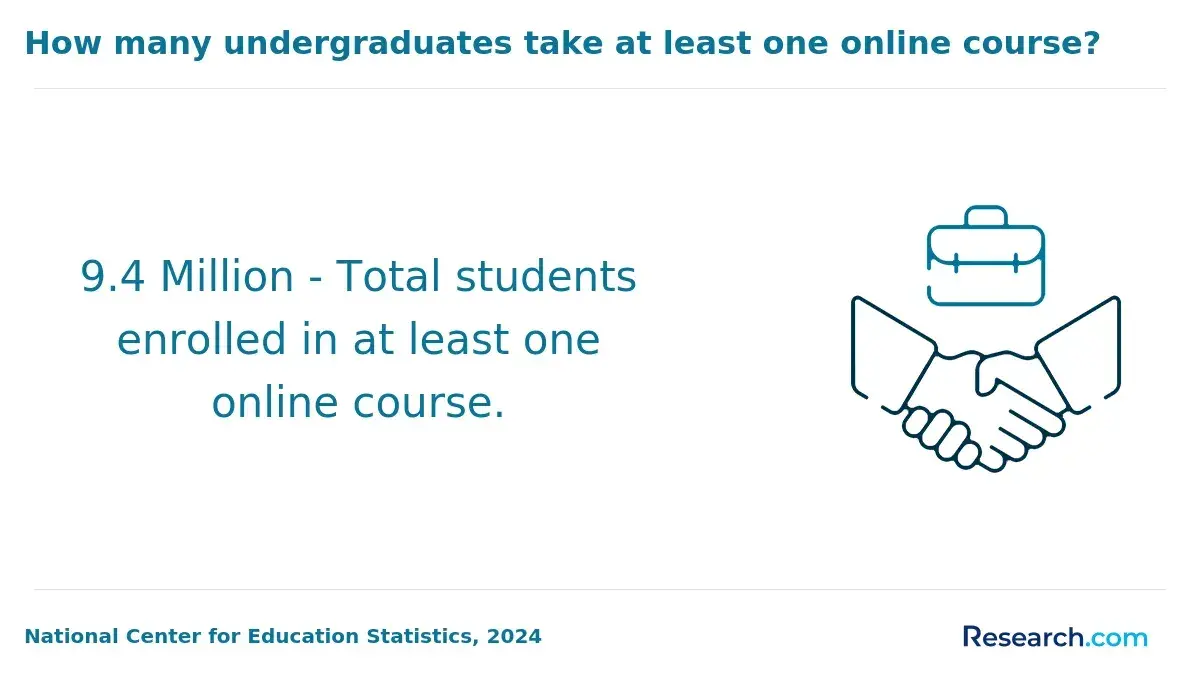
Recent data from the National Center for Education Statistics reveals a 15% surge in part-time and online political science enrollments since 2023, driven largely by working adults seeking flexible advancement options. This trend signals a critical redefinition of learning and career progression timing, emphasizing adaptable program structures for maximizing leadership prospects.
This article identifies key political science career roles that effectively position individuals for leadership and outlines strategic considerations for navigating these options.
Key Things You Should Know
- Political science graduates who enter legislative staff roles experience a 40% higher leadership advancement rate within 7 years, but must navigate intense competition that extends time-to-promotion compared to policy analysis tracks, according to the 2025 National Career Dynamics Report.
- Employers prioritize candidates with combined political science and data analytics credentials, with 62% of senior political advisors in federal agencies requiring quantitative skill sets, raising the bar for traditional political science-only backgrounds.
- The average cost for a dual degree incorporating law or public administration increases by 35%, limiting access for mid-career pivots despite yielding a 25% higher median salary within leadership pipelines in political science careers.
What Political Science jobs lead to leadership roles?
Leadership roles in political science careers leading to leadership positions typically emerge from foundational jobs such as legislative aides, policy analysts, campaign managers, and government affairs directors. These positions demand specialized skills in stakeholder coordination, legislative negotiation, and policy analysis, making them critical stepping stones.
For instance, over 7,000 legislative aides in the 118th Congress handle communication management and legislative drafting while earning an average salary of $47,073, illustrating the competitive entry point for high-level political science job paths in the United States.
Advancing beyond these roles requires navigating a landscape where demonstrated expertise in legislative impact and political strategy signals readiness for senior positions. Policy analysts often progress to senior advisory roles within state or federal agencies, while campaign managers leverage election cycle experience toward elected office or party leadership. Government affairs directors cultivate negotiation acumen essential for executive roles in both public and private sectors.
The path is not without challenges: high competition for initial positions and the necessity of strong networks can limit access for some candidates. Early-career decisions weigh the tradeoff between modest starting salaries and the opportunity to influence political outcomes. Prospective professionals should also consider related fields with comparative earning potential, such as high paying jobs in forensics, when evaluating long-term career strategies.
Which Political Science degrees best prepare you for leadership careers?
Leadership roles in government and policy sectors typically demand political science degree programs for leadership roles in government. These programs combine applied expertise with practical experience.
Practitioners advancing into senior positions, such as legislative advisors or policy analysts, rely not only on theoretical knowledge but, critically, on quantitative methods and strategic decision-making skills cultivated through focused studies in public administration, international relations, or policy analysis.
The U.S. Bureau of Labor Statistics indicates a median annual wage of $139,380 for political scientists, reflecting this specialization's market value.
The best political science degrees to pursue leadership careers in the United States often integrate hands-on internships, capstone projects, and real-world governance challenges to strengthen career-readiness. For instance, public administration tracks that emphasize management of governmental operations equip graduates for roles affecting large constituencies, like city managers or agency directors.
Conversely, programs lacking applied research components can leave graduates underprepared for employers' analytical expectations.
Tradeoffs include weighing accelerated bachelor's pathways against comprehensive master's programs that deepen subject mastery and networking opportunities essential for lobbying or international diplomacy roles. Prospective students must examine how curricula interface with government or nonprofit sectors to secure internships supporting cross-cultural negotiation and project management experience.
For professionals seeking research-intensive advancement, integrating a data science PhD online can complement political science expertise by sharpening data interpretation skills critical to policy evaluation and leadership.
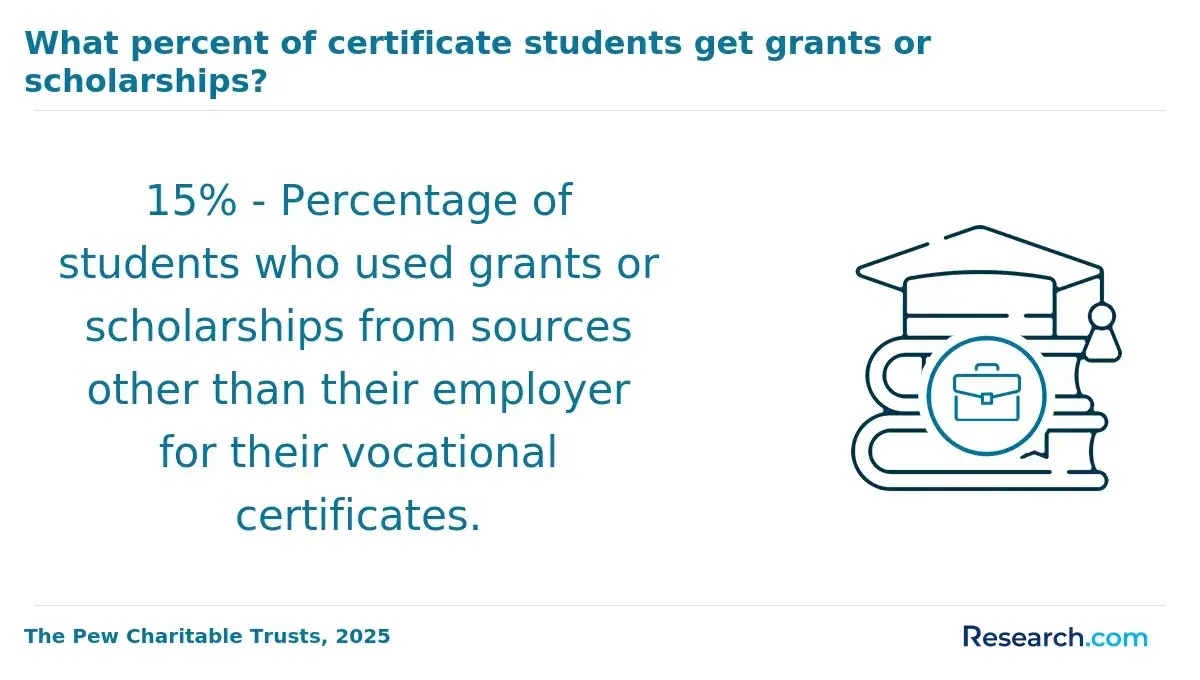
Can you earn a Political Science degree online or on campus?
Choosing between political science degree programs available online and campus-based political science courses with flexible schedules hinges on a fundamental tradeoff between accessibility and embedded practical experience. Online formats better accommodate working professionals in government or consulting by offering schedule adaptability, yet they often lack direct access to live political events, internships, or networking critical for roles in campaign management or legislative offices.
For instance, candidates targeting involvement in the $17 billion U.S. federal election ecosystem must prioritize programs providing tangible connections to political campaigns or consulting projects-opportunities usually tied to physical or hybrid settings.
Employers increasingly require documented experience in polling, data analytics, and communications alongside academic credentials. Students without flexible schedules may find accredited online programs with synchronous elements and local partnerships the most viable compromise.
Key decision factors include program accreditation, faculty expertise, and connections to political institutions, all influencing recruiter perception and employability in leadership roles. Balancing these considerations reflects the growing complexity of U.S. political funding and workforce demands.
For professionals interested in integrating data-driven skills with political analysis, exploring an MS data science online can enhance marketability within political consulting domains.
What accreditation should a Political Science program have?
Regional accreditation recognized by the U.S. Department of Education or the Council for Higher Education Accreditation (CHEA) serves as a baseline credential for accredited political science degree programs in the United States, safeguarding graduate eligibility for government and policy-sector roles.
Programs with additional accreditation from specialized bodies like NASPAA stand out by verifying rigorous curriculum design, faculty expertise, and practical training-elements critical when targeting public affairs leadership positions.
Employers in government relations or public affairs often weigh these credentials heavily, filtering applicants based on the presence of recognized accreditation. For example, a candidate from a non-accredited institution may be excluded from federal contract or legislative consulting opportunities due to unverifiable educational quality. Salaries in these fields typically range from $90,000-$130,000+ annually, reflecting the premium placed on accredited backgrounds.
The structured requirements of regionally and NASPAA-accredited programs, including core courses and internship mandates, can limit asynchronous and flexible learning-posing challenges for working professionals. Yet some institutions offer accelerated or hybrid formats to balance these tradeoffs. Prospective students should verify accreditation status directly on official databases to avoid diplomas with minimal recognition and diminished employment prospects.
In some cases, alternative pathways such as online paralegal certificate programs may complement or redirect career strategies within the public sector landscape. Understanding top political science program accreditation agencies' roles helps ensure educational investment aligns with realistic workforce expectations and long-term job outcomes.
What courses are in a Political Science leadership track?
Leadership tracks within political science demand a fusion of analytical rigor and applied governance skills, reflecting the realities of public-sector executive roles. Success hinges less on purely theoretical courses and more on pragmatic disciplines such as public administration, organizational theory, and administrative law, integrated with hands-on internships in government agencies.
This approach cultivates tangible expertise necessary for managing municipal functions and navigating ethical complexities in leadership.
Employers prioritize candidates skilled in communication strategies-media relations, negotiation, and public speaking-which often outweigh academic credentials alone. Specialized instruction on ethics in public service and leadership development prepares students to manage stakeholder conflicts and uphold regulatory compliance, skills directly tied to enhanced salary prospects for city managers, typically earning between $90,000 and $150,000.
Tradeoffs become apparent for working professionals pivoting into leadership roles: elective choices like budgeting and policy evaluation are far more strategic than generic political theory, influencing employability and efficacy in municipal finance management.
Core components include:
- Governance frameworks and policy analysis
- Quantitative methods supporting data-driven decisions
- Comparative politics offering broader international contexts
- Legal courses clarifying administrative duties and compliance
- Internships embedding real-world experience
Choosing programs that emphasize applied skills over abstract theory is critical to meeting the competitive standards of local governments seeking effective city and county managers.
What admissions requirements do Political Science programs usually expect?
Admission competitiveness in political science programs hinges on a combination of GPA thresholds and demonstrated analytical skills, balancing academic metrics with applied experience. While a minimum GPA near 3.0 is common, selective programs expect closer to 3.5-3.7, reflecting employer demand for critical reasoning abilities.
GRE scores are losing prominence, especially at mid-tier schools, as admissions panels focus more on evidence of interdisciplinary competence-history, economics, and social sciences coursework signal preparation for policy analysis roles.
Applicants must clearly articulate how their interests align with career objectives through targeted personal statements. A notable distinction arises for candidates pursuing advanced degrees: documented research or internship experience with government agencies, NGOs, or think tanks substantially improves employability, particularly for roles in public policy or foreign service.
These practical experiences bridge the gap between theory and the strategic decision-making challenges faced in diplomatic and policy environments.
Letters of recommendation need to reflect both analytical capacity and leadership potential, rather than generic endorsements. International candidates confront additional hurdles such as TOEFL scores above 100 and formal credential evaluations to meet US standards. Failure to demonstrate quantitative aptitude or practical exposure during admissions often restricts access to high-stakes government or international relations positions.
Labor market data indicates that political science backgrounds leading to Foreign Service Officer (FSO) roles and international relations careers yield low six-figure compensation at mid-career, especially in hardship postings. Understanding these tradeoffs is essential: academic credentials must be paired with real-world policy experience to meet employer expectations in complex global roles.
How long does a Political Science degree take and what does it cost?
Choosing a political science degree requires a careful balance between upfront costs, time investment, and anticipated workforce returns. Public universities offer four-year bachelor's programs costing roughly $10,000 to $30,000 annually for in-state students, tallying $40,000 to $120,000 in tuition alone.
Private institutions push this beyond $160,000, excluding housing and other essentials. Graduate degrees add another 1-2 years with annual tuition of $20,000 to $50,000, where candidates must weigh opportunity costs against potential salary increments.
Mid-career roles in nonprofits, such as program managers or policy directors, typically demand a bachelor's degree paired with practical experience, offering salaries between $70,000 and $110,000. These roles emphasize analytical skills and policy expertise developed through internships or relevant employment.
Prospective students should analyze indirect costs and assess financial aid options, part-time study possibilities, and employer tuition reimbursement programs that may prolong degree completion but alleviate immediate financial strain.
Successful career pivots into political science professions rarely depend solely on degrees. Strategic networking and targeted certifications play critical roles in meeting increasingly stringent employer criteria within policy and nonprofit leadership environments.
- Public in-state bachelor's tuition: $10,000-$30,000 per year
- Private bachelor's tuition: $40,000+ per year
- Master's tuition: $20,000-$50,000 annually
- Nonprofit mid-career salary range: $70,000-$110,000
What careers do Political Science graduates pursue after graduation?
Political science graduates face significant tradeoffs between compensation, career trajectory, and skill requirements across available roles. Corporate government relations and CSR/ESG leadership roles clearly offer the highest earning potential, with median incomes ranging from $90,000 to $130,000+.
These positions demand cross-disciplinary knowledge extending beyond political science fundamentals, incorporating business or environmental expertise to navigate complex regulatory landscapes and stakeholder pressures.
Conversely, roles in public policy analysis within federal or state agencies prioritize strong analytical and communication skills but typically start with lower salaries. Advancement in public sector roles often relies on cultivating networks and specializing in policy areas, which can delay financial gains but provide substantial influence over legislative or executive decision-making.
Political campaign management and nonprofit advocacy demand adaptability and direct stakeholder engagement. Though financially less lucrative, experience in these arenas can lead to influential leadership within political parties or advocacy coalitions, illustrating how practical experience sometimes outweighs immediate compensation.
- Graduates aiming for six-figure earnings within five years should augment political science training with business or environmental disciplines to enter corporate relations or ESG roles.
- Those prioritizing policy impact over salary growth must prepare for slower compensation progression but meaningful public service influence.
- Understanding each pathway's credentialing and networking challenges is critical for strategic career planning.
What salaries do Political Science leadership roles typically offer?
Leadership positions emerging from political science often demand advanced qualifications such as law degrees or public administration credentials to access higher salary brackets. For instance, political science majors who attend law school and become lawyers report median earnings near $125,675, with top-tier professionals surpassing $250,000. Such roles typically involve legal advising or government policy work, where compensation reflects specialized expertise and responsibility.
Public sector leadership roles-policy directors or legislative aides-start in the $70,000 to $110,000 range but can exceed $130,000 at senior levels within state or federal agencies. These positions often include benefits that supplement base salary. Nonprofit leadership, by contrast, generally offers lower pay, between $60,000 and $100,000, prioritizing mission impact over immediate financial gain.
Private sector opportunities, such as corporate public affairs or consulting, can exceed $150,000 with experience and performance incentives. Combining political science with skills like data analysis or strategic communication significantly boosts earning potential.
Students and professionals must balance educational costs and time against salary trajectories. Immediate entry without advanced degrees may mean accepting modest initial pay while targeting roles with growth potential. Pursuing law or specialized graduate study increases earnings but requires commitment to longer-term investment.
Effective career decisions in political science leadership weigh these tradeoffs carefully, considering sector-specific demands, credential requirements, and realistic earnings expectations.
What job outlook exists for Political Science graduates seeking leadership?
Advancing into leadership roles with a political science degree demands more than foundational knowledge; practical skills and targeted career strategies shape long-term outcomes. Graduates reaching mid-level leadership positions-typically within 5 to 9 years-earn median salaries around $63,000, commonly overseeing teams or advising in public agencies, nonprofits, or private policy units.
By contrast, those with 20+ years of experience can expect earnings near $100,000, often occupying senior managerial or executive roles.
However, success is far from guaranteed by the political science degree alone. Employers consistently favor candidates who augment their profiles with relevant certifications or advanced degrees in areas such as public administration, law, or business. Expertise in negotiation, data analytics, and management are pivotal for transitioning from entry-level policy or research roles to leadership.
Consider a campaign manager who leverages project oversight and stakeholder negotiation skills to break into senior leadership within a political consulting firm; this practical combination frequently accelerates career growth. Conversely, professionals who remain static in technical policy roles without expanding interdisciplinary competencies often face salary stagnation and limited advancement.
Prudent workforce planning for political science graduates should emphasize mentorship, diverse sector exposure, and networking within political and administrative circles to convert academic credentials into meaningful leadership opportunities.
Other Things You Should Know About Political Science
Internships and practical experience are critical for leadership trajectories in political science. Employers prioritize candidates with demonstrated real-world skills such as policy analysis, stakeholder engagement, and campaign experience over those with only academic credentials.
Practical learning environments also expose students to the pace and complexity of political work, which classroom study alone cannot replicate. Prioritize programs that embed substantial experiential components into the curriculum to increase employability and leadership readiness.
Choosing between specialization and breadth depends on your target leadership sector. Specializing in areas like international relations or public policy offers deep expertise valued in specific agencies but can narrow job options.
A broader political science education fosters adaptability and strategic thinking useful for diverse leadership roles across government, nonprofit, and private sectors. Assess industry demand and your career goals carefully; if unsure about a niche, prioritize a versatile curriculum that develops critical analytical and communication skills alongside foundational knowledge.
Certificates in public administration, policy analysis, campaign management, or legislative studies can strengthen leadership prospects. Many professionals also complete leadership institutes or executive education programs offered by universities, state associations, or the Congressional Staff Academy. These programs usually require a bachelor’s degree and professional experience, and some award continuing education credits.
References
- Political Science Major https://www.drury.edu/political-science/political-science-major/
- International College, Accredited Online Master’s, PhD & Fellowship Program ,UK Distance Learning https://internationalcollege-online.uk/
- Doctor of Philosophy in Political Science https://www.ceu.edu/academics/degrees/phd-political-science
- Applying to Political Science PhD Programs | Mariana Carvalho https://www.maricarvalho.com/post/application-polsci/
- Exploring the Top Political Science Careers for Your PhD https://smceducation.com/blog/political-science-careers/
- 15 early career jobs that map well to political science majors https://students.inroads.org/blog/2025/04/02/15-early-career-jobs-that-map-well-to-political-science-majors/
- Political Science Degree Jobs: 12+ Career Paths (2026) | Extern https://www.extern.com/post/political-science-degree-jobs-career-guide
- STAR Accreditation for our Department of Political Science and International Relations (English)! http://ticaret.edu.tr/siyaset-bilimi-ve-uluslararasi-iliskiler/en/2024/05/06/star-accreditation-for-our-department-of-political-science-and-international-relations-english/
- Who can do a Masters in Political Science? https://www.esce.fr/en/faq-all-the-answers-to-your-questions/who-can-do-a-masters-degree-in-political-science/
- 10 Top Degrees for a Career in Politics: Explore Your Best Options https://www.degreesforgood.org/features/degrees-for-a-career-in-politics/