2027 Sports Science Degree Programs for Career Changers

Co-Founder and Chief Data Scientist
Many working adults face stalled careers in physically demanding jobs and seek a path to enter the expanding field of sports science. However, transitioning without a relevant degree often limits access to advanced roles such as exercise physiologists or performance analysts. Recent data shows that 42% of adult learners pursuing sports science degrees do so to facilitate a career change, reflecting growing industry demand for qualified professionals. This article explores how sports science degree programs specifically designed for career changers streamline education, balance work-life commitments, and equip students with skills necessary to enter the workforce confidently and efficiently.
Key Things to Know About Sports Science Degree Programs for Career Changers
- Many sports science degree programs offer online or hybrid formats with flexible scheduling, enabling working adults to balance study with professional and personal commitments effectively.
- Accelerated pacing options allow career changers to complete their degrees faster, often within two years, matching industry demand for qualified professionals.
- Support services such as career counseling and employer partnerships improve employment outcomes, with 72% of graduates securing relevant roles within six months post-completion.
What Sports Science Programs Accept Career Changers?
Sports science programs that accept career changers are designed with flexibility to accommodate working professionals seeking to pivot into new fields. Their adaptable prerequisites and practical coursework make it easier for adult learners to leverage prior experience while gaining relevant skills. Nearly 40% of graduate program enrollees nationwide are adult learners, highlighting a strong trend toward advanced education for career transitions.
- Bachelor's Completion Degrees: These programs enable individuals with some college credits or unrelated degrees to complete their undergraduate studies efficiently. They provide flexible schedules and coursework that builds on existing knowledge, ideal for career changers.
- Master's Programs: Accepting students from diverse undergraduate backgrounds, these programs often include foundational courses to support newcomers. Their focus on applied knowledge suits professionals aiming for a seamless career shift.
- Certificate Programs: Offering targeted, short-term training with minimal prerequisites, certificate programs help career changers quickly gain entry-level skills in specific sports science areas. This approach facilitates a faster transition into the workforce.
- Online or Hybrid Degrees: By combining digital and in-person learning, these programs offer convenience for working adults balancing education and other commitments. They maintain rigorous academic content while enhancing accessibility for career changers pursuing sports science degree programs for working professionals.
For those researching flexible options beyond sports science, exploring a PharmD degree may also be worthwhile.
What Sports Science Specializations Are Best for Career Changers?
Selecting the right sports science specialization is essential for career changers aiming to transition efficiently and secure long-term success. Employment in allied health and fitness fields is projected to grow 15% through 2030, underscoring strong demand for skilled professionals. Below are four top specializations that align well with transferable skills and accessibility for those making professional transitions.
- Exercise Physiology: Builds expertise in human movement and health, making it ideal for individuals with backgrounds in biology or health sciences. This specialization opens doors to careers in rehabilitation and fitness where applied knowledge is critical.
- Sports Nutrition: Leverages understanding of diet and physiology, suited for professionals from healthcare or culinary backgrounds. It focuses on enhancing athletic performance and overall wellness, offering broad career mobility.
- Strength and Conditioning: This practical, action-oriented specialization fits those with coaching or athletic experience. It emphasizes optimizing performance training and is great for career changers seeking hands-on roles.
- Sports Psychology: Explores mental aspects of athletic performance and is accessible to those with backgrounds in psychology or counseling. It equips learners with skills in motivational strategies and mental health support relevant to sports settings.
For adult learners interested in related allied health roles, obtaining a medical assistant certification can complement a sports science degree track. Altogether, these specialized degrees represent some of the best sports science specializations for career changers seeking practical pathways and strong career outlooks.
What Are the Admission Requirements for Career Changers Applying to a Sports Science Program?
Career changers must carefully navigate admission requirements to find the most efficient route into a sports science program, which often needs to accommodate their unique professional and personal commitments. Nearly 40% of all postsecondary students are adult learners, emphasizing the growing availability of flexible admissions. Below are typical prerequisites tailored for nontraditional students in sports science degrees.
- Academic Credentials: A high school diploma or equivalent is generally required. Transcripts from any prior college coursework help admissions officers evaluate your academic background and readiness for sports science studies.
- Transferable Experience: Many programs consider professional experience and relevant certifications as part of the application. This approach values leadership, communication, and health-related knowledge gained in previous careers that align well with sports science.
- Flexible Scheduling: Look for admission criteria for career changers in sports science programs that support part-time enrollment, online classes, or evening courses. These options enable working professionals to balance education with other responsibilities.
- Personal Statements: A letter of intent or personal statement explaining your motivation and commitment to a career change is often required. This helps schools understand your goals and persistence in pursuing sports science education.
Additionally, to supplement your educational journey, consider related fields such as medical billing and coding classes online, which often offer flexible learning structures suited for career changers.
For career changers, gaining clarity on the coursework structure is vital to manage expectations and integrate past experiences with new study demands effectively. This understanding paves the way for a manageable schedule and successful immersion into the sports science field. The core subjects typically cover the following aspects:
- Anatomy and Physiology: Focuses on the human body's structure and function, emphasizing muscles, bones, and biological systems linked to physical movement, with content delivered flexibly to fit diverse learners.
- Biomechanics: Studies the mechanics of body movement, analyzing how forces interact with muscles and joints during activity, often balancing theory with practical assessments tailored for busy adults.
- Exercise Physiology: Explores how the body adapts to physical stress, training, and recovery processes, utilizing modular coursework that fits around existing commitments.
- Nutrition: Covers dietary principles that support athletic performance and health, designed to accommodate professionals seeking applicable knowledge without rigid timelines.
- Practical Application: Offers hands-on experiences such as lab work, fitness testing, and program design, linking theoretical knowledge to real-world scenarios in a flexible learning environment.
- Research Methods and Psychology: Provides insight into motivation, behavior, and evidence-based practice relevant to sports settings, often supported by advising to help balance study and life demands.
A professional who completed an online Sports Science degree shared his perspective on preparing for a career switch, noting that "adjusting to the online format while juggling a full-time job was challenging." He emphasized how early uncertainty about balancing studies and work gradually turned into confidence as the program offered tailored schedules and strong advisor support. He recalled, "The practical assignments pushed me to apply concepts immediately, which made the transition smoother-I could see how classroom theories translated to real challenges." His experience highlighted the importance of flexible coursework structured to respect existing responsibilities while fostering gradual immersion into a new professional path.
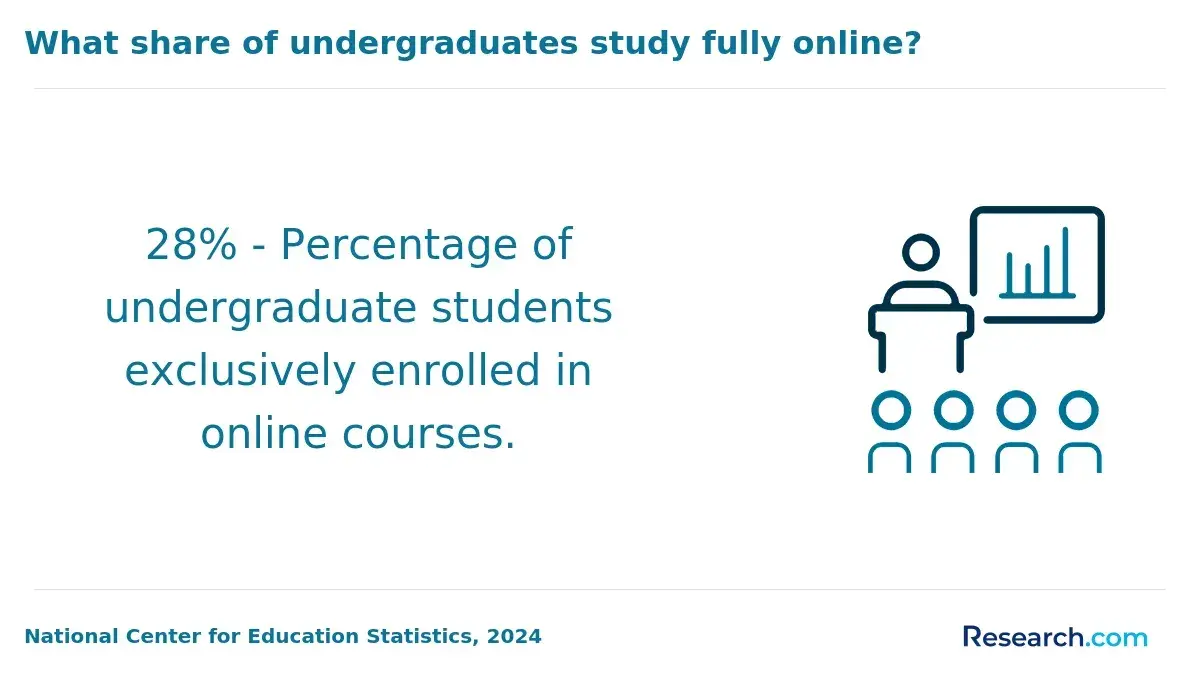
With nearly 40% of U.S. postsecondary students being adult learners, selecting a program format that accommodates professional and personal commitments is crucial for career changers. The growing popularity of online education-up over 20% in recent years-reflects a clear demand for flexible learning options. Below are some common sports science program formats designed to support busy adults.
- Online Degree Programs: Entirely virtual, these programs allow students to learn remotely at their own pace. Asynchronous classes provide maximum flexibility for those balancing work and family.
- Part-Time Programs: These spread coursework over an extended period, letting students manage studies alongside full-time jobs. This slower pace helps maintain work-life balance without sacrificing progress.
- Evening or Weekend Classes: Offering in-person instruction outside of typical business hours, this format allows hands-on learning while accommodating daytime work schedules.
- Hybrid Programs: Combining online coursework with occasional campus visits, hybrids offer both flexibility and direct interaction with faculty and peers, ideal for practical experience and engagement.
Career changers often rely on developing versatile skills to smoothly shift into new professions, especially as nearly 40% of adult learners pursue education to adapt to changing labor markets. Focusing on applicable and transferable abilities is crucial to meet the expectations of employers across industries. The following outlines five key competencies commonly acquired through a sports science program.
- Biomechanical Analysis: Mastering the principles of human movement equips individuals to contribute effectively in roles involving injury prevention, physical therapy, and athletic training, where understanding motion mechanics is essential.
- Exercise Physiology: Gaining insight into the body's response to physical activity allows graduates to create tailored fitness or rehabilitation plans, vital in personal training and therapeutic fields.
- Data Interpretation and Research Methods: The capability to analyze physiological data sharpens problem-solving skills and fosters evidence-based approaches, highly valued in healthcare, wellness, and scientific settings.
- Communication Skills: Learning how to simplify and convey complex scientific information supports successful interactions with clients and colleagues, enhancing teamwork in coaching or clinical environments.
- Leadership and Program Management: Developing expertise in organizing programs and leading teams prepares career changers for supervisory positions and entrepreneurial endeavors within health and sports sectors.
A career changer who completed a sports science degree shared her perspective on the transition. She emphasized the initial challenge of adapting to a science-heavy curriculum after years in a non-technical career and the dedication required to grasp unfamiliar concepts. However, she found the real value in how the program taught her to apply those skills pragmatically-such as communicating complex ideas simply to clients and leading projects-boosting her confidence in new roles. Reflecting on her journey, she noted, "The hands-on experience and leadership opportunities gave me tools I never thought I'd master, making the career change not just possible but rewarding." Her experience highlights how sports science skill development extends beyond theory, enabling decisive career shifts grounded in practical competence and self-assurance.
For career changers, knowing the total cost of earning a sports science degree is particularly important since graduate education debt averages about $66,000 for master's degree holders in the U.S. This financial consideration is critical for working professionals balancing career transitions and ongoing expenses. Below are the main cost components to consider when evaluating sports science degree tuition fees for working professionals.
- Tuition: Tuition is the largest expense, typically ranging from $10,000 to $40,000 per year depending on the institution and program format. Flexible options like part-time enrollment or online coursework can help spread out or reduce costs to accommodate working adults.
- Fees: Additional fees may include technology charges, course fees, and certification exam expenses. These often add several hundred dollars annually and should be factored into budgeting plans.
- Textbooks and Materials: Required textbooks and course materials can be costly, sometimes exceeding a thousand dollars per year. Some programs offer digital resources or rental options, which can lessen this financial burden for adults pursuing career changes.
- Lab and Equipment Costs: Depending on the program, lab fees or specialized equipment expenses may apply. These costs vary and should be confirmed with program advisors, especially for hands-on or competency-based programs that recognize prior experience to reduce time and expenses.
- Financial Support and Payment Options: Many working professionals benefit from employer tuition assistance programs, scholarships, grants geared toward adult learners, or company reimbursement plans. Additionally, some explore accelerated or competency-based routes to complete their degrees faster and more affordably.
For those considering flexible learning models, resources on online nursing school programs can offer insights into affordable distance education options, which share many cost-management strategies valuable for sports science degrees.
Curriculum design plays a vital role for career changers pursuing a sports science degree, as it aligns educational content with new professional goals while addressing the unique needs of adult learners managing work and family commitments. Effective curricula emphasize practical application and flexibility, ensuring transitions into new fields are both efficient and relevant. Here are key ways these programs support career changers:
- Applied Learning Opportunities: The curriculum bridges theoretical knowledge with practical tasks relevant to health, fitness, and rehabilitation industries, helping students gain hands-on experience directly applicable to real-world roles.
- Transferable Skill Development: Programs cultivate critical thinking, communication, and problem-solving skills, which enhance adaptability across multiple professions and support career changers in diverse settings.
- Flexible Pacing: Recognizing the demands on working professionals, many programs offer flexible schedules and course delivery options to accommodate steady progress without sacrificing existing responsibilities.
- Real-World Projects: Authentic project work integrated into the curriculum enables learners to build professional portfolios, showcasing capability and boosting confidence for job applications in their new career paths.
- Evidence-Based Focus: Emphasizing scientific principles rooted in evidence-based practices ensures graduates can confidently apply sports science concepts to practical challenges encountered in the workplace.
In the United States, key benefits of sports science degree programs for career changers include these targeted supports that help working professionals develop practical skills for seamless career transitions. For those also considering affordable healthcare-related programs, the cheapest DNP online program offers a useful reference.
For career changers, grasping potential job outcomes is vital to navigate a successful transition, especially as demand grows in fitness and wellness professions. The U.S. Bureau of Labor Statistics forecasts a 19% increase in employment for fitness trainers and instructors between 2022 and 2032, indicating expanding opportunities. Below are common roles graduates with a sports science degree frequently pursue.
- Exercise Physiologist: This role involves evaluating clients' physical fitness and creating rehabilitation strategies grounded in anatomy and physiology. Individuals with healthcare backgrounds can leverage their medical knowledge when entering this field.
- Sports Coach: Professionals design tailored training plans and work closely with athletes to boost performance. Leadership and educational experience are valuable assets for those transitioning here.
- Health and Wellness Consultant: Consultants develop personalized lifestyle recommendations and injury prevention plans. Strong communication and analytical skills from other careers support effectiveness in advising clients.
- Strength and Conditioning Specialist: Specialists focus on building specific strength programs for athletes, often drawing on prior experience in coaching or fitness training.
- Rehabilitation Specialist: This position centers on facilitating injury recovery through customized exercise regimens. It aligns well with backgrounds in physical therapy or medical fields.
Salary expectations are a vital factor for those switching careers, as they help align goals with financial realities and inform decisions about education investment. Research shows that reskilled workers often experience a median salary boost of around 10% after transitioning into new fields. Below are key salary insights relevant for those earning a sports science degree.
- Entry-Level Salaries: New graduates typically earn between $40,000 and $55,000 annually, reflecting the initial phase of skill development and industry acclimation.
- Mid-Career Earnings: Professionals with 5 to 10 years of experience generally see salaries in the $55,000 to $75,000 range, with growth linked to proven expertise and expanded responsibilities.
- Specialized Roles: Careers like athletic training or exercise physiology often command higher pay due to the need for certifications and advanced knowledge.
- Industry Variation: Compensation tends to be higher in sectors such as private clinics or corporate wellness compared to community programs or educational institutions.
- Geographic Impact: Location and local demand for sports science professionals significantly influence salary levels, with urban and high-demand regions offering premium wages.
What Graduates Say About Their Sports Science Degrees for Career Changers
- Dezel: "Switching careers to pursue a sports science degree was a thrilling yet significant commitment for me. Though the cost, averaging around $20,000 per year, felt steep at first, the investment quickly proved worthwhile. This degree opened doors to roles I only dreamed of before, and now I'm thriving as a strength and conditioning coach."
- Ramiro: "After years in finance, I decided to change paths and enroll in a sports science program. The financial aspect was daunting-costs can range widely-but I found scholarships and part-time work that alleviated the burden. Completing the program reshaped my professional identity, equipping me with credible expertise and confidence to excel in this dynamic field."
- Zoe: "My transition into sports science was driven by a passion for health and human performance. Although the expense, often between $15,000 and $25,000 annually, was a considerable factor, the education significantly enhanced my career prospects. Graduating has allowed me to consult at the highest levels, making every dollar spent feel like a solid investment."
Other Things You Should Know About Sports Science Degrees
Yes. Many 2027 sports science programs let adult learners submit a prior learning assessment or portfolio for up to 30 credits, usually evaluated against course outcomes. Schools often require transcripts, employer verification, and a faculty review before awarding transfer or experiential credit.
Yes, many 2027 sports science degree programs designed for career changers offer flexible scheduling, including online courses and evening classes. This flexibility helps accommodate students who may be balancing their studies with work or other responsibilities, making it easier to transition into a new career.
- Main navigation https://careersportal.ie/careers/detail.php
- ‘Life after sport’: Resources to support athlete career pivots https://careerwise.ceric.ca/2021/03/04/life-after-sport-resources-to-support-athlete-career-pivots/
- Possible Career Options for Sports and Exercise Science Graduates https://www.psb-academy.edu.sg/blog/career-options-sports-and-exercise-science
- What can you do with a sports science degree? https://www.wlv.ac.uk/news-and-events/wlv-blog/2024/may-2024/what-can-you-do-with-a-sports-science-degree.php
- What Qualifications Do You Need for Jobs in Sport and Sports Science Careers? - eta https://etacollege.com/what-qualifications-do-you-need-for-jobs-in-sport-and-sports-science-careers/
- What to expect from an SES degree https://www.physoc.org/careers/sports-science/what-to-expect-from-an-ses-degree/
- Is an Exercise Science Degree Really Worth It? - Part 1 - EricCressey.com https://ericcressey.com/is-an-exercise-science-degree-1/
- Life after Sports: a Career Transition Program for Graduating Collegiate Student-Athletes https://ir.library.illinoisstate.edu/etd/1950/
- Explore career pathways https://www.uksport.gov.uk/jobs-in-sport/career-pathways
- Rehabilitation and Sport Sciences Career Planner https://www.snu.edu/degrees/rehabilitation-and-sport-sciences-career-planner