2027 Social Media Degree vs Bootcamp vs Certificate: Which Path Leads to Better Career Outcomes?

Co-Founder and Chief Data Scientist
Choosing between a social media degree, bootcamp, or certificate can feel overwhelming when aiming for the best career outcomes. Employers value different credentials-yet a 2023 survey found that social media degree holders report 20% higher average salaries than bootcamp or certificate completers. Job placement rates and networking opportunities also vary significantly among these options.
Adults switching careers, part-time learners, and recent graduates must weigh return on investment and long-term growth potential carefully. This article evaluates each pathway's strengths and weaknesses based on solid data-helping readers determine which choice aligns best with their goals and circumstances.
Key Things to Know About Which Path Leads to Better Career Outcomes: Social Media Degree, Bootcamp, or Certificate
- Degree holders often access higher long-term salary growth and employer preference-bootcamps offer faster job placement but with lower initial salary ceilings.
- Bootcamps provide practical networking opportunities relevant to entry-level roles, while certificates boost resume credibility for working professionals seeking skill diversification.
- Return on investment varies-degrees suit recent high school graduates or career changers aiming for leadership, whereas certificates fit adult learners needing flexible, specialized upskilling.
How Does Social Media Degree Compare to Bootcamps and Certificates in Total Program Cost and Time to Completion?
Prospective students considering a career in social media face a clear choice between committing to a multi-year degree or pursuing a faster, more affordable option through bootcamps or professional certificates. Neither path is inherently better-it depends on individual goals, timelines, budgets, and learning preferences. A traditional social media degree, usually a bachelor's or associate's program, involves two to four years of full-time study and offers broad, theory-based education along with networking opportunities. According to the National Center for Education Statistics (NCES), total costs for these degrees range from $40,000 to over $100,000 at in-state public institutions, with private schools generally charging more.
Bootcamps provide immersive, intensive training focused on practical skills and job readiness, typically lasting 8 to 26 weeks. These may be full- or part-time, with part-time options extending the duration but increasing flexibility for working learners. Data from aggregators like SwitchUp and Course Report indicate average tuition costs between $7,000 and $15,000.
Meanwhile, professional certificates-offered by platforms such as Coursera, Google, or industry associations-allow learners to build targeted competencies through self-paced or instructor-led courses. These programs usually take a few weeks to several months to complete and cost between free and $2,000, making certificates the most affordable pathway for skill acquisition.
These differences underscore that cost and duration alone do not determine career outcomes. Readers interested in further exploring which higher education pathways best fit their goals and circumstances can consult resources on masters degrees for additional insights. Subsequent sections examine employer preferences, job placement rates, salary outcomes, and long-term growth opportunities across each pathway to help inform a well-rounded career decision.
What Career Outcomes Can Social Media Degree Graduates Expect Compared to Bootcamp and Certificate Completers?
Career outcomes for social media degree graduates compared to bootcamp and certificate completers reveal distinct differences and overlaps shaped by evolving employer expectations and industry trends. Data from the Bureau of Labor Statistics (BLS) Occupational Employment and Wage Statistics, NACE Early Career Salary Survey, and Course Report's bootcamp outcome reports offer benchmarks to evaluate employment rates, starting salaries, and job title seniority shortly after program completion.
- Employment Rate Within Six Months: Degree holders often show employment rates between 75% and 85%, reflecting employer trust in comprehensive education. Bootcamp graduates also fare well with rates near or above 70%, benefiting from employers valuing accelerated, skills-focused training. Certificate holders experience more variable rates, as many pursue certificates to supplement existing careers rather than initial roles.
- Median Starting Salary: Graduates with social media degrees typically earn $50,000 to $60,000 annually, per NACE data. Bootcamp alumni usually start around $40,000 to $50,000, though this gap is narrowing due to bootcamps integrating real-world projects. Certificates alone rarely raise starting salary without relevant work experience or degrees.
- Job Title Level at First Placement: Degree earners usually enter at coordinator or specialist levels, sometimes advancing faster to managerial roles. Bootcamp completers often begin as social media assistants or content strategists, focusing on tactical skills. Certificate holders generally secure support or niche roles that enhance an existing career path.
- Outcome Gaps and Field Dependence: The advantage of degrees is narrowing in many social media roles since hiring focuses more on proven skills than formal credentials. Yet, degrees maintain a notable edge for competitive or strategic positions, with gaps varying by employer, location, and specialization.
- Data Integrity and Critical Evaluation: Bootcamp results often rely on self-reported data prone to survivorship bias or selective disclosure. Prioritize bootcamps verified by the Council on Integrity in Results Reporting (CIRR) for reliable outcomes.
- Portfolio, Networking, and Market Factors: Credentials alone don't guarantee success-quality portfolios, active networking, geography, and industry demand heavily influence career advancement. Considering these factors alongside credential type provides a more complete view of social media degree graduate salary comparison and career advancement opportunities for social media bootcamp and certificate holders.
For those balancing affordability and flexibility, exploring business schools online can complement social media studies with broader digital marketing and business skills, enhancing long-term growth potential.
Which Social Media Pathway - Degree, Bootcamp, or Certificate - Offers the Highest Starting Salary for Graduates?
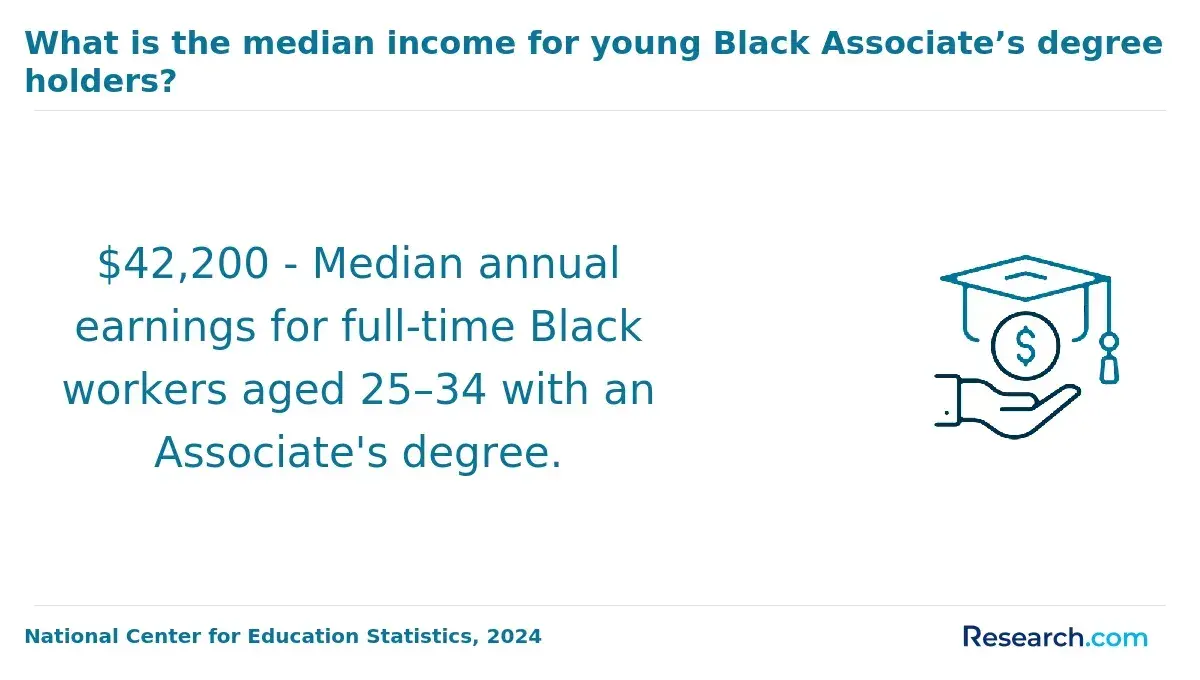
Entry-level salaries for social media roles typically range between $40,000 and $55,000 annually, varying by educational background and job specifics. Degree holders in social media, marketing, or communications usually command starting salaries near $50,000 to $55,000, benefiting from formal credentials that many larger employers prioritize.
Bootcamp graduates often earn somewhat less-around $45,000 to $50,000-reflecting practical skill training but limited formal recognition in traditional hiring frameworks. Certificate holders tend to start in the $40,000 to $48,000 range, with their qualifications often serving as supplementary credentials rather than standalone salary drivers.
- Employer Type: Larger enterprises tend to favor degree holders for higher pay, while startups and tech firms may prioritize skills, allowing bootcamp or certificate completers to compete on salary.
- Industry Sector: Fields like tech and advertising value bootcamp skills more, whereas nonprofit and government sectors typically prefer degree credentials.
- Job Title Specificity: Degree holders often advance faster in specialized roles-such as social media strategists or analysts-where advanced qualifications influence promotion.
- Geographic Market: Salaries vary by location, with metropolitan areas generally offering higher wages that can narrow education-related pay gaps.
Even when initial salaries are similar between pathways, degree holders tend to experience quicker salary growth due to promotion criteria and leadership tracks requiring formal education. Median salary figures mask wide individual variation influenced by prior experience, program quality, specialization focus, and geographic flexibility. Readers should consult detailed ROI analyses to assess financial outcomes considering both costs and salary prospects.
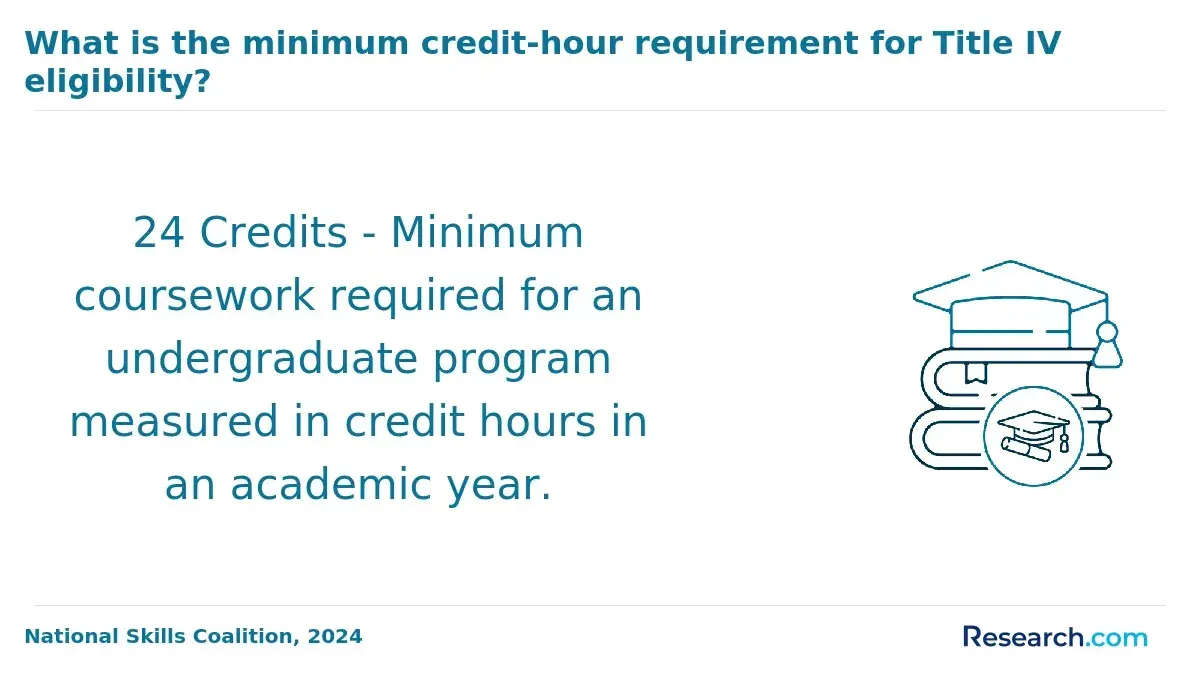
Admission criteria for accredited social media degree programs are notably rigorous, often serving both to filter candidates and signal quality to employers. Typical requirements include:
- GPA Minimums: A minimum high school GPA-usually between 2.5 and 3.0-is common to demonstrate academic preparedness.
- Prerequisite Coursework: Completion of foundational subjects like English, math, and sometimes introductory business or communications classes is usually necessary.
- Standardized Tests: Many programs continue to consider SAT or ACT scores, although some have relaxed this requirement in recent years.
- Letters of Recommendation: Applicants are generally asked to submit one or more endorsements to provide a fuller picture of their potential.
- Application Timelines: Fixed deadlines aligned with academic calendars require planning months in advance.
In contrast, social media bootcamps and certificate programs tend to have minimal entry barriers. These options often accept students on a rolling basis without demanding GPAs or standardized test scores, focusing instead on motivation and basic tech skills. Such accessibility offers significant advantages for non-traditional learners-including career changers, working professionals, and individuals from underrepresented groups-who might struggle with the costs, rigid schedules, or location constraints typical of degree programs.
Since bootcamps and certificates do not use selectivity as a quality signal, they emphasize other elements such as curriculum depth, instructor experience, third-party accreditation, and demonstrable outcomes like job placement. Prospective students must weigh their own academic records and life situations carefully to decide if the structured rigor and employer recognition of a degree outweigh its admissions hurdles, or if a more accessible bootcamp or certificate better fits their practical needs.
What Graduates Say About Which Path Leads to Better Career Outcomes: Social Media Degree, Bootcamp, or Certificate
- Trace: "Going through the social media degree was a game-changer for me-while the salary outcomes were a bit slower to kick in compared to bootcamp grads, the extensive network access and employer credential recognition have already opened doors I never expected. The degree's depth gave me a long-term career growth perspective that feels more sustainable and rewarding. For anyone valuing a comprehensive foundation and solid industry connections, this path is truly worth the investment."
- Sutton: "I opted for a social media bootcamp because I wanted quick immersion and practical skills-I noticed that job placement rates for bootcamp grads are notably higher in the short term, especially among employers looking for hands-on experience. That rapid transition was perfect for my learner profile, as I thrive in fast-paced environments. While the salary jump isn't always immediate, the return on investment is clear if you want speed and direct applicability."
- Ezekiel: "Choosing the social media certificate really suited my schedule and budget-I appreciated how employers increasingly recognize certificates as a credible credential, especially for entry-level roles. Although the salary outcomes might lag behind degree holders, the pathway fit for balancing work and study was ideal for me. It offered a practical, attainable step into the field with reasonable job placement rates and a decent return on investment for those not ready to commit to longer programs."
Other Things You Should Know About Social Media Degrees
A regionally accredited degree is easiest to verify because employers can confirm it through the school and databases such as the National Student Clearinghouse. Bootcamp and certificate proof usually depends on the provider’s records, a completion certificate, and, in some cases, third-party digital badges like Credly.
Career changers usually benefit more from bootcamps or certificates because these programs offer targeted skills and faster completion times, allowing quicker transitions into new roles. Recent high school graduates, however, often gain a stronger foundation and broader knowledge through traditional social media degree programs, preparing them for diverse opportunities and longer career trajectories in the field.
During recessions or tight labor markets, degree holders in social media tend to have more job security due to recognized credentials and deeper expertise. Bootcamps and certificates can help individuals gain entry-level positions swiftly, but these credentials may be less valued by employers seeking proven experience and formal education. That said, specific, up-to-date bootcamp skills can sometimes offer an advantage in niche roles even in challenging markets.
Social media degrees are usually offered by accredited colleges or universities, providing widely recognized credentials with established academic standards. Bootcamps and certificates vary significantly-some have industry endorsements but lack formal accreditation, which affects their perceived legitimacy. Prospective students should research program affiliations and employer recognition to ensure their credential supports career objectives effectively.
- Should I Earn a Social Media Degree? https://www.thoughtco.com/social-media-degrees-and-careers-4012289
- Digital Marketing Degree vs Bootcamp vs Certificate https://www.springboard.com/blog/business-and-marketing/marketing-degree-vs-bootcamp/
- How Your Location Affects Your Social Media Marketing Experience https://gosalesandmarketing.com/location-affects-social-media-experience/
- Uh-oh: Over half of hiring managers admit to checking candidates' social media for illegal info | HRMorning https://www.hrmorning.com/news/hiring-managers-look-at-social-media/
- Best Social Media Management Bootcamps | ComputerScience.org https://www.computerscience.org/bootcamps/rankings/best-social-media-management-bootcamps/
- Digital Factory https://www.dgtl-factory.com/blogs/211-mastering-geolocation-a-comprehensive-guide-to-harnessing-social-media-s-location-features
- How to Maximize the Impact of Alumni Networks https://www.careeros.com/resources/how-to-maximize-the-impact-of-alumni-networks
- Bootcamp vs College: Which Offers Better ROI in 2025? https://www.skillspire.net/post/bootcamp-vs-college-which-path-offers-better-roi-in-2025
- Digital Marketing: College Degree vs. Certificate Program https://www.nobledesktop.com/blog/digital-marketing-college-degree-vs-certificate-program
- Beyond graduation: The critical role of institution-owned alumni networks in higher education https://hivebrite.io/blog/institutions-role-in-alumni-networks/