2027 Should You Choose a BS in Business Administration or A Customer Experience Certification for Your Next Career Step?
Audited and Verified:
Our Editorial and Data Verification Process
Research.com uses government datasets, official education statistics and primary institutional information to support its career and degree guides. Our review process checks factual accuracy, occupational definitions, source dates and the requirements associated with the credentials discussed.
How This Article Was Fact-Checked
Our editorial team verifies salary estimates, employment projections, education requirements and program information against original data providers and official organizations. Salary figures are checked against the relevant occupational definitions and reporting periods. Information about licensure, accreditation and required in-person training is reviewed separately.
Fact-checked and verified on:

Co-Founder and Chief Data Scientist
If you want to move into customer experience (CX), a bachelor's degree and a professional certification solve different problems. A BS in Business Administration can broaden your options across business functions; CX certification can sharpen skills you may use in an existing role. The distinction matters when you are paying for training, changing careers, or trying to meet a specific employer's requirements. This comparison will help you match each pathway to your experience, target job, available time, and budget - and recognize when neither credential is the best next step.
Key Things You Should Know
- Choose a BS in Business Administration if your target roles require a bachelor's degree or you need broad preparation beyond CX; choose CX certification if you already have relevant experience and need focused, demonstrable skills.
- Neither credential guarantees a CX job or promotion. Employers may value evidence that you can analyze feedback, improve a customer journey, and work across teams more than an additional credential alone.
- The U.S. Bureau of Labor Statistics reports a May 2025 median annual wage of $78,760 for market research analysts, a related occupation - not a starting salary for CX certificate holders or business graduates.
What Is the Difference Between a BS in Business Administration and a Customer Experience Certification?
A BS in Business Administration is an undergraduate academic degree covering multiple business functions. A CX certification is a separately awarded professional credential focused on customer-related practice. It is not a degree, and a course-completion certificate is not necessarily the same as a certification that requires an assessment or experience.
The useful comparison is what each pathway adds to your current qualifications:
| Decision factor | BS in Business Administration | CX certification |
| Primary purpose | Build broad business knowledge and earn a bachelor's degree | Demonstrate focused CX knowledge under a provider's requirements |
| Typical scope | Accounting, marketing, operations, management, analytics, and general education | Customer research, journey mapping, service improvement, and CX measurement, depending on the provider |
| Best fit | Someone missing a required bachelor's degree or seeking options across business functions | Someone with relevant work experience who needs targeted CX development |
| Main limitation | May offer little CX depth without suitable electives and applied work | Does not replace a bachelor's degree when an employer requires one |
If your goal is general people management rather than customer journey work, even a CX-focused credential may miss the mark. Compare the curriculum and completion requirements of leadership bachelor's degrees with accelerated pacing only if that broader goal matches the jobs you want.
Which Career Path Offers Better Salary Potential and Job Opportunities?
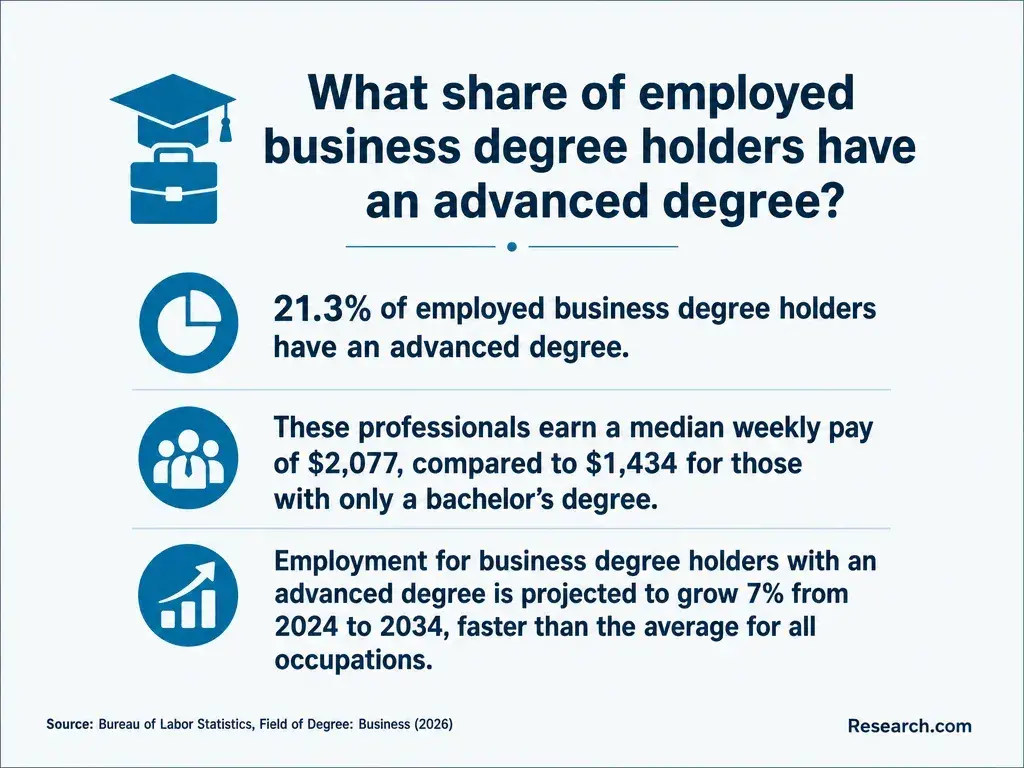
Neither credential has a single salary trajectory: employers pay for particular roles and responsibilities, not for possessing a BS or CX certification. With a business degree, you might pursue marketing coordination, operations support, or analyst roles. With CX experience and targeted training, you might pursue customer insights, service improvement, or journey-management work. Specialist and managerial positions commonly require relevant experience in addition to education.
For one related benchmark, the U.S. Bureau of Labor Statistics reports a May 2025 median annual wage of $78,760 for market research analysts and projects 7% employment growth from 2025 to 2035. Those figures describe an occupation that can involve studying customers; they are not CX-specific pay figures or expected earnings for new graduates. Compare actual postings in your location for the responsibilities and qualifications you want. If your interest is employee experience rather than customer experience, college pathways into human resources may be more relevant.
Do You Need a Degree or Certification to Work in Customer Experience?
There is no universal degree or certification requirement for CX work. A customer service employee, for example, may move toward CX by documenting recurring problems, helping analyze feedback, or coordinating an approved service improvement. A career changer can use experience in research, communications, operations, or data analysis - but must show how those skills apply to customers and business decisions.
Read job postings by task, not just title. A role centered on surveys and segmentation may call for research and analytical skills; one centered on complaint resolution may prioritize service operations. If the work you want is actually improving fulfillment or inventory, explore lower-cost supply chain completion routes instead of assuming a CX credential addresses that skill gap. If postings consistently require a bachelor's degree you do not have, certification alone is unlikely to remove that barrier.
A BS in Business Administration generally combines general education with a business core. For CX goals, the most useful subjects are marketing research, statistics, operations, organizational behavior, finance, and communication. Together, they help you ask whether a proposed customer improvement meets a real need, can be delivered reliably, and makes financial sense.
Check the actual curriculum: programs differ in quantitative depth, electives, concentrations, and applied assignments. A marketing course may introduce customer research without teaching you to run a CX program. Look for a suitable project, internship, or capstone if you need work samples, and confirm any academic approval before using workplace data. If customer problems stem mainly from purchasing, inventory, or delivery, compare accelerated supply chain bachelor's degrees with the broader business curriculum rather than assuming either covers the same depth.
Coverage varies by provider. A CX program may address customer listening, journey mapping, service design, measurement, and how to coordinate improvements across departments. Before enrolling, distinguish instruction from assessment: some offerings award a certificate for completing lessons, while a certification may require an exam, experience, continuing education, or renewal. Check the provider's published rules rather than relying on the label alone.
Judge the training against the work you want to do. Journey mapping, for example, is most useful when you can identify an actual customer problem, test assumptions against permitted evidence, and propose a feasible change. It does not establish that a change improved results. If your real objective is supervising a team rather than evaluating customer interactions, a different leadership pathway may serve you better; explore lower-cost supply chain completion routes only if your interest lies in the operational side of delivering the customer promise.
A bachelor's degree typically requires substantially more study than a standalone CX program, but your remaining time depends on transfer credits, course sequencing, and enrollment pace. Certification timelines depend on the provider's instruction, assessment, experience, and renewal rules. Do not compare an advertised short course with an entire degree without accounting for the credentials each awards.
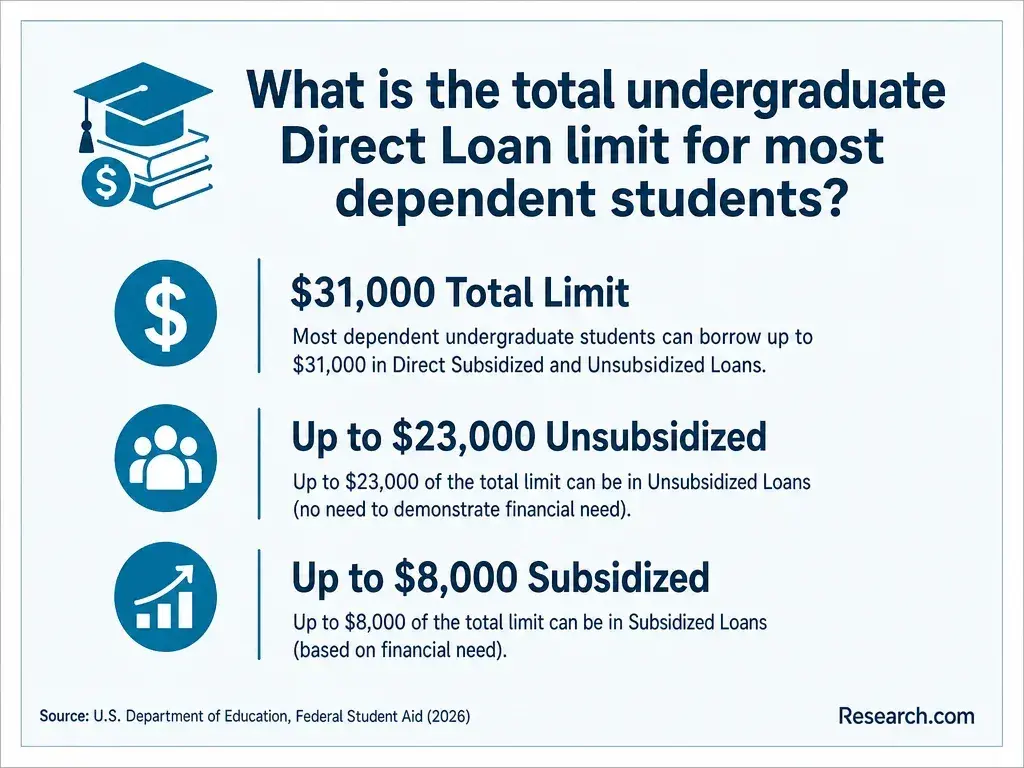
For a degree, request a written evaluation showing which previous credits satisfy requirements - not merely which credits the school accepts. Then compare remaining tuition, fees, materials, potential lost work time, and borrowing. For CX training, check the total cost of instruction, assessment, retakes, and renewal, and ask whether your employer will pay. Federal student aid eligibility for an eligible degree program should not be assumed for a standalone certification; project management bachelor's aid application planning illustrates the separate aid questions to investigate if you are comparing professional training with another bachelor's pathway.
Choose the format that lets you complete the required work, not simply the one advertised as flexible. Online business courses may still have live meetings, fixed deadlines, group presentations, proctored exams, or an internship or campus requirement. Campus study may offer easier access to in-person collaboration and local recruiting, but travel and scheduled classes can conflict with employment.
Ask for sample course schedules and assessment policies, then test them against your weekly work and personal commitments. If a faster finish is important, flexible fast-track routes in business education are worth comparing - but a shorter calendar does not mean fewer required credits or lighter weekly work. A short online CX program may be the more manageable option if you need one skill now rather than a bachelor's degree.
For a BS, schools commonly review prior academic records, and some business majors have separate entry or course-progression requirements. Transfer applicants should confirm prerequisites, minimum grades, credit applicability, and residency rules with the institution. Having credits accepted does not mean they satisfy accounting, statistics, or other required business courses.
CX providers set their own enrollment and certification rules. An introductory course may have open enrollment, while an assessed credential may require professional experience or a separate application. Verify eligibility before paying, especially if you are changing careers. If application costs are one factor in comparing degree programs, online college options without an application fee can narrow the search, but a waived fee says nothing about program fit or total tuition.
For a degree, check the institution's recognized accreditation and whether the specific business program falls within any claimed AACSB, ACBSP, or IACBE accreditation scope. Institutional accreditation and business-specific accreditation answer different questions; neither guarantees employment or that a particular CX course is offered.
A CX certification is not institutionally accredited simply because its provider uses professional standards or partners with a college. Examine who awards the credential, what competence is assessed, and whether employers in your target market recognize it. When comparing degree options, affordable accredited business administration programs accepting FAFSA can be a starting point, but confirm current accreditation scope and aid eligibility directly with each institution.
How Can You Choose a Reputable Degree or Certification Program?
Start with three target job postings and your current résumé. Identify the missing requirement each option would address: a bachelor's credential, broader business skills, specific CX methods, or evidence of applied experience. That prevents you from purchasing training that repeats skills you already use - or pursuing a full degree for a gap a focused project could address.
Before committing, use this short verification sequence to compare credible options on equal terms:
- Ask the degree program for a current curriculum, a written transfer evaluation if applicable, and a realistic remaining-course plan; ask the certification provider for its syllabus and award, assessment, and renewal rules.
- Calculate your likely total cost and weekly time commitment, including fees, required meetings, and any employer reimbursement conditions.
- Check whether you can produce an ethical work sample without disclosing customer information or proprietary records, and compare that evidence with what target employers request.
If a BS remains the stronger option, explore affordable colleges for business study as a shortlist - not a substitute for checking your individual degree audit, current charges, and course availability. Choose certification first when it addresses a clear CX skill gap you can apply; choose the degree when the missing bachelor's credential or broad preparation is the larger barrier.
Other Things You Should Know About Business Administration
Only if the receiving college approves it for credit under its policies. Ask the registrar or transfer office for a written determination before assuming it will reduce required coursework.
Use the exact credential name the provider awards. Do not imply you passed a separate certification assessment if you only completed a course.
Possibly, but sequence them around a demonstrated need. If you lack a required bachelor's degree, solve that barrier first; if you already meet degree requirements, test whether targeted CX training adds value.
Neither a general business degree nor a broad CX credential necessarily proves tool proficiency. Look for legitimate hands-on training and describe precisely what you have used or produced.
- Publication 970 (2025), Tax Benefits for Education | Internal Revenue Service https://www.irs.gov/publications/p970
- Cost of Attendance (Budget) | 2025-2026 Federal Student Aid Handbook https://fsapartners.ed.gov/knowledge-center/fsa-handbook/2025-2026/vol3/ch2-cost-attendance-budget
- Fast Facts: Tuition costs of colleges and universities (76) | ed.gov https://nces.ed.gov/fastfacts/display.asp
- College of Business Administration - Academic Catalog https://catalog.uic.edu/ucat/colleges-depts/business-administration/
- BA vs BS in Business Administration: What's the Difference? | CSP Global Concordia University, ST. Paul https://online.csp.edu/resources/article/ba-vs-bs-in-business/
- Online Bachelor's Degree in Business Administration | Purdue Global https://www.purdueglobal.edu/degree-programs/business/bachelor-business-administration/
- Degrees and Certificates, Business and Management | Dallas College https://www.dallascollege.edu/study/business-management/
- What Jobs Can You Get With a Business Degree? | snhu.edu https://www.snhu.edu/about-us/newsroom/business/what-jobs-can-you-get-with-a-business-degree
- What's the Deal With Entry-Level Job Experience Requirements? The | Rasmussen University https://www.rasmussen.edu/student-experience/college-life/entry-level-job-requirements/
- Equivalences for Education and Experiences | Human Resources https://www.etsu.edu/human-resources/hiring/equivalences.php