2027 Self-Paced Online Cloud Computing Bachelor's Degree Programs

Co-Founder and Chief Data Scientist
Professionals with unrelated undergraduate degrees often struggle to switch into cloud computing without disrupting their careers or life commitments. Traditional programs can demand full-time attendance, which is impractical for many. Self-paced online cloud computing bachelor's degree programs offer the flexibility needed to accommodate work schedules and personal responsibilities. According to recent data, 62% of students in these programs report balancing full-time employment while studying. This article explores how self-paced online cloud computing degrees provide accessible, accredited pathways for career changers seeking to enter the field, outlining key factors to consider when choosing a program.
Key Benefits of Self-Paced Online Cloud Computing Bachelor's Degree Programs
- Self-paced online cloud computing degrees offer unmatched flexibility, allowing working professionals to balance coursework with careers, family, and personal commitments effectively.
- These programs enable accelerated skill acquisition by letting students progress at their own speed-often completing degrees faster than traditional timelines.
- They provide cost-effective pathways to accredited credentials through reduced fees, prior learning assessments, and transfer credit policies, making quality education more accessible.
What Are Self-Paced Online Cloud Computing Bachelor's Degree Programs, and How Do They Differ From Traditional Online Formats?
Self-paced learning in online higher education allows students to complete coursework at their own speed, contrasting with cohort-based or strictly scheduled asynchronous formats. These cloud computing bachelor's degree programs emphasize open enrollment-enabling learners to start anytime-and flexible timelines that adapt to personal and professional commitments. Progression usually depends on mastering competencies through milestone assessments rather than fixed semester deadlines.
Compared to traditional online degrees, self-paced programs shift more responsibility onto students for managing time and motivation. While faculty support continues, interaction tends to be less frequent and often occurs through email or scheduled virtual office hours instead of live lectures or weekly discussions. This model suits students who prefer a flexible pace and personalized scheduling over cohort-driven course progression.
- Flexible Enrollment: Self-paced programs allow starting at any time without waiting for semester dates, which is ideal for working professionals and non-traditional students balancing complex schedules.
- Timeline Freedom: Learners choose how quickly to complete modules, making it possible to accelerate studies or pause when needed without penalties or formal leave requests.
- Faculty Interaction: Support is provided mainly through asynchronous communication, focusing on email and virtual office hours rather than synchronous group sessions or regular live classes.
- Student Accountability: Without structured deadlines and peer pressure, students must have strong self-discipline and time management skills to ensure steady progress.
Students drawn to self-paced online cloud computing bachelor's degree programs often seek flexibility combined with practical, skills-based learning. This format increasingly appeals as it aligns well with the needs of those advancing careers or returning to education after a break. When considering options, it's important to evaluate transfer credit policies, prior learning assessments, financial aid eligibility, and competency-based education models to ensure a good fit. Many schools offering such flexible degrees also rank among affordable options, especially when compared to other paths like the cheapest MBA online programs.
Which Accredited Institutions Offer Self-Paced Online Cloud Computing Bachelor's Degree Programs?
Several regionally accredited institutions offer self-paced online bachelor's degree programs in cloud computing, catering to learners who need flexibility due to work or personal commitments. These programs often use competency-based education models, allowing students to advance by demonstrating mastery rather than following a set schedule. Here are five reputable colleges and universities currently providing top accredited self-paced cloud computing degree programs online:
- Western Governors University: This nonprofit university employs a subscription tuition model, charging a flat rate per six-month term instead of per credit hour. Accredited by the Northwest Commission on Colleges and Universities (NWCCU), the competency-based program enables motivated students to finish in about 18 to 24 months by accelerating based on prior knowledge.
- Capella University: Known for its FlexPath learning format, Capella offers a self-paced bachelor's degree in information technology with a focus on cloud computing. Tuition is per six-month subscription, allowing completion of multiple courses within that period. Accredited by the Higher Learning Commission (HLC), average completion ranges from 1.5 to 3 years.
- Northeastern University Global Network: Through its College of Professional Studies, Northeastern provides flexible online cloud computing programs with rolling start dates. Accredited by the New England Commission of Higher Education (NECHE), tuition is per credit hour but generous transfer credits and prior learning assessments can reduce completion to 2 to 3 years.
- Southern New Hampshire University: SNHU offers a cloud computing bachelor's degree online with self-paced asynchronous courses. Accredited by NECHE, tuition is per credit hour. Flexible scheduling and credit transfer options can help dedicated learners finish in about 2 years.
- Purdue University Global: Purdue Global's competency-based online programs in IT and cloud technologies allow self-paced study without fixed semesters. Accredited by HLC, tuition follows a per-course pricing model, and students often complete their degrees within 2 to 3 years by transferring credits and leveraging prior learning assessments.
Each institution supports financial aid eligibility and prior learning assessments to help reduce both cost and time to degree. Students considering self-paced cloud computing programs should evaluate tuition models, transfer credit policies, and program flexibility to align with their needs. Choosing such programs offers experienced professionals an efficient path toward degrees that keep pace with industry demands and emerging technologies. For those seeking information on degrees that pay well, these programs provide a viable, flexible option for advancing careers in high-growth tech fields.
2026 Update: Evaluating Hands-On Cloud Practice in Self-Paced Programs
For 2026, this section adds guidance on how students can judge whether a self-paced online cloud computing bachelor’s program provides enough practical experience, not just flexible coursework.
- Check whether courses include virtual labs, sandbox environments, or guided cloud projects.
- Look for assignments that build a portfolio, such as deployments, network configurations, or security exercises.
- Confirm whether coursework aligns with commonly used cloud platforms and current industry tools.
- Ask how students receive technical support when working through labs independently.
- Review whether assessments test applied skills, not only quizzes or written responses.
- See if the program helps students prepare for optional cloud or cybersecurity certifications.
Focusing on hands-on learning helps career changers choose a program that supports real job readiness while still offering the flexibility of a self-paced format.
The time required to finish a self-paced online cloud computing bachelor's degree varies considerably. According to the National Center for Education Statistics, most comparable online bachelor's degrees take between three and six years to complete. However, self-paced programs offer the flexibility for driven students to accelerate their studies and sometimes graduate in as little as two years.
- Prior Credits: Transfer credits from other institutions or relevant certifications can greatly reduce the course load. Many programs allow up to two years of prior credits, which helps students focus only on major-specific courses and finish more quickly.
- Transfer Coursework: Established agreements between schools simplify the acceptance of completed classes. This helps students avoid repeating material, saving both time and effort.
- Weekly Hours Invested: The amount of time devoted weekly to studies strongly affects pacing. Those dedicating 20 or more hours per week tend to progress substantially faster than those juggling part-time studies with other responsibilities.
- Prior Learning Assessments: Credit for existing knowledge-including work experience and certifications-is often offered through assessments. Taking advantage of these can noticeably shorten degree completion time.
- Benchmarks and Supports: Structured pacing guides, regular academic check-ins, mentoring, and technical support services help students maintain steady progress and prevent falling behind.
One professional who enrolled in a self-paced online cloud computing bachelor's program shared that initially, balancing work commitments with coursework was overwhelming. "I underestimated how much discipline the program required," he admitted. Yet, having access to regular advising and clear pacing milestones helped him stay focused. The ability to leverage his previous IT certifications for credit shortened his study time significantly, and although the experience demanded persistence, completing the degree on his own terms was rewarding.
Admission requirements for self-paced online cloud computing bachelor's degree programs include:
- Educational Credentials: Most self-paced online cloud computing bachelor's programs require applicants to have completed a high school diploma or hold a General Educational Development (GED) certificate, confirming readiness for college-level studies.
- GPA Standards: Programs often expect a minimum undergraduate GPA between 2.0 and 2.5 on the 4.0 scale. More competitive institutions may demand higher GPAs, underscoring a focus on academic achievement and potential.
- Required Prerequisites: Some degrees ask candidates to have completed foundational courses like mathematics, introductory computer science, or IT fundamentals. These courses prepare students for advanced cloud computing curriculum and assist in smoother progression.
- Flexible Admissions: Many self-paced programs use rolling admissions or open-enrollment policies, enabling students to apply and start classes throughout the year. This approach benefits non-traditional students and those seeking to accommodate work or family obligations.
- Selective Versus Open-Access: Selective programs come with stricter enrolment requirements and offer enhanced academic support, while open-access options provide easier entry but usually less personalized guidance. Choosing between these depends on the student's needs and readiness.
- Application Enhancements: Candidates not fully meeting admission standards can boost their applications by submitting compelling personal statements, relevant professional experience, or finishing bridge courses. Demonstrating motivation helps improve admission chances.
Prospective learners exploring transfer credit policies for online cloud computing bachelor's degrees should also evaluate how prior coursework aligns with program requirements and seek programs offering credit for prior learning assessments. For those interested in related fields, reviewing masters in social work online programs may provide insight into flexible pathways suited to working professionals.
Costs for self-paced online cloud computing bachelor's degrees vary widely based on institution pricing models. Tuition may be charged per credit hour, through a flat-rate monthly subscription, or via bundled fees covering multiple courses or terms. According to NCES and IPEDS data, per-credit tuition typically ranges from $300 to $600+, translating to an overall cost of $36,000 to $72,000 for a traditional 120-credit program.
Many programs use flat-rate monthly pricing that rewards faster completion by reducing time-based fees. However, slower progress can lead to higher overall costs as monthly payments accumulate. It's important to compare upfront tuition rates with total expected costs depending on your pacing.
- Technology Fees: Mandatory charges for online platforms and support, usually between $100 and $500 per year.
- Proctoring Charges: Exam supervision fees commonly range from $30 to $50 per test and can add up quickly with many assessments.
- Course Materials: Some schools include digital textbooks and software in tuition, while others require separate purchases amounting to several hundred dollars each semester.
- Software Subscriptions: Access to cloud computing labs or specialized software often involves monthly or semester-based subscription fees.
A professional who completed a self-paced online cloud computing bachelor's degree shared that managing the financial aspect was a balancing act. She found that while the subscription model offered flexibility, it required disciplined pacing to avoid escalating costs. "I initially underestimated how proctoring fees and software subscriptions would add up," she said, explaining that budgeting for these hidden expenses early helped prevent surprises. Despite occasional stress over cost tracking, she valued the autonomy to accelerate when work demands allowed, ultimately feeling that the investment matched the career opportunities she gained.
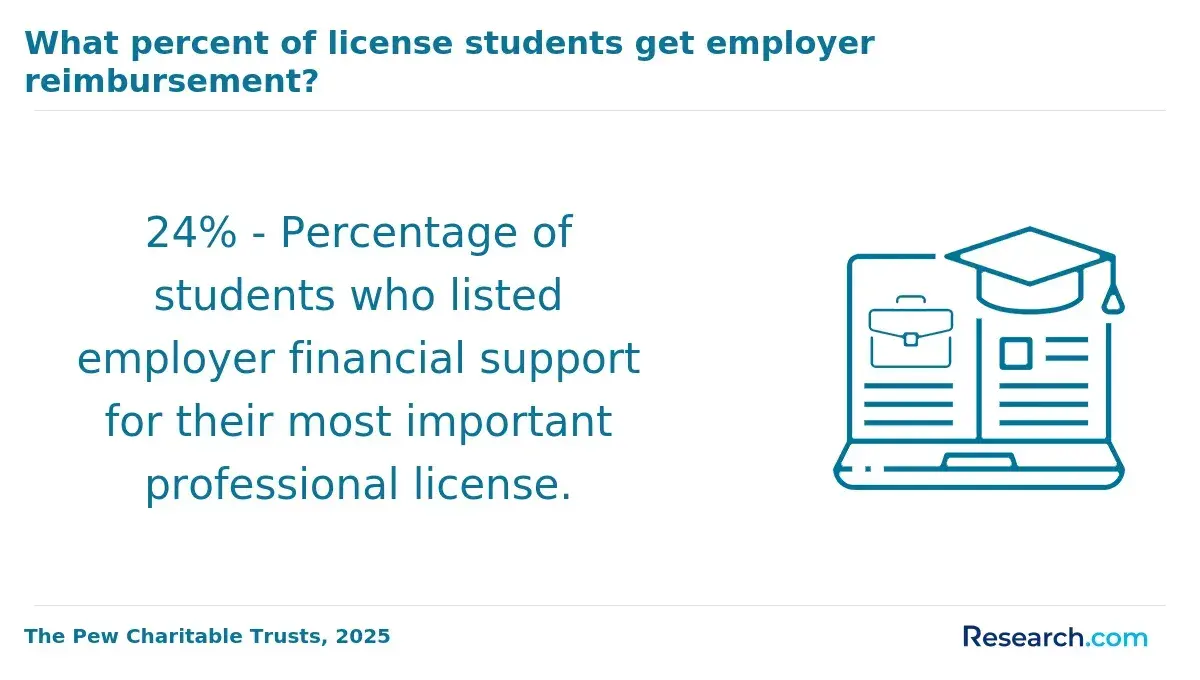
Financial assistance for self-paced online bachelor's degrees in Cloud Computing combines federal, state, and institutional resources, often influenced by competency-based education (CBE) frameworks. Since many CBE programs translate competencies into credit hours for FAFSA eligibility, confirming qualification with financial aid offices is essential before enrollment. According to the College Board's 2023 Trends in Student Aid, nearly 40% of undergraduates receiving aid study exclusively online, reflecting expanding support for distance learners.
Federal aid options-such as Pell Grants, Direct Loans, and work-study-form the primary funding source for many students. Additionally, various states offer grants or tuition relief for residents in accredited online programs, though these vary significantly depending on the state's policies. Institutional support can include scholarships and tuition discounts based on academic achievements, financial circumstances, or prior experience.
Students pursuing Cloud Computing degrees may also access scholarships from professional groups like the Association for Computing Machinery or the Cloud Security Alliance, which provide discipline-specific funding to ease education costs. Because self-paced structures can affect when aid funds are disbursed, thoughtful planning and communication with the financial aid office help ensure consistent support throughout the program.
- Federal Aid Eligibility: CBE programs' credit conversion impacts FAFSA qualification, so verifying eligibility and application steps early is crucial to secure federal funding.
- State Grants and Scholarships: Many states administer grants or tuition assistance for online learners, requiring students to investigate local offerings to optimize aid potential.
- Institutional Support: Colleges frequently provide merit- or need-based scholarships for Cloud Computing students, with availability and amounts differing by institution.
- Professional Scholarships: Industry organizations offer targeted scholarships to Cloud Computing students, helping reduce costs and build connections in the field.
- Disbursement Timing: Self-paced designs may alter typical financial aid release schedules, making early discussion with financial aid advisors important to maintain funding access.
Competency-based education (CBE) models in self-paced online Cloud Computing bachelor's degree programs emphasize mastery of skills and knowledge through assessments instead of traditional seat time. Students advance by demonstrating competencies on projects, exams, or portfolios, allowing flexible pacing tailored to individual needs and prior experience.
For financial aid, CBE programs convert competencies into credit hours either through federally approved direct assessment models or by aligning mastery with credit-hour equivalencies. Direct assessment programs measure learning without traditional credit conversions, whereas credit-hour-equivalent programs preserve standard credit structures, which can ease financial aid eligibility.
Notable examples of Cloud Computing programs using CBE come from Western Governors University, Southern New Hampshire University, and Capella University. Western Governors University relies on performance tasks and assessments paired with dedicated faculty mentors who provide continuous support. Southern New Hampshire University accepts real-world work as proof of skill mastery, and Capella University's FlexPath format offers coaching and regular feedback to guide student progress. Employers highly regard these institutions for combining flexibility with validated competence.
Success in CBE demands strong self-drive and time management since the less-structured format requires students to maintain motivation independently. Prospective learners should honestly evaluate their learning styles and discipline before enrolling to ensure alignment with CBE's demands.
Enrollment in competency-based programs has grown by over 15% in recent years, underscoring rising interest in flexible, career-focused educational pathways.
- Mastery Over Time: Students progress by demonstrating skills through assessments rather than completing fixed classroom hours, enabling personalized learning paths.
- Credit Translation: CBE achievements convert to credit hours for financial aid, distinguishing between direct assessment models and credit-hour-equivalent options.
- Leading Programs: Universities like Western Governors University and Capella University combine rigorous assessments with faculty mentorship in Cloud Computing CBE offerings.
- Self-Discipline Required: The self-paced format requires strong motivation and effective time management to thrive.
- Growing Enrollment: A 15%+ increase in CBE program enrollment reflects their growing acceptance among working and non-traditional students.
Accreditation plays a vital role in determining the value of a self-paced online cloud computing bachelor's degree program. In the United States, regional accreditation is generally more prestigious and holds greater weight with employers and graduate schools in this field compared to national accreditation. Degrees from regionally accredited institutions indicate that the school meets high academic standards established by six main regional accrediting bodies recognized by the U.S. Department of Education: the Middle States Commission on Higher Education, the New England Commission of Higher Education, the Higher Learning Commission, the Northwest Commission on Colleges and Universities, the Southern Association of Colleges and Schools Commission on Colleges, and the WASC Senior College and University Commission.
Some self-paced cloud computing programs also possess programmatic accreditation specific to their technical disciplines-such as ABET-which provides an additional layer of quality assurance aligned with industry requirements. Prospective students should exercise caution when enrolling in nationally accredited or non-accredited programs because credits earned may not transfer easily to other institutions. This limitation can affect the ability to pursue further education. Furthermore, employers may view such degrees less favorably, potentially hindering career advancement in the competitive cloud computing sector.
Before applying, it is important to verify a program's accreditation status through trusted sources like the U.S. Department of Education's accreditation database or the Council for Higher Education Accreditation (CHEA) directory. Utilizing these tools helps students avoid substandard programs and choose pathways that best support their educational and career goals. Those interested in flexible learning models may also find relevant options by exploring online master degree programs in counseling, which sometimes share similar accreditation concerns.
- Regional Accreditation: This type is the most respected and broadly accepted by employers and graduate schools in cloud computing, signifying institutions meet rigorous academic standards.
- National Accreditation: Often less rigorous, these accreditations can restrict credit transferability and are less recognized by employers within professional environments.
- Programmatic Accreditation: Specialized endorsements like ABET affirm the quality of technical cloud computing tracks with a focus on industry-relevant skills.
- Risks of Non-Accreditation: Degrees from unaccredited schools frequently face challenges with credit transfers and are generally regarded as less credible by employers.
- Verification Tools: Use the U.S. Department of Education and CHEA databases to confirm accreditation status before enrollment to ensure educational quality and better career prospects.
Transfer credit policies for self-paced online cloud computing bachelor's degree programs differ widely, but many programs strive to maximize how previous coursework applies to accelerate degree completion. These policies are influenced by accreditation standards, articulation agreements, and how closely previous credits align with cloud computing curriculum. Students looking for maximum flexibility should review each program's transfer credit page carefully, especially as part of their research into transfer credit policies for self-paced online cloud computing degrees.
Some online cloud computing bachelor programs stand out with particularly generous transfer policies, accepting up to 90 credits-covering nearly three-fourths of the usual 120-credit requirement. Many institutions also grant credit for military training and experience according to American Council on Education (ACE) guidelines. Community college articulation agreements further enhance transfer opportunities, enabling seamless transitions and reducing redundant coursework. Early transfer credit evaluation is essential to clarify remaining degree requirements and costs.
For those interested in building credentials alongside their degree, exploring certifications that pay well can also complement their educational and career goals within cloud computing fields.
- Credit Limits: Programs differ, but some accept up to 90 transfer credits, significantly shortening the path to graduation and reducing overall tuition expenses.
- Military Training Credits: Many institutions award credits for military experience aligning with ACE recommendations, supporting veterans returning to education.
- Articulation Agreements: Partnerships with community colleges allow smooth transfer of technical and general education credits, ensuring continuity toward the bachelor's degree.
- Course Relevance: Transfer credits must closely match cloud computing and related technology coursework to meet program standards and accreditation requirements.
- Pre-Enrollment Evaluation: Requesting transfer credit assessments before enrolling helps students clearly understand their true credit load and financial commitment.
Prior Learning Assessment (PLA) offers students in self-paced online cloud computing bachelor's programs the chance to earn academic credit for knowledge gained outside traditional classrooms. This includes professional experience, military training, industry certifications, and independent study. Common PLA methods include portfolio reviews, challenge exams, and standardized tests such as CLEP and DSST, all designed to validate prior learning efficiently.
Many affordable self-paced cloud computing programs support flexible PLA policies, often allowing students to apply between 30% and 50% of their degree credits through prior learning. The American Council on Education (ACE) provides credit recommendations for numerous military and civilian credentials, proving especially valuable for service members and working professionals aiming to accelerate degree completion without redundant coursework.
To increase approval chances, applicants should submit organized documentation, such as detailed resumes, official certificates, transcripts, and reflective essays connecting their experiences to course objectives. Clear adherence to program-specific submission guidelines enhances credit evaluation outcomes.
Recent surveys reveal that over 70% of working adults pursuing bachelor's degrees consider PLA a critical factor when selecting programs, reflecting a growing demand for educational pathways that accommodate busy professionals' schedules.
- Portfolio Review: Compilation of work samples and certifications demonstrates mastery of course-related skills, evaluated by academic faculty to award credit.
- Challenge Exams: Rigorous tests allow students to bypass coursework by proving subject proficiency through assessments.
- Standardized Testing: CLEP and DSST exams offer cost-effective ways to validate cloud computing knowledge recognized by many institutions.
- ACE Credit Recommendations: Official evaluations of military and professional training streamline credit transfer for eligible students.
- Submission Process: Program advisors provide guidance to help students effectively package and submit evidence, optimizing PLA outcomes.
Self-paced online cloud computing bachelor's programs often offer multiple concentration options, each tied to distinct career paths and earning potentials based on BLS data. Selecting a specialization can impact program length due to varying certification or practical experience requirements, influencing how quickly students can complete their degrees.
- Cloud Infrastructure and Architecture: Concentrating on building and managing cloud platforms such as AWS, Azure, or Google Cloud, this track prepares graduates for roles like cloud architects and systems engineers. Median salaries typically fall between $120,000 and $150,000, with certifications like AWS Certified Solutions Architect commonly expected by employers.
- Cybersecurity in Cloud Environments: Focusing on cloud security protocols and risk mitigation, this specialization leads to positions such as cloud security analysts or information security managers. Salary ranges usually span $95,000 to $135,000, alongside common certification requirements including CISSP or CompTIA Security+.
- Data Analytics and Cloud Computing: Combining cloud expertise with data analysis skills, students targeting data engineer or business intelligence analyst roles often see salaries from $85,000 to $130,000. Many programs offer hands-on projects instead of traditional internships.
- DevOps and Cloud Automation: This concentration emphasizes automation and continuous delivery, suitable for DevOps engineers or cloud automation specialists. Median incomes are around $110,000 to $140,000, though coursework intensity may lengthen program completion.
- Software Development in Cloud Computing: Training students to develop cloud-native applications, this path aligns with software engineering careers often exceeding $100,000 annually. The programming-heavy curriculum can extend study time, especially for beginners.
Aligning concentration choice with personal interests and labor market trends can optimize degree timelines and career readiness within self-paced cloud computing programs.
What Graduates Say About Self-Paced Online Cloud Computing Bachelor's Degree Programs
- Benny: "Choosing a self-paced online cloud computing bachelor's degree was crucial for me because I needed the flexibility to work full-time while studying. The program's affordable tuition made it possible without taking on too much debt, which was a major concern. Since graduating, I've been able to confidently advance my career in IT infrastructure-this degree truly opened doors I hadn't anticipated."
- Greyson: "Reflecting on my journey, the self-paced online cloud computing bachelor's program offered the perfect blend of rigorous coursework and autonomy. The cost was reasonable compared to traditional degrees, and I felt it was a smart investment considering the career growth that followed. Now, I'm leading cloud projects at my company and continually expanding my expertise thanks to the strong foundation this degree provided."
- Cooper: "The decision to pursue a self-paced online cloud computing bachelor's degree stemmed from my desire to pivot careers without sacrificing my current job performance. The program's cost-effectiveness and flexible schedule perfectly suited my needs, allowing me to learn deeply without feeling overwhelmed. After completing the degree, my professional opportunities multiplied, and I now enjoy both increased responsibility and salary in the cloud sector."
Other Things You Should Know About Cloud Computing Degrees
These programs offer flexibility by allowing students to progress through coursework at their own pace, accommodating varying work hours or family commitments. Additionally, many programs provide asynchronous lectures, recorded materials, and accessible faculty support to fit different time zones and schedules. Prior learning assessments and transfer credit options often help reduce time to degree completion, which benefits students balancing education with other responsibilities.
Most programs require a high school diploma or GED, plus basic computer literacy and reliable internet access. Some schools ask for prior college credits or an associate degree for transfer, and may require placement in math or writing before students begin upper-level cloud and cybersecurity coursework.
- What is the course fee for cloud computing? - Cloud Zone https://www.cloudzone.in/what-is-the-course-fee-for-cloud-computing/
- 2025 Cloud Computing Tuition https://www.collegetuitioncompare.com/majors/11.0902/cloud-computing/
- Average Cost of Online College [2025]: Yearly Tuition + Fees https://educationdata.org/average-cost-of-online-college
- Competency-based education (CBE): A landscape overview https://feedbackfruits.com/blog/competency-based-education-higher-education-a-landscape-overview
- Online Degree vs. Traditional: Choosing the Right Path https://beal.edu/online-degree-vs-traditional/
- Online vs On-Campus Cloud Computing Degrees: Which Is Better? https://hakia.com/degrees/cloud-computing/online-vs-campus/
- Client Challenge https://www.scribd.com/document/735658172/2018-COA-Online
- The Complete Guide to Competency-Based Education https://www.d2l.com/blog/the-complete-guide-to-competency-based-education/
- CAEL | Why Credit for Prior Learning (CPL) or Prior Learning Assessment (PLA) Matters https://www.cael.org/lp/cpl-pla
- What Is Competency Based Education: A New Way To Learn https://www.uopeople.edu/blog/competency-based-education/