2027 Online Cloud Computing Bachelor's Degree Program Costs: Tuition & Fees

Co-Founder and Chief Data Scientist
Many prospective students hesitate before enrolling in an online cloud computing bachelor's degree program due to unclear tuition costs and hidden fees. The financial commitment can feel daunting without transparent information, leading to uncertainty about return on investment. According to recent data, 62% of online bachelor's degree students consider total cost as the primary factor when selecting a program. This article aims to clarify typical tuition and fees associated with online cloud computing degrees, providing detailed cost breakdowns and insights to help students make well-informed financial decisions about their education paths.
Key Things to Know About Online Cloud Computing Bachelor's Degree Program Costs
- Tuition structures often vary between per-credit fees and fixed semester rates, influencing total costs based on enrollment intensity and course load flexibility.
- Additional fees may include technology access, virtual lab rentals, textbooks, and exam proctoring, which can cumulatively add a significant amount beyond base tuition.
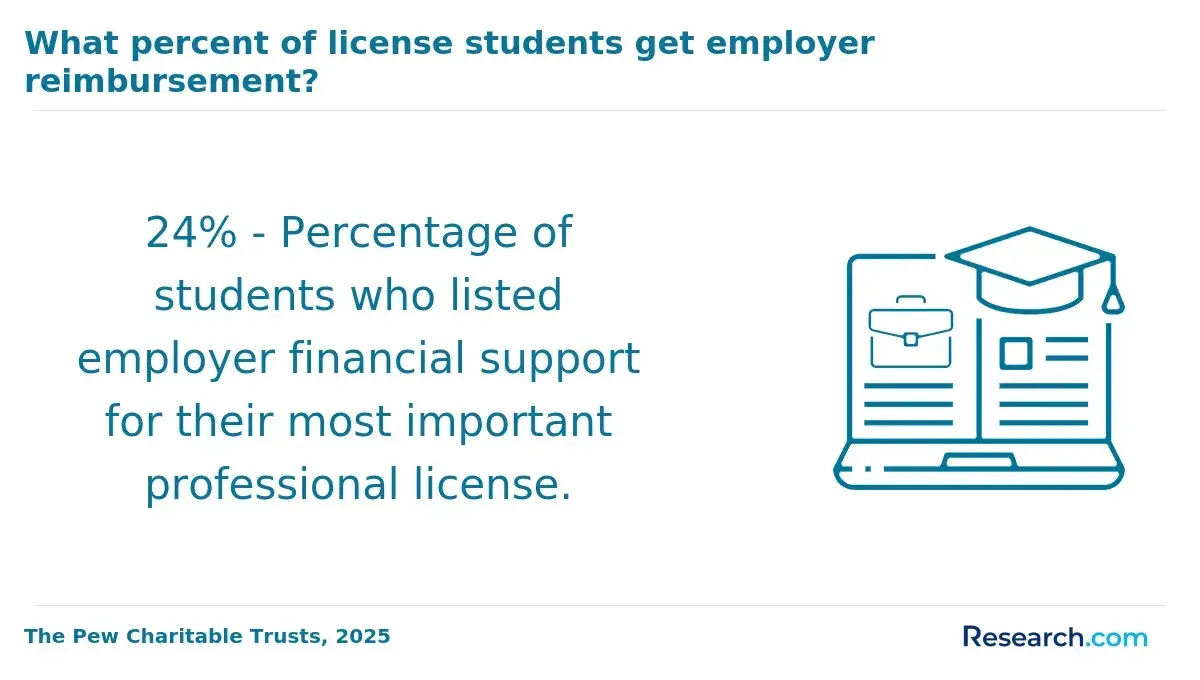
- Financial planning should account for potential scholarships, employer reimbursement programs, and federal aid, with online programs often offering unique flexible payment options to reduce financial strain.
What Is the Average Cost of an Online Cloud Computing Bachelor's Degree?
The average tuition cost for an online cloud computing bachelor's degree in the US typically falls between $15,000 and $40,000 for the entire program, though precise amounts vary by institution and pricing model. Tuition fees generally range from $300 to $600 per credit hour, with an average around $500 per credit. This means total costs often approach $60,000 for the full program. Based on national education data, annual tuition and fees for online bachelor's degrees usually lie between $14,000 and $22,000, reflecting variations between public and private schools.
Total expenses of a US online cloud computing bachelor's degree program largely depend on credit hour requirements, which are commonly around 120 to 130 credits for completion. Most programs base their charges on credits taken, though some offer flat-rate tuition for full course loads per term. Tuition is the primary cost element, accompanied by mandatory fees, and students usually complete their degree within four years of full-time study. Prospective students searching for cost-effective options may explore cheap online colleges that accept FAFSA to find competitive tuition rates and financial aid opportunities.
What Factors Affect the Cost of an Online Cloud Computing Bachelor's Degree?
The total cost of an online cloud computing bachelor's degree in the U.S. can vary widely based on several important factors. These elements impact how much students ultimately invest in their education, helping them plan their finances more effectively. Regional tuition differences for cloud computing degree programs also play a significant role in overall expenses.
Key factors influencing the cost include:
- Credit Requirements and Program Length: Most programs require between 120 and 140 credits. Longer programs or those with additional specializations increase tuition since costs are often charged per credit hour.
- Tuition Models: Some schools use flat-rate semester pricing regardless of course load, while others charge by credit hour. The per-credit model can be cost-effective for faster completion, whereas flat rates often benefit full-time students.
- Residency Status: Public universities frequently charge lower rates for in-state students compared to out-of-state learners, even for online offerings. However, some online programs have uniform pricing regardless of residency.
- Additional Fees: Mandatory charges such as technology, lab, and registration fees add to tuition costs. These fees can vary but should always be included when estimating total expenses.
- Program Accreditation and Reputation: Degrees from highly accredited institutions may cost more due to enhanced resources and potential career benefits. Considering quality alongside price is important.
Prospective students seeking affordable options can also explore programs like the cheapest online LPC programs, which reflect the diversity of pricing structures in higher education today.
2026 Update: Payment Timing and Out-of-Pocket Planning
For this 2026 refresh, we added guidance on when online cloud computing students may need to pay costs, since timing can affect affordability as much as the total price.
- Check whether tuition is billed by course, term, semester, or subscription period.
- Review payment plan options, including setup fees, due dates, and missed-payment rules.
- Ask when financial aid, scholarships, or employer reimbursement funds are applied to your account.
- Confirm whether cloud lab access, certification exam vouchers, or software tools must be paid upfront.
- Understand refund deadlines before dropping a course or changing your enrollment pace.
- Plan for early expenses such as hardware upgrades, internet needs, or required onboarding materials.
Looking beyond the listed tuition helps students avoid cash-flow surprises and choose a cloud computing program that fits both their budget and payment schedule.
Online cloud computing bachelor's degrees generally cost less than traditional, on-campus programs, offering a financially attractive alternative for many students. For example, the National Center for Education Statistics reports that the average annual tuition and fees for public four-year in-state students reached about $10,740 in 2022-2023, while online programs frequently charge lower per-credit tuition and reduce additional costs.
- Reduced Campus Fees: Online students typically avoid extra charges like facility, student activity, and on-campus technology fees. These savings can amount to hundreds or thousands of dollars each year, significantly lowering total costs.
- Commuting Savings: Studying remotely eliminates expenses for travel, parking, and housing. This convenience helps students avoid the costs of relocating or maintaining a second residence near campus.
- Flexible Course Load: Many online programs allow students to spread courses over time rather than enrolling full-time every semester. This flexibility helps manage tuition payments in smaller, more manageable amounts aligned with personal budgets.
- Competitive Tuition Rates: Public universities offering online cloud computing degrees often set more affordable per-credit prices than private institutions. Some online programs actively compete on cost to attract distant learners.
When asked about whether his online degree was cheaper than a traditional counterpart, a graduate shared that while the sticker price was lower, budgeting remained a challenge. He explained, "Balancing work and classes meant I couldn't always take as many credits as I wanted, which stretched out the timeline and altered how payments accumulated." Additionally, he appreciated avoiding daily commuting but noted, "You save money on travel, but staying disciplined to keep pace with courses was a real test." Overall, the financial benefits were evident, but the process demanded careful planning and self-motivation.
Tuition fees for online cloud computing bachelor's degrees often vary rather than staying fixed throughout the program. Most schools adopt either a per-credit billing approach or a flat-rate term pricing system. According to the National Center for Education Statistics, about 40% of online undergraduate programs use fixed-rate tuition, while the majority rely on variable fees based on course enrollment.
- Per-Credit Billing: Tuition is calculated for each credit hour a student takes, offering flexibility but causing semester costs to fluctuate depending on course load.
- Flat-Rate Term Pricing: A fixed fee applies each term regardless of how many credits are taken, promoting predictable expenses but encouraging full-time enrollment for better value.
- In-State vs. Out-of-State Rates: Many programs charge lower tuition for in-state students due to state subsidies. Out-of-state learners usually face higher charges, even for online cloud computing bachelor's degree tuition stability.
- Tuition Adjustments: Rates often change annually to account for inflation and campus investments. Unless a tuition guarantee exists, students should expect possible increases during their studies.
Students researching costs for an online degree may also consider programs like a data master online to compare pricing and program features.
Technology fees are typically charged by online degree programs to cover the digital infrastructure necessary for delivering course materials and facilitating student interaction. According to data from the National Center for Education Statistics, these fees usually range from $100 to $300 per semester for undergraduate online studies. The following points highlight the main components these fees support in online cloud computing bachelor's programs.
- Learning Management Systems: Platforms like Blackboard or Canvas are vital for accessing lectures, submitting assignments, and communicating with instructors, forming the backbone of virtual course delivery.
- Virtual Labs: These simulated environments provide students with hands-on experience managing cloud resources and performing real-world technical tasks essential for practical learning.
- Software Licenses: Fees contribute to acquiring specialized cloud computing tools, including virtual machines and containerization software, which are necessary for completing projects and exercises.
- Video Conferencing Tools: Technologies that enable live classes, interactive discussions, and group meetings ensure continuous engagement regardless of physical distance.
- Digital Libraries and Databases: Access to up-to-date research materials and technical documentation supports coursework and aids in deepening students' understanding of cloud computing concepts.
These charges cover ongoing expenses such as platform maintenance, updates, and technical support services. They are a critical part of the total cost that students should factor in when budgeting for their online cloud computing degree, as they ensure a robust and interactive learning experience beyond traditional study materials.
Textbook and course material expenses significantly affect the overall cost of earning an online cloud computing bachelor's degree. According to the College Board, students at public four-year institutions spend an average of about $1,240 annually on textbooks and supplies. These costs can vary widely depending on several key factors.
Several elements influence the price students pay for textbooks and related materials in these programs:
- Required Course Materials: Courses may require a range of textbooks, from general introductory guides to highly specialized technical manuals. This variation impacts overall expenses depending on the depth and focus of each course.
- Digital Versus Print: E-textbooks usually cost less than printed versions. Some programs even bundle digital access with tuition, potentially lowering direct textbook expenses for students.
- Bundled Resources: Many textbooks come with supplemental materials such as online labs, coding environments, and practice tests. Although these add value, they also tend to increase the price of course materials.
- Supplemental Learning Tools: Beyond textbooks, some courses require software licenses, virtual machines, or other technical tools. These additional resources can add to the overall cost beyond just buying books.
Students can sometimes mitigate total costs by selecting digital or used textbooks, but those seeking comprehensive, current resources for hands-on cloud computing study should budget accordingly for these expenses beyond tuition and fees.
Many students enrolled in an online cloud computing bachelor's degree program have access to various financial aid opportunities similar to those available to traditional campus learners. According to the National Center for Education Statistics, nearly 60% of undergraduate students participating exclusively in distance education courses receive some form of financial assistance. Below are key factors about federal and state grants for online cloud computing students and other financial aid options.
- Federal Aid: The primary funding source includes Pell Grants, federal student loans, and work-study programs. Applying through the Free Application for Federal Student Aid (FAFSA) is required to assess financial need based on income and household size.
- State Assistance: Some states offer grants or tuition waivers that specifically support residents pursuing online education. Availability and eligibility criteria vary, so early research is important for students seeking state financial aid.
- Institutional Aid: Colleges often provide grants, scholarships, and flexible payment plans designed for online learners. Institutional grants usually consider financial situation and academic progress, differentiating them from merit-based scholarships.
- Eligibility Requirements: Students must typically enroll in an accredited institution, maintain satisfactory academic progress, and meet citizenship or eligible non-citizen criteria. Submitting the FAFSA annually and any additional school forms is often necessary.
- Additional Resources: Students interested in continued education opportunities like an MBA online no GMAT can explore financial aid options tailored to such programs as well.
Financial aid for online cloud computing degrees encompasses grants that reduce tuition costs, loans that allow deferred repayment, and work-study roles related to the student's field. Understanding these options can substantially alleviate the overall cost burden when completing an online cloud computing bachelor's degree.
Online cloud computing bachelor's degree programs generally present a more affordable option compared to traditional on-campus education, but students can still apply additional tactics to minimize overall costs. Research shows that nearly 60% of online students save money by transferring prior college credits, effectively shortening graduation time and lowering tuition fees. Below are practical steps to help reduce expenses while pursuing affordable online cloud computing bachelor's degree programs in the US.
- Transfer Credits: Leveraging previous coursework like community college classes or Advanced Placement exams can reduce required courses and tuition payments, speeding up degree completion.
- Digital Textbooks: Choosing digital over printed textbooks can save hundreds annually since digital materials are often cheaper or bundled with course fees.
- Strategic Course Load: Balancing a full-time schedule with a manageable workload enables faster progression without compromising academic performance, potentially cutting down total time and costs.
- Competency-Based Programs: Some programs allow advancement based on mastery rather than time, which can shorten the path to graduation and reduce expenses.
- Supplemental Resources: Utilizing free or low-cost learning materials helps limit additional expenses beyond tuition and fees.
When exploring financial aid options for US students in online cloud computing degrees, careful planning and resource utilization can further improve affordability. Prospective students also benefit from consulting rankings such as the cheapest data science masters in USA to identify cost-effective academic paths in related fields.
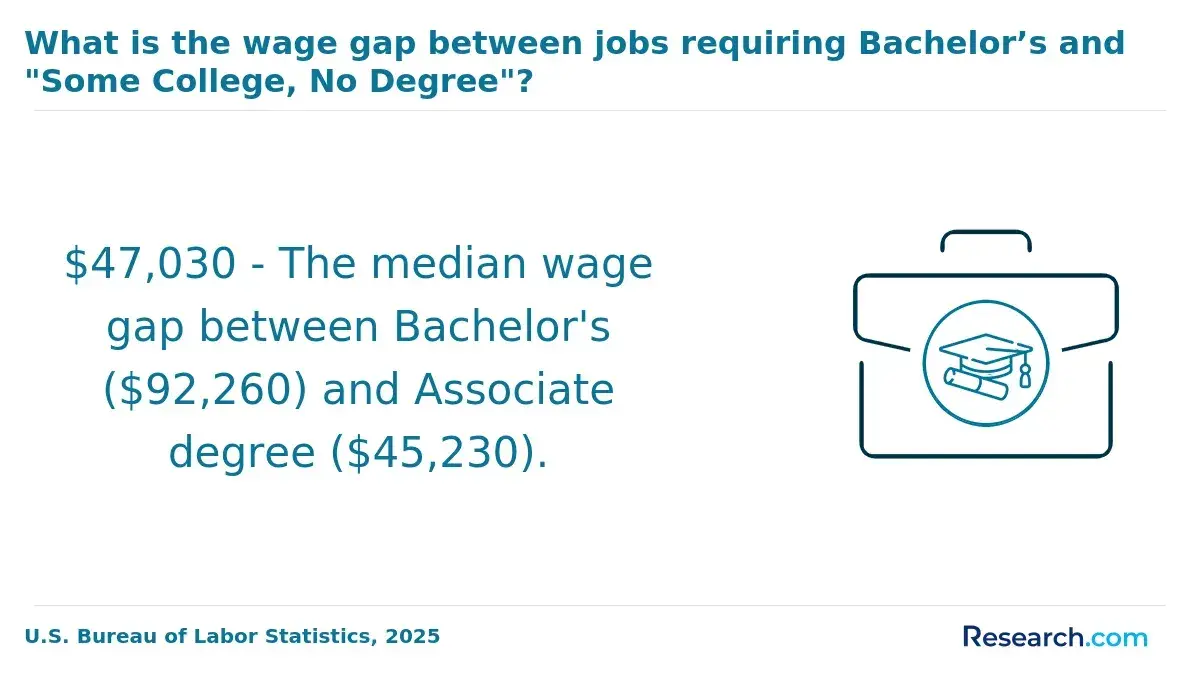
Online cloud computing bachelor's degrees offer significant flexibility, making them ideal for students balancing education with work or personal responsibilities. This accessibility often surpasses traditional in-person options, enhancing practicality for nontraditional learners. Graduates can expect median annual salaries near $90,000, reflecting strong demand in cloud-related roles and suggesting a solid return on investment despite upfront tuition costs. The steady employment outlook in IT and related sectors further supports the financial benefits of earning this degree.
The decision to pursue an online cloud computing degree depends on individual career objectives and how a student thrives in virtual learning settings. Those targeting advanced technical roles or leadership positions are more likely to benefit from the specialized knowledge and skills acquired. Commitment to continuous learning, including certifications and hands-on experience, also plays a critical role in maximizing the degree's value. Conversely, students aiming for entry-level jobs without a long-term advancement plan may find less benefit from the investment.
What Graduates Say About Online Cloud Computing Bachelor's Degree Program Costs
- Benny: "After carefully considering the tuition costs and potential financial aid options, I decided an online cloud computing bachelor's degree was worth the investment. I appreciated the flexibility, which helped me balance work and study while keeping expenses manageable. This choice has opened doors to several promising job opportunities in tech that I wouldn't have accessed otherwise."
- Greyson: "The decision to pursue an online cloud computing degree came with weighing its pros and cons, especially cost versus convenience. Although some courses were slightly more expensive than traditional options, the ability to learn at my own pace and avoid relocation costs was invaluable. Reflecting now, the skills I gained have significantly boosted my confidence and career progression in IT management."
- Cooper: "Professional growth was my main driver for enrolling in an online cloud computing bachelor's program, despite initial concerns about tuition fees. The program's cost felt justified once I saw how directly applicable the curriculum was to my job role, leading to a substantial salary increase after graduation. The quality and depth of the online experience truly matched my professional expectations."
Other Things You Should Know About Cloud Computing Degrees
Many online cloud computing programs include fees for access to specialized software tools needed for coursework. These fees vary by institution but may be bundled into technology or lab fees. Some programs provide free or discounted access to such resources to enrolled students.
Some cloud computing bachelor's programs encourage or require industry certifications, which often come with separate exam fees. While not always mandatory, pursuing certifications like AWS Certified Solutions Architect or Microsoft Azure Fundamentals can enhance career prospects and may add to total education costs.
Yes. Many programs charge a graduation or commencement fee, often between $50 and $150, and it is billed in the final term. Schools may also require all tuition, lab fees, and library fines to be cleared before the degree is awarded.
- What is the course fee for cloud computing? - Cloud Zone https://www.cloudzone.in/what-is-the-course-fee-for-cloud-computing/
- Product Catalog https://www.jblearning.com/catalog/productdetails/9781284248210
- 5 Hidden Costs of Cloud Computing that Affect Your Bill and How to Avoid Them https://nearshore-it.eu/articles/5-hidden-costs-of-cloud-computing/
- Cost of Online Education vs. Traditional Education [2025]: Comparison https://educationdata.org/cost-of-online-education-vs-traditional-education
- Cloud Computing https://bpbonline.com/collections/cloud-computing
- 10 Cheapest Online Bachelor’s Degrees in 2026 | UoPeople https://www.uopeople.edu/blog/10-cheap-online-bachelors-degrees/
- How to Reduce Your Cloud Computing Cost | Nutanix https://www.nutanix.com/how-to/how-to-reduce-your-cloud-computing-cost
- 2025 Cloud Computing Tuition https://www.collegetuitioncompare.com/majors/11.0902/cloud-computing/
- 6 Tips for Cloud Cost Optimization in Higher Education https://edtechmagazine.com/higher/article/2022/03/6-tips-cloud-cost-optimization-higher-education
- Cost of an Online Degree: Calculate the Cost of Your Higher Education https://www.edumed.org/articles/cost-of-an-online-degree/