2027 Cheapest Online Cloud Computing Bachelor's Degrees That Pay Well: Tuition, Duration, and Earnings

Co-Founder and Chief Data Scientist
Many working professionals face the challenge of finding affordable, accredited online cloud computing bachelor's degrees that lead to well-paying jobs. The high cost of education and uncertain ROI often deter them from switching careers. According to the National Center for Education Statistics, online degree enrollments increased by nearly 40% from 2015 to 2020, reflecting a shift toward flexible learning options that suit busy schedules. This article examines the cheapest online cloud computing programs, detailing tuition, program duration, and potential earnings to help readers make informed, strategic career decisions.
Key Benefits of the Cheapest Online Cloud Computing Bachelor's Degree That Pays Well
- Online cloud computing degrees often cost 30-50% less than on-campus options, reducing tuition burden while maintaining accreditation and quality curriculum.
- Flexible scheduling and accelerated program options allow working professionals to upskill quickly without interrupting their careers, minimizing student debt and boosting immediate employability.
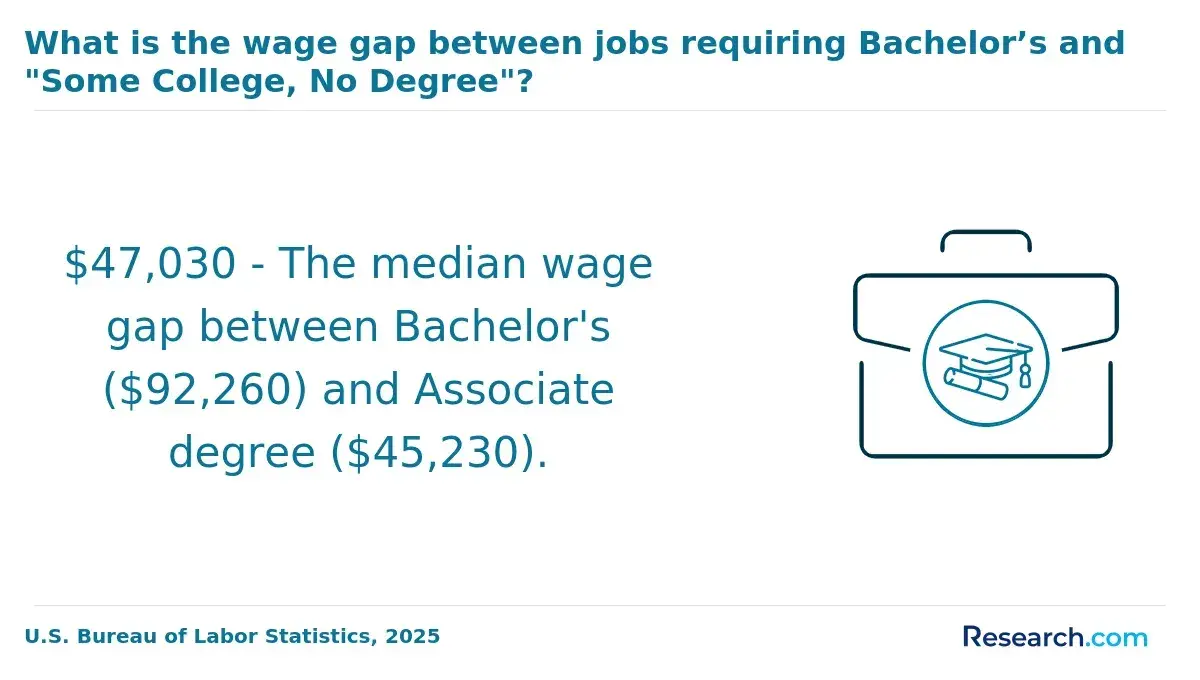
- Graduates see an average salary increase of over 20% compared to non-degree holders, reflecting strong return on investment supported by growing industry demand.
What Are the Most Affordable Accredited Online Cloud Computing Bachelor's Degree Programs Available Today?
Accreditation ensures an online cloud computing bachelor's degree program meets recognized academic standards, which is essential for quality education, federal financial aid eligibility, credit transfers, and employer acceptance. Choosing an affordable accredited program combines financial feasibility with academic rigor, an important factor for those seeking the most affordable accredited online cloud computing bachelor's degree programs in the US. Five institutions notable for their balance of affordability and accreditation include:
- Fort Hays State University: This university offers an online Bachelor of Science in Computer Information Science with cloud computing courses at about $226 per credit hour. It is regionally accredited by the Higher Learning Commission (HLC), ensuring a respected academic credential.
- Western Governors University: Known for its competency-based approach, WGU provides a Bachelor of Science in Cloud and Systems Administration with flat-rate tuition of roughly $3,750 per six-month term. WGU holds accreditation from the Northwest Commission on Colleges and Universities.
- Columbia College: Their online Bachelor of Science in Computer Information Systems, covering cloud computing topics, charges approximately $320 per credit hour. The school is accredited by the Higher Learning Commission, supporting its credibility.
- Oregon State University Ecampus: Offering a Bachelor of Science in Computer Science with an emphasis on cloud computing fundamentals, OSU has tuition near $333 per credit hour and regional accreditation, combining affordability with quality.
- Minot State University: With a Bachelor of Science in Information Technology-Cyber Security focusing on cloud technologies, Minot State charges about $299 per credit hour and is accredited by the Higher Learning Commission.
The lowest-cost programs often feature tuition rates under $10,000 annually and use flexible pacing or flat-rate pricing models to help reduce total costs. These affordable options generally emphasize transfer credit acceptance and availability of financial aid without compromising accreditation or curriculum quality. By contrast, mid-range programs might charge more per credit but offer specialized cloud computing tracks and enhanced student services, which some learners may find worthwhile. For those exploring top budget-friendly online cloud computing bachelor's degrees with high earning potential, understanding these distinctions is key. Additionally, prospective students can consult comprehensive resources like college majors data to align their educational investment with career goals.
How Does Tuition Cost for Online Cloud Computing Bachelor's Programs Compare Across Public and Private Universities?
The tuition cost for online cloud computing bachelor's degrees shows clear contrasts between public and private nonprofit universities, shaped by funding models and program scale. Recognizing these differences assists prospective students seeking the cheapest online cloud computing bachelor's degrees tuition comparison to identify the programs best suited to their budgets and goals.
- State Subsidies Impact: Public universities receive state funding, lowering tuition for in-state students. This often makes their online cloud computing programs more affordable compared to private nonprofit institutions that rely primarily on tuition revenue.
- Per-Credit Cost Differences: Public schools typically charge between $300 and $600 per credit hour, while private nonprofits range from $400 up to $900 per credit. Prices fluctuate widely based on reputation, resources, and program features.
- Total Program Cost Variation: With typical program lengths around 120 credits, total tuition at public universities ranges between $36,000 and $72,000. Private institutions may charge between $48,000 and over $100,000 but sometimes offer accelerated formats or credit transfer policies to reduce overall expenses.
- Enrollment Size and Program Scale: Larger public universities spread fixed costs across many students, enabling lower tuition fees. Conversely, smaller private universities may have higher per-student expenses, which influence pricing.
- Financial Aid Availability: Private nonprofit universities often provide substantial institutional scholarships geared toward online learners, which can lower net tuition below that of some public programs.
- Program Delivery Format: Institutions investing in innovative asynchronous courses and partnerships with industry may have higher tuition but offer enhanced career support, adding value for students.
- When Private Can Be Cheaper: Private universities with generous credit transfer policies, accelerated degree options, or strong financial aid can offer total costs comparable to or lower than public alternatives, especially for out-of-state applicants.
Prospective students should also explore how accredited institutions compare in graduate earnings and program features, including financial aid and transfer credit flexibility, to make informed decisions about online cloud computing bachelor's degrees. For those interested in related fields, the library degree offers another affordable accredited online option worth considering.
2026 Update: Cloud Lab Access and Certification Alignment
This 2026 update adds a practical review angle for students comparing low-cost online cloud computing bachelor’s programs: whether the program includes enough hands-on cloud training and certification preparation to support job readiness.
- Check whether courses include virtual labs, sandbox environments, or guided cloud platform projects.
- Review whether coursework aligns with widely recognized cloud, networking, cybersecurity, or Linux certifications.
- Ask if certification exam vouchers, practice tests, or prep materials are included or billed separately.
- Look for portfolio-building assignments, such as deployment, automation, database, or security projects.
- Confirm whether students receive access to cloud credits, developer tools, or remote lab support.
- Compare capstone, internship, or employer-based project options that can demonstrate real skills.
Looking beyond tuition helps students choose an affordable program that also builds the practical experience employers expect from entry-level cloud computing graduates.
The typical path to a cloud computing bachelor's degree involves completing approximately 120 credit hours, usually spread across four years of full-time study. This structure blends essential general education with focused technical courses to prepare students for the field.
- Standard Credit Load: Most programs require around 120 credits, equating to roughly 40 courses over four academic years, which is the norm for full-time students.
- Accelerated Terms: Many institutions utilize eight-week sessions instead of traditional 16-week semesters, enabling quicker course completion. Students can often take multiple courses per term with continuous enrollment options.
- Year-Round Study: Schools such as Western Governor's University and Southern New Hampshire University offer continuous enrollment models that remove typical breaks, helping students finish their degrees in under three years on average.
- Competency-Based Advancement: Some programs allow students to progress based on demonstrated mastery of material rather than time spent in class. This approach benefits working professionals who can capitalize on prior experience to speed up graduation.
- Cost Benefits: Completing coursework faster not only cuts down on tuition fees by reducing the number of terms but also minimizes income loss by enabling earlier workforce entry.
A professional who enrolled in an online cloud computing bachelor's program shared that balancing coursework with a full-time job was a significant challenge at first. He explained, "Adjusting to the accelerated pace required strict time management and discipline." However, the flexibility of shorter terms and self-paced competency assessments allowed him to tailor his studies around work obligations. He noted that the ability to finish earlier provided both financial relief and motivation, emphasizing how quick progress helped sustain focus during demanding periods.
Careers in cloud computing frequently fall under computer and information technology roles, with the Bureau of Labor Statistics reporting a median annual wage of about $97,000. Specializations within cloud computing bachelor's programs, such as cloud architecture and systems engineering, commonly lead to higher salaries, often ranging from $100,000 to $130,000. Concentrations that combine cybersecurity skills with cloud expertise are especially valuable, given the rising importance of securing cloud environments.
According to data from top accredited U.S. online cloud computing degrees, graduates can expect early-career salaries between $70,000 and $90,000. These figures suggest a strong return on investment for cheap online cloud computing bachelor's programs with high salary potential, especially when paired with reasonable tuition rates. Key factors influencing long-term earnings include program accreditation and financial aid availability, which can reduce debt and improve net returns.
Transfer credit policies also play a crucial role by shortening time to degree completion and lowering total educational costs, facilitating quicker entry into high-paying roles. Prospective students may also consider exploring related programs such as 1 year msw programs online no bsw to assess flexible online options that fit their career goals.
- Specialization Matters: Focusing on cloud architecture and cybersecurity tracks typically results in higher salaries due to strong market demand for these skill sets.
- Median Earnings: Cloud computing occupations have a median wage near $97,000, with specialized roles often exceeding $100,000 annually.
- Graduate Salary Data: Affordable accredited programs report early career wages between $70,000 and $90,000, indicating positive financial outcomes.
- Accreditation and Financial Aid: Enrolling in accredited institutions with solid aid options can reduce educational debt and boost long-term earnings.
- Transfer Flexibility: Programs that allow credit transfers help lower costs and shorten time to graduation, enabling faster workforce entry.
Online students pursuing cloud computing bachelor's degrees can access diverse financial aid options to ease tuition costs. The Free Application for Federal Student Aid (FAFSA) opens doors to Pell Grants-federal funds that do not need repayment-and subsidized loans with lower interest rates. According to the College Board's 2023 Trends in Student Aid, the average aid package for undergraduates is about $14,000 annually, significantly offsetting expenses for many remote learners.
State grants provide additional support, often available to residents attending accredited in-state online programs, though amounts vary by location. Many institutions also set aside scholarships specifically for students in technology fields like cloud computing, aimed at rewarding merit or meeting financial need. Moreover, scholarships from industry organizations and nonprofit groups help foster talent in this expanding sector by targeting students entering cloud computing programs.
Students should emphasize securing grants and scholarships first, as these forms of aid do not require repayment. Early and thorough applications improve chances of obtaining free funding, especially since eligibility often depends on academic records, professional background, or demographic criteria.
- Federal Aid: FAFSA qualification unlocks eligibility for Pell Grants and subsidized loans that offer manageable repayment terms for qualifying cloud computing students.
- State Assistance: Many states allocate grants to residents enrolled in accredited online programs, reducing tuition burdens based on residency.
- Institutional Scholarships: Colleges commonly reserve funds for online STEM students, rewarding both merit and financial need within cloud computing degrees.
- Professional Grants: Industry groups and nonprofits provide scholarships to encourage enrollment in cloud computing, supporting workforce development.
- Strategic Applications: Prioritizing free funding sources and applying early helps minimize reliance on loans and long-term debt.
A professional who completed an online cloud computing bachelor's program reflected on her financial aid journey, describing it as a process balancing hope and uncertainty. "Navigating scholarships felt overwhelming at first," she shared, "because there were so many options and deadlines to keep track of." She emphasized the importance of persistence and proactive research, "applying early to multiple scholarships and grants really made a difference." Though loans were part of her funding mix, she noted that the free aid she secured considerably lightened her financial load, allowing her to focus on studies and career goals with less stress.
Transfer credit policies in online Cloud Computing bachelor's programs differ substantially across universities, playing a crucial role in reducing tuition expenses and shortening time to degree. Some institutions stand out for their generous acceptance of prior credits. Western Governors University, for example, permits students to transfer up to 90 credits, which can cover nearly three-quarters of the program requirements. This kind of flexibility benefits students with previous college coursework, military training, or successful CLEP exam results, allowing them to progress faster and save money.
Other schools like Southern New Hampshire University also recognize military credits evaluated by the American Council on Education (ACE) alongside exams such as CLEP and DSST. These avenues validate prior professional experience and learning, making credential attainment easier for veterans and adult learners.
Conversely, some programs impose strict limits on transferable credits, necessitating most coursework be completed at their institution. This restriction can increase costs and extend the duration of study, so prospective students should thoroughly review their transcripts and any military or exam credit evaluations. Auditing your existing credits before applying provides clarity on how many credits will transfer, enabling a more accurate estimate of tuition savings and the program length.
Recent data from the National Center for Education Statistics shows nearly 35% of students enrolling in online programs use transfer credits from previous schools or military service, highlighting the growing reliance on credit flexibility in online cloud computing education.
- Transfer Credit Limits: The range in accepted transfer credits affects how quickly students can finish their degrees and how much tuition they pay.
- Military and Exam Credits: Credits from ACE-evaluated military training and standardized exams like CLEP benefit many adult learners and veterans.
- Institutional Policies: Transfer acceptance varies widely by school, making it crucial to research each program's specific rules and articulation agreements.
- Cost and Time Savings: Leveraging transfer credits can substantially reduce overall education expenses and duration.
- Enrollment Trends: Over one-third of online learners incorporate transfer credits, underscoring their importance in today's higher education landscape.
Regional accreditation remains the most respected form of academic validation in online cloud computing bachelor's programs, recognized widely by employers and graduate schools. Leading regional accreditors include the Higher Learning Commission (HLC), the Southern Association of Colleges and Schools Commission on Colleges (SACSCOC), and the New England Commission of Higher Education (NECHE). These bodies ensure institutions meet rigorous academic standards, which helps graduates when transferring credits or pursuing further education. While some cloud computing programs seek programmatic accreditation from specialized agencies, this is relatively rare compared to other fields.
Programs accredited only by national agencies often face skepticism in the job market and can limit students' ability to transfer credits or qualify for federal financial aid. Attending a non-accredited or solely nationally-accredited institution carries risks such as reduced employment opportunities and ineligibility for certain financial benefits. Prospective students should confirm accreditation status using the U.S. Department of Education's official accreditation database to avoid such pitfalls.
Recent data from the National Center for Education Statistics highlights that over 40% of online learners prioritize accreditation when selecting a program, underscoring its critical role in decision-making.
- Regional Accreditation Priority: Regional accreditation is widely accepted and ensures programs meet high academic standards valued by employers and graduate schools.
- Major Accreditors Named: Key regional accreditors-HLC, SACSCOC, and NECHE-oversee reputable institutions offering cloud computing degrees nationwide.
- Programmatic Accreditation Rare: Few cloud computing programs carry specialized accreditation; institutional accreditation remains the main quality marker.
- Risks of Non-Accreditation: Lack of regional accreditation or sole national accreditation may block credit transfer, restrict federal aid eligibility, and hurt job prospects.
- Verify Through Official Database: The U.S. Department of Education database offers up-to-date information to confirm a program's accredited status before enrollment.
Admission requirements for the cheapest online cloud computing bachelor's programs emphasize accessibility and flexibility, attracting a diverse student population, including working professionals and non-traditional learners. Typically, a high school diploma or GED is the minimum credential required. While some programs may still request standardized test scores like the SAT or ACT, many have adopted test-optional or test-blind policies to lower barriers for enrollment. These approaches are especially common among online cloud computing degree program prerequisites in the US.
The minimum GPA usually ranges from 2.0 to 3.0 on a 4.0 scale. Many low-cost online programs feature open or rolling admissions, simplifying entry for students returning to education or balancing work and study. However, these open-admission options may provide less individualized academic support, potentially affecting students' preparedness and employer perceptions compared with more selective programs.
Selective online cloud computing bachelor's programs often require prerequisite coursework in mathematics, computer science, or related fields to ensure readiness for technical subjects. These programs typically maintain higher academic standards and stronger reputations, although they may be less flexible with transfer credits and financial aid. To enhance admission chances, applicants who do not initially meet criteria can complete prerequisite courses, gain relevant industry certifications, or build work experience. Consulting admissions counselors may also reveal conditional acceptance or tailored pathway options.
For prospective students exploring affordable pathways, comparing admission requirements alongside other factors such as tuition and program length is essential. Additionally, those interested in related fields might consider programs like a bachelors in social media marketing as alternative career routes.
- Minimum Credentials: Most programs require a high school diploma or GED and often accept applicants with a GPA around 2.0 to 3.0, with some waiving standardized test scores due to test-optional policies.
- Open-Admission Policies: Many affordable online programs have open or rolling admissions, facilitating easier access for non-traditional students, though these programs may offer less academic support.
- Selective Programs: More competitive programs may demand prerequisite courses and higher GPAs, possibly affecting transfer credit flexibility and employer perception.
- Standardized Tests: Test requirements are increasingly optional, but selective programs might still consider SAT or ACT scores for admission decisions.
- Application Strengthening: Applicants can improve their chances by completing relevant coursework, obtaining industry certifications, or gaining work experience related to cloud computing.
Affordable online cloud computing bachelor's degree programs often offer several concentrations that cater to different career interests and market demands. These specializations help students focus their skills toward specific roles, enhancing employability and potential earnings as reflected in U.S. Bureau of Labor Statistics data. Exploring the best concentrations in cloud computing bachelor's programs enables students to align their education with field growth and salary potential.
- Cloud Security: This concentration emphasizes safeguarding data and systems in cloud environments. Graduates typically pursue roles as cloud security analysts or information security specialists, with median salaries around $110,000. Additional certifications like CISSP or CompTIA Security+ are often recommended to complement the degree.
- Cloud Architecture: Focused on designing and managing scalable cloud infrastructures, this track aligns with jobs such as cloud solutions architects or systems engineers. These positions offer strong demand growth and median pay near $130,000, reflecting the critical need for expertise in cloud system design.
- DevOps and Automation: Students learn to streamline development and operational workflows using cloud platforms and automation tools. Career pathways include DevOps engineers and cloud automation specialists, roles noted for rapid employment expansion and median salaries exceeding $115,000.
- Data Analytics and Cloud Integration: This focus area combines cloud computing with data processing and integration skills. Graduates often become cloud data engineers or analysts, capitalizing on the growing importance of big data with salaries averaging $100,000 to $120,000.
- Network and Systems Administration: Concentrating on maintaining cloud-based networks and systems, this specialization prepares students for roles in cloud network administration. Professionals in this field can expect stable job opportunities and competitive wages, though certifications like AWS Certified SysOps Administrator enhance job prospects.
When selecting a specialization, prospective students should consider both their personal interests and labor market outcomes. Many affordable online cloud computing degree specializations allow flexibility, transfer credits, and financial aid options that support timely degree completion. For those seeking pathways into related fields or earlier credentialing, an associate degree online in relevant areas may serve as a valuable stepping stone toward a bachelor's degree.
Students pursuing affordable online cloud computing bachelor's degrees can earn college credit for prior knowledge through CLEP, DSST exams, and Prior Learning Assessments (PLA). These options recognize skills gained from military service, professional experience, or self-study and can shorten the time and cost to complete a degree. Many top programs accept 20 to 30 PLA credits, allowing students to skip basic courses and focus on advanced technical topics.
The American Council on Education (ACE) provides standardized credit recommendations that many institutions use to evaluate military and workplace learning, helping students translate real-world experience into academic credit. Applicants should prepare detailed documentation, such as transcripts, certificates, course descriptions, and portfolios, to submit for faculty review. Policies vary by school on how many credits can be transferred and which exams are accepted, so prospective students should verify specific program guidelines to maximize credit benefits.
- Flexible Credit Limits: Leading programs typically allow 20-30 PLA credits, enabling students to bypass foundational coursework and accelerate degree progress.
- ACE Recommendations: Institutions widely use ACE evaluations to approve credit for military training and professional learning, ensuring reliable, standardized credit transfer.
- Standardized Exams: CLEP and DSST testing provide efficient pathways to earn credits in general education and key cloud computing prerequisites.
- Documentation Requirements: Successful PLA credit awards depend on thorough submission of official records, certificates, or portfolios that align prior knowledge with course objectives.
- Cost and Time Savings: Leveraging CLEP, DSST, and PLA can reduce tuition expenses by thousands and shorten degree completion by several months.
Return on investment (ROI) in higher education quantifies the financial return of earning a degree by comparing the total costs-such as tuition, fees, and materials-with the anticipated lifetime earnings of graduates in cloud computing careers. To calculate ROI, subtract all related expenses from the projected income over a graduate's career, then divide that result by the total cost, producing a ratio or percentage that reflects the program's economic value.
According to reports from the Georgetown University Center on Education and the Workforce and Payscale, graduates with online, affordable cloud computing degrees typically earn salaries exceeding the national average for bachelor's degree holders. These low-cost programs often provide better ROI than many traditional degrees, especially over 10- and 20-year periods, due to lower upfront costs and strong demand for cloud computing skills driving salary growth.
- ROI Definition: ROI measures the ratio of net financial gain from a degree by offsetting total educational expenses against estimated earnings throughout a graduate's working life.
- Benchmark Data: Authoritative data show cloud computing degree holders earn noticeably more than average bachelor's grads, enhancing their long-term financial returns.
- Cost Efficiency: Affordable online programs reduce accumulated student debt, improving overall ROI, particularly when completed swiftly through flexible pathways.
- Strong Salary Growth: High market demand accelerates wage increases, which significantly boosts ROI over extended career timelines.
- Flexible Completion: Transfer credits and adaptable scheduling enable earlier graduation and workforce entry, maximizing economic benefits.
What Graduates Say About Earning the Cheapest Online Cloud Computing Bachelor's Degree That Pays Well
- Benny: "I chose the online cloud computing bachelor's degree program primarily because of its flexible schedule, which allowed me to work full-time while studying. The affordability compared to traditional programs was a huge plus, making it easier for me to invest in my future without a heavy financial burden. Since graduating, I've landed a role in a major tech firm where I continuously apply the skills I gained, truly boosting my career trajectory."
- Greyson: "Reflecting on my experience, the most valuable factor was the program's comprehensive curriculum tailored to current industry standards, which gave me confidence entering the workforce. I appreciated how cost-effective the program was, especially given the high quality of instruction and resources provided. Completing this degree opened doors to more advanced opportunities, and I now enjoy a much clearer career path in cloud-based solutions."
- Cooper: "As someone new to cloud computing, I was drawn to the online bachelor's program for its reputation and the chance to study from anywhere. The cost was very reasonable, especially relative to the potential return on investment in this rapidly growing field. Since completing the program, I've achieved certifications that have greatly increased my credibility and helped me secure a promotion within my company."
Other Things You Should Know About Cloud Computing Degrees
Most online cloud computing bachelor's programs require a high school diploma or GED, official transcripts, and basic college readiness in math and English. Some programs also ask for SAT or ACT scores if fewer than 24 transfer credits are earned, plus a minimum 2.0 GPA for admission.
Yes, several accredited online Cloud Computing bachelor's programs offer uniform tuition rates regardless of residency, ensuring that out-of-state students do not pay higher fees. This pricing model makes these programs especially attractive to out-of-state or international learners seeking affordability without compromising quality. Prospective students should verify tuition policies directly with institutions to confirm whether such uniform pricing applies.
- Cloud Computing https://www.fastweb.com/directory/scholarships-for-cloud-computing-majors.amp
- How long does it take to learn Cloud Computing? https://digitalcloud.training/how-long-does-it-take-to-learn-cloud-computing/
- Top Online Schools That Accept Transfer Credits https://www.edvisorly.com/student-guides/online-schools-that-accept-transfer-credits
- Breaking Down Private Costs for Students: Distance vs Campus-Based Learning - Distance Learning Institute https://distancelearning.institute/economic-perspective/private-costs-students-distance-campus-learning/
- Online Specialization in Virtualization & Cloud Computing | Colorado State University Global https://csuglobal.edu/academic-programs/undergraduate-specializations/undergraduate-specialization-virtualization-cloud-computing
- Best Online Cloud Computing Bachelor's Degree Programs, Jobs, and Salaries https://careerkarma.com/blog/best-online-cloud-computing-bachelors-degrees/
- Cloud Computing: Is the Return on Investment Worth It? https://associationsnow.com/2013/02/cloud-computing-is-the-return-on-investment-worth-it/
- Cost of Online Education vs. Traditional Education [2025]: Comparison https://educationdata.org/cost-of-online-education-vs-traditional-education
- Amazon Web Services Scholarship - Foundation for California Community Colleges https://foundationccc.org/past-project/amazon-web-services-scholarship/
- Best Value Cloud Computing Programs 2026 https://hakia.com/degrees/cloud-computing/best-value-programs/