2027 Screenwriting Degree Careers That Do Not Require Graduate School

Co-Founder and Chief Data Scientist
Many careers within the screenwriting field are accessible immediately after earning a bachelor's degree, while others often require graduate study or additional credentials. For instance, about 60% of screenwriting graduates find entry-level roles in production writing or content development without pursuing advanced degrees. However, positions involving film development executive roles or specialized academic research typically demand further qualifications. This article explores screenwriting degree career paths that do not require graduate school yet offer robust employment prospects, helping students make informed decisions about their professional futures.
Key Things to Know About the Screenwriting Careers That Do Not Require Graduate School
- Screenwriting careers often allow direct workforce entry with a bachelor's degree, bypassing the need for graduate education and enabling earlier professional development.
- Employers typically prioritize practical skills and relevant internships over advanced degrees when hiring for entry-level screenwriting roles.
- Strong portfolios, hands-on experience, and industry certifications can significantly enhance job prospects and long-term growth potential in the screenwriting field.
What Career Paths Can You Pursue with a Screenwriting Degree Without Graduate School?
Many screenwriting degree holders successfully enter a wide range of career paths immediately after earning a bachelor's degree, though opportunities vary by role type and industry demand. Around 65% of graduates secure positions in relevant fields without pursuing graduate school, reflecting strong bachelor's-level hiring trends in screenwriting jobs that don't require graduate education.
Below are several accessible career options for those holding a screenwriting degree without further advanced study.
- Scriptwriter for Film or Television: This role leverages a screenwriting graduate's ability to craft compelling stories and dialogue, skills developed during undergraduate program. Many entry-level writing positions prioritize creativity and foundational expertise, making advanced degrees unnecessary.
- Content Developer: Organizations across advertising, education, and corporate sectors often hire bachelor's-level graduates to produce engaging content. The broad writing skills acquired in screenwriting programs are highly adaptable for these positions.
- Story Editor or Assistant Editor: These roles focus on refining narratives and managing story elements, areas where real-world writing proficiency outweighs the need for graduate credentials. Entry-level positions are commonly available to recent graduates.
- Production Assistant in Creative Departments: Working closely with creative teams offers valuable practical experience and industry insight. This job is a common stepping stone for screenwriting graduates seeking to advance without graduate school.
- Copywriter: Clear, persuasive writing skills taught in screenwriting prepare graduates to succeed in advertising and marketing environments. Employers often prioritize writing ability and creativity over formal graduate education.
For those interested in enhancing career prospects later on, exploring online master's programs can offer further opportunities while maintaining flexible study options.
What Are the Highest-Paying Jobs for Screenwriting Degree Graduates Without a Graduate Degree?
Many high-paying careers for graduates with a bachelor's degree in screenwriting do not require further graduate study. According to the U.S. Bureau of Labor Statistics, the median annual wage for writers and authors is around $69,000, with potential for higher earnings depending on the sector. Employers often value the specialized skills acquired during undergraduate studies combined with workforce demand in creative industries.
Below are several well-compensated roles accessible directly after completing a screenwriting degree:
- Television and Film Scriptwriter: These writers are critical to developing engaging scripts for movies, TV shows, and digital platforms. Their contributions can command substantial fees, especially when scripts lead to successful productions and audience appeal.
- Content Developer for Media Companies: Media firms seek writers capable of crafting compelling stories and scripts that resonate with target audiences. The commercial impact of well-crafted content supports higher pay for consistently effective contributors.
- Advertising and Marketing Copywriter: Creating persuasive narratives for commercials and campaigns directly influences sales and consumer engagement, making this role financially rewarding in marketing-driven businesses.
- Video Game Writer: The booming gaming industry demands narrative designers who craft immersive game storylines. Specialized writing skills in this area often translate into competitive salaries.
- Script Editor or Development Executive: These professionals refine scripts to maximize audience engagement and commercial success, a responsibility that carries strong compensation in production environments.
Each position leverages essential screenwriting skills such as storytelling, character development, and dialogue writing, providing substantial earning potential without the need for graduate-level education.
What Skills Do You Gain from a Screenwriting Degree That Employers Value?
Screenwriting degree programs cultivate a broad range of transferable skills highly valued by employers, especially for roles that do not require graduate education. In fact, a 2023 survey from the National Association of Colleges and Employers found that 78% of employers focus on skills like communication and teamwork when hiring bachelor's degree graduates.
Below are several key competencies developed through a screenwriting degree that enhance career readiness:
- Creative Communication: Writing scripts demands clear and engaging storytelling, sharpening the ability to present complex ideas effectively. This skill proves useful in areas such as marketing and corporate communications, where crafting persuasive messages is essential.
- Analytical Thinking: Developing narratives requires analyzing characters and plots, encouraging a strategic approach to problem-solving. Employers appreciate this mindset for planning, managing projects, and addressing workplace challenges.
- Collaboration and Flexibility: Screenwriters regularly work alongside directors and actors, building teamwork skills and openness to feedback. These qualities are critical in professional environments that value cooperative and adaptable employees.
- Time Management: Adhering to script deadlines teaches discipline and organization. Efficiently juggling tasks under pressure is a trait many employers seek in entry-level hires.
- Research Proficiency: Creating authentic stories involves synthesizing information from various sources, supporting roles that require quick learning and accurate application of knowledge.
A screenwriting degree graduate shared how they leveraged communication and adaptability skills while starting in corporate communications, noting that "learning to tailor stories to different audiences made the transition smoother." They also highlighted facing challenges in managing multiple projects but found their time management skills, honed through script revisions, instrumental in meeting those demands.
Many screenwriting graduates find it possible to enter the workforce immediately after earning their bachelor's degree, even without prior professional experience. Employers often create entry-level screenwriting jobs that focus on developing foundational skills and creativity, making it easier for recent graduates to get hired. The Bureau of Labor Statistics notes that about 58% of screenwriting-related degree holders secure employment in their field within the first year of graduation.
Entry-level opportunities designed for bachelor's degree screenwriting candidates include several roles built to support early-career skill-building and industry knowledge. Common positions accessible without experience are:
- Production Assistant: This role provides hands-on exposure to film and television projects, offering new graduates practical insights into the storytelling process by assisting writers and producers directly. Its broad responsibilities make it ideal for candidates starting fresh.
- Script Reader/Assistant: Many companies hire recent graduates to review scripts, summarize content, and offer notes. These positions require analytical skills acquired during a screenwriting degree but generally do not demand prior work experience.
- Junior Copywriter: While often found in advertising, junior copywriter jobs help screenwriting graduates apply narrative techniques commercially, with employers frequently providing on-the-job training for these entry-level roles.
- Development Assistant: Focused on research and support in story development, this job encourages creativity and dedication, allowing recent graduates to advance by gaining critical industry exposure.
For those seeking further education options alongside a career path without graduate school, exploring the cheapest executive MBA online programs may provide additional flexibility and credentials to enhance career prospects.
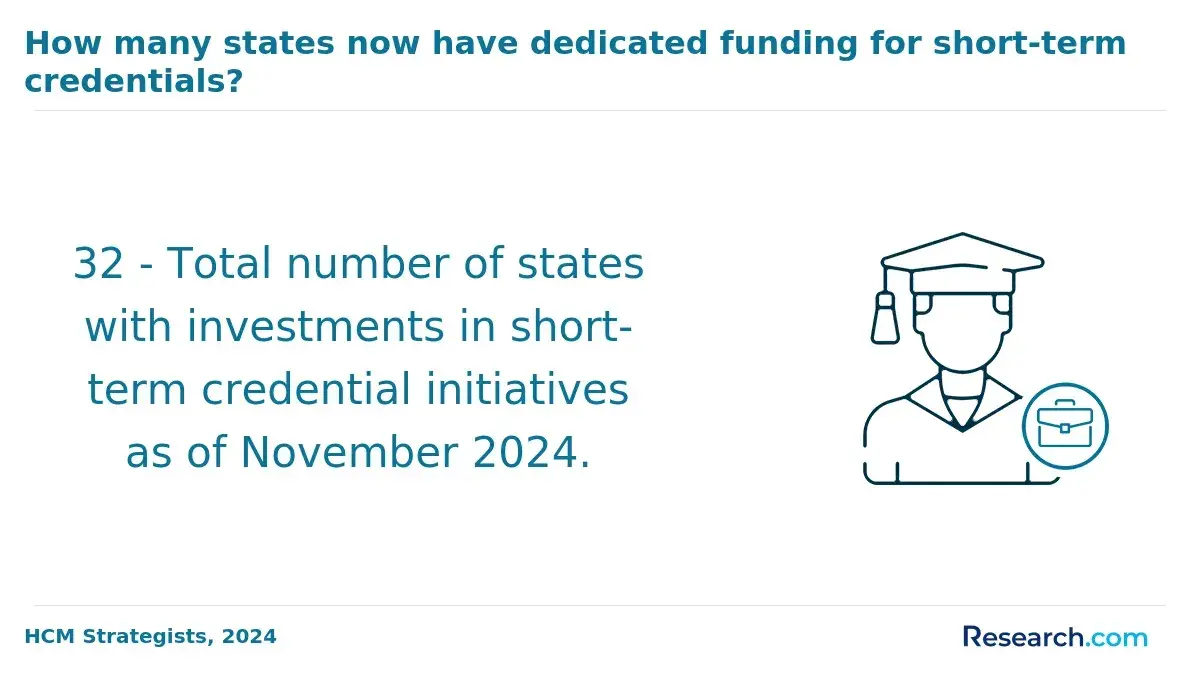
Certifications and short courses offer screenwriting graduates practical alternatives to graduate school, improving their employability and readiness for industry demands. These focused credentials help candidates develop specific skills that attract employers, with recent data showing that 67% of hiring managers in creative fields increasingly prioritize certifications and short-term training.
Key certifications and courses include the following:
- Professional Screenwriting Certificate: This credential covers core aspects like script formatting, story arcs, and dialogue techniques, signaling a strong command of essential screenwriting skills and making candidates more appealing to employers.
- Script Analysis Workshops: Specialized courses in script structure and narrative interpretation deepen understanding of effective storytelling, enhancing a graduate's ability to contribute meaningfully in creative environments.
- Digital Content Certification: Training focused on writing for online and multimedia platforms broadens opportunities beyond traditional film and television, addressing the evolving nature of content consumption.
- Screenwriting Software Training: Learning industry-standard tools such as Final Draft or Celtx prepares graduates to produce polished scripts professionally and efficiently, which can distinguish them in a competitive field.
- Pitch Development Seminars: Short workshops that teach how to craft compelling presentations and pitches boost candidates' chances of securing projects or representation.
A professional with a Screenwriting degree shared how pursuing a digital content certification enhanced their adaptability. They described initial challenges in mastering new formats and tools but found the hands-on coursework invaluable. The experience not only expanded their writing skills but also improved confidence when approaching diverse media projects, leading to more freelance opportunities without needing a graduate degree.
Opportunities for screenwriting graduates without graduate degrees vary by industry, with some sectors more inclined to hire bachelor's-level candidates due to ongoing demand and workforce structures. Around 60% of graduates with a bachelor's in screenwriting find roles in areas prioritizing experience and creativity over advanced degrees. This trend highlights industries that value practical skills and fresh perspectives.
Below are several industries where bachelor's graduates often find entry points without needing graduate school.
- Film and Television Production: This sector requires a steady supply of creative talent for numerous projects and often values writing samples and networking more than advanced degrees, making it accessible to bachelor's holders.
- Digital Media and Streaming Services: Rapid expansion in digital platforms creates many openings for screenwriters who bring adaptable storytelling abilities, with companies favoring innovative voices from undergraduate programs.
- Advertising and Marketing: The demand for engaging narratives across commercials and branded content allows bachelor's graduates to enter roles focused on creative writing without graduate credentials.
- Video Game Development: As storytelling becomes integral to games, this evolving industry hires screenwriting graduates to craft dialogue and storylines, emphasizing practical skills over formal education advanced degrees.
Non-traditional career structures offer screenwriting graduates expanded access to professional opportunities by reducing dependence on formal workplace pathways such as graduate programs or centralized industry hubs. Digital and independent work models enable writers to enter the field through flexible, location-independent arrangements that emphasize talent and collaboration over traditional credentials. A 2023 Freelancers Union survey found that about 59% of creative freelancers describe themselves as location-independent, demonstrating the growing prevalence of remote work in creative industries.
The following freelance, remote, and non-traditional career pathways illustrate how these formats create more accessible entry points for screenwriting graduates:
- Distributed Production Teams: Writers participate in remote teams across time zones, contributing scripts and revisions through online platforms. This expands global access to projects without requiring relocation.
- Digital-First Content Platforms: Streaming services and online series provide opportunities for pitching and adapting scripts geared toward digital audiences, prioritizing skill and originality over geographic location.
- Project-Based Independent Contracts: Short-term and one-off assignments allow freelancers to build portfolios flexibly while managing other commitments, with minimal geographic constraints as all communication is online.
- Remote Script Development & Feedback Services: Freelancers offer professional script coverage and editorial consulting remotely, gaining industry experience and connections through virtual collaboration.
- Online Writing Communities and Collaborative Projects: Virtual workshops and community-driven initiatives foster creative input and mentorship without reliance on physical presence in industry centers.
Graduates with a screenwriting degree can begin building a career without attending graduate school by leveraging entry-level screenwriting jobs for bachelor's degree graduates. About 70% of those holding a bachelor's in creative writing or related fields move directly into the workforce, emphasizing hands-on experience over further academic credentials. Early career momentum often depends on gaining access to entry-level roles, immersing oneself in professional environments, and advancing through practical experience. Many employers prioritize demonstrated creative skills and portfolios developed through internships, workshops, or projects rather than graduate degrees.
Long-term career development typically unfolds through growth within organizations, expanding responsibilities, and evolving roles rather than additional formal education. Screenwriting graduates often progress by continuously refining their craft and engaging with industry networks, adapting to diverse sectors such as television, film, and even video game development. Opportunities in content-driven industries-including those accessed through a game development online degree-broaden career paths significantly. Building a screenwriting career without graduate school relies heavily on professional engagement and the ability to demonstrate competence through real-world work.
Skipping graduate school is a common pathway for screenwriting majors seeking early entry into the workforce while balancing costs and career goals. This choice can accelerate immediate job access but may limit options in highly competitive or specialized environments over time. Studies show that around 60% of screenwriting professionals successfully work in the field without advanced degrees, highlighting viable career prospects with a bachelor's alone.
Consider these key factors when evaluating the advantages and disadvantages of skipping graduate school in screenwriting careers:
- Early Workforce Entry: Skipping graduate school allows faster immersion into professional projects, enabling practical experience and portfolio building that many employers prioritize in creative fields.
- Opportunity Costs: Avoiding graduate programs reduces financial burden and time spent out of the workforce, helping graduates avoid debt and begin earning sooner in screenwriting roles.
- Long-Term Progression Limits: Some prestigious studios and guild-affiliated positions often favor candidates with advanced degrees, which can restrict upward mobility in certain elite segments of the industry.
- Flexibility in Career Exploration: Without graduate commitments, graduates can pursue diverse opportunities, including independent production or emerging media platforms, aligning with varied interests and adaptive career paths.
Deciding whether the pros outweigh the cons depends heavily on individual career ambitions and the type of organizations screenwriting graduates aim to join. For those prioritizing competitive environments, graduate degrees remain an asset. However, many find fulfilling careers leveraging careers with a screenwriting degree without graduate school, especially when combined with strong portfolios and networking.
Access to prestigious organizations like major studios or selective independent companies often values advanced qualifications due to structural hiring practices. Conversely, smaller companies and projects may be accessible to bachelor's degree holders who demonstrate talent and initiative. Those interested in flexible educational options might also explore online degrees for stay at home moms, which can offer alternative pathways for advanced training if desired later.
Bachelor's-level screenwriting graduates face a diverse job market with varying employment trends influenced by industry demand and workforce needs. Many enter roles that reflect the competitive nature of the field, with initial salaries typically ranging between $30,000 and $50,000 depending on location and employer size. Employment outcomes for screenwriting degree holders vary, with some gaining roles in staff writing or script development, while others pursue more accessible positions that offer stable income. Overall, employment trends for bachelor's level screenwriting graduates indicate a moderate placement rate influenced by factors like networking, portfolio strength, and industry connections.
Job market outcomes for screenwriting graduates differ across career paths, shaped by broader labor market patterns rather than a single trajectory. Opportunities exist in sectors such as educational content development, corporate scriptwriting, and independent projects, but income and job availability fluctuate with market conditions. Freelance versus staff roles, union participation, and supplemental activities also affect career success. Those exploring stable alternatives alongside mainstream entertainment may benefit from considering short certificate programs that pay well to enhance their prospects in this evolving landscape.
What Graduates Say About Screenwriting Careers Even Without Pursuing Graduate School
- Raphael: "Graduating with a screenwriting degree opened doors I'd never expected before. Right after college, I landed a position as a junior writer for a small production company where the skills I learned-especially structuring narratives and character development-were invaluable. I always say that the practical workshops and real-world assignments prepared me more than any graduate program could have."
- Russell: "Looking back, deciding not to pursue a graduate degree was the right choice for me. The screenwriting degree gave me a solid foundation in storytelling fundamentals, which helped me freelance successfully in content creation and script consulting. It was a tough but rewarding start, and the degree definitely boosted my confidence and credibility when pitching projects to clients."
- Theo: "Entering the workforce without further academic pursuits was initially daunting, but my screenwriting degree really equipped me with the tools to adapt quickly. I found that understanding industry-standard formatting and having hands-on experience from collaborations made me a competitive candidate for entry-level roles. The degree didn't just teach me to write; it taught me how to think like a professional writer."
Other Things You Should Know About Screenwriting Degrees
Yes, self-produced projects are a valuable way to gain practical experience and showcase talent. Creating short films, web series, or scripts independently can demonstrate writing skills to potential employers or collaborators. This proactive approach often helps writers build a portfolio and gain credibility without the need for graduate credentials.
Internships and assistant positions in production companies or studios are effective entry points for screenwriting careers. These roles offer exposure to the industry's workflow, help build professional relationships, and often provide insight into how scripts are developed and selected. This practical experience can be more influential than academic qualifications alone.
Employers usually ask for a 1–2 polished feature scripts, or a pilot plus a short sample, and they expect clean formatting in standard screenplay style. For studio or writer’s room jobs, a logline and a concise portfolio page are also common in 2027 hiring materials.
- Entry-Level Industry Jobs for Emerging Screenwriters https://www.shorescripts.com/entry-level-industry-jobs-for-emerging-screenwriters/
- Honestly, Should You Do a Screenwriting Degree? 10 PROS and 10 CONS https://industrialscripts.com/screenwriting-degree/
- 10 Screenwriting Skills and Traits You Need | by Scott Myers | Go Into The Story https://gointothestory.blcklst.com/10-screenwriting-skills-and-traits-you-need-5d5930171c03
- What Are Some Alternative Jobs For Unemployed Screenwriters? | No Film School https://nofilmschool.com/alternative-jobs-for-unemployed-screenwriters
- Remote Entry Level Writing Jobs | Working Nomads https://www.workingnomads.com/remote-entry-level-writing-jobs
- Do You Need a Degree to Become a Screenwriter? https://www.socreate.it/en/blogs/screenwriting/do-you-need-a-degree-to-become-a-screenwriter
- Screenwriter: Who they are, what they do, and how to become one https://www.ied.edu/profession/screenwriter
- IS A SCREENWRITING MFA WORTH IT? - Script Anatomy https://scriptanatomy.com/screenwriting-mfa-vs-trade-school/
- Top 10 Academic Programs for Aspiring Screenwriters - Independent Magazine https://independent-magazine.org/2016/11/30/top-screenwriting-programs/
- Screenwriting School https://www.nyfa.edu/screenwriting-school/