2027 Return on Investment (ROI) of a Sports Management Degree Program

Co-Founder and Chief Data Scientist
Many prospective students question whether a sports management degree justifies the time and expense amid rising tuition costs and a competitive job market. Despite these concerns, the sports industry is expected to grow by 10% over the next decade, driving increased demand for qualified professionals.
However, graduates often face challenges securing high-paying roles immediately after earning their degrees. This article examines the return on investment (ROI) of a sports management degree by analyzing education costs, employment rates, salary outcomes, and industry trends to help readers make informed decisions about pursuing this career path.
Key Things to Know About Sports Management Degree ROI
- Graduates in sports management can expect a median salary increase of approximately 15% compared to entry-level sports-related roles without a degree.
- Career advancement is often faster, with alumni moving into management or executive roles within five to seven years post-graduation.
- The degree offers versatility, enabling employment in professional sports, fitness, event management, or collegiate athletic departments with stable growth potential.
How Is ROI Calculated for a Sports Management Degree Program?
Return on investment (ROI) in higher education measures the financial benefits a student gains relative to the cost and time invested in earning a degree. For prospective students, ROI offers a way to compare the value of earning a sports management degree against its expenses and time requirements.
Several crucial factors come into play when calculating the ROI for a sports management degree program:
- Tuition and Fees: This covers all direct expenses, including tuition, registration, and study materials, which form the baseline cost of completing the degree program.
- Opportunity Cost: Time spent studying often means lost income from not working full-time, which adds to the overall cost beyond just tuition.
- Time to Completion: The length of the program influences total costs and when graduates can realistically start earning post-degree.
- Post-Graduation Salary Outcomes: Estimating average starting salaries and income growth in the sports management field is essential to gauge the financial returns over time.
- Career Advancement: A sports management degree may open doors to promotions and better job opportunities, enhancing long-term earning potential and overall ROI.
Analyzing sports management degree program cost versus earnings analysis helps students make informed decisions about their investment. Those comparing options may also be interested in exploring RN to BSN programs as an alternative educational path depending on their career goals.
How Much Does a Sports Management Degree Program Cost?
Accurately gauging the total expenses of a sports management degree is vital for assessing its return on investment, especially as graduate tuition in the U.S. has risen by nearly 3% annually over the last decade. This steady increase contributes to an average student debt surpassing $66,000 for graduate borrowers, making careful cost consideration essential.
Several key expenses influence the overall financial commitment involved in earning this degree:
- Tuition and fees: The primary cost varies significantly based on the school and program type, often representing the largest financial outlay students face.
- Books and materials: Course-specific textbooks, specialized software, and required supplies can add several hundred dollars each term, frequently underappreciated in budget planning.
- Living or relocation expenses: Attending a program away from one's current location may introduce additional housing, transport, and daily living expenditures, which can significantly increase the total cost.
- Opportunity cost: The time dedicated to coursework reduces income-earning potential, representing a hidden but impactful financial sacrifice during the program.
- Hidden or indirect costs: Fees related to internships, conferences, and professional certifications necessary to maximize the degree's value can accumulate unexpectedly.
When I spoke with a recent sports management graduate about the financial reality of earning his degree, he emphasized the emotional and practical hurdles he faced. "Balancing part-time jobs while managing an intense course load was overwhelming," he recalled.
He also highlighted how unforeseen internship-related expenses-travel costs and unpaid hours-added stress and extended his timeline to full financial recovery. "It wasn't just the tuition; it was everything else I hadn't counted on that made the journey tougher than I imagined," he shared, underlining the importance of looking beyond sticker price when considering program costs.
What Financial Aid Is Available for Sports Management Degree Programs?
Financial aid can significantly reduce upfront costs for sports management students, enhancing long-term return on investment by lowering debt and out-of-pocket expenses. Nearly 70% of U.S. graduate students use some form of financial aid, underscoring its critical role in funding advanced degrees.
Below are common types of financial assistance that help improve ROI for sports management programs:
- Scholarships: Merit-based awards that require no repayment, directly decreasing tuition expenses and minimizing student debt.
- Grants: Need-based funds that do not need to be repaid, effectively reducing the overall financial burden of the degree.
- Fellowships: Typically aimed at graduate students, these may offer stipends or tuition waivers, offsetting costs during enrollment and improving net earnings post-graduation.
- Employer tuition assistance: Programs where employers reimburse part or all tuition fees, allowing students to spread costs and incur less personal debt, thereby enhancing ROI.
- Federal student loans: While increasing debt, these loans often feature lower interest rates and flexible repayment plans, making them a viable funding option when other aid falls short.
The time required to finish a sports management degree significantly influences its return on investment (ROI) by affecting opportunity costs, total expenses, and the timing of entering the workforce with a salary. Completing the program faster means reducing living and tuition costs while gaining earlier access to career earnings.
Several key factors shape the duration and financial payoff of the degree:
- Enrollment status: Full-time students often complete their degrees within four years, minimizing costs and time out of the job market, while part-time students balance work and study at the expense of a longer timeline.
- Program format: Accelerated or online programs can shorten completion time by offering condensed courses or flexible pacing, which may improve ROI by allowing students to keep working or graduate earlier.
- Transfer credits: Students bringing in relevant credits from prior education can reduce the number of required classes, shortening their path to graduation and lowering overall costs.
- Internship and thesis requirements: Practical experiences often extend the length of study but can enhance employability and justify the additional time invested through better job prospects.
- Scheduling flexibility: Flexible class schedules help students balance other commitments but may result in a longer period to complete the degree, affecting short-term financial returns.
When speaking with a graduate of a sports management degree, she recalled how the balance between work, coursework, and internships stretched her timeline but enriched her career readiness. "Juggling a part-time job while completing internship hours was challenging," she shared.
"At times, I worried the extended timeline would delay my goals. However, the hands-on experiences and networking made the extra effort worthwhile." Her experience highlighted that while finishing faster can improve ROI, investing additional time in practical learning often pays off in a stronger career start and deeper industry connections.
The delivery format of sports management degree programs significantly influences the return on investment (ROI) through differences in cost, flexibility, and career outcomes. Enrollment in online graduate programs has surged by over 45% in the past decade, indicating growing acceptance of remote learning options among students.
Evaluating the return on investment for sports management programs requires understanding how these factors balance out.
Key areas to consider include:
- Tuition and fees: Online programs generally have lower tuition and fees, reducing upfront costs and total debt. This affordability can make a significant difference in overall ROI for many students.
- Opportunity cost: Online studies offer flexibility that allows students to maintain full-time employment, decreasing income loss during study. This lower opportunity cost can improve financial outcomes compared to on-campus programs that often require more rigid schedules.
- Time to completion: Many online students benefit from accelerated or self-paced course structures, potentially graduating faster. This shorter time frame can translate into earlier workforce entry and earnings.
- Networking and career services: On-campus programs typically offer richer networking opportunities and direct access to career support, which can enhance job placement rates. This advantage may favor those seeking immediate connections within the sports industry.
- Employer perception: Some employers view on-campus degrees as stronger evidence of leadership and teamwork skills due to the traditional campus experience, which may influence long-term earnings potential.
For working professionals focused on efficient certification, related fields like medical assistant certification demonstrate how accelerated programs can offer fast career advancement, a concept increasingly relevant when comparing online and on-campus sports management degree ROI.
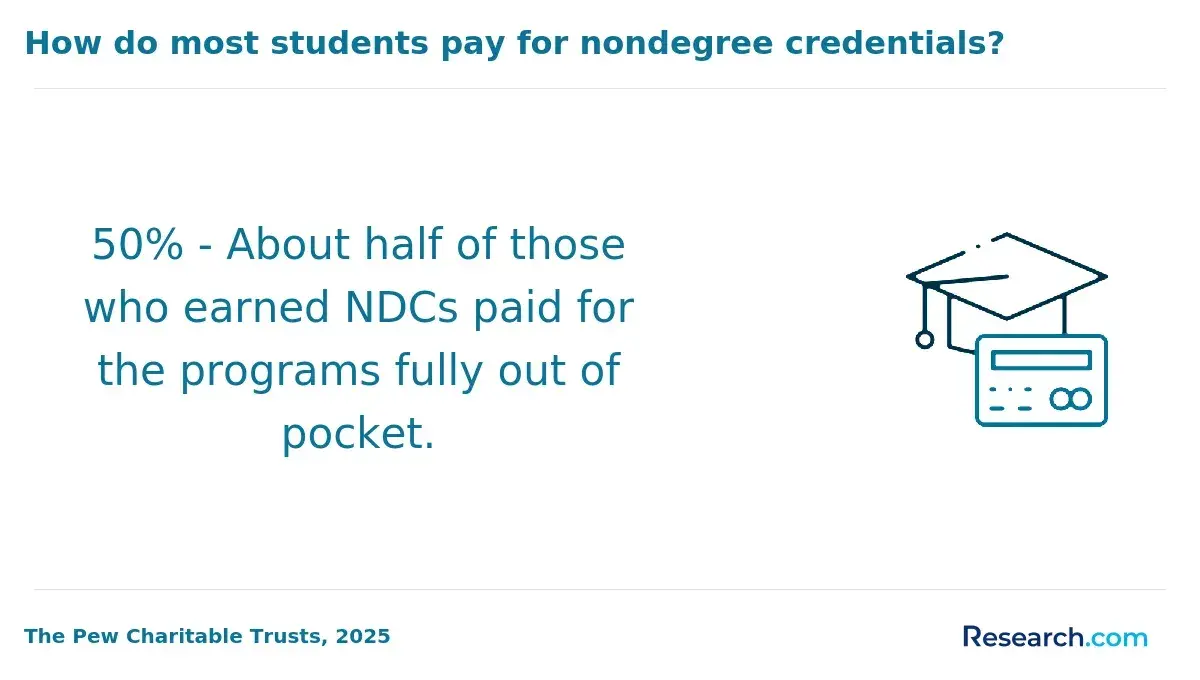
Post-graduation salary is a critical factor in determining the return on investment (ROI) for those pursuing a sports management degree, as it influences how quickly graduates can offset their educational costs and gain financial stability. The average salary for sports management degree graduates in the U.S. generally ranges from $40,000 to $70,000 annually, but actual earnings can vary widely.
This variation impacts the overall sports management degree salary outlook, making it important to consider key factors that affect income potential. Below are several major influences on average salary outcomes for sports management graduates:
- Industry: Different sectors such as professional sports, collegiate athletics, sports marketing, and event management offer varying salary levels. Typically, roles within professional sports tend to provide higher compensation, enhancing ROI.
- Geographic location: Graduates employed in major metropolitan areas or regions with a strong sports presence often benefit from increased salaries due to higher demand and living costs, improving their financial returns.
- Prior experience: Internships and related work experience play a significant role in salary growth by enabling faster career progression and access to higher-paying positions.
- Specialization: Focusing on niche areas like facilities management, sports marketing, or analytics can influence both job opportunities and salary ranges.
- Career level: Entry-level positions may yield lower salaries, while advancing to managerial or director roles results in substantial increases, affecting long-term ROI.
Prospective students evaluating the average salary for sports management degree graduates should also consider exploring related educational options such as online healthcare degrees to compare potential career paths and financial outcomes.
Promotions significantly enhance the return on investment (ROI) of a sports management degree by bringing salary increases, expanded responsibilities, and greater career mobility. These factors collectively improve both the financial benefits and professional growth opportunities associated with earning the degree.
A notable workforce trend is the increasing emphasis on credential-based promotions, where many organizations require formal educational qualifications such as a sports management degree for leadership roles. This evolution reflects the growing importance of education alongside practical experience in advancing careers.
Below are key ways a sports management degree may influence promotion opportunities and overall ROI:
- Credential requirements: Many supervisory and managerial positions now mandate specific degrees. Holding a sports management degree ensures candidates meet these baseline qualifications, making them eligible for career advancement.
- Leadership preparation: The degree provides essential leadership and organizational skills, equipping graduates to handle higher-level responsibilities effectively and confidently.
- Employer tuition support: Increased eligibility for employer-sponsored tuition assistance reduces the financial burden of education, indirectly enhancing ROI by lowering overall costs.
- Internal promotion policies: Organizations often favor candidates with formal degrees during promotion reviews, aligning degree attainment with internal career advancement frameworks.
- Experience and education synergy: Combining academic knowledge with on-the-job skills creates a competitive edge, helping candidates stand out in promotion opportunities within sports management careers.
Careers in sports management typically merge practical experience with education. A sports management degree complements existing skills and signals a commitment to professional development. For those exploring career advancement with a sports management degree, promotional opportunities tend to increase, thereby maximizing the degree's value.
For individuals comparing educational investments, exploring options like cheapest online nurse practitioner programs can provide insight into balancing cost with career outcomes across disciplines.
Return on investment (ROI) for sports management graduates varies significantly across industries due to differences in salary levels, career advancement, and demand for specialized expertise. Industries that offer higher ROI typically emphasize compensation growth, promotion potential, and critical application of sports management skills.
Several sectors consistently provide strong ROI for graduates. These include:
- Professional sports organizations: These entities often offer competitive salaries and clear career paths. Skills in marketing, event management, and athlete relations are highly valued, leading to increased compensation and advancement opportunities.
- Sports marketing and sponsorship firms: With robust demand for brand partnerships and fan engagement, this sector supports attractive pay and steady job growth, appealing to those seeking the highest paying sports management careers.
- Sports media and broadcasting: Skills in content creation and rights negotiation are essential here. The evolving digital landscape fosters income growth and long-term stability for professionals in this industry.
- Sports facility and event management: Roles in operations and logistics thrive due to consistent demand, especially in areas experiencing growth in sports tourism. This sector offers stable ROI as well.
- Health and fitness industry: While starting salaries may be modest, rising focus on wellness and sports performance drives management expertise demand, supporting steady ROI improvement over time.
The variation in ROI arises because these industries differ in how they leverage sports management knowledge and their financial rewards related to market growth. Graduates should carefully balance personal career goals with these dynamics to optimize educational investment returns.
For those evaluating cost and outcomes, exploring options like the cheapest online DNP programs can also inform decisions on managing educational expenses effectively.
Accreditation signifies that a sports management program meets recognized quality standards established by official accrediting bodies. This endorsement assures both students and employers that the curriculum is credible and aligns with industry expectations, which in turn can impact return on investment (ROI). Increasingly, employers prefer graduates from accredited programs, viewing their credentials as a marker of rigorous training and relevant expertise.
Furthermore, completing an accredited program is often necessary to qualify for specific licenses or certifications that enhance employability in the sports sector.
The long-term ROI of a sports management degree benefits notably from accreditation through several key avenues. Accredited programs typically grant students access to federal financial aid, reducing the overall educational expense. They also facilitate credit transfer, easing progress toward advanced degrees or certifications.
Employer confidence tends to be higher for candidates holding accredited qualifications, improving job prospects and salary growth. Additionally, accreditation supports eligibility for licensure and broadens career mobility across various organizations and states, thereby strengthening career advancement opportunities.
Evaluating the return on investment for a sports management degree requires weighing the program's cost and duration against post-graduation earning potential and career growth. These degrees usually take two to four years and vary widely in tuition depending on the school and delivery format.
Graduates often start in roles such as sports marketing or event coordination, earning a median salary between $40,000 and $50,000 annually, with increases tied to experience and additional credentials. About 65% of graduates find employment in sports-related fields within the first year, which positively impacts the financial benefits of the degree.
The value of a sports management degree depends heavily on individual circumstances and industry conditions. Strong demand, networking possibilities, and flexible program formats like online or hybrid courses can enhance ROI, especially when combined with scholarships or part-time study options.
However, the degree may not be worthwhile if program costs outweigh realistic salary expectations or personal career objectives. Ultimately, assessing opportunity costs alongside job market trends and personal goals is essential for determining whether investing in a sports management degree aligns with your long-term ambitions.
What Graduates Say About The ROI of Their Sports Management Degree
- Jillian: " Choosing to pursue a traditional sports management degree was one of the best decisions I made for my future. While the average cost hovered around $40,000, the long-term ROI-considering the networking opportunities and career advancement-made every dollar worthwhile. Today, as a sports marketing coordinator, I clearly see the direct impact of my education on my career growth."
- Sandra: "Enrolling in an online sports management program offered me flexibility without sacrificing quality, which was crucial given my budget. With average tuition fees near $25,000, it felt like a smart investment in a competitive market. Reflecting back, this degree has opened doors to leadership roles and significantly boosted my confidence in the industry."
- Kanne: "I opted for a part-time sports management degree to balance work and study, aware that the total cost might run close to $30,000. Although the pace was demanding, the professional insights and credentials gained directly led to a promotion at my current organization. The cost was justified by the tangible benefits and career security it provided."
Other Things You Should Know About Sports Management Degrees
Career paths significantly impact the ROI of a sports management degree in 2027. High-paying roles such as sports agents or team managers offer a greater ROI compared to lower-paying positions. Job growth, industry demand, and specific attributes in roles like facility management or athletic administration also play vital roles in determining ROI.
Certified sports managers can earn a measurable premium when they hold the CSPM or CMPS credential, with many employers favoring candidates who complete 40 to 60 hours of continuing education every two years. In sports marketing and facility management, these credentials can strengthen hiring prospects and improve long-term earnings.
Industry certifications in areas like sports marketing, event planning, or athletic administration can complement a sports management degree and enhance ROI. These credentials can differentiate graduates in competitive job markets and lead to specialized opportunities. Certifications signal professional competence and ongoing commitment to the field.
- Funding your future: navigating financial options for a postgraduate sports management course https://www.sportbusiness.com/2024/09/funding-your-future-navigating-financial-options-for-a-postgraduate-sports-management-course/
- Accreditation and financial ROI | Woolf News & Updates https://woolf.university/news/accreditation-and-financial-roi
- Your 2025 Guide to a Career in Sports Management https://www.coursera.org/articles/sports-management
- Measuring University ROI with Analytics https://www.dimins.com/blog/2025/04/17/university-roi-analytics/
- What Can You Do With A Sports Management Degree? Top Jobs In Sports https://blog.jobsinsports.com/2019/11/11/what-can-you-do-with-a-sports-management-degree/
- Online Education vs. On-Campus Tuition: How ACE Online Degree Programs Help Keep Your Costs Down | ACE Blog https://ace.edu/blog/online-education-vs-on-campus-tuition-how-ace-online-degree-programs-help-keep-your-costs-down/
- Tuition & Financial Aid - Online MS in Sport Management https://www.callutheran.edu/programs/graduate/mssm/tuition/
- Sport Management - Wilmington College (Wilmington, Ohio) Liberal Arts College https://www.wilmington.edu/programs/sport-management
- Measuring ROI in Sports Marketing: A Comprehensive Analysis - Yellowbrick https://www.yellowbrick.co/blog/sports/measuring-roi-in-sports-marketing-a-comprehensive-analysis
- Frequently Asked Questions https://www.gvsu.edu/sportmanagement/frequently-asked-questions-14.htm