2027 Return on Investment of an Online Social Media Bachelor's Degree: Salary vs Cost

Co-Founder and Chief Data Scientist
Many professionals with unrelated undergraduate degrees consider an online social media bachelor's degree to enter the evolving digital marketing workforce-yet questions remain about its financial viability. The average annual salary for graduates in this field is approximately $58,000, while tuition and fees for accredited online programs range widely, often exceeding $30,000.
This gap raises concerns about the actual return on investment when factoring in time, opportunity cost, and student debt. This article examines the balance between salary outcomes and educational costs to help readers determine if pursuing an online social media bachelor's degree aligns with their career and financial goals.
Key Things to Know About the Return on Investment of an Online Social Media Bachelor's Degree
- Average online social media bachelor's degree tuition ranges from $15,000 to $40,000-significantly lower than traditional programs, improving accessibility for budget-conscious students.
- Graduates earn median salaries of $50,000 to $65,000 annually, with wage growth of 7% projected over the next decade in digital marketing and communications roles.
- Non-financial returns include enhanced career advancement, increased job security due to digital skill demand, and expanded professional networks through program internships and industry partnerships.
What is the true cost of earning an online social media bachelor's degree from enrollment to graduation?
The cost breakdown of earning an online social media bachelor's degree involves several direct and indirect expenses that extend beyond published tuition figures. Understanding these components helps students assess total financial commitment realistically.
- Tuition Costs: Sticker prices for online social media bachelor's programs typically range from $15,000 to $45,000 for the full degree. However, many students benefit from scholarships, grants, and federal aid, which can reduce net prices by 20 to 40 percent, according to IPEDS and other higher education data.
- Technology and Course Fees: Most institutions charge technology fees of $200 to $600 annually. These fees cover online platform maintenance, proctoring software, and essential course technology used throughout the program.
- Textbooks and Materials: Despite the shift toward digital resources, students should budget between $500 and $1,200 over four years for supplemental materials, licensed software, or required readings that enhance learning in social media studies.
- Exam Proctoring and Lab Fees: Some programs add remote exam proctoring or virtual lab fees, ranging from $50 to $150 per course, which should be included in total cost calculations.
- Opportunity Costs: Time spent on coursework may reduce work hours or delay full-time employment, impacting earnings. These indirect costs vary greatly but are crucial when evaluating the return on investment from this degree.
Prospective students assessing tuition and fees for online social media bachelor's programs in the US can expect a realistic total cost estimate between $18,000 and $50,000 after accounting for net tuition, fees, and materials.
This baseline is essential when comparing the degree's financial benefits against salary outcomes reported by sources such as the Bureau of Labor Statistics.
For those considering different fields, it may be helpful to explore related options like the AI degree online, which shares similar cost structures and career prospects in a digital economy.
How does the starting salary for social media bachelor's degree graduates compare to the total cost of the degree?
Graduates with a bachelor's degree in social media typically start their careers as social media specialists, digital marketing coordinators, or content strategists. According to the Bureau of Labor Statistics (BLS) Occupational Outlook Handbook, median entry-level salaries in these roles usually range from $40,000 to $50,000 annually.
The total cost of an online social media degree varies considerably, from $15,000 in cases of low tuition and generous financial aid to as much as $45,000 for programs with higher tuition and limited support.
When evaluating starting salary for social media bachelor's degree graduates compared to degree cost, it generally takes between 4 and 13 months of gross entry-level income to fully offset the degree expenses.
For example, a graduate earning $45,000 per year (approximately $3,750 per month before taxes) would cover a $15,000 degree in about 4 months, whereas a $45,000 degree would require closer to 13 months of income to recoup that investment.
This payoff timeline represents a manageable short-term financial burden, but it overlooks longer-term growth. The BLS projects wage growth in digital marketing-related fields at around 8% over the next decade, which can significantly increase return on investment for online social media bachelor's degree programs over time.
For students exploring affordability and career advancement, comparing program costs alongside starting salaries and growth potential is essential. Prospective learners often benefit from researching options for the cheapest online bachelors degree programs that align with their goals.
- Median Starting Salary: Entry-level roles in social media-related fields begin between $40,000 and $50,000, providing a competitive initial income for recent graduates.
- Degree Cost Range: Online social media degrees can cost anywhere from $15,000 to $45,000, depending on the institution and availability of financial aid.
- Payback Period: It takes approximately 4 to 13 months of gross starting salary to repay the degree cost, demonstrating a reasonable short-term investment.
- Salary Growth Potential: Salaries in social media and digital marketing are expected to rise by about 8% over ten years, enhancing long-term financial returns.
- Beyond Salary: Non-financial benefits like career advancement and professional development further increase the overall value of the degree investment.
What is the average return on investment (ROI) for an online social media bachelor's degree over a 10-year career?
Return on investment (ROI) in higher education measures the financial gain from earning a degree by subtracting the total cost of education from the extra earnings accumulated over time compared to individuals with only a high school diploma or associate degree in the same field.
Data from the Georgetown University Center on Education and the Workforce and PayScale's College ROI Report reveal that while ROIs vary by major, degrees related to social media show strong potential due to growing demand in digital communication roles.
Using Bureau of Labor Statistics figures, social media specialists earn a median annual salary around $65,000. Assuming a 3% yearly salary increase, total earnings over 10 years would approach $765,000.
With an estimated $40,000 cost for an online bachelor's degree in social media, this represents a significant financial advantage when compared to a baseline of $45,000 yearly earnings from jobs requiring only a high school diploma or associate degree.
- Cost Offset: After factoring in graduation expenses, a bachelor's degree holder in social media could earn approximately $200,000 more over a decade than peers without the degree.
- Salary Growth: Annual raises of 3% compound income, amplifying the long-term value of the degree well beyond just the initial salary differential.
- National ROI Comparison: The social media degree's 10-year ROI slightly surpasses the national average, which typically shows around $180,000 gain after educational costs for bachelor's degrees across all majors.
- Career Advancements: Holding a bachelor's degree also opens doors to management roles and specialized careers that require this credential, adding non-monetary value to the investment.
For example, a professional who carefully weighed the expense against future earnings chose to complete an online social media bachelor's degree with the goal of advancing his career. He described the journey as "challenging but rewarding," noting the importance of balancing coursework with a full-time job and personal responsibilities.
"Estimating the ROI helped me stay motivated, knowing that the upfront costs and time commitment would pay off," he said. His experience highlights how thorough financial planning combined with dedication can lead to successful educational outcomes aligned with career growth.
How do online social media program tuition rates compare across public, private, and for-profit institutions?
Tuition costs for online social media bachelor programs vary significantly between public universities, private nonprofit schools, and for-profit colleges. These cost differences influence the overall return on investment, particularly when considering factors such as graduation rates and employer perceptions.
- Public Institutions: Public universities offer some of the most affordable tuition options, especially for in-state students. Many now implement flat-rate online tuition plans that apply equally to out-of-state learners, typically ranging from $6,000 to $12,000 annually. These schools often have reputable academic programs and better graduation outcomes, which improve long-term financial and professional gains.
- Private Nonprofit Universities: Tuition at private nonprofits is higher, usually between $20,000 and $35,000 per year. Nevertheless, these institutions often provide more personalized support and valuable networking opportunities. Despite the higher initial costs, graduates of these programs may benefit from stronger employer recognition and enhanced career prospects.
- For-Profit Colleges: For-profit schools generally advertise the lowest tuition, sometimes under $10,000 annually. Yet, data from IPEDS reveal that these programs tend to have lower graduation rates and face employer skepticism, which can limit advancement and reduce long-term return on investment.
It's essential to balance tuition expense against graduation and career outcomes, as affordable tuition does not always translate into the best financial return. Students should evaluate program quality alongside costs to make well-informed decisions aligned with their career goals.
For further reading on comparable accelerated programs, consider exploring the best 2 year construction management degree online.
What long-term salary growth can social media bachelor's degree holders expect over a 20- to 30-year career?
Here is the projected long-term salary trajectory over a 20- to 30-year career:
Early Career Growth: In the first five years, graduates typically experience steady salary increases as they develop core skills and accumulate relevant work experience. Positions like social media coordinator or content creator offer foundational pay, with annual raises averaging 3% to 5% during this period.
Mid-Career Acceleration: Between five and ten years, professionals often transition into managerial or strategist roles, causing salary progressions to speed up. PayScale reports that social media managers in mid-career gain 6% to 8% annual increases, driven by enhanced responsibilities in campaign oversight and data analysis.
Established Expertise: From ten to fifteen years, seasoned specialists typically advance to senior strategist or director levels. While raises moderate, experience and strategic influence continue to command meaningful compensation growth according to BLS data.
Cumulative Earnings Premium: Over a 30-year span, holding a bachelor's degree in social media translates into a significant lifetime earnings advantage. The American Community Survey estimates an additional $500,000 to $1 million cumulative income compared to similar roles held by those without the degree.
A professional who built her career after earning an online social media bachelor's degree reflected on her journey: she recalled the initial difficulties balancing coursework with a full-time job, describing it as demanding but deeply rewarding.
The program's focus on real-world skills helped her confidently navigate career shifts and embrace leadership challenges. "It wasn't just about the salary-it was the sense of progress and opportunity that kept me motivated," she shared. Her experience highlights how long-term growth combines personal development with evolving industry demands.
How does the ROI of an online social media bachelor's degree compare to an associate degree or a professional certificate?
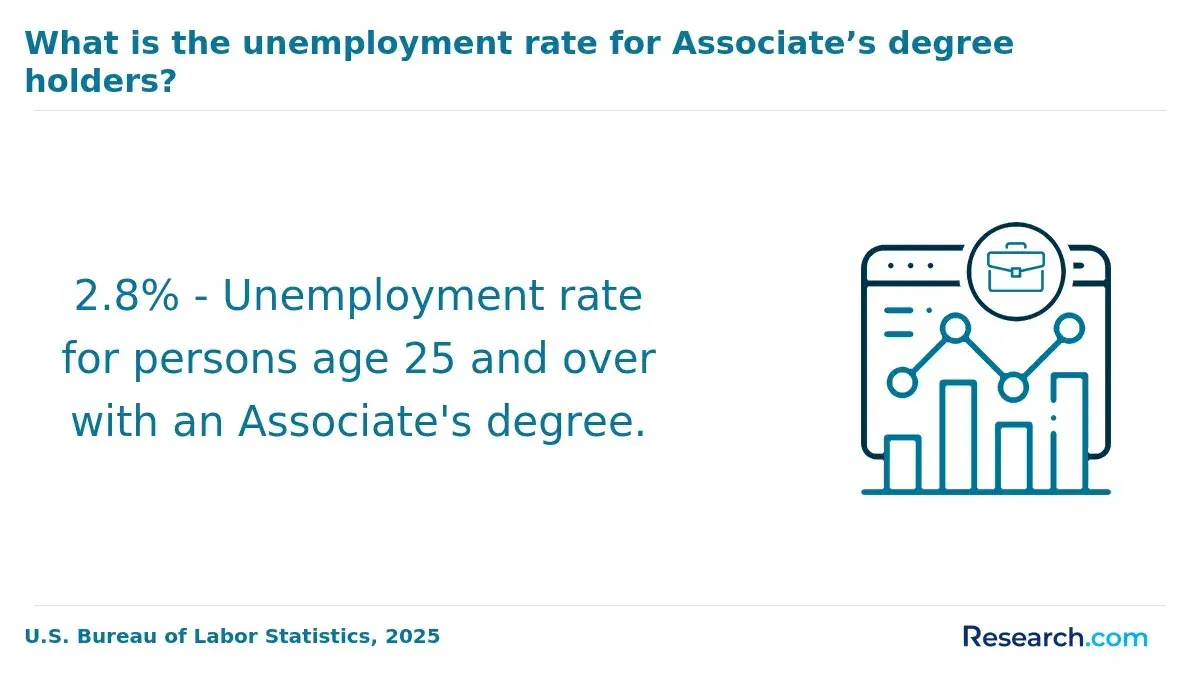
When weighing the return on investment for an online social media bachelor's degree compared to associate degrees and certificates, both cost and earning potential are critical factors. Data from the Bureau of Labor Statistics, the National Center for Education Statistics, and the Lumina Foundation offer a comprehensive foundation for this analysis.
- Cost Comparison: Tuition for an online bachelor's degree generally falls between $20,000 and $40,000. Associate degrees typically range from $6,000 to $15,000, while certificate programs are more affordable, often costing between $1,000 and $5,000. This variation affects upfront investment and debt load.
- Salary Differences: Median annual earnings correspond to credential level. Those with bachelor's degrees earn approximately 20% to 35% more than associate degree holders, and significantly more than certificate recipients. For instance:
- Bachelor's degree median wages: about $55,000 to $65,000 annually.
- Associate degree median wages: roughly $40,000 to $50,000 annually.
- Certificate holders typically earn between $30,000 and $40,000.
- Short-Term Viability: For individuals prioritizing a quicker workforce entry or managing limited funds, certificates and associate degrees often represent better short-term investments. These credentials require less time and lower upfront costs, facilitating earlier income streams and reduced debt burdens. Certificates also hone in on specific social media skills valuable for immediate job functions.
- Long-Term Benefits: Bachelor's degrees tend to yield stronger lifetime returns by enabling higher salaries, access to managerial positions, improved job security, and broader professional development opportunities.
- Decision Factors: Consider these when selecting a credential:
- Your financial capacity and readiness to invest in education upfront.
- Your career ambitions-whether quick employment or sustained advancement.
- Time constraints related to program completion.
- Industry hiring standards, as many employers prefer bachelor's degrees for leadership roles.
Balancing immediate cost savings against future income prospects helps first-generation students, working professionals, and career changers make informed, financially prudent choices about pursuing an online social media credential.
Which online social media specializations or concentrations yield the highest earning potential after graduation?
Graduates who specialize within online social media bachelor's programs tend to earn higher median salaries than generalist social media graduates entering similar fields, according to Bureau of Labor Statistics data. Selecting a focused track can improve time-to-return on investment, especially when prior experience aligns with the specialization.
- Digital Marketing and Analytics: Individuals concentrating on data-driven marketing roles command median salaries often above $65,000. Expertise in tools like Google Analytics enhances job prospects but may require upfront certification costs, which can add to the overall investment.
- Content Strategy and Management: Graduates skilled in content creation, editorial planning, and brand storytelling typically earn near $60,000. Staying competitive may involve continuing education in SEO best practices, increasing the time and financial commitment.
- Social Media Advertising and Campaign Management: Those trained in paid advertising platforms frequently report median salaries around $62,000. Certifications in Facebook Ads Manager or LinkedIn Marketing Solutions usually are necessary, slightly raising total costs but boosting earning potential.
- Community Engagement and Public Relations: This track, aligned with customer relations and brand reputation roles, offers median earnings between $55,000 and $60,000. Some advanced positions may require professional credentials or ongoing development in public relations, which can affect investment value.
Specializations with stronger technical and digital advertising components generally provide the highest earning potential. Working professionals or students with relevant backgrounds may shorten their time-to-ROI by leveraging existing skills.
Prospective learners without prior marketing experience should weigh certification preparation time and expenses carefully when choosing their path in social media bachelor's programs.
How do employer tuition reimbursement and financial aid reduce the net cost of an online social media bachelor's degree?
Employer tuition reimbursement programs can dramatically lower the out-of-pocket cost of earning an online social media bachelor's degree. Under IRS Section 127, employers may provide up to $5,250 annually in tax-free educational benefits to employees. These programs typically cover tuition, fees, and course materials, reducing direct expenses for students.
According to the Society for Human Resource Management (SHRM), more than 50% of U.S. employers offer tuition assistance, making employer tuition reimbursement benefits for online social media degrees a valuable resource for many working students seeking affordable education options.
Beyond employer programs, federal and institutional financial aid further decrease net tuition costs. Grants and scholarships, which do not require repayment, alongside subsidized federal loans with low interest and deferred repayment while enrolled, significantly relieve financial strain. These layered forms of support can drive tuition costs down to a fraction of the full price, increasing accessibility for students balancing work and study.
For example, a student facing a $30,000 total tuition may receive $5,250 per year from their employer, adding to $21,000 over four years. Coupled with $6,000 in federal and institutional grants and scholarships, their final out-of-pocket cost could be as little as $3,000. Combining employer tuition reimbursement benefits with financial aid creates this compelling financial profile for an online social media degree.
Choosing the right program also means considering non-financial benefits like career advancement, job security, and professional development opportunities, ensuring full evaluation of your investment's value.
This approach aligns with research from trusted sources such as the Bureau of Labor Statistics and IPEDS and supports career-focused students. Those interested in accelerated graduate study options may explore related programs like the accelerated masters in psychology for further professional advancement.
- Employer Tuition Reimbursement: Allows employees to receive up to $5,250 yearly in tax-free educational benefits, significantly decreasing direct tuition and course-related expenses through workplace support.
- Financial Aid Impact: Federal grants, scholarships, and subsidized loans reduce net costs beyond employer programs, making social media bachelor's programs affordable to many.
- Prevalence Among Employers: Over half of U.S. employers provide tuition assistance, extending education access to working professionals without extensive personal debt.
- Stacking Benefits: Combining employer tuition reimbursement benefits for online social media degrees with federal and institutional aids can reduce net tuition from tens of thousands to just a few thousand dollars.
- Completion Incentives: Employer programs often require employees to stay with their company post-degree, ensuring investment returns and providing career progression opportunities.
What hidden costs should students factor into the total investment of an online social media bachelor's degree?
When budgeting for an online social media bachelor's degree, many students overlook additional fees beyond tuition, which can significantly increase the total cost. These hidden expenses often include technology and platform fees, proctoring services, and course-specific software licenses-all essential for completing coursework successfully.
Such costs typically add 10% to 20% beyond published tuition rates, impacting the overall financial investment and delaying the break-even timeline when graduates start earning enough to recoup education expenses.
Graduation fees represent a one-time essential charge for diploma processing, while optional professional organization memberships can enhance networking prospects and career growth, further contributing to total expenses.
Considering these additional fees associated with online social media degrees is crucial for accurate financial planning, especially for first-generation students or working professionals on tight budgets.
Prospective students should always request a comprehensive cost-of-attendance breakdown that includes all recommended expenses rather than focusing solely on tuition.
This approach helps avoid unexpected debt or budget shortfalls and aids in selecting institutions wisely. Research from the College Board and institutional disclosures confirm these typical extra charges, underscoring the value of transparent information.
Investing in a reputable online program, such as those offered by a non profit online university, can ensure quality education while managing hidden costs effectively.
- Technology and Platform Fees: Institutions often charge $100 to $300 annually per term to maintain digital learning tools and online resources, adding to recurring costs throughout the program.
- Proctoring Expenses: Online exam monitoring ranges from $30 to $100 per test, potentially increasing costs over multiple assessments during the degree.
- Software Licenses: Specialized applications required for assignments may cost several hundred dollars annually, representing a significant hidden expense.
- Graduation and Administrative Fees: One-time fees averaging $100 to $300 cover diploma issuance and other completion costs necessary for degree conferral.
- Professional Memberships: While optional, memberships costing $50 to $150 per year support career advancement and networking within the social media field.
How does the accreditation status of an online social media program affect graduate salary and employability?
Regional accreditation assesses the overall quality and rigor of an institution, representing the highest standard in U.S. higher education. Programmatic accreditation, meanwhile, evaluates the quality of specific fields like social media, ensuring the curriculum meets industry standards. Together, these accreditations assure employers of graduates' academic preparation and relevant skills, enhancing employability and salary potential.
Employer surveys from the National Association of Colleges and Employers (NACE) reveal a strong preference for candidates from regionally or regionally and programmatically accredited institutions. Such graduates tend to command higher starting salaries and enjoy greater leverage during salary negotiations. Degrees from nationally accredited or non-accredited programs often generate doubts about educational quality, narrowing job opportunities and salary growth.
Enrolling in unaccredited programs risks blocking access to necessary licensure exams, graduate studies, and certain government or healthcare positions that require recognized credentials. Prospective students should utilize the U.S. Department of Education's accreditation database and the Council for Higher Education Accreditation (CHEA) to validate program legitimacy before committing.
- Quality Assurance: Regional accreditation guarantees institutional standards that translate into employer trust and graduate readiness.
- Salary Advantages: Graduates from accredited programs generally earn more, reflecting better market reputation and skill validation.
- Hiring Preferences: Employers favor accredited degrees as indicators of dependable knowledge and workplace competence.
- Career Access: Accreditation affects eligibility for licensure exams and advanced education critical for professional progress.
- Verification Importance: Students must confirm accreditation status using federal and national resources before enrollment to avoid potential setbacks.
What entry-level job titles and salary ranges are available to graduates of online social media bachelor's programs?
Graduates with online social media bachelor's degrees have numerous entry points into the workforce, spanning diverse industries with varying salary ranges. Roles such as social media coordinator commonly start between $40,000 and $55,000, with marketing agencies and technology sectors offering the highest pay.
Digital marketing assistants tend to earn between $38,000 and $52,000, especially in finance and healthcare. Content creators generally see starting salaries from $35,000 to $50,000, with tech startups and media companies leading compensation.
- Social Media Coordinator: Starting salaries range from $40,000 to $55,000, predominantly higher in marketing and tech industries.
- Digital Marketing Assistant: Entry pay between $38,000 and $52,000, with top offers in finance and healthcare; certifications boost earnings.
- Content Creator: Median salaries from $35,000 to $50,000, tech startups and media companies paying most.
- Community Manager: Typically begins at $45,000 to $60,000, especially in technology and entertainment where engagement is critical.
- Public Relations Assistant: Starts between $37,000 and $50,000, with government and corporate sectors offering more for crisis communication expertise.
- SEO Specialist: Salaries usually range from $40,000 to $58,000; finance and marketing sectors value search engine optimization.
- Social Media Analyst: Starting pay between $42,000 and $57,000, healthcare and tech companies prioritize data-driven skills and certifications.
- Brand Ambassador: Entry salaries from $30,000 to $45,000, often in retail, education, and finance; internships enhance earning potential.
The variation in starting salaries affects how rapidly graduates can recoup their educational costs. Positions within technology or finance usually provide quicker returns than those in nonprofit or educational fields.
Gaining internships and certifications-such as Google Analytics or HubSpot-also significantly elevates initial earnings, supporting faster financial stability and career growth.
What Graduates Say About the Return on Investment of Their Online Social Media Bachelor's Degree
- Arden: "Choosing the online social media bachelor's degree was a decision rooted in carefully evaluating the ROI compared to the program's cost. The flexibility allowed me to work while studying, which maximized my income potential without sacrificing education. Beyond finances, the program opened doors to management roles that offered significant career advancement."
- Santos: "The non-financial returns of the online social media degree truly surprised me-greater job security and access to cutting-edge industry knowledge meant a lot more than just salary increases. This degree made me a confident professional able to navigate complex digital landscapes with ease. Looking back, the investment in myself far outweighed the tuition fees."
- Leonardo: "Completing the online social media bachelor's gave me a substantial impact on my career trajectory-I've taken on higher-profile projects and leadership roles since graduating. The program's blend of theory and practical skills ensured I was job-ready immediately. While cost was a factor, I now view the degree as a strategic investment that delivered measurable, long-term professional benefits."
Other Things You Should Know About Social Media Degrees
The time to recoup the cost of an online social media bachelor's degree typically ranges from three to six years, depending on tuition expenses and post-graduation salary levels. Graduates who enter high-demand roles in larger urban markets or specialized industries may recover their investment faster due to higher starting salaries. Conversely, in regions with lower salary averages or among entry-level positions, the payback period can extend beyond six years.
Geographic location greatly influences salary outcomes for social media graduates-large metropolitan areas often offer higher wages compared to rural or smaller urban regions. Similarly, industry sectors matter; graduates working in digital marketing agencies, tech firms, or media companies generally earn more than those in nonprofit or local government roles. Cost of living adjustments also affect the real value of salaries earned across different locations.
Employer surveys consistently highlight the growing demand for candidates with social media expertise, emphasizing skills in content strategy, analytics, and digital communications. Labor market data shows steady employment growth in social media-related roles, projecting well-above-average job openings over the next decade. Many employers consider a bachelor's degree in social media or a related field as a baseline qualification for mid-level positions, reflecting its recognized value.
References
- Social Media ROI: How to Measure & Grow 2025 https://improvado.io/blog/social-media-roi
- 10 Most Profitable Online Course Niches (High Demand 2025) https://www.upskillist.com/blog/the-10-most-profitable-niches-for-online-courses/
- The Hidden Cost of Online Education https://www.accessmba.com/articles/view/the-hidden-cost-of-online-education
- Mastering Social Media and ROI A Practical Guide - EvergreenFeed Blog https://www.evergreenfeed.com/blog/social-media-and-roi/
- Is College Worth it? | Return on Investment Analysis of College Degree https://educationdata.org/college-degree-roi
- Why Online Degrees Are Popular: 7 Key Reasons https://gauravtiwari.org/online-degree-programs-popular/
- Digital Marketing: College Degree vs. Certificate Program https://www.nobledesktop.com/blog/digital-marketing-college-degree-vs-certificate-program
- As enrollment in online college grows, students wonder: Why does it cost more? https://www.npr.org/2025/03/15/nx-s1-5311603/why-does-online-college-cost-more
- The Hidden Costs of Online Graduate Programs https://www.easygrader.net/blog/the-hidden-costs-of-online-graduate-programs/
- Decipher the True Cost of Your Online Degree https://www.yahoo.com/news/decipher-true-cost-online-degree-130000627.html